EN

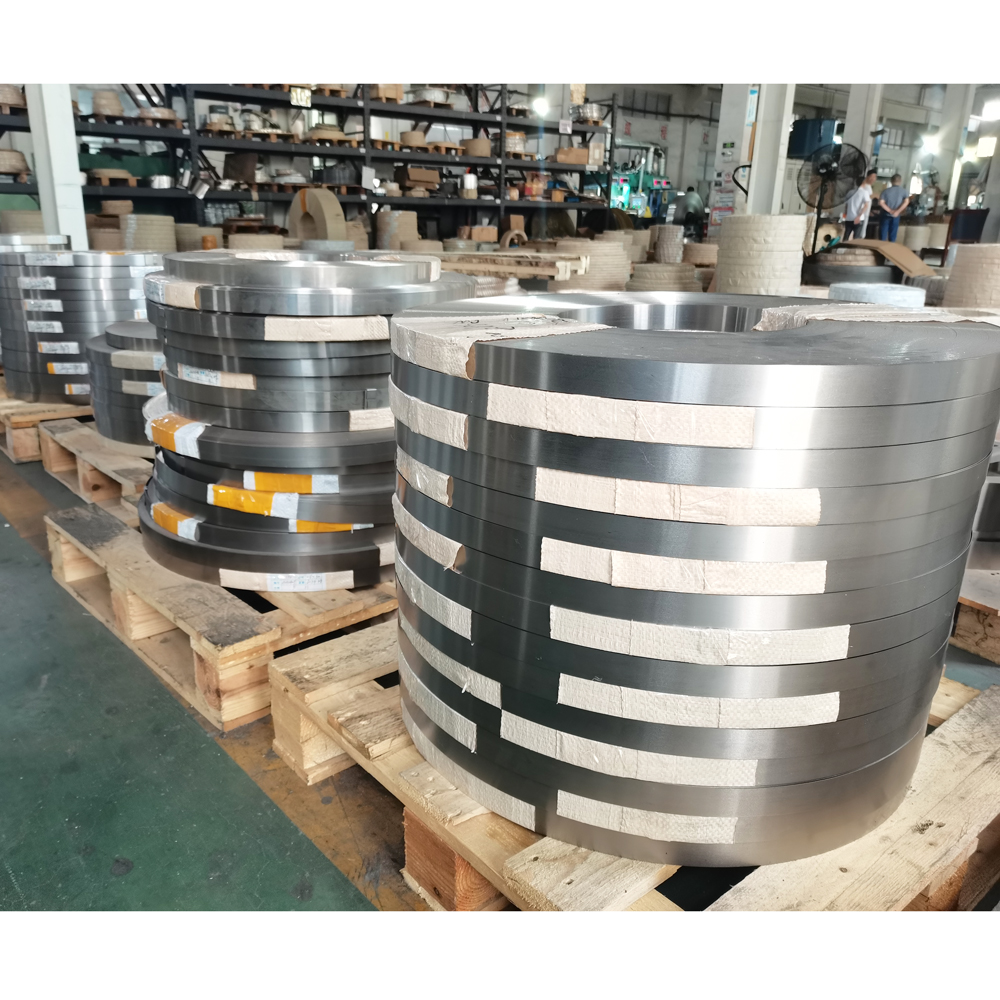
High Performance Soft Magnetic Alloy 1J50 Strip For Transformer Core Manufacturing
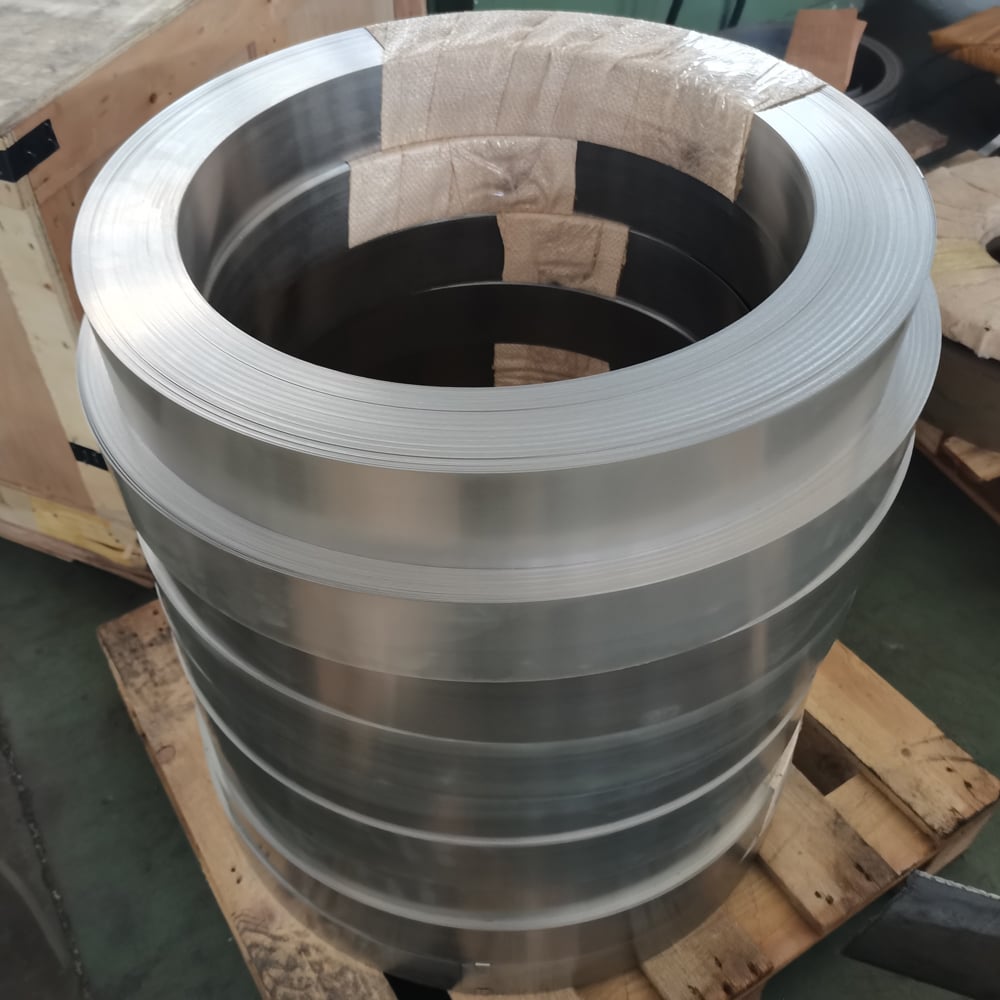
Custom 1J50 soft magnetic alloy strip for high-efficiency transformer cores. High saturation induction (1.55T), low core loss, ultra-precision slitting & custom thickness. Certified ISO factory direct supply from DLX Alloy.
- Overview
- Specifications
- Features
- Applications
- About DLX
- FAQ
- Recommended Products
Product Overview
1J50 is a classic 50% nickel-iron soft magnetic alloy characterized by its high saturation magnetic induction (), which is significantly higher than 80% nickel Permalloys, combined with much higher permeability and lower core loss than conventional silicon steel. This unique balance makes 1J50 alloy strip the premier core material for compact, high-efficiency electrical equipment where space and magnetic performance are critical design factors.
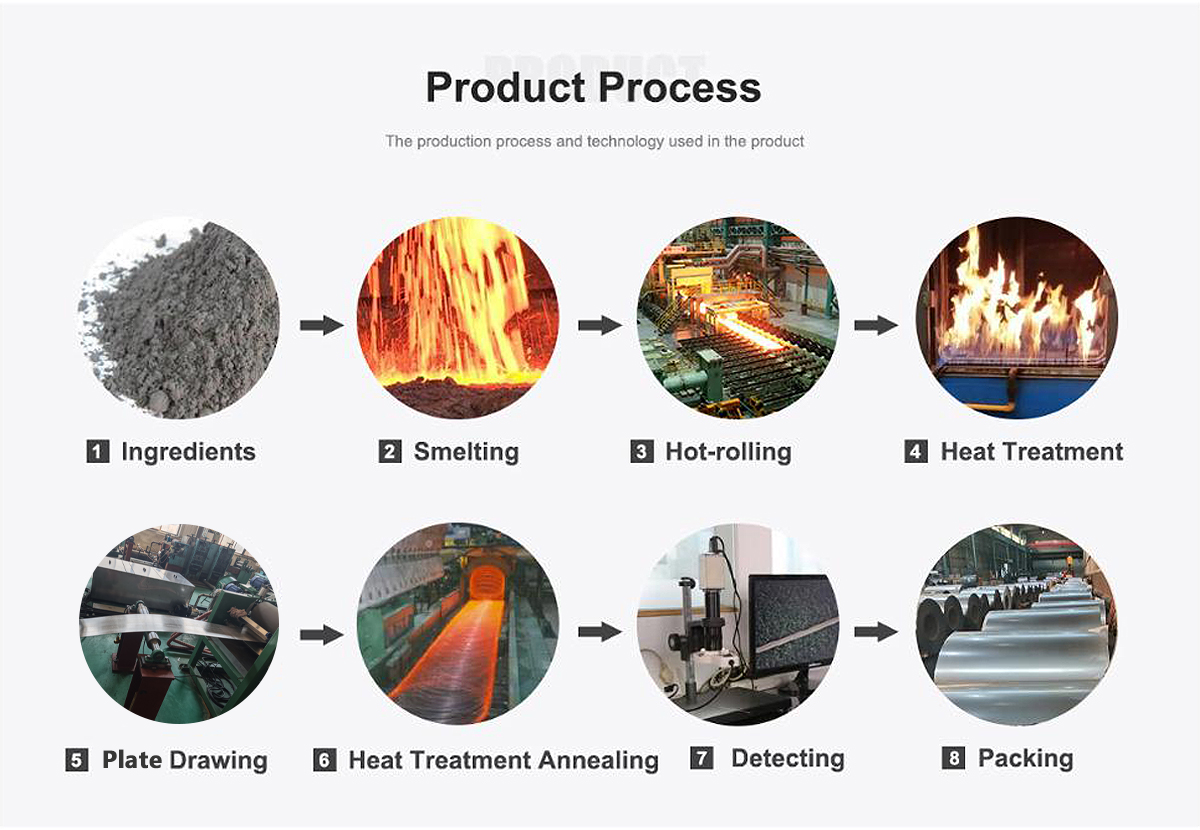
At DLX Alloy, our vertically integrated production guarantees batch-to-batch metallurgical purity, controlling interstitial carbon, sulfur, and non-metallic inclusions to ultra-low thresholds. The strip responds exceptionally well to dry-hydrogen final magnetic annealing, developing large, oriented crystal grains that optimize magnetic domain wall movement, minimize coercive force (), and maximize magnetic response under medium-to-high magnetic field intensities.
Technical Specifications
1. Nominal Chemical Composition (%)
| Element | Nickel (Ni) | Manganese (Mn) | Silicon (Si) | Carbon (C) | Phosphorus (P) | Sulfur (S) | Iron (Fe) |
|---|---|---|---|---|---|---|---|
| 1J50 Standard Content | 49.0 – 51.5 | 0.30 – 0.60 | 0.15 – 0.30 | Balance |
2. Typical Magnetic and Physical Properties (After Hydrogen Annealing)
| Technical Parameter | Metric Unit | Nominal Value | Engineering Significance |
|---|---|---|---|
| Saturation Magnetic Induction () | Tesla (T) | 1.50 – 1.60 | High magnetic flux density under working fields |
| Coercive Force () | A/m | Low hysteresis loop area and reduced thermal dissipation | |
| Initial Permeability () | mH/m | Rapid magnetic response at low excitation currents | |
| Maximum Permeability () | mH/m | Peak magnetic throughput efficiency | |
| Curie Temperature () | °C | ~ 500 | Broad operating temperature stability |
| Electrical Resistivity () | ~ 0.45 | Reduces eddy current generation in AC applications | |
| Density () | 8.25 | Material calculation baseline |
3. Supply Formats and Precision Tolerances
-
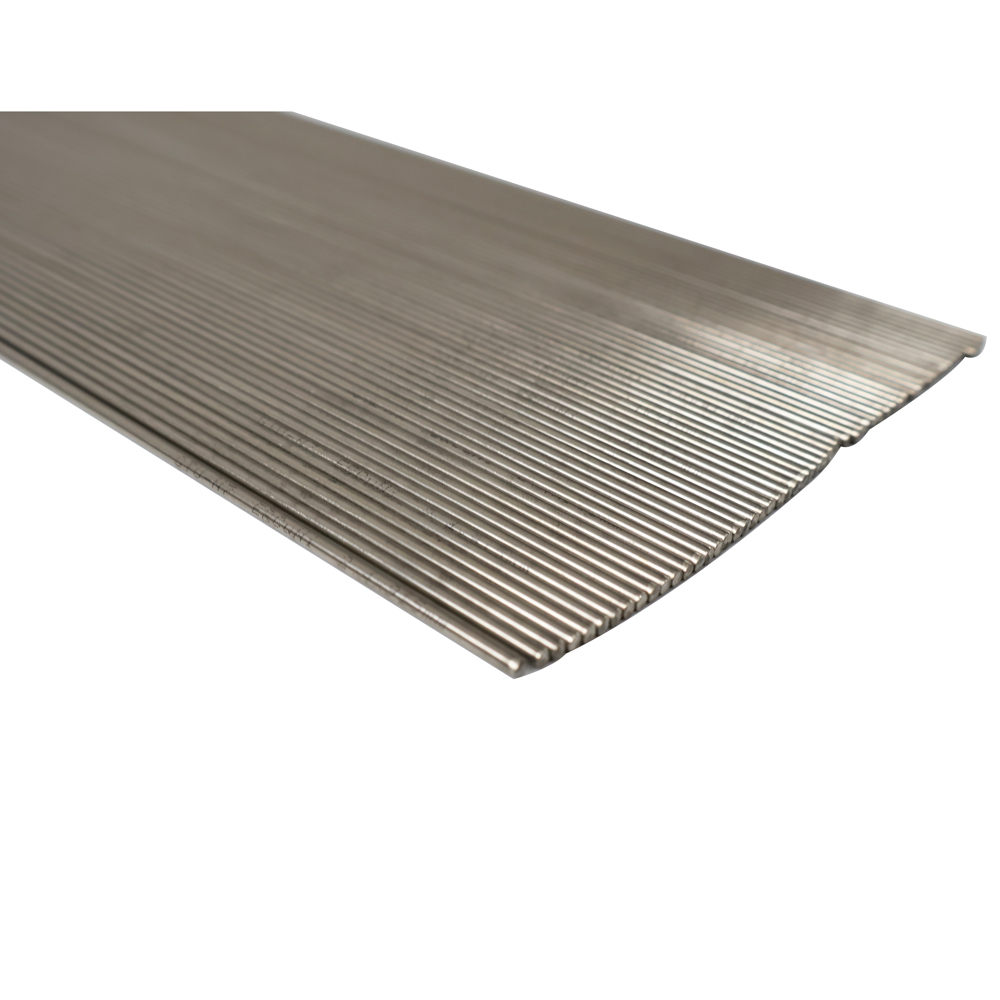
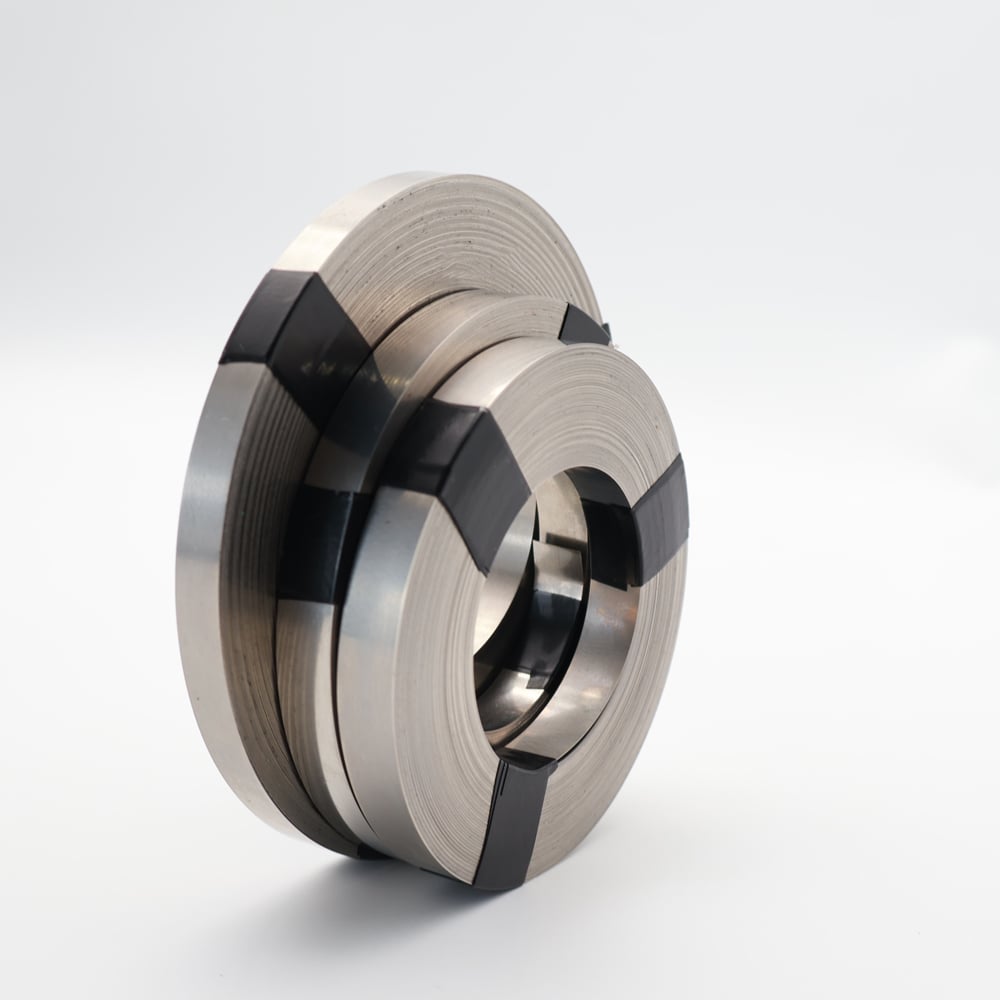
Thickness Range: 0.05 mm – 2.50 mm (Custom rolling down to precision foil gauges available)
-
Width Range: 3.0 mm – 350 mm (Precision burr-free slitting)
-
Supply Condition: Cold-Rolled Hard (for stamping/forming), Semi-Annealed, or Final Hydrogen-Annealed
-
Thickness Tolerance: to (Ultra-tight rolling control)
-
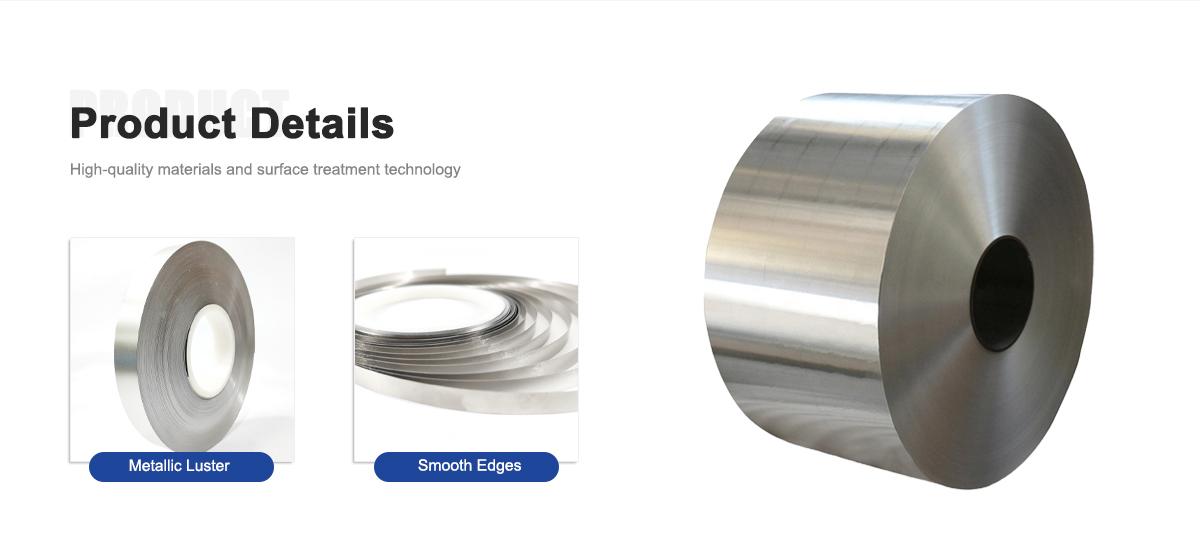
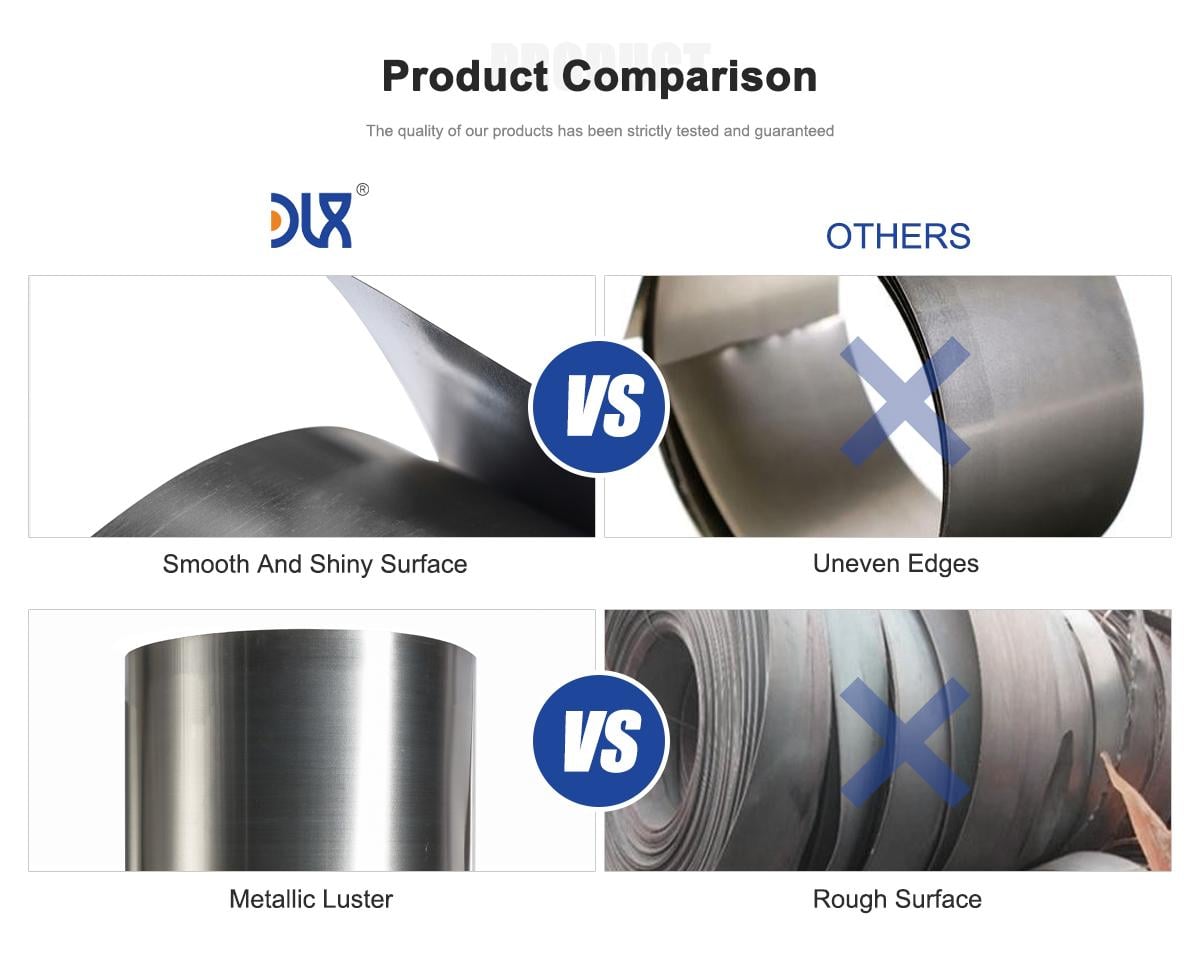
Surface Condition: Bright, smooth, de-greased, free of slivers, laminations, or oxidation
Key Engineering Features
-
High Saturation Magnetic Flux Density: Reaching up to 1.55 Tesla, allowing engineers to design smaller, lighter transformer cores and chokes without entering early magnetic saturation.
-
Low Hysteresis and Eddy Current Losses: High electrical resistivity () and ultra-low coercive force ensure energy-efficient operation in AC transformers and chokes.
-
Superior Stamping and Slitting Ductility: Controlled grain refinement during cold rolling enables precision die-stamping of EI laminations, toroidal rings, and intricate magnetic shielding cans without edge cracking.
-
High Chemical Uniformity via VIM Melting: Vacuum induction melting eliminates gas voids and non-metallic inclusions, ensuring consistent magnetic responsiveness across the entire length of the coil.
-
Excellent Response to Magnetic Heat Treatment: Readily achieves optimal soft magnetic states when subjected to continuous dry hydrogen annealing at .
Industrial Applications
-
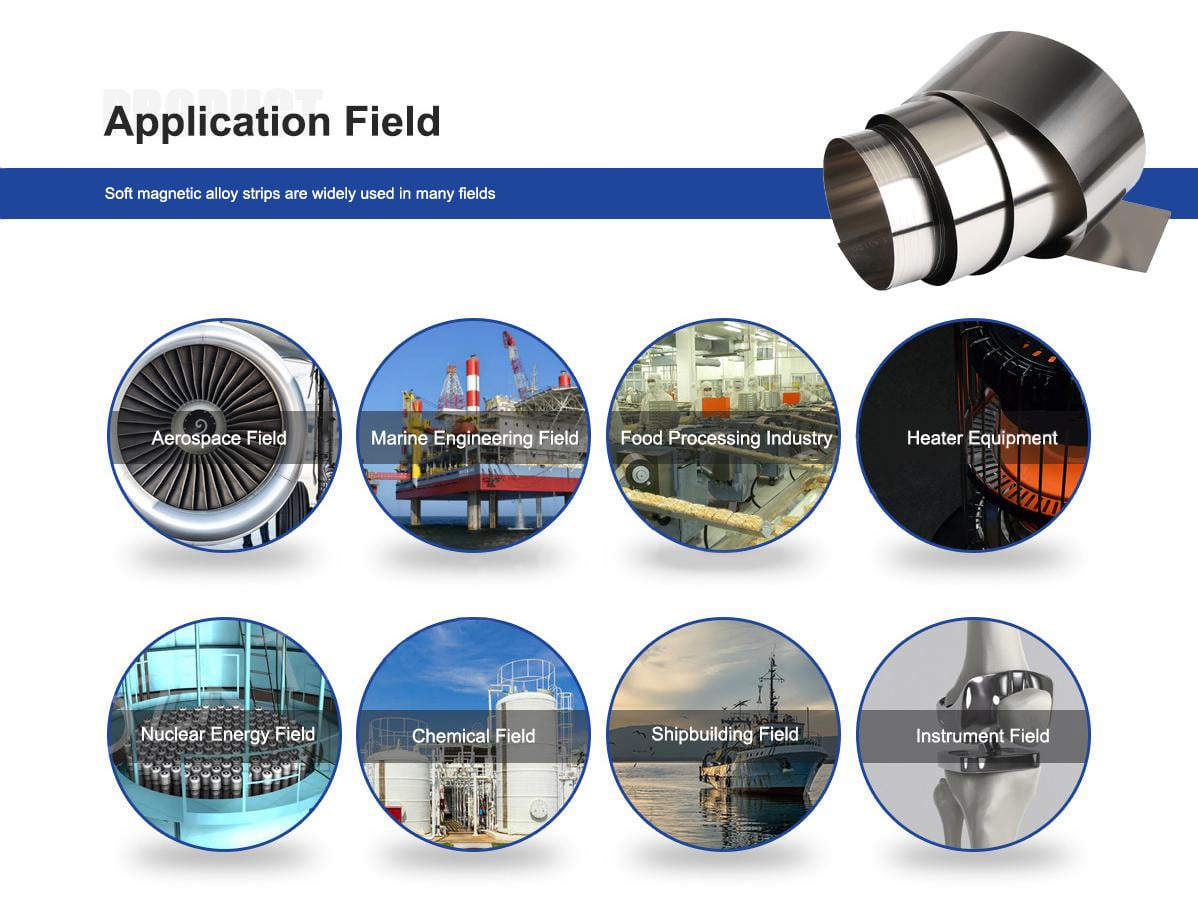
Precision Instrument Transformers & CT Cores: Provides linear magnetizing curves and ultra-low phase error in current transformers, zero-sequence transformers, and energy metering cores.
-
Audio & Pulse Transformers: Low distortion and rapid flux response in telecommunication, audio amplification, and pulse-power coupling circuits.
-
Electromagnetic Relays & Solenoids: Used in high-sensitivity magnetic pole pieces, armatures, and relay yokes for fast dynamic switching with zero residual magnetic sticking.
-
Magnetic Shielding Enclosures & Tapes: Wrapped or stamped shielding for high-sensitivity sensors, photomultiplier tubes, and avionics instrumentation requiring protection from ambient stray magnetic fields.
-
Magnetic Clutches, Chokes, and Actuators: High mechanical reliability and flux conduction in automotive and industrial automation sensors.
Why Choose DLX Alloy
-
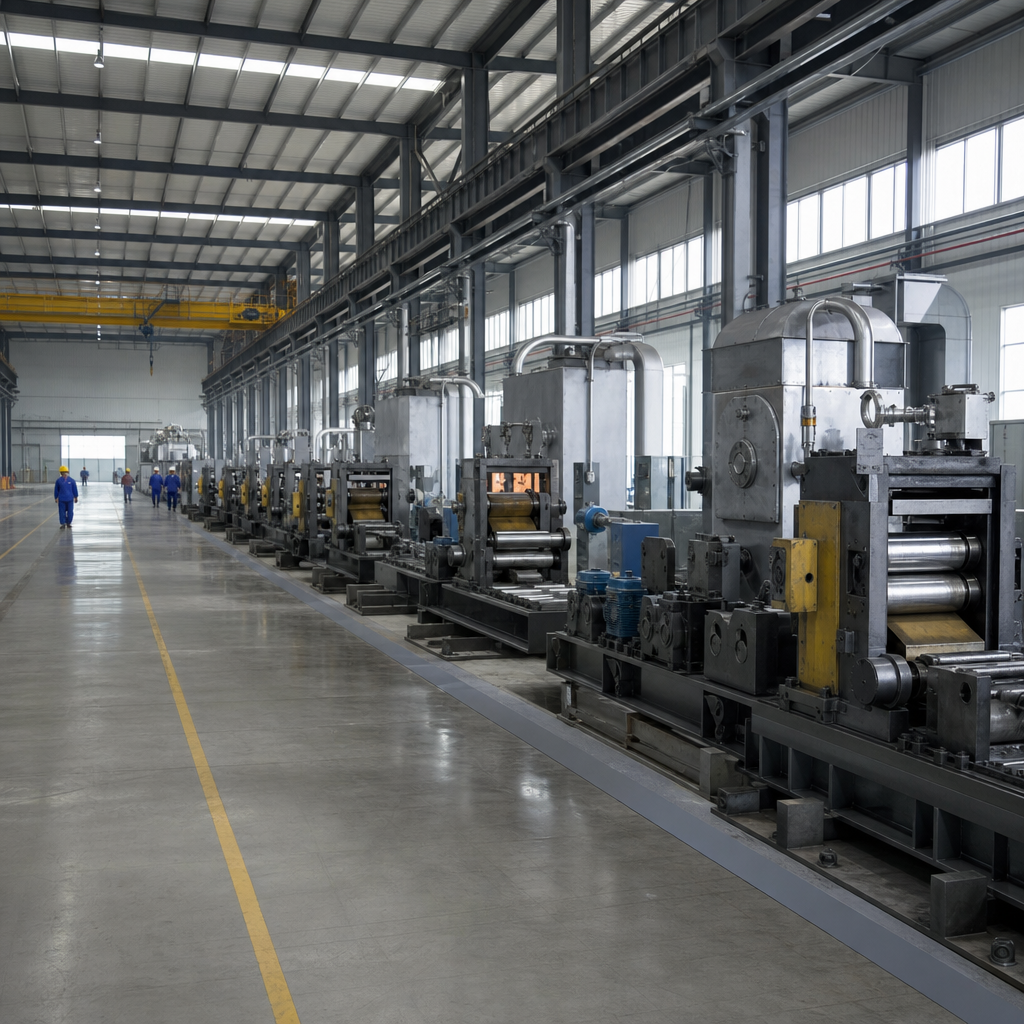
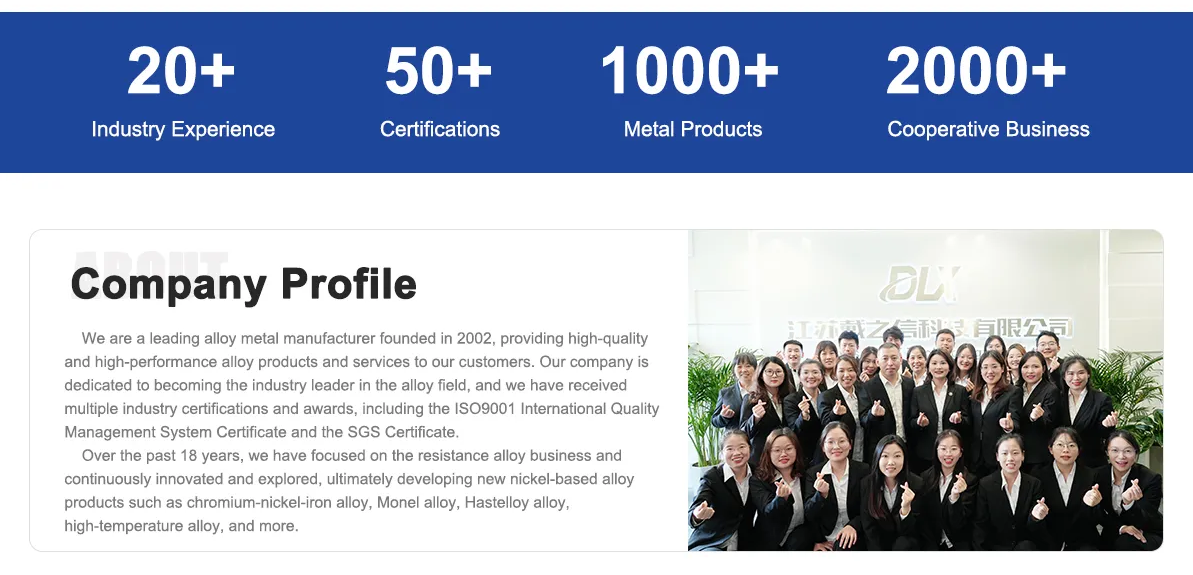
Integrated Vacuum Metallurgy & Rolling: DLX controls the full manufacturing chain from raw alloy selection and vacuum induction melting to precision multi-roll cold reduction and continuous tension leveling.
-
Scalable Industrial Capacity: Operating with a steady capacity of 1,200 tons/month, ensuring prompt delivery for high-volume automotive, industrial electronics, and power distribution contracts.
-
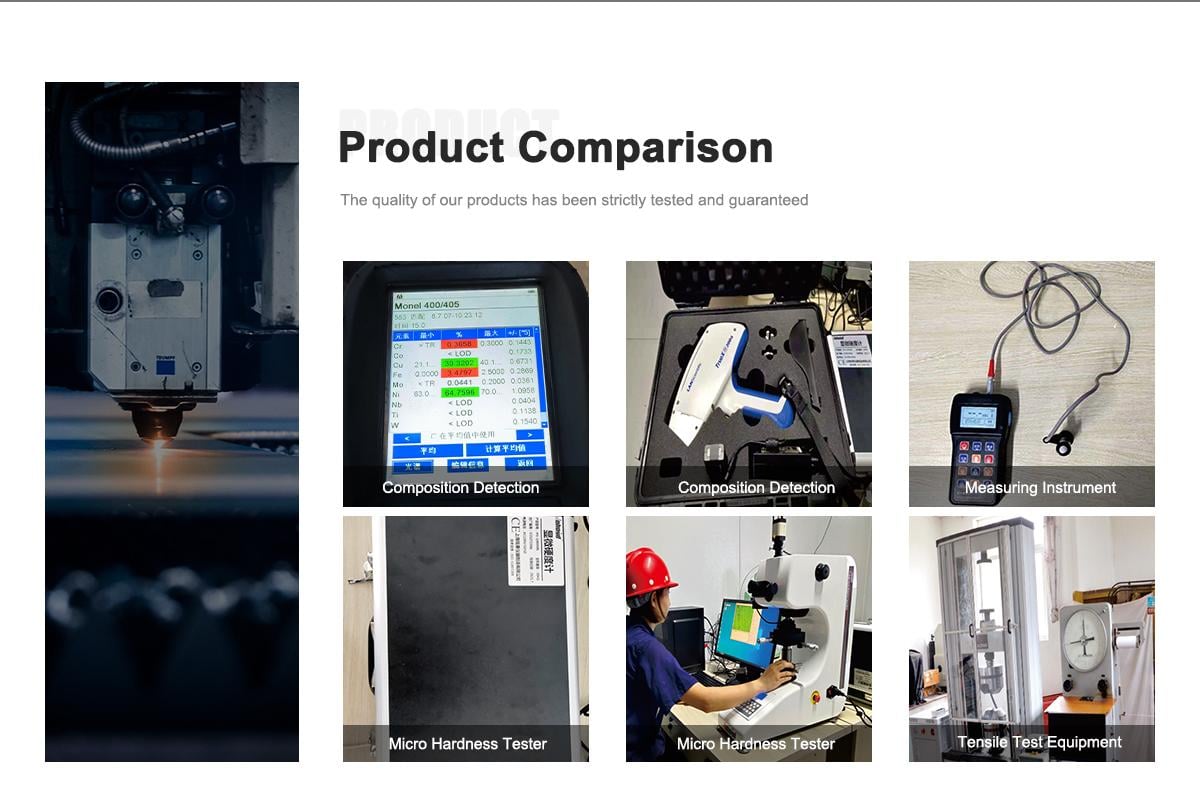
Comprehensive Quality Verification: 100% material traceability with full spectrometer chemical verification, eddy-current surface inspection, and Permeameter closed-loop DC/AC magnetic property testing on test rings.
-
Custom Slitting & Edge Finishing: State-of-the-art precision slitting lines capable of narrow-width coils (down to 3 mm) with strictly controlled edge camber and minimal burr height ( of strip thickness).
-
Technical Engineering Collaboration: Direct support from experienced metallurgists on optimal lamination stamping parameters, deburring techniques, and atmosphere annealing curves.
Frequently Asked Questions
Q1: What is the main operational difference between 1J50 and 1J85 (80% Ni Permalloy)?
A: 1J50 provides a significantly higher saturation magnetic induction ( vs. for 1J85), making it the preferred choice for power transformers, high-current transformers, and magnetic components subjected to strong magnetic fields. In contrast, 1J85 offers higher initial permeability at extremely weak magnetic fields but saturates much earlier.
Q2: Does 1J50 strip require heat treatment after stamping or forming?
A: Yes. Cold stamping, bending, and cutting introduce mechanical stress into the crystal lattice, which severely degrades initial permeability and increases coercive force. To restore and maximize magnetic performance, the fabricated parts must undergo high-temperature final annealing in a dry hydrogen atmosphere (dew point ) at , followed by controlled cooling.
Q3: What surface finishes and edge conditions are available for 1J50 slit coils?
A: DLX provides bright cold-rolled surfaces with protective light oil or completely de-greased surfaces ready for stamping. Edges can be supplied as precision slit (minimal burr) or specially deburred/radiused to prevent insulation breakdown in tightly stacked transformer laminations.
Q4: Can DLX accommodate custom strip thickness and non-standard coil widths?
A: Absolutely. In addition to standard gauges (0.1 mm, 0.2 mm, 0.35 mm, 0.5 mm), we offer custom precision rolling down to 0.05 mm foil and up to 2.5 mm plate strip, with custom slit widths from 3 mm to 350 mm tailored to your specific core winding or tooling dimensions.
Q5: How do you verify the magnetic properties of each production batch?
A: Standard toroidal test samples are punched from each master heat and hydrogen-annealed alongside the batch. We measure saturation flux density (), initial permeability (), maximum permeability (), and coercive force () using high-precision digital fluxmeters and hysteresis graph test systems, providing comprehensive Mill Test Certificates with every shipment.