EN

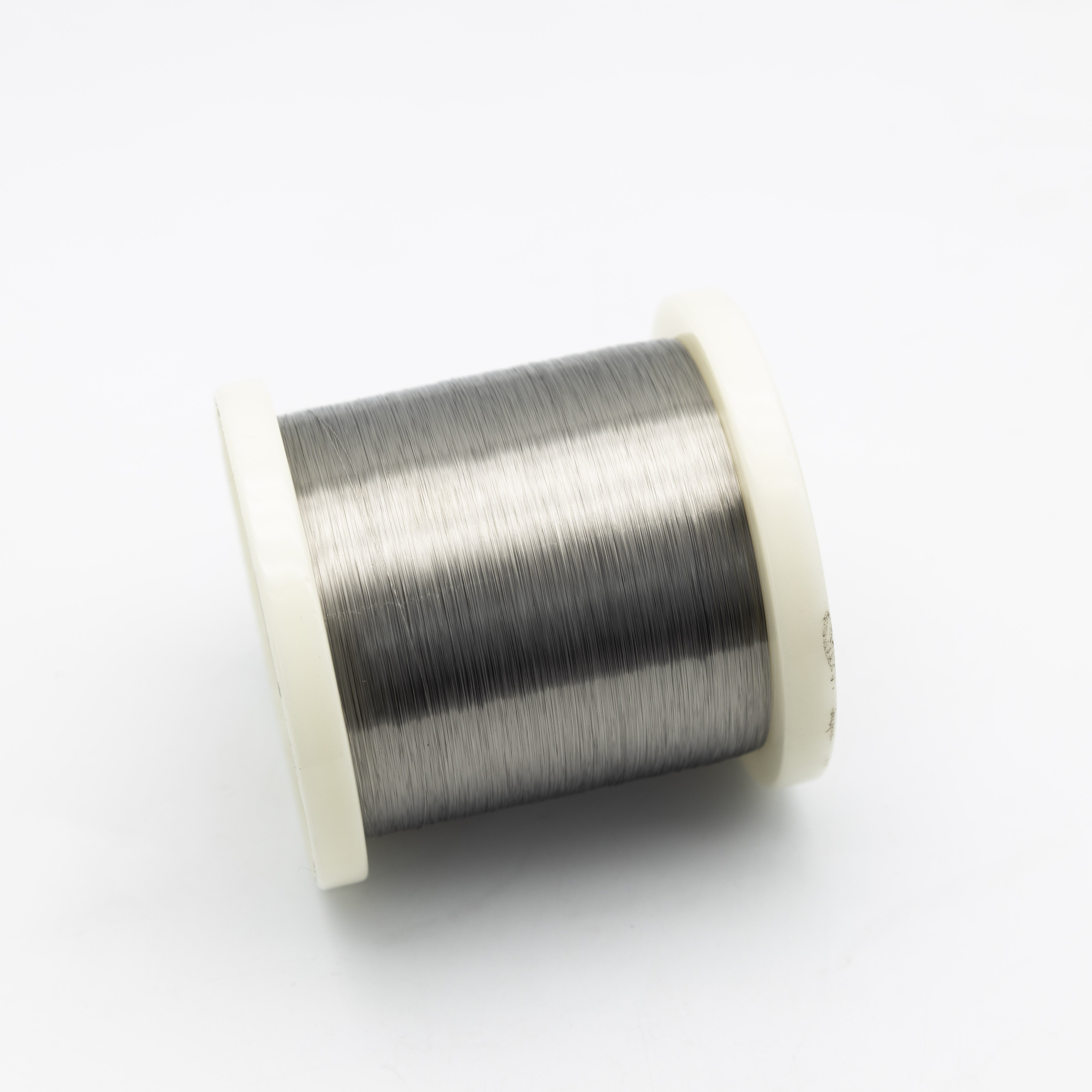
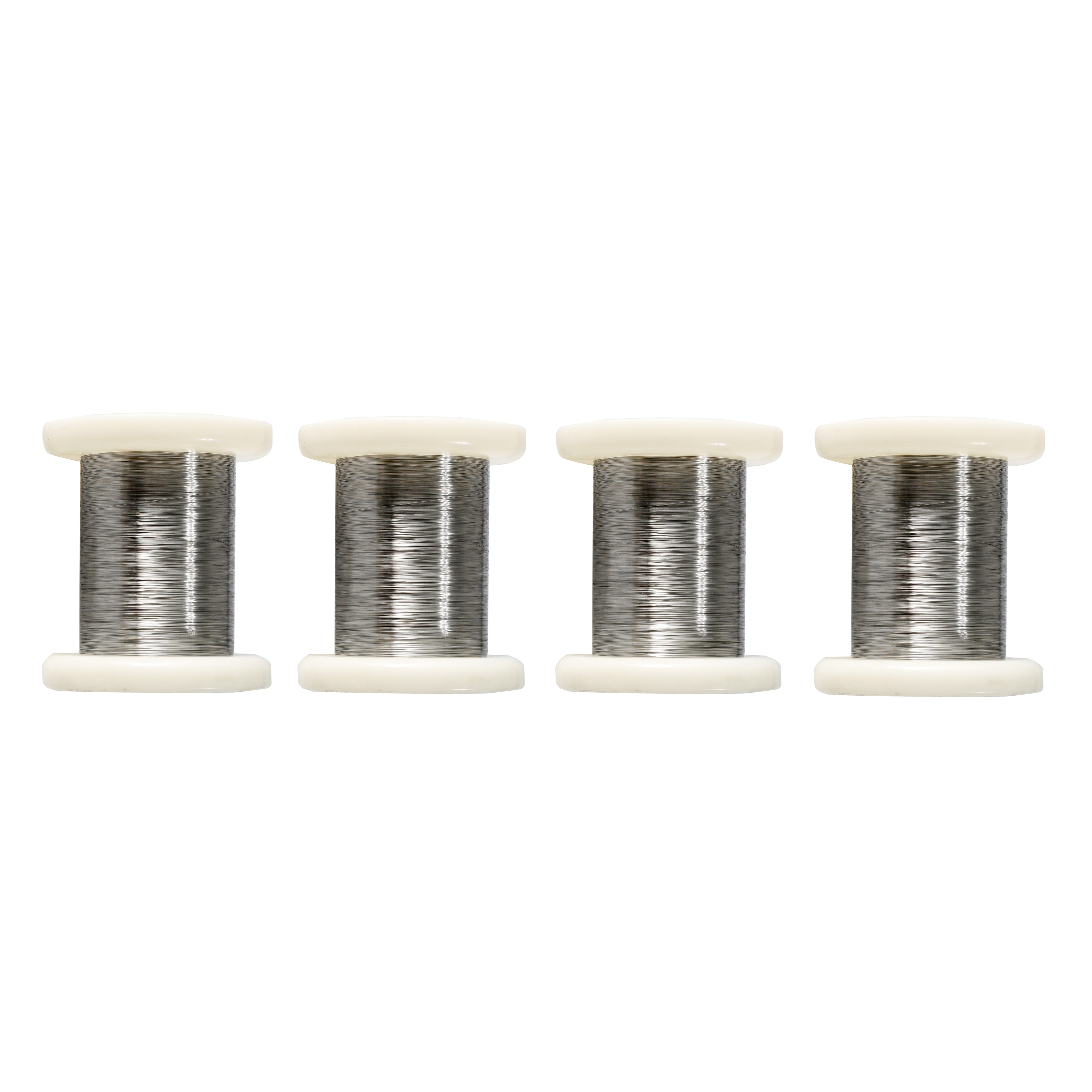
High Precision Manganin Resistance Wire 6J12 0.47 μΩ·m For Standard Resistors
Premium 6J12 Manganin resistance wire offering 0.47 μΩ·m resistivity, ultra-low TCR (≤10 ppm/°C), and negligible EMF vs Copper. Engineered for standard resistors, current shunts, and instrumentation.
- Overview
- Specifications
- Features
- Applications
- Why-Us
- FAQ
- Recommended Products
Product Summary & Overview
Product Summary
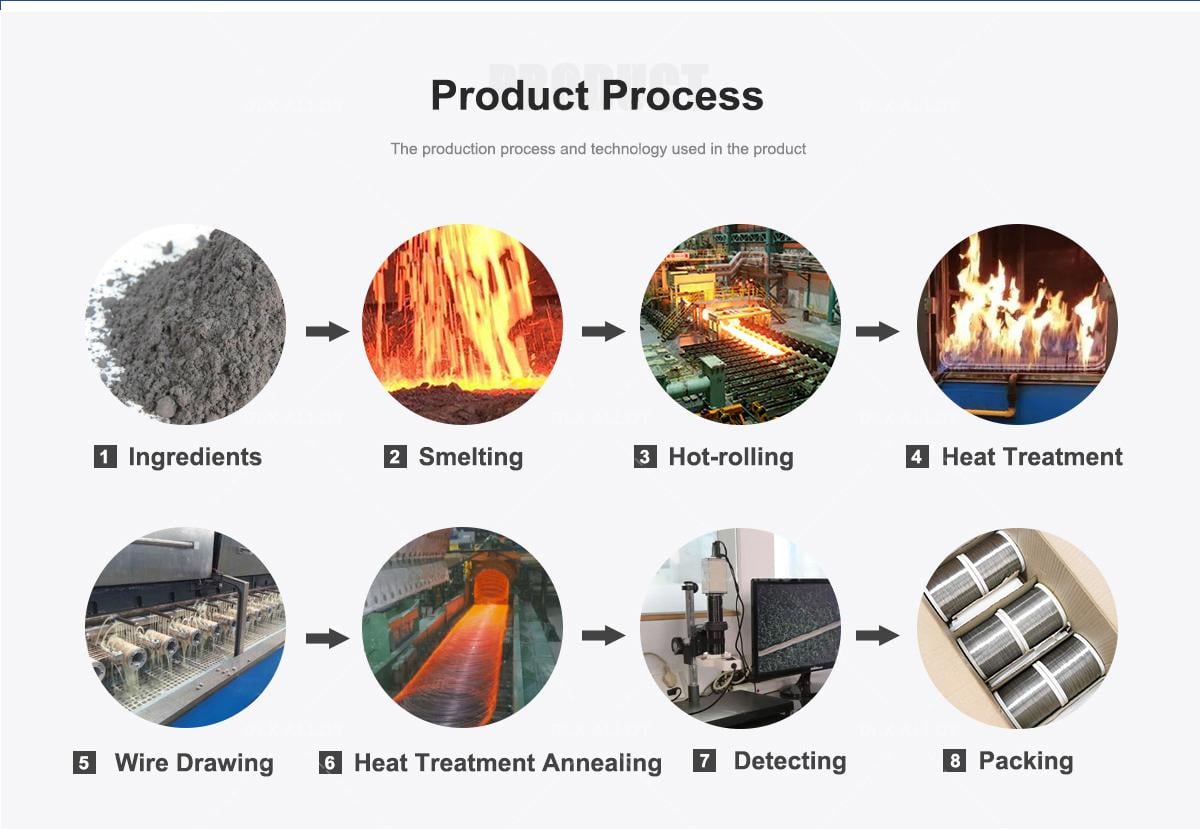
Engineered for metrology-grade instrumentation and high-precision current sensing, our 6J12 Manganin Resistance Wire delivers unmatched thermal stability with a nominal electrical resistivity of 0.47 ± 0.03 μΩ·m. Featuring an ultra-low Temperature Coefficient of Resistance (TCR ≤ 10 ppm/°C between 15°C and 35°C) and virtually zero thermal EMF against copper, this copper-manganese-nickel precision alloy guarantees long-term drift-free accuracy across standard resistors, laboratory potentiometers, and high-performance shunt modules.
Product Overview & Metallurgy
6J12 Manganin (equivalent to CuMn12Ni2 / Alloy 43) is an advanced copper-based precision resistance alloy manufactured through vacuum induction melting and multi-stage precision cold drawing. The unique metallurgical composition (nominal Cu86-Mn12-Ni2) ensures an extraordinarily flat resistance-temperature curve around ambient room temperatures, making it the global standard for high-accuracy calibration devices, analog measuring instruments, and heavy-duty current shunts.
Technical Specifications & Material Properties
Chemical Composition & Typical Values
| Element | Nominal Content (%) | Target Specification Range (%) |
|---|---|---|
| Copper (Cu) | Balance | Remainder |
| Manganese (Mn) | 12.0% | 11.5% – 13.0% |
| Nickel (Ni) | 2.0% | 1.5% – 2.5% |
| Iron (Fe) | - | ≤ 0.20% |
| Impurities (Total) | - | ≤ 0.50% |
Physical & Electrical Properties
| Parameter / Property | Metric Value | Imperial / Condition |
|---|---|---|
| Nominal Electrical Resistivity | 0.47 ± 0.03 μΩ·m | 283 ± 18 Ω·circ mil/ft (20°C) |
| Temperature Coefficient of Resistance (TCR) | ± 10 × 10⁻⁶ / °C | 15°C to 35°C range |
| Thermal EMF vs Copper (0–100°C) | ≤ 1.0 μV / °C | Near-zero thermoelectric distortion |
| Density | 8.44 g/cm³ | 0.305 lb/in³ |
| Melting Point | 960 °C – 1020 °C | Solidus / Liquidus zone |
| Tensile Strength (Annealed / M-State) | 390 – 490 MPa | High ductility for coil winding |
| Elongation at Break | ≥ 15% | Annealed condition |
| Continuous Operating Temperature | Up to 140 °C | Stable in air/oil environments |
Available Form Factors & Custom Tolerances
| Product Form | Diameter / Dimension Range | Tolerance Standard | Surface Finish |
|---|---|---|---|
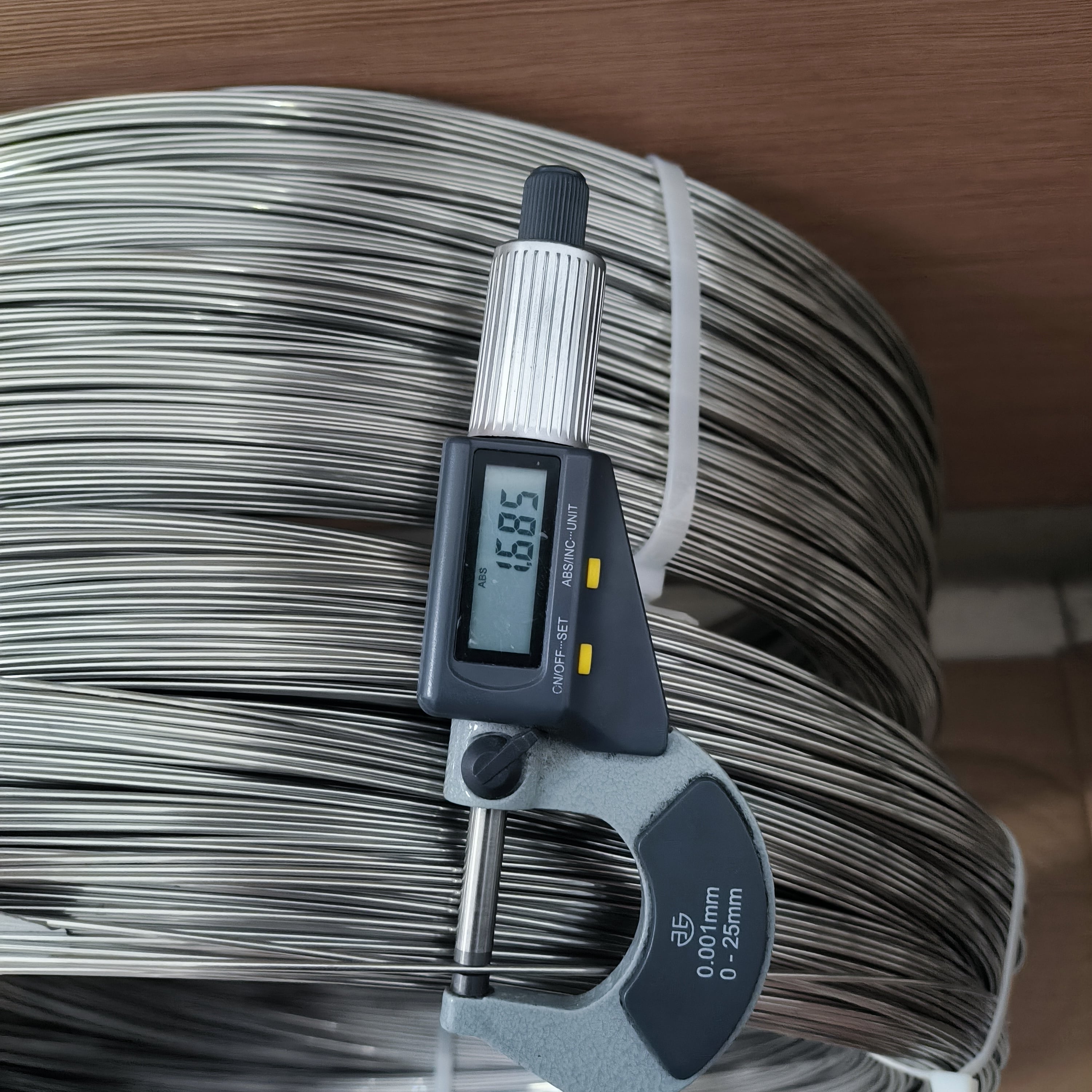
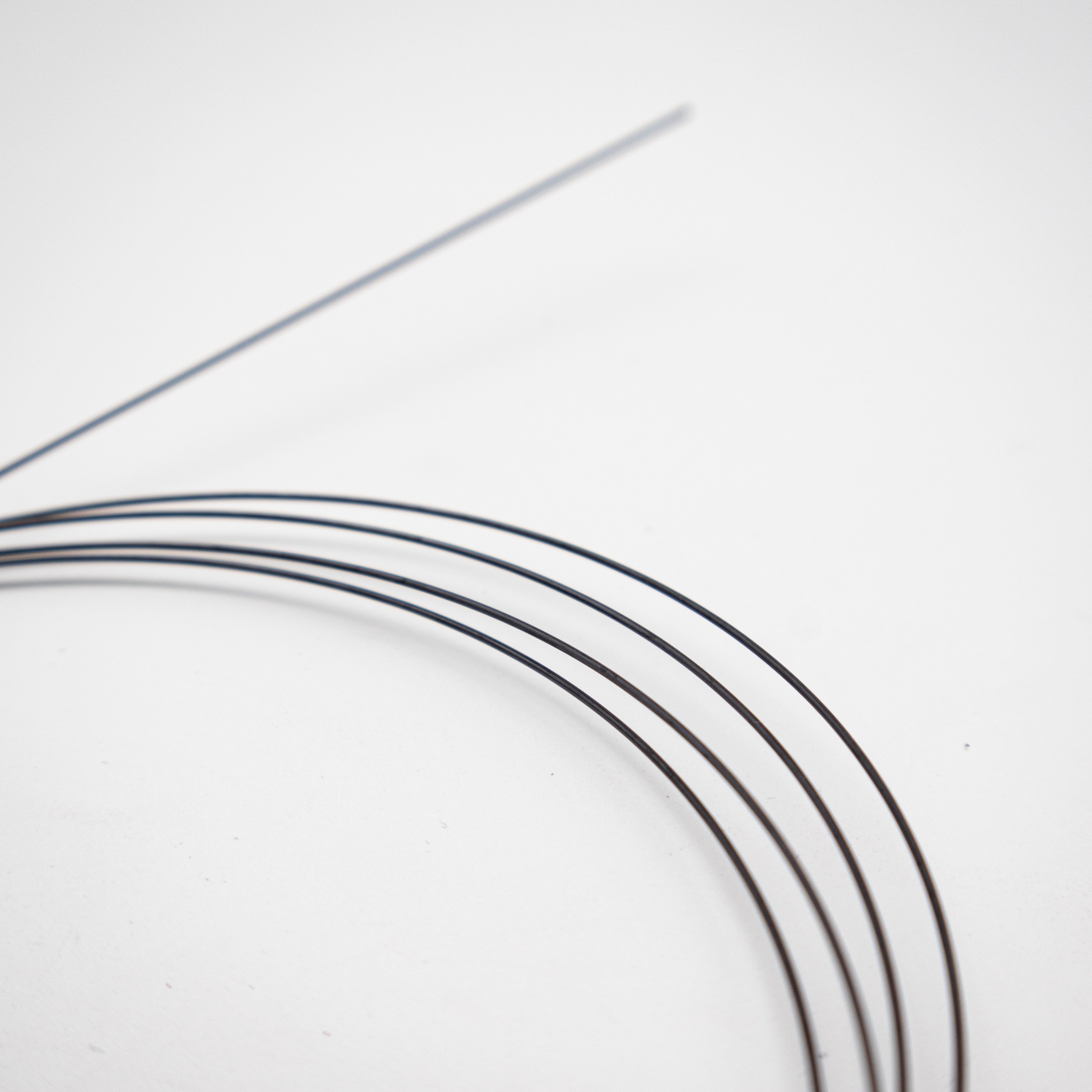
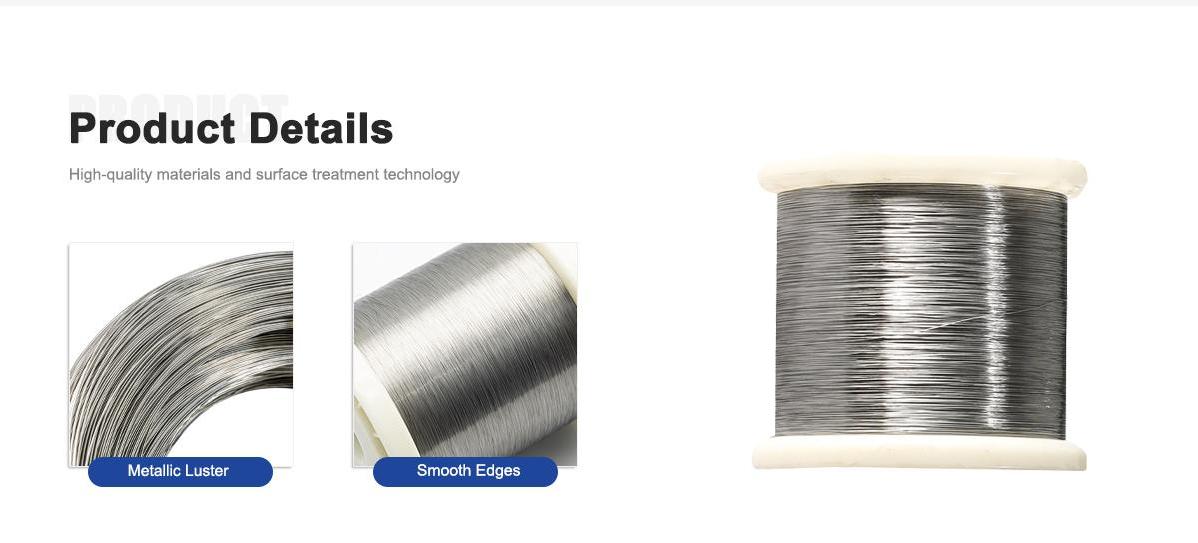
| Fine Precision Wire | Ø 0.025 mm – 0.20 mm | ± 0.001 mm | Bright annealed / Enameled |
| Medium & Heavy Wire | Ø 0.20 mm – 6.00 mm | ± 0.003 mm | Bright / Pickled / Oxidized |
| Precision Strip / Ribbon | Thickness 0.05 – 2.5 mm; Width 2.0 – 120 mm | ± 0.005 mm | Bright cold-rolled |

Key Performance Features & Core Advantages
-
Near-Zero Temperature Drift (TCR ≤ 10 ppm/°C)
Proprietary stabilization heat treatments ensure the peak of the parabolic resistance-temperature curve sits precisely at operational ambient temperatures (15°C–35°C), preventing thermal drift during continuous load.
-
Negligible Thermoelectric EMF vs Copper (≤ 1.0 μV/°C)
Virtually eliminates parasitic Seebeck voltages at terminal solder joints and junction points, preserving true analog signal integrity in precision DC bridges and metrology shunts.
-
Strict Resistivity Uniformity & Tolerance Control
Produced under tight cold-drawing dimensional controls to deliver cross-sectional consistency and uniform resistance per meter throughout entire spool lengths.
-
Superior Long-Term Metallurgical Aging Stability
Undergoes artificial thermal aging and vacuum annealing to eliminate residual crystalline stress, guaranteeing minimal resistance drift (< 10 ppm/year) over decades of service.
Target Industrial Applications
-
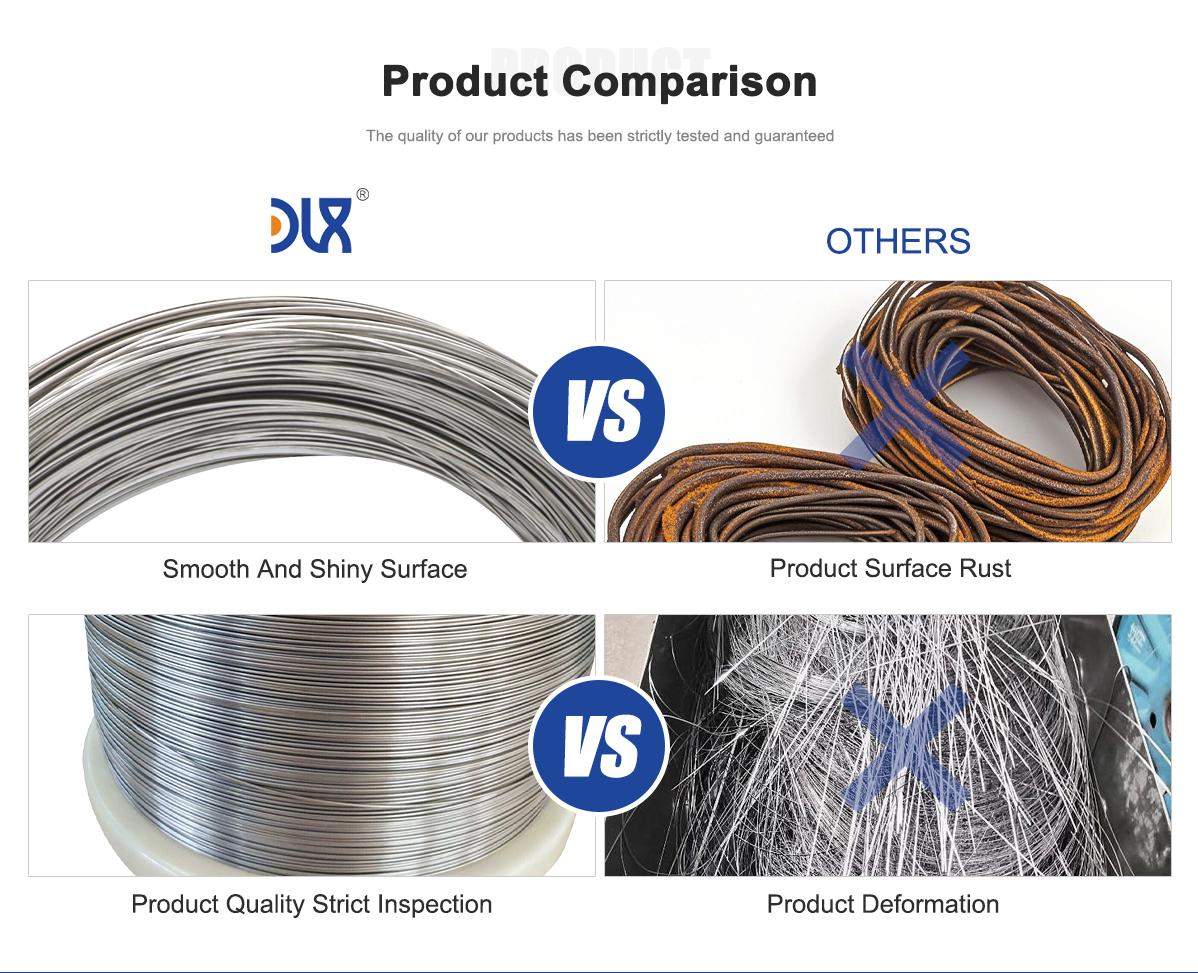
Metrology & Calibration Standards: Reference standard resistors, decade resistance boxes, calibration potentiometers, and Kelvin/Wheatstone bridge balance arms.
-
Power Electronics & Current Sensing: High-precision current-measuring shunts for digital multimeters, EV battery management systems (BMS), and industrial power supplies.
-
Precision Instrumentation: Aerospace flight instrumentation, analog test equipment, medical signal conditioning circuits, and telemetry monitoring units.
-
Automotive & Control Systems: Overcurrent protection sensors, high-stability automotive current shunts, and motor control feedback loops.
Why Choose DLX
-
Over 20 Years of Specialized B2B Metallurgy: We specialize in the R&D, precision melting, cold drawing, and heat treatment of high-resistance, precision electrical resistance, and thermocouple alloys.
-
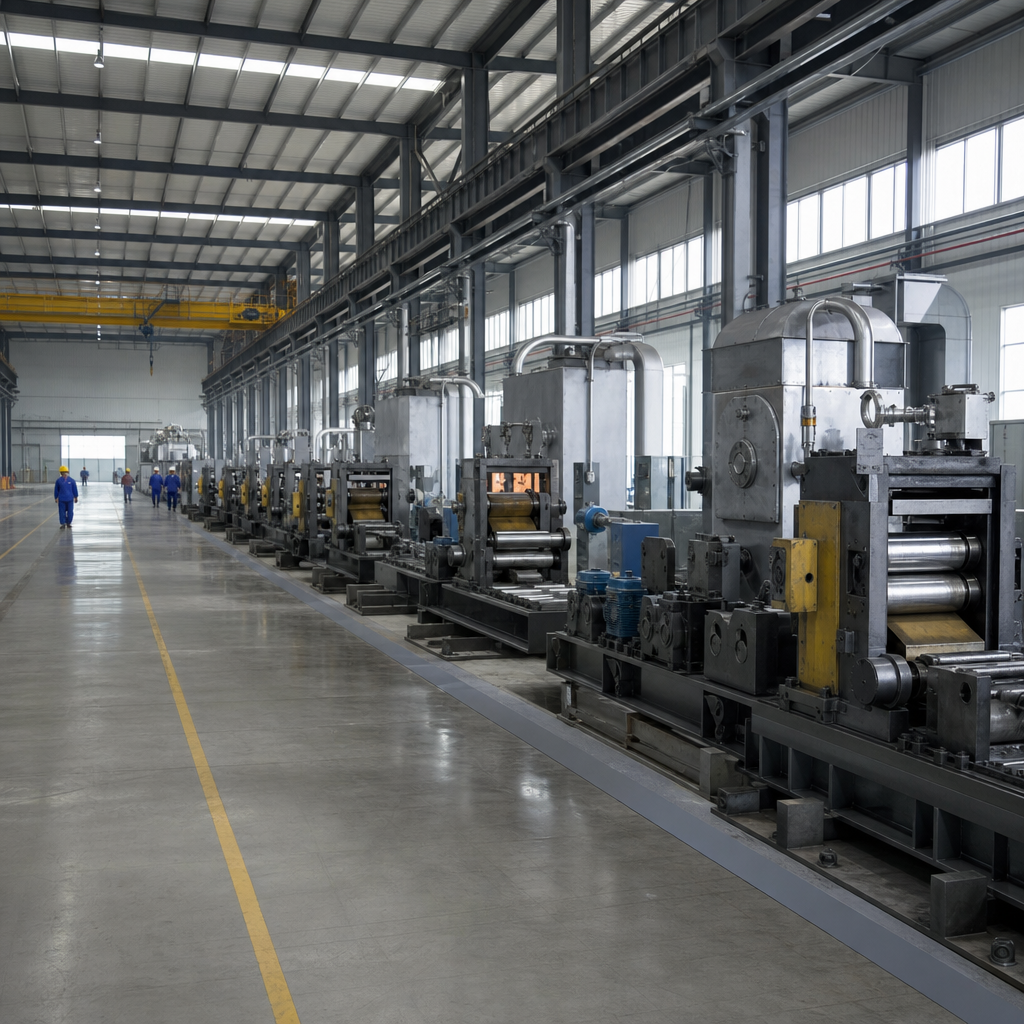
Scalable Production Capacity (1,200 Tons/Month): Operating modern continuous casting, vacuum induction furnaces, and high-speed multi-pass drawing lines with a monthly output capacity exceeding 1,200 metric tons.
-
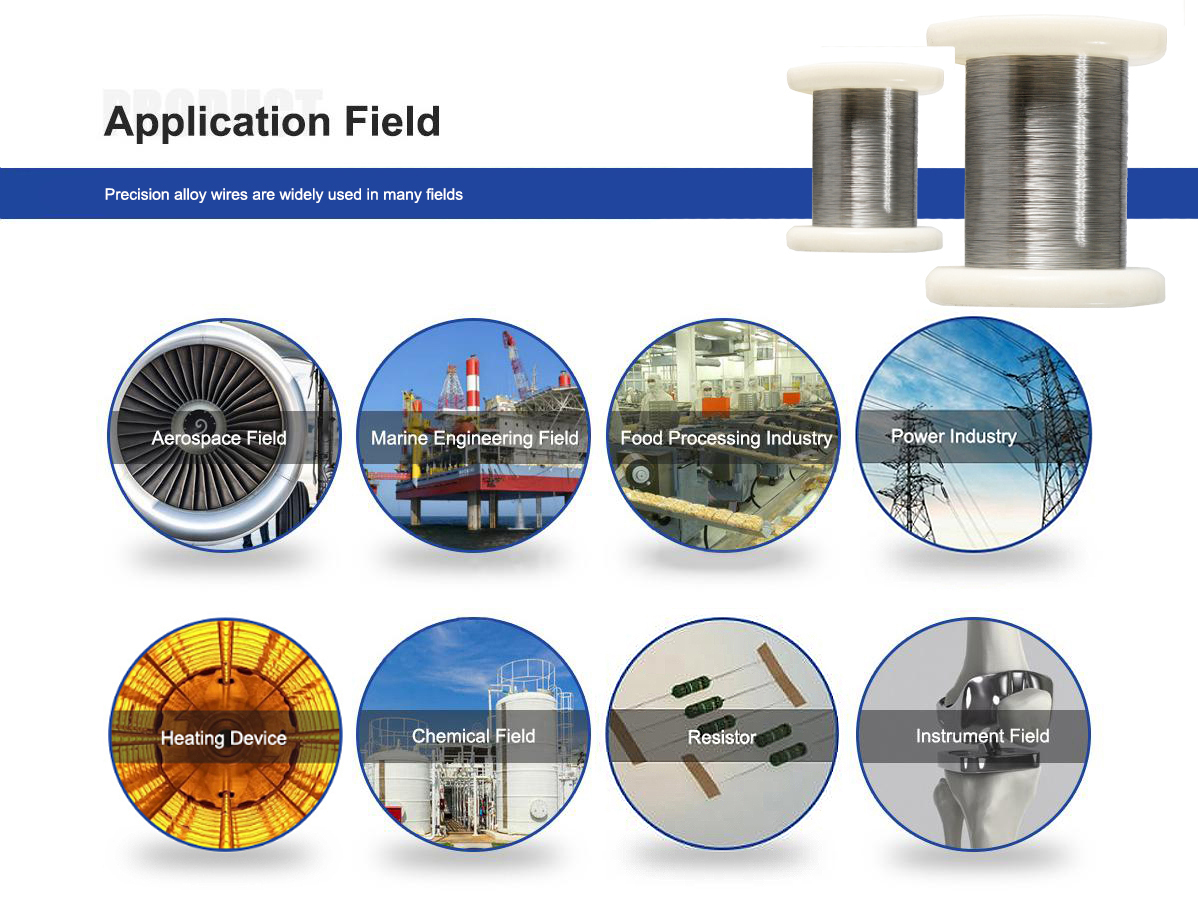
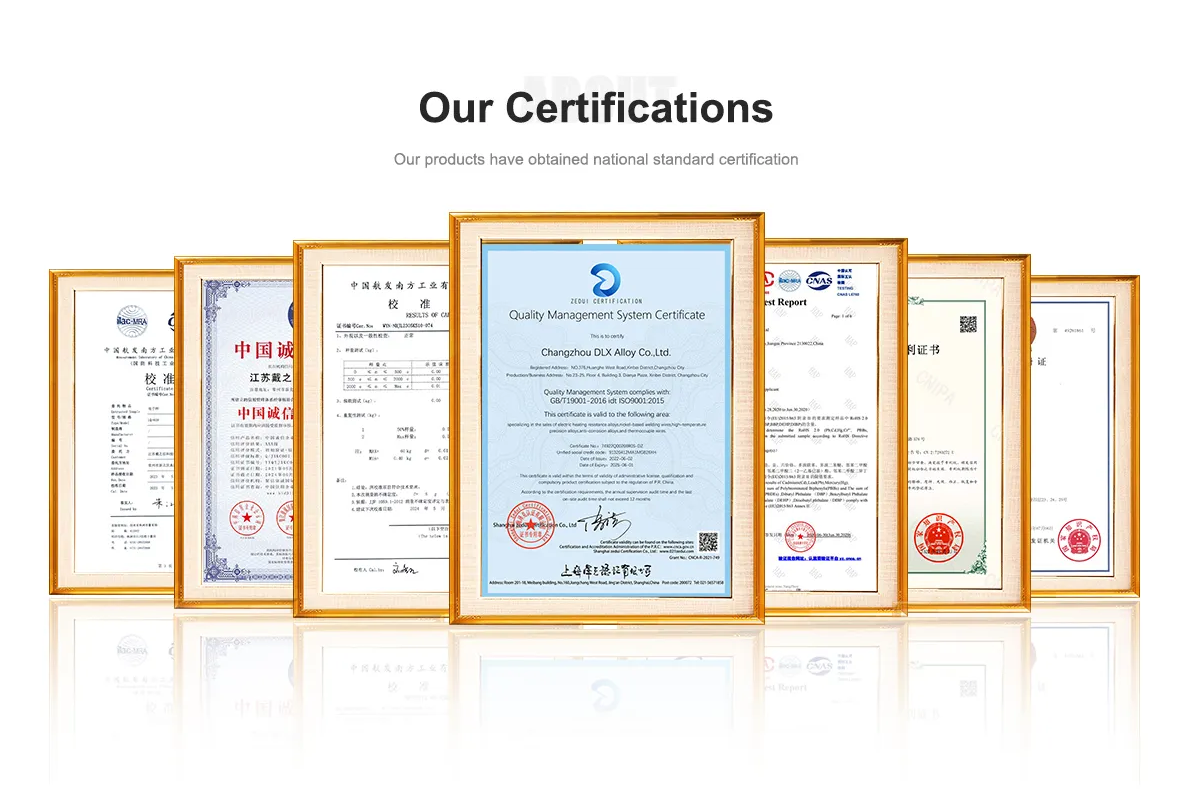
100% Full-Spool Traceability & Testing: Every batch is certified with complete spectral chemical verification, laser-micrometer dimensional checks, and calibrated bridge TCR/resistivity testing.
-
Flexible B2B Customization: Custom wire spools (DIN 80 to DIN 250), custom enameled insulations (polyurethane, polyesterimide), calibrated flat ribbons, and engineered batch sizes tailored to OEM/ODM requirements.
Frequently Asked Questions
Q1: What makes 6J12 Manganin superior to Constantan (6J40) in standard resistors?
A: While both are precision resistance alloys, 6J12 Manganin exhibits a dramatically lower thermoelectric EMF against copper (≤ 1.0 μV/°C vs. ~40 μV/°C for Constantan). This negligible thermal voltage makes Manganin the undisputed material of choice for high-precision DC circuits, current shunts, and standard metrology resistors where Parasitic Seebeck effects must be avoided.
Q2: What is the optimal working temperature range for 6J12 Manganin wire?
A: 6J12 exhibits its lowest TCR (highest stability) between 15°C and 35°C, where temperature coefficient values remain within ±10 ppm/°C. For general resistor and current shunt duty, it can continuously operate in air or transformer oil up to 140°C without mechanical degradation.
Q3: Can 6J12 Manganin wire be supplied with insulation or enameled coatings?
A: Yes. We provide bare bright annealed wire as well as single- and double-layer enameled insulations (e.g., Polyurethane, Polyester, or Polyimide) suitable for high-density coil winding in compact resistor housings and instrumentation.
Q4: How do you prevent long-term resistance drift in your Manganin alloys?
A: Our wire undergoes controlled vacuum stabilization annealing followed by artificial thermal cycling to relieve internal drawing stresses, locking in crystalline stability and ensuring annual resistance drift remains below 10 ppm under standard operating conditions.
Q5: What are the packaging and spool specifications for OEM orders?
A: Depending on wire gauge, spools range from DIN 80 (fine wire: 0.025–0.10 mm) to DIN 160 / DIN 250 (medium and heavy wire). All coils and spools are sealed in moisture-proof packaging with export-grade protective cartons and wooden cases. Custom spool weights and private-label packaging are supported.