EN
EN

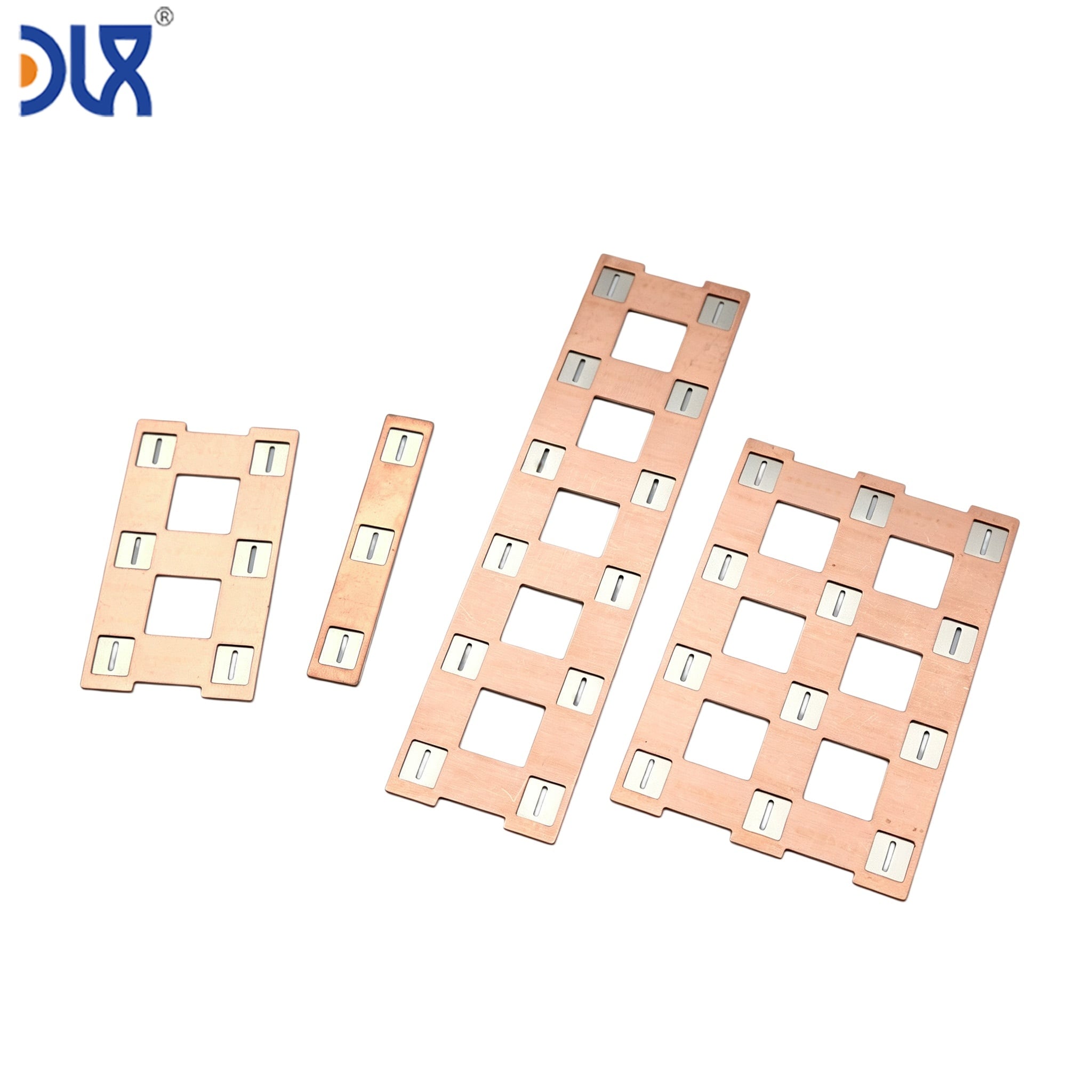
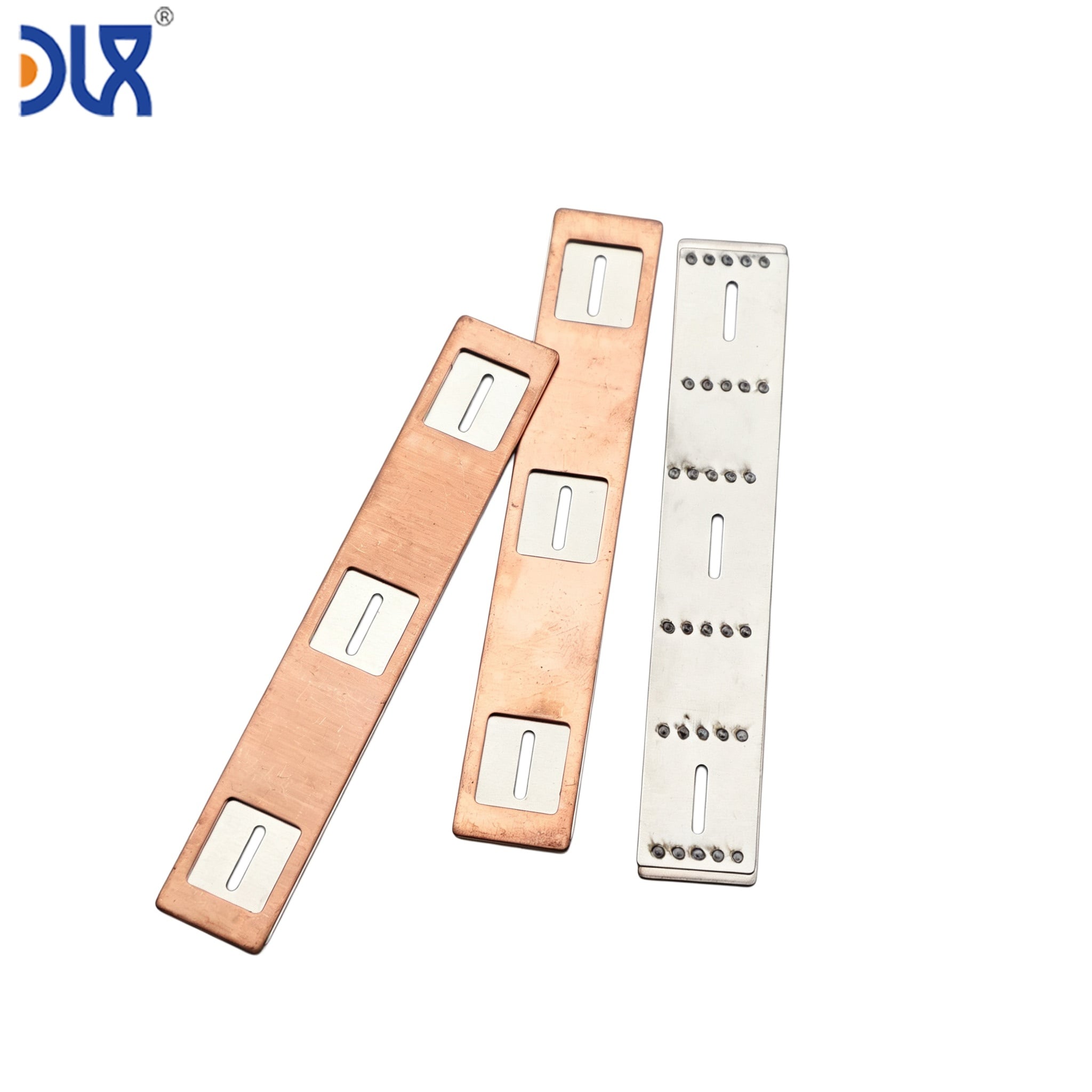
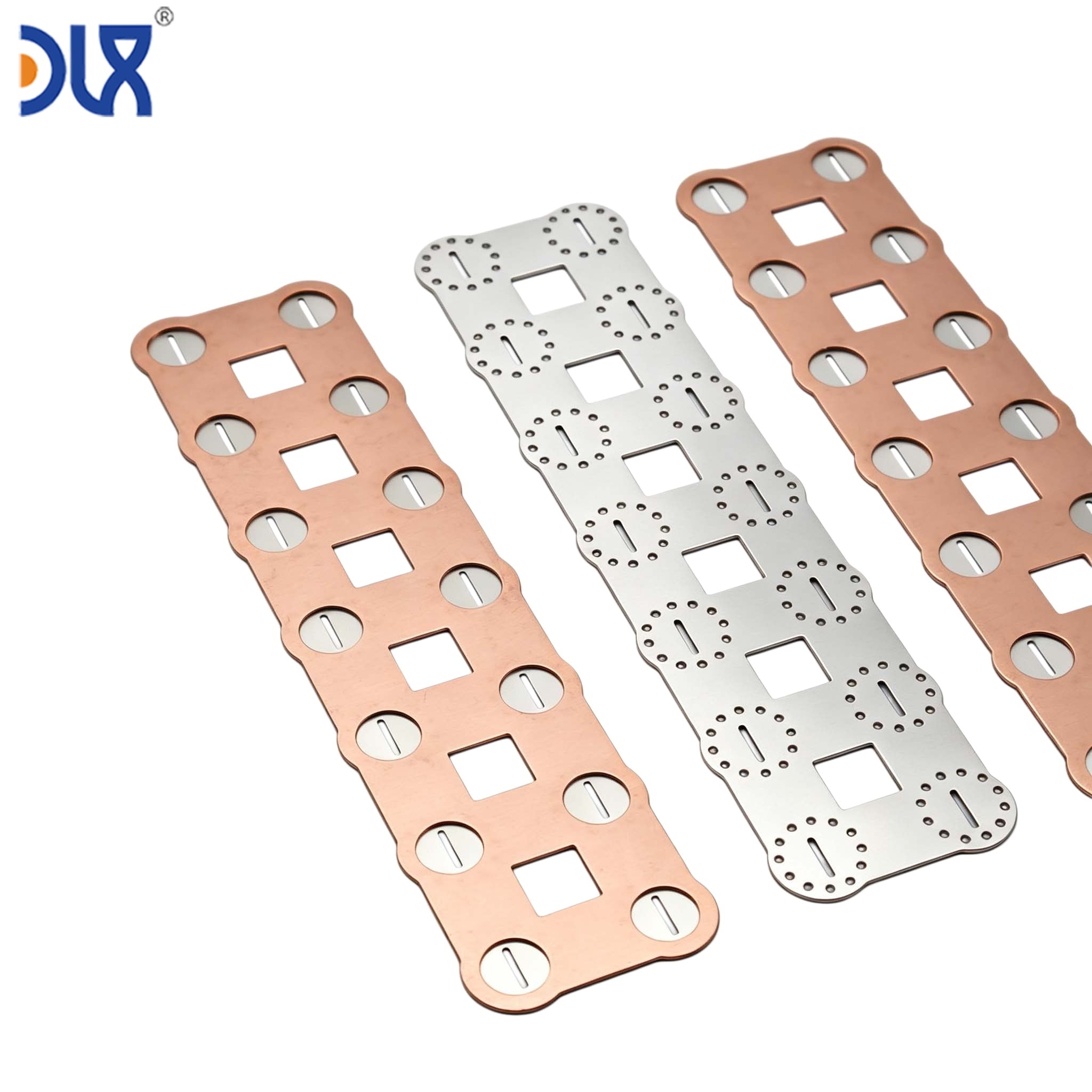
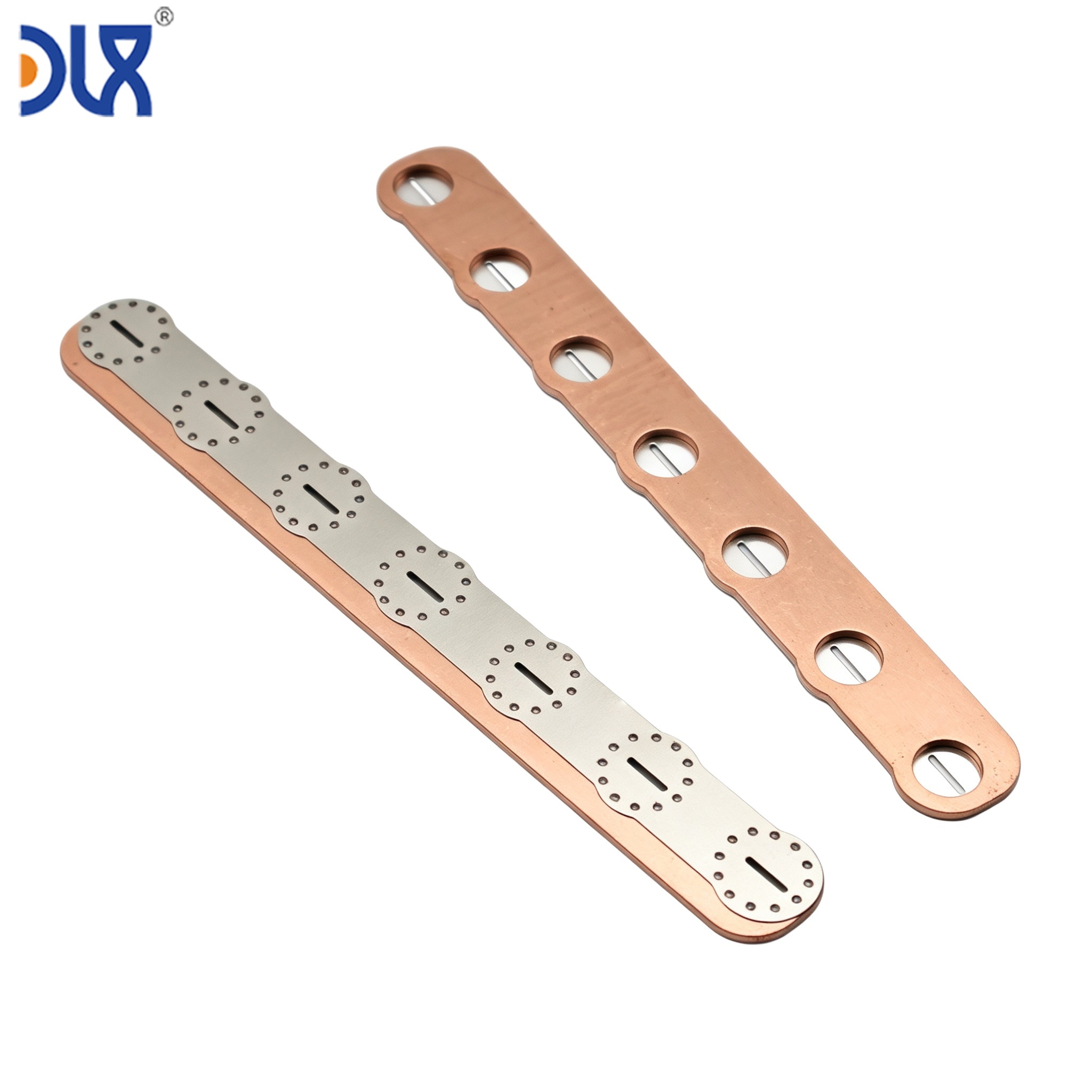
High-Conductivity Nickel-Clad Copper Bimetal Sheets for Battery Interconnects
High-fidelity Copper-Nickel composite sheets with pure Ni on one side and pure Cu on the other. Ideal for EV battery welding & high-current busbars. Custom ratios. ISO 9001 certified.
- Overview
- Applications
- DLX Alloy
- FAQs
- Recommended Products
Product Overview of Nickel-Clad Copper Composite Sheets
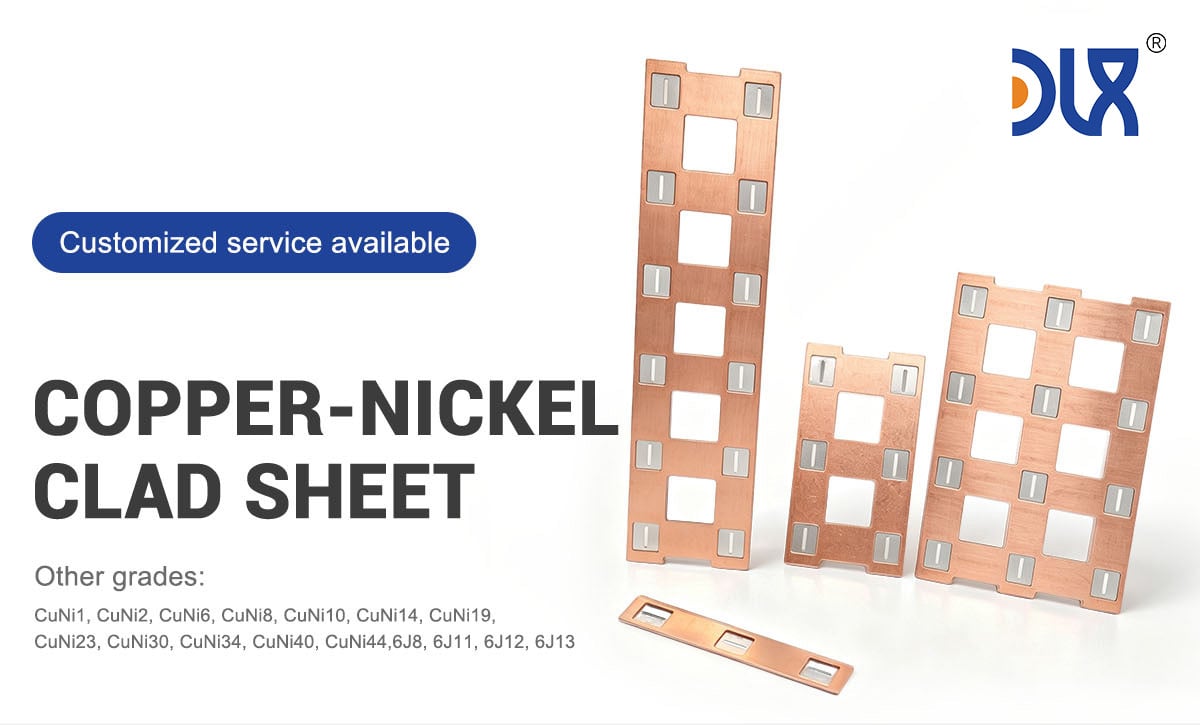
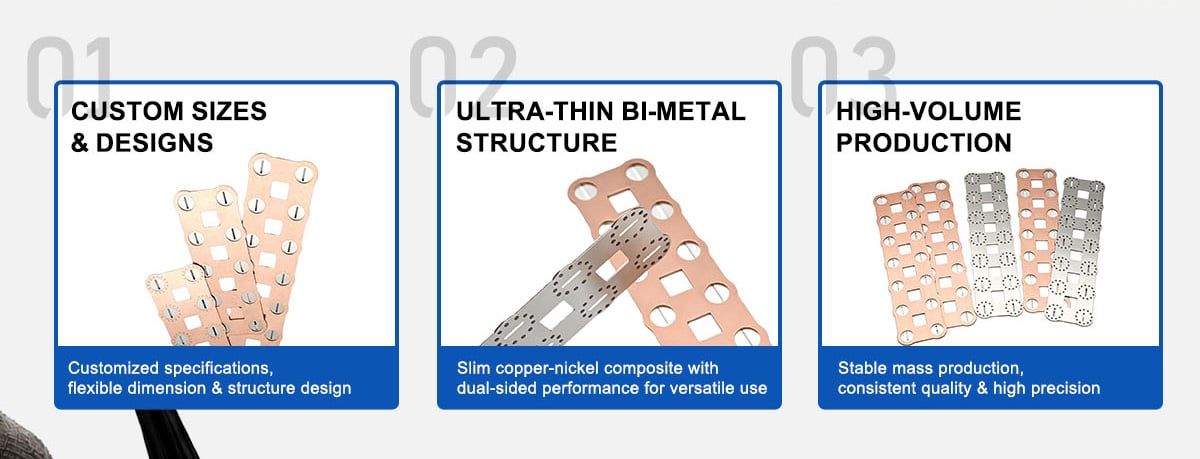
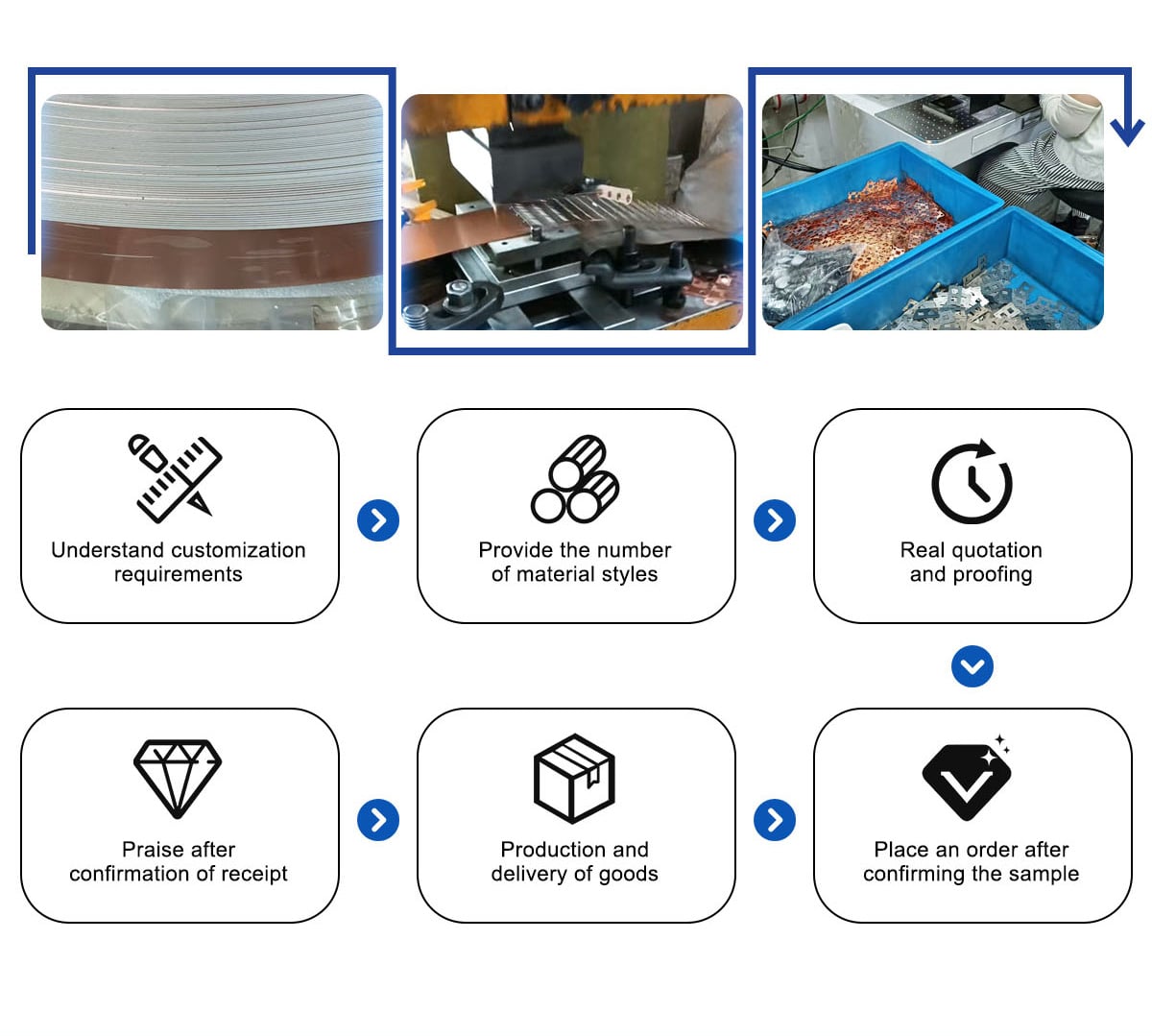
In high-power battery module design, the challenge often lies in connecting high-conductivity copper busbars to nickel-plated battery cells. DLX’s Copper-Nickel Composite Sheet provides the ultimate solution by offering a "Ni-Cu Bimetal" structure—one side is pure nickel for superior weldability to cells, and the other is pure copper for maximum current delivery. Unlike traditional electroplating, our composite sheet is created through a high-pressure metallurgical bonding process that ensures a permanent, molecular-level interface. This material eliminates the transition resistance between different metals, reduces heat generation in EV battery packs, and provides a robust mechanical platform for laser, ultrasonic, or resistance welding.
Product Performance of Copper Nickel Composite Sheet Supplier
1.Exceptional Electrical Conductivity: By utilizing a pure copper core, the composite sheet achieves conductivity levels up to 4-5 times higher than pure nickel, drastically reducing IR (Internal Resistance) loss.
2.Permanent Metallurgical Bond: The Ni and Cu layers are fused at the atomic level. This bond is physically inseparable and can withstand 180-degree bending and high-frequency vibration without delamination.
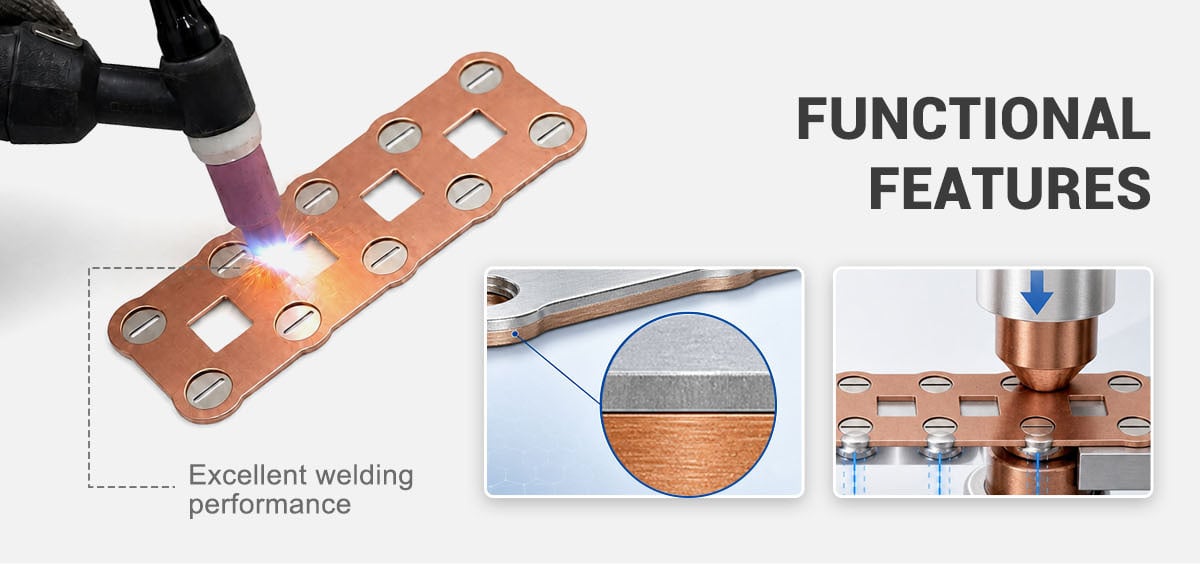
3.Optimized Welding Interface: The pure nickel surface ensures a stable, oxide-free platform for laser, ultrasonic, and spot welding, facilitating high-strength joints with battery cell terminals.
4.Superior Thermal Management: The high thermal conductivity of the copper layer acts as an integrated heat spreader, protecting sensitive battery components from localized overheating during rapid charging/discharging.
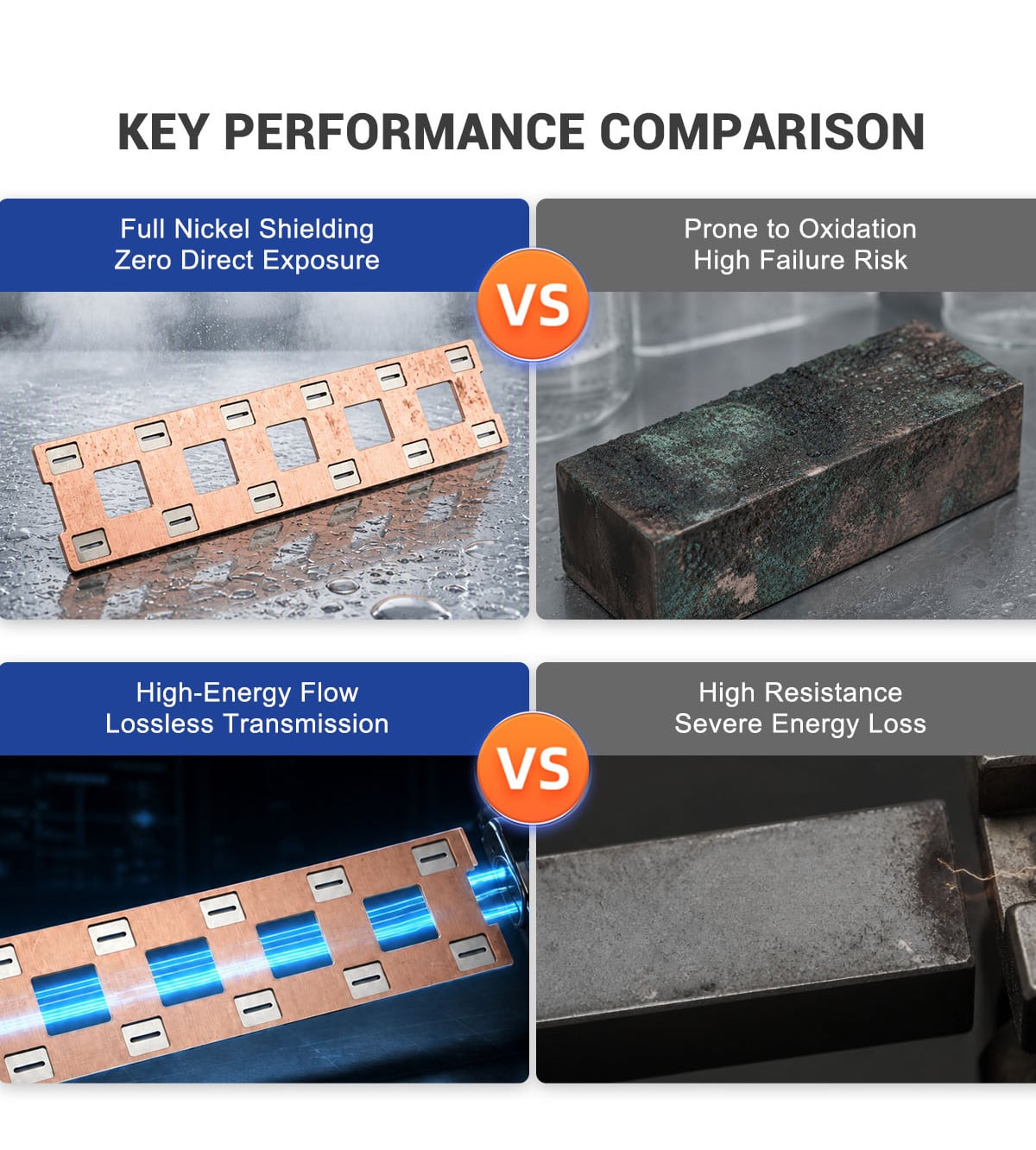
5.Chemical Stability: The nickel-clad surface provides excellent atmospheric corrosion resistance, protecting the copper core from oxidation and ensuring long-term contact reliability.
Physical Properties & Chemical Composition
| Physical Properties | Pure Nickel Layer | Pure Copper Layer | Bimetal (Avg. at 20% Ni) |
|---|---|---|---|
| Density (g/cm³) | 8.89 | 8.96 | ~8.94 |
| Conductivity (% IACS) | ~22 | 100 - 101 | 82 - 88 |
| Thermal Conductivity (W/m·K) | 90.7 | 390 - 400 | ~330 |
| Elastic Modulus (GPa) | 207 | 110 - 128 | 135 - 150 |
| Material Layer | Ni (%) | Cu (%) | Fe (%) | C (%) | S (%) |
|---|---|---|---|---|---|
| Pure Nickel Side | 99.6 min | 0.10 max | 0.10 max | 0.05 max | 0.005 max |
| Pure Copper Side | - | 99.9 min | - | - | - |
Applications of Cu-Ni Clad Strip Factory
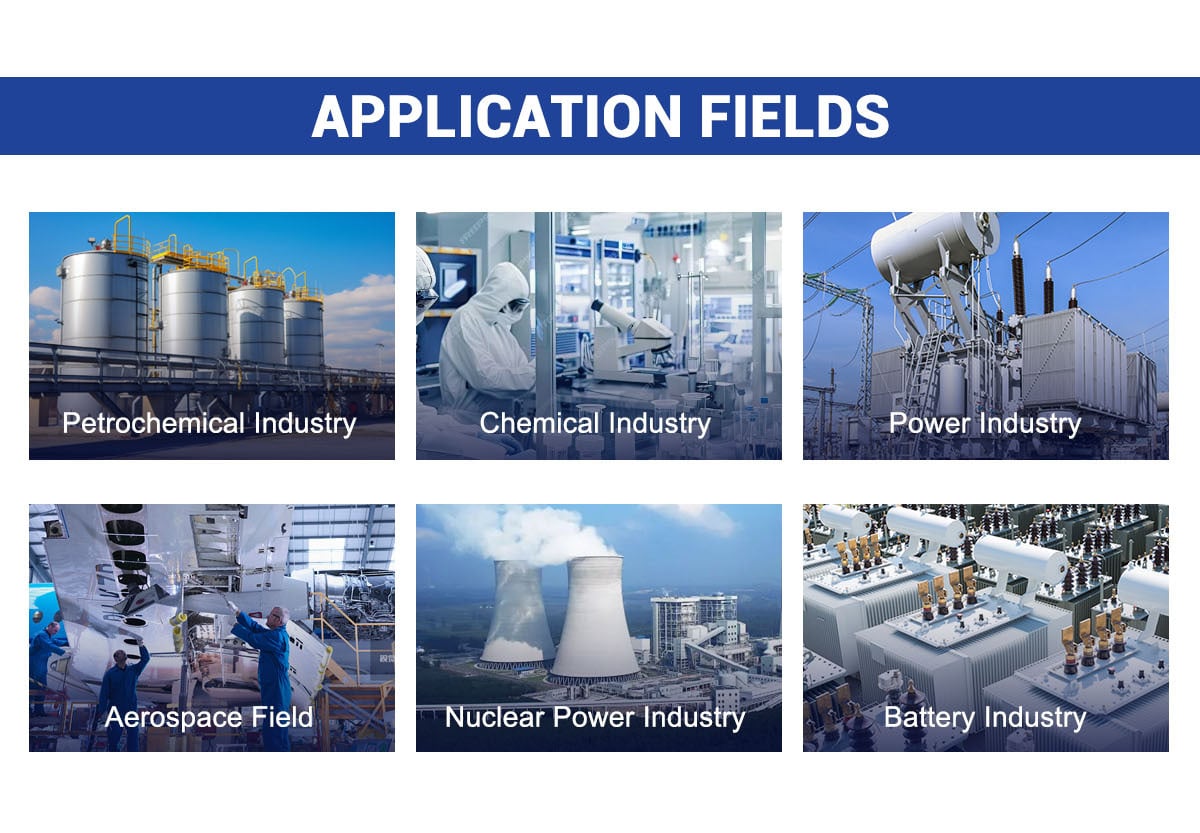
1.EV & HEV Battery Packs: Used for interconnecting 18650, 21700, and 46800 cells. The Ni side welds to the cell cap, while the Cu side serves as the main high-current busbar.
2.Power Distribution Units (PDUs): Ideal for bimetallic transition plates between copper busbars and nickel-plated aluminum or steel components in data centers and industrial power grids.
3.Consumer Electronics: Used in high-capacity laptop, smartphone, and power tool batteries where space is limited but current requirements are high.
4.Electrolytic Hydrogen Production: Serves as high-efficiency electrode connectors where both corrosion resistance and low voltage drop are paramount.
5.High-Frequency Semiconductors: Used as a substrate or lead frame material that requires both heat dissipation (Cu) and reliable wire bonding (Ni).
Key advantage:
✔Dual-Metal Synergy: Combines copper's 100% IACS conductivity with nickel’s superior spot-welding reliability.
✔Cold-Rolling Precision: Manufactured using high-precision mills to ensure cladding ratio uniformity within ±2%.
✔Automated Line Compatibility: Burr-free slitting and high flatness ensure zero jams in high-speed automated assembly equipment.
✔Transition Efficiency: Eliminates the need for transitional plating or mechanical clamping, simplifying module design.
Company Intro - DLX Alloy
Changzhou DLX Alloy Co., Ltd. is a leading manufacturer specializing in the advanced metallurgical bonding of dissimilar metals. As a critical partner in the global EV and energy storage value chain, we provide high-fidelity transition materials that solve complex electrical and thermal challenges. Our facility integrates precision melting, high-pressure rolling, and advanced slitting to produce Ni-Cu composite sheets with world-class thickness tolerances and surface quality. At DLX, we are not just a material supplier; we are an engineering partner dedicated to enhancing the safety, efficiency, and longevity of next-generation power systems.
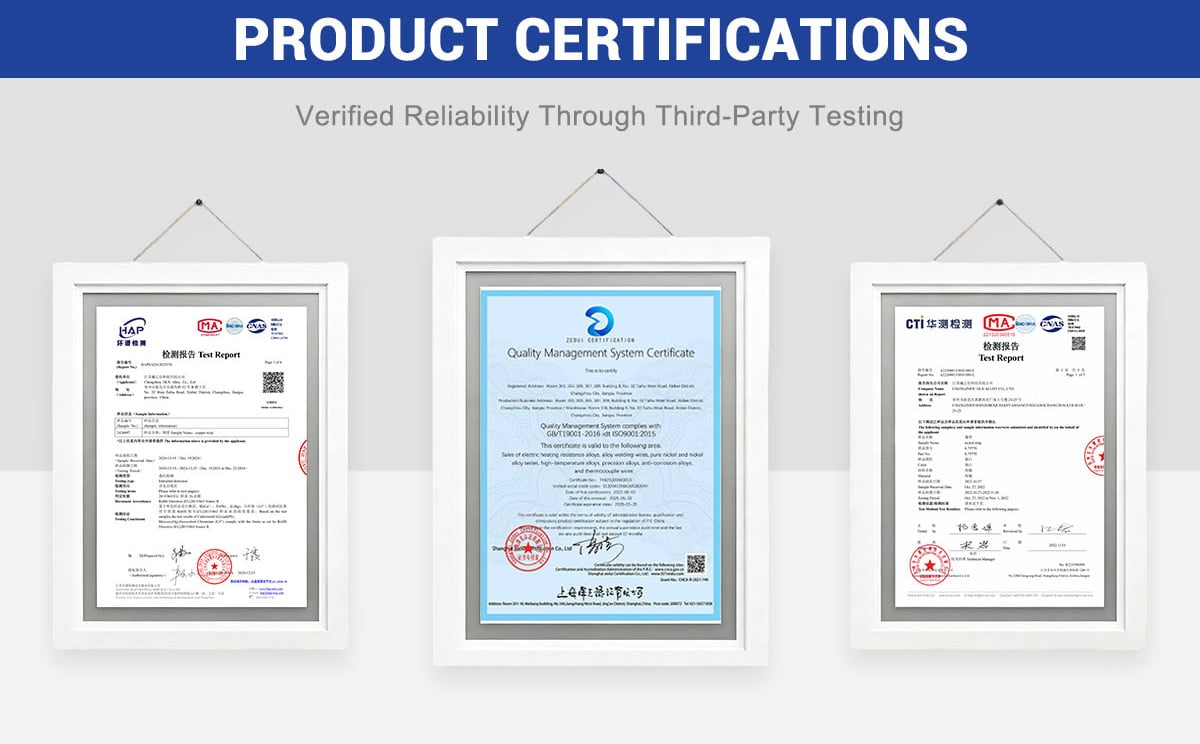
Quality & Standards : DLX implements a zero-defect quality system for battery materials. We utilize online ultrasonic testing to ensure 100% bond integrity and automated optical inspection (AOI) for surface defects. All materials are fully compliant with RoHS 3, REACH, and UL standards for electronic insulation and safety.
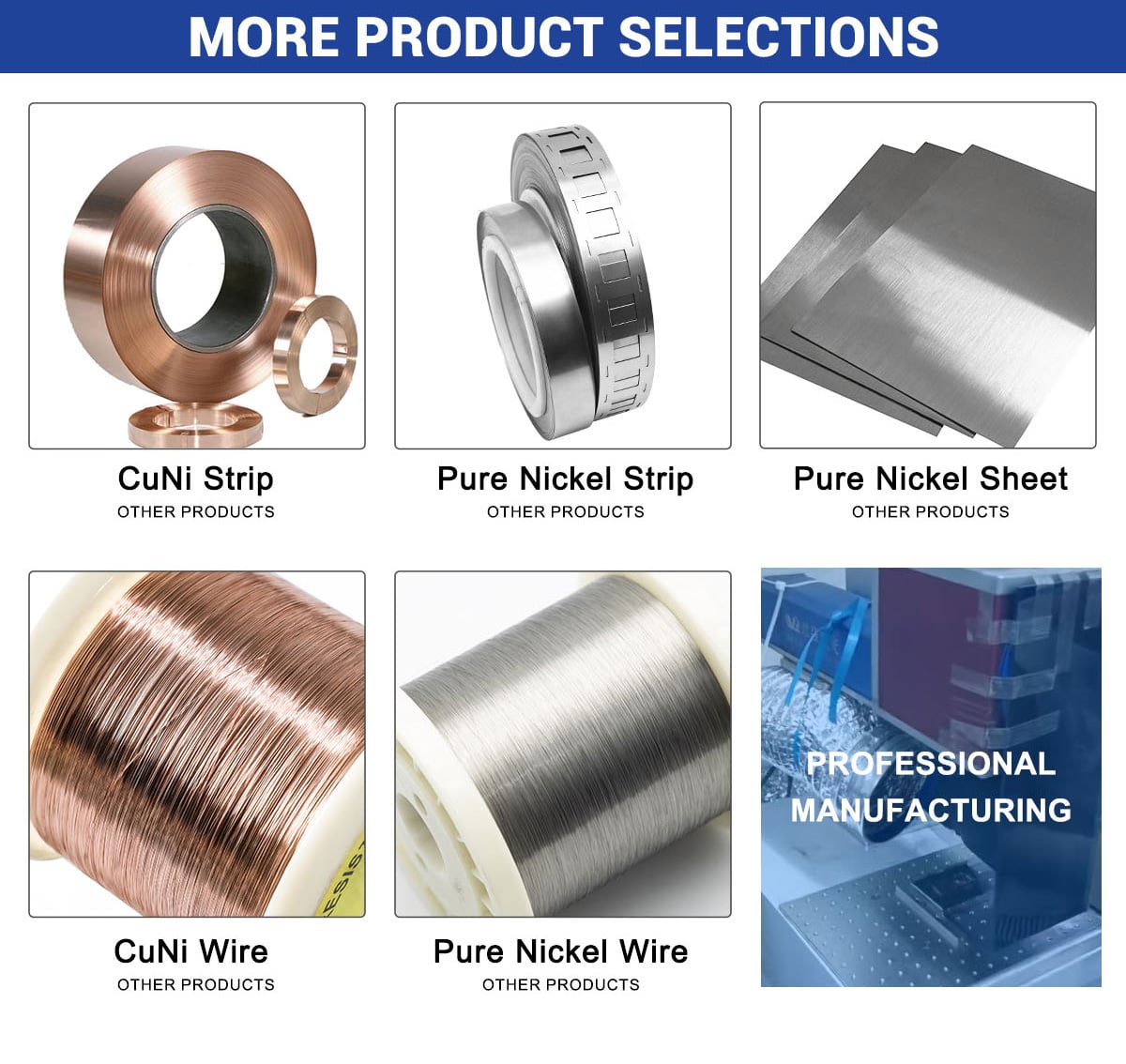
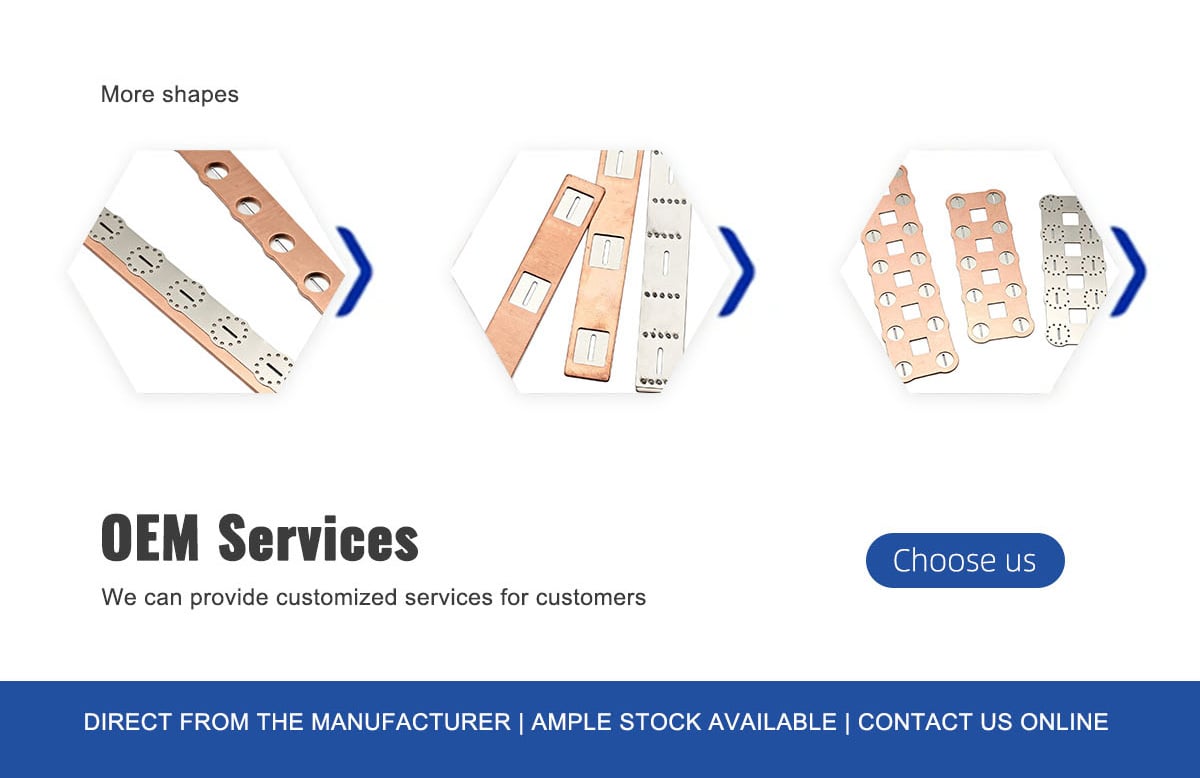
Forms: sheet, strips, or custom pre-cut tags.
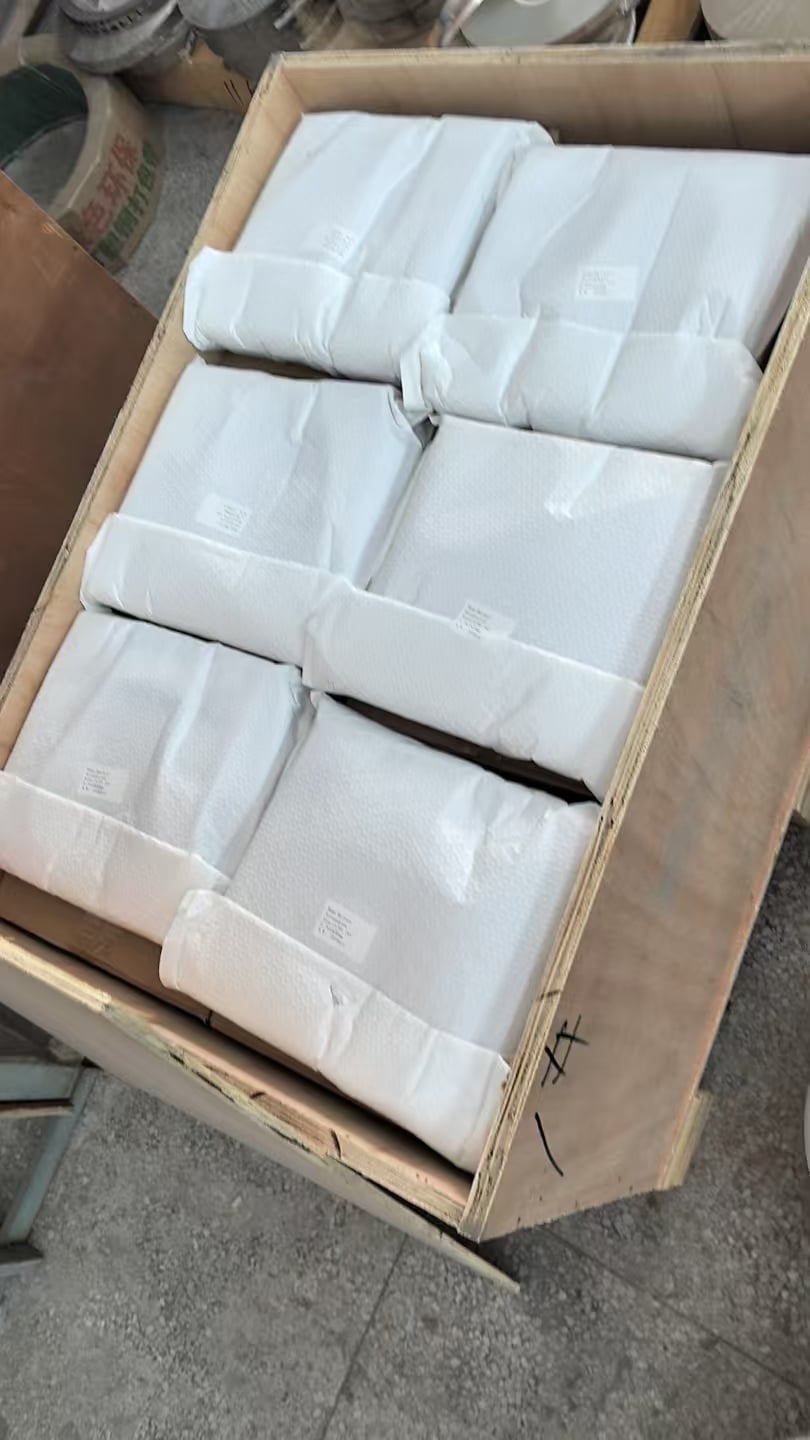
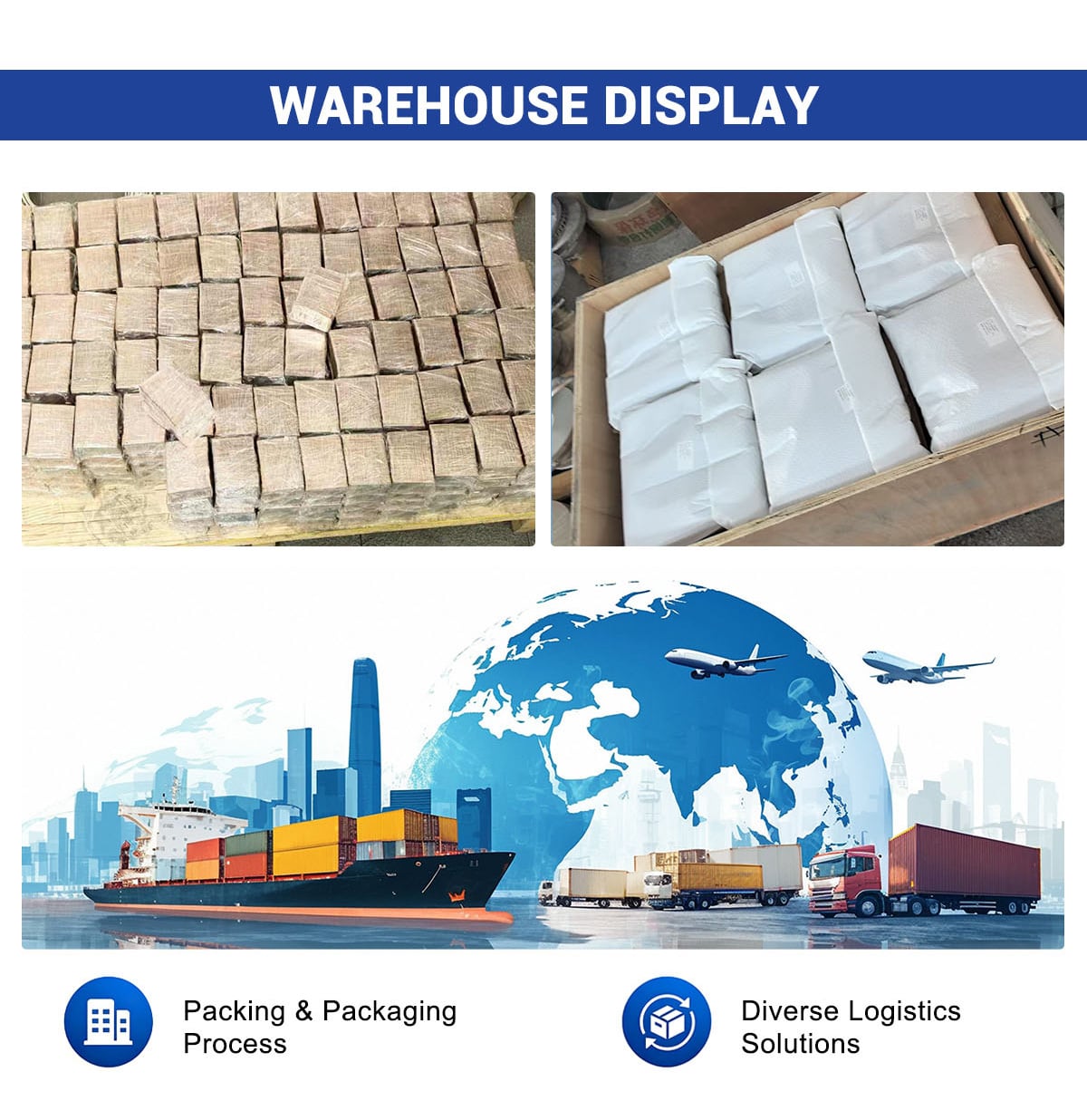
Packaging: Vacuum-sealed anti-oxidation VCI bags inside reinforced wooden crates.
MOQ: 5kg for standard 2:8 ratio stock; 20kg for custom thickness or specific tempers.
Documentation: Full MTC (EN10204 3.1), RoHS compliance certificate, and Bond Strength Report.
FAQs:
1.Can the nickel layer be on both sides?
Yes, we also offer Ni-Cu-Ni sandwich structures for double-sided welding needs.
2.What is the peel strength of the Ni-Cu bond?
The bond is metallurgical; in a peel test, the base metal will usually fail before the bond interface separates.
3.Is the copper side protected from oxidation?
Yes, all products receive a specialized anti-tarnish treatment and are vacuum-packed for export.
4.Do you support laser-cut custom shapes?
Yes, we provide CAD-based laser cutting and stamping services for final interconnect tags.
5.What is the maximum width available?
We can produce composite sheets up to 600mm wide depending on the thickness.