EN

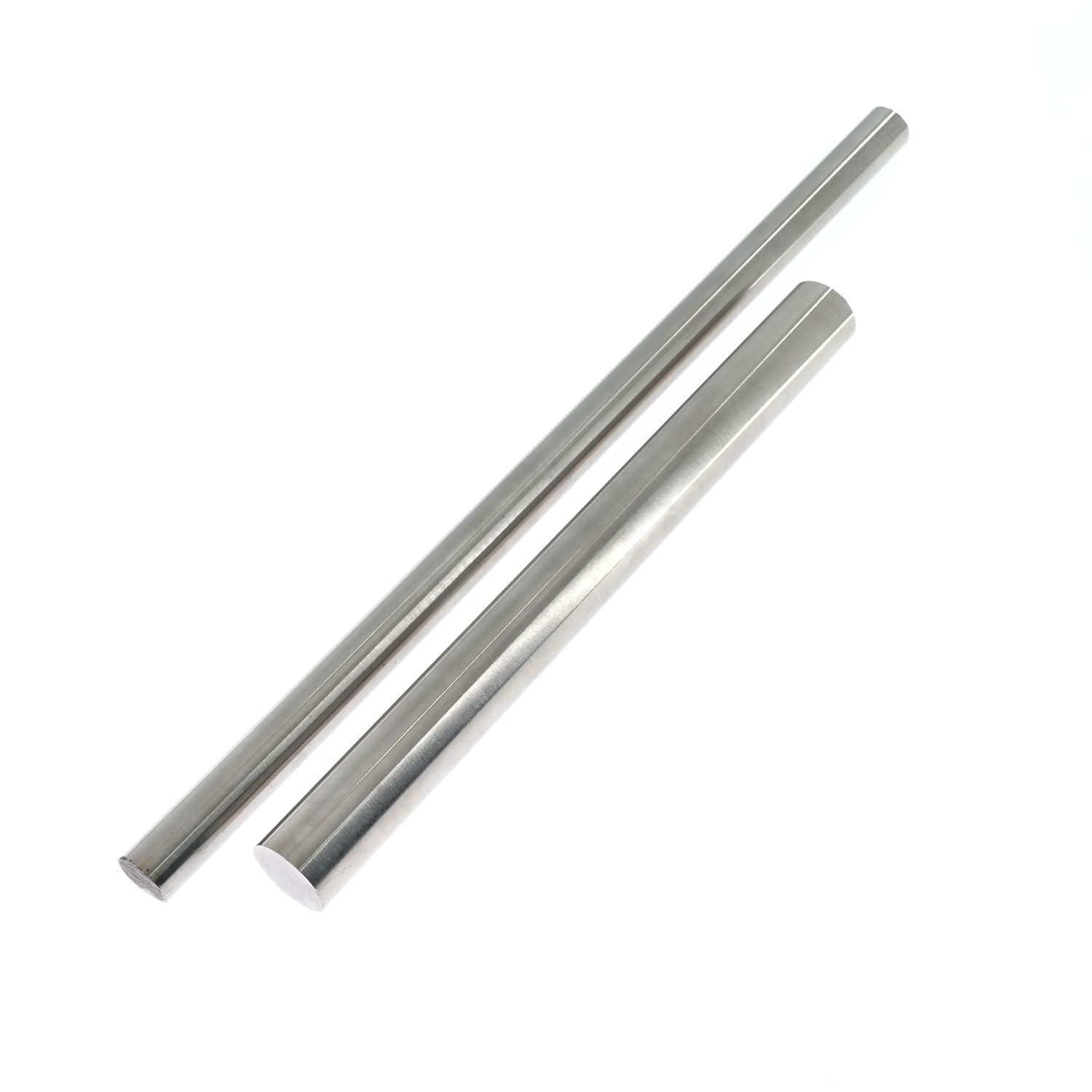
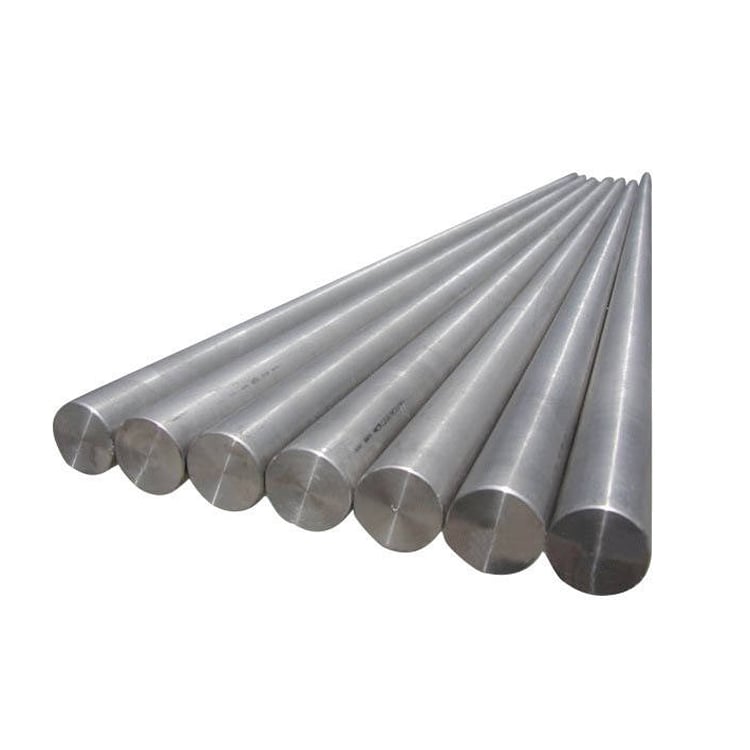
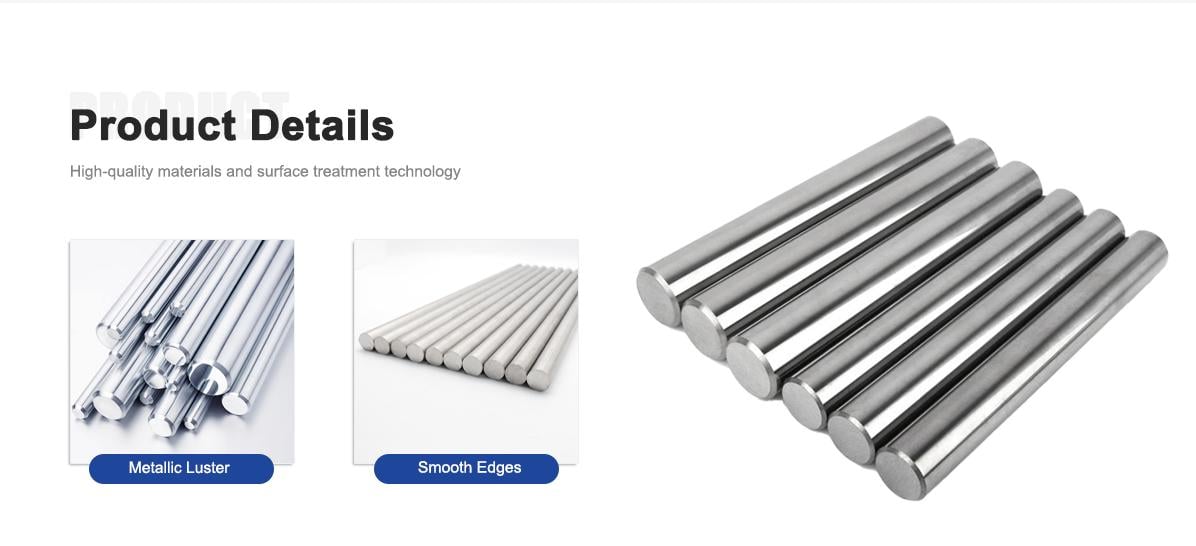
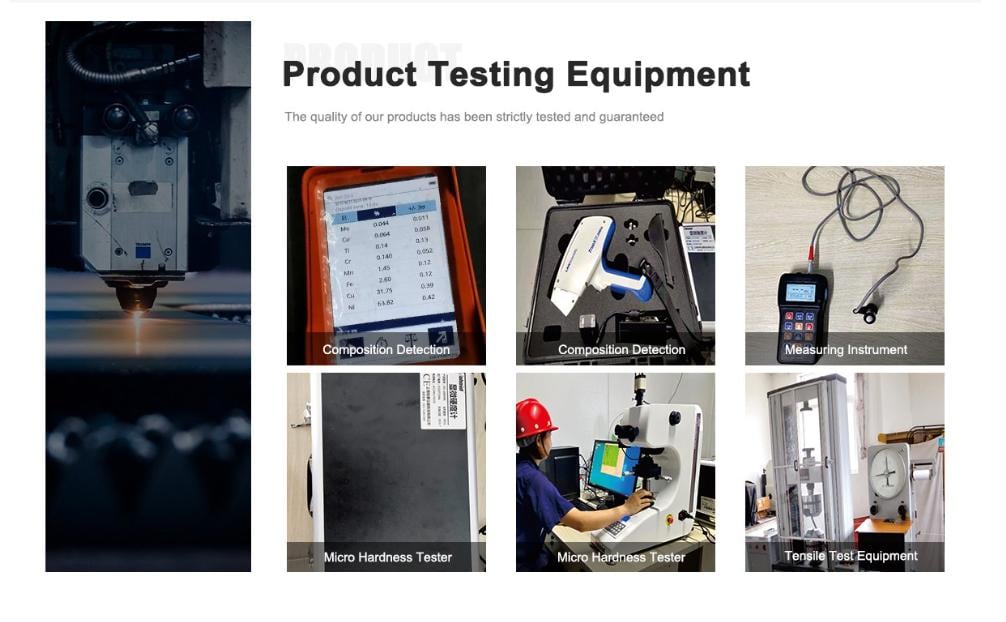
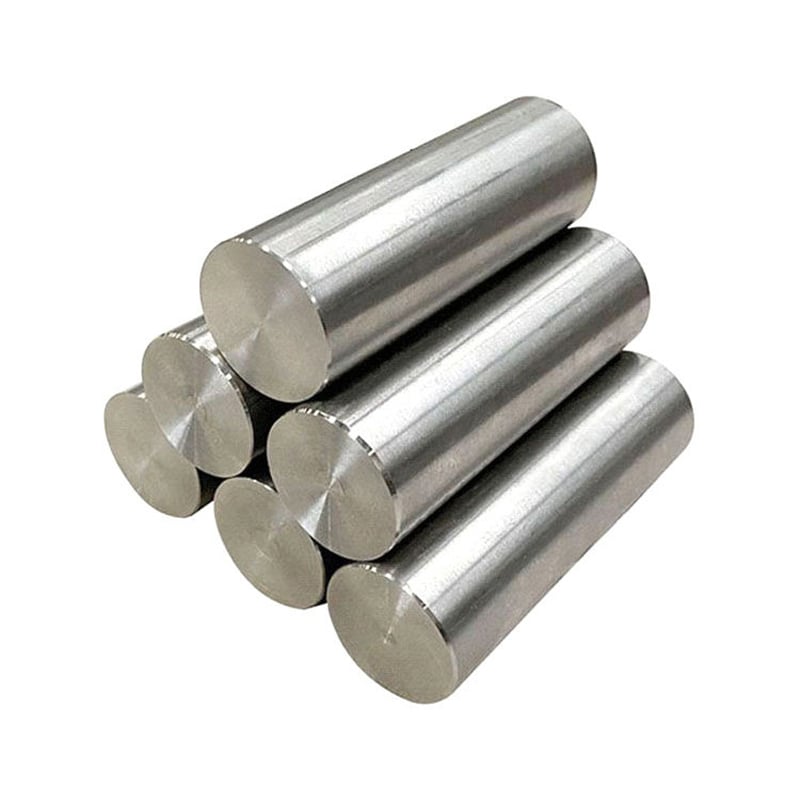
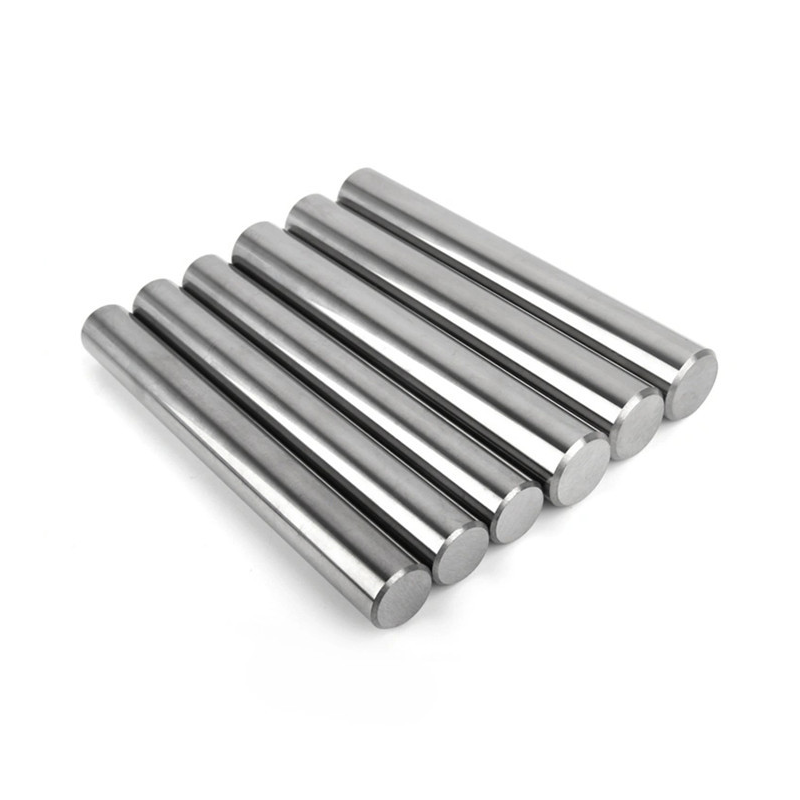
Precipitation Hardened Inconel 718 Round Bar for Aerospace Jet Engine Fasteners
High-strength precipitation hardened Inconel 718 nickel alloy round bars for critical aerospace fasteners and turbine hardware. Operating reliably from cryogenic temperatures up to 650°C with exceptional creep and rupture strength.
- Overview
- Specifications
- Features
- Applications
- Advantages
- FAQ
- Recommended Products
Product Overview
High-Strength Inconel 718 Superalloy Bar Solutions
Inconel 718 is a high-performance precipitation-hardenable nickel-base superalloy renowned for its unmatched balance of high tensile strength, outstanding creep-rupture performance, and excellent weldability without post-weld cracking susceptibility. The alloy derives its exceptional mechanical properties from the controlled precipitation of gamma prime and gamma double-prime phases during specialized two-stage aging heat treatment.
For demanding aerospace propulsion systems, jet engine fasteners are subjected to severe cyclic fatigue, high vibrational stress, and extreme thermal gradients. Our aerospace-grade Inconel 718 round bars are manufactured under strict metallurgical controls to maintain fine, uniform grain structures and ultra-low interstitial gas contents. Whether utilized for turbine casing bolts, rotor tie rods, fuel system studs, or exhaust structure pins, our precision bars ensure structural integrity and zero-defect performance in mission-critical environments.
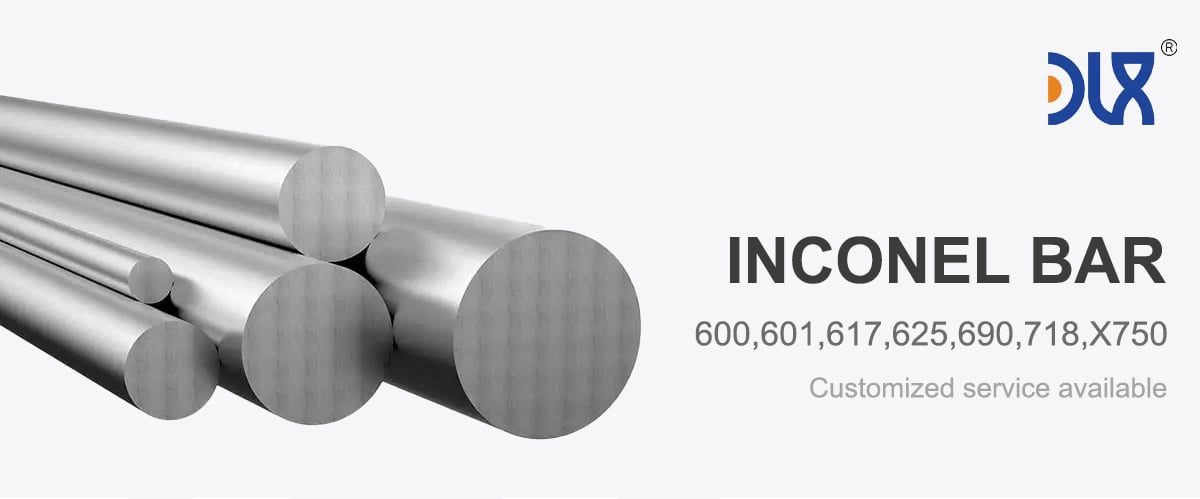
Key Technical Specifications & Precipitation Hardening Properties
1. Chemical Composition Baseline (Weight Percentage)
| Element | Content Range (%) |
|---|---|
| Nickel + Cobalt (Ni + Co) | 50.00 - 55.00 |
| Chromium (Cr) | 17.00 - 21.00 |
| Iron (Fe) | Balance |
| Niobium + Tantalum (Nb + Ta) | 4.75 - 5.50 |
| Molybdenum (Mo) | 2.80 - 3.30 |
| Titanium (Ti) | 0.65 - 1.15 |
| Aluminum (Al) | 0.20 - 0.80 |
| Cobalt (Co) | 1.00 Max |
| Carbon (C) | 0.08 Max |
| Manganese (Mn) | 0.35 Max |
| Silicon (Si) | 0.35 Max |
| Phosphorus (P) | 0.015 Max |
| Sulfur (S) | 0.015 Max |
| Boron (B) | 0.006 Max |
| Copper (Cu) | 0.30 Max |
2. Mechanical Properties in Precipitation Hardened (Aged) Condition
| Mechanical Property Index | Room Temperature Value (20°C) | High Temperature Value (650°C / 1200°F) |
|---|---|---|
| Tensile Strength (Rm) | ≥ 1275 MPa (185 ksi) | ≥ 1000 MPa (145 ksi) |
| Yield Strength (0.2% Offset, Rp0.2) | ≥ 1034 MPa (150 ksi) | ≥ 860 MPa (125 ksi) |
| Elongation (A5) | ≥ 12% | ≥ 12% |
| Reduction of Area (Z) | ≥ 15% | ≥ 15% |
| Hardness | 36 - 44 HRC | Retained Hot Hardness |
| Stress Rupture Life (650°C / 690 MPa) | - | ≥ 23 Hours (Zero Notch Failure) |
3. Dimensional Availability & Tolerance Control
| Supply Condition | Diameter Range | Precision Tolerance Options | Surface Finish |
|---|---|---|---|
| Hot Rolled & Pickled | 10.0 mm - 80.0 mm | Standard Industrial Range | Descaled / Acid Cleaned |
| Cold Drawn & Annealed | 3.0 mm - 25.0 mm | ISO h10 / h9 | Smooth Bright Drawn |
| Centerless Precision Ground | 4.0 mm - 65.0 mm | ISO h8 / h7 / Custom (±0.005 mm) | Mirror Polished (Ra ≤ 0.4 µm) |
| Peeled / Turned & Polished | 20.0 mm - 250.0 mm | Class Tight Commercial | Peeled Smooth Finish |
Core Product Features for Extreme-Stress Fastening Systems
- Superior High-Temperature Strength: Retains over 80% of its room-temperature yield strength at continuous service temperatures up to 650°C (1200°F).
- Sluggish Precipitation Kinetics: The niobium-aluminum-titanium alloying allows rapid thermal processing and hot forming without strain-age cracking risks.
- Outstanding Creep and Stress-Rupture Life: Tailored secondary aging treatments produce optimum intergranular precipitate distributions that arrest high-stress slip and creep deformation.
- Comprehensive Environmental Resistance: Robust resistance to high-temperature oxidation, sulfidation, hot gaseous corrosion, and chloride-induced stress corrosion cracking.
- High-Efficiency Machineability: Optimized microstructure supports cold heading, hot forging, high-speed thread rolling, and precision CNC threading with consistent tool wear.
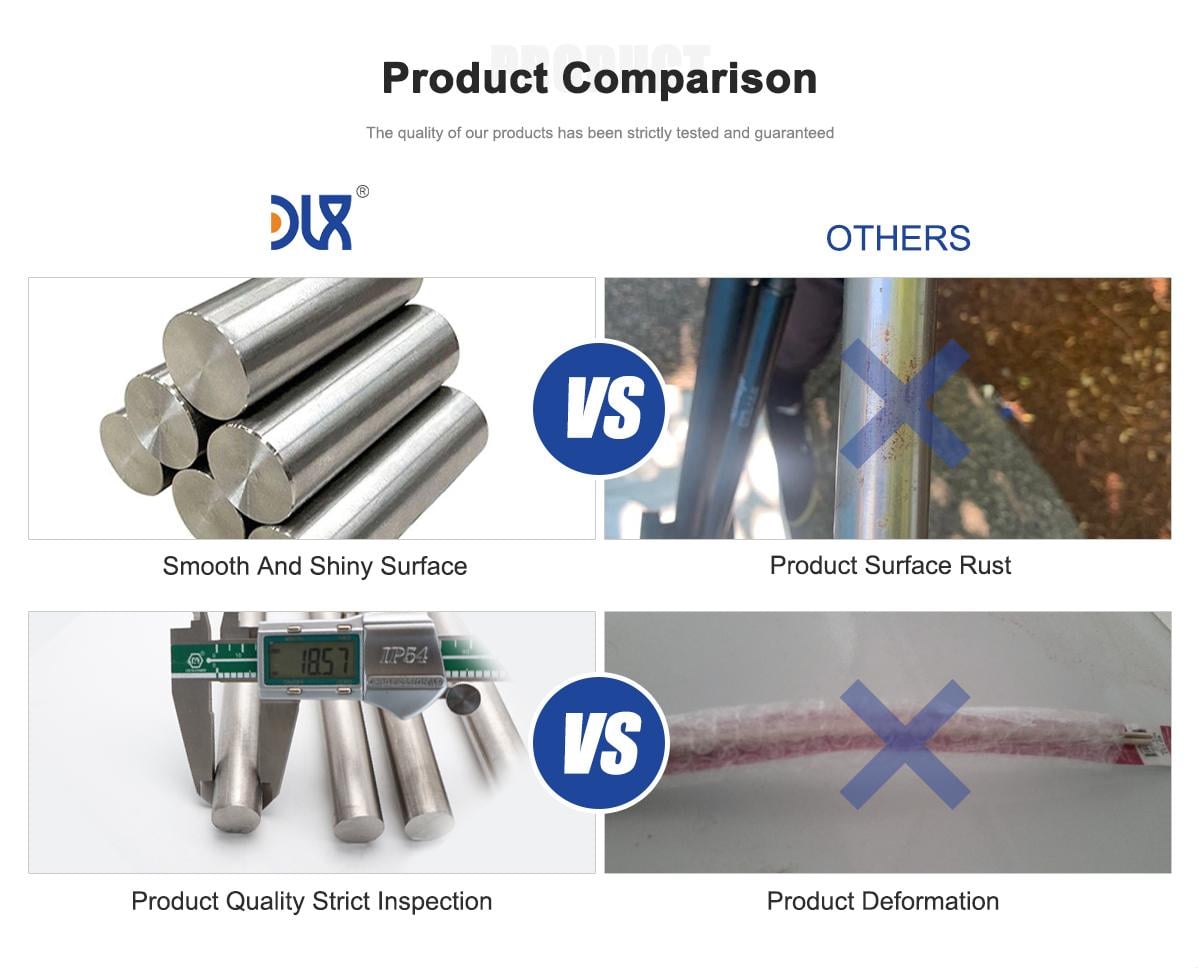
Critical Industrial Applications for Aerospace Fasteners & Beyond
- Commercial and Military Jet Engines: Compressor rotor tie bolts, turbine casing studs, combustion chamber pins, and afterburner structural fasteners.
- Aerospace Airframe & Launch Vehicles: High-load landing gear structural bolts, missile guidance casing pins, and cryogenic liquid propulsion fasteners.
- Spacecraft Propulsion & Satellites: High-strength cryogenic bolts operating from -196°C up to high launch vibration loads.
- Power Generation Turbines: Heavy-duty gas turbine bolting, exhaust diffuser pins, and high-temperature steam turbine joint studs.
- Downhole Oil & Gas Tools: Extreme high-pressure high-temperature (HPHT) downhole shafts, sour gas wellhead studs, and valve stems.
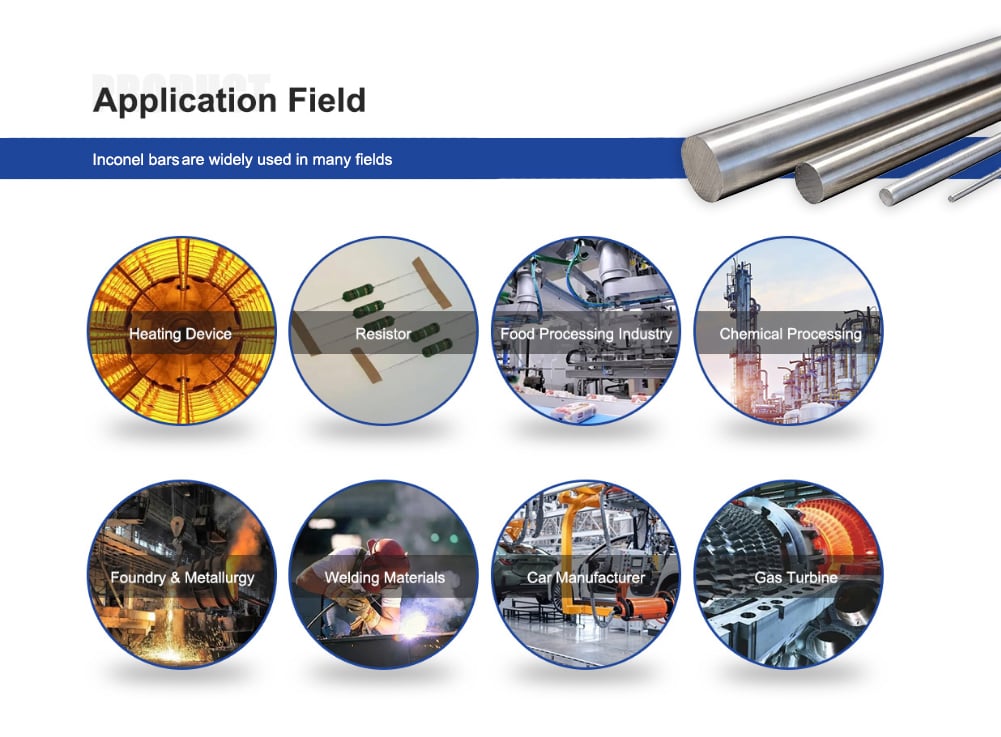
Why Partner with DLX Alloy
- Industrial Scale & Stable Capacity: Fully equipped manufacturing facilities operating at an integrated production scale of 1,200 tons per month across high-temperature superalloys, precision nickel wires, strips, and bars.
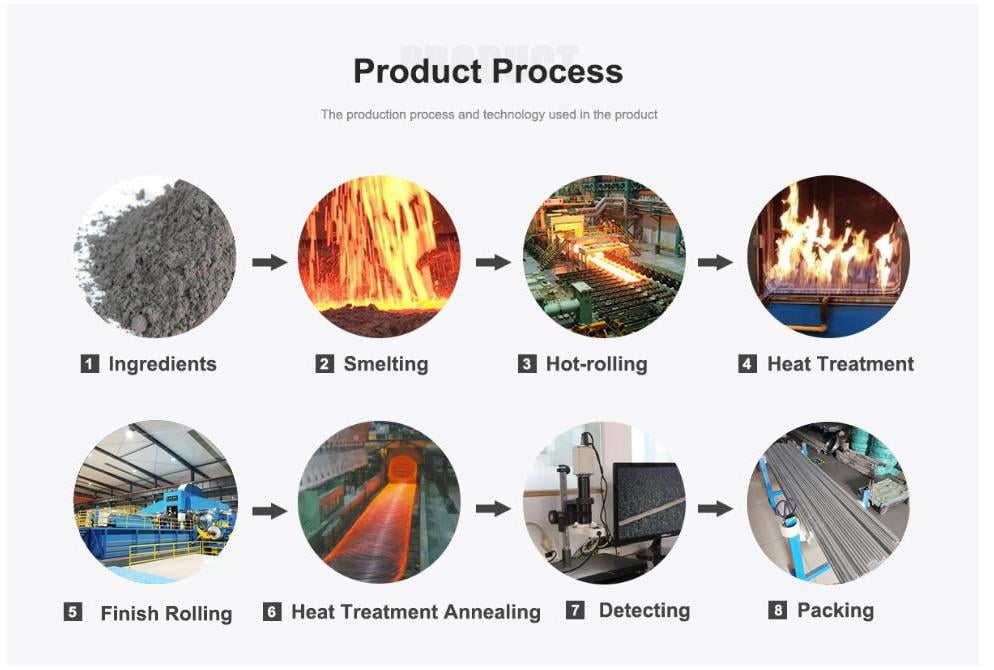
- Advanced Vacuum Melting Metallurgy: Utilizing state-of-the-art Vacuum Induction Melting (VIM) paired with Electroslag Remelting (ESR) and Vacuum Arc Remelting (VAR) to ensure ultra-low inclusions, isotropic grain distribution, and ultra-high metallurgical purity.
- Full-Spectrum Quality Assurance: Every single batch undergoes 100% immersion ultrasonic flaw detection, eddy current inspection, PMI spectral verification, metallographic grain size evaluation, and room/high-temperature tensile stress-rupture validation.
- Complete Batch Traceability: Deliveries are accompanied by full chemical and mechanical inspection certificates with comprehensive raw material heat number traceability from ingot casting to final packing.
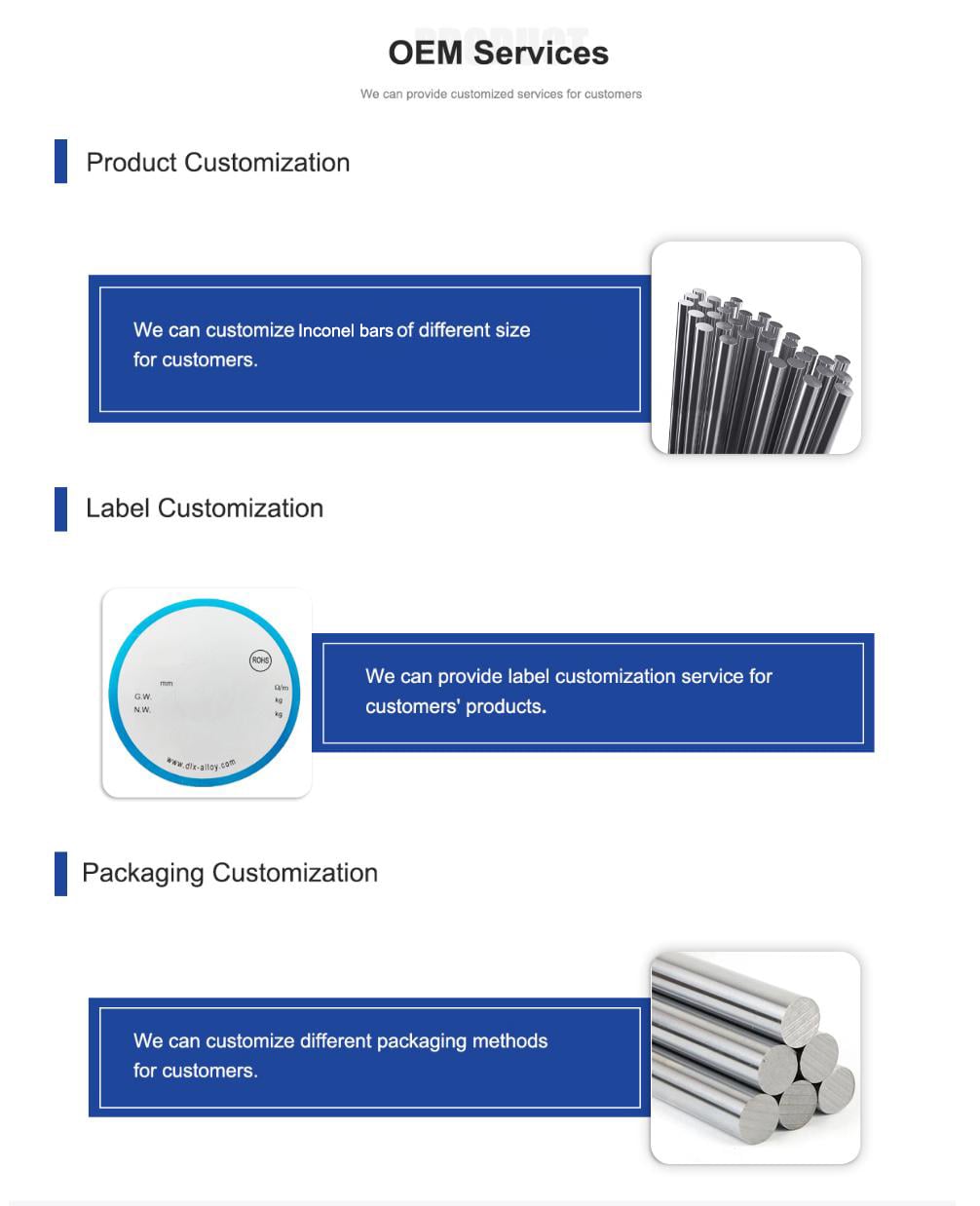
- Customized Processing Flexibility: Dynamic minimum order quantities tailored to prototype R&D and serial fastener production, with precision custom cutting, centerless chamfering, and customized wooden-case overseas export packaging.
Frequently Asked Questions
Q1: What heat treatment protocol gives Inconel 718 round bar its peak hardness and strength?
A1: Peak mechanical performance is achieved through a standard two-stage aging cycle following solution annealing. The material is first solution annealed at 950°C to 980°C and rapid cooled, followed by primary aging at 720°C for 8 hours, furnace cooling at 50°C per hour to 620°C, and holding at 620°C for a total aging time of 18 hours, followed by air cooling.
Q2: Why is Inconel 718 preferred over titanium or stainless steel for jet engine fasteners?
A2: While titanium alloys offer low density, their strength drops significantly above 400°C. Standard high-strength stainless steels lose corrosion and creep resistance at elevated temperatures. Inconel 718 maintains exceptional yield strength, cyclic fatigue resistance, and creep-rupture integrity at continuous temperatures up to 650°C, making it the industry standard for high-temperature jet engine hot-section fasteners.
Q3: Can your Inconel 718 round bars be used directly for high-speed thread rolling?
A3: Yes. We supply Inconel 718 round bars in solution-annealed or lightly cold-reduced conditions with precise diameter tolerance and defect-free surfaces, allowing seamless hot heading, cold heading, or CNC machining followed by thread rolling prior to or after aging.
Q4: What surface finishes and diameter tolerances are available for CNC Swiss lathe turning?
A4: For high-precision automated lathe turning, we provide precision centerless ground and polished bars with diameter tolerances controlled to ISO h8, h7, or custom limits down to ±0.005 mm, with surface roughness as fine as Ra ≤ 0.4 µm.
Q5: What is the packaging and ordering policy for overseas shipment?
A5: All export bars are individually plastic-sleeved, vapor-corrosion inhibitor (VCI) wrapped, and securely packed in reinforced fumigated wooden crates or steel-framed boxes to prevent surface scratching or bending during ocean and air freight. Batch sizes can be flexibly adjusted based on your manufacturing scale.