EN

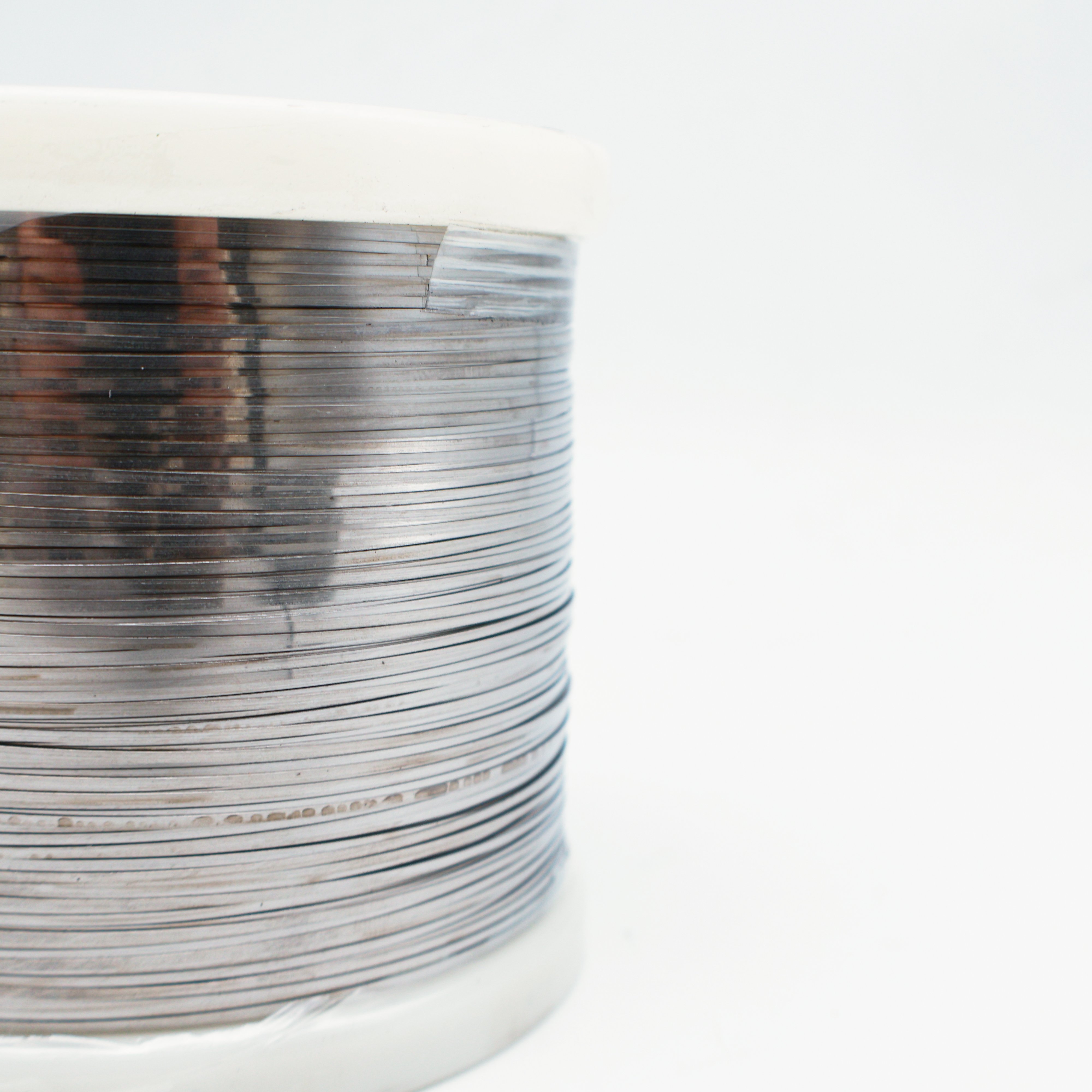
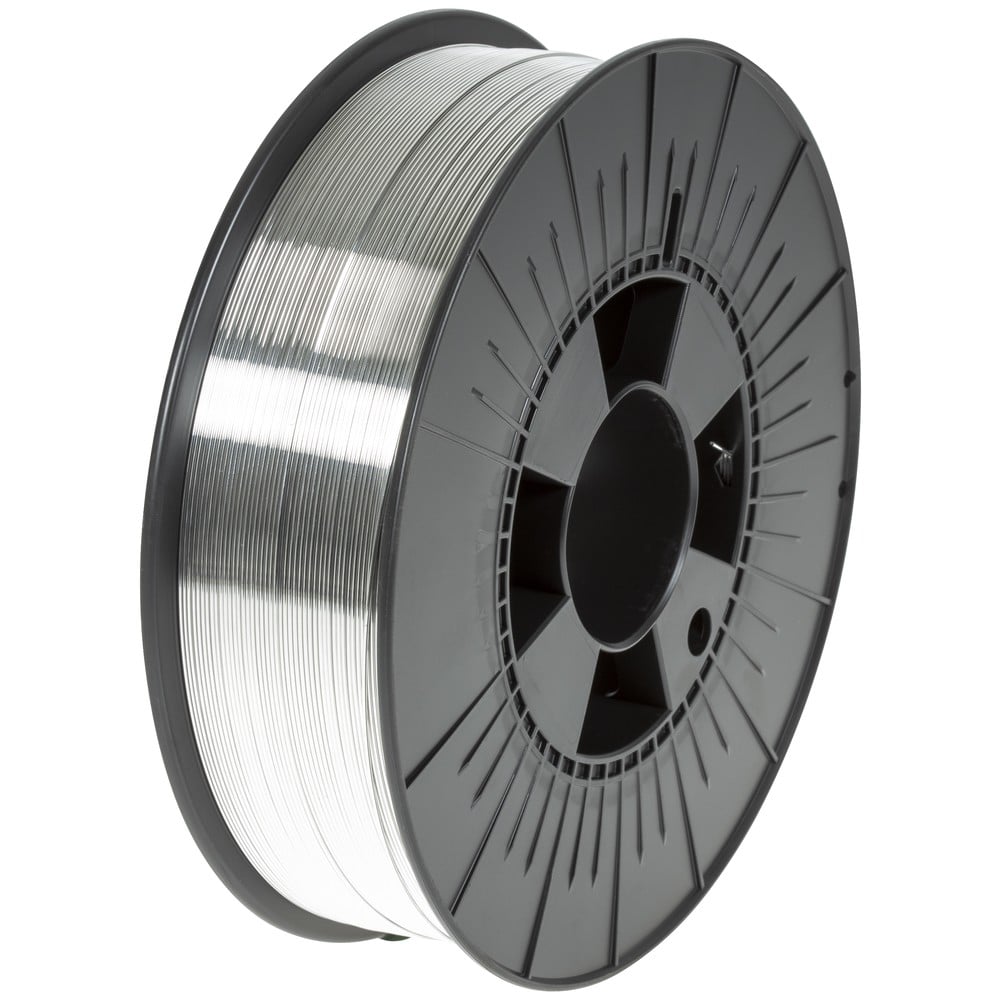
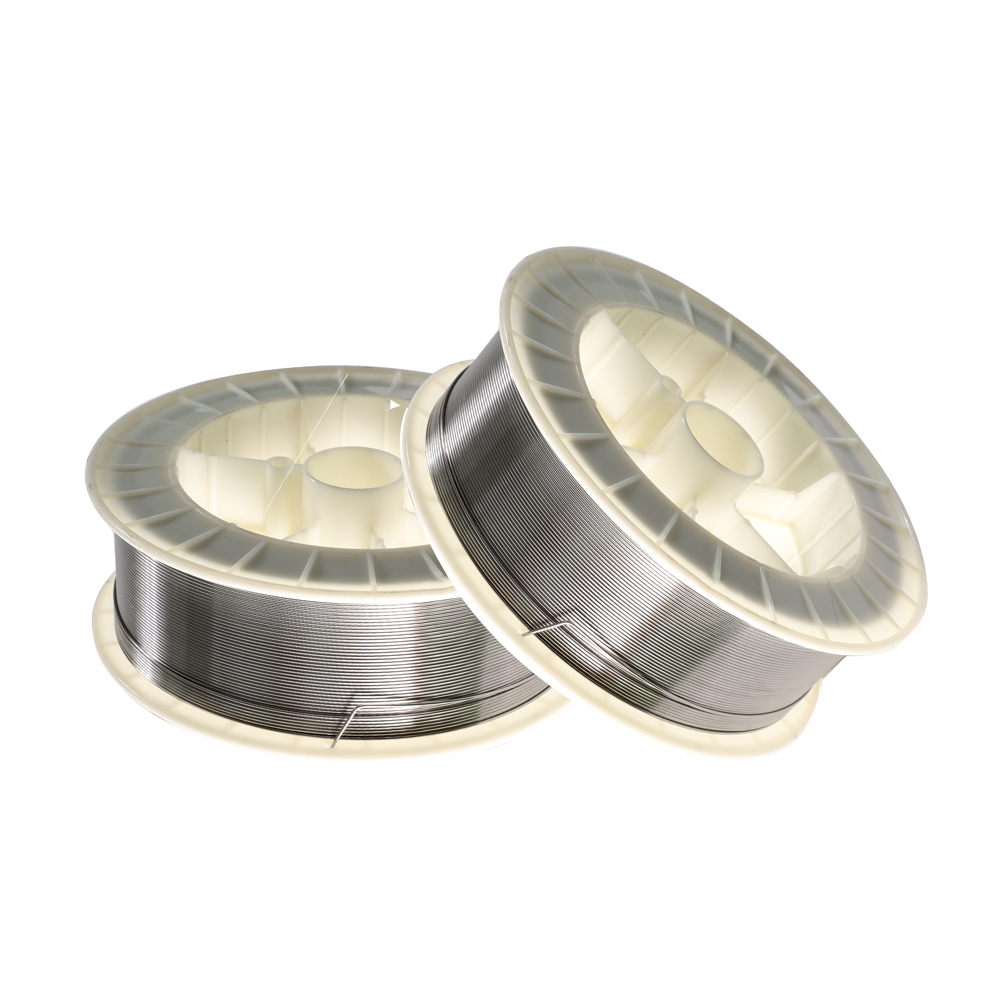
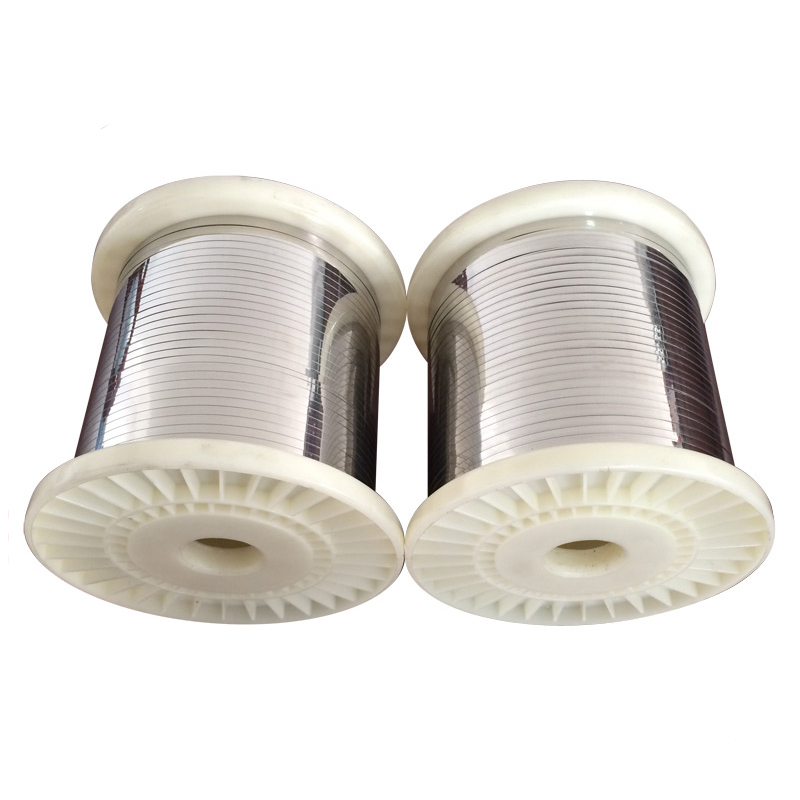
Corrosion Resistant Hastelloy C4 Alloy Strip 0.8mm for Expansion Joint
Titanium-Stabilized Nickel Alloy Strip with Superior Intergranular Corrosion Resistance and Extreme Thermal Stability for Severe-Service Expansion Bellows
- Overview
- Specifications
- Features
- Applications
- Why-Us
- FAQ
- Recommended Products
Product Overview
Hastelloy C4 (UNS N06455 / W.Nr. 2.4610) is a premier nickel-chromium-molybdenum alloy renowned for its unmatched high-temperature metallurgical stability. Designed specifically to overcome the sensitization issues common in standard nickel-based materials, this alloy prevents the formation of grain-boundary carbides and intermetallic phases during thermal cycling and welding.
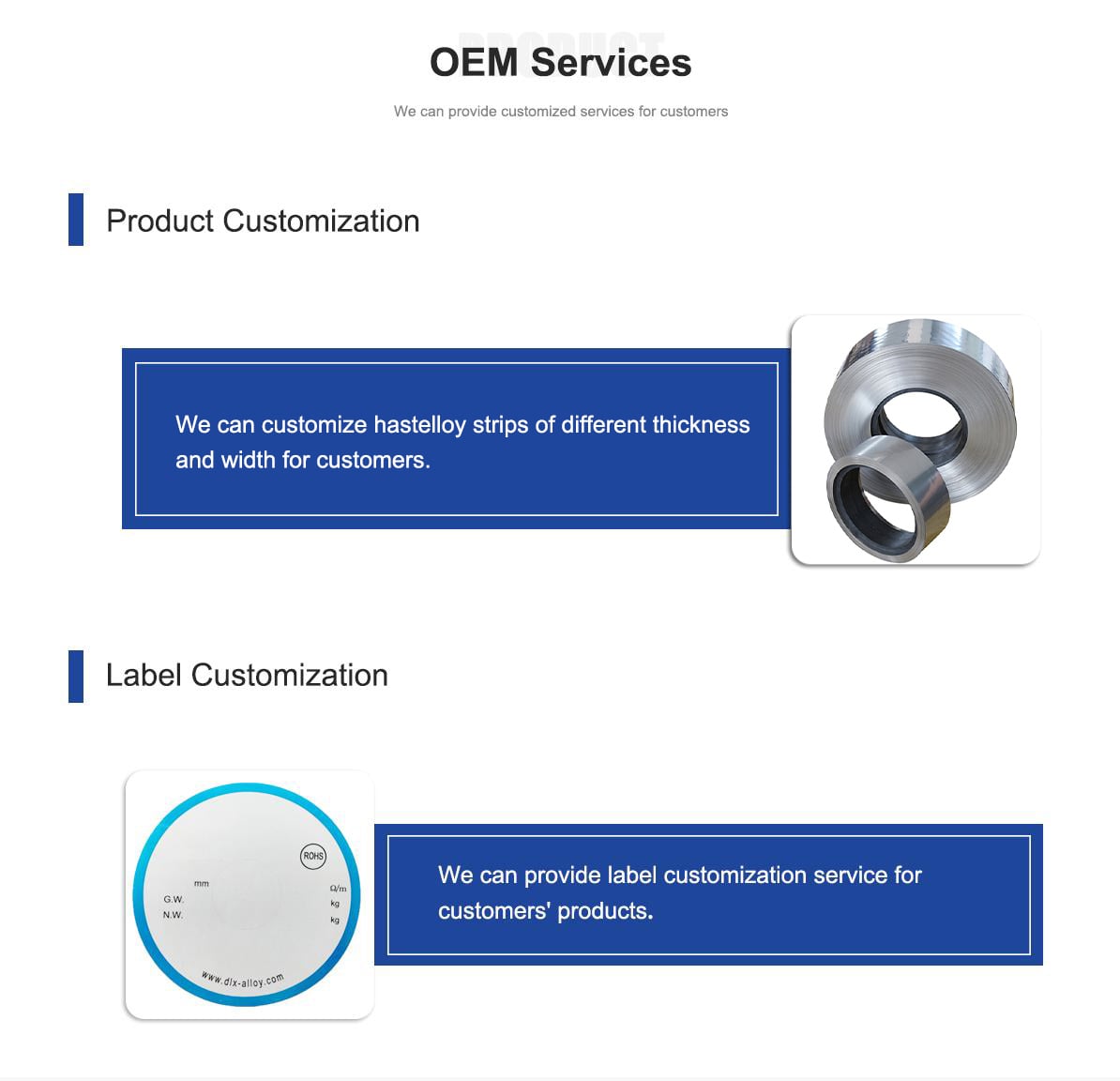
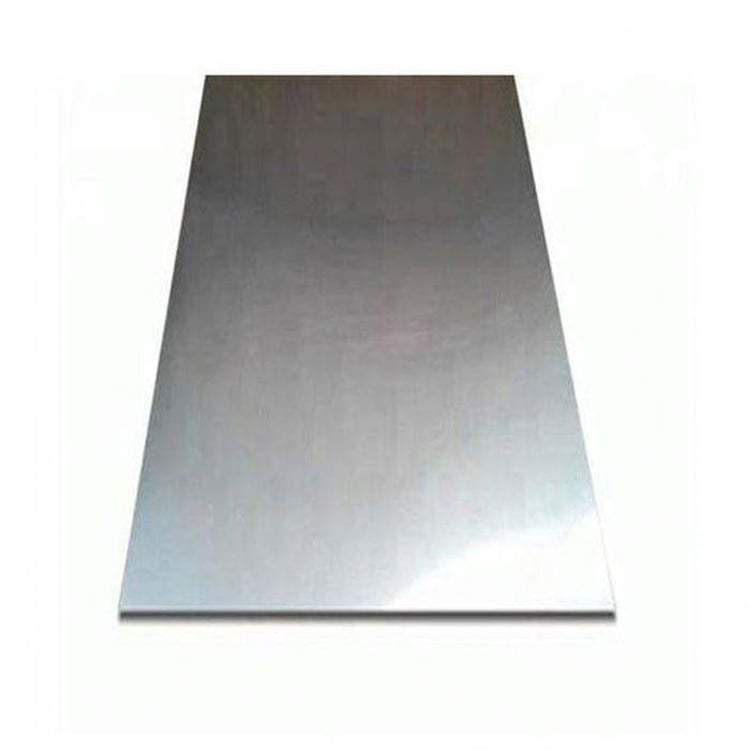
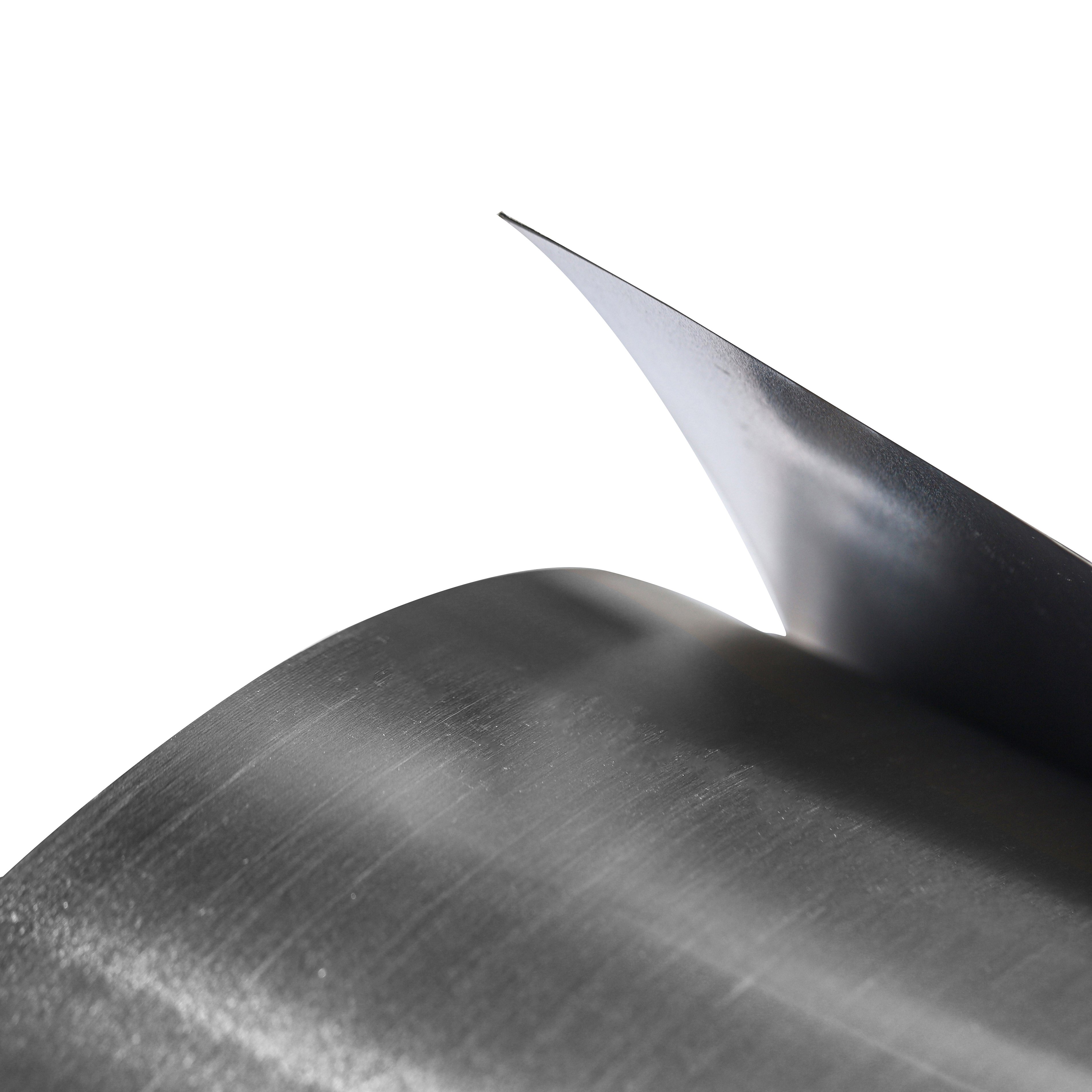
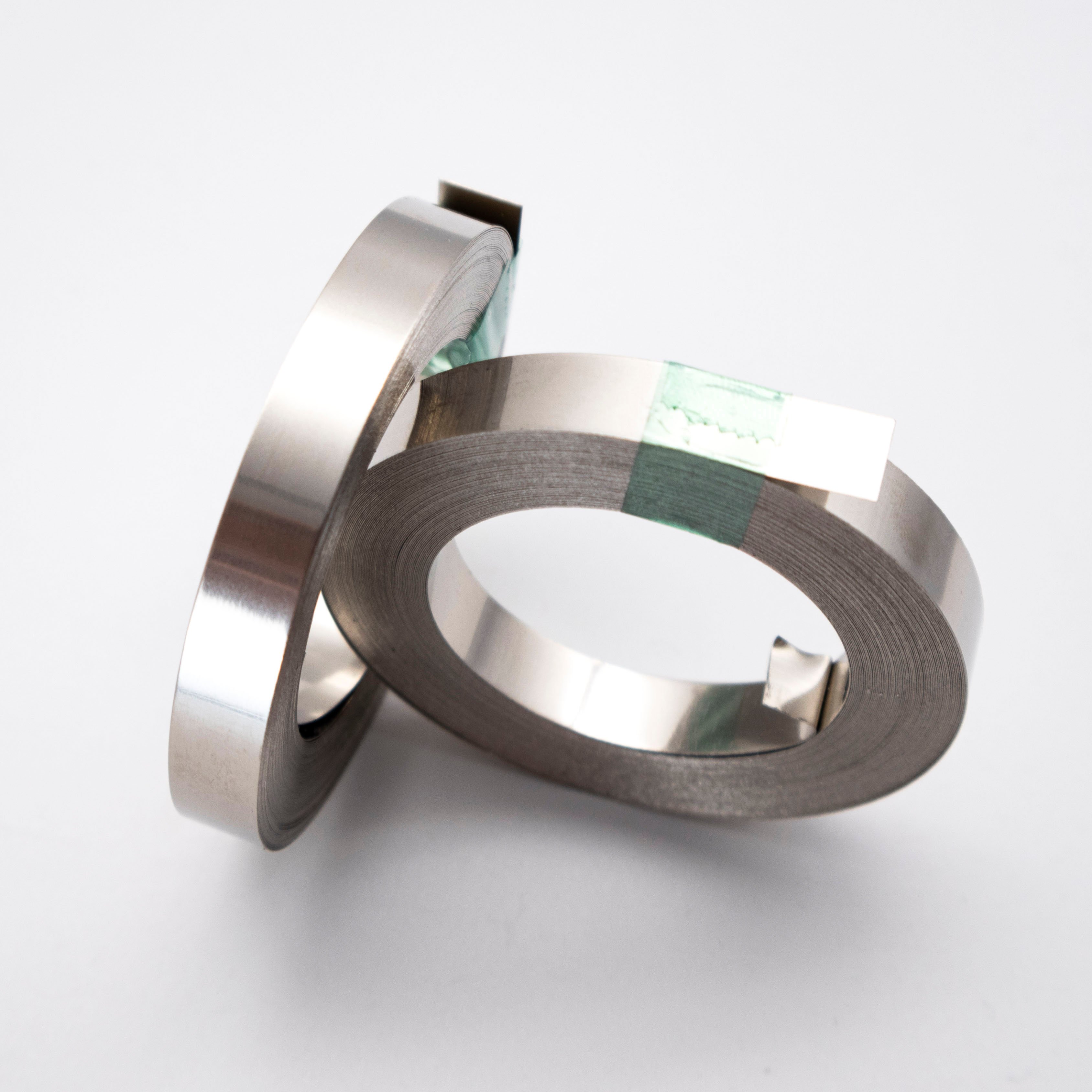
When manufactured into a 0.8mm precision-rolled strip, it becomes the ideal core material for expansion joint bellows, metallic duct compensators, and flexible piping seals. Expansion joints undergo continuous mechanical flexing and intense thermal cycling while being exposed to aggressive wet chlorine, inorganic acids, chloride-induced stress environments, and corrosive flue gases. Our 0.8mm Hastelloy C4 strip delivers high ductility for deep drawing and roll forming, paired with uniform wall thickness and defect-free surface finish to eliminate micro-crack risks during expansion joint manufacturing.
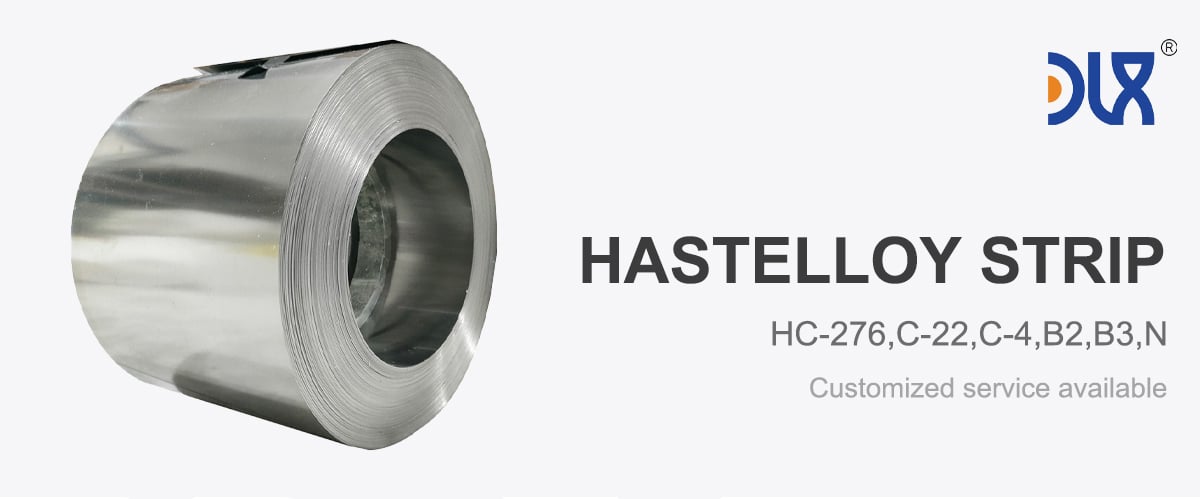
Product Specifications: Hastelloy C4 Strip 0.8mm
| Parameter | Value / Technical Requirement |
|---|---|
| Material Grade | Hastelloy C4 / Nickel-Molybdenum-Chromium Alloy (UNS N06455 / W.Nr. 2.4610) |
| Nominal Thickness | 0.80 mm (Custom tolerances available within ±0.012 mm) |
| Width Range | 10.0 mm – 450.0 mm (Slit edge / Deburred edge) |
| Material Temper | Fully Annealed (Soft temper, M-state) |
| Tensile Strength (Rm) | 690 – 850 MPa |
| Yield Strength (Rp0.2) | ≥ 300 MPa |
| Elongation (A50mm) | ≥ 40% |
| Hardness | ≤ 210 HV / ≤ 95 HRB |
| Density | 8.64 g/cm³ |
| Melting Range | 1335°C – 1380°C |
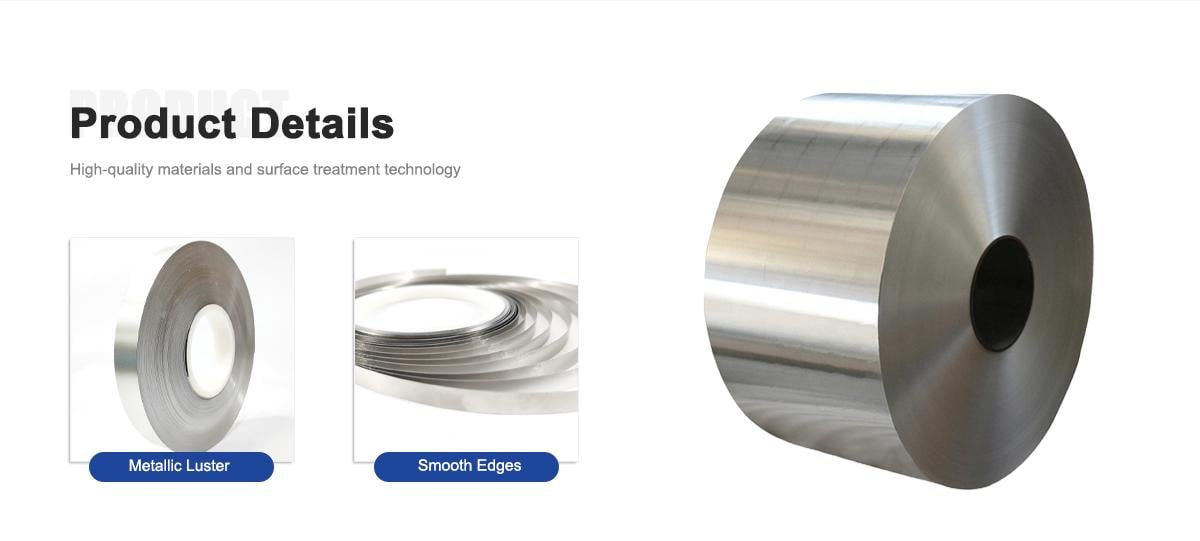
| Surface Finish | Bright Annealed (BA), 2B cold rolled, defect-free pickled finish |
| Edge Condition | Slit edge, rounded edge, or deburred safety edge |
Key Features
-
Superior Resistance to Intergranular Corrosion: Formulated with ultra-low carbon and silicon levels combined with titanium stabilization, preventing intergranular attack and edge-pitting even in the critical 650°C–1040°C sensitization temperature range.
-
Optimized for Bellows Deep-Drawing and Hydroforming: Features uniform recrystallized grain structure (ASTM equivalent grain size controlled between 6.0 and 8.0 for deep drawing) that delivers consistent elongation (A50 ≥ 40%) without orange-peel effects.
-
Tight Dimensional and Thickness Tolerances: Processed via multi-roll precision cold rolling to achieve strict thickness tolerance within ±0.015mm across the entire 0.8mm strip width, guaranteeing uniform burst pressure and spring rate for multi-ply bellows.
-
Exceptional Acid and Chloride Resistance: Outstanding resilience in oxidizing and non-oxidizing acid mixtures, wet chlorine gas, acetic acid, ferric/cupric chlorides, and sulfuric acid environments.
-
Superior Weldability and Ductility: Remains highly ductile in as-welded conditions without requiring post-weld solution annealing, facilitating seam welding and tube forming of expansion elements.
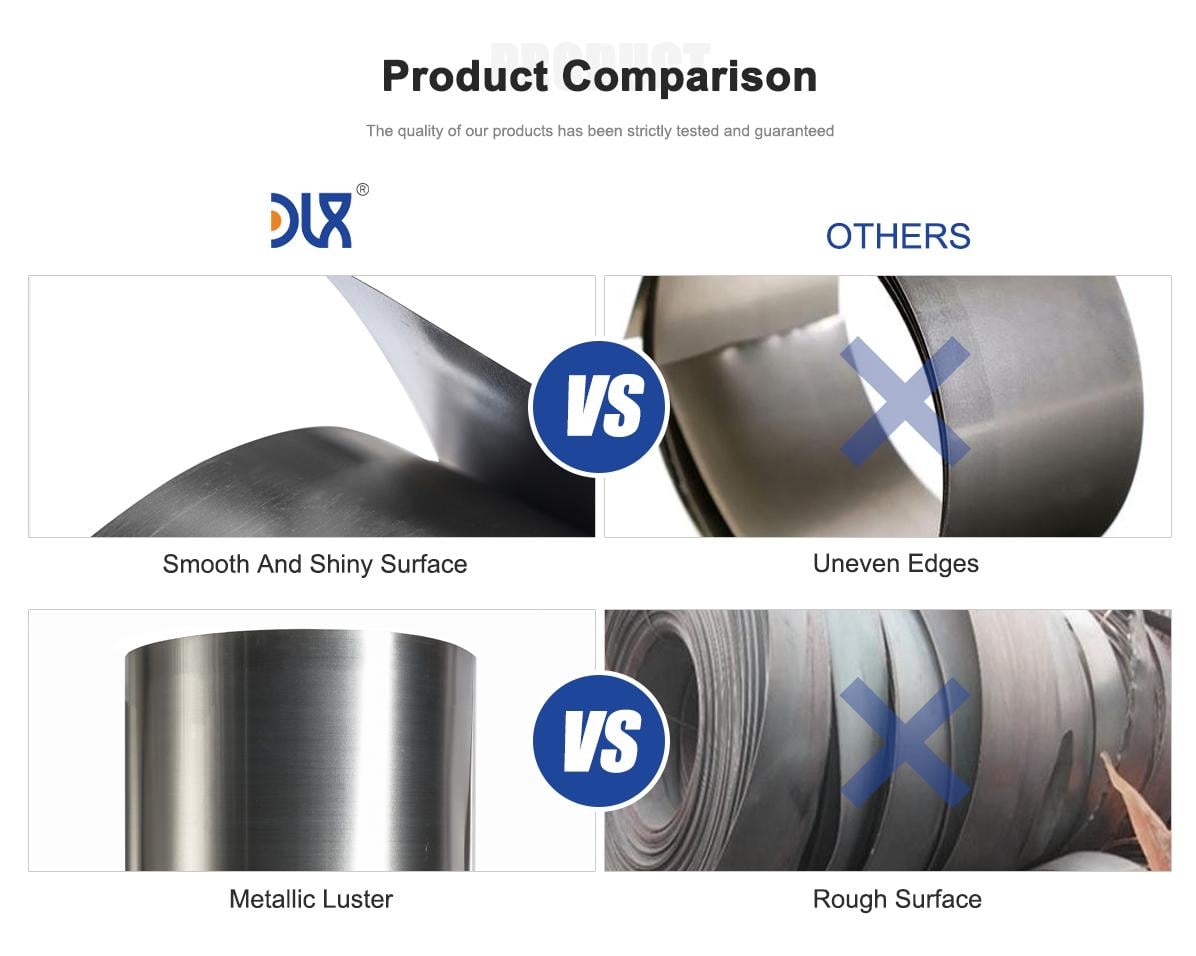
Product Applications
-
Flue Gas Desulfurization (FGD) Expansion Joints: Absorbs axial, lateral, and angular duct thermal expansion in scrubber inlets, wet chimneys, and reheat gas ducts subject to sulfuric acid dew-point corrosion.
-
Chemical and Petrochemical Piping Compensators: Used in high-temperature organic chloride synthesis, acetic anhydride units, and mixed-acid pipeline expansion loops.
-
Pharmaceutical and Agrochemical Reactor Bellows: Provides inert, contamination-free flexible couplings for reaction vessels handling hydrochloric gas and chlorinated hydrocarbons.
-
Waste Incineration and Flare Gas Exhaust Systems: Resists severe thermal fatigue and high-temperature sulfur/chloride vapor corrosion in incinerator ductwork.
-
Marine and Offshore Flexible Exhaust Seals: Provides non-pitting, stress-corrosion-resistant bellows for high-salinity marine exhaust and heat recovery equipment.
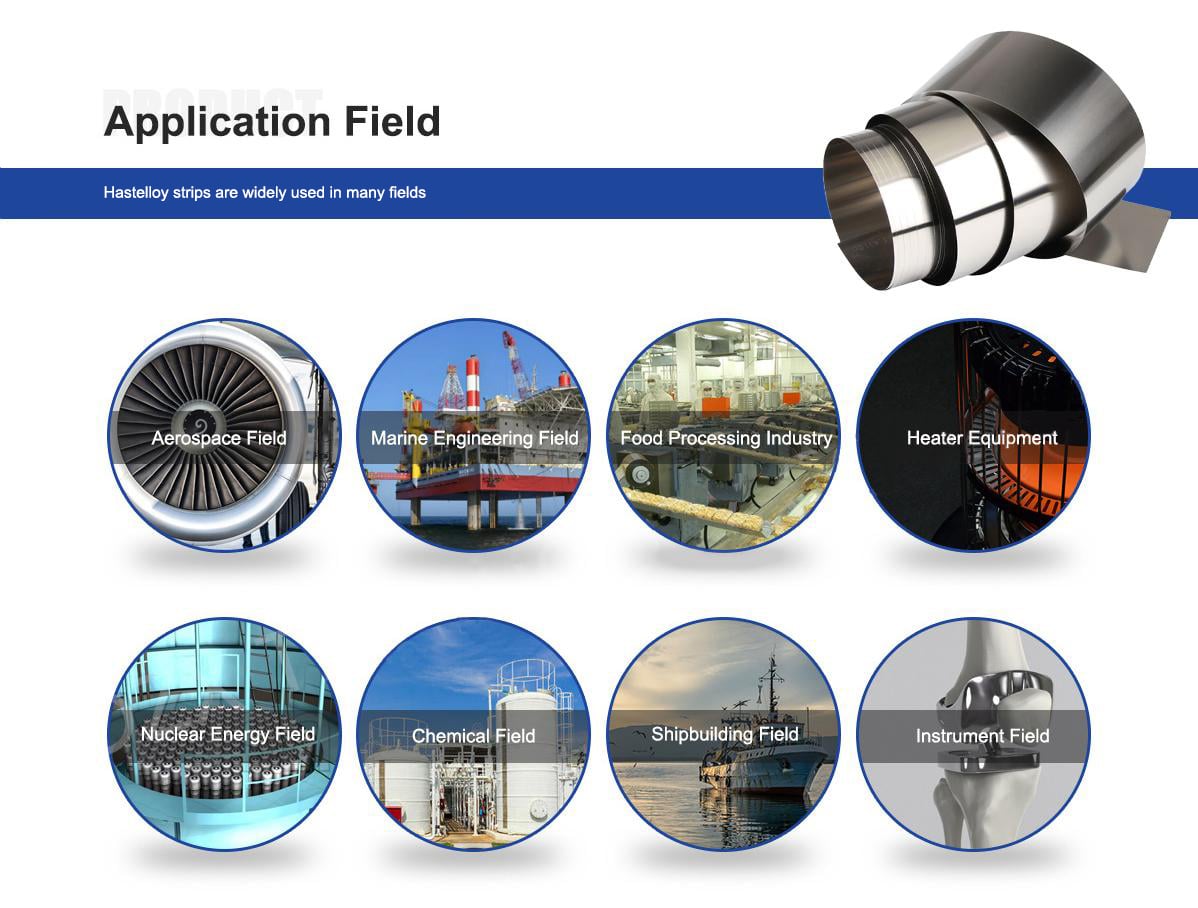
Why Choose DLX
-
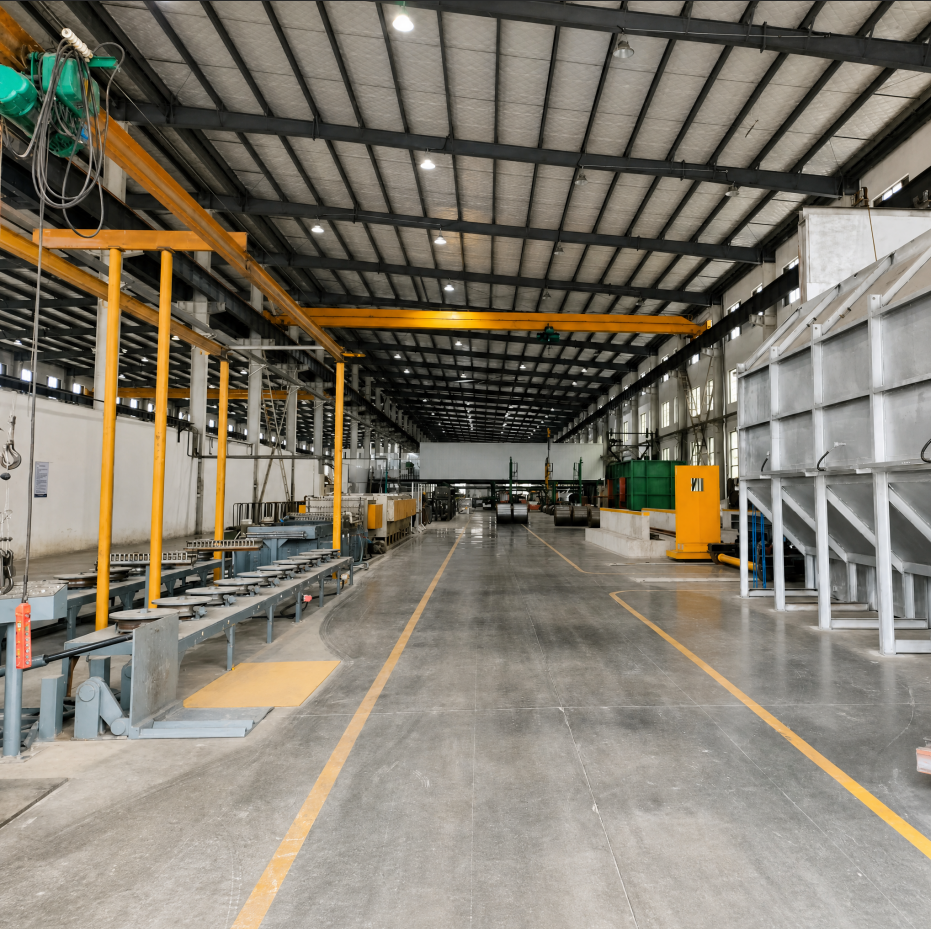
Integrated Vacuum Melting & Rolling Capabilities: Operating advanced Vacuum Induction Melting (VIM) and Electroslag Remelting (ESR) facilities to ensure low gas content, ultra-clean inclusions, and uniform chemical homogeneity.
-
Stable Industrial Capacity: High-volume automated production lines delivering a reliable monthly capacity of 1,200 tons/month, ensuring prompt delivery for both large-scale capital projects and emergency plant shutdowns.
-
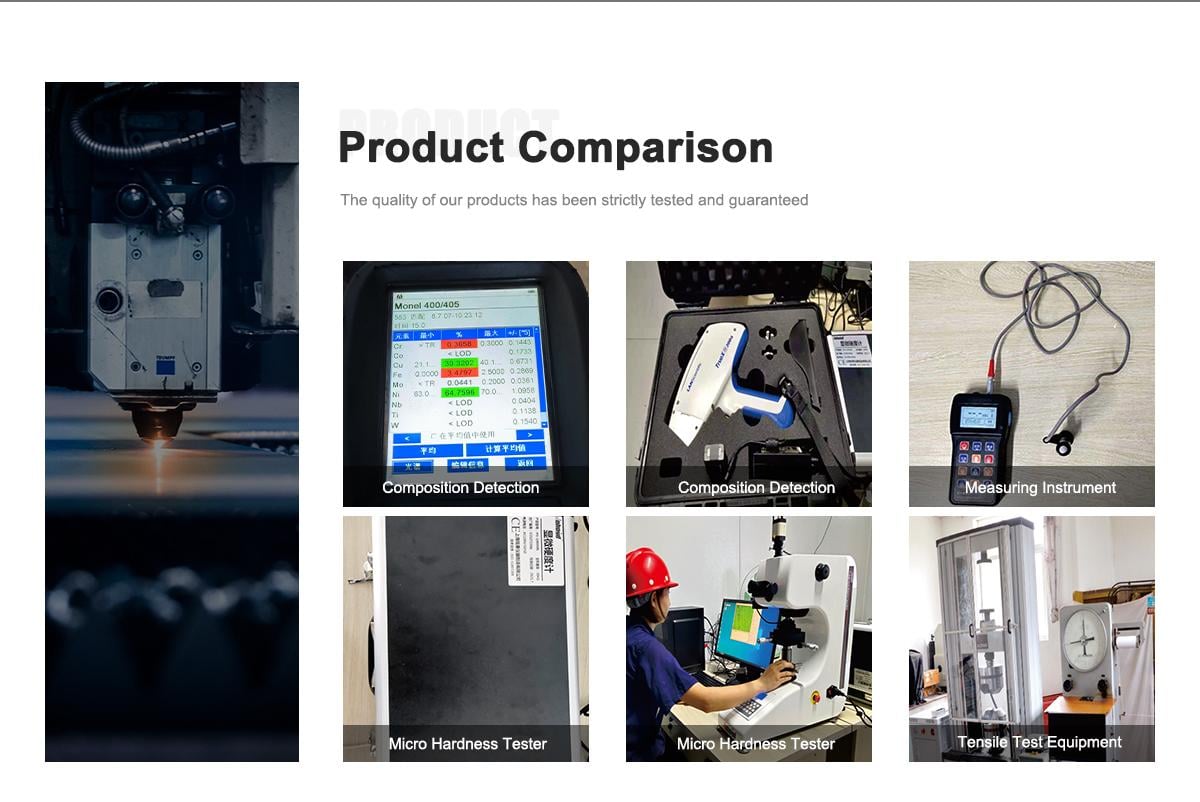
Strict Full-Process Quality Inspection: 100% material traceability from ingot to slit coil, supported by continuous eddy current testing, dimensional laser monitoring, automated tension leveling, and chemical composition spectrum validation.
-
Engineered Slitting & Custom Coil Packaging: Customized internal coil diameters (ID 300mm/400mm/508mm), precise coil weights, and specialized moisture-proof wooden crate packaging suitable for global sea and air freight.
Frequently Asked Questions
Q1: Why is Hastelloy C4 preferred over Hastelloy C276 for high-temperature expansion joints?
A1: While both alloys provide exceptional general corrosion resistance, Hastelloy C4 is titanium-stabilized and omits tungsten, which significantly minimizes carbide and secondary phase precipitation at elevated temperatures (650°C to 1040°C). This gives Hastelloy C4 superior thermal stability and higher resistance to intergranular corrosion during cyclic high-temperature operations, preventing premature fatigue cracking in expansion bellows.
Q2: What thickness tolerances and surface finishes can be achieved for 0.8mm Hastelloy C4 strip?
A2: We supply 0.8mm Hastelloy C4 strip with ultra-tight thickness tolerances up to ±0.012mm to ensure uniform wall thickness during deep drawing and hydroforming. Standard surface conditions include Bright Annealed (BA) and 2B smooth pickled finishes with zero surface laminations, burrs, or oxidation scales.
Q3: Can 0.8mm Hastelloy C4 strip be welded directly without post-weld heat treatment?
A3: Yes. Due to its balanced chemical composition and low carbon content, Hastelloy C4 retains its ductileness and full corrosion resistance in the heat-affected zone (HAZ) of welds. Bellows longitudinal seam welding can be performed via TIG, plasma, or laser welding without mandatory post-weld solution annealing.
Q4: What is the minimum order quantity (MOQ) and lead time for custom slit widths?
A4: We offer flexible commercial quantities tailored to project requirements, accommodating trial batches as well as recurring multi-ton production schedules. Standard stock sizes can be slit and dispatched within 7–10 working days, while custom melt and rolled orders typically require 2–4 weeks backed by our 1,200 tons/month factory capacity.