EN
EN

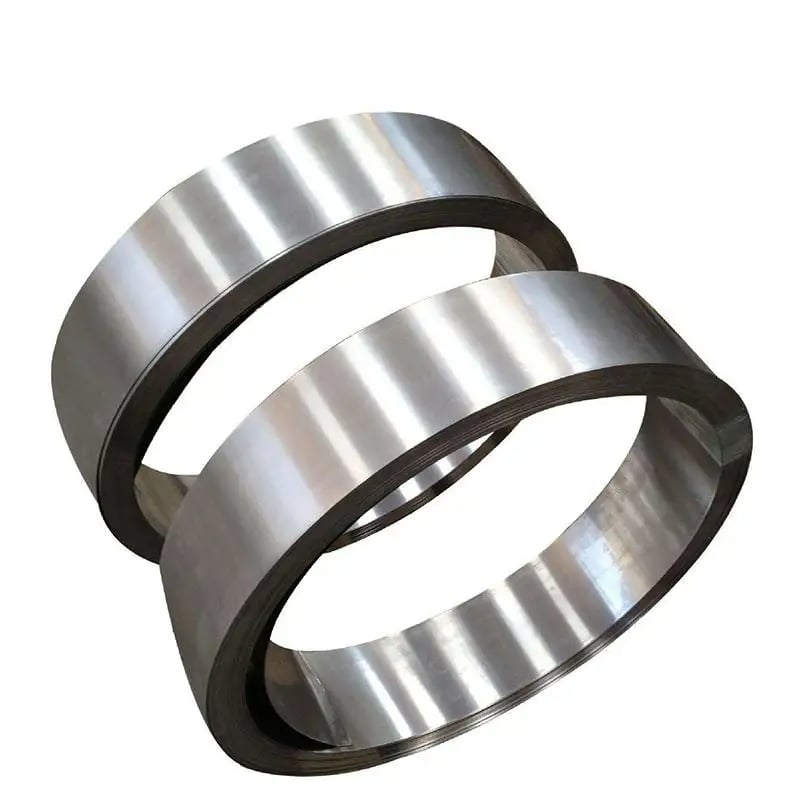
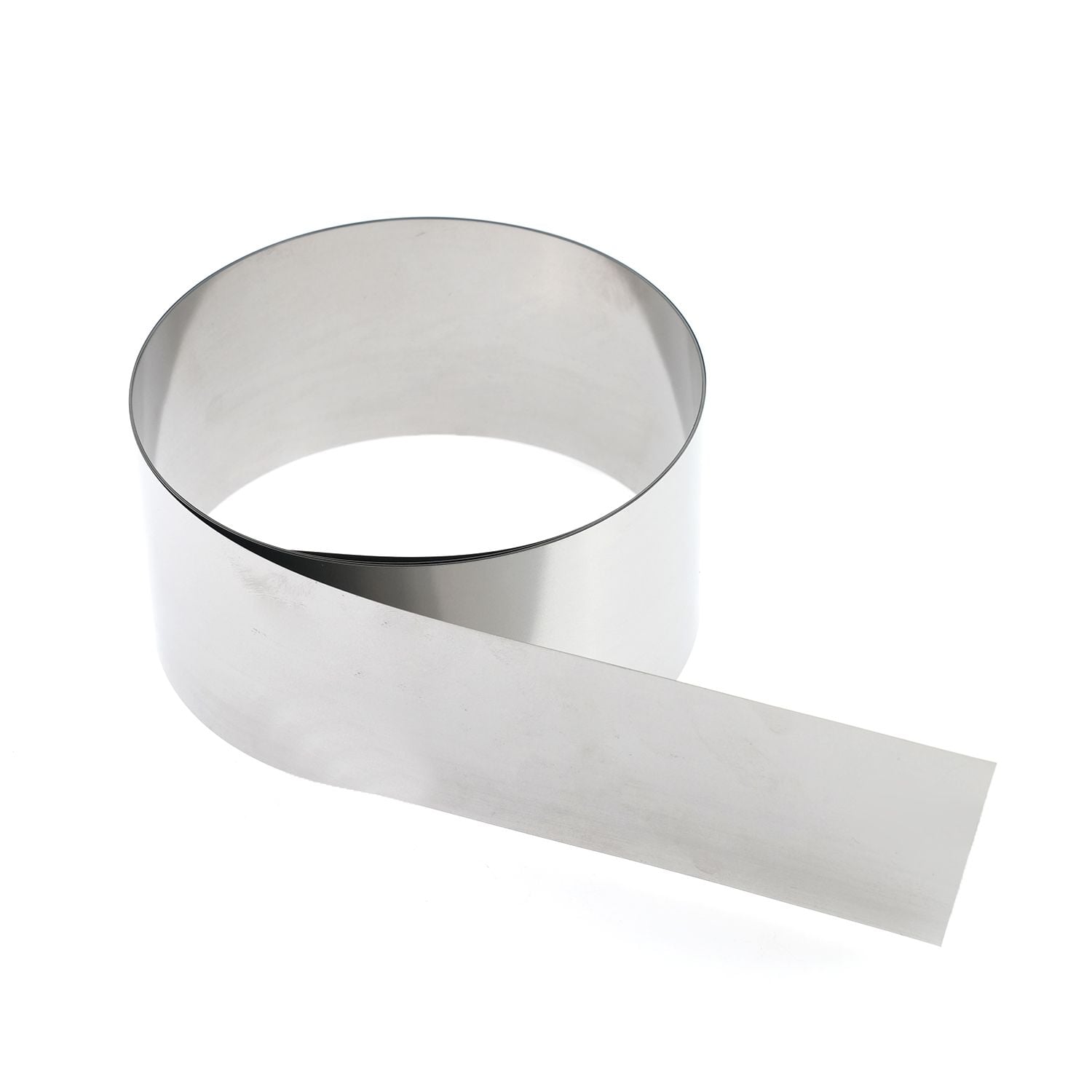
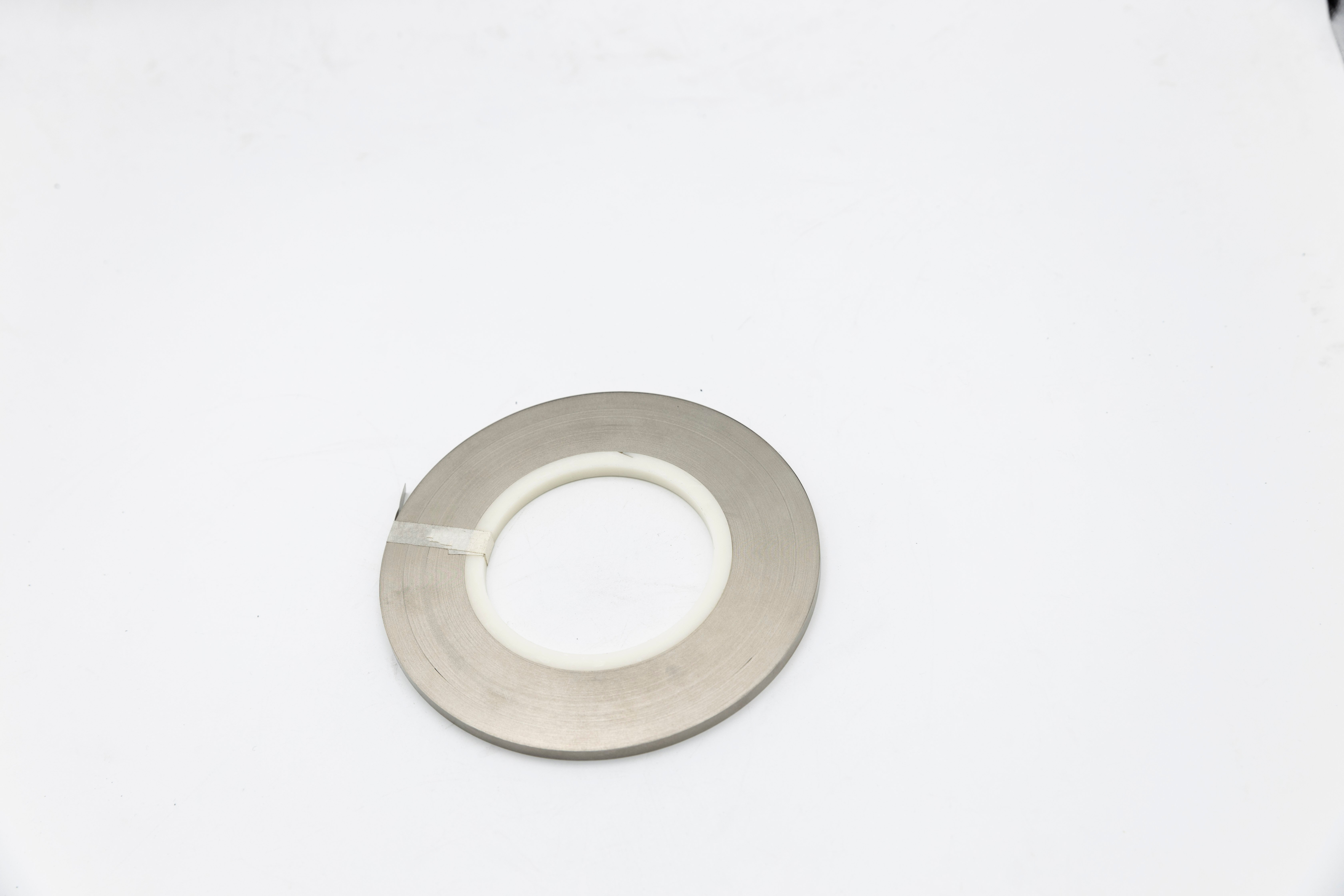
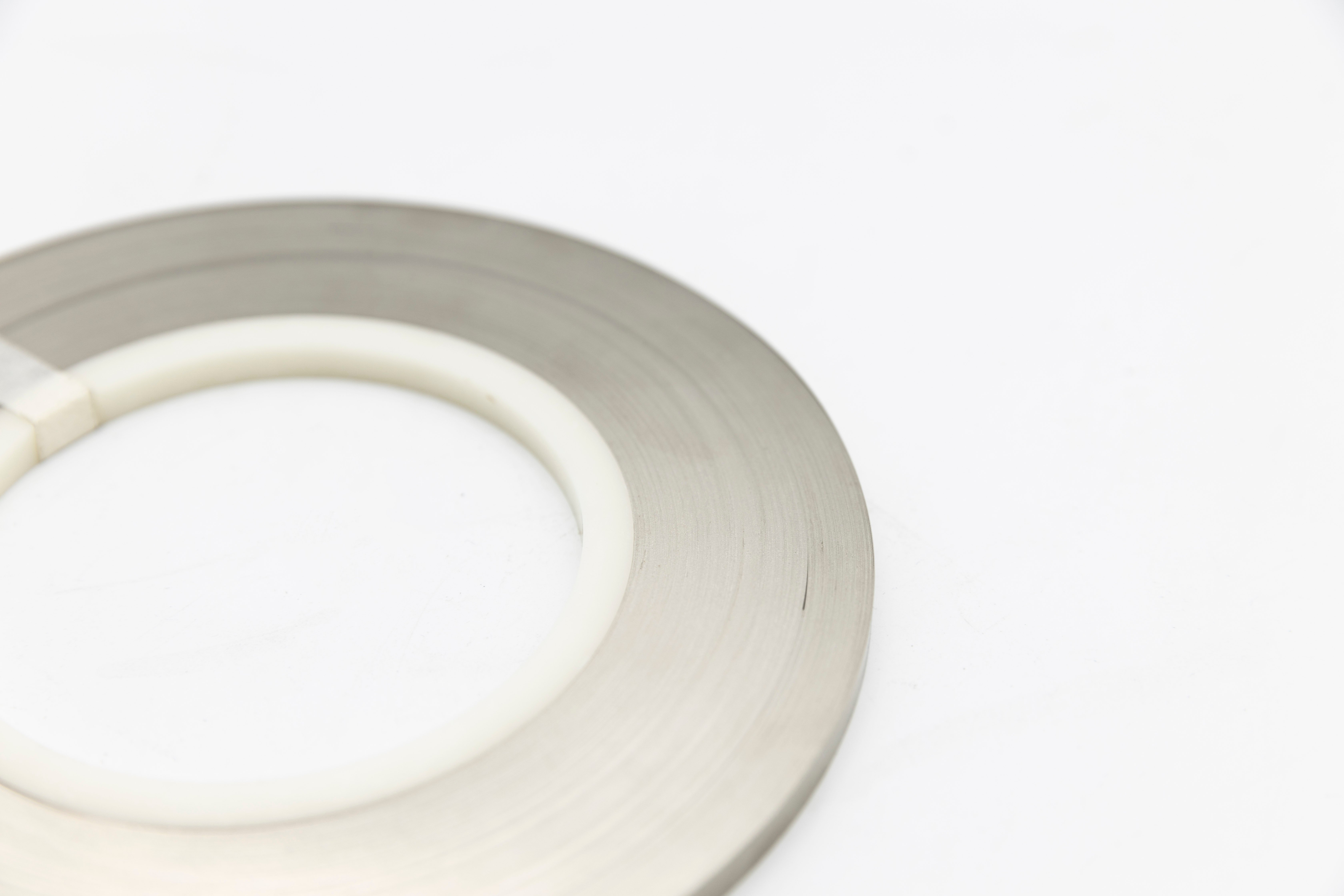
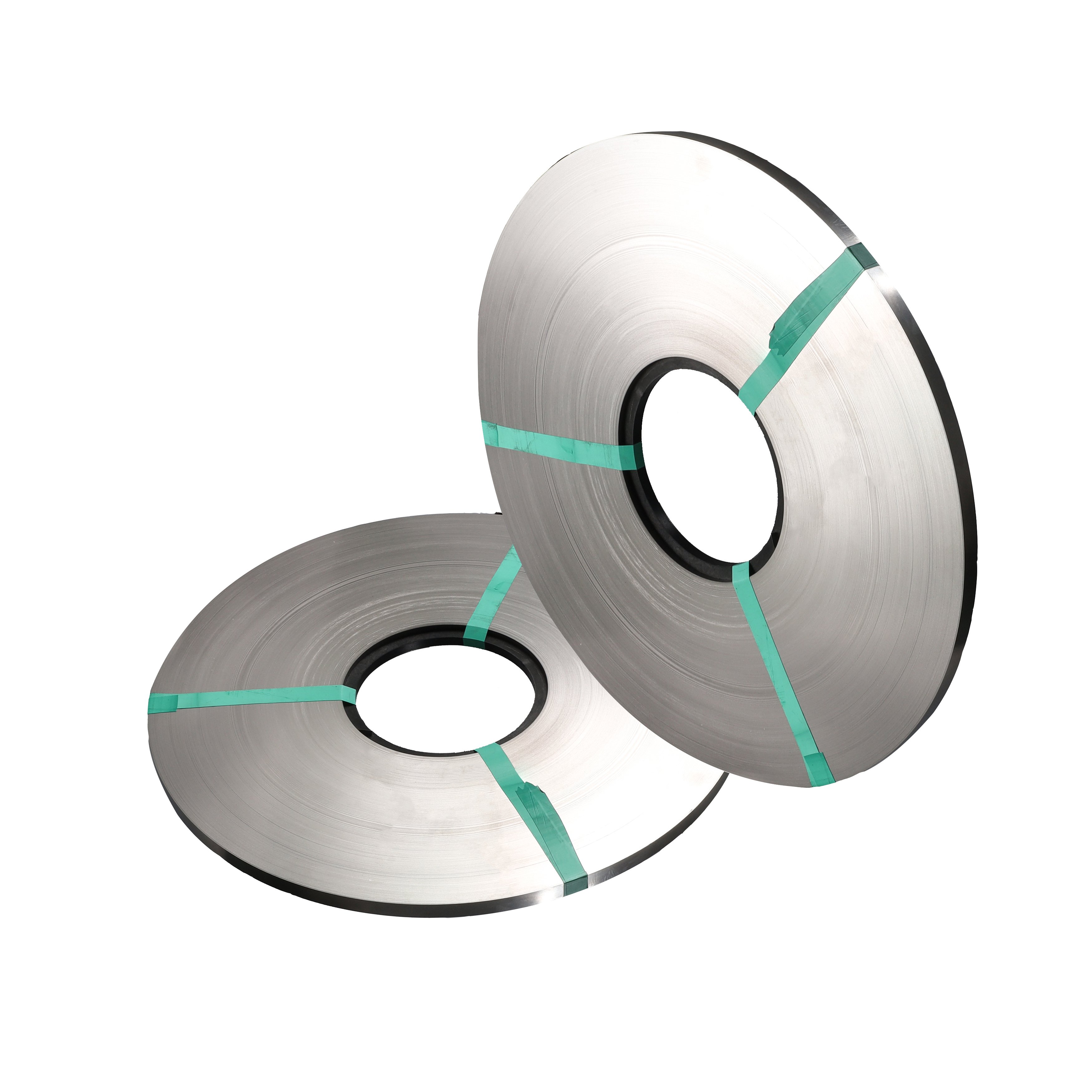
High Purity Ni200 Pure Nickel Strip (0.15mm Thickness) - Certified Quality for Battery Tab Spot Welding
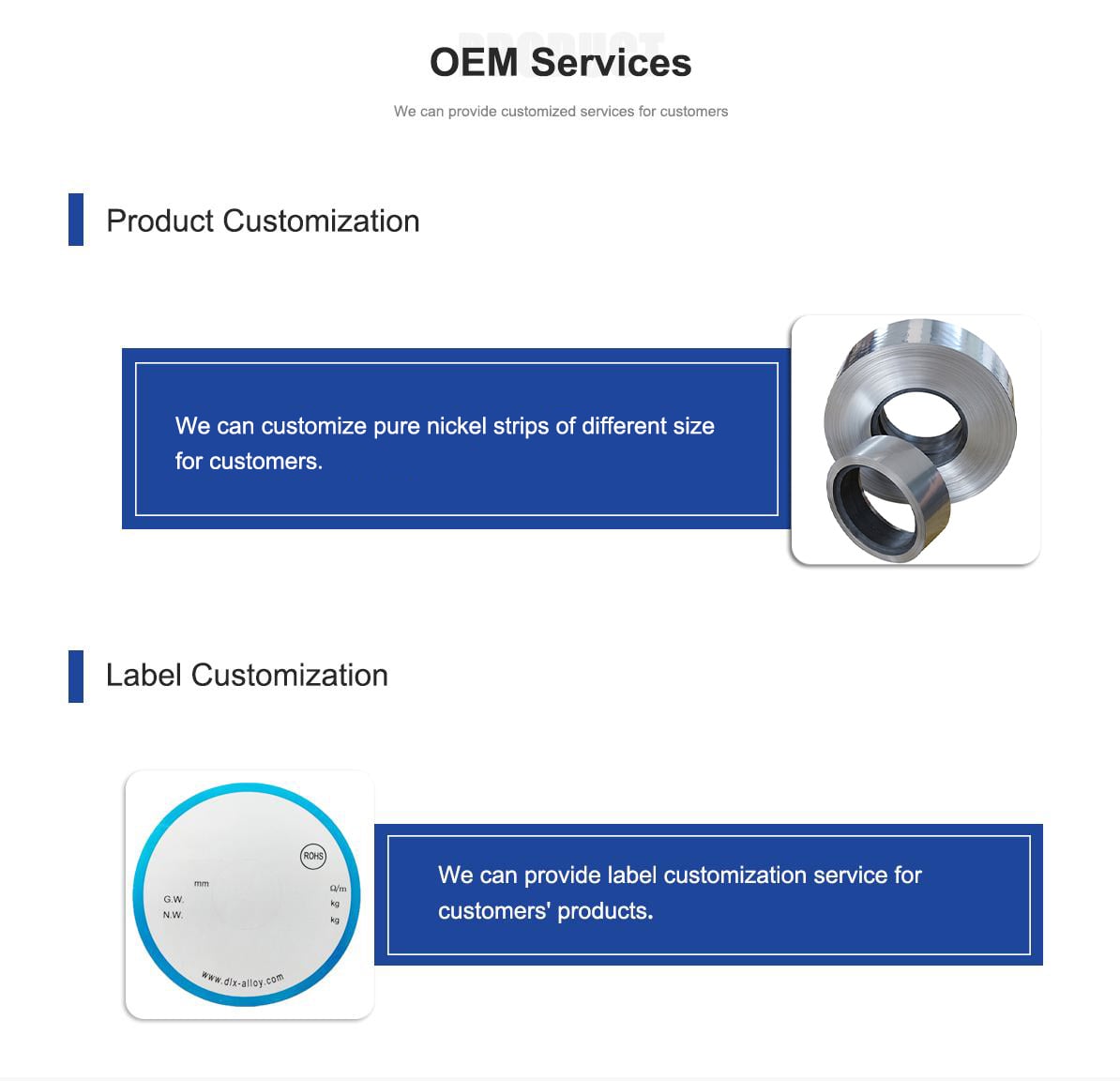
High-conductivity 0.15mm Ni200 pure nickel foil and strip engineered for lithium-ion battery pack spot welding (18650, 21700, 46800). Manufactured with tight thickness tolerances (+/-0.005mm), annealed temper (90-120 HB), and custom slitting capabilities. Direct factory supply with 1,200 tons/month capacity.
- Overview
- Product Feature
- Technical Parameters and Specifications
- Product Applications
- FAQ
- Recommended Products
Product Summary
Engineered for high-reliability lithium-ion battery interconnection, our 0.15mm High Purity Ni200 Pure Nickel Strip (UNS N02200 / W.Nr. 2.4066) delivers superior electrical conductivity, low internal resistance (~0.096 micro-ohm-meter), and exceptional spot weldability.
Manufactured under strict in-house quality control with a purity exceeding 99.6% Ni, this cold-rolled, precision-slit nickel ribbon ensures zero oxidation, burr-free edges, and consistent nugget formation during ultrasonic and resistance spot welding. Ideal for 18650, 21700, and 46800 cylindrical battery packs, EV modules, and power storage systems.
Product Overview
Technical Overview: High-Purity Ni200 Nickel Ribbon for Energy Storage Solutions
In precision battery pack assembly, connection reliability directly determines energy efficiency and cycle life. Our 0.15mm Ni200 pure nickel strip is commercially pure wrought nickel with excellent mechanical properties and corrosion resistance across alkaline and neutral media.
Unlike nickel-plated steel strips (which suffer from higher electrical resistance and coating peeling during high-current cycling), solid 99.6% pure nickel foil provides optimal electrical conductivity (~18% IACS) and superior heat dissipation. This prevents overheating at weld joints, minimizes voltage drop across multi-parallel cell strings, and ensures secure metallurgical bonding under repetitive mechanical vibrations.
Through precision vacuum melting, multi-pass cold rolling, continuous bright annealing, and rotary slitting, we ensure every coil features uniform grain structure, uniform tensile strength (380-480 MPa), and clean, degreased surface finishes ready for automated high-speed spot welding lines.
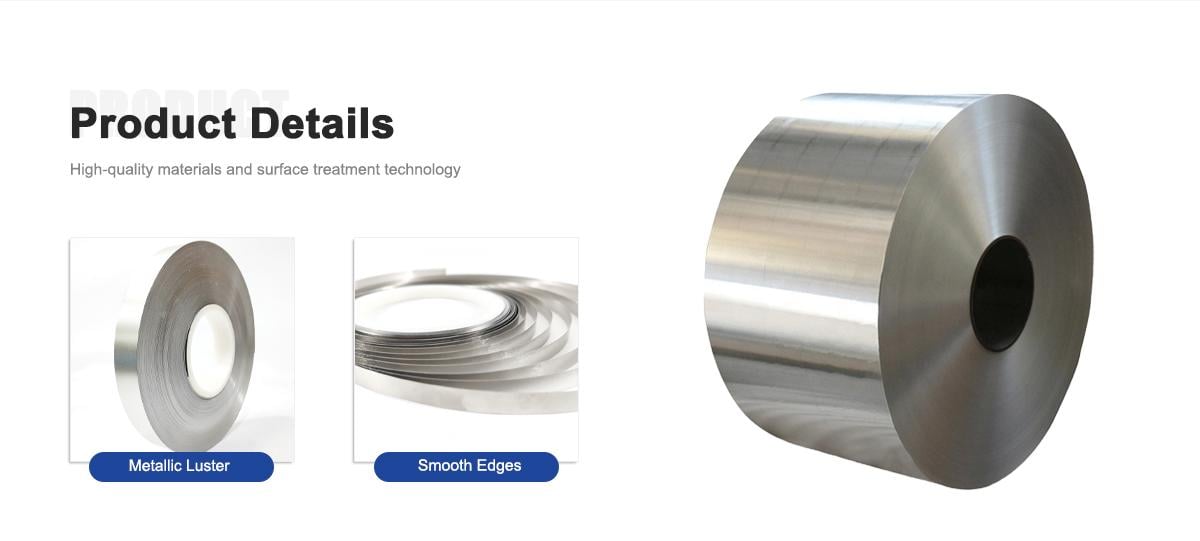
Key Features and Engineering Advantages of 0.15mm Nickel Strip
-
Ultra-Low Internal Resistance and High Conductivity With an electrical resistivity of ~0.096 micro-ohm-meter at 20 deg C, solid Ni200 strips minimize I2R thermal losses in high-drain battery configurations, significantly boosting discharge efficiency in electric vehicles (EVs) and power tools.
-
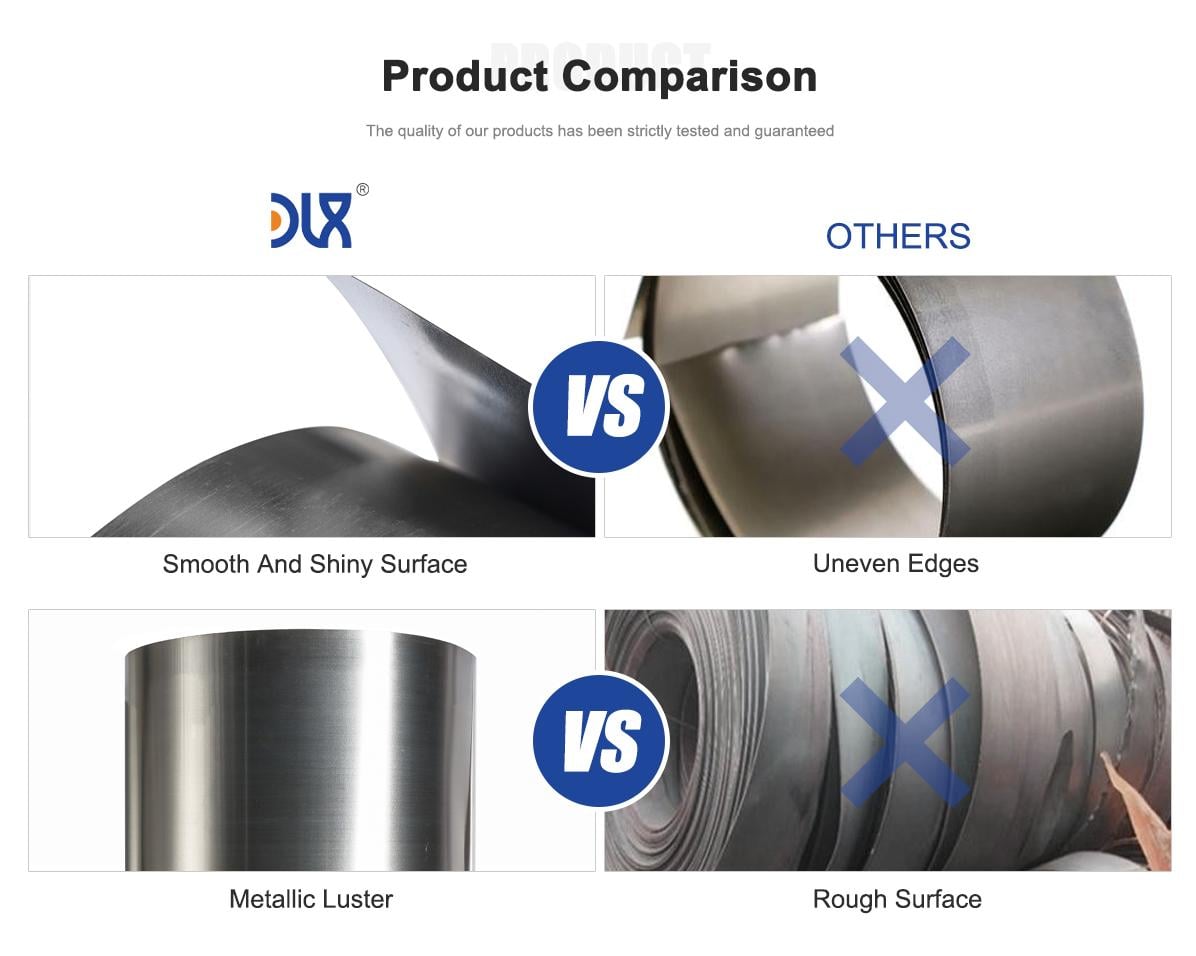
Excellent Spot Weldability with Zero Burrs The soft-annealed metallurgical structure (90-120 HB) allows rapid fusion without blowing through battery end caps. Precision slitting guarantees deburred, smooth edges to eliminate the risk of puncturing battery safety sleeves.
-
High Purity Assurance and Consistent Quality Guaranteed Ni content >= 99.6% prevents brittle intermetallic phases. Fully certified with Mill Test Certificates (EN 10204 3.1), RoHS, and REACH compliance.
-
Superior Oxidation and Corrosion Resistance Forms a stable protective passive oxide film in atmospheric and chemical environments, preventing rust and degradation during long shelf storage and extreme operating temperatures.
Technical Parameters and Specifications
| Property | Value / Specification | Test Method |
|---|---|---|
| Material Grade | Ni200 / UNS N02200 / N6 / 2.4066 | Spectrometric Analysis |
| Nickel Purity (Ni + Co) | >= 99.60 % | Direct Optical Emission Spectroscopy |
| Density | 8.89 g/cm3 | Standard Pycnometry |
| Melting Point | 1435 - 1446 deg C | Thermal Analysis |
| Curie Temperature | 358 deg C | Magnetic Transition |
| Electrical Resistivity | ~0.096 micro-ohm-meter at 20 deg C | Four-Point Probe Method |
| Tensile Strength (Rm) | 380 - 480 MPa (Annealed) | Tensile Testing |
| Elongation (A50mm) | >= 30 % | Tensile Testing |
| Hardness (Annealed) | 90 - 120 HB (<= 60 HRB) | Brinell / Rockwell Hardness Test |
| Thickness Tolerance | +/-0.005 mm (Precision Grade) | Micrometer / Laser Gauge |
| Width Options | 2.0 mm - 300 mm (Custom Slit) | Digital Caliper (+/-0.05 mm) |
Chemical Composition
| Element | Ni + Co | C | Mn | Fe | S | Si | Cu |
|---|---|---|---|---|---|---|---|
| Composition (%) | >= 99.60 | <= 0.10 | <= 0.35 | <= 0.40 | <= 0.010 | <= 0.35 | <= 0.25 |
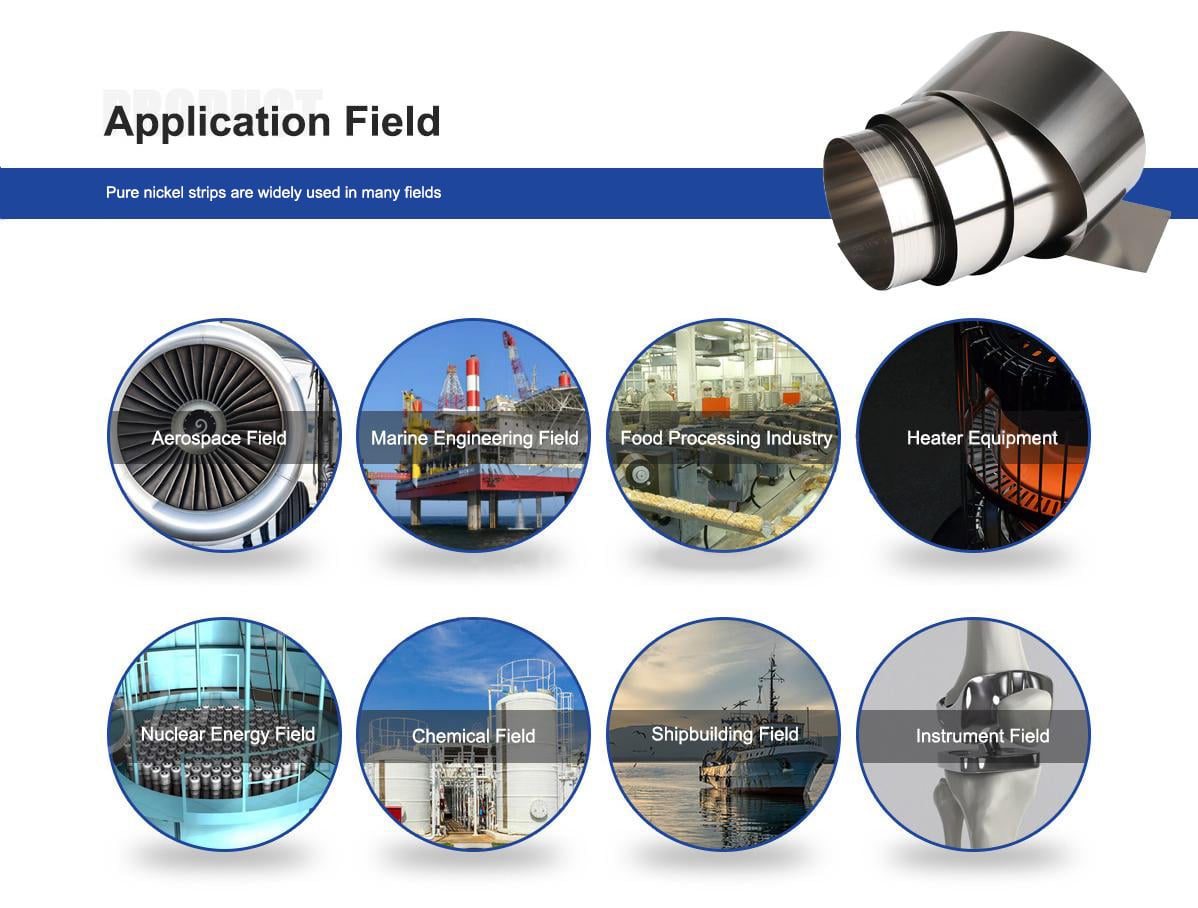
Industrial Applications: Where 0.15mm Pure Nickel Strip Excels
-
8650, 21700 and 46800 Lithium Battery Pack Spot Welding The industry-standard connector for battery tabs, parallel cell interconnects, and series busbars in electric bicycles, power tools, cordless appliances, and AGVs.
-
Electric Vehicle (EV) and ESS Battery Modules Used in high-capacity energy storage systems (ESS) and automotive battery packs where low resistance and long-term thermal stability are mandatory.
-
Nickel-Metal Hydride (NiMH) and NiCd Battery Connections Provides reliable solderability and mechanical strength across industrial battery configurations.
-
Precision Electronics and Lead-Wire Components Applied in vacuum tubes, electronic lead wires, heating element terminals, sensor leads, and electroplating anodes due to high purity and low outgassing properties.
Frequently Asked Questions (FAQ) - 0.15mm Ni200 Pure Nickel Strip
Q1: What is the difference between pure nickel strip (Ni200) and nickel-plated steel strip for 18650 battery spot welding?
A: Pure nickel strip (Ni200, >=99.6% purity) offers approximately 4 to 5 times higher electrical conductivity and significantly lower internal resistance (~0.096 micro-ohm-meter) compared to nickel-plated steel. While nickel-plated steel is a low-cost alternative, it generates excessive heat under high current, risks internal corrosion if the plating cracks, and has higher voltage drop. Solid Ni200 nickel strip is mandatory for high-drain battery packs, power tools, and automotive applications where safety and thermal efficiency are critical.
Q2: Why is 0.15mm thickness recommended for 18650 and 21700 battery spot welding?
A: A thickness of 0.15mm provides the ideal balance between current-carrying capacity and spot weldability. It carries continuous discharge currents up to 8-10A without overheating, while remaining thin enough to allow standard capacitor discharge (CD), AC, or transistor spot welders to penetrate cleanly without blowing holes through the thin negative terminal cap of 18650/21700 cells.
Q3: Does 0.15mm Ni200 nickel strip require special spot welding parameters?
A: Standard resistance spot welders with copper-alumina (CuCrZr or alumina-copper) welding electrodes work seamlessly with soft-annealed (90-120 HB) Ni200 strip. Recommended pulse energy is typically between 30J to 60J depending on welder design and nickel strip width (such as 4mm to 8mm width with standard welding slots to direct current flow).
Q4: What certifications and quality test reports do you provide with each shipment?
A: Every production batch is delivered with an EN 10204 3.1 Mill Test Certificate (MTC) detailing exact chemical composition, tensile strength, elongation, and dimensional tolerance. We also provide RoHS, REACH test reports, and third-party inspection reports upon request.
Q5: What are your standard packaging, MOQ, and sample policies?
A: Our standard factory Minimum Order Quantity (MOQ) is 5 kg. We offer free 0.5 kg sample spools/coils for customer spot-welding verification (freight collected). Coils are packaged with desiccants, vacuum-sealed in anti-oxidation polybags, and packed in reinforced export cartons or wooden cases for zero-damage worldwide transit.