
 EN
EN
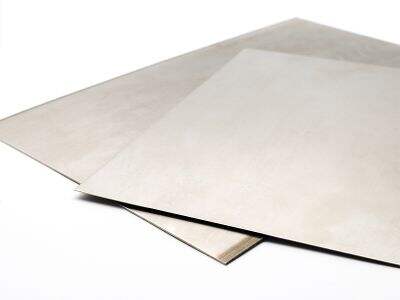
DLX সম্পর্কে: DLX হল শিল্প উত্পাদনে বিশেষজ্ঞ একটি উৎপাদনকারী। এটি বিভিন্ন অ্যাপ্লিকেশনের জন্য পণ্য তৈরি করে। উৎপাদনের উপকরণ সংক্রান্ত, ইনকনেল এবং স্টেইনলেস স্টিল হল দুটি সাধারণভাবে ব্যবহৃত উপকরণ। তদুপরি, এদের উপকরণ-জাহাজ বৈশিষ্ট্যগুলির মধ্যেও পার্থক্য রয়েছে। তাই, খরচ এবং কর্মক্ষমতা ভিত্তিক তুলনামূলক পদ্ধতিতে ইনকনেল এবং স্টেইনলেস স্টিল উত্পাদনের মধ্যে প্রযুক্তি সংক্রান্ত তুলনা এই নিবন্ধে আলোচনা করা হয়েছে, যাতে পাঠকদের জন্য জ্ঞান প্রদান করা যায় যে কোন নির্দিষ্ট অ্যাপ্লিকেশনের জন্য কোন উপকরণ নির্বাচন করা উচিত
ইনকনেল বনাম স্টেইনলেস স্টিল
ইনকোনেল হল একটি নিকেল-ক্রোমিয়াম ভিত্তিক সুপারঅ্যালয় যার বেশ কয়েকটি বৈশিষ্ট্য রয়েছে, যার মধ্যে রয়েছে দুর্বলতা এবং উচ্চ তাপমাত্রায় জারণের প্রতি শ্রেষ্ঠ প্রতিরোধ ক্ষমতা এবং চমৎকার শক্তি ও দৃঢ়তা। এটি প্রায়শই কঠোর পরিবেশে ব্যবহৃত হয় যেখানে এটি জল, আর্দ্রতা এবং ক্ষয়কারী তরলের সংস্পর্শে আসতে পারে, যেমন বিমান, রাসায়নিক প্রক্রিয়াকরণ সরঞ্জাম এবং জাহাজের মেশিনগুলিতে। অন্যদিকে, স্টেইনলেস স্টিল হল ইস্পাত খাদের একটি ধরন যাতে কমপক্ষে 10.5% ক্রোমিয়াম থাকে। এটি তার ক্ষয় প্রতিরোধের ক্ষমতা, চেহারা এবং বাজেট বান্ধবতার জন্য জনপ্রিয়। উভয় উপাদানই ভালো, কিন্তু ইনকোনেলের অনন্য বৈশিষ্ট্য এবং উৎপাদন পদ্ধতির কারণে এর দাম স্টেইনলেস স্টিলের চেয়ে বেশি। ইনকোনেলকে স্টেইনলেস স্টিলের তুলনায় মেশিন এবং ওয়েল্ড করা আরও কঠিন, যা খরচ এবং সীসা সময়কে প্রভাবিত করতে পারে
ইনকোনেল এবং স্টেইনলেস স্টিলের কর্মক্ষমতার পার্থক্য
কার্যকারিতা বিবেচনা করলে, ইনকনেল-এর স্টেইনলেস স্টিলের চেয়ে বেশি টেনসাইল শক্তি এবং তাপ প্রতিরোধের ক্ষমতা রয়েছে। এটি উচ্চ তাপমাত্রার প্রতি প্রতিরোধী, এবং 300 ডিগ্রি ফারেনহাইট তাপমাত্রা এবং কঠোর রাসায়নিকের সংস্পর্শে আসলেও এর গঠনগত অবনতি ঘটে না। এটিই এটিকে চরম পরিবেশের জন্য ইনকোনেল পছন্দের সেরা উপাদান হিসাবে প্রতিষ্ঠিত করে। অন্যদিকে, সাধারণ প্রয়োগের ক্ষেত্রে স্টেইনলেস স্টিল হল আরও বহুমুখী এবং সস্তা বিকল্প। এটি পরিষ্কার করা এবং রক্ষণাবেক্ষণ করা সহজ, এবং গঠন করা সহজ, যা এটি এতটা ব্যাপকভাবে ব্যবহৃত হওয়ার কারণ। তবে উচ্চ তাপমাত্রা বা ক্ষয়কারী পরিবেশে, যেখানে ইনকনেল-এর অনন্য বৈশিষ্ট্যগুলি প্রয়োজন, সেখানে স্টেইনলেস স্টিল তেমন ভালোভাবে কাজ করতে পারে না। শেষ পর্যন্ত, আপনার সিদ্ধান্ত হবে ইনকনেল এবং SS-এর মধ্যে আপনার প্রয়োজন, বাজেট এবং ক্ষমতার উপর ভিত্তি করে পছন্দ করা
উৎপাদনের জন্য সঠিক উপকরণ নির্বাচনের ক্ষেত্রে, অনেক শিল্পই এই সিদ্ধান্ত নিয়ে সংগ্রাম করছে; ইনকোনেল ব্যবহার করা হবে নাকি শুধুমাত্র স্টেইনলেস স্টিল বেছে নেওয়া হবে। ইনকোনেল একটি সুপারঅ্যালয় যা তার তাপ ও ক্ষয় প্রতিরোধের কারণে ব্যবহৃত হয়, অন্যদিকে স্টেইনলেস স্টিল শক্তি, পোলিশযোগ্যতা এবং বহুমুখিত্বের কারণে প্রায় সব জায়গাতেই পাওয়া যায়। আমরা প্রতি পাউন্ড/প্রতি অংশে খরচের তুলনায় ইনকোনেল এবং স্টেইনলেস স্টিল উৎপাদনের মধ্যে পার্থক্য পর্যবেক্ষণ করব।
হোয়াইটসেল উৎপাদনের জন্য কেন ইনকোনেল
ইনকোনেল তার উচ্চ তাপমাত্রার কর্মক্ষমতা এবং ক্ষয় প্রতিরোধের কারণে সাধারণত হোয়াইটসেল উৎপাদনে ব্যবহৃত হয়। এর প্রাথমিক খরচ ইনকোনেল স্টেইনলেস স্টিলের চেয়ে এটি বেশি হতে পারে, কিন্তু এটি একটি টেকসই এবং দীর্ঘস্থায়ী উপাদান যা শেষ পর্যন্ত খরচ-কার্যকর। ইনকনেলের রক্ষণাবেক্ষণ এবং প্রতিস্থাপনের খরচ কম, তাই পণ্য উৎপাদনকারীরা উৎপাদনে কম অর্থ প্রদান করে। ইনকনেলের ওজনের তুলনায় উচ্চ শক্তি রয়েছে, যা অ-ধাতব সীল এবং গঠনমূলক উপাদানগুলির চেয়ে পাতলা প্রাচীরের অনুমতি দেয় যা প্রায়শই বেশি পুরু হয় বা অতিরিক্ত নিরোধকের প্রয়োজন হয়
শিল্প ব্যবহারের জন্য ইনকনেল কেন সবচেয়ে উপযুক্ত খাদ?
অন্যান্য ধাতুর তুলনায় ইনকনেলের অনন্য বৈশিষ্ট্য রয়েছে, যা ক্রুসিবল থেকে শুরু করে বিমানের অংশ পর্যন্ত সবকিছুর জন্য এটিকে একটি চমৎকার প্রার্থী করে তোলে। বয়লার, চুলাগুলি এবং গ্যাস টারবাইনগুলিতে ব্যবহারের জন্য এটির চমৎকার উচ্চ তাপমাত্রা প্রতিরোধ ক্ষমতা রয়েছে। জারণের বিরুদ্ধেও ইনকনেল প্রতিরোধী এবং আপেক্ষিকভাবে উচ্চ টেনসাইল শক্তি রয়েছে; হাইড্রোক্লোরিক এবং সালফিউরিক অ্যাসিডসহ কিছু ক্ষয়কারী পরিবেশে এটি ব্যবহৃত হয়। কঠোর শিল্প প্রয়োগের জন্য ইনকনেলের উচ্চ টেনসাইল শক্তি এবং ফ্যাটিগ শক্তি এটিকে একটি আদর্শ উপাদান করে তোলে
স্টেইনলেস স্টিল উৎপাদনের সময় সাধারণ সমস্যা
অবশ্যই, অসংখ্য উৎপাদন কাজের জন্য স্টেইনলেস স্টিল হল ডি ফ্যাক্টো পছন্দ—কিন্তু এর কতগুলি ঝুঁকিও রয়েছে। স্টেইনলেস স্টিল নিয়ে কাজ করার সময় একটি সাধারণ সমস্যা হল যে, ইনকনেলের তুলনায় এটি কম তাপমাত্রাতে গলে। উচ্চ তাপমাত্রার শর্তাবলীর মধ্যে থাকা বাণিজ্যিক প্রয়োগগুলিতে এই ধরনের উপাদানের ব্যবহারকে সীমিত করে দেয়। স্টেইনলেস স্টিল আরও ক্ষয় হওয়ার প্রবণতা রাখে, বিশেষ করে অ্যাসিডিক বা লবণাক্ত কঠোর পরিবেশে। তদুপরি, স্টেইনলেস স্টিলের ঘন ঘন পরিষেবা এবং পুনরায় পূরণের প্রয়োজন হতে পারে যা উৎপাদন খরচকে নিয়ন্ত্রণের বাইরে নিয়ে যেতে পারে
যদিও ইনকনেল এবং স্টেইনলেস স্টিল উভয়ের কিছু সুবিধা এবং অসুবিধা রয়েছে, ইনকোনেল হোলসেল উৎপাদন এবং শিল্প উদ্দেশ্যের জন্য আরও উপযুক্ত বিকল্প। এটি ভালো কোর্স পারফরম্যান্স, উচ্চ উৎপাদন ক্ষমতা এবং কম বিনিয়োগের জন্য বিবেচিত হয় এবং চূড়ান্ত উৎপাদনশীলতা নিশ্চিত করার জন্য কৃষি শিল্পে এটি একটি আদর্শ পছন্দ। DLX-এ আমরা যে কোনও কোম্পানির জন্য ইনকনেল মেশিনিং করে থাকি যাদের এমন কাজের প্রয়োজন