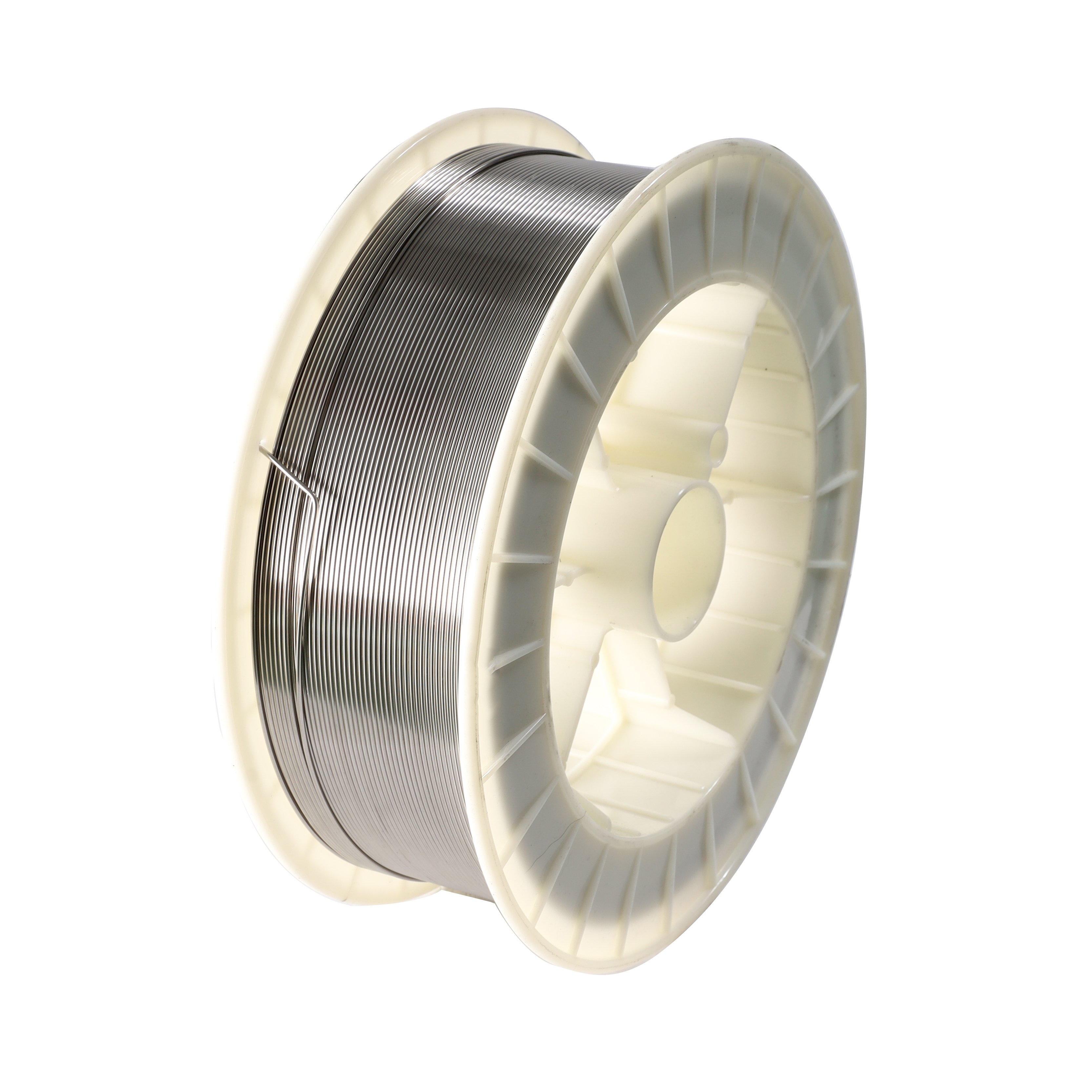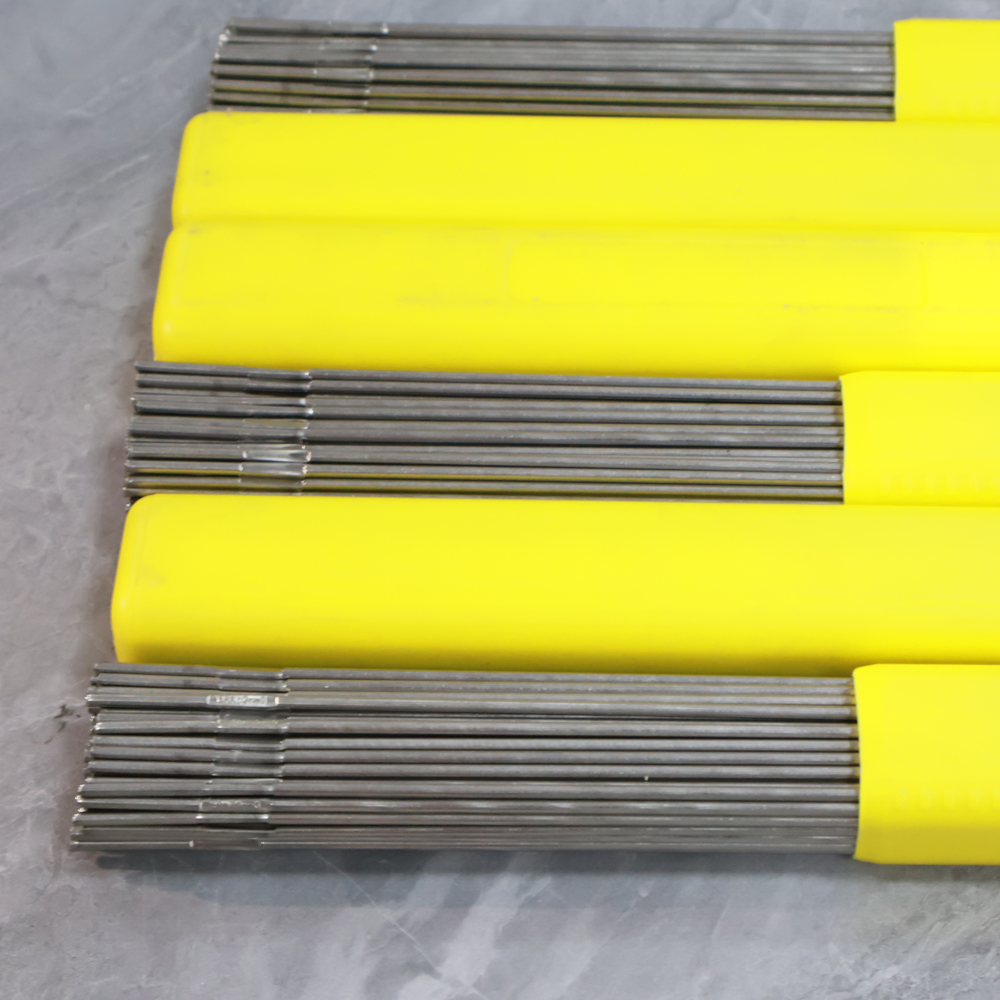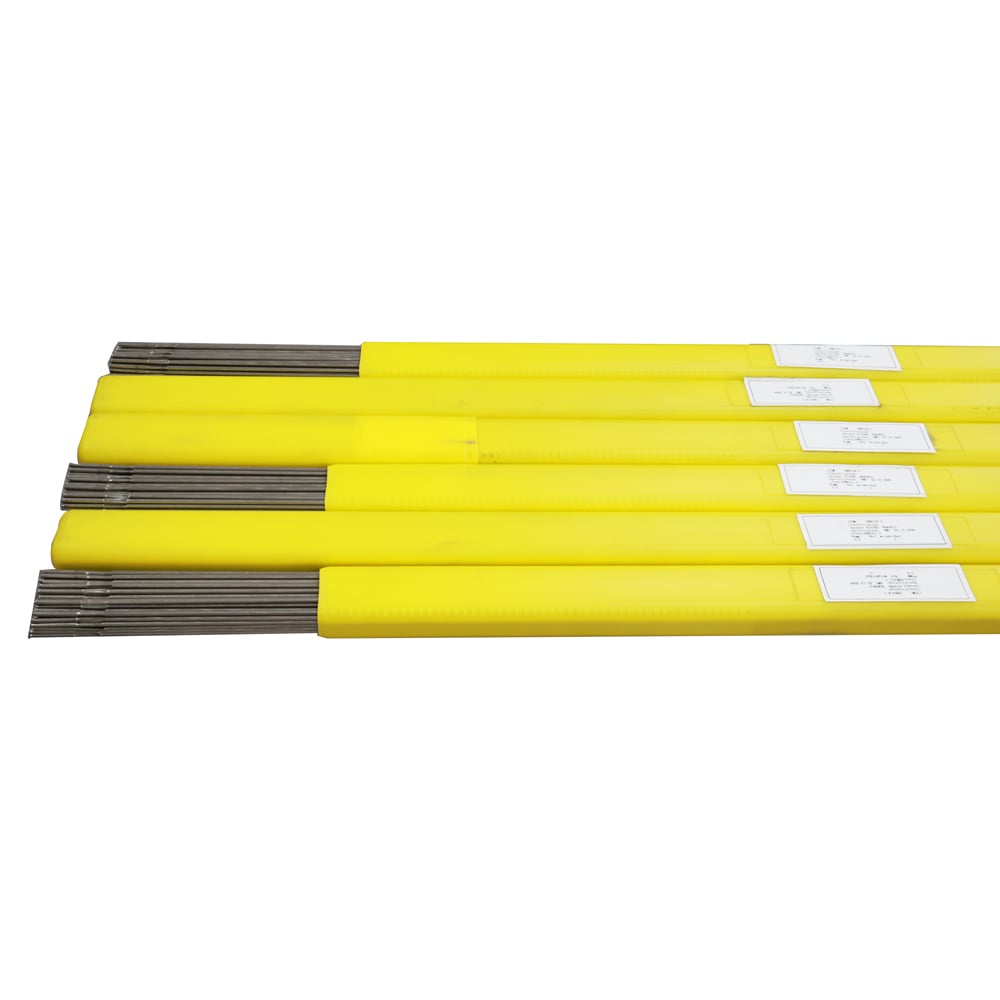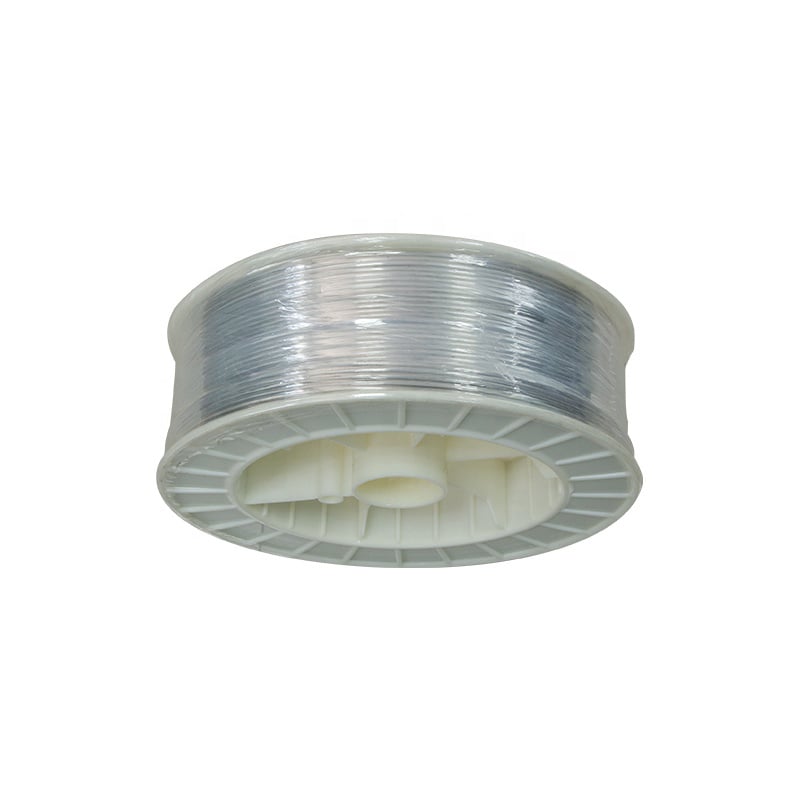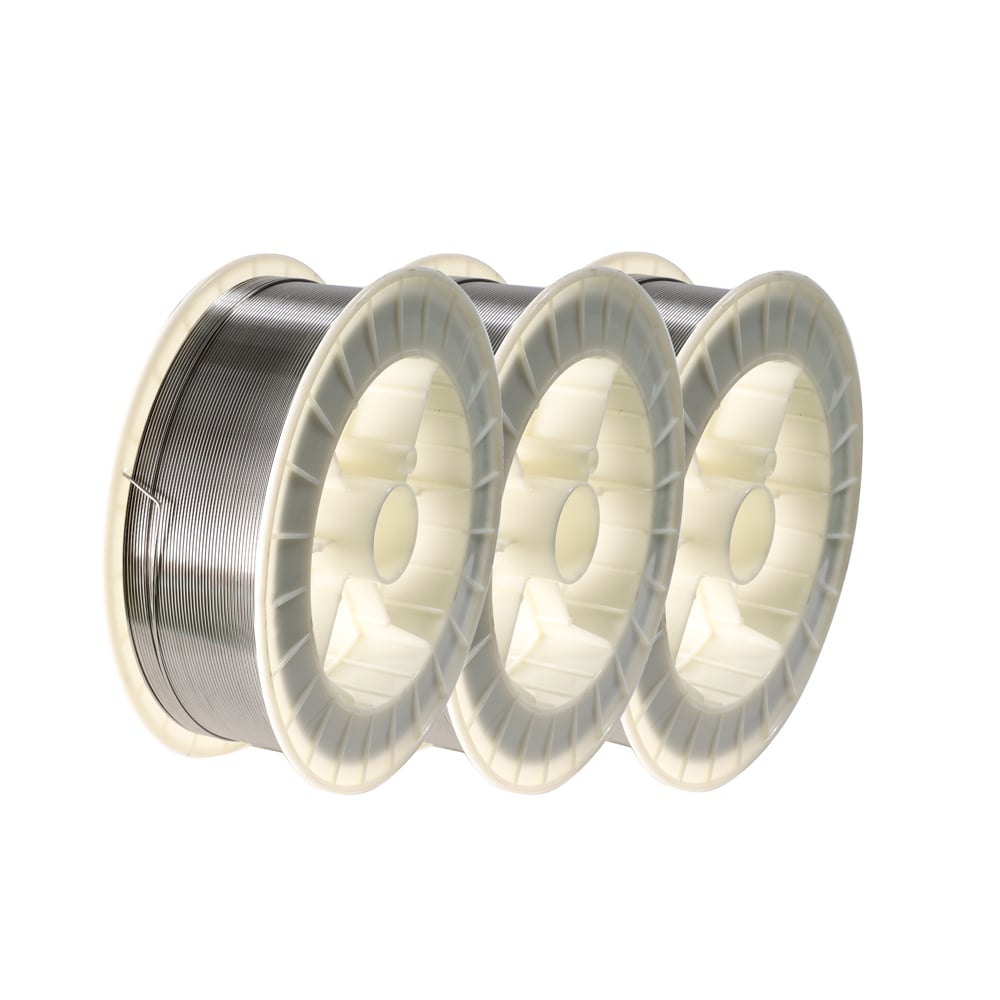
Have you ever stopped to wonder what makes your morning bread pop up golden brown, or how industrial factories effortlessly melt, mold, and shape complex plastics? Behind both of these everyday miracles sits a humble, unsung workhorse of modern thermodynamics: Nichrome wire.
It doesn't make headlines, and you rarely see it directly unless you peek into the red-glowing belly of a toaster. Yet, without this resilient little alloy, half of our modern conveniences—and a massive slice of heavy industry—would simply grind to a cold halt.
Let’s pull back the curtain on this extraordinary material, explore how it turns raw electricity into intense, reliable heat, and dive deep into the 7 most common applications of Nichrome wire in daily life and industry.
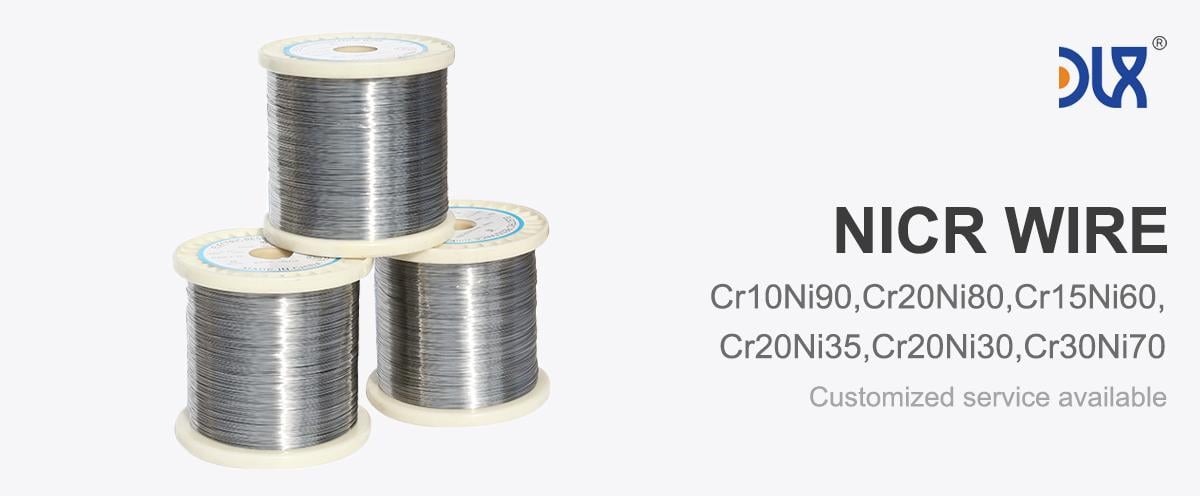
Before we explore where it’s used, what actually makes Nichrome wire so special? Why don’t engineers just use copper or steel when they need something to heat up?
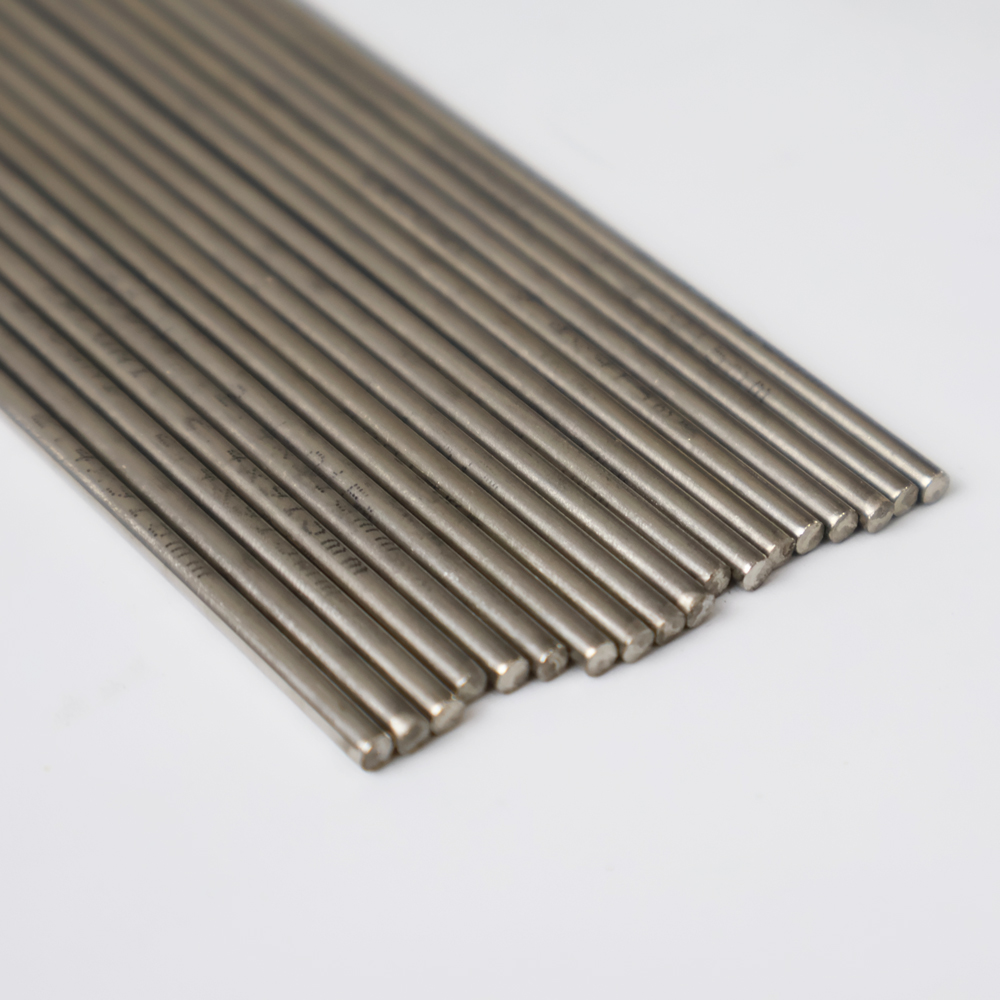
Nichrome is a non-magnetic family of resistance alloys primarily composed of Nickel (Ni) and Chromium (Cr), frequently accented with small traces of iron, silicon, or manganese. The two most common workhorses are:
Nichrome 80/20 (Grade A): ~80% Nickel, ~20% Chromium. This is the top-tier alloy, boasting the highest operating temperature threshold (up to 1200°C / 2192°F) and extreme corrosion resistance.
Nichrome 60/15 (Grade C): ~60% Nickel, ~16% Chromium, with the remainder iron. It’s slightly more economical and ideal for moderate-temperature consumer appliances up to 1150°C (2100°F).
+-------------------------------------------------------------------------+
|                    THE NICHROME SUPERPOWER FORMULA                      |
|                                                                         |
|   High Electrical Resistivity  +  Protective Chromium Oxide Film        |
|  ================================================================       |
|    Generates intense Joule heat      Prevents ongoing oxidation &       |
|    efficiently in tight spaces       wire failure even at 1150°C+      |
+-------------------------------------------------------------------------+When you run a heavy electrical current through a regular iron or copper wire, two things happen quickly: it either melts because of low resistance, or it oxidizes, rusts, and snaps like a brittle twig.
Nichrome handles this with a stroke of metallurgical genius. When heated for the very first time, the chromium atoms migrate to the surface and react with atmospheric oxygen to form a microscopic, thermodynamically stable layer of Chromium Oxide (). This invisible armor is gas-impermeable and electrically insulating. It prevents oxygen from penetrating deeper into the wire core, meaning the element can stay red-hot for thousands of continuous hours without degrading.
You interact with Nichrome wire every single day, often within minutes of waking up. Here is how it powers modern domestic living.
Think of your trusty countertop toaster. When you push down that lever, an electrical circuit closes, sending household current through flattened ribbons of Nichrome wire wrapped around mica insulator boards.
Instant Radiant Heat: It reaches peak glowing temperature in mere seconds.
Food-Safe Stability: The protective oxide skin doesn't flake off into your food or emit toxic fumes.
Thermal Cycle Durability: It can expand and contract tens of thousands of times without fatigue cracking.
In electric ovens and immersion kettles, Nichrome wire is packed inside stainless steel or copper tubes cushioned with compacted Magnesium Oxide () powder, providing isolated, high-wattage heating without exposing bare electrical conductors to moisture.
       [Wall Power] ---> [Nichrome Heating Ribbon] ---> [Radiant Infrared Waves]
                                |                              |
(Joule Heating) (Crispy Toast!)Have you ever wondered how a handheld hair dryer can blast scorching air without weighing ten pounds?
Inside the barrel of your hair dryer sits a lightweight, coiled spring of thin-gauge Nichrome wire (typically 26 to 32 AWG). A small DC motor blows ambient air over these glowing coils. Because Nichrome exhibits remarkably high electrical resistivity (around for Ni80), a short, featherweight coil can generate 1800 to 2000 Watts of thermal energy without breaking a sweat.
Similarly, in ceramic flat irons and curling wands, mini Nichrome resistance elements deliver instant, even heat distribution, allowing fast temperature recovery so you aren't stuck waiting between curls.
When winter bites, portable space heaters and radiant quartz heaters provide localized warmth on demand.
Inside radiant heaters, coiled Nichrome wire is often suspended inside quartz glass tubes. The wire glows a bright cherry-orange, emitting long-wave infrared radiation that directly warms objects and people rather than wasting energy heating massive volumes of air. In central electric furnaces and domestic water storage tanks, heavy-gauge Nichrome coils reliably carry continuous kilowatt loads through freezing winters without thermal breakdown.
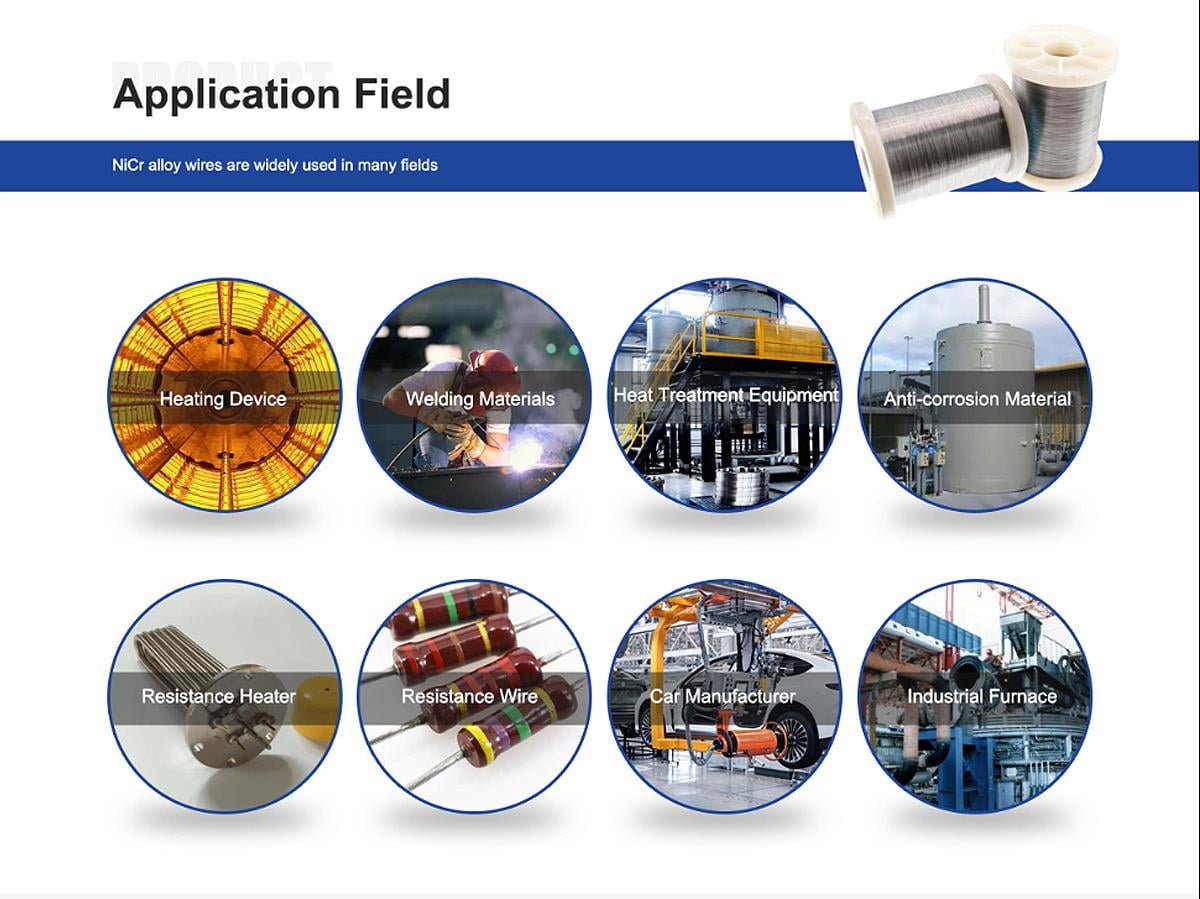
While domestic uses highlight Nichrome's convenience, industrial applications showcase its raw structural integrity, precision, and endurance under brutal working conditions.
+------------------------------------------------------------------------+
|                 7 COMMON NICHROME WIRE APPLICATIONS                    |
|                                                                        |
|   DOMESTIC APPLIANCES               HEAVY INDUSTRIAL & TECH            |
|   1. Kitchen Toasters & Ovens       4. Heat-Treating Furnaces & Kilns  |
|   2. Hair Dryers & Styling Tools    5. Hot-Wire Foam Cutters & Sealers |
|   3. Space Heaters & Water Tanks    6. 3D Printers & Additive Extrusion|
|                                     7. Vaping Coils & Ignition Devices |
+------------------------------------------------------------------------+In heat-treating facilities, ceramic studios, and foundry laboratories, temperatures must be kept strictly uniform to ensure metal parts don't warp and pottery glazes don't blister.
Industrial furnaces use heavy-gauge Nichrome 80/20 heating coils hung along ceramic interior bricks. These elements operate in the 900°C to 1150°C zone for weeks at a stretch, performing:
Annealing and Tempering: Relieving internal stresses in aerospace alloys and surgical steel.
Ceramic and Glass Firing: Providing uniform thermal ramps without carbon contamination.
Electronics Sintering: Baking printed circuit board components in clean, soot-free environments.
If you’ve ever seen intricately carved architectural foam moldings or handled securely heat-sealed plastic bags, you’ve witnessed Nichrome wire in its razor-sharp element.
A taut, low-voltage Nichrome wire heated to around 200°C–300°C slices through expanded polystyrene (EPS) and polyurethane foam with zero mechanical friction. Instead of tearing the foam and creating piles of messy static dust, the wire vaporizes a micro-thin channel ahead of its physical path, leaving behind a polished, mirror-smooth edge.
In food and pharmaceutical logistics, packaging machines use flat Nichrome ribbon wire to heat-weld plastic films (such as polyethylene and polypropylene). The wire undergoes rapid pulse-heating—jumping from ambient to 180°C in milliseconds to fuse the plastic, then cooling rapidly to set the seal before the conveyor belt advances.
The 3D printing revolution owes a major debt to precision resistance alloys.
In FDM (Fused Deposition Modeling) 3D printers, the hot-end cartridge contains a compact ceramic core wrapped with micro-gauge Nichrome wire. This tiny element holds the heater block at exact target temperatures—whether melting PLA at 200°C or tough engineering nylon at 280°C—with sub-degree precision.
Without Nichrome’s fast thermal responsiveness and dimensional stability, 3D printers would suffer from temperature overshoot and nozzle clogging, ruining delicate multi-hour prints.
   [Thermistor Sensor] <--- Feedback Loop ---> [Nichrome Cartridge Heater]
                                                        |
                                                (Constant 215°C)
                                                        |
[Molten Filament Smooth Flow]At the micro-scale, Nichrome wire serves as an agile, fast-ramping atomizer coil in personal vaping devices and electronic aroma diffusers.
Known among DIY enthusiasts as "Ni80," Nichrome wire is prized in vaping atomizers because it heats up substantially faster than standard stainless steel or Kanthal (a property known as low "ramp-up time"). It vaporizes e-liquids instantly when the firing button is pressed, delivering clean flavor profiles without metallic aftertastes.
In rocketry, commercial fireworks displays, and industrial blast initiators, safety demands 100% ignition reliability. A short bridge-wire of thin Nichrome coated with pyrotechnic compound creates an electric match. When triggered remotely, the wire flashes red-hot in a split millisecond, instantly igniting solid propellants or fuse lines from a safe standoff distance.
To see why Nichrome dominates so many fields, look at how it stacks up against other popular heating alloys:
| Feature / Property | Nichrome 80/20 | Kanthal (FeCrAl) | Cupronickel (CuNi) |
|---|---|---|---|
| Max Operating Temp | 1200°C (2192°F) | 1400°C (2550°F) | 400°C (752°F) |
| Flexibility After Heating | Retains Good Ductility | Becomes Brittle | High Ductility |
| Oxidation Layer | Tough |
(Aluminum Oxide) | Copper Oxide (Weak) |
| Magnetic Property | Non-Magnetic | Magnetic | Non-Magnetic |
| Best Application | Appliances, Precision Tools, Vaping | Heavy Industrial Furnaces | Low-Temp Thermocouples |
From your kitchen counter to the heart of advanced aerospace labs, Nichrome wire continues to stand as one of history's most practical metallurgical triumphs. Its rare blend of high electrical resistivity, blistering temperature resistance, and self-repairing surface chemistry bridges the gap between raw electricity and controlled thermal energy.
Whether it is toasting bread, cutting complex architectural models, keeping home heating systems humming through winter storms, or firing remote rocket igniters, Nichrome remains the quiet, incandescent champion keeping our world warm, efficient, and running. Whether you need precision fine wire for electronic devices or heavy-duty coils for industrial kilns, choosing the right alloy grade and gauge is essential. Explore our full range of factory-direct resistance wire or contact our engineering team to request a customized quote today.
No, Nichrome wire does not rust in the traditional sense because it contains virtually no free iron (especially Ni80). Instead of rusting, it forms a microscopic, durable Chromium Oxide () barrier on its surface that prevents internal oxidation and resists moisture, air, and most common industrial gases.
For Nichrome 80 (80% Nickel, 20% Chromium), the maximum continuous operating temperature is approximately 1200°C (2192°F). For Nichrome 60 (which contains around 24% iron), the maximum safe operating temperature is roughly 1150°C (2100°F).
Choose Nichrome 80 if your application demands the highest possible temperature rating, zero magnetism, and superior mechanical strength when cycled repeatedly (like in high-end kilns, precision cutting tools, or vaping coils). Choose Nichrome 60 if you are building lower-temperature household appliances (like food warmers or low-wattage heaters) where cost efficiency is a priority.
Nichrome wire has a very high melting point (between 1400°C and 1446°C / 2552°F–2634°F). It begins emitting visible cherry-red radiation at around 550°C to 700°C, meaning it can glow vibrantly and produce intense radiant heat well below the temperature at which its crystal lattice actually breaks down and melts.
Standard rosin-core electrical solder will not stick to Nichrome because of its passive chromium oxide surface layer. To join Nichrome, you generally need specialized aggressive acid flux with silver solder, mechanical crimping connectors, or spot welding (which is the preferred industrial method).

 EN