Have you ever stopped to wonder what actually happens inside your toaster when you press the lever down? Within a couple of seconds, those dull grey wires start glowing cherry-red, radiating warmth and crisping your bread to golden perfection. Or think about your hair dryer blowing a gale of instant hot air, or an electric kiln baking ceramic pottery at blisteringly high temperatures.
Behind almost every glowing coil in our modern world sits a remarkably humble, yet technologically brilliant alloy called Nichrome.
But why Nichrome? Why not copper, steel, tungsten, or gold? What makes this specific blend of nickel and chromium the undisputed king of electric heating elements for more than a century?
Grab a cup of coffee, and let's dive into the fascinating physics, chemistry, and practical engineering that make Nichrome the ultimate heat-generating champion.
Before we unravel the genius of Nichrome itself, we need to understand the fundamental physics at play when electricity turns into heat.
Whenever electric current flows through a conductor, electrons collide with the atomic lattice of the material. Think of it like a crowded subway station during rush hour: as hundreds of people bump against each other and push through turnstiles, friction generates energy. In electrical conductors, these atomic collisions convert electrical kinetic energy directly into thermal energy.
Physicists call this phenomenon Joule heating (or resistive heating), governed by the classic equation:
Where:
To generate intense, concentrated heat without drawing absurdly high current that would trip your circuit breaker, an ideal heating element must have a relatively high, stable electrical resistance.
If you want heat, why can't you just use common metals?
Copper and aluminum are fantastic electrical conductors—their electrical resistance is practically zero. If you try to build a toaster element out of a short piece of copper wire, electricity flows through it with almost no friction. It produces virtually no localized heat unless you pump thousands of amps through it, at which point your household wiring will melt long before your toast turns brown.
Iron and standard carbon steel have higher resistance than copper, but they have a fatal flaw: rapid oxidation. Heat a steel wire red-hot in ordinary room air, and it reacts aggressively with atmospheric oxygen. Within minutes, it rusts, scales, forms brittle iron oxide, and burns clean through.
To build a reliable heating element, you need a material that boasts high resistance, mechanical toughness, and complete immunity to burning away at high temperatures. That is where Nichrome enters the ring.
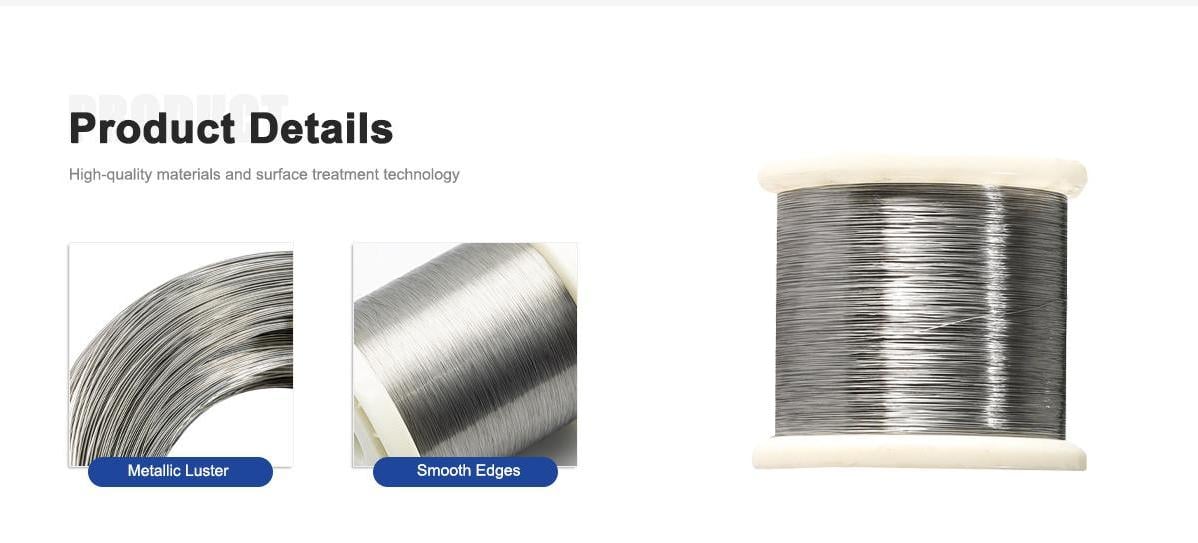
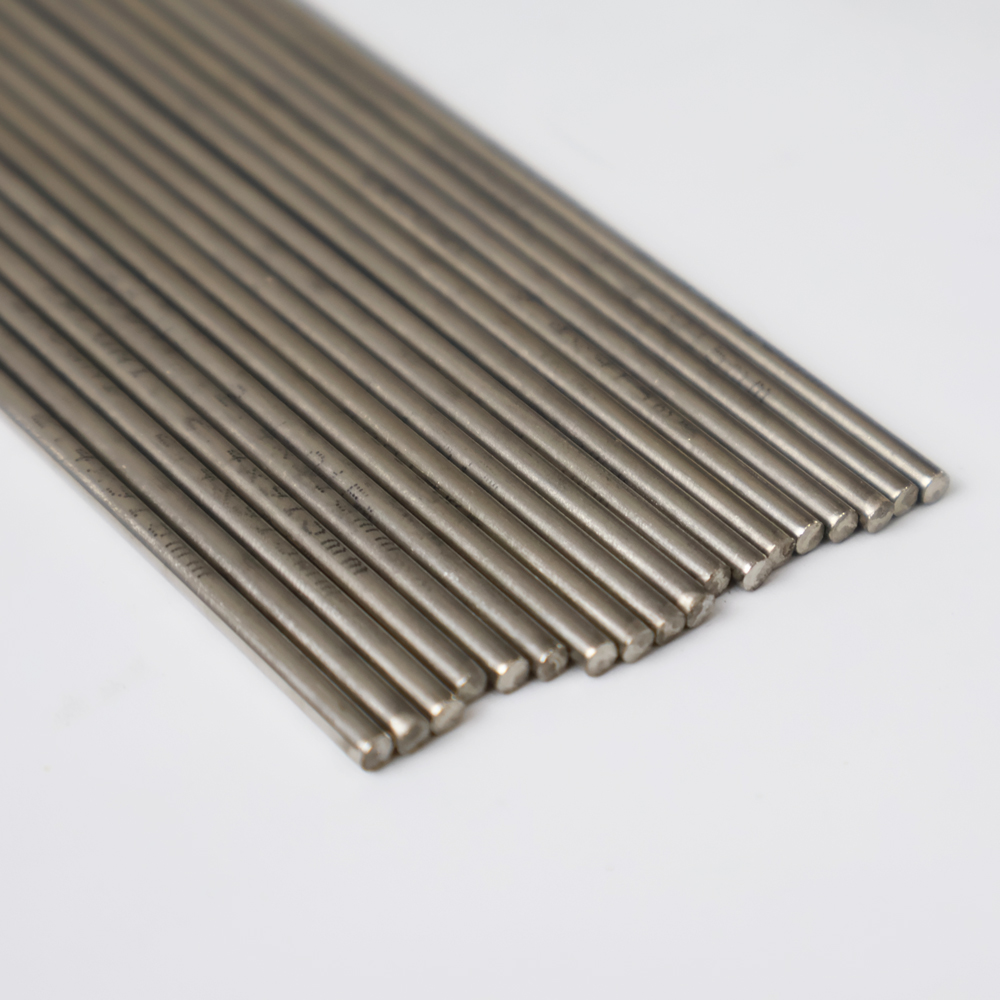
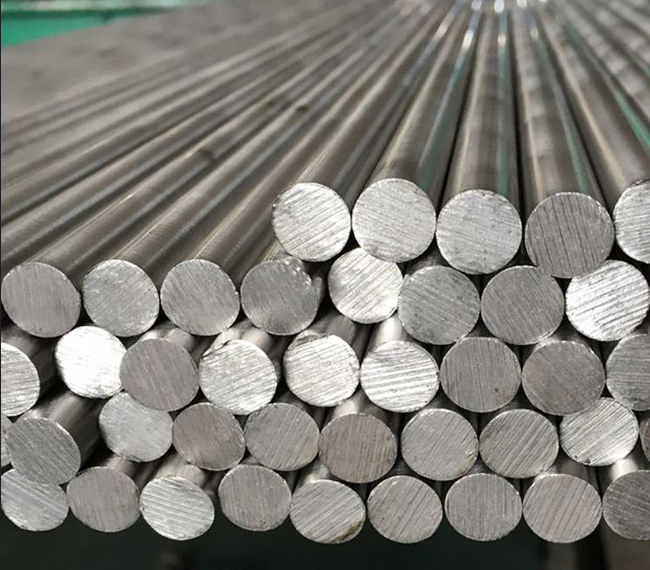
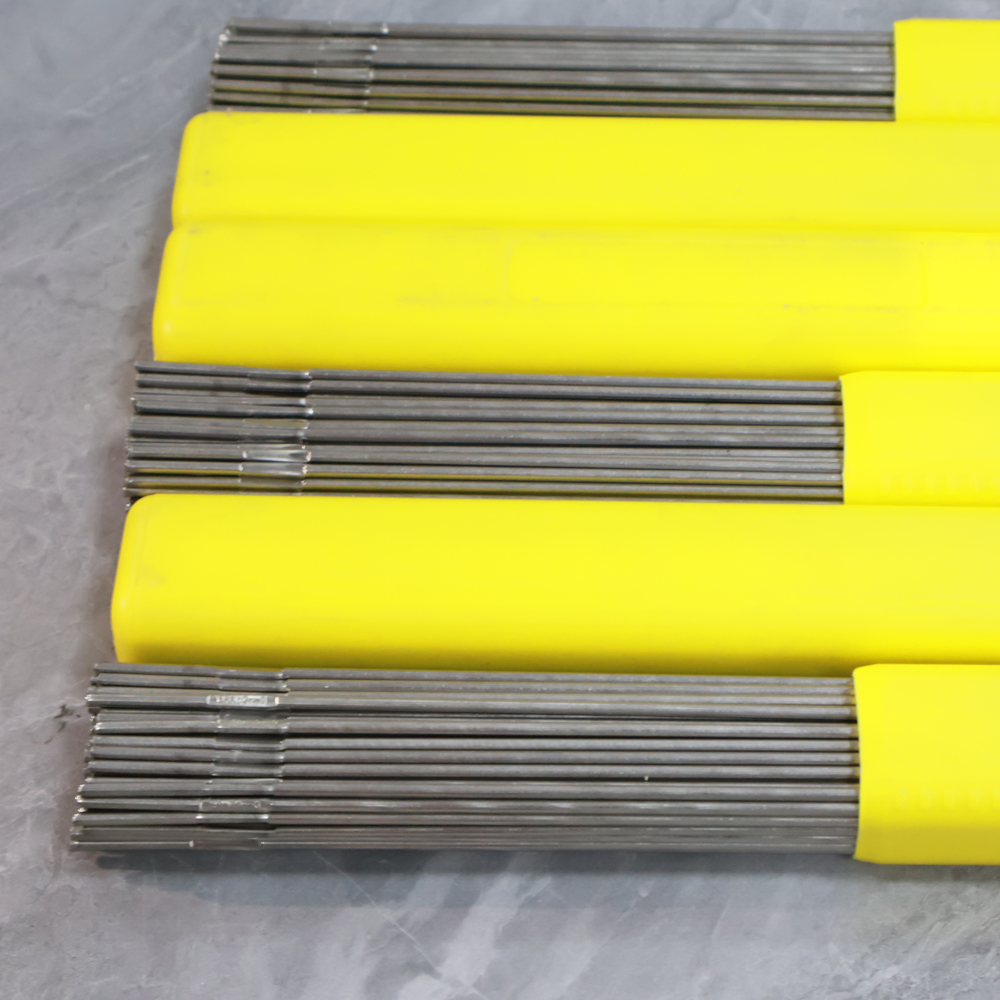
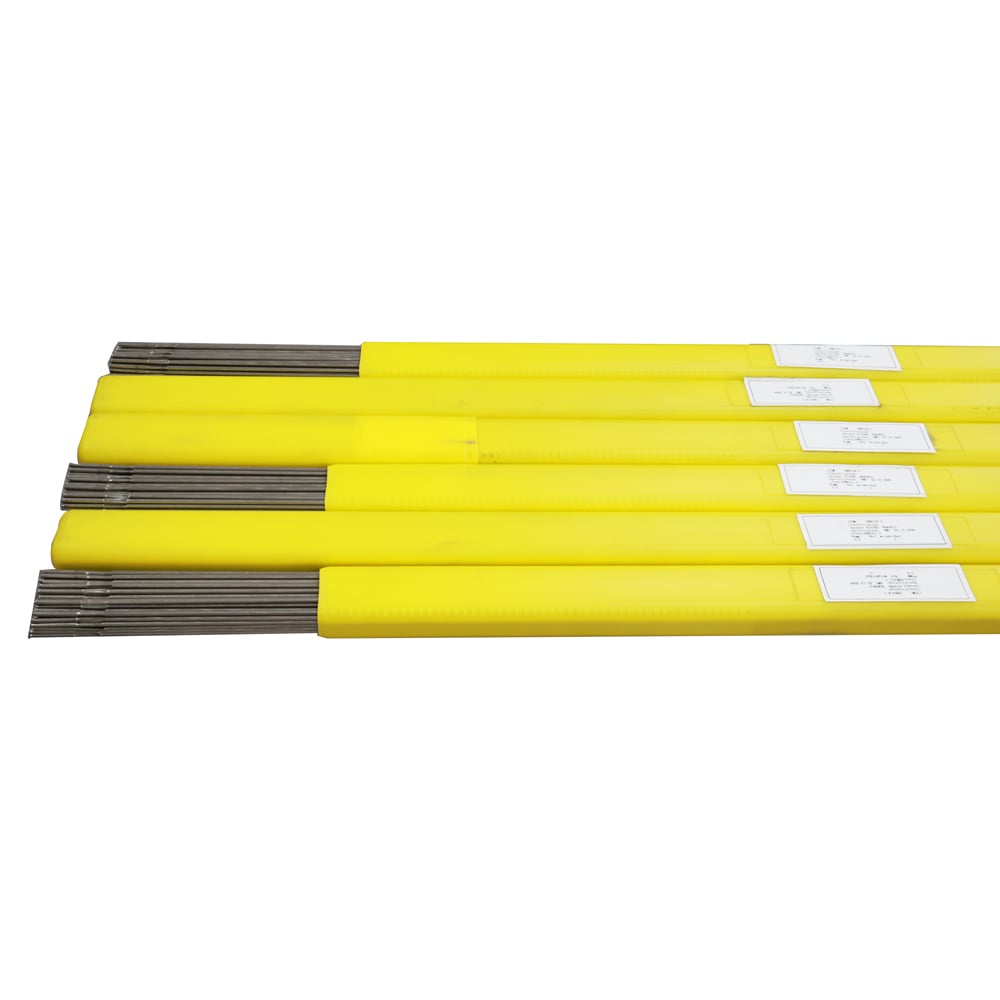
Invented in 1906 by Canadian-American metallurgist Albert Marsh, Nichrome is a non-magnetic family of resistance alloys primarily composed of Nickel (Ni) and Chromium (Cr), frequently accented with small additions of iron and other trace elements.
+-------------------------------------------------------------+
|                     TYPICAL NICHROME ALLOY                  |
|                                                             |
|   [  Nickel (Ni): 60% – 80%  ]   --> Ductility & Stability |
|   [ Chromium (Cr): 15% – 20% ]   --> Self-Healing Oxide    |
|   [    Iron (Fe) & Traces    ]   --> Structural Balance     |
+-------------------------------------------------------------+While there are multiple formulations tailored for specific industrial niches, two main grades dominate the market:
Composed of roughly 80% Nickel and 20% Chromium, this is the premier high-temperature grade (often classified under ASTM B344 / UNS N06003). It withstands operating temperatures up to 1,200°C (2,192°F), exhibits maximum resistance to hot oxidation, and remains the primary choice for heavy-duty industrial furnaces, kilns, and precision lab equipment.
Featuring approximately 60% Nickel, 16% Chromium, and around 24% Iron, this variant offers slightly lower maximum operating temperatures (up to 1,150°C / 2,100°F) at a more economical price point. You will frequently find it humming along inside domestic toasters, space heaters, and curling irons.
Nickel provides a remarkably ductile, face-centered cubic (FCC) crystal structure that stays tough even after hundreds of heating and cooling cycles. Chromium contributes the thermodynamic superpower: an insatiable appetite for oxygen that forms an ultra-thin, impenetrable barrier across the surface. Combined, they create a material that is tough, resistive, and virtually fireproof.
Let us break down the exact engineering reasons why engineers and product designers choose Nichrome over every other available metal.
       ┌─────────────────────────────
       │         WHY NICHROME DOMINATES HEATING ELEMENTS         │
       └─────────────────────────────
                                   │
         ┌───────────────┬─────────┴───────┬
         ▼               ▼             ▼                                   ▼
   High Electrical  Self-Healing     High Melting Point                  Ductile &
     Resistivity     Cr₂O₃ Oxide      & Thermal Stability                Workable
   (~1.0-1.5 µΩ·m)  (No Burnout)       (~1400°C / 2552°F)        (Coil/Ribbon)
Nichrome has an electrical resistivity of approximately to (or about to ).
To put that into perspective, Nichrome’s resistance is roughly 60 to 70 times higher than that of copper and nearly 10 to 15 times higher than that of pure iron.
Because its resistivity is so high, an appliance designer does not need a hundred meters of wire to achieve 15 ohms of total resistance. A compact, tightly coiled two-meter piece of Nichrome wire easily fits inside a handheld blow dryer, generating intense heat without demanding a bulky, unwieldy chassis.
This is Nichrome's ultimate superpower. When you heat an untreated metal wire in the presence of air, atmospheric oxygen attacks the metal, causing continuous degradation until the wire breaks.
When Nichrome is energized for the very first time, the chromium atoms at the surface react instantly with atmospheric oxygen to form a microscopic layer of Chromium(III) Oxide ().
Impermeability: The chromium oxide layer is completely gas-tight. Oxygen cannot penetrate through this shield to reach the unoxidized nickel-chromium core beneath.
Matched Thermal Expansion: The oxide film expands and contracts at almost the exact same rate as the underlying metal. It doesn't flake off, crack, or spall when the element is turned off and cools down.
Self-Healing Ability: If the wire gets scratched or the layer is momentarily breached, fresh chromium inside the alloy immediately migrates to the surface, reacts with ambient oxygen, and repairs the protective layer within milliseconds.
A heating element that softens or melts under its own operating temperature is useless. Nichrome boasts a melting point between 1,400°C and 1,450°C (2,552°F to 2,642°F).
Since most household appliances operate between 200°C and 800°C, and industrial kilns hover around 1,000°C to 1,150°C, Nichrome operates comfortably within its safe thermal window with zero risk of structural collapse or localized melting.
Have you ever tried bending tungsten wire at room temperature? It is notoriously brittle and will snap like dry pasta.
Nichrome, thanks to its high nickel content, remains remarkably ductile and malleable. Manufacturers can easily:
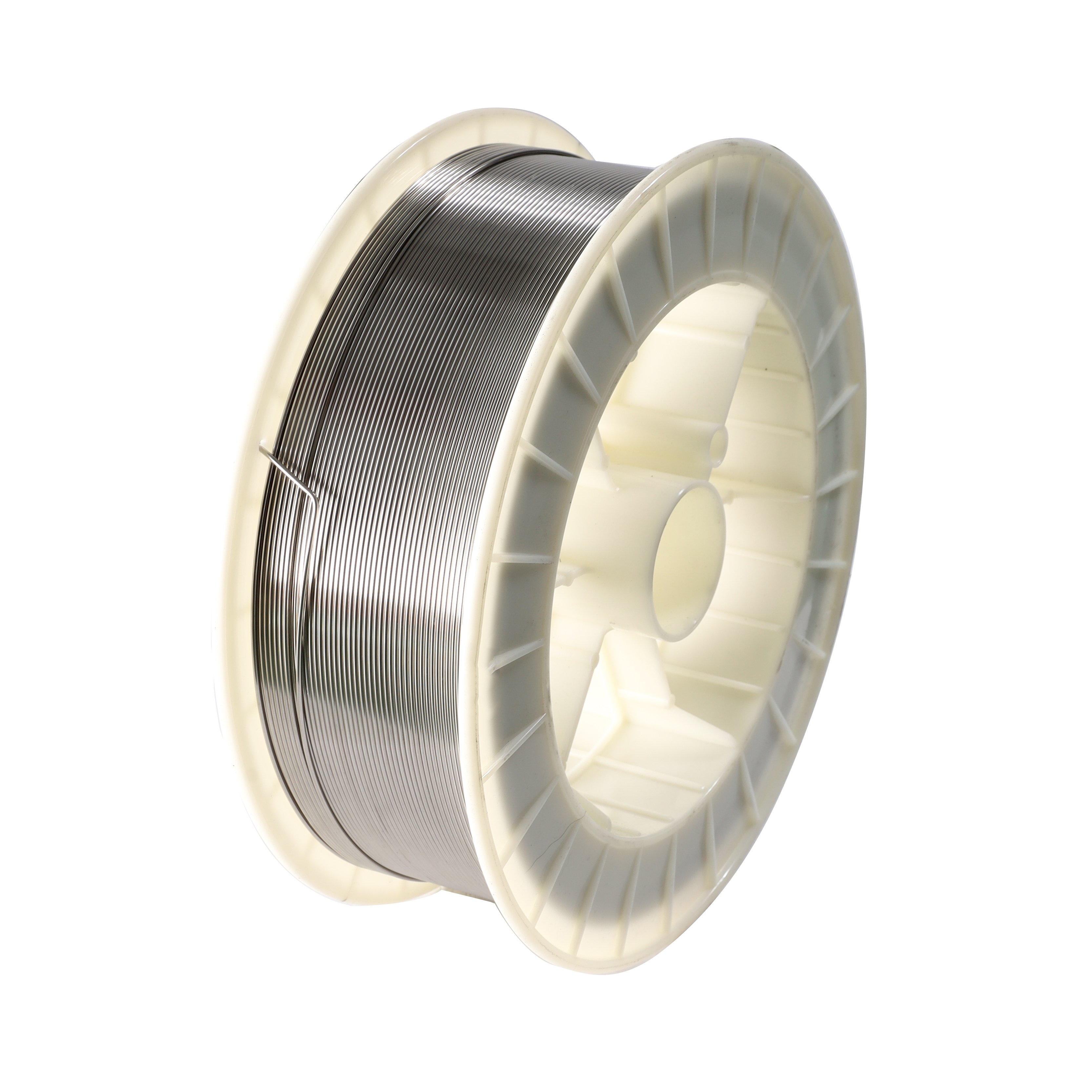
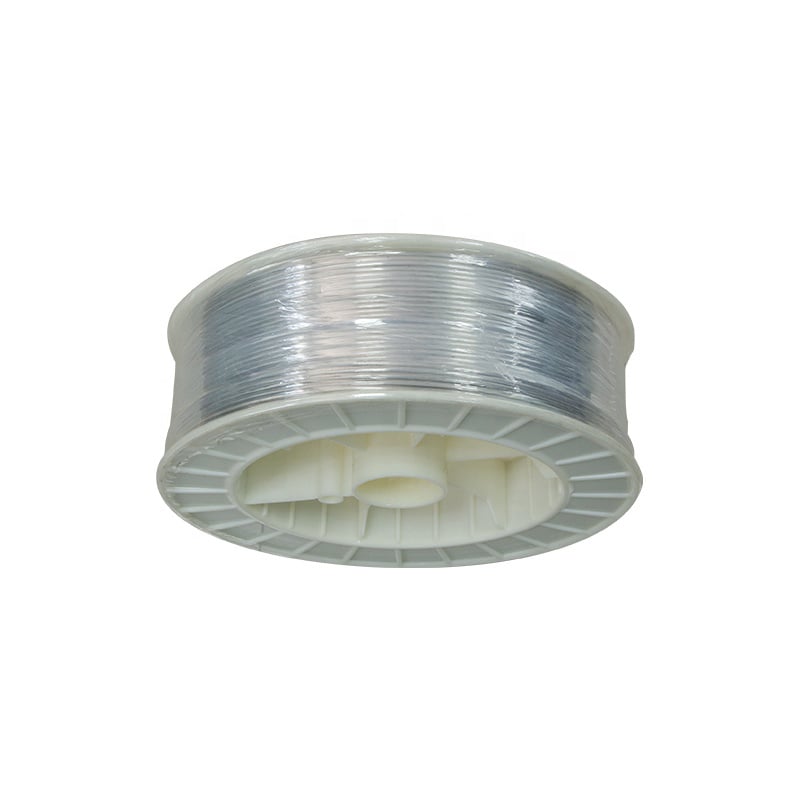
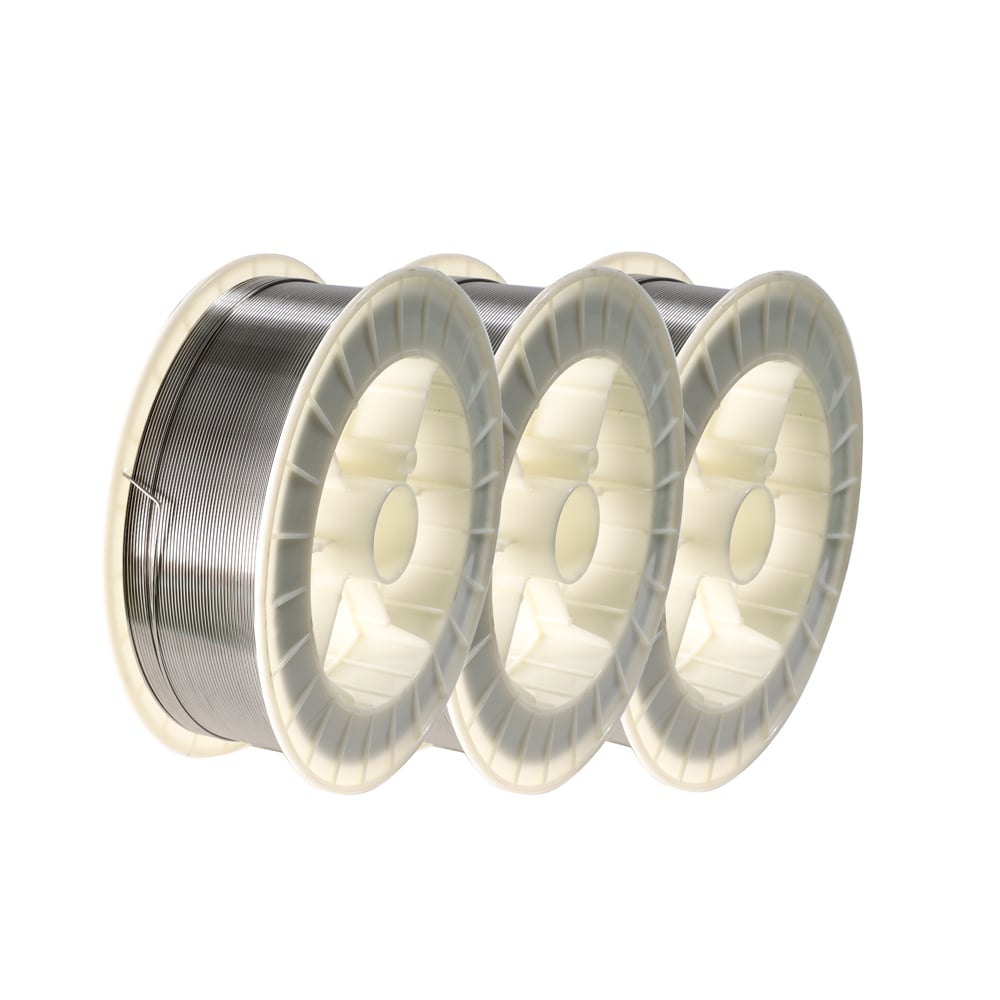
Draw it into ultra-fine filaments (thinner than human hair) for precision micro-heaters and vaping atomizers,
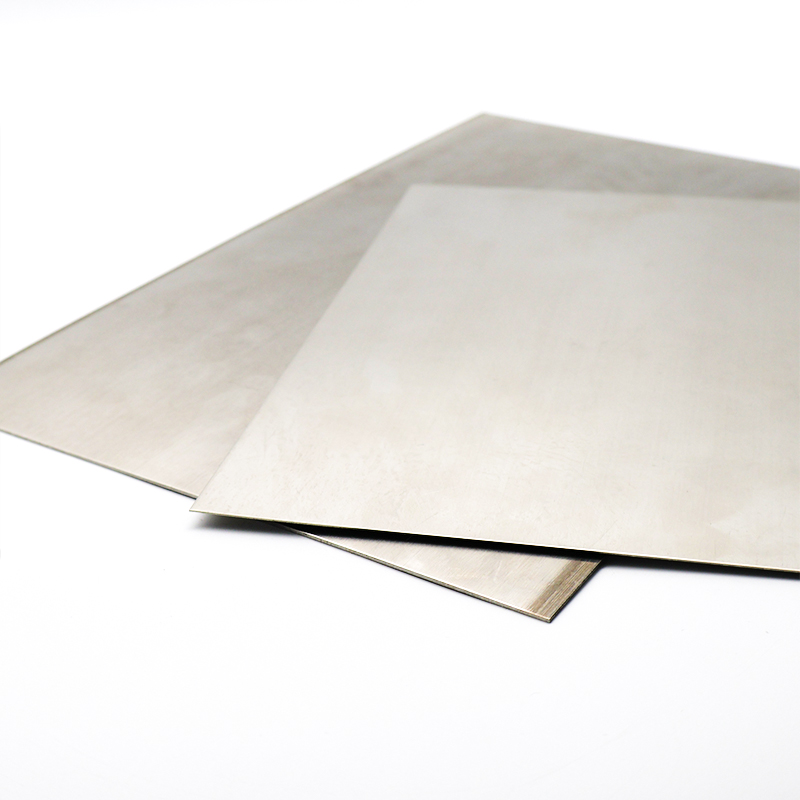
Roll it into flat, thin ribbons for high-surface-area toaster elements,
Wind it into tightly spaced helical coils without micro-cracking or structural fatigue.
Even better, Nichrome maintains good ductility even after prolonged use at elevated temperatures, meaning coils do not immediately shatter if your appliance gets bumped or dropped.
When metals get hot, they expand; when they cool, they shrink. If a heating wire expands excessively during operation, a tightly coiled heating element will sag, touch adjacent coils, create a short circuit, and cause catastrophic failure.
Nichrome features a modest coefficient of thermal expansion () and superior creep resistance (resistance to slow, permanent mechanical deformation under continuous mechanical stress at high temperatures). Whether an element undergoes 10 thermal cycles or 10,000, it stays structurally sound and maintains its designated geometry on ceramic supports.
Platinum and rhodium are extraordinary resistance materials that resist oxidation up to incredible temperatures. But imagine the price of a toaster if its heating coils were made of pure platinum!
Nichrome delivers 95% of the high-temperature performance of noble metals at a tiny fraction of the cost, making reliable electric heating accessible to billions of consumers worldwide.
To see how Nichrome stacks up against alternative materials, look at the comparison table below:
| Material Property | Nichrome (80/20) | Kanthal (FeCrAl) | Tungsten | Pure Copper |
|---|---|---|---|---|
| Primary Composition | 80% Ni, 20% Cr | Fe, 20-30% Cr, 4-7% Al | >99.9% W | >99.9% Cu |
| Max Operating Temp (°C) | ~1,200°C | ~1,400°C | ~2,500°C (Vacuum/Inert) | ~200°C |
| Resistivity () | 1.08 – 1.15 (High) | 1.25 – 1.45 (Very High) | 0.055 (Low) | 0.017 (Ultra Low) |
| Oxidation in Open Air | Virtually Immune () | Excellent () | Burns immediately | Oxidizes rapidly |
| Post-Use Ductility | Stays Ductile | Becomes brittle | Extremely brittle | Soft |
| Primary Use Cases | Appliances, Kilns, Coils | High-temp kilns, furnaces | Incandescent bulbs, TIG | Electrical wiring |
Kanthal (Iron-Chromium-Aluminum) can reach higher peak temperatures (up to 1,400°C) and is often cheaper because it lacks expensive nickel. However, once Kanthal has been heated up, its grain structure grows, turning it extremely brittle at room temperature. If you try to re-shape, service, or stretch a used Kanthal element, it easily snaps. Nichrome, by contrast, retains far better mechanical flexibility throughout its lifecycle.
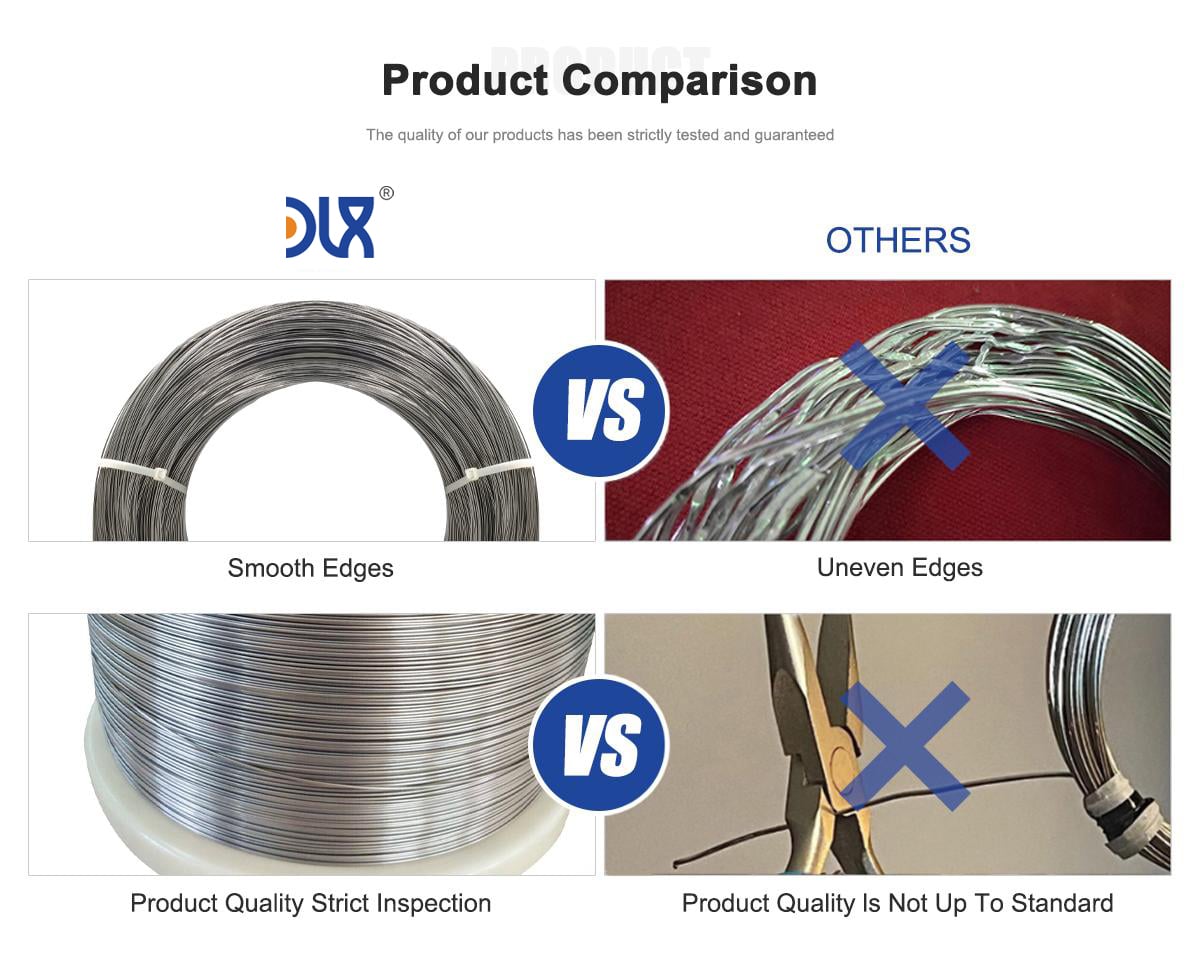
Tungsten handles insane temperatures (melting above 3,400°C), but it must be sealed inside a complete vacuum or an inert gas environment (like an incandescent light bulb). In open air, tungsten vaporizes in seconds. Nichrome remains the undisputed champion for open-air atmospheric heating.
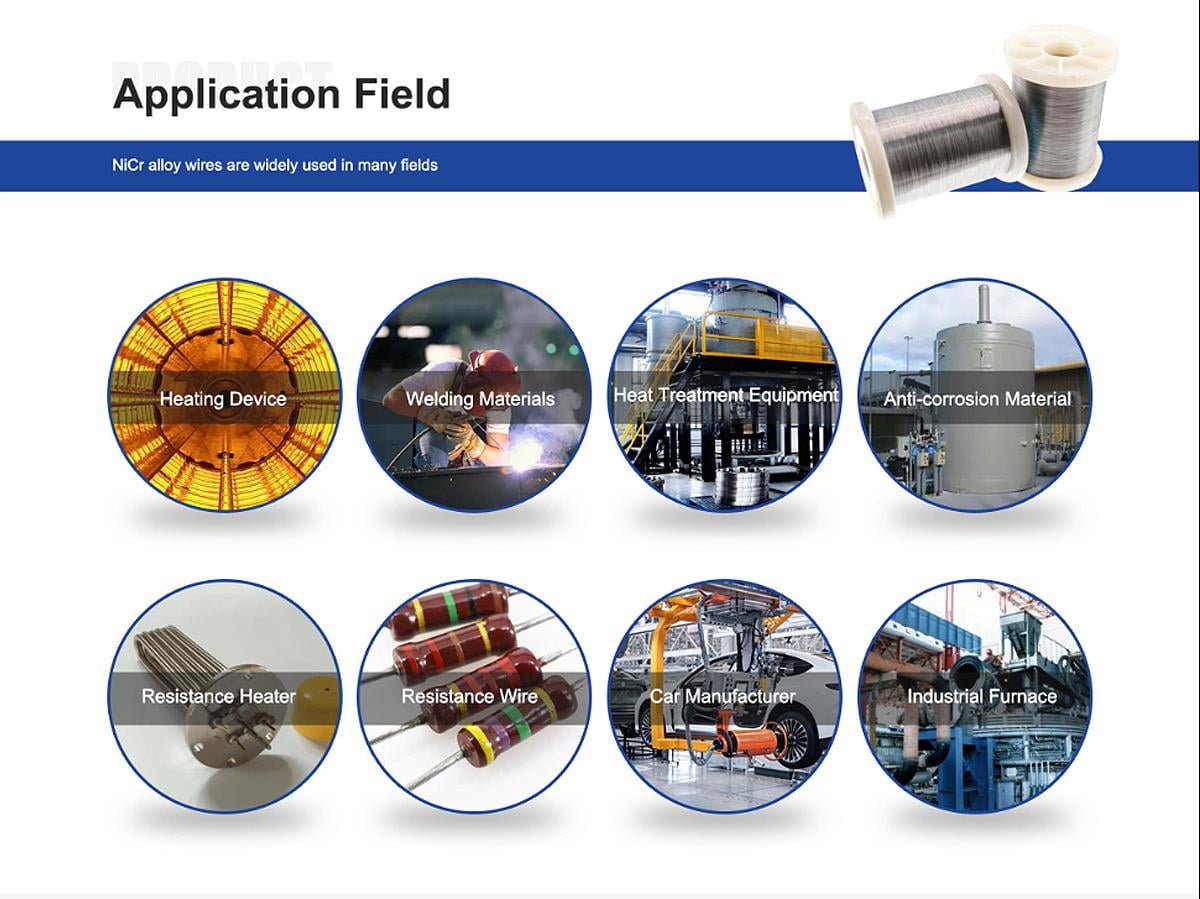
Because of its unique blend of physical, electrical, and chemical attributes, Nichrome is everywhere around us:
+--------------------------------------------------------------------------+
|                     COMMON APPLICATIONS OF NICHROME                      |
+--------------------------------------------------------------------------+
|  [ Domestic Appliances ] -> Toasters, Hair Dryers, Space Heaters, Ovens  |
|  [ Industrial Thermal  ] -> Ceramic Kilns, Heat Treating, Plastic Sealing|
|  [ Modern High-Tech    ] -> 3D Printer Hotends, Lab Equipment, Vape Coils|
+--------------------------------------------------------------------------+Toasters and Toaster Ovens: Nichrome ribbons wound around mica boards glow red-hot to emit infrared radiation directly onto food.
Hair Dryers & Heat Guns: Coiled Nichrome springs suspended on ceramic cruciform frames warm high-velocity air in milliseconds.
Electric Stoves & Immersion Heaters: Nichrome coils embedded inside copper or stainless-steel tubes, insulated by packed magnesium oxide ( ) powder, transfer uniform heat to cooktops and water boilers.
In glass-making, metal annealing, and pottery kilns, heavy-gauge Nichrome wire coils line the interior walls, running continuously for thousands of hours under extreme thermal loads.
Hot-Wire Foam Cutters: A taut, thin Nichrome wire heated to a modest 200°C glides through expanded polystyrene (EPS) foam with zero cutting resistance.
3D Printer Extruders: Miniature Nichrome cartridge heaters melt thermoplastic filaments (PLA, ABS, PETG) with sub-degree temperature precision.
E-Cigarettes and Vaporizers: Ultra-fine Nichrome coils rapidly aerosolize e-liquids with instant ramp-up times and clean flavor delivery.
While Nichrome is exceptionally durable, a few straightforward engineering practices can help squeeze maximum longevity out of any heating element:
Rapid, extreme on-off thermal cycling induces mechanical stress between the outer oxide layer and the core wire. Utilizing pulse-width modulation (PWM) or solid-state relays (SSRs) with proportional-integral-derivative (PID) controllers provides gentle, steady power ramps that prolong wire life significantly.
While Nichrome resists oxygen, it is vulnerable to reducing atmospheres containing sulfur, halogen gases, or heavy metal flux residues. Keeping element chambers free from airborne contaminants preserves the intact passivating layer indefinitely.
Over a century after its invention, Nichrome remains one of the most elegant triumphs in materials science. It doesn't rely on rare, bank-breaking precious metals, nor does it demand complex vacuum chambers to survive.
By combining the natural ductility and resistance of nickel with the protective, self-healing oxide armor of chromium, Nichrome delivers the exact trifecta of high electrical resistivity, thermal endurance, and rock-solid oxidation resistance. The next time your toaster pops up with perfectly browned toast or your space heater warms a cold winter morning, you will know the unsung hero glowing inside: the remarkable, indispensable Nichrome alloy.
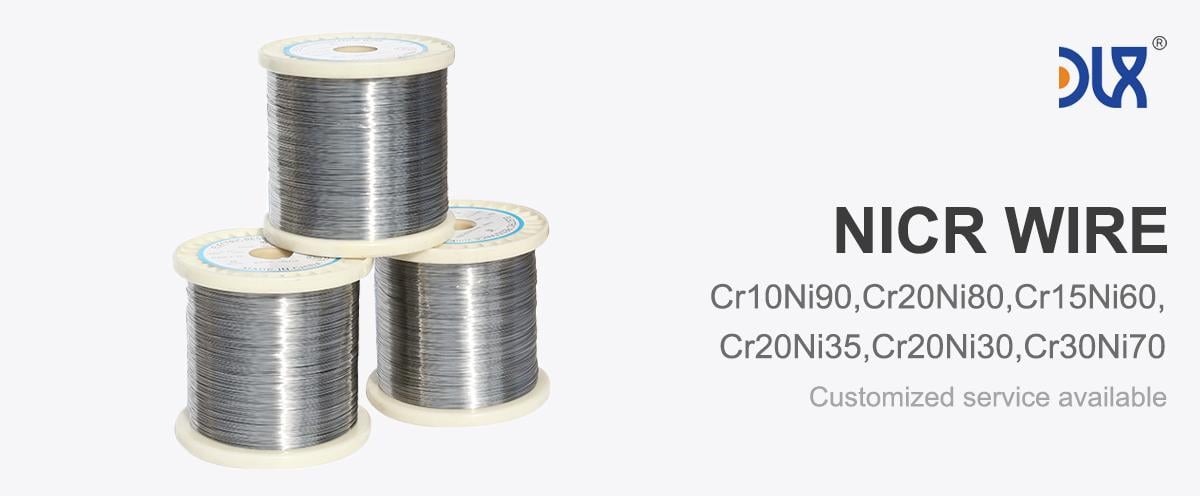
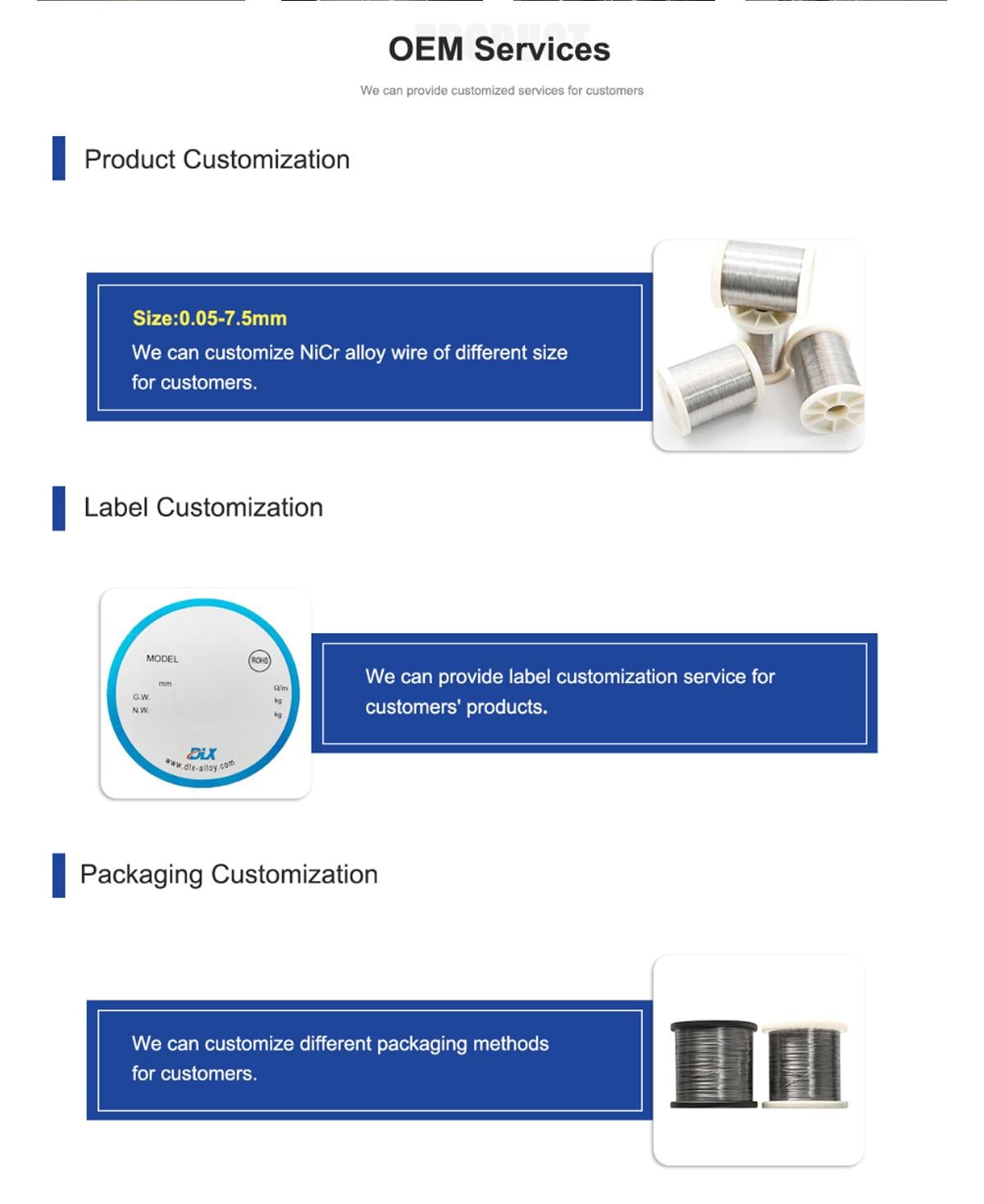
Whether you require precision wire, flat ribbon, or heavy coils for high-temperature applications, sourcing from a certified Nichrome wire manufacturer ensures tight resistance tolerances and maximum element lifespan.
No, Nichrome does not rust. Rust is specifically hydrated iron oxide, which forms on steel and iron in the presence of water and oxygen. Nichrome contains little to no iron. Instead of rusting, it forms an ultra-thin, protective Chromium Oxide () layer that halts corrosion and prevents environmental decay under both wet and high-heat conditions.
A glowing red or orange color indicates that the wire has reached temperatures between 600°C and 900°C. Nichrome’s actual melting point is much higher—between 1,400°C and 1,450°C (2,552°F to 2,642°F). Because its melting threshold is nearly double its typical operating temperature, the alloy remains structurally solid and mechanically stable while radiating intense heat.
Yes, Nichrome is completely safe for household appliances. The chromium oxide layer that coats the wire is chemically inert, non-toxic, and tightly bonded to the surface. It does not off-gas toxic fumes, flake into your food, or degrade under normal cooking and baking temperatures.
For top-tier Nichrome 80/20 (NiCr 80/20), the maximum recommended continuous operating temperature in open air is 1,200°C (2,192°F). For standard Nichrome 60/15 (NiCr 60/15), the recommended continuous ceiling is 1,150°C (2,100°F). Pushing the alloy beyond these temperatures accelerates grain boundary degradation and shortens the element's lifespan.
Soldering Nichrome with standard rosin-core solder and a typical soldering iron is nearly impossible because the self-healing chromium oxide film prevents conventional lead/tin solder from wetting the surface. To join Nichrome wires, technicians rely on mechanical crimping, spot welding, screw terminal blocks, or specialized aggressive acid fluxes paired with silver-bearing high-temperature solder.

 EN