In modern industrial heating, electric appliances, and thermal engineering, selecting the right resistance heating alloy is crucial to ensuring thermal efficiency, preventing oxidation failure, and extending equipment lifespan. Nichrome wire continues to be the premier global choice for heating elements due to its high electrical resistivity, superior mechanical strength at elevated temperatures, and self-healing protective oxide surface.
This guide provides engineering and procurement teams with a practical breakdown of Nichrome wire compositions, critical thermal properties, and key manufacturing applications to help you make informed bulk sourcing decisions.
Why Choosing the Right Nichrome Wire Matters
Thermal Stability and Oxidation Resistance
High-temperature heating elements operate under severe thermal stress. Premium Nichrome wire forms a tight, adherent Chromium(III) Oxide (Cr2O3) passivation layer when heated. This self-healing ceramic skin prevents atmospheric oxygen from penetrating the core, eliminating the risk of element burnout and spalling in open-air atmospheres up to 1,200°C.
Precision Temperature Control & Resistance Consistency
For precision applications like industrial furnaces, laboratory equipment, and hot-wire cutters, uniform wire diameter and consistent resistance-per-meter are non-negotiable. Tight tolerance control ensures even heat distribution across the entire coil length, preventing localized hot spots and unexpected system shutdowns.
Mechanical Strength at High Temperatures
Unlike iron-chromium-aluminum alloys that become soft and brittle after thermal cycling, nickel-chromium retains an austenitic crystal structure. This ensures high hot-tensile strength, minimal thermal sag in suspended coils, and excellent ductility for maintenance and reshaping even after hundreds of operating hours.
Key Factors to Consider When Sourcing Nichrome Wire
Alloy Grade & Chemical Purity: Ensure the nickel-to-chromium ratio matches your target operating temperature. High-purity raw materials melted via Vacuum Induction Melting (VIM) prevent internal inclusions.
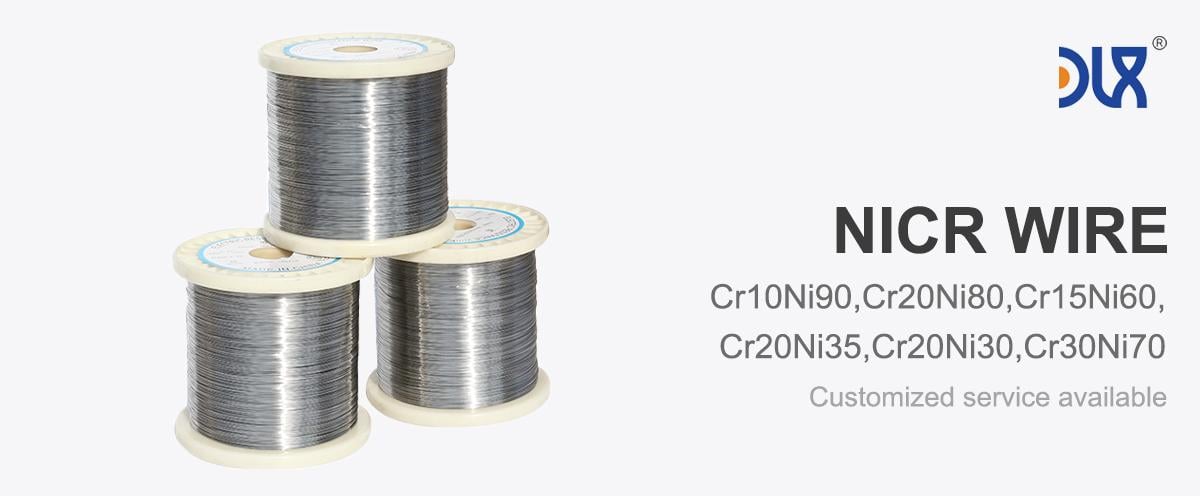
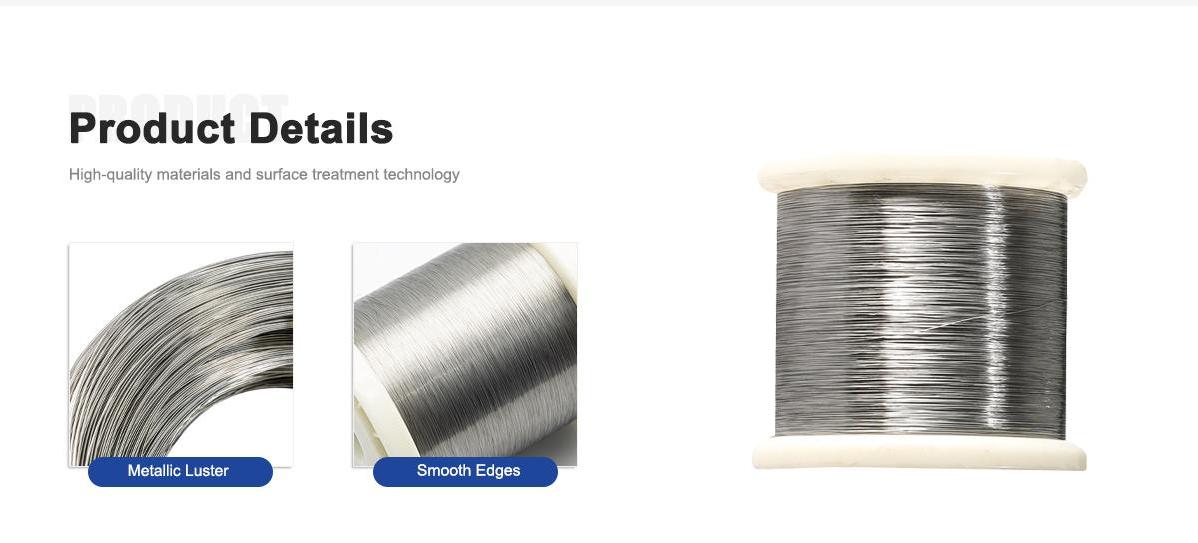
Dimensional Tolerances & Surface Finish: High-precision drawing guarantees uniform wire diameter (from heavy gauges down to ultra-fine 0.025mm wire) with clean, bright-annealed or pre-oxidized surfaces.
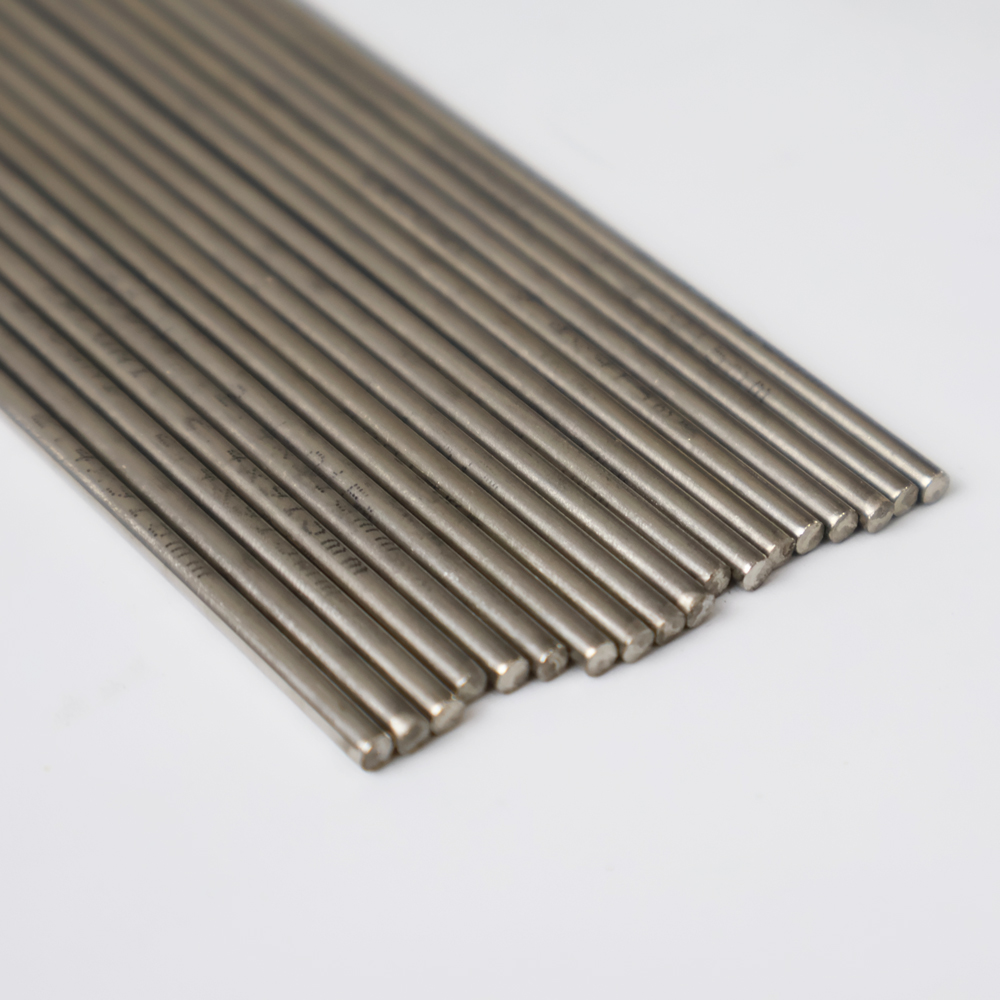
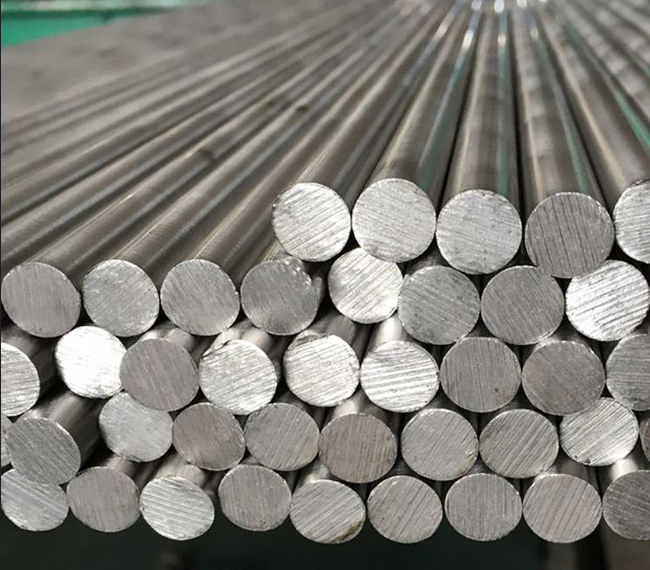
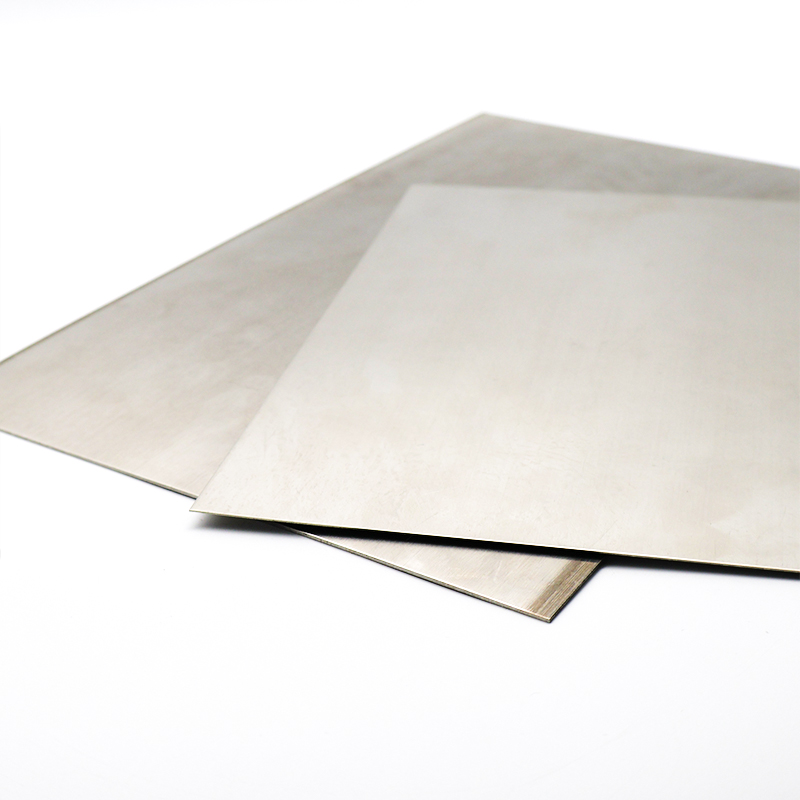
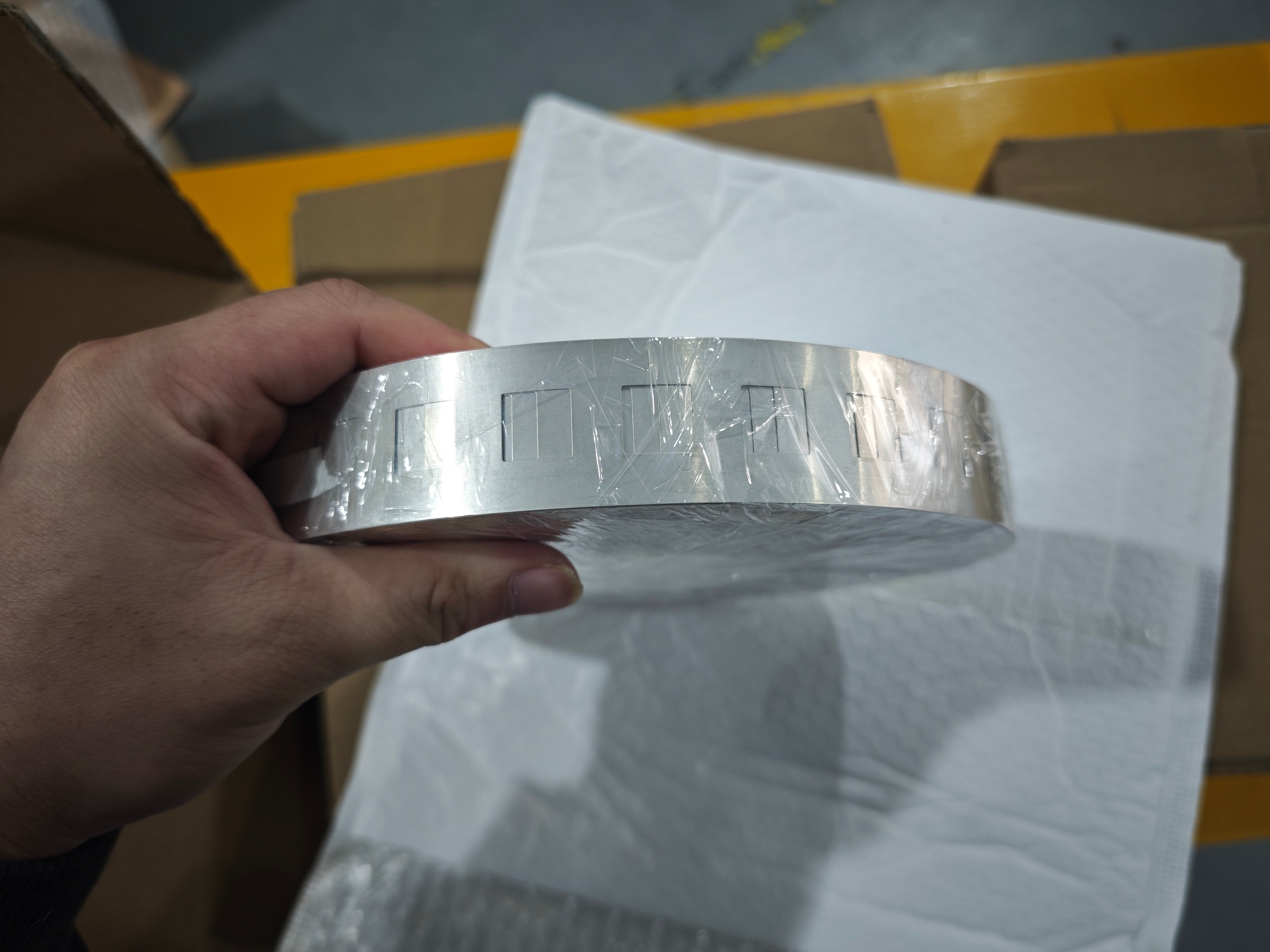
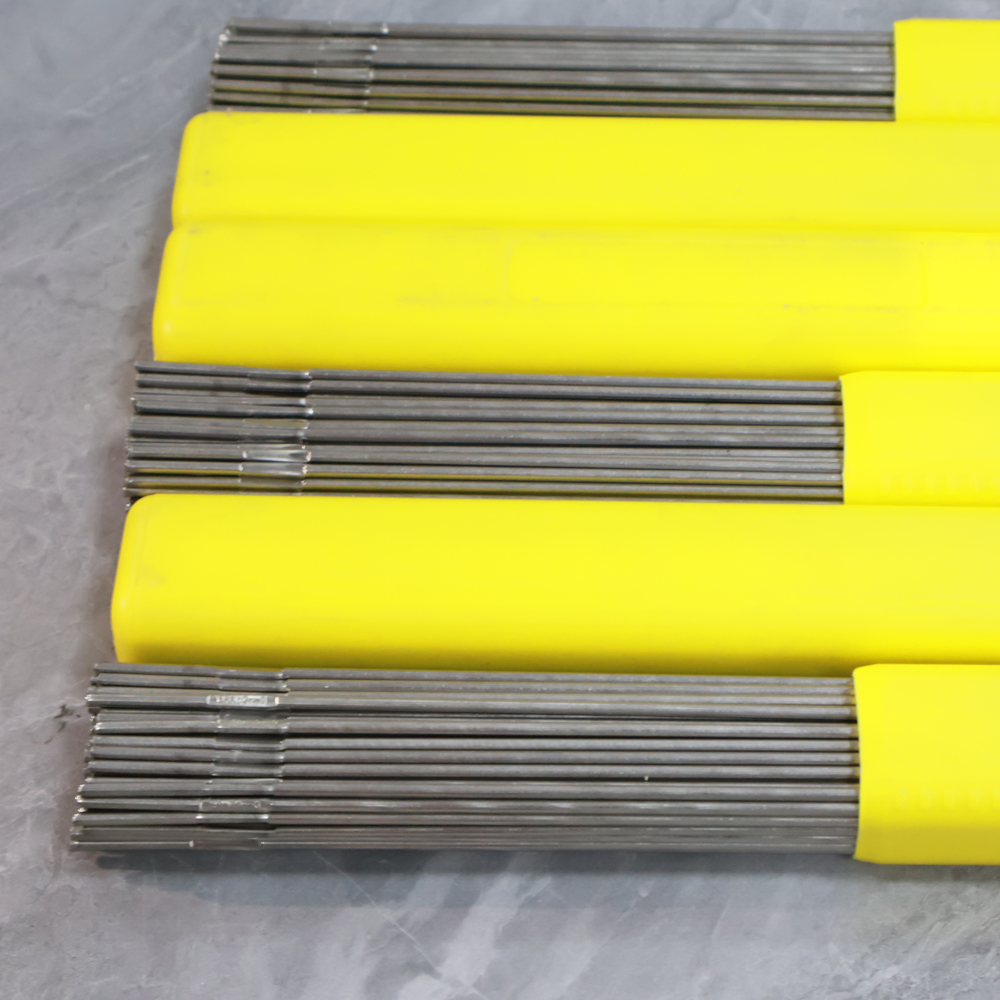
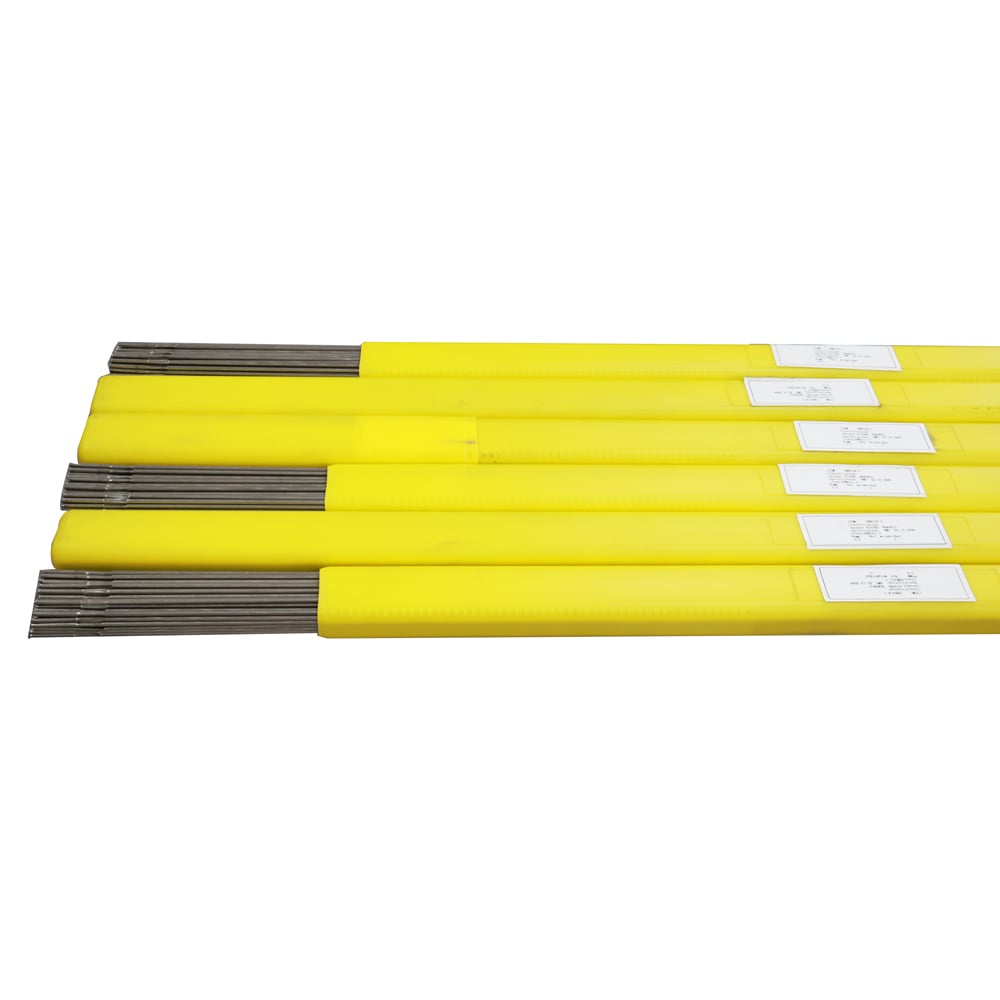
Form Flexibility: Depending on your heating chamber design, select the optimal delivery form: round wire, flat ribbon/strip for rapid surface heat transfer, or pre-wound helical coils.
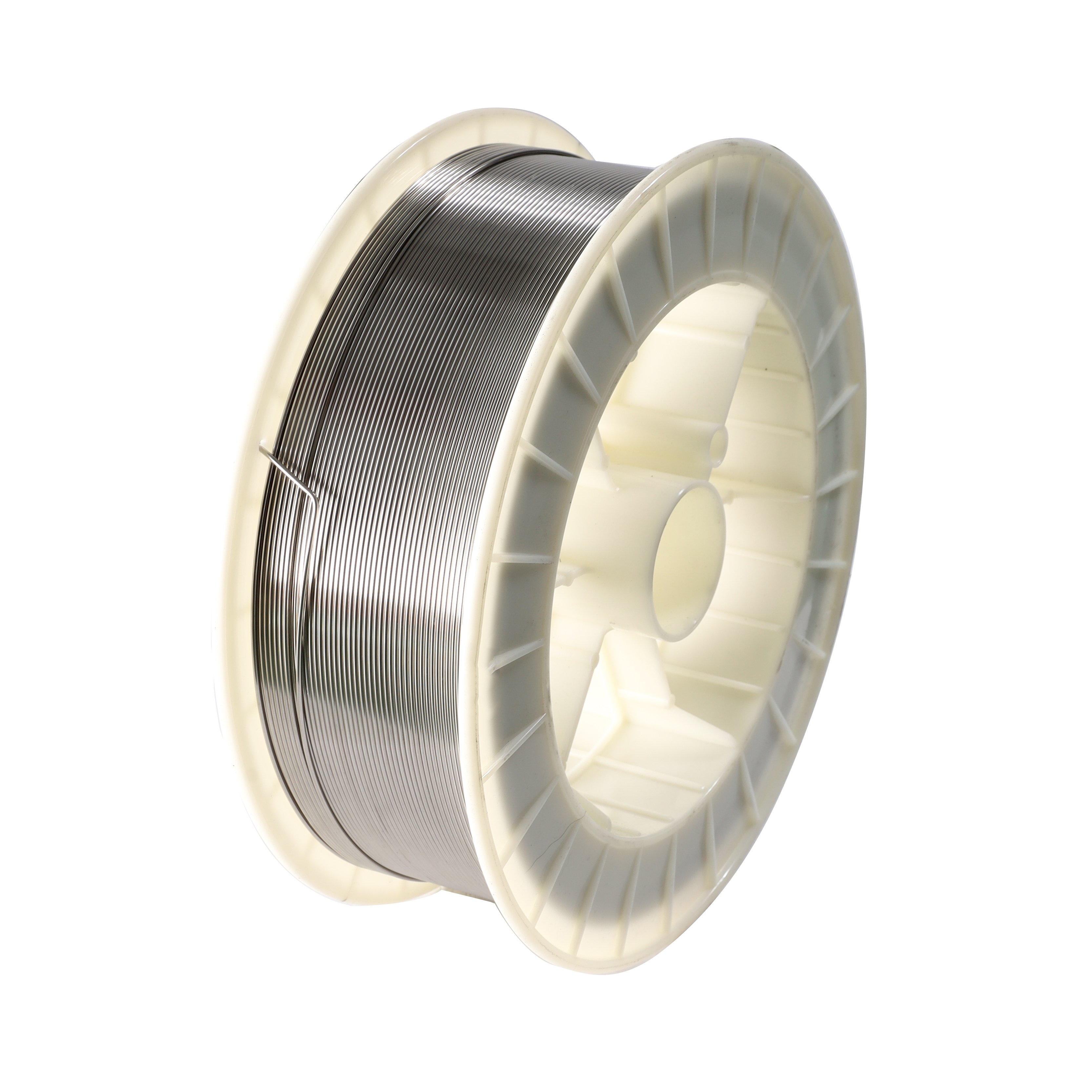
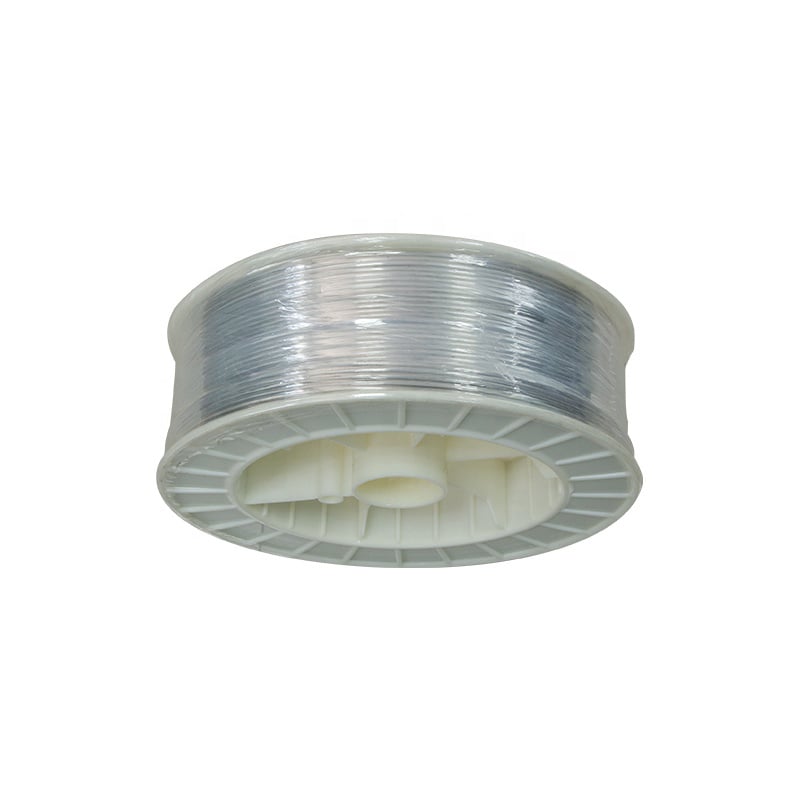
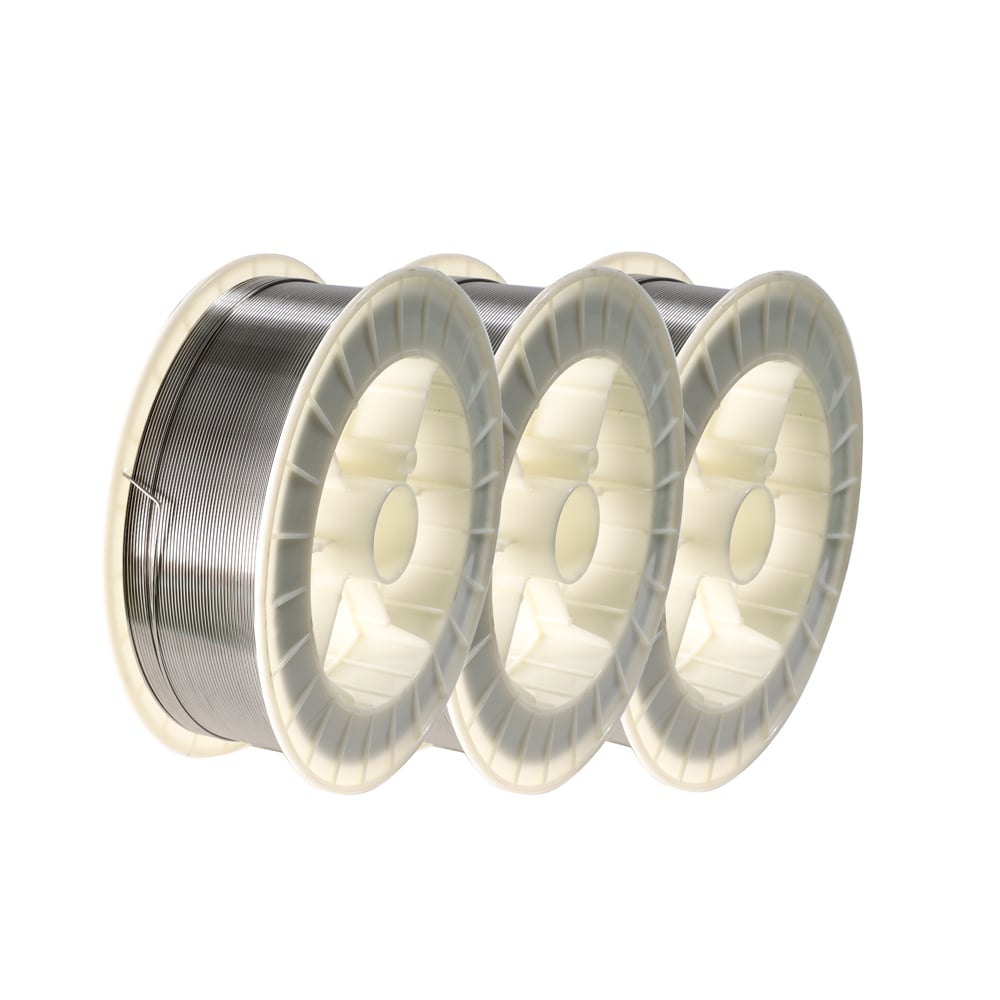
Packaging & Spooling Integrity: Proper spooling (DIN spools or custom coils in moisture-proof cartons) prevents tangling and mechanical deformation during high-speed automated winding.
Quality Certification & Traceability: Ensure suppliers provide Mill Test Certificates (MTC) with complete chemical analysis and mechanical testing reports for full batch traceability.
Best Suited For: Industrial furnace elements, ceramic kilns, high-end consumer appliances, and aerospace defrosters where zero iron-induced oxidation and maximum hot strength are essential.
Best Suited For: Specialized heat-treating furnaces with reducing or alternating atmospheric conditions where extreme carburization resistance is required.
Why Partner With Us for Your Heating Alloy Needs
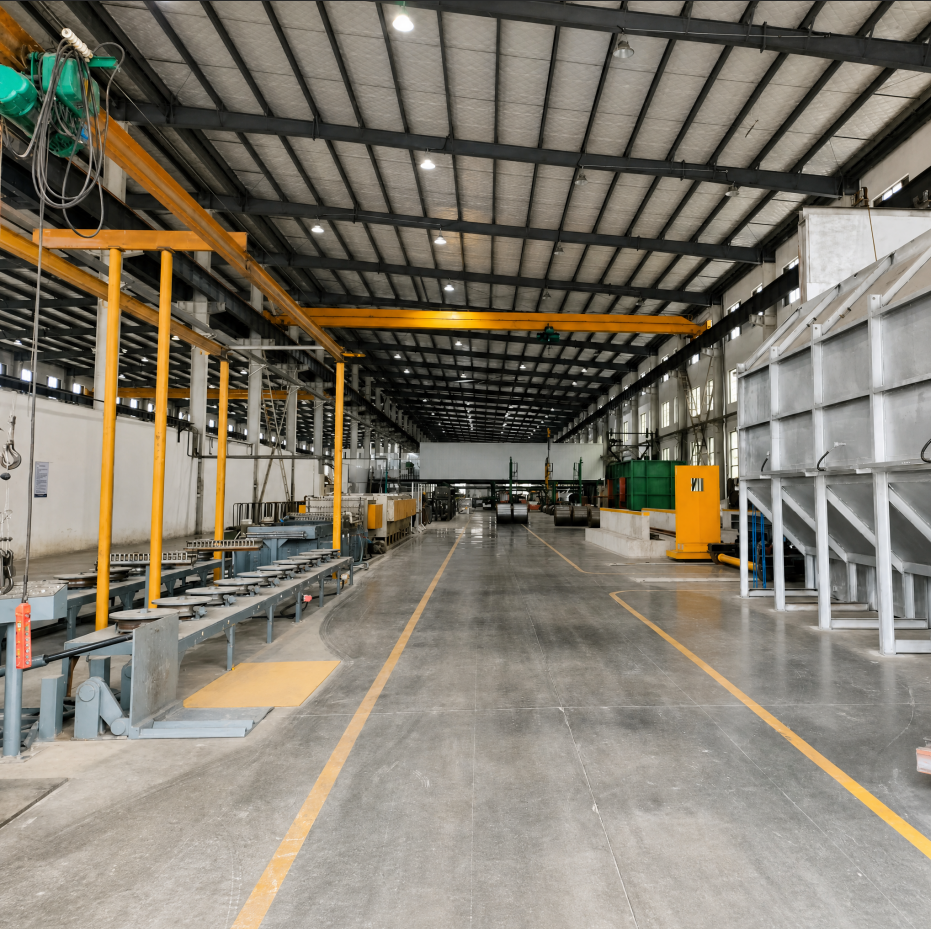
Full-Scale Production & Capacity: Operating advanced continuous bright annealing lines and multi-die drawing equipment with a monthly alloy production capacity of 1,200 metric tons, ensuring dependable lead times for large-scale orders.
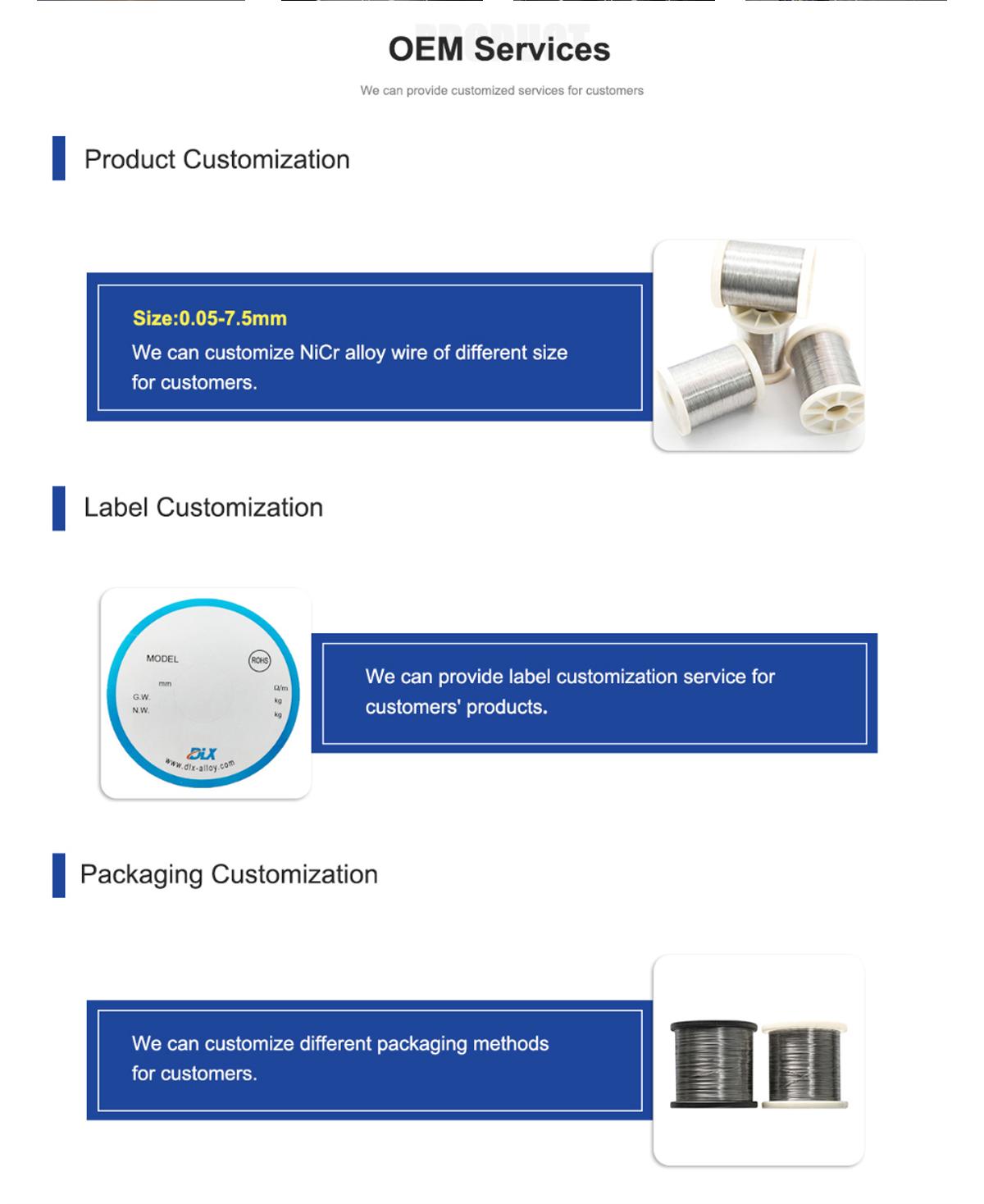
Custom Dimensions & Profiles: From round wire () to precision-rolled flat ribbon and customized open-coil configurations manufactured exactly to your technical drawings.
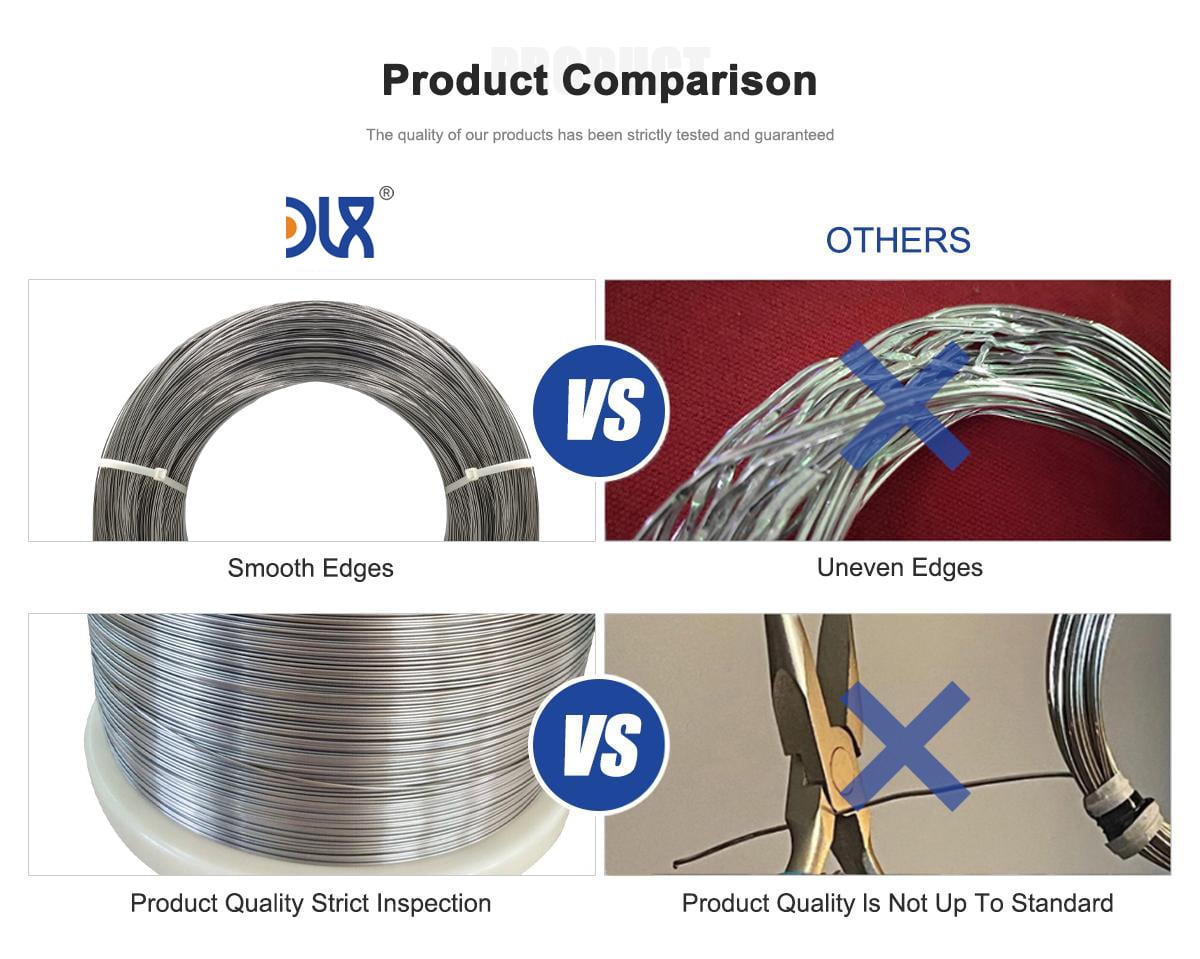
Strict Quality Assurance: Every production batch undergoes rigorous spectrometer chemical verification, continuous resistance testing, and metallurgical grain inspection.
B2B Engineering Support: Our technical team assists with wire gauge selection, surface watt-density calculations, and element lifetime optimization to lower your total cost of ownership.
How to Place Wholesale Orders and Manage Delivery
Direct Factory Sourcing: Sourcing directly from the manufacturer gives you direct engineering communication, custom tolerance control, and transparent volume-tiered pricing.
Flexible MOQs & Fast Prototyping: We support low-volume trial orders for R&D testing and prototype validation before scaling into full production batches.
Global Export Logistics: Professional export seaworthy and airworthy packaging with full Incoterms support (FOB, CIF, DDP) and door-to-door delivery tracking worldwide.
Conclusion
Selecting the right Nichrome wire grade is fundamental to achieving high thermal efficiency, consistent heat output, and prolonged element service life. Whether you require high-temperature Nichrome 80 for industrial furnaces or versatile Nichrome 60 ribbon for commercial appliances, partnering with an experienced alloy manufacturer ensures certified material purity and seamless supply chain scalability.
FAQs About Buying Nichrome Wire
What is the typical lead time for custom Nichrome wire orders? Standard stock gauges ship within 3–7 business days, while custom drawn sizes, flat ribbons, or specific spool configurations typically require 2–3 weeks.
Can Nichrome wire be supplied in pre-oxidized condition? Yes. We provide both bright-annealed wire and pre-oxidized elements featuring a uniform green Cr2O3 coating for immediate high-temperature installation.
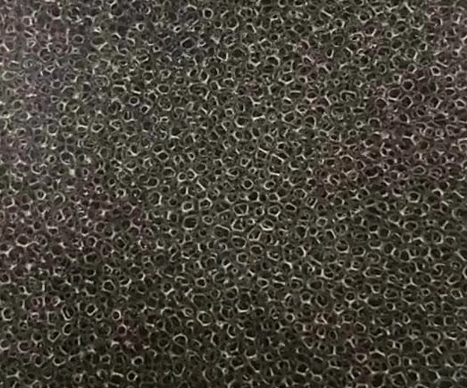
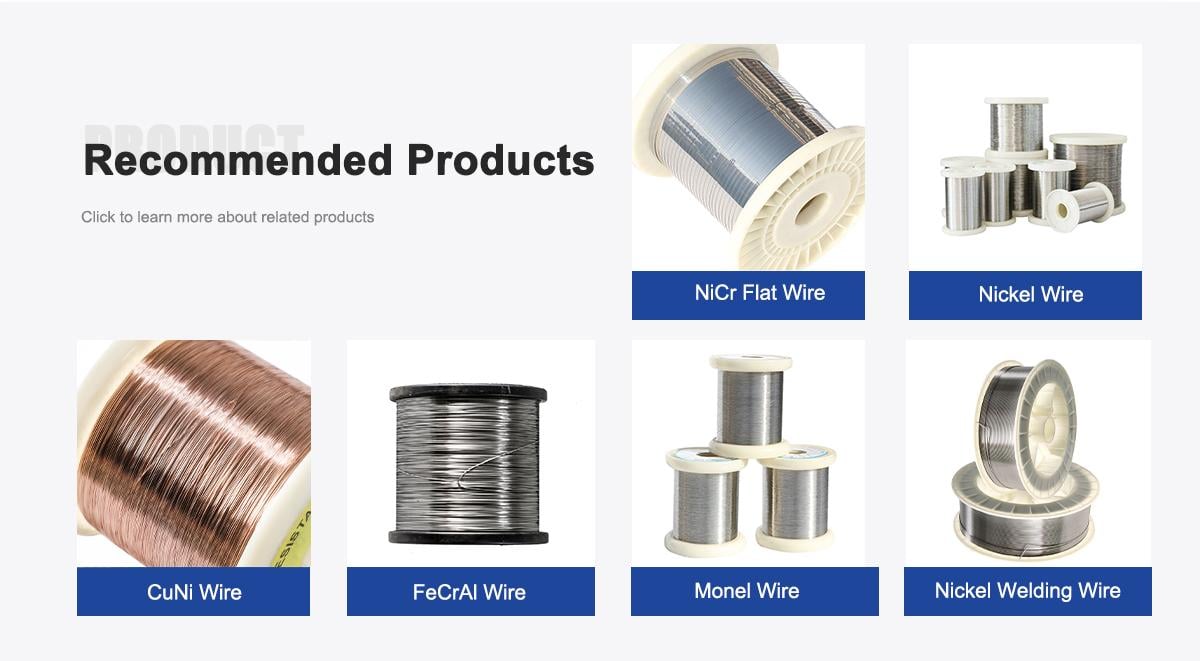
What forms of Nichrome materials are available? We supply round wire, flat ribbon/strip, stranded wire, pre-wound heating coils, and woven wire mesh.
How do I choose between Nichrome 80 and Nichrome 60? Choose Nichrome 80 if your application exceeds 1,100°C or requires frequent thermal cycling without coil sagging. Choose Nichrome 60 for standard home appliances and moderate-temperature applications where budget efficiency is prioritized.


 EN