EN
EN

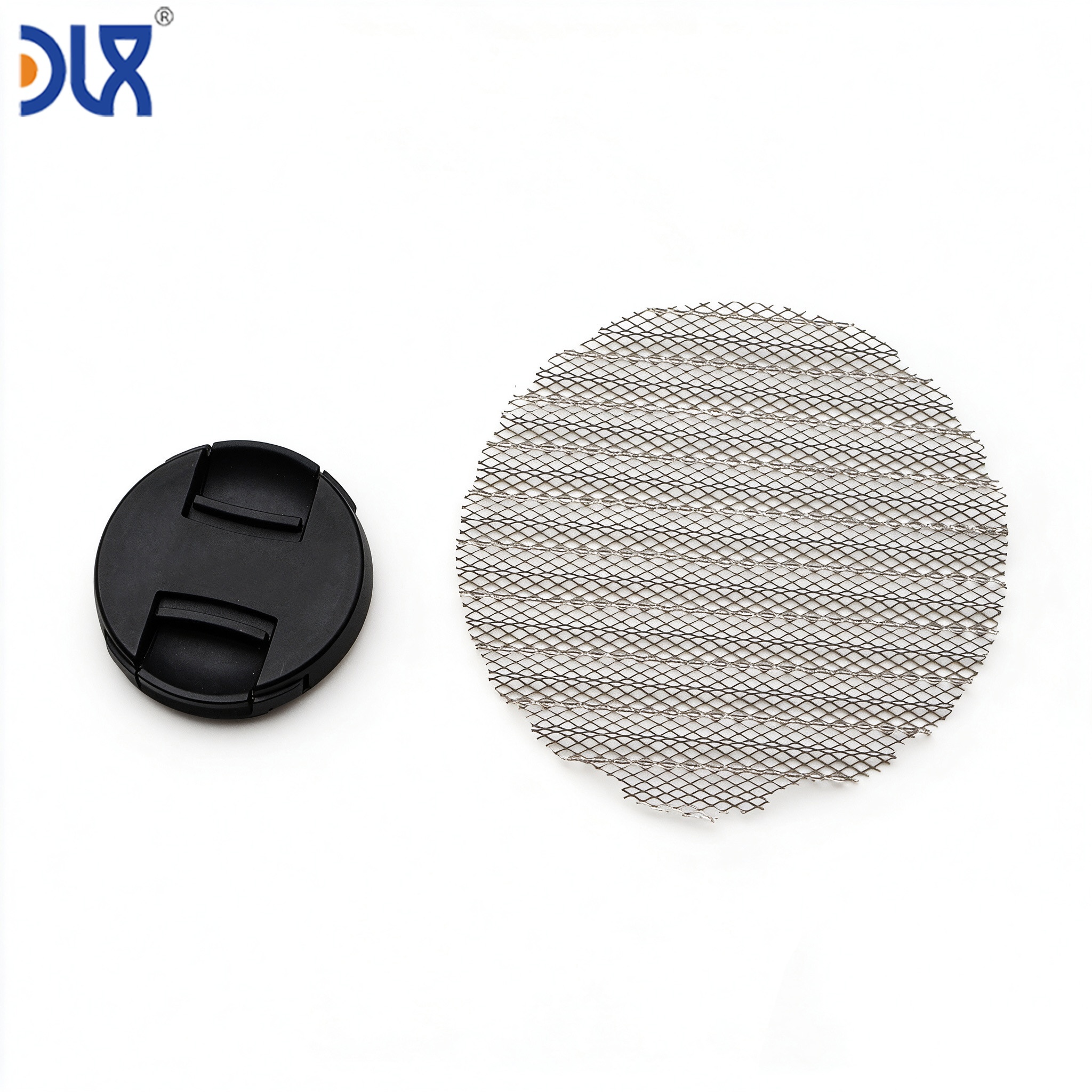
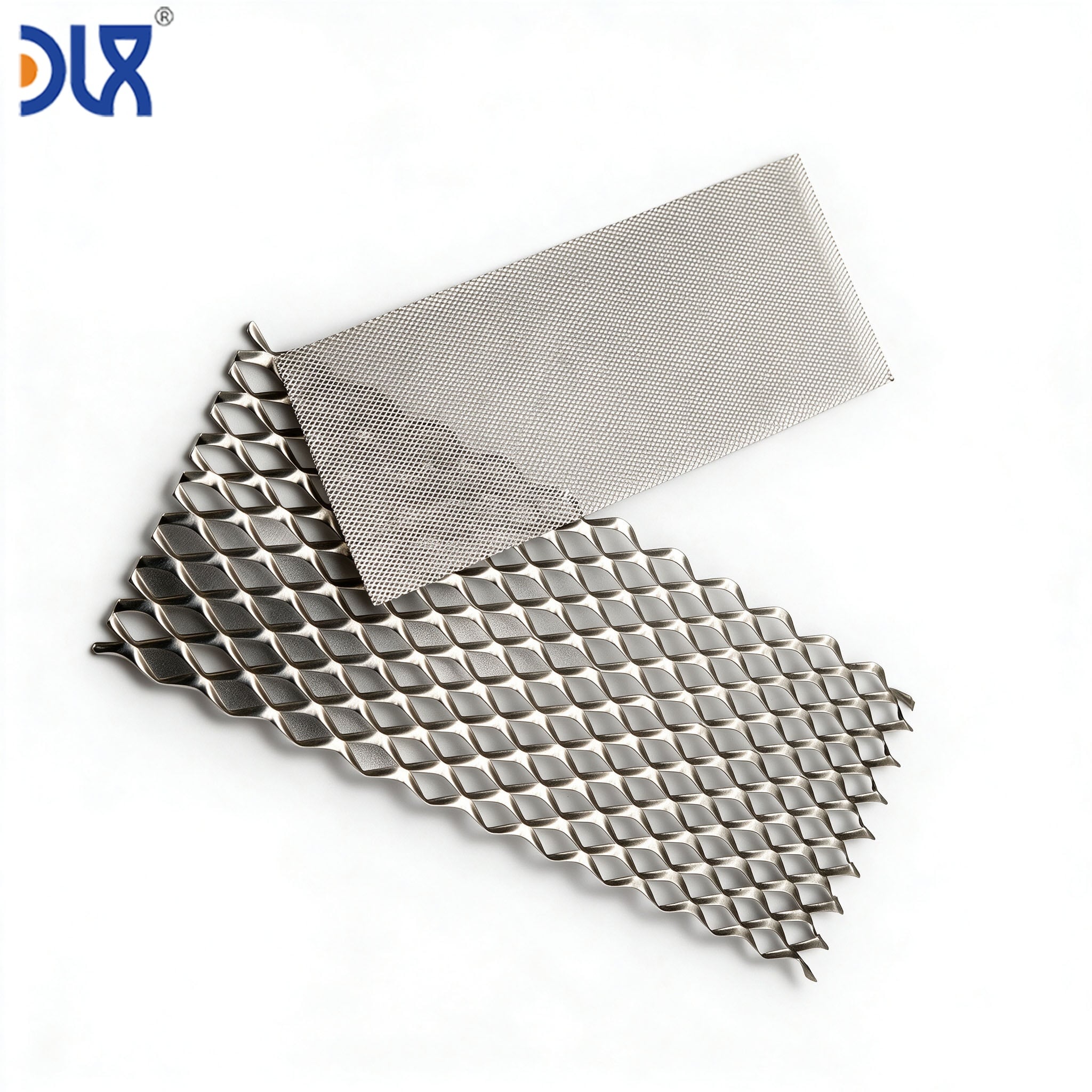
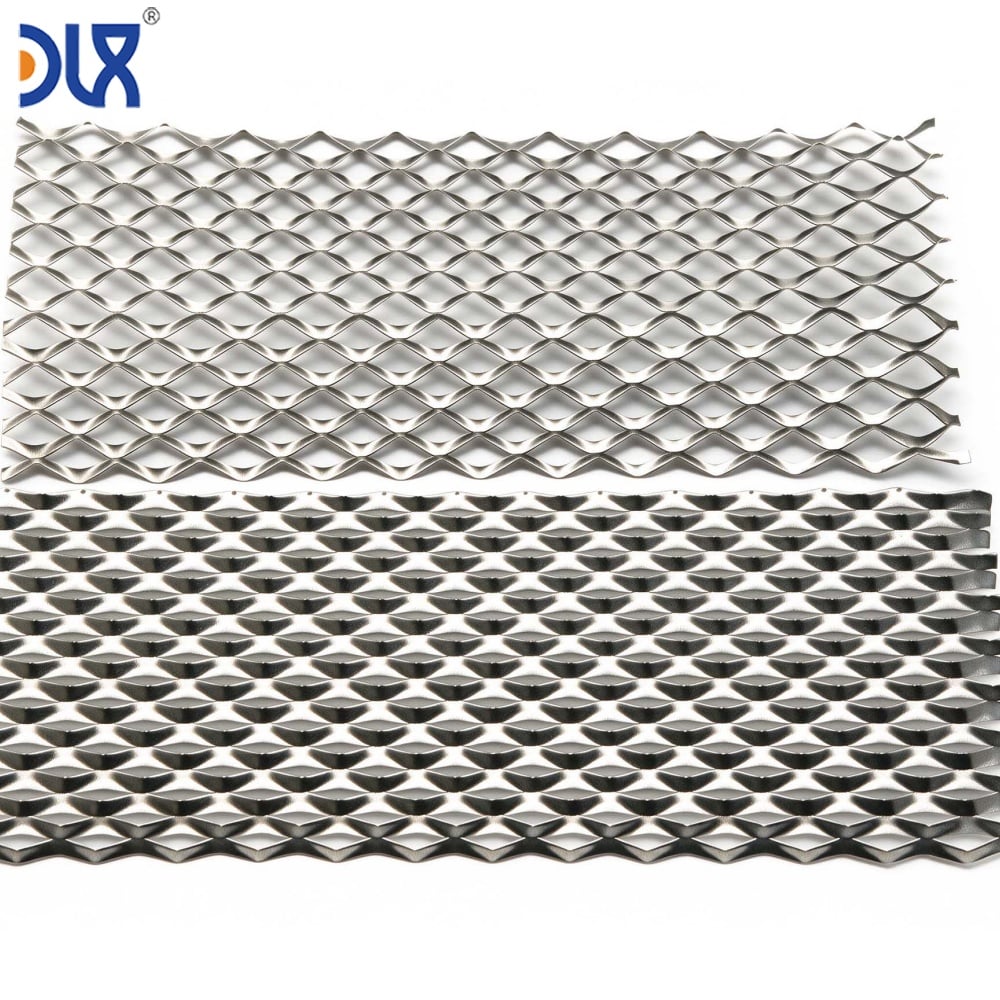
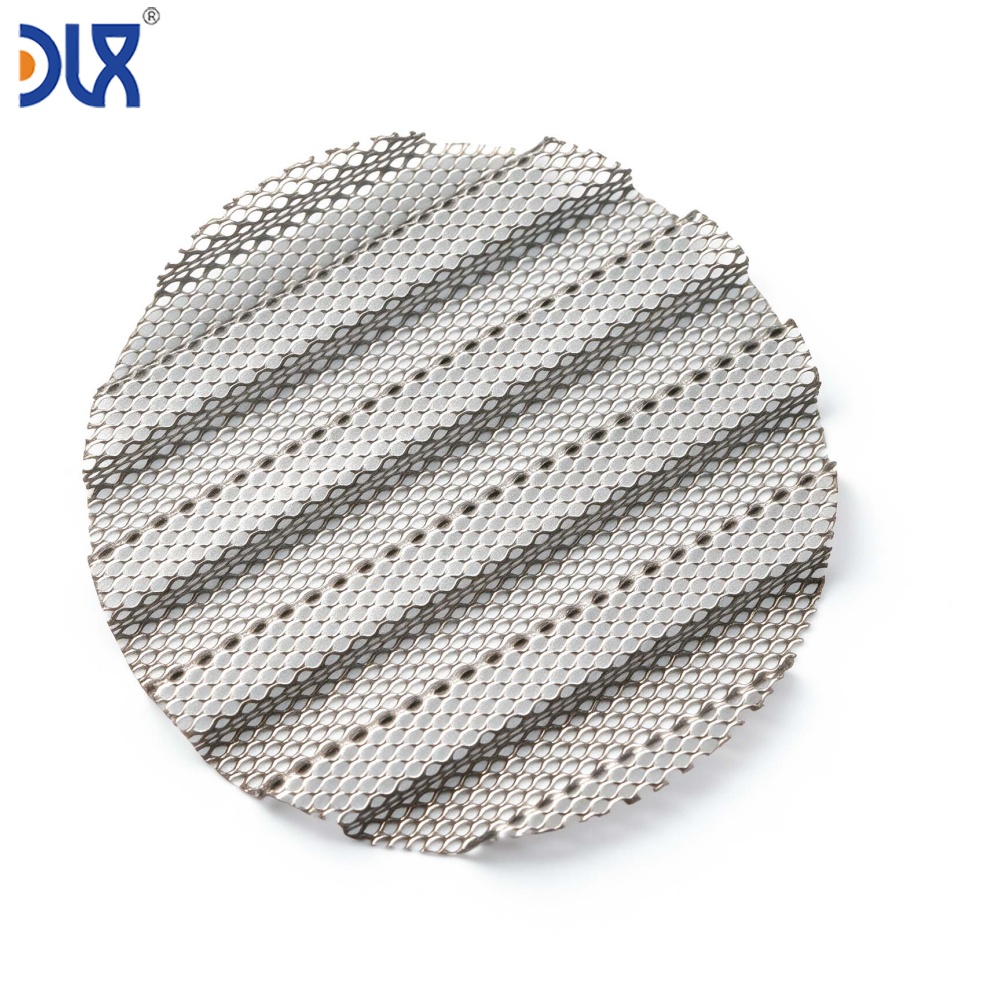
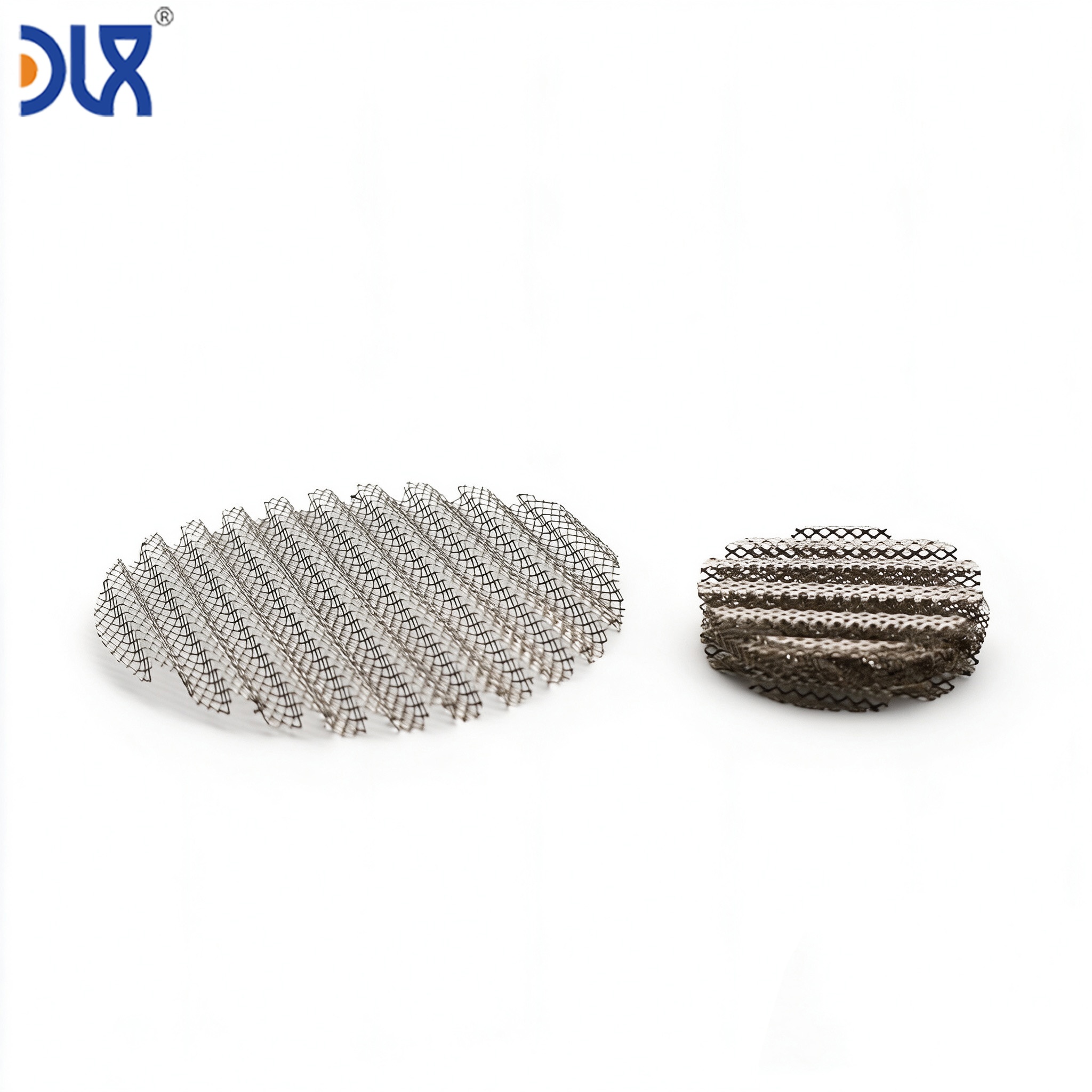
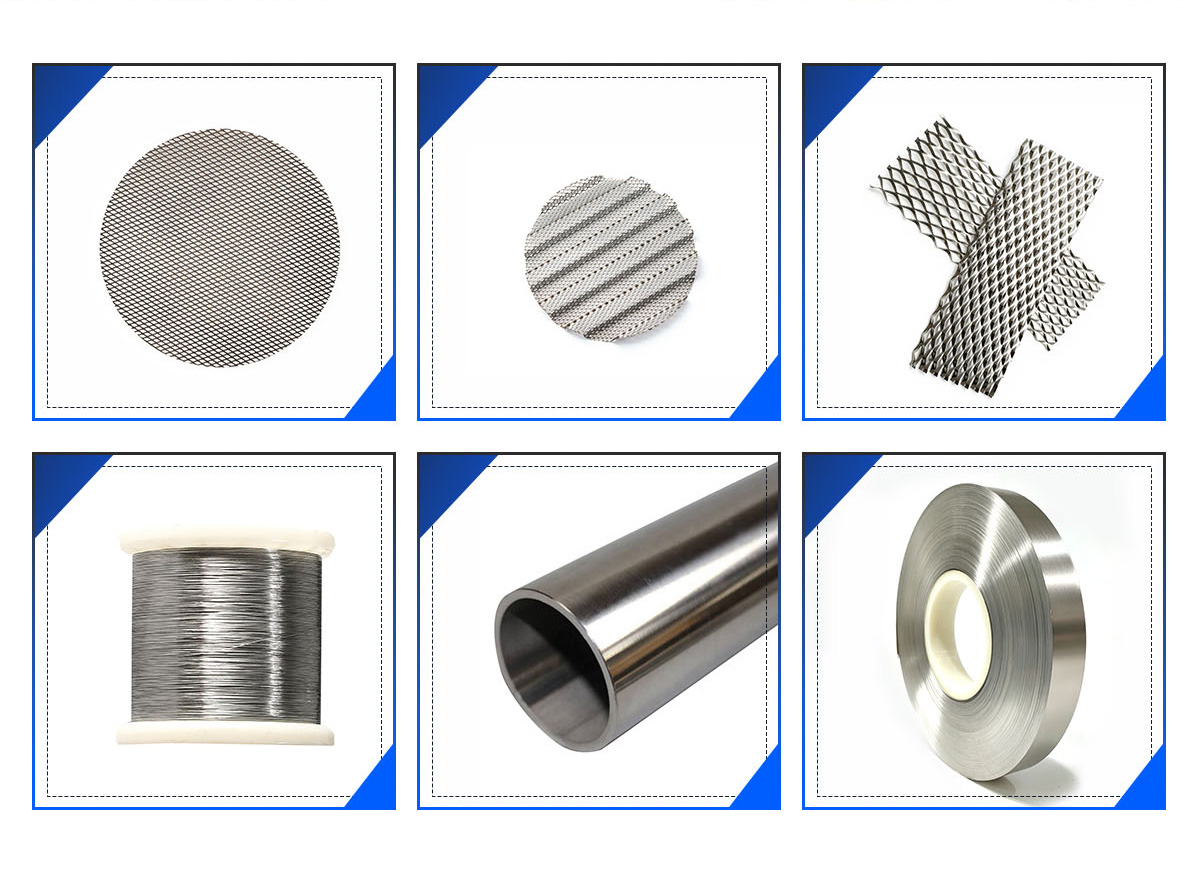
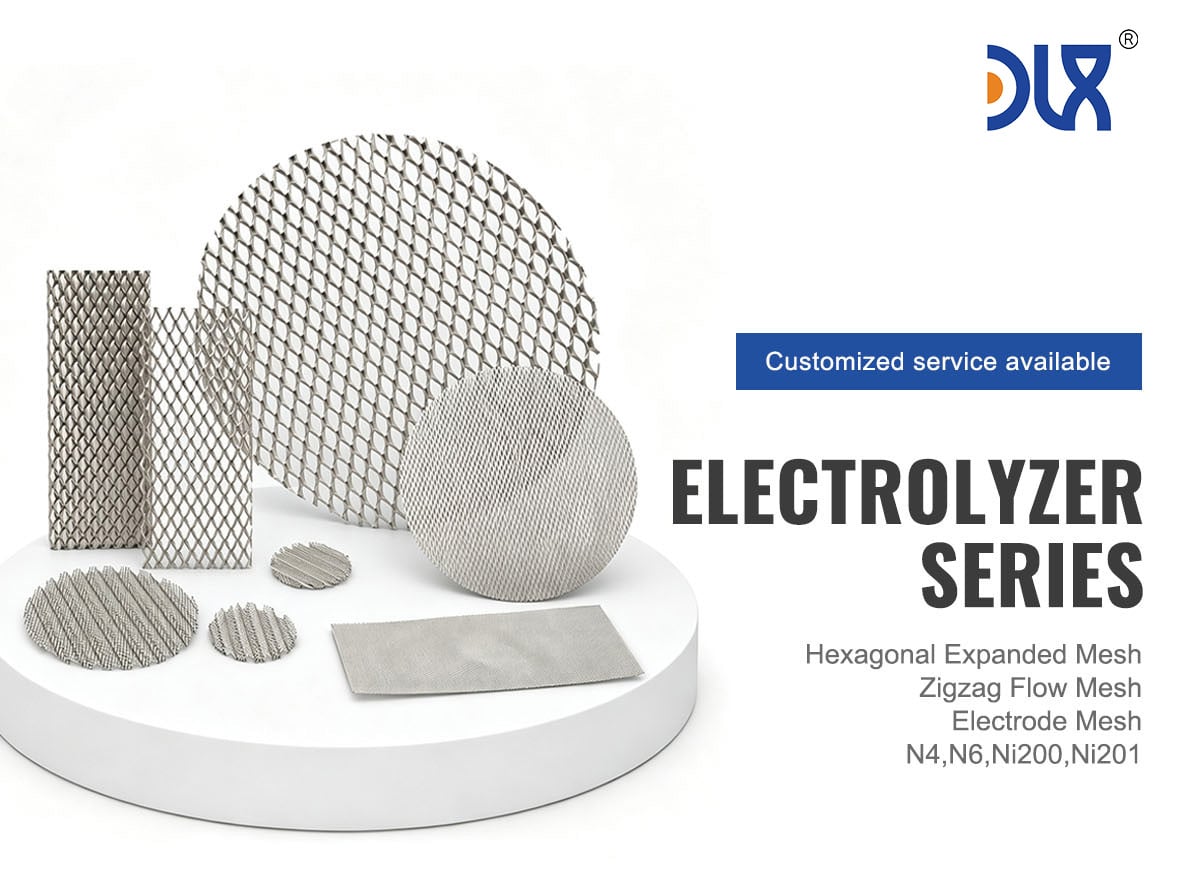
Pure Nickel Hexagonal Expanded Mesh Electrolyzer Electrode Ni200 Ni201
High-performance Pure Nickel Hexagonal Expanded Mesh for electrolyzer electrodes. 99.6%+ purity Ni200/Ni201, high conductivity, and seamless structure.
- Overview
- Specification
- Applications
- DLX Alloy Manufacturer
- FAQs
- Recommended Products
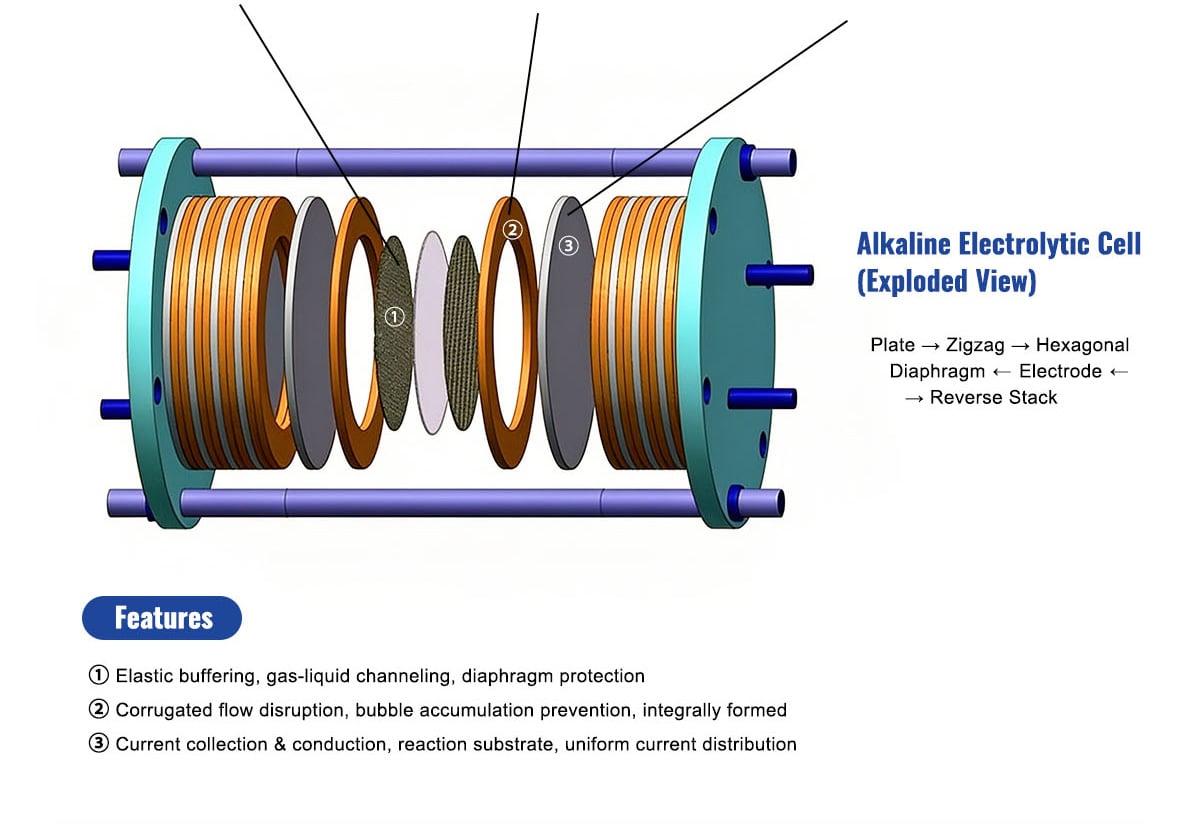
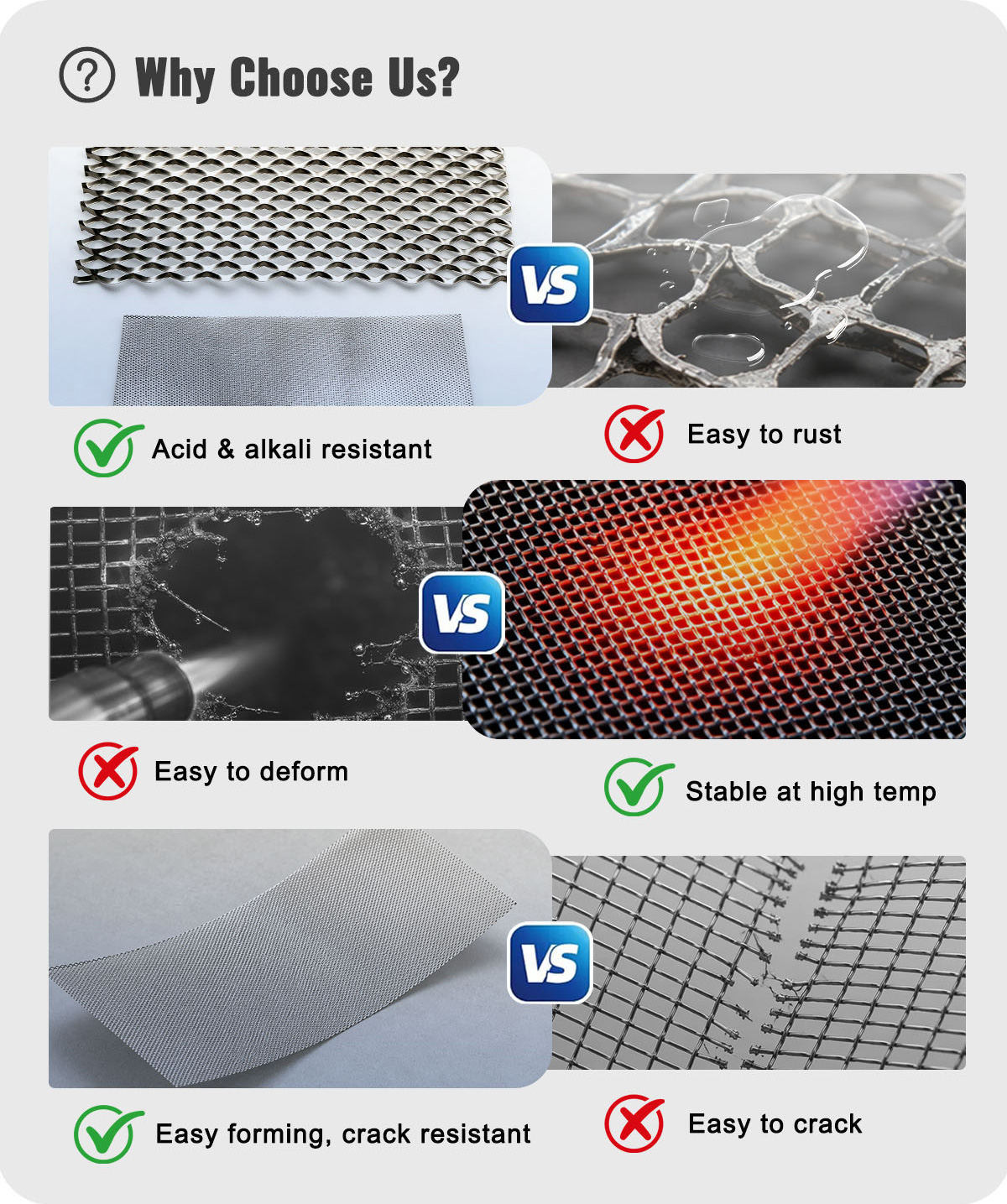
- Unrivaled Electrochemical Stability: The use of high-purity Ni200/Ni201 ensures that the electrode substrate remains inert and structurally sound in 30% KOH at temperatures up to 100°C.
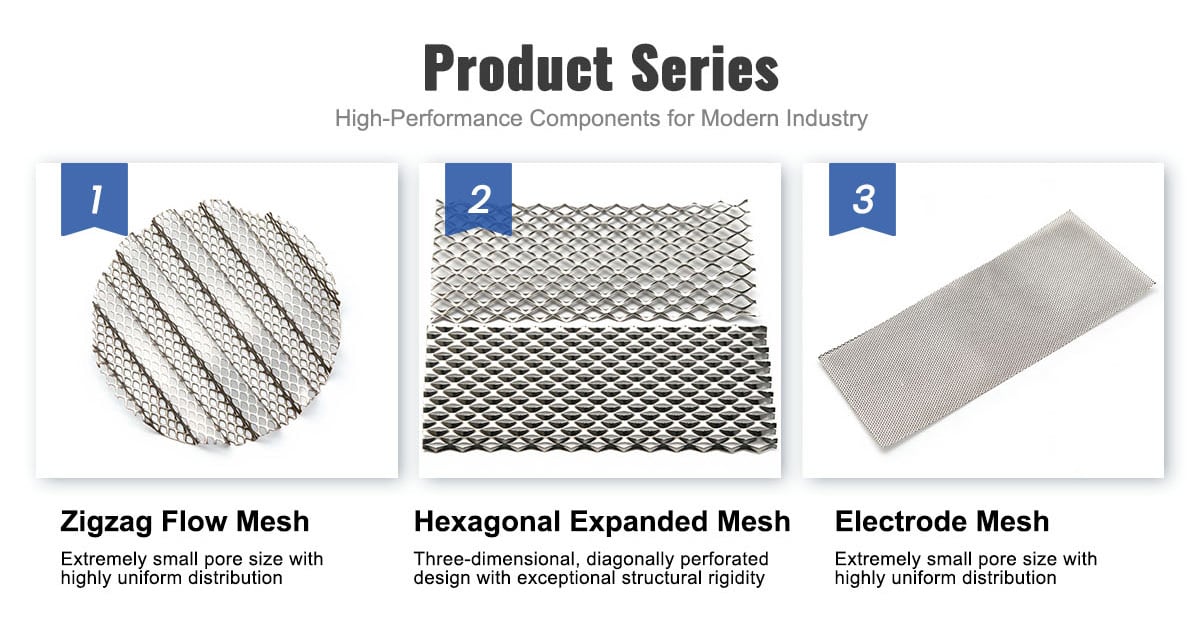
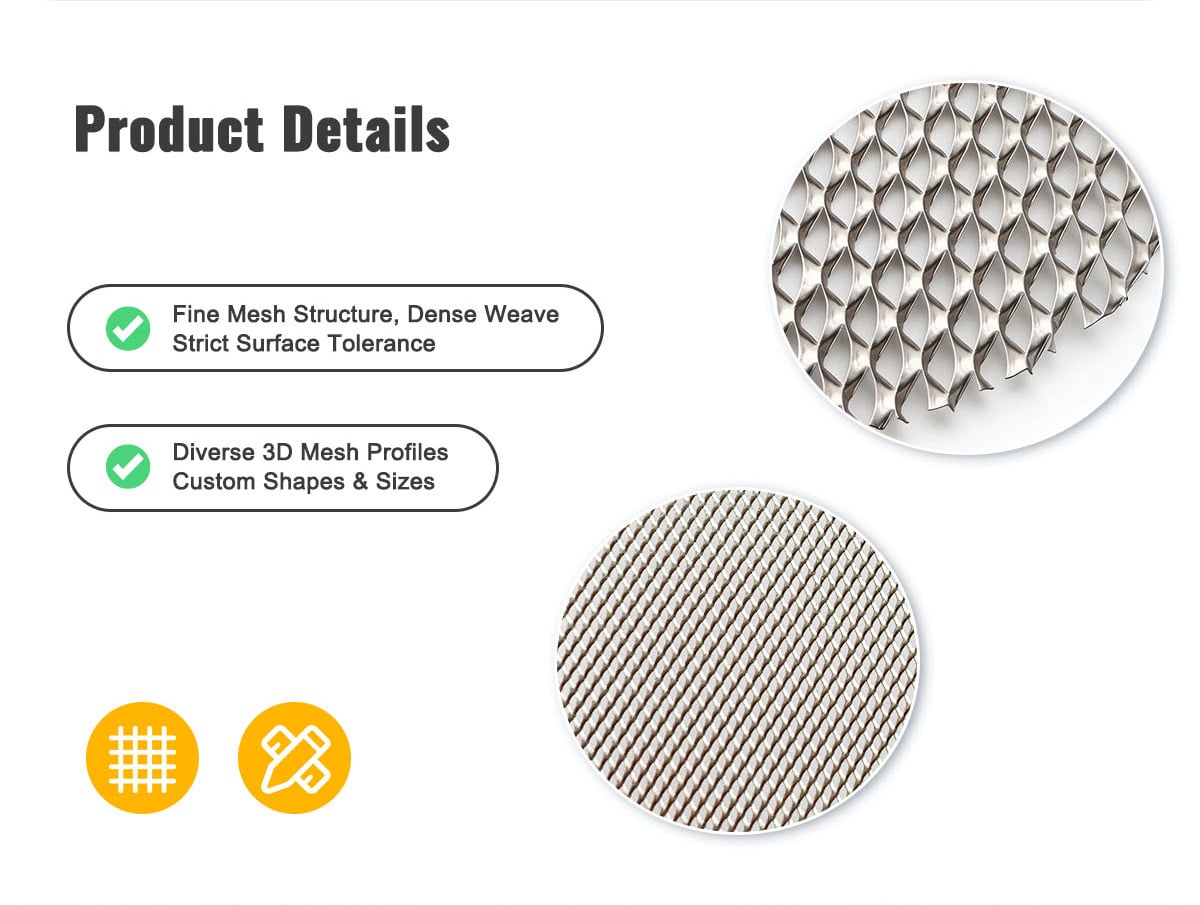
- Enhanced Mass Transfer: The three-dimensional "zigzag" orientation of the strands generates micro-turbulence in the electrolyte, breaking the surface tension and continuously exposing fresh electrolyte to the catalytic sites.
- Superior Mechanical Rigidity: Stretched from solid strip, the mesh provides a stable, flat platform that resists warping under the high compressive forces of a multi-megawatt electrolyzer stack.
- High Effective Surface Area: The hexagonal pattern provides an optimal balance between open area (for bubble release) and specific surface area (for catalyst loading), maximizing hydrogen production per square centimeter.
Overview –Pure Nickel Hexagonal Expanded Mesh
In the rapidly expanding green hydrogen market, project delays often stem from the long lead times of high-precision electrode materials. DLX addresses this bottleneck with our dedicated inventory of Pure Nickel Hexagonal Expanded Mesh. Specifically designed for Alkaline Water Electrolysis (AWE), our Ni200 and Ni201 meshes (≥99.6% purity) are maintained in standard thicknesses and aperture sizes for immediate dispatch. By eliminating the typical 4-6 week production wait, DLX enables electrolyzer manufacturers to accelerate stack assembly and meet critical commissioning deadlines. Each roll is pre-degreased and structural-integrity verified, ensuring your electrodes provide consistent conductivity and bubble-detachment efficiency from day one.
.
Features – Hexagonal Expanded Mesh Electrolyzer

Applications – Pure Nickel Hexagonal Expanded Mesh
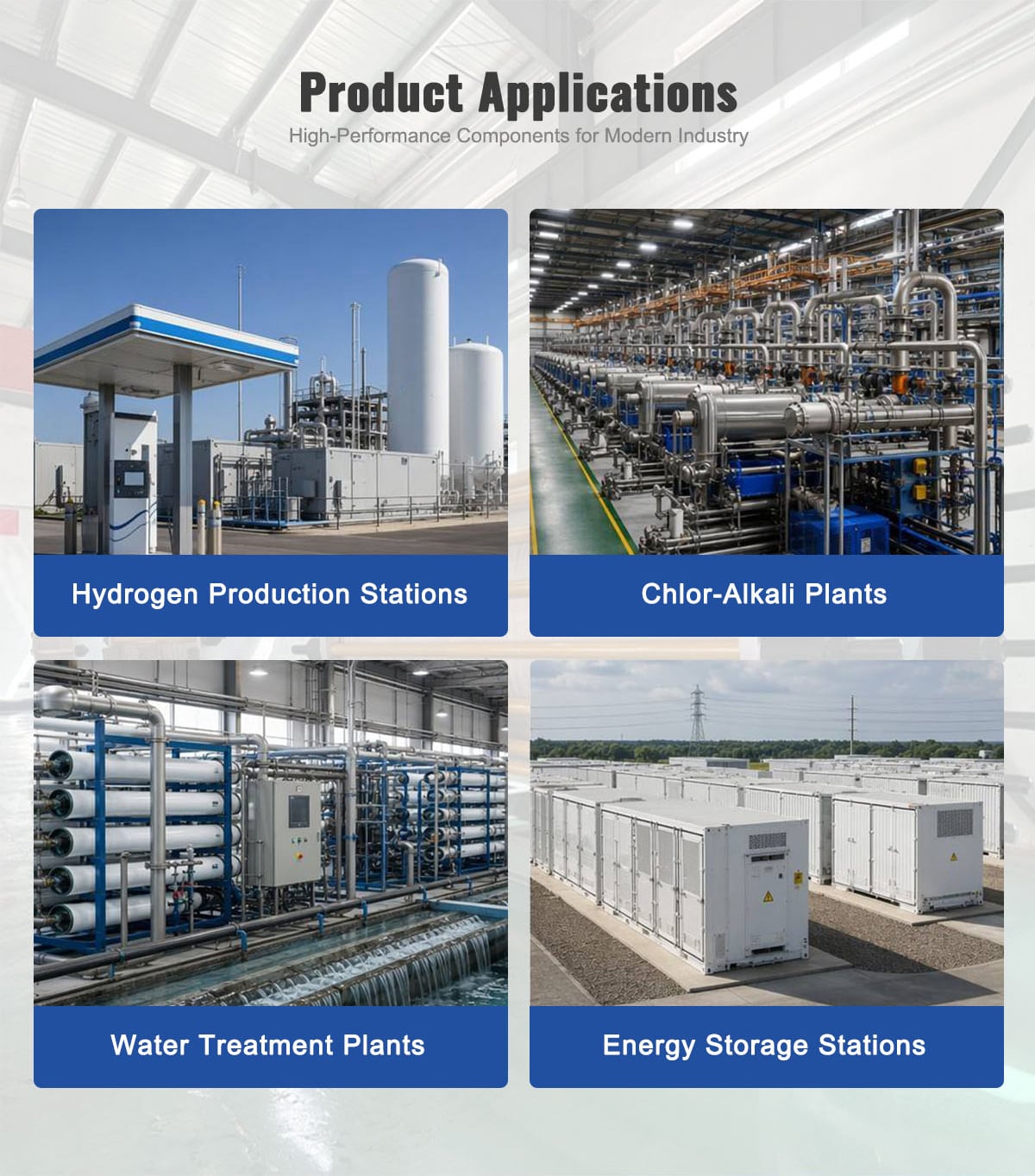
- Alkaline Water Electrolysis (AWE): As the primary anode/cathode substrate for high-efficiency industrial hydrogen production stacks.
- Proton Exchange Membrane (PEM) Support: Serving as the gas diffusion layer (GDL) support in aggressive environments where titanium or nickel is required.
- Fuel Cell Anodes: Providing a robust, high-conductivity current collector for direct-methanol or alkaline fuel cells.
- Nickel-Iron & Nickel-Cadmium Batteries: Utilized as a high-density current collector and active material carrier in energy storage systems.
- Chlor-Alkali Industry: As electrode internals for membrane cells where extreme chlorine and alkali resistance is mandatory.
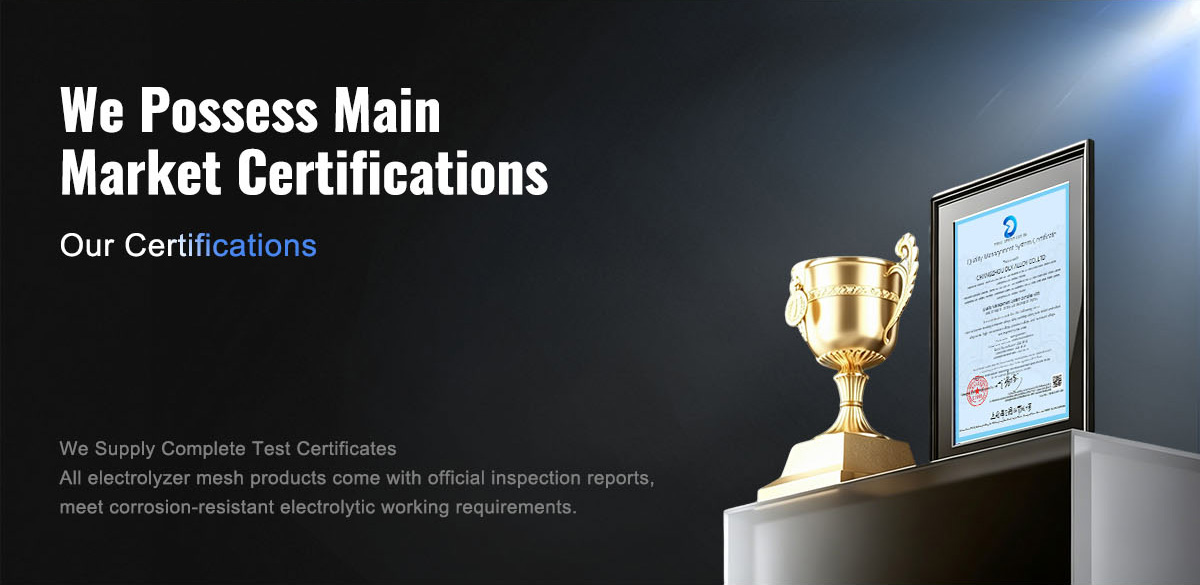
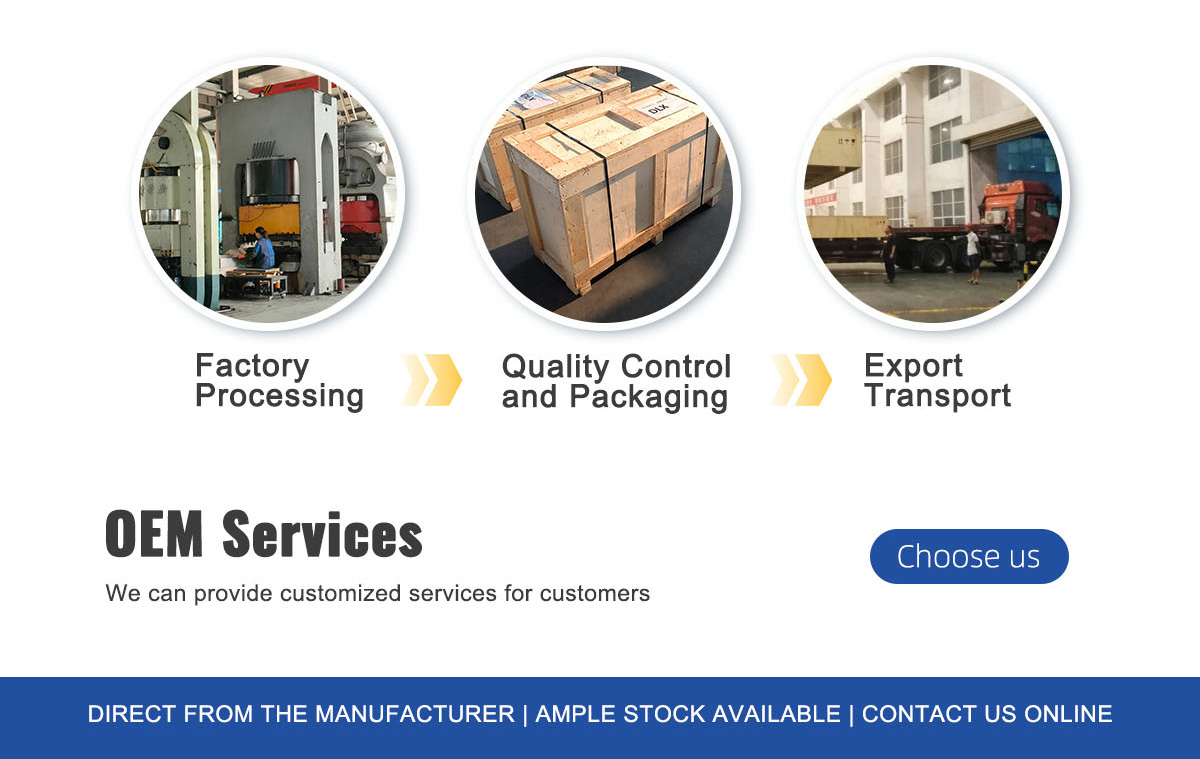
With over 22 years of industry experience, Changzhou DLX Alloy Co., Ltd. has established itself as a global leader in the research, development, and production of high-performance nickel-based alloys. Our state-of-the-art facility in Jiangsu, China, is ISO 9001 and SGS certified, ensuring that every product meets rigorous international quality standards.
- Global Export Expertise: We serve major hydrogen energy and industrial sectors across Europe, the Americas, and Southeast Asia, providing specialized OEM/ODM services for complex electrode designs.
- R&D Excellence: Our team focuses on material innovation, ensuring our Nickel Expanded Metal products remain at the forefront of the green energy transition.
- Quality Commitment: From raw material selection to final precision expansion, we maintain 100% traceability and quality control to ensure your electrolyzer stacks operate at peak efficiency.
FAQ – Pure Nickel Hexagonal Expanded Mesh
Q1: What is the difference between Ni200 and Ni201 pure nickel hexagonal expanded mesh?
A: Ni200 is the standard high-purity pure nickel grade (≥99.6% Ni). Ni201 is the low-carbon variant, preferred for higher-temperature service because it offers better resistance to intergranular corrosion. Both are excellent for electrolyzer electrode applications.
Q2: Why is the hexagonal expanded mesh design preferred for electrolyzer electrodes?
A: The hexagonal expanded structure provides uniform openings, high open area, and excellent mechanical strength. This improves current distribution, accelerates gas bubble detachment, and enhances overall efficiency in water electrolysis and hydrogen production systems.
Q3: Can the hexagonal expanded mesh specifications be customized?
A: Yes. We customize thickness, strand width, hexagonal opening size (LWD/SWD), overall dimensions, and surface condition to match exact electrolyzer electrode and hydrogen equipment requirements.
Q4: Is this pure nickel expanded mesh suitable for zero-gap alkaline electrolyzers?
A: Absolutely. The pure nickel hexagonal expanded mesh electrode offers the conductivity, corrosion resistance, and dimensional stability needed for zero-gap configurations in alkaline water electrolyzers.