EN

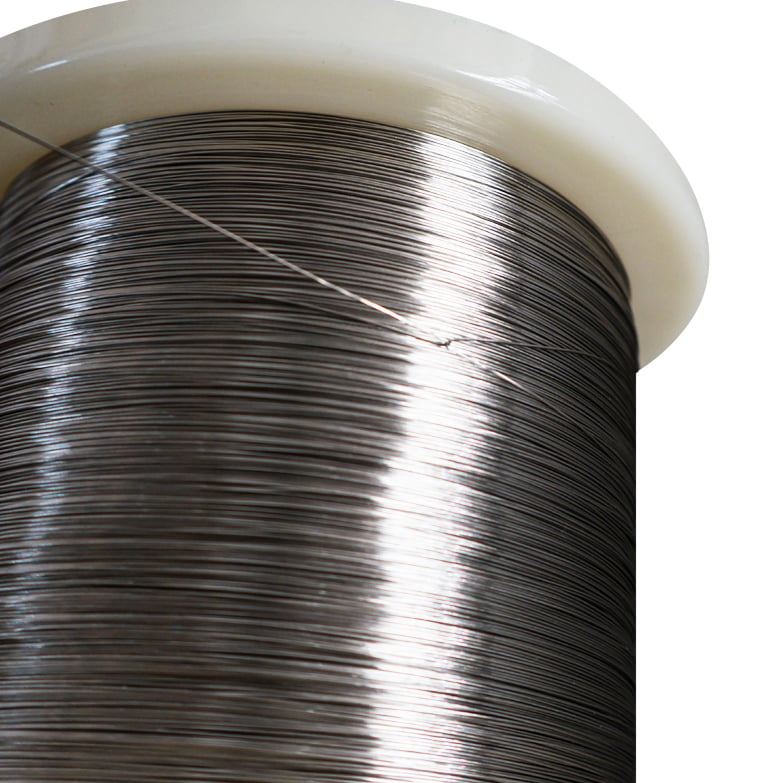
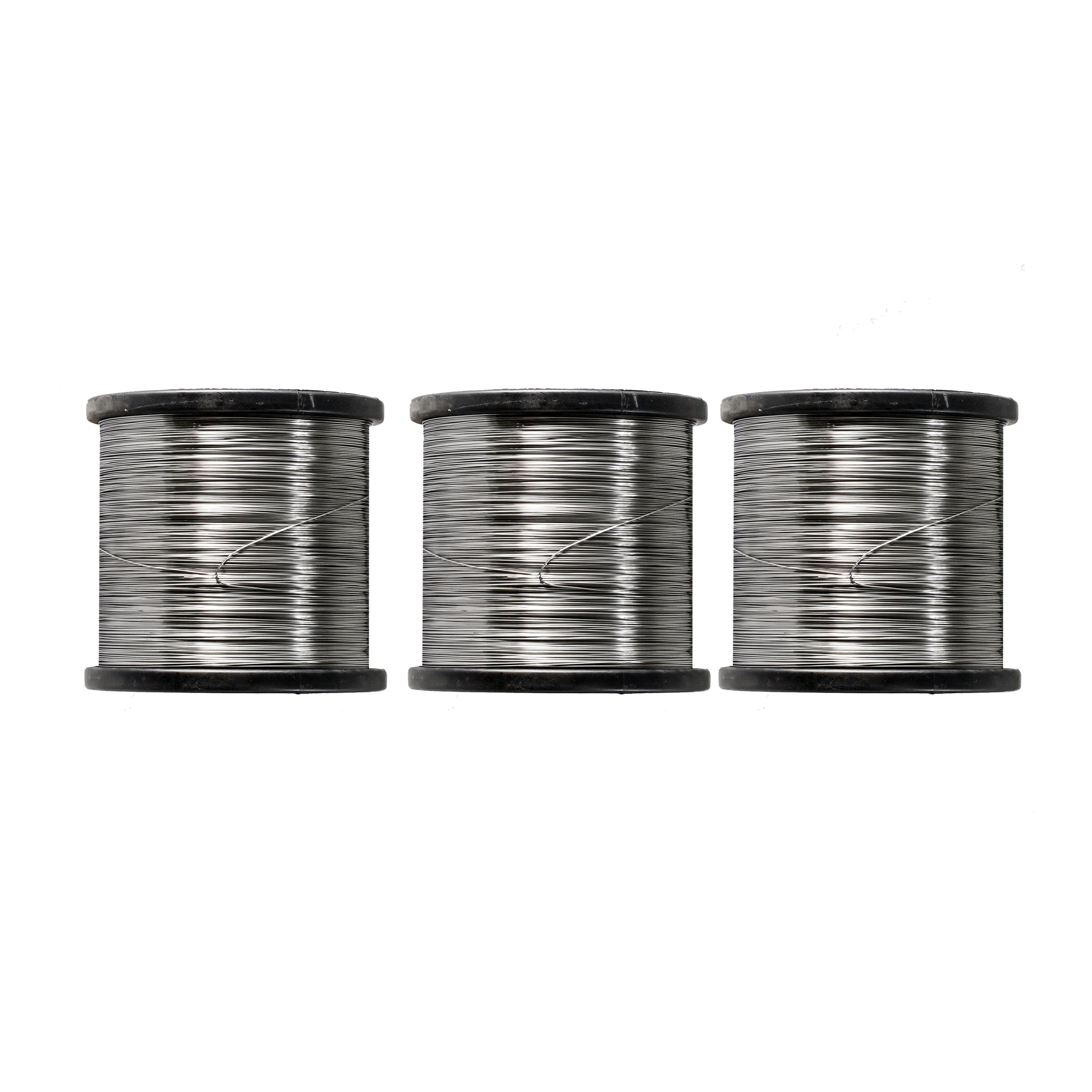
Ultra-Stable Resistance Wire NiCr20AlSi 1.33μΩ·m for Precision Resistors
Engineered with premium vacuum induction melting and ultra-fine drawing technology, our NiCr20AlSi nickel-chromium-aluminum-silicon alloy wire delivers near-zero temperature coefficient of resistance (TCR), exceptional ohmic stability, and minimal thermal EMF against copper for high-tier precision resistors, current shunts, and instrumentation.
- Overview
- Specifications
- Features
- Applications
- About DLX
- FAQ
- Recommended Products
- High Resistivity with Reduced Component Footprint: Enables compact resistor winding and ultra-thin foil etching.
- Controlled Temperature Coefficient: Near-flat resistance-temperature curve across extreme operating temperatures.
- Negligible Thermal EMF vs. Copper: Suppresses thermoelectric voltage generation at terminal joints, ensuring steady DC signal transmission.
- Extended Service Life: A dense, self-healing Al2O3 and Cr2O3 passivated oxide film forms during heat treatment, preventing internal oxidation and drift over prolonged thermal cycling.
Product Overview
In modern electrical measurement, aerospace control, and precision sensor manufacturing, thermal drift and contact potential differences are the primary sources of measurement error. NiCr20AlSi alloy wire solves these challenges through balanced aluminum and silicon micro-alloying within a high-purity nickel-chromium matrix.
Key metallurgical highlights include:
Technical Specifications
Table 1: Nominal Chemical Composition (Weight %)
| Element | Symbol | Nominal Content (wt. %) |
|---|---|---|
| Nickel | Ni | Balance |
| Chromium | Cr | 19.0% - 21.0% |
| Aluminum | Al | 3.0% - 4.5% |
| Silicon | Si | 1.0% - 2.0% |
| Manganese | Mn | ≤ 0.50% |
| Iron | Fe | ≤ 1.00% |
| Carbon | C | ≤ 0.05% (Controlled Ultra-Low) |
| Phosphorus | P | ≤ 0.020% (Controlled Ultra-Low) |
| Sulfur | S | ≤ 0.015% (Controlled Ultra-Low) |
Table 2: Physical, Thermal & Electrical Properties
| Property Parameter | Test Condition / Unit | Nominal Value / Range |
|---|---|---|
| Electrical Resistivity () | at 20°C () | 1.33 - 1.40 |
| Electrical Resistivity () | at 20°C () | 133 - 140 |
| Temperature Coefficient of Resistance (TCR) | -55°C to +125°C () | 5 to 10 (Custom Tuning Available) |
| Thermal EMF against Copper | 0°C to 100°C () | < +1.0 |
| Density | 8.10 | |
| Melting Point | 1390 - 1420 | |
| Thermal Conductivity | at 20°C () | 14.5 |
| Linear Expansion Coefficient | 20°C to 100°C () | 13.2 |
| Tensile Strength () | Annealed State () | 680 - 950 |
| Elongation () | Annealed State () | 15% - 25% |
Table 3: Product Dimensions, Precision Tolerances & Delivery Specifications
| Product Form | Dimension Range | Diameter / Thickness Tolerance | Available Delivery States | Standard Packaging |
|---|---|---|---|---|
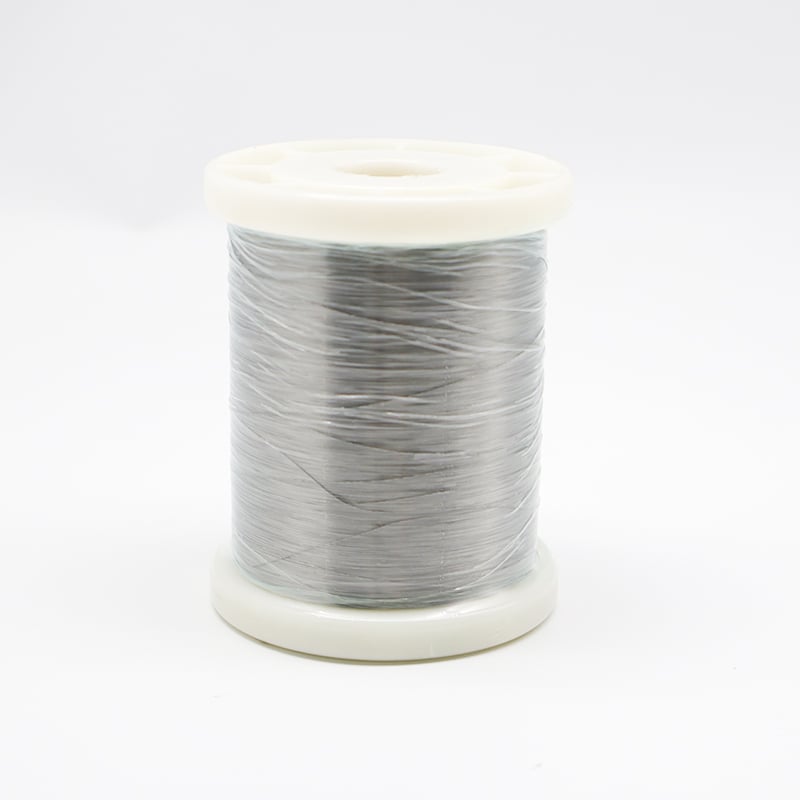
| Ultra-Fine Wire | Bright Annealed (Soft), Light Oxidized | Precision DIN Spools (DIN 80, DIN 100) with Dust & Moisture Barrier | ||
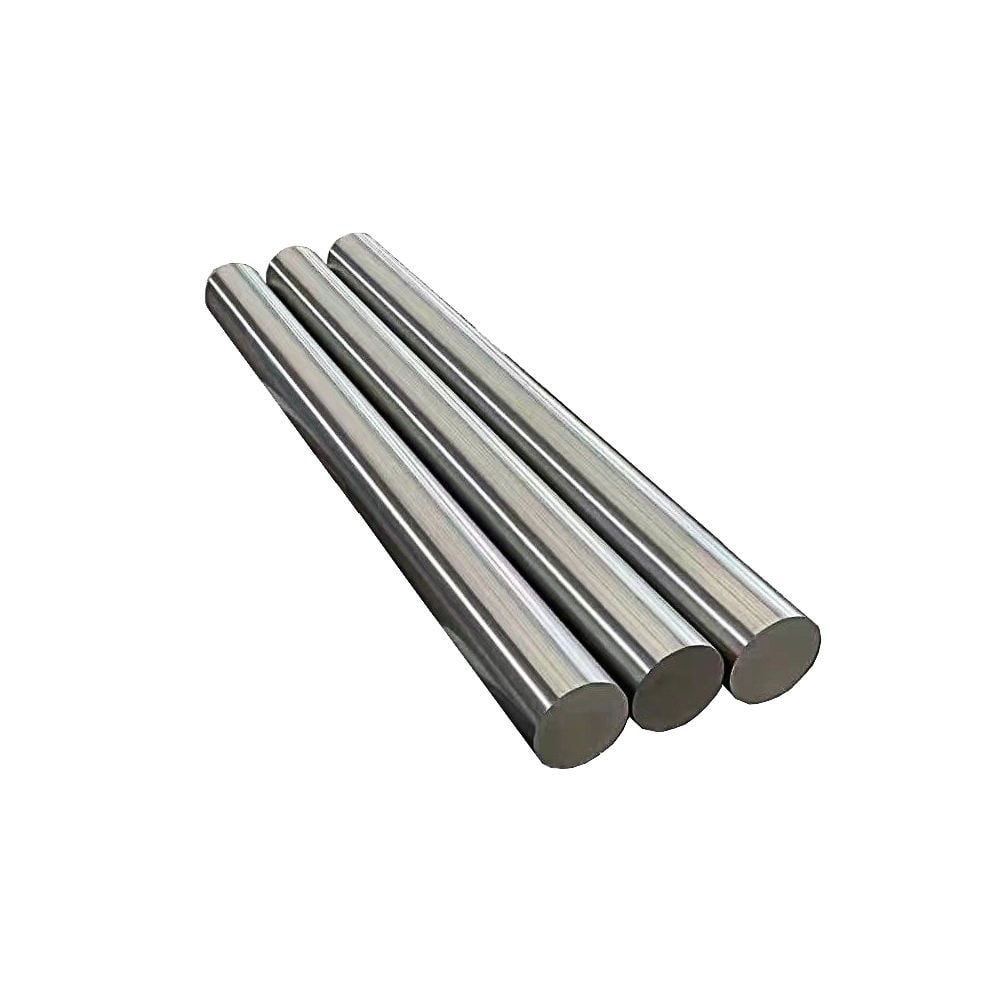
| Standard Round Wire | Bright Annealed, Hard Drawn, Custom Heat-Treated | Precision DIN Spools (DIN 125, DIN 160, DIN 200) / Coils in Cartons | ||
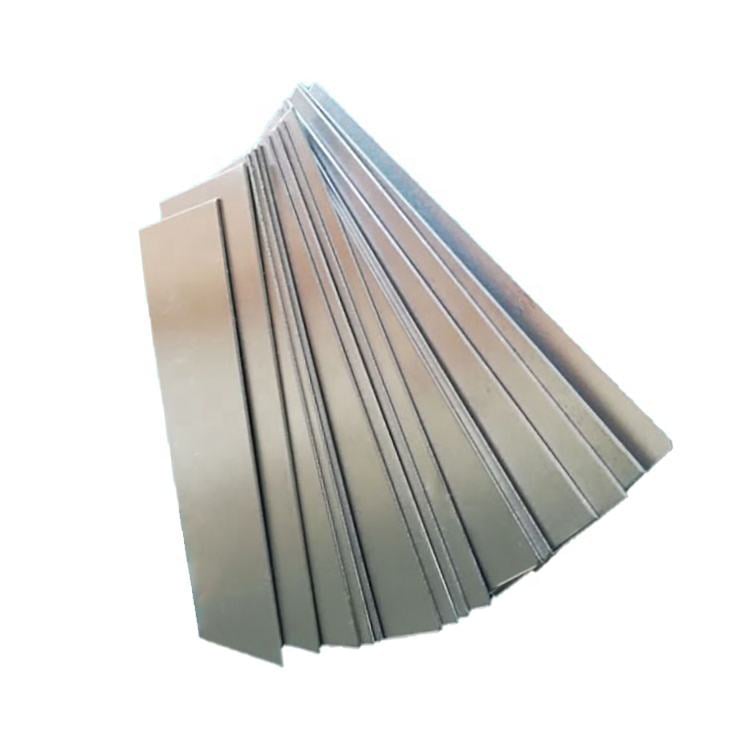
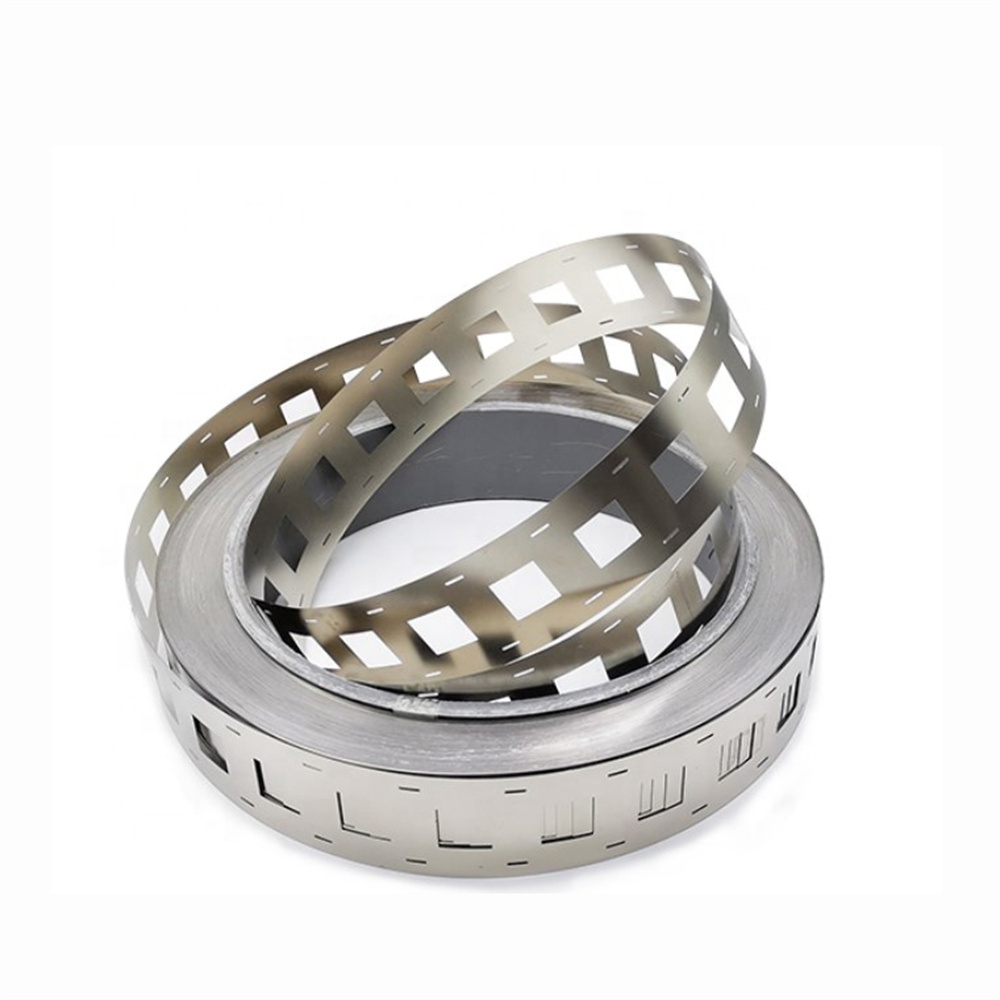
| Flat Wire & Ribbon | Thickness: Width: |
Thickness: Width: |
Soft Annealed, Light Pre-Stabilized, Hard Rolled | Continuous Knot-Free Spools / Pancake Coils |
Key Performance Features
-
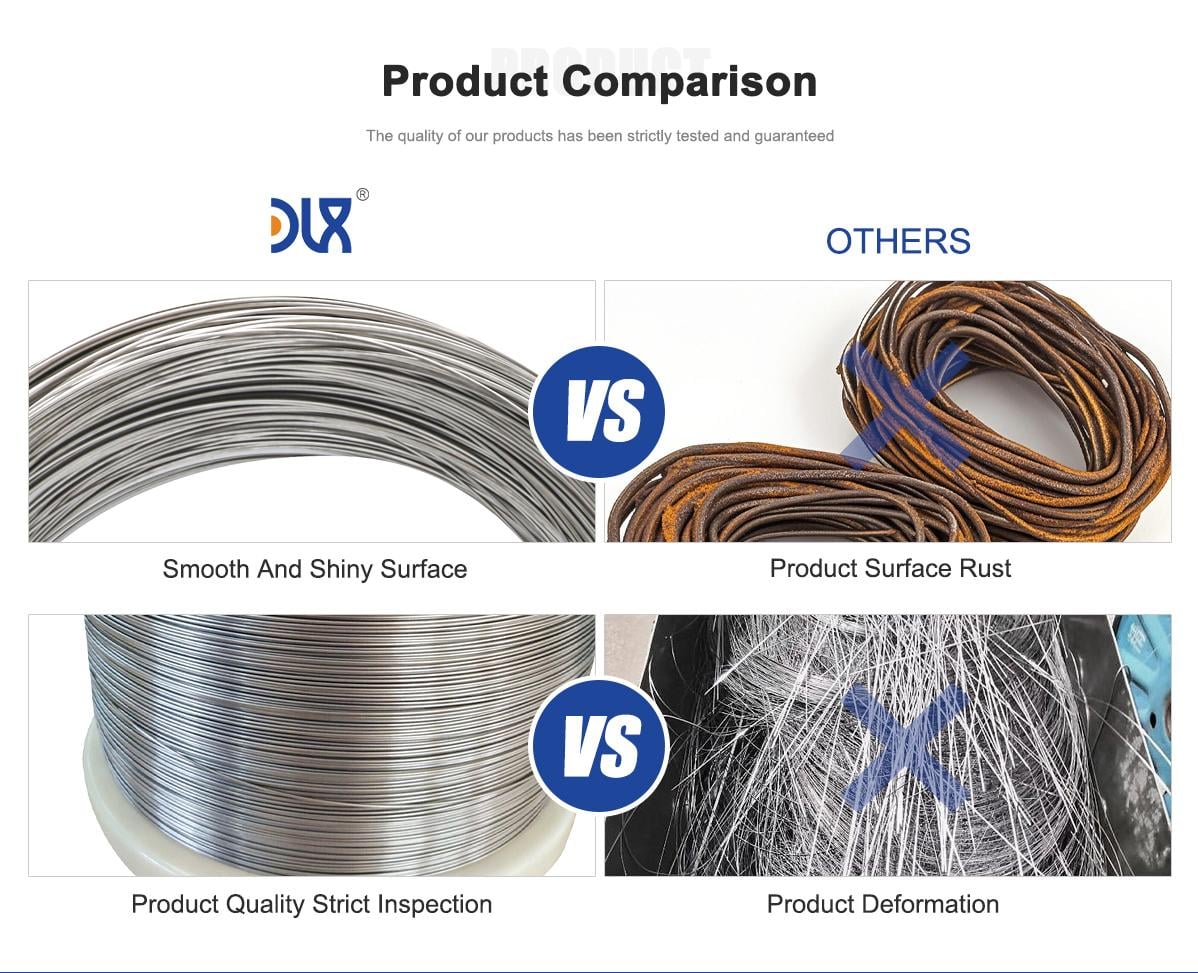
Ultra-Low Thermal Resistance Drift (Near-Zero TCR) Strict vacuum metallurgy and controlled stabilization annealing yield an exceptionally flat resistance-temperature curve, maintaining stable ohmic values under harsh environmental temperature swings.
-
Negligible Thermoelectric Potential Against Copper Thermal EMF values under 1.0 μV/°C against copper eliminate parasite voltage offsets in DC metering circuits, standard resistance boxes, and high-frequency shunt systems.
-
Exceptional Long-Term Metallurgical and Ohmic Stability Micro-alloyed aluminum and silicon stabilize grain boundaries, preventing structural phase transformation and resistance shift during extended high-temperature shelf life.
-
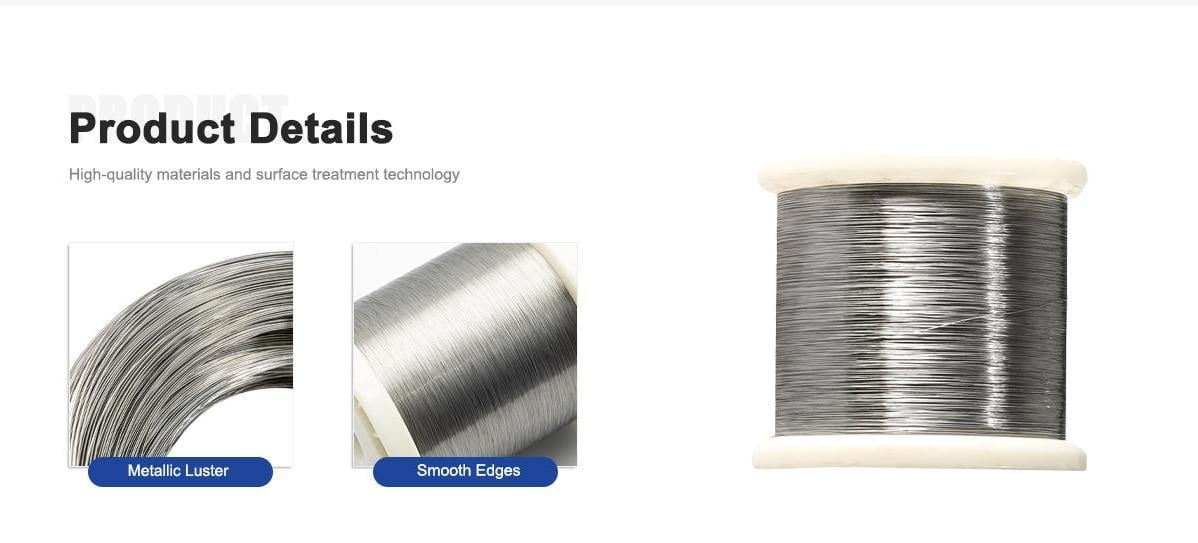
Consistent Linear Resistance and Surface Integrity Processed through laser-calibrated diamond drawing dies, every spool achieves linear resistance deviation within ±1.5%, free from scratches, burrs, or surface micro-voids.
-
High Corrosion and High-Temperature Oxidation Resistance Forms a stable protective oxide barrier, resisting atmospheric degradation, industrial humid environments, and mild chemical exposure.
Industrial Applications
-
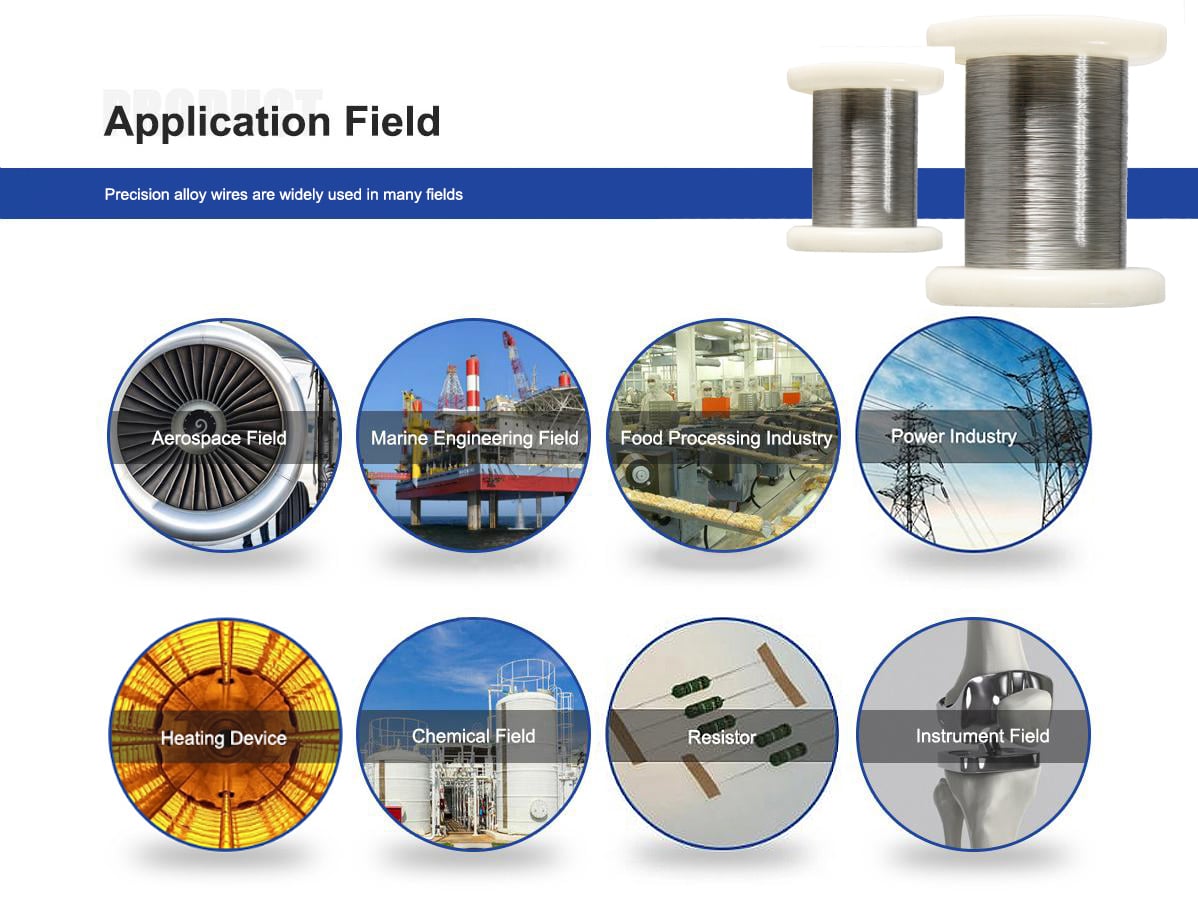
Precision Wirewound Resistors: Crucial for high-reliability medical equipment, power grid monitoring, and defense electronic modules.
-
Metal Foil & Shunt Resistors: Used in automotive battery management systems (BMS), high-precision current sensing, and power electronics.
-
Standard Resistance Boxes & Metrology Instruments: Fundamental resistance elements in calibration laboratories and primary reference standards.
-
Strain Gauge Sensing Elements: High-sensitivity, low-temperature-drift sensing foils for aerospace structural monitoring and load cells.
-
Precision Potentiometers & Voltage Dividers: Wear-resistant, linear resistance tracks for industrial automation and navigation avionics.
Why Choose DLX Alloy
-
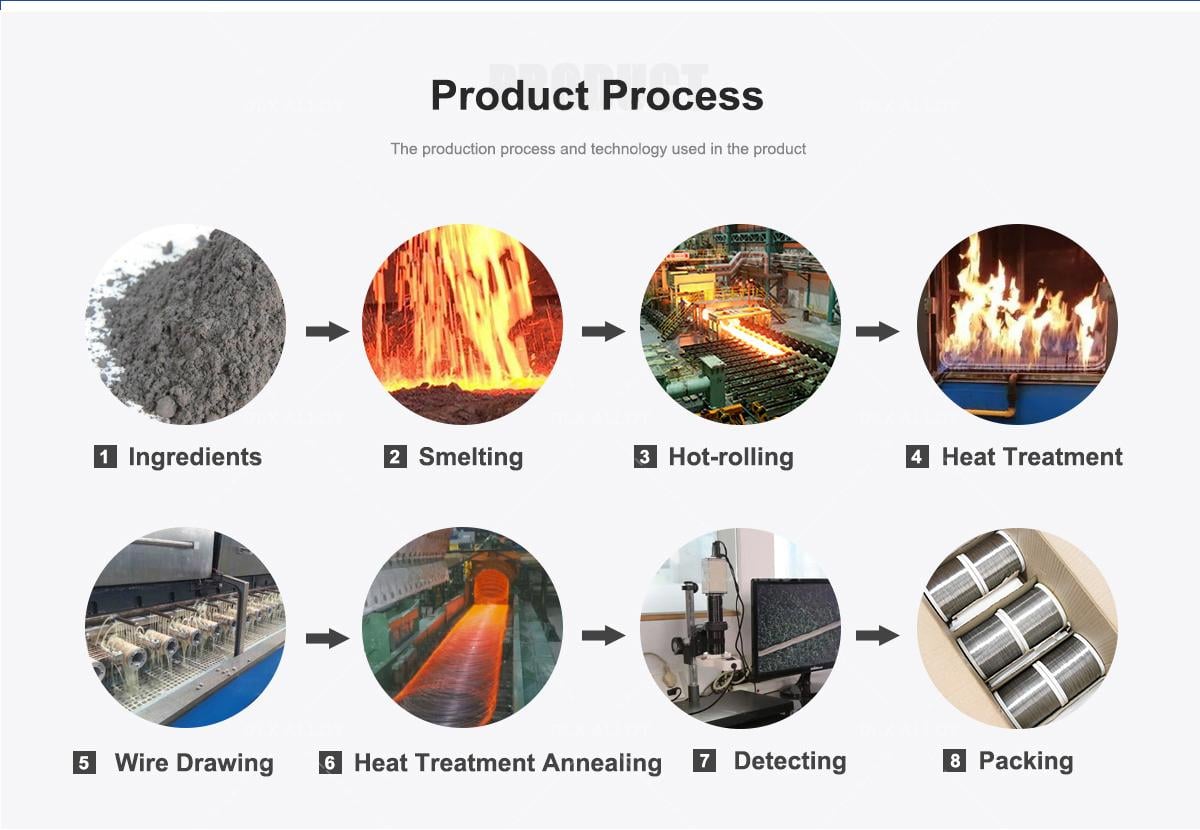
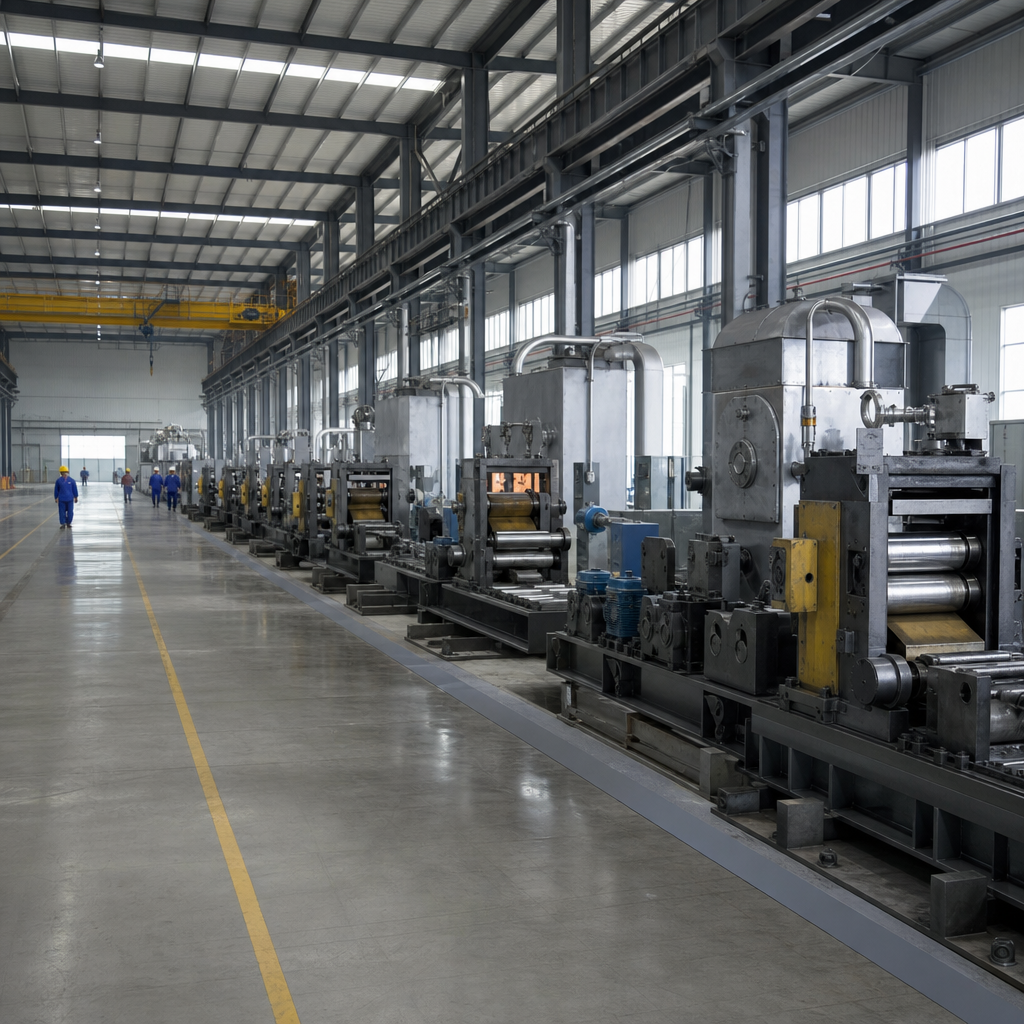
Full In-House Process Control: Complete integration from vacuum induction melting (VIM), electroslag remelting (ESR), hot forging, wire drawing to protective atmosphere heat treatment.
-
Large-Scale Industrial Capacity: Monthly manufacturing capability of 1,200 tons ensures reliable supply chains, rapid batch replication, and competitive lead times.
-
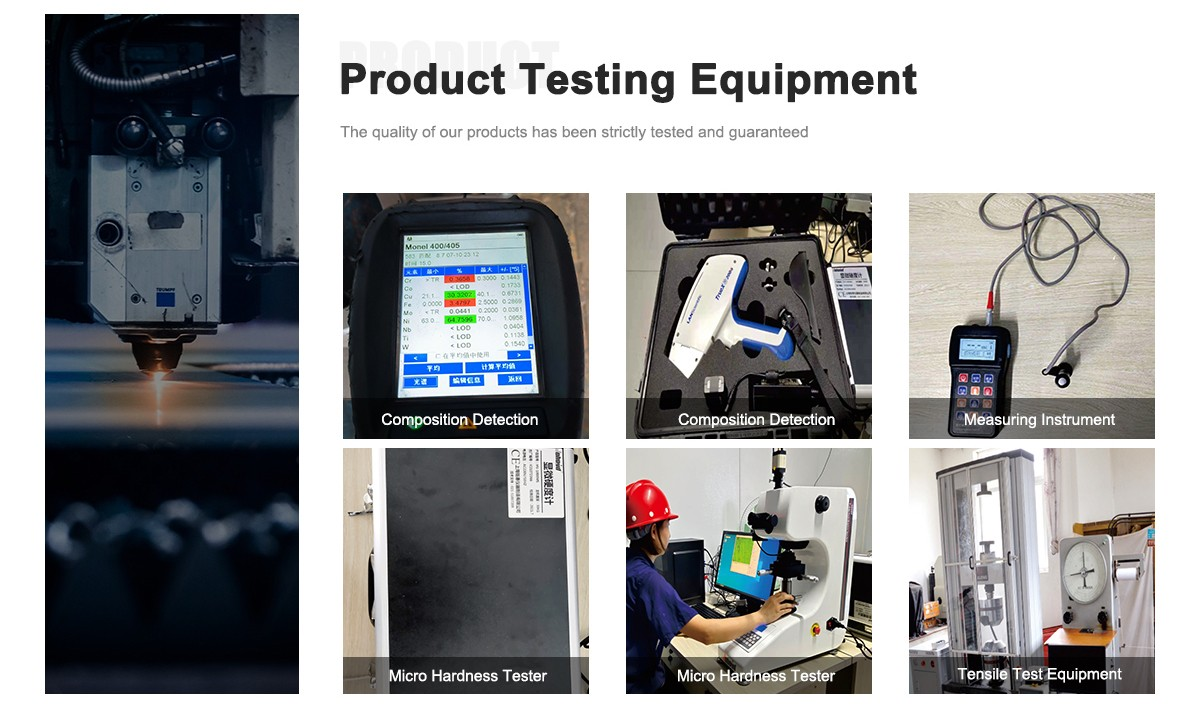
100% Traceable Quality Assurance: Continuous laser micrometer monitoring, digital bridge linear resistance verification, and optical spectrometry analysis per production heat.
-
Flexible Technical Customization: Tailored TCR matching, spooling configurations, and custom flat strip dimensions to meet specific OEM manufacturing lines.
-
Global B2B Export Experience: Direct manufacturer support for international electronics manufacturers, distributors, and engineering teams with full technical documentation.
Frequently Asked Questions
Q1: What TCR accuracy grades can DLX Alloy provide for NiCr20AlSi wire?
A1: Through selective vacuum alloying and controlled secondary annealing, we supply NiCr20AlSi wire with TCR grades of ±5 ppm/°C, ±10 ppm/°C, and ±15 ppm/°C across standard temperature ranges (-55°C to +125°C). Specific customized TCR curves can be tailored upon engineering request.
Q2: How does NiCr20AlSi compare with Constantan (CuNi44) and Manganin (CuMn12Ni)?
A2: NiCr20AlSi offers significantly higher electrical resistivity (1.33 μΩ·m vs. 0.49 μΩ·m for Constantan and 0.43 μΩ·m for Manganin), allowing for higher resistance values in smaller footprints. Additionally, NiCr20AlSi exhibits superior oxidation resistance and mechanical tensile strength at elevated operating temperatures.
Q3: What quality documentation is included with each commercial batch?
A3: Every shipment is supplied with a comprehensive Manufacturer Quality Certificate detailing actual chemical melt composition, precise diameter measurements, linear resistance (Ω/m), TCR verification curve data, tensile strength, and surface inspection records.
Q4: What are the standard packaging and minimum order requirements?
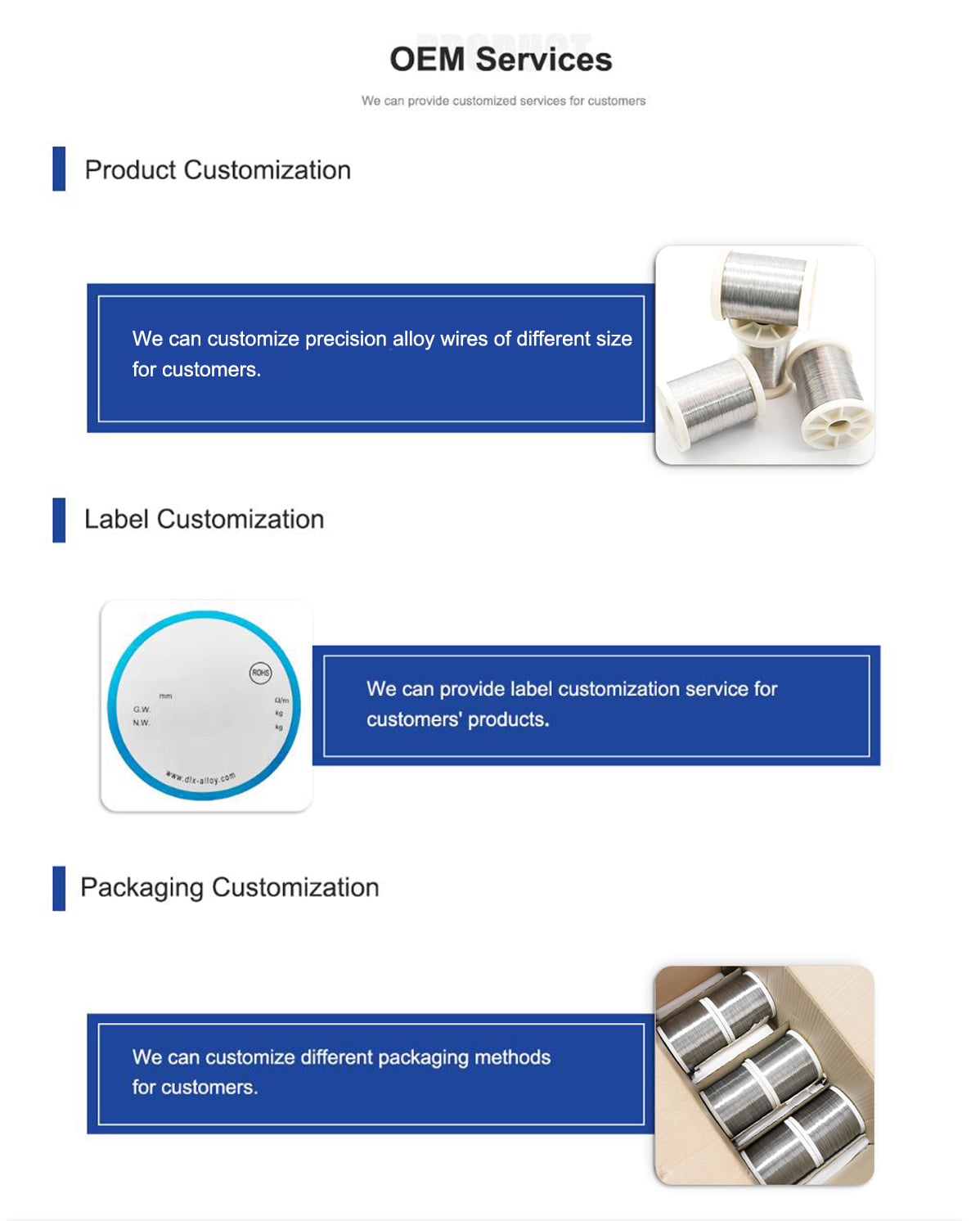
A4: Fine wires are supplied on precision DIN spools with protective shrink film and export-grade carton/pallet packaging to prevent wire crossing and oxidation. As an agile manufacturer, we support prototype development runs as well as full-scale container orders based on customer wire diameter and spooling specifications.