EN

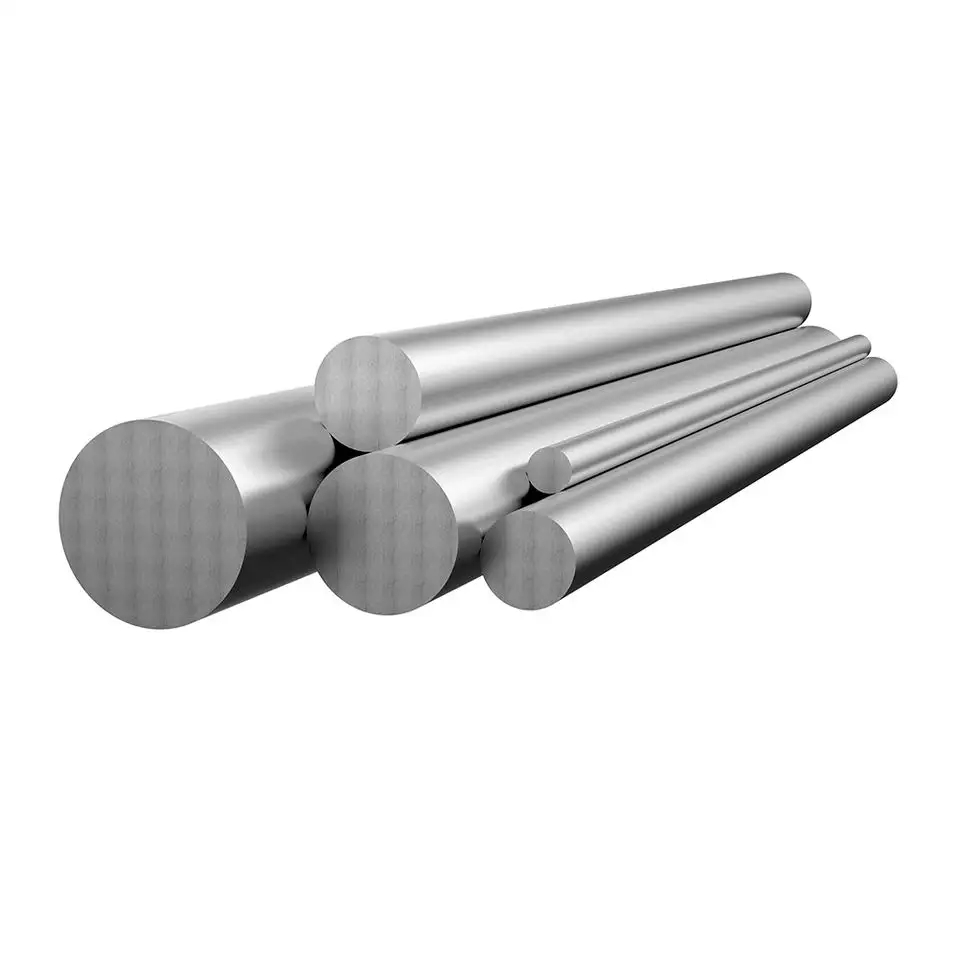
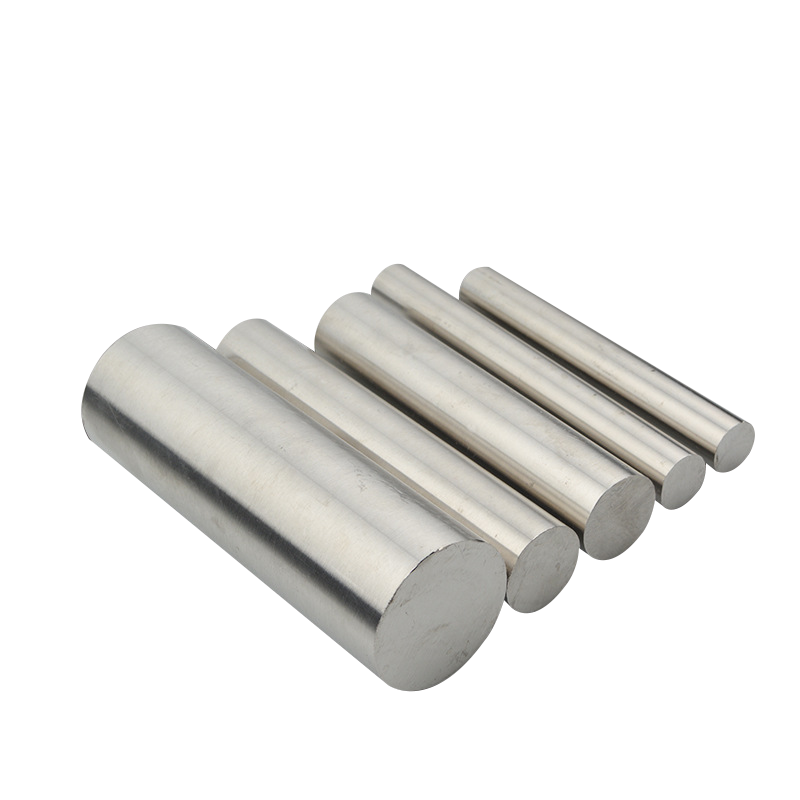
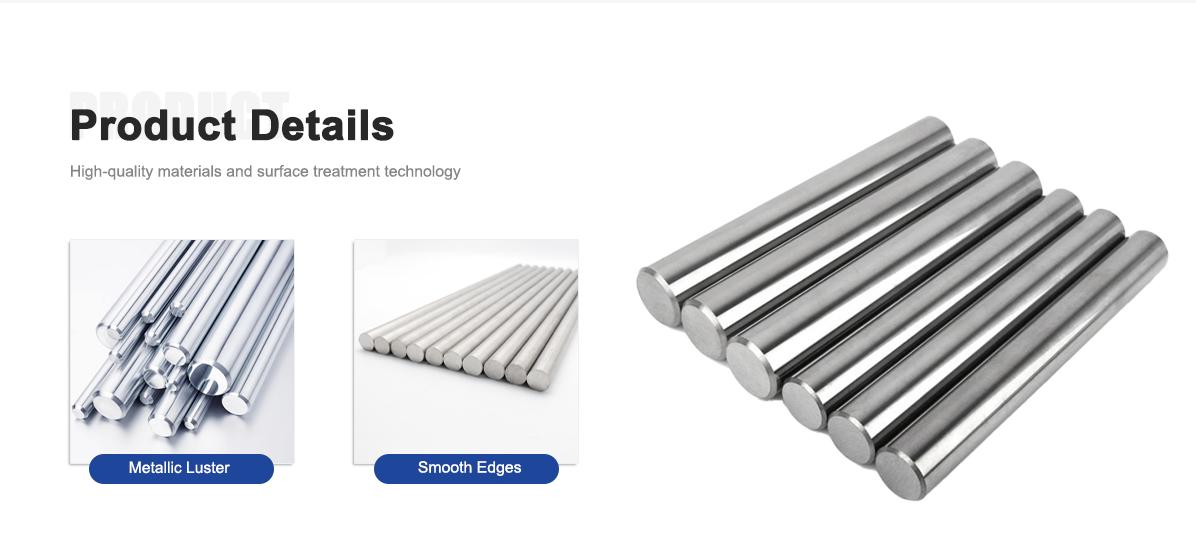
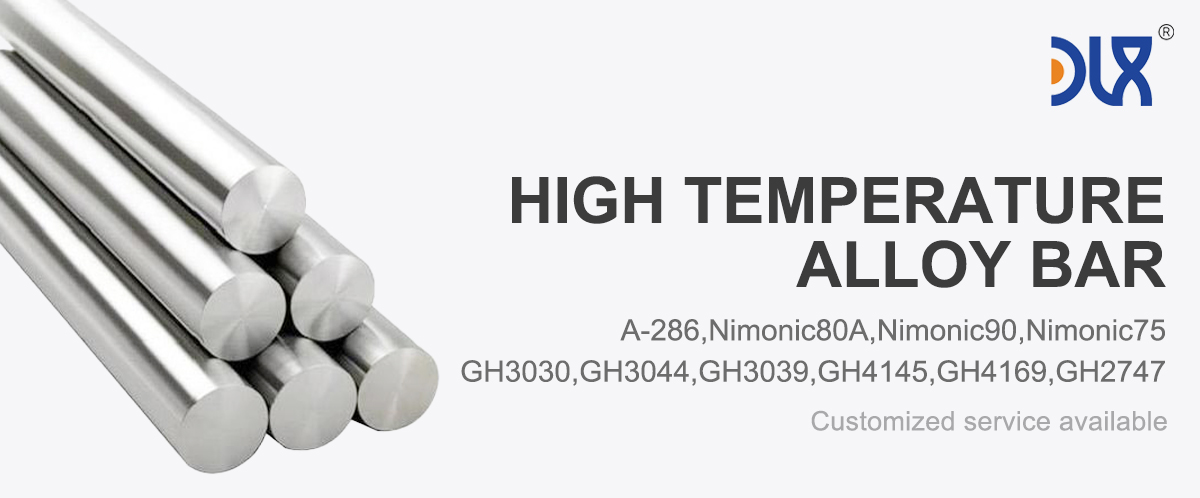
Aerospace Nickel Superalloy Bar GH3039 20mm for Engine Parts
Premium 20mm GH3039 nickel superalloy bar engineered for aerospace engine parts. Features oxidation resistance up to 1000°C, high thermal fatigue strength, and VIM+ESR metallurgical purity for critical high-temperature components.
- Overview
- Specifications
- Features
- Applications
- Why-Us
- FAQ
- Recommended Products
Product Overview
The GH3039 nickel-based superalloy bar (20mm) is a single-phase austenitic solid-solution strengthened alloy meticulously formulated with balanced chromium, molybdenum, aluminum, and titanium additions. Designed specifically for critical aerospace propulsion systems, this high-performance alloy bar maintains remarkable microstructural stability, high thermal fatigue resistance, and moderate creep-rupture strength in continuous high-temperature service up to 800°C.
Manufactured through a double-melt metallurgy process (VIM+ESR), each 20mm round bar features exceptional metallurgical cleanliness, uniform grain size distribution, and isotropic mechanical properties. The material exhibits outstanding cold forming capability, seamless weldability, and resistance to high-temperature gas corrosion, making it the preferred choice for aerospace engine fabrications and extreme-duty industrial thermal assemblies.
Technical Specifications & High-Purity Chemical Matrix
1. Chemical Composition (Nominal % Matrix)
| Element | Content (%) |
|---|---|
| Nickel (Ni) | Balance |
| Chromium (Cr) | 19.00 – 22.00 |
| Molybdenum (Mo) | 1.80 – 2.50 |
| Aluminum (Al) | 0.35 – 0.75 |
| Titanium (Ti) | 0.35 – 0.75 |
| Iron (Fe) | ≤ 3.00 |
| Carbon (C) | ≤ 0.08 |
| Silicon (Si) | ≤ 0.80 |
| Manganese (Mn) | ≤ 0.40 |
| Phosphorus (P) | ≤ 0.020 |
| Sulfur (S) | ≤ 0.012 |
2. Physical & Mechanical Performance Benchmark
|
Property Parameter |
Typical Value / Engineering Benchmark |
|---|---|
|
Density |
|
|
Melting Point Range |
|
|
Recommended Solution Treatment |
|
|
Tensile Strength () at |
|
|
Yield Strength () at |
|
|
Elongation () at |
|
|
High-Temperature Oxidation Limit |
Superior resistance up to in dynamic airflow |
|
Ultrasonic Defect Control |
|
|
Dimensional Tolerance |
Key Features: Why GH3039 Excels in Aero-Engine Thermal Zones
1. Superior Oxidation Resistance up to 1000°C
Formulated with 19–22% Chromium and Al/Ti additions to build a dense protective oxide layer, preventing gas erosion and surface spallation under continuous thermal cycles.
2. Stable Austenitic Matrix & Thermal Fatigue Strength
Maintains single-phase structural stability between 600°C–800°C without brittle phase precipitation, ensuring high cyclic shock resistance during engine throttle changes.
3. VIM+ESR Dual-Vacuum Cleanliness
Refined via Vacuum Induction Melting and Electroslag Remelting for ultra-low gas content, zero internal defects, and smooth high-speed CNC precision turning.
4. Excellent Weldability & Hot Workability
Solid-solution ductility eliminates post-weld strain-age cracking, supporting seamless TIG, plasma, and electron-beam welding with easy hot-forging capability.
Critical Industrial Applications
-
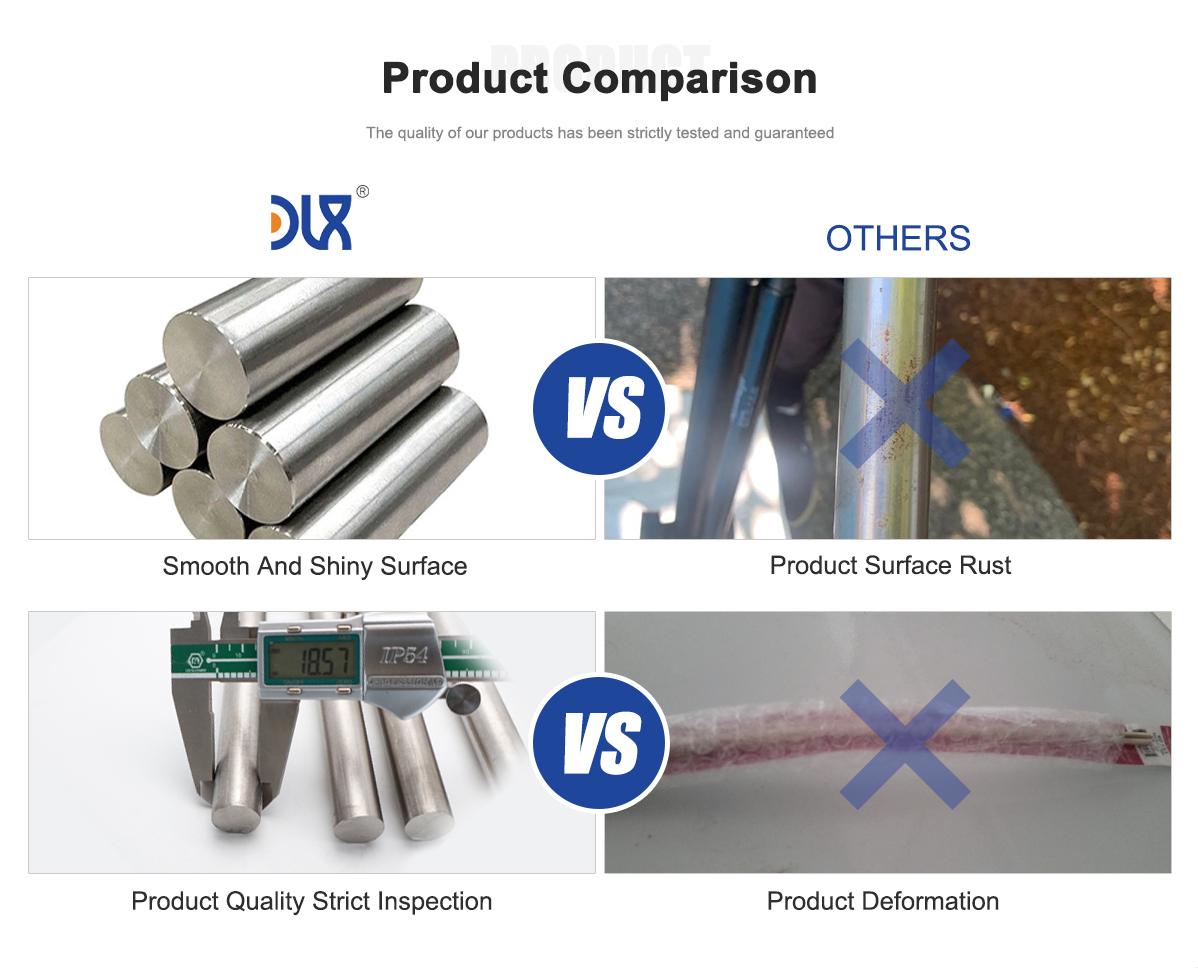
Aero-Engine Combustion Chambers & Liners: Fabricated into combustion flame tubes, fuel nozzle rings, and swirlers operating directly in hot combustion gas zones.
-
Afterburner Flame Stabilizers & Ducts: Structural components enduring rapid temperature fluctuations and localized thermal stress.
-
High-Temperature Fasteners & Machined Connectors: Precision 20mm bar stock turned into structural bolts, studs, and fittings for aerospace thermal casings.
-
Gas Turbine Transition Hardware: Guide vane supports, sealing rings, and exhaust manifold structural pins in industrial and marine power units.
-
Nuclear & High-Temperature Chemical Reactors: Pyrolysis tube supports, thermocouple protection sleeves, and thermal baffle pins in corrosive, oxidizing atmospheres.
Why Partner with Us: High-Purity Alloy Manufacturing Excellence
-
1,200 Tons Monthly Capacity & Scalable Production: Operating modernized automated forging presses, continuous heat-treatment furnaces, and precision centerless peeling lines with a reliable monthly output of 1,200 tons.
-
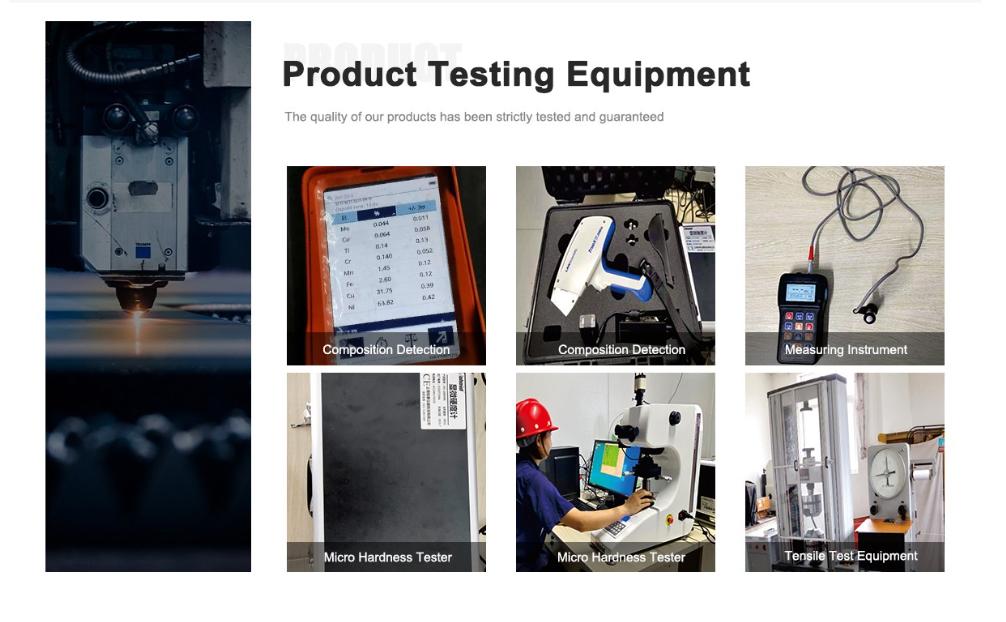
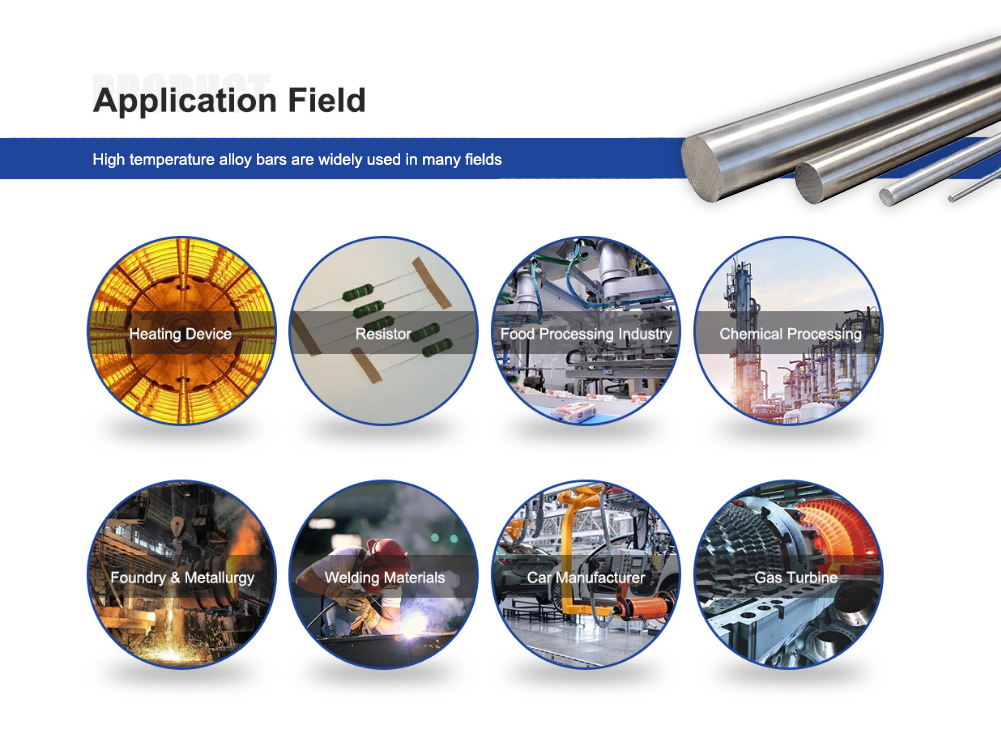
Comprehensive Volumetric & Surface Quality Assurance: Every batch of 20mm GH3039 bar undergoes full-length ultrasonic testing (UT), liquid penetrant inspection (PT), eddy current testing, spectral chemical verification, and elevated-temperature tensile testing.
-
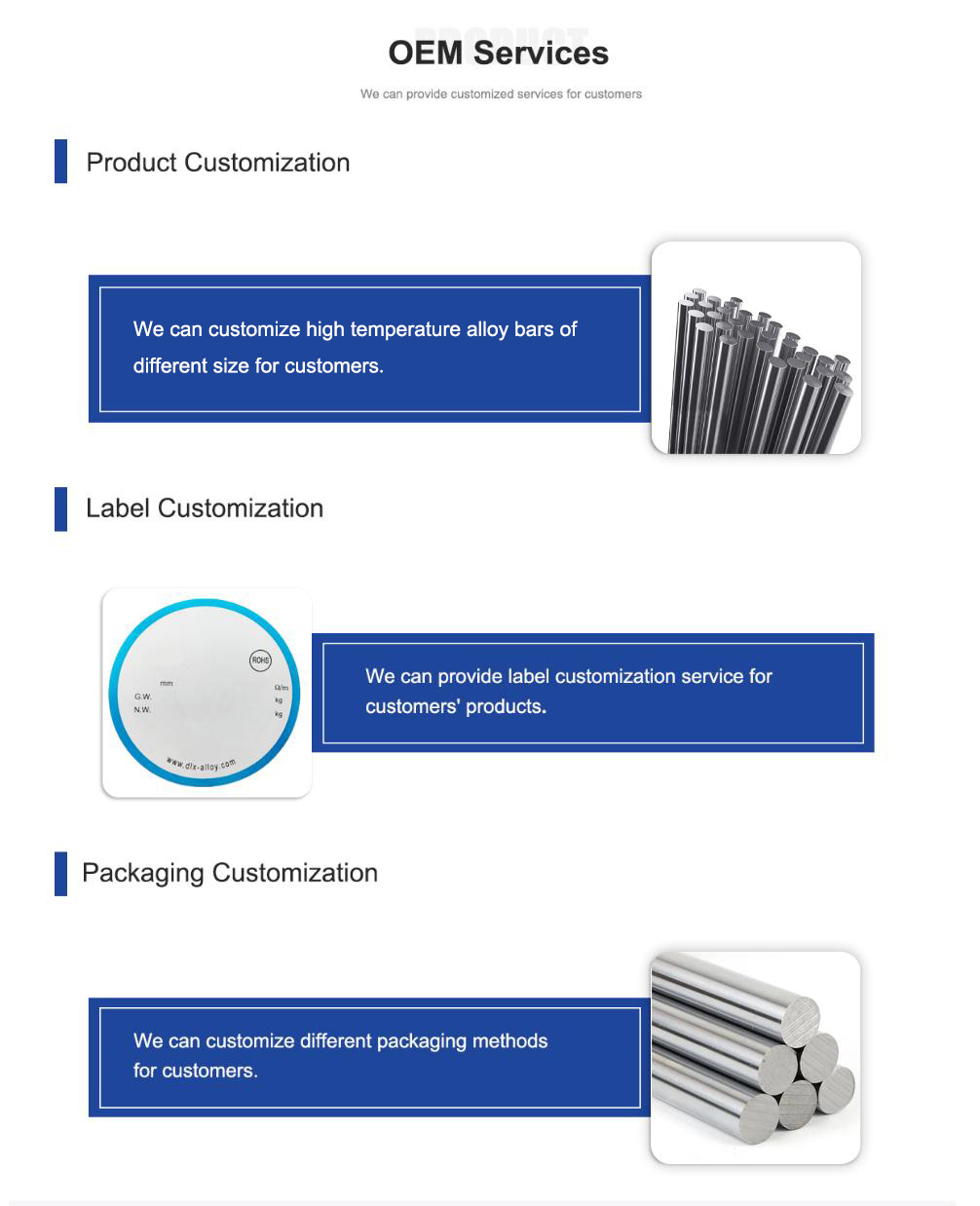
Custom Metallurgy & Tailored Dimensional Tolerances: Full flexibility in supplying customized diameters, precision-ground round bars, specific cut-to-length billets, and specialized solution-annealed surface conditions (bright annealed or peeled).
-
Global B2B Supply Chain & Export Packaging: Professional anti-corrosion oiling, moisture-proof wrapping, and robust steel-banded wooden crate packaging ensuring zero transit deformation or surface oxidation for international freight.
Frequently Asked Questions
Q1: Why choose GH3039 alloy bar for aerospace combustion components?
A: GH3039 provides reliable high-temperature stability up to 1000°C with exceptional thermal fatigue resistance, high ductility, and crack-free weldability compared to age-hardenable superalloys.
Q2: What tolerances and surface finishes are available for the 20mm bar?
A: We supply peeled or centerless ground bars with tight diameter tolerances down to () and surface roughness , ready for direct CNC Swiss machining.
Q3: How is the internal structural integrity verified?
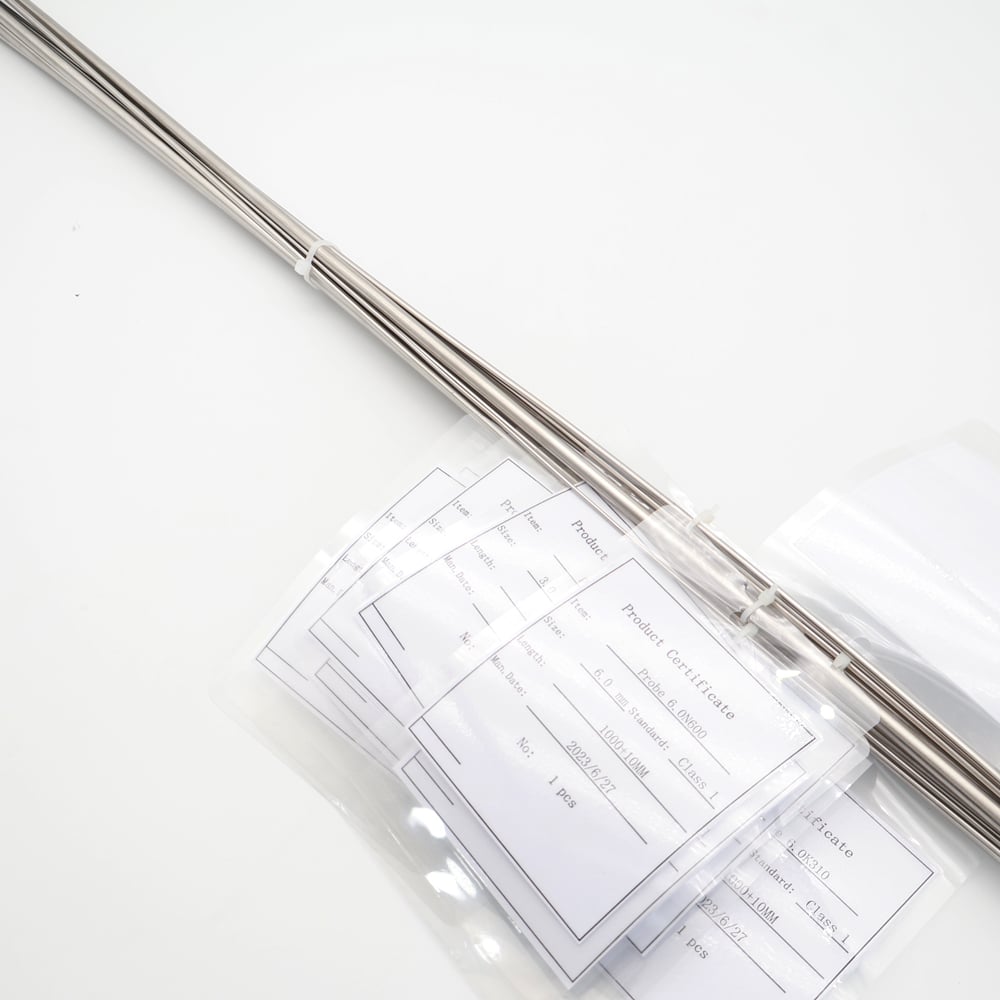
A: Produced via VIM+ESR dual melting, every batch undergoes ultrasonic testing (UT), chemical spectral analysis, and grain-size verification, fully backed by Mill Test Certificates (MTC).
Q4: Does GH3039 resist continuous hot-gas oxidation?
A: Yes. Its high Chromium content (19–22%) forms an adherent, self-healing oxide film that resists hot gas erosion and carburization up to 1000°C.
Q5: What are the packaging and delivery standards for export?
A: Bars are packed in reinforced, fumigation-free wooden crates with VCI anti-rust wrapping to prevent surface corrosion and deformation during ocean or air transit.