EN

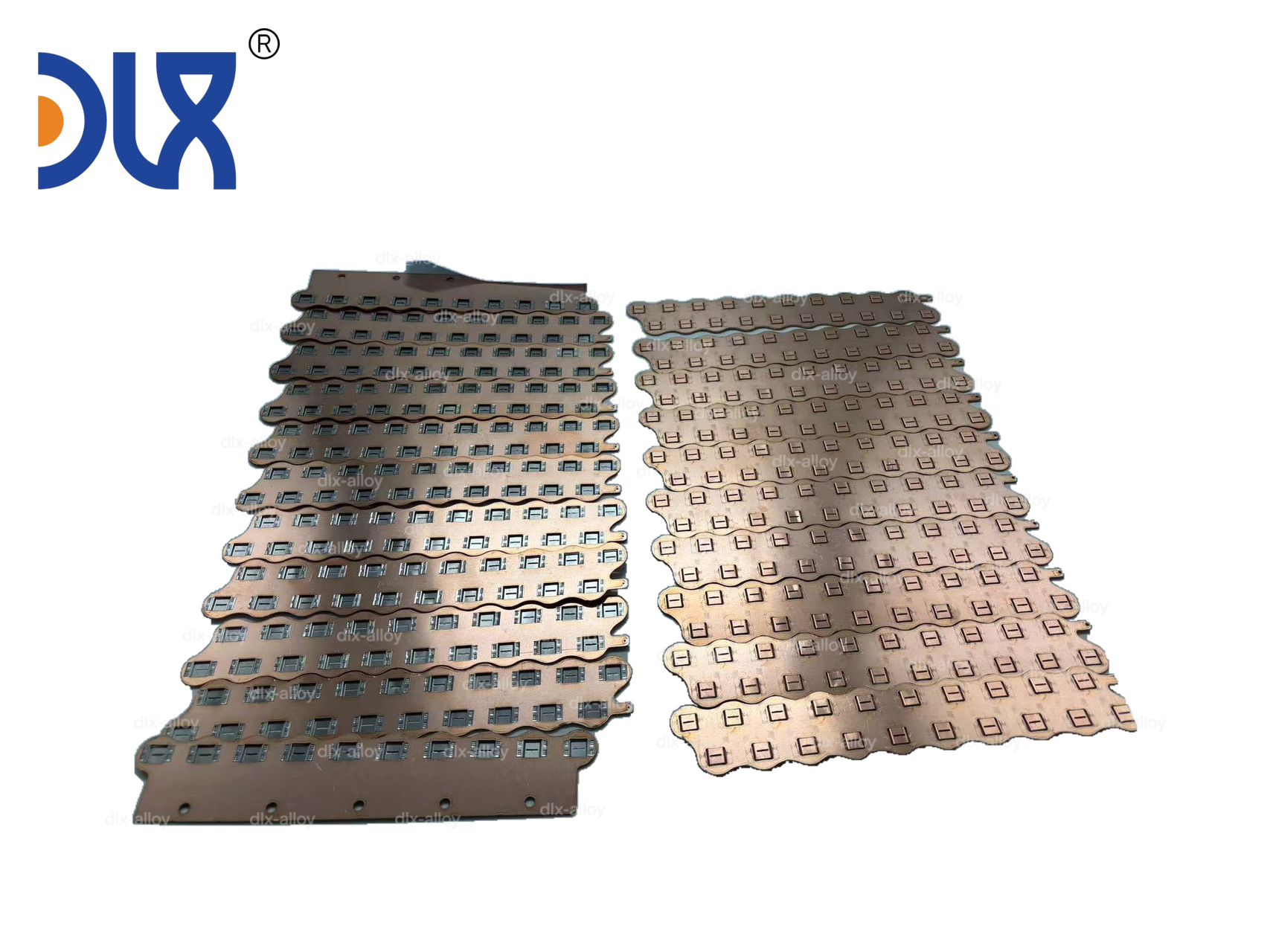
Precision Laser Welded Copper Nickel Strip Ni-Cu For 18650 21700 Tabs
High-Conductivity Bimetal Transition Busbar Engineered for Zero-Defect Cell Resistance Spot Welding and Low-Thermal High-Rate Discharge
- Overview
- Specifications
- Features
- Applications
- About DLX
- FAQ
- Recommended Products
Product Overview
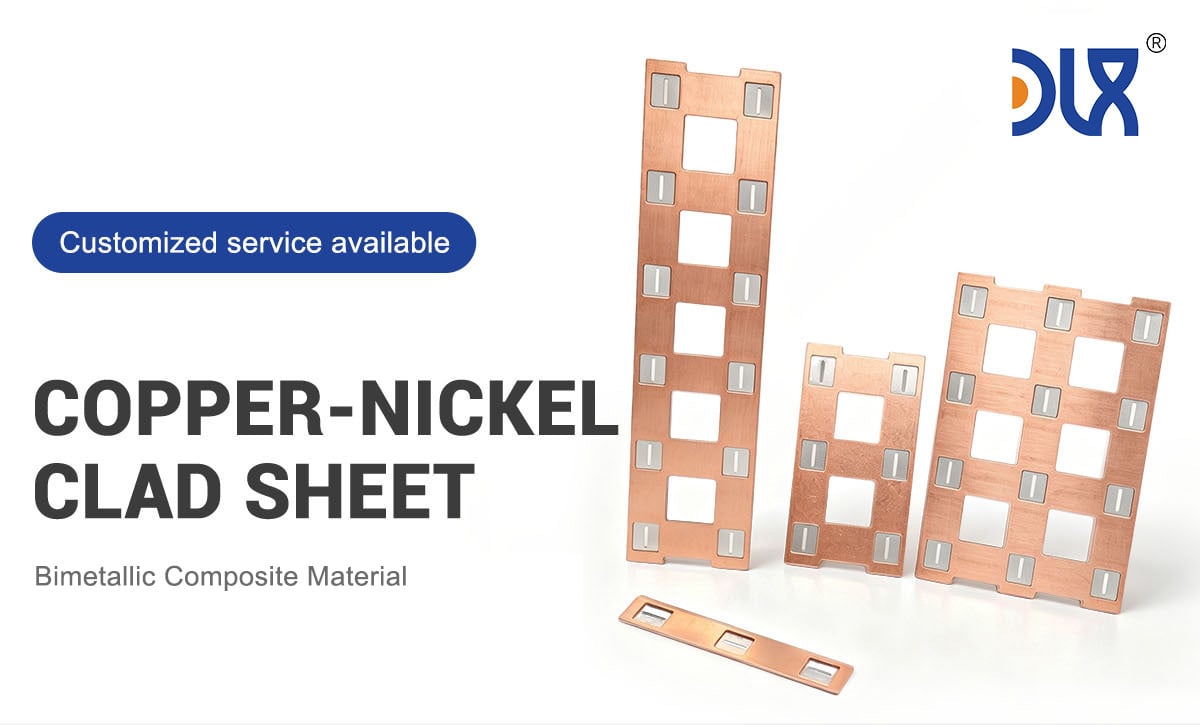
In modern lithium battery pack design, traditional pure copper tabs offer optimal electrical conductivity but present severe thermal dissipation issues that make direct resistance spot welding to battery cell steel/aluminum caps unstable and prone to blow-through. Conversely, pure nickel tabs weld cleanly and resist oxidation but introduce higher internal resistance (DCR) and excessive Joule heating under high continuous amperage.
DLX precision laser-welded copper-nickel transition strip bridges this engineering bottleneck by creating a zero-gap metallurgical joint between parallel copper and nickel strips. Current flows seamlessly from the cell-welded nickel section into the heavy-gauge copper conductor, effectively reducing total pack internal resistance, preventing localized thermal hotspots, and extending battery cycle lifespan.
Technical Specifications
Chemical Composition (Nominal Weight %)
| Material Section | Base Metal Grade | Nickel (Ni) | Copper (Cu) | Iron (Fe) | Carbon (C) | Impurities |
|---|---|---|---|---|---|---|
| Nickel Side (Ni) | N6 / Ni200 / UNS N02200 | ≥ 99.50% | ≤ 0.25% | ≤ 0.40% | ≤ 0.10% | Balance |
| Copper Side (Cu) | T2 / C11000 / ETP Copper | — | ≥ 99.90% | ≤ 0.005% | — | Oxygen ≤ 0.03% |
| Laser Weld Seam | Cu-Ni Fusion Zone | Metallurgical Diffusion | Continuous Fusion | Trace | — | Solid Solution |
Electrical & Weld Joint Performance
| Parameter | Metric Benchmark Value | Operating / Test Condition |
|---|---|---|
| Copper Side Conductivity | ≥ 98.5% IACS | 20°C Reference State (Resistivity ~0.0172 μΩ·m) |
| Nickel Side Conductivity | ~22.0% IACS | 20°C Reference State (Resistivity ~0.096 μΩ·m) |
| Joint Contact Resistance | < 0.05 mΩ | Transition interface micro-ohm measurement |
| Weld Seam Tensile Strength | ≥ 95% of Base Nickel Strength | Fracture typically occurs in base metal |
| Seam Formability & Ductility | 180° Reverse Bend Without Cracking | Repeated mechanical flex testing |
Physical & Mechanical Properties
| Property | Nickel Section (N6) | Copper Section (T2) |
|---|---|---|
| Density | 8.908 g/cm³ | 8.94 g/cm³ |
| Melting Point | ~1446°C | ~1083°C |
| Tensile Strength (Annealed/Half-Hard) | 380 - 550 MPa | 200 - 350 MPa |
| Elongation at Break (A50) | ≥ 20% | ≥ 25% |
| Surface Vickers Hardness | 90 - 130 HV | 60 - 95 HV |
Supply Formats & Manufacturing Dimensions
| Supply Format | Thickness Range | Width Range | Thickness Tolerance | Width / Slitting Tolerance |
|---|---|---|---|---|
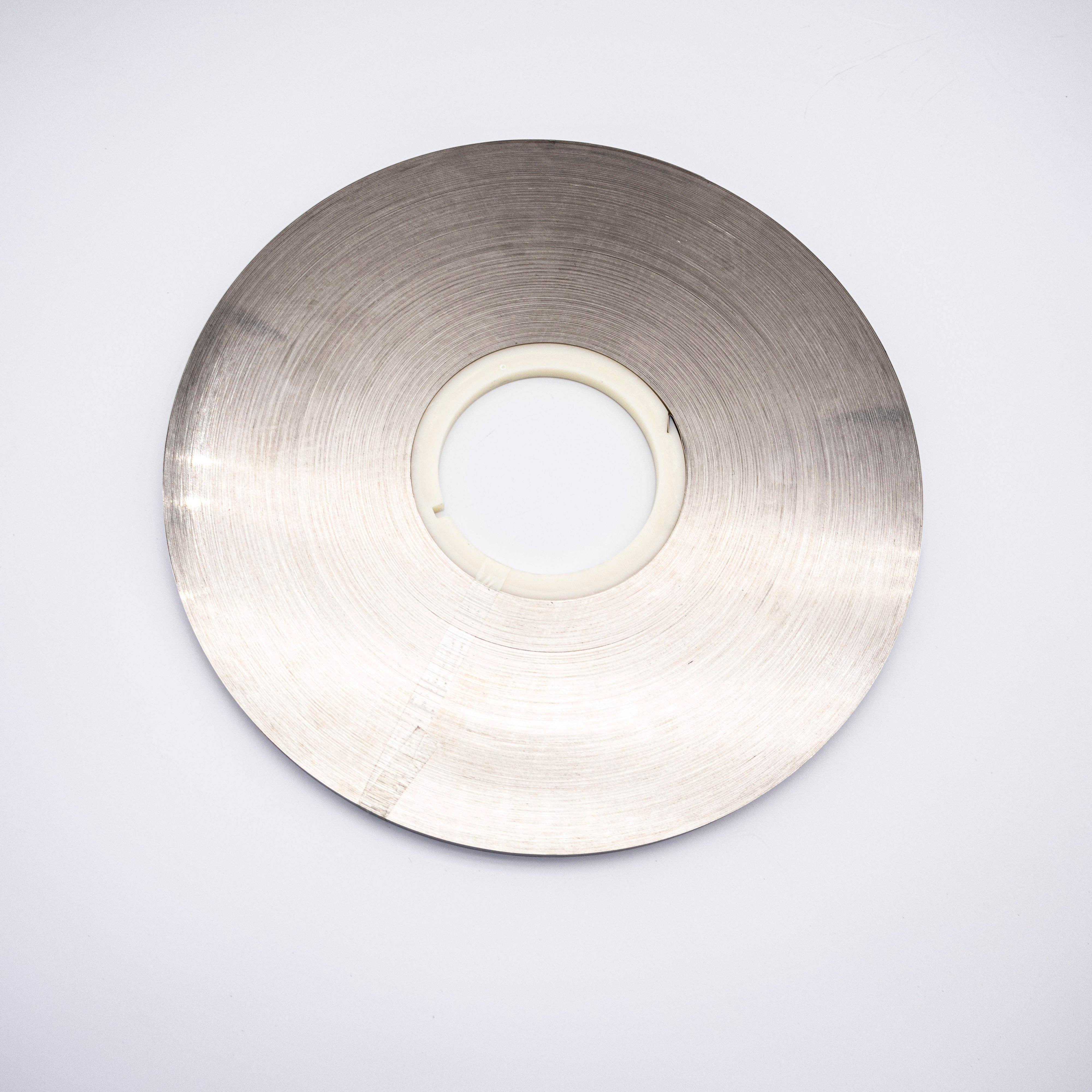
| Continuous Slit Coil | 0.10 mm - 1.00 mm | 3.0 mm - 120 mm | ±0.005 mm to ±0.010 mm | ±0.05 mm (Burr height < 0.01 mm) |
| Stepped-Gauge Strip | Custom differential thickness | Custom width ratios | Precision roll leveled | Smooth longitudinal seam transition |
| Precision Stamped Tabs | Custom by drawing | Custom by drawing | Progressive die stamped | Clean deburred edge / Ready to weld |
Key Features & Advantages
Continuous Fiber Laser Butt-Welding for Full Metallurgical Fusion
DLX utilizes automated continuous fiber laser welding lines to bond pure nickel and pure copper with a microscopic, void-free fusion zone. The narrow heat-affected zone (HAZ) prevents base metal embrittlement and ensures that the joint withstands high-vibration automotive and power tool duty cycles without mechanical separation.
Significant Reduction in Battery Pack Internal Resistance (DCR)
By replacing full nickel interconnects with our copper-nickel bimetal strips, the high-conductivity copper section reduces electrical conduction losses and thermal build-up by over 45%. This allows battery modules to sustain continuous high-rate discharging with lower operating temperatures and higher energy delivery efficiency.
Zero-Oxidation Smooth Weld Bead for High-Yield Automated Stamping
Our laser welding process operates under high-purity shielding gas atmospheres, producing a smooth, uniform, and oxidation-free weld bead with surface variations kept below 0.02 mm. Combined with CNC rotary edge slitting, the material feeds smoothly through high-speed automated progressive dies without jamming or premature tooling wear.
Dual-Welding Compatibility for Cell Caps and BMS Terminals
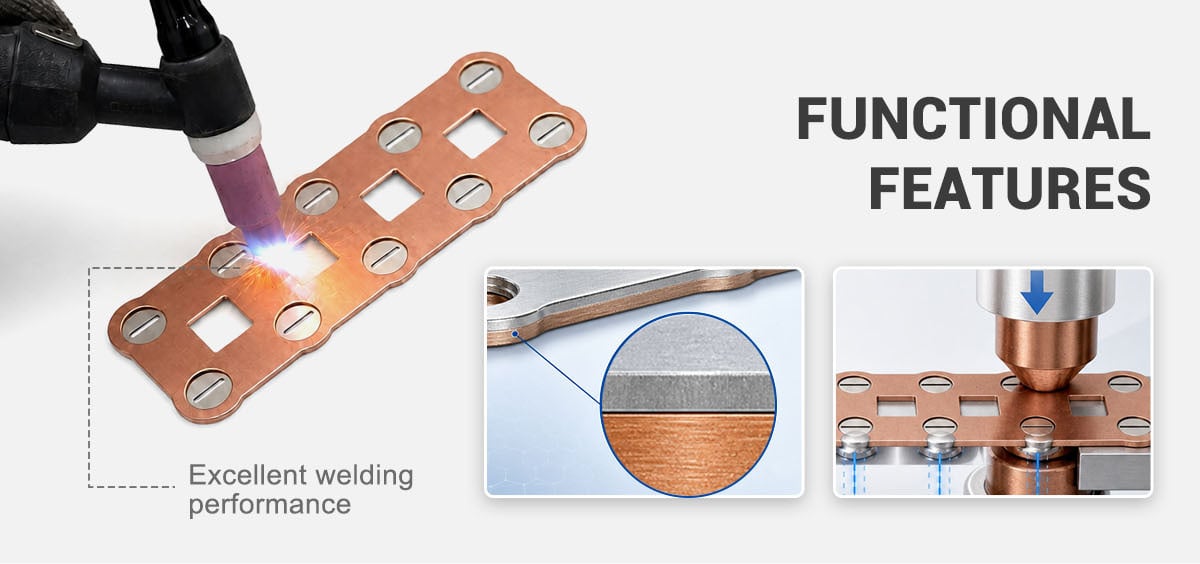
The pure nickel side is formulated for stable, repeatable dual-pulse resistance spot welding to 18650, 21700, and 46800 battery steel/aluminum end caps. Simultaneously, the copper side facilitates direct ultrasonic bonding, laser welding, or tin soldering to BMS protection boards and primary circuit lugs.
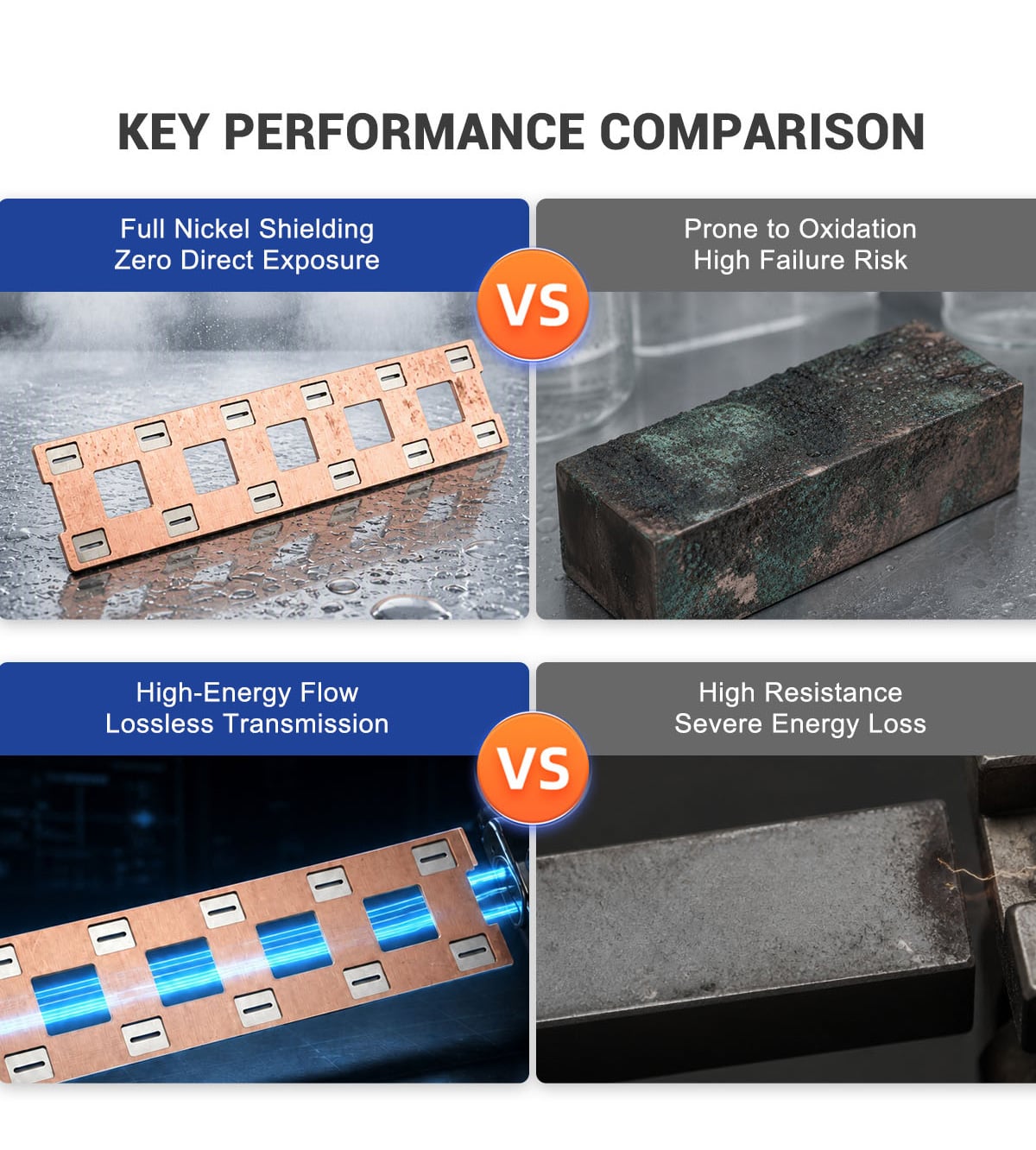
Industrial Product Applications
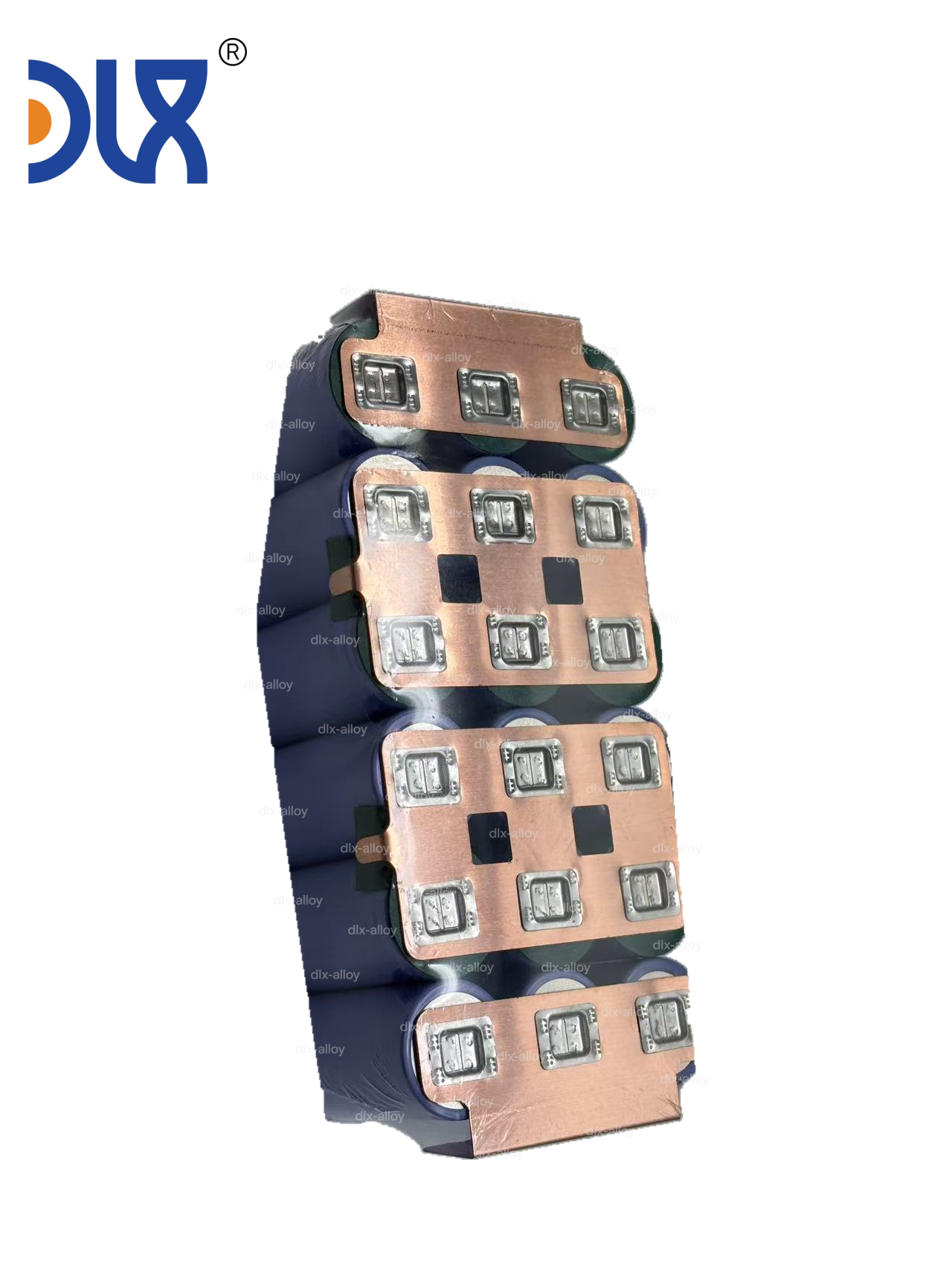
18650 and 21700 Cylindrical Battery Pack Interconnects
Widely used as series-parallel interconnect tabs in electric two-wheelers, cordless power tools, robotics, and medical devices where compact space demands high amperage capacity without cell overheating.
46800 Tabless and High-Capacity Battery Modules
Serves as high-current transition busbars for next-generation tabless cylindrical cells and EV battery packs, providing robust copper conduction cross-sections while maintaining dependable nickel spot-welding contacts.
BMS and Protection Circuit Lead Connectors
Applied as transition lead tabs connecting the high-capacity cell matrix to printed circuit boards (PCBs) and battery management systems (BMS), simplifying wire routing and eliminating multi-component soldering points.
Industrial Energy Storage Systems (ESS) and Backup Power Banks
Integrated into renewable energy storage racks, telecom backup power systems, and portable power stations requiring durable, low-maintenance bimetal busbars that endure long thermal cycles.
Why Choose DLX Alloy
Complete In-House Precision Manufacturing Chain
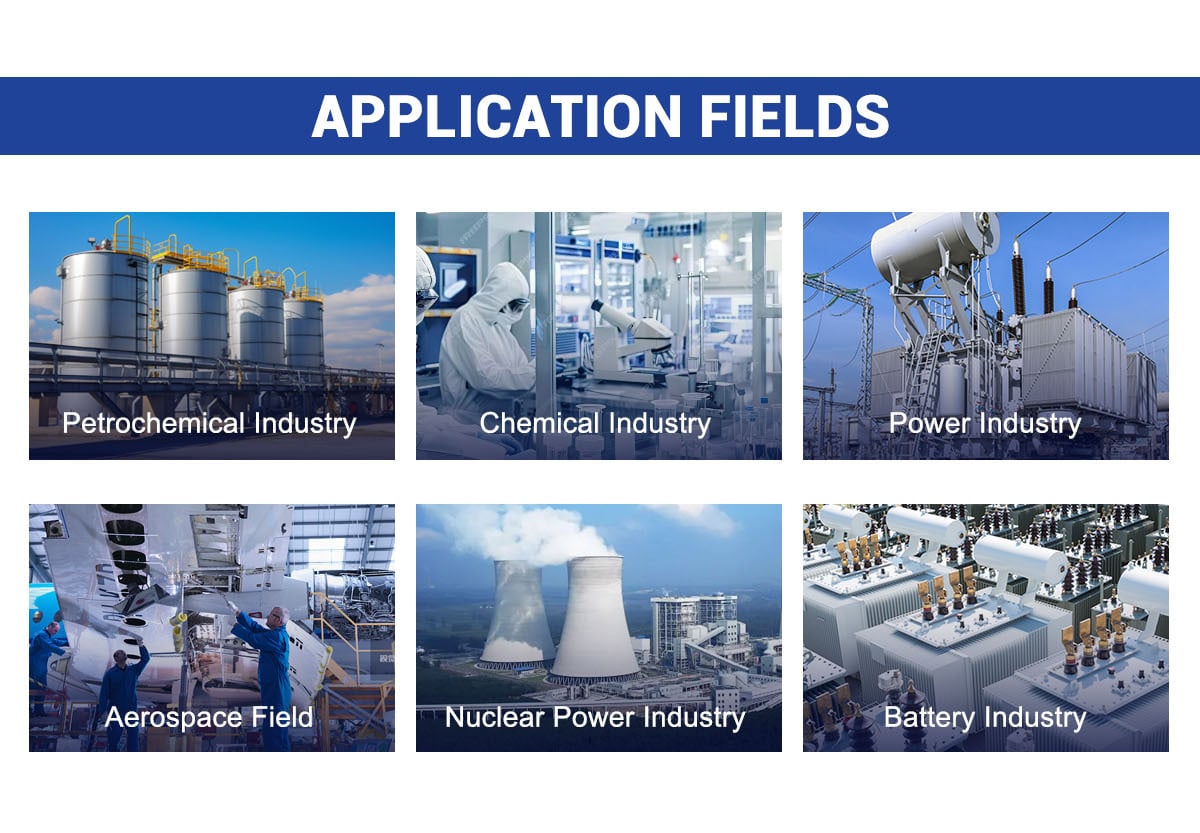
DLX Alloy controls the complete production workflow from precision raw material selection and cold rolling to automated continuous laser welding, tension leveling, and high-precision slitting. Every manufacturing stage is monitored under multi-point quality checkpoints to guarantee mechanical and electrical uniformity.
Robust Monthly Manufacturing Capacity: 1,200 Tons
With an expansive 12,000 m² facility and a monthly production capacity of 1,200 tons across our precision non-ferrous and specialty alloy lines, DLX provides reliable supply chain security, scalable volume scheduling, and rapid dispatch for global Tier-1 and OEM battery manufacturers.
Comprehensive 100% Quality Assurance and Metallurgical Testing
Every production heat and slit coil undergoes rigorous testing, including micro-resistance interface profiling, metallographic cross-section examination, 180° reverse bending tests, optical dimensional inspection, and weld bead continuity verification.
Dedicated Technical Support and Bespoke Tab Stamping
Our engineering team collaborates directly with B2B battery pack designers to establish custom copper-to-nickel width ratios, stepped-gauge configurations, and pre-stamped tab geometries tailored to automated assembly lines.
Product FAQ
Q1: What is the primary operational difference between laser-welded copper-nickel strip and nickel-plated copper strip?
A1: Nickel-plated copper merely deposits a microscopic (typically 1–3 µm) electroplated nickel layer over a copper substrate. When slit or stamped, the bare copper edges are exposed to oxidation, and high-energy resistance spot welding can easily breach the thin plating. In contrast, DLX laser-welded copper-nickel strip features a solid, full-thickness pure nickel section welded to solid copper, providing authentic, thick-gauge spot weldability alongside maximum copper current-carrying capacity.
Q2: Can the width and thickness ratios between the copper and nickel sides be customized?
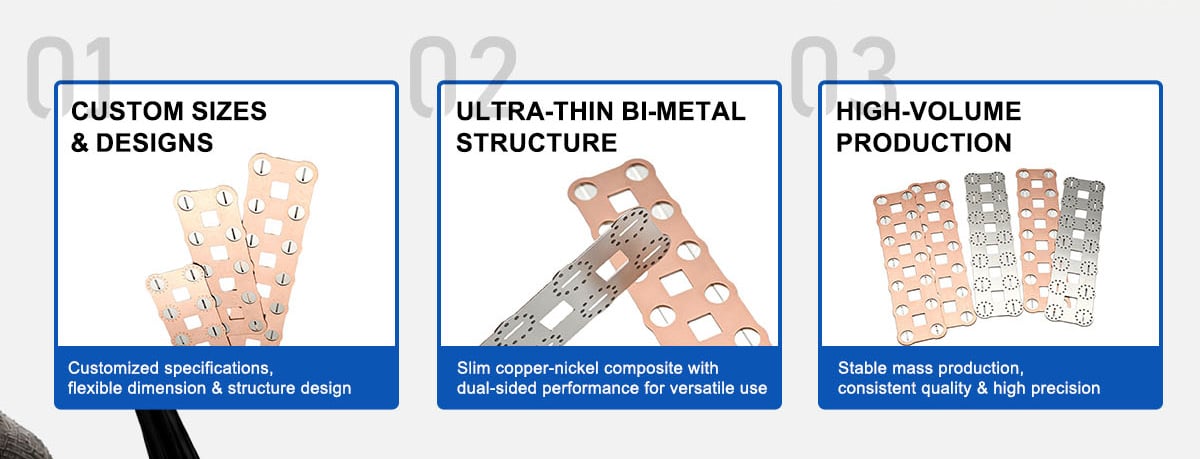
A2: Yes. DLX provides full custom dimensioning tailored to customer engineering drawings. Common configurations include 4mm Ni + 6mm Cu, 5mm Ni + 10mm Cu, or stepped-thickness designs (e.g., 0.15mm Ni welded to 0.30mm Cu) to match specific spot-welder head clearance and current distribution requirements.
Q3: Does the laser weld seam crack during automated tab stamping or 90°/180° bending?
A3: No. Our continuous laser fusion welding creates a solid metallurgical bond. DLX copper-nickel strips consistently pass 180° repeated reverse bending tests and sharp progressive die stamping without delamination, micro-cracking, or weld seam separation.
Q4: What welding methods are recommended for connecting the nickel and copper sides in pack assembly?
A4: The pure nickel section is optimized for conventional resistance spot welding (Spot Welding) to battery cell caps. The copper section is typically bonded to BMS terminals, shunt resistors, or main busbars via continuous laser welding, ultrasonic metal welding, or tin soldering.
Q5: What are your commercial terms regarding Minimum Order Quantity (MOQ) and packaging?
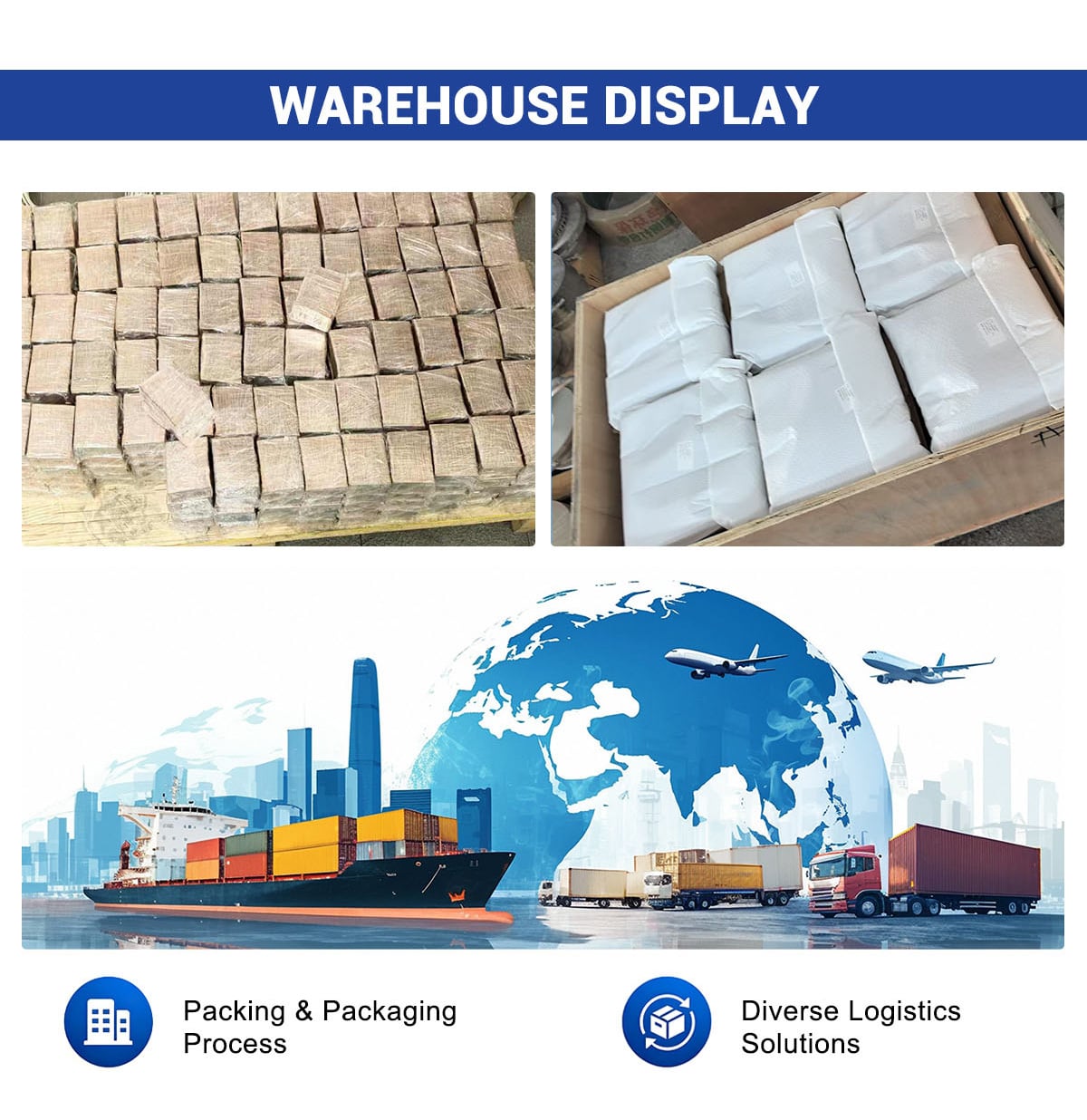
A5: We provide flexible MOQs starting as low as 5 kg for standard stock combinations to facilitate rapid prototyping and trial validation. Continuous strips are supplied on precision spools, packed in vacuum-sealed moisture-barrier bags with desiccant, and housed in reinforced export wooden crates for safe global delivery. Standard stock sizes ship within 3 to 7 working days.