EN

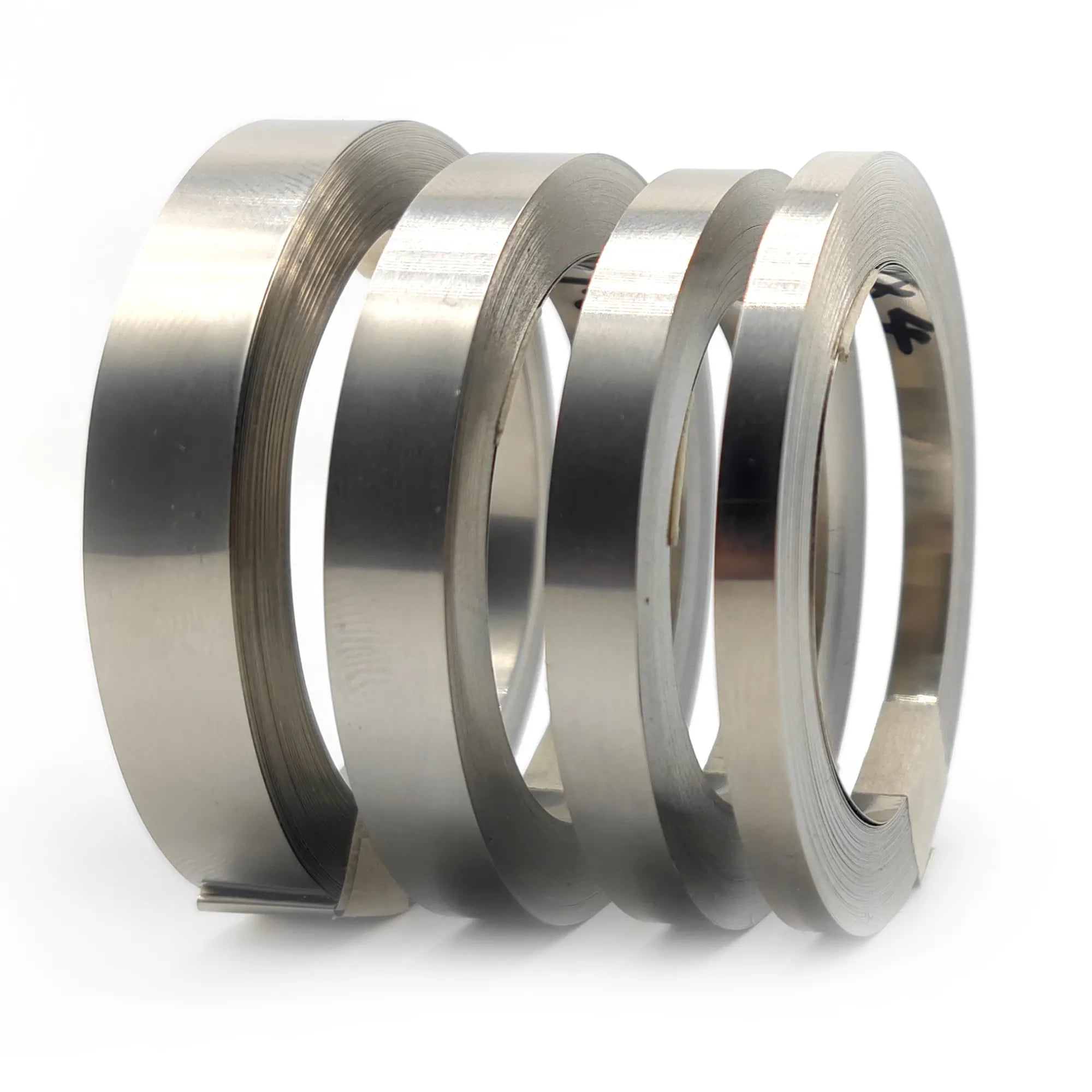
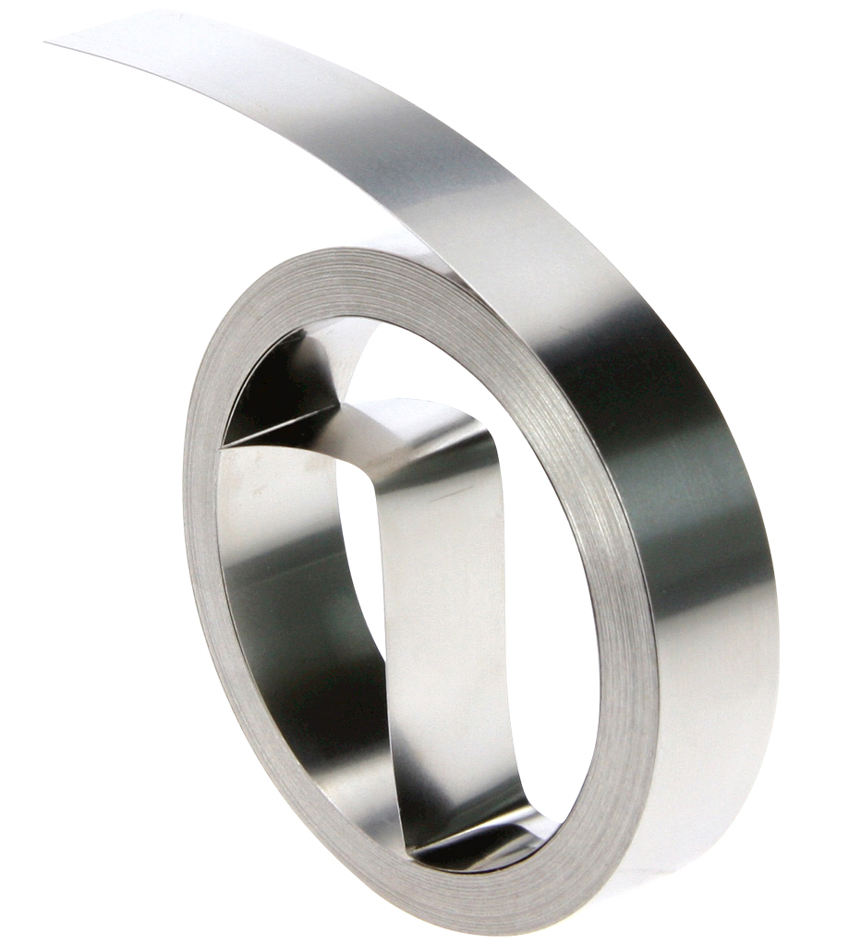
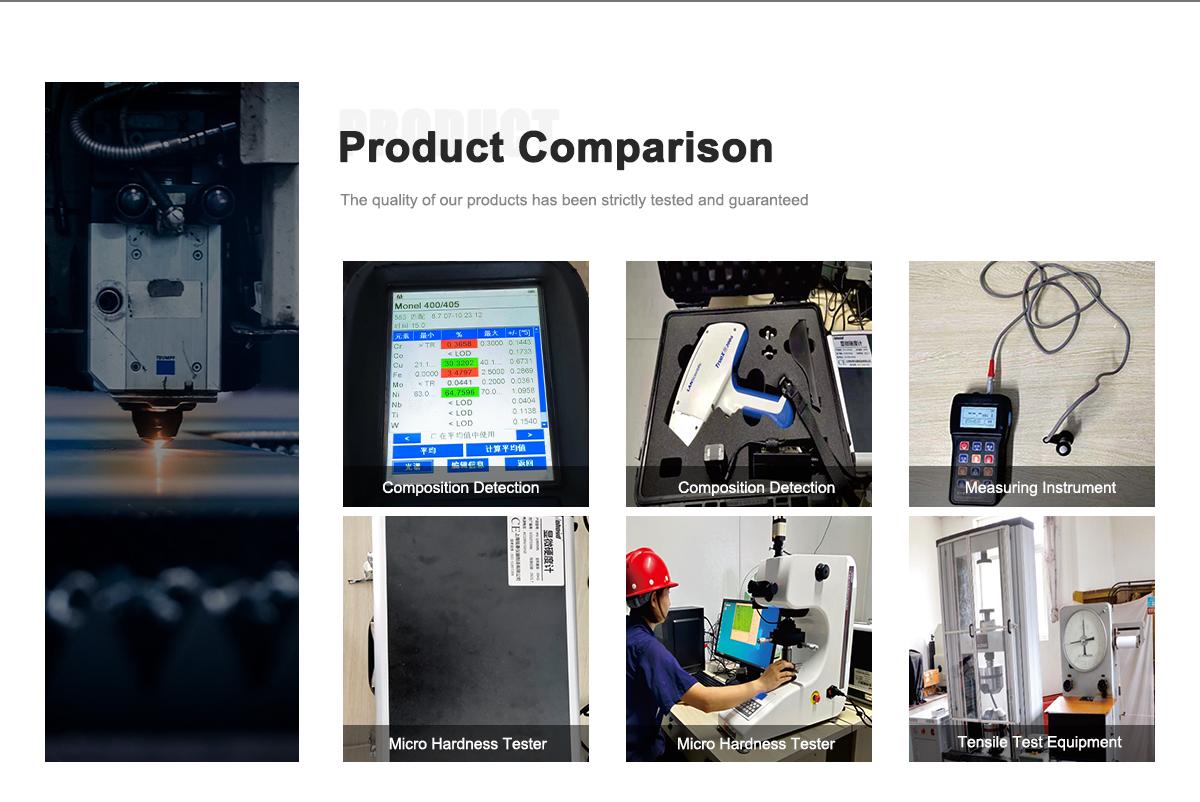
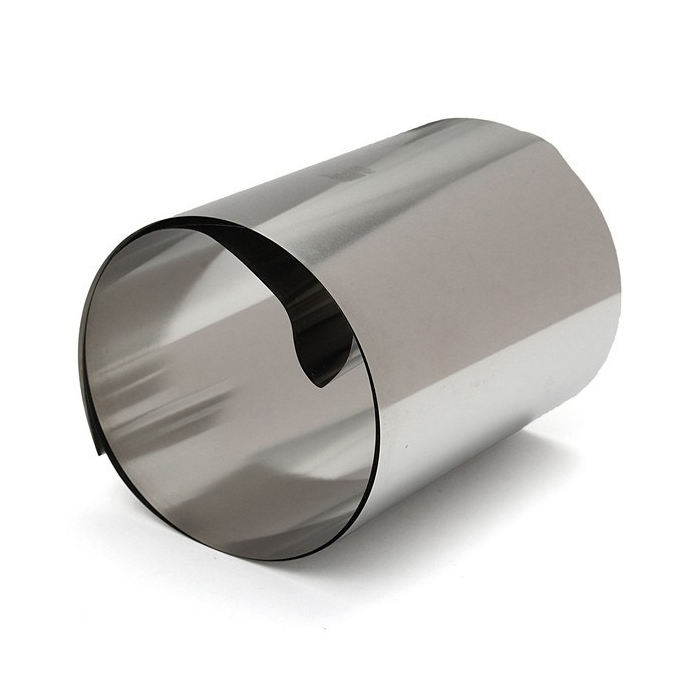
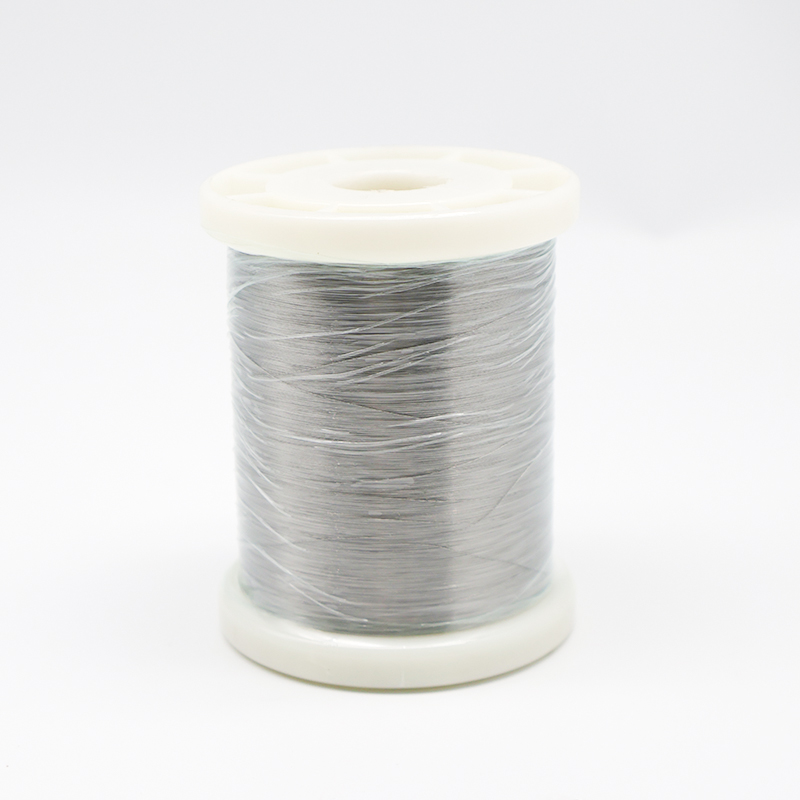
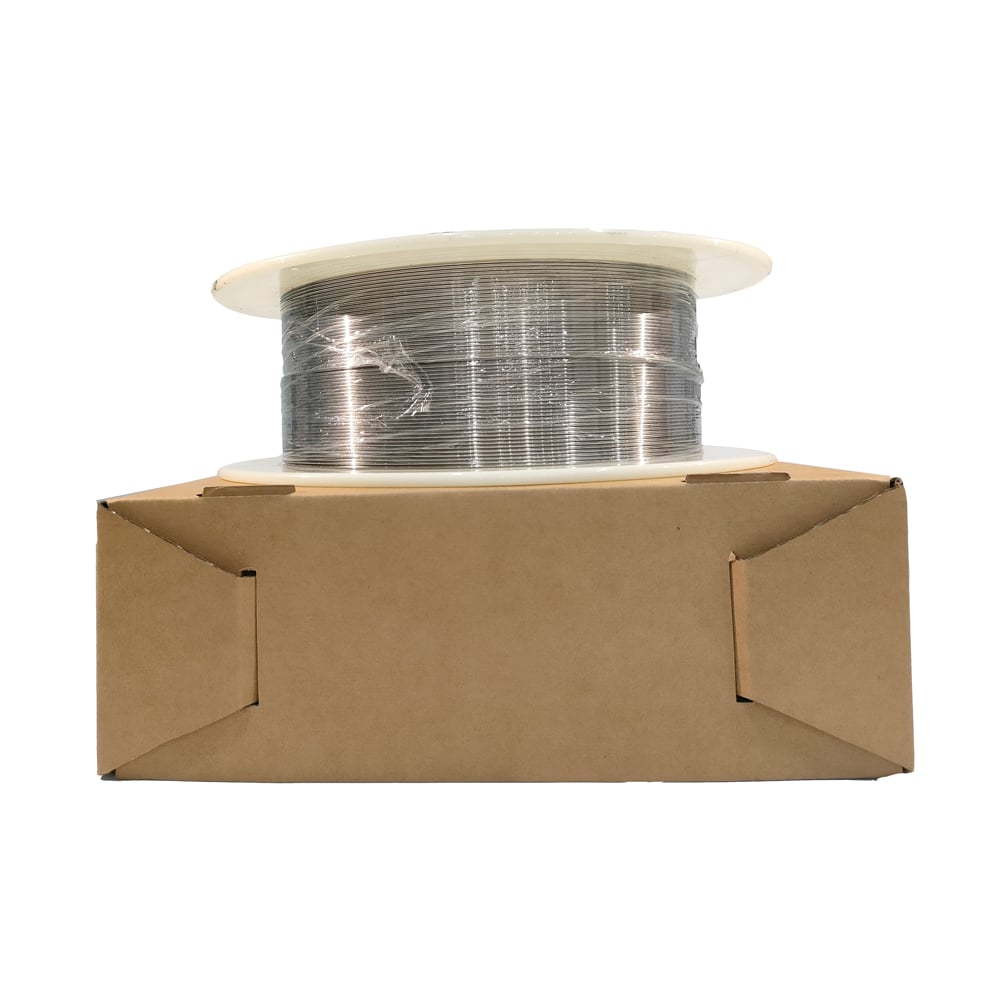
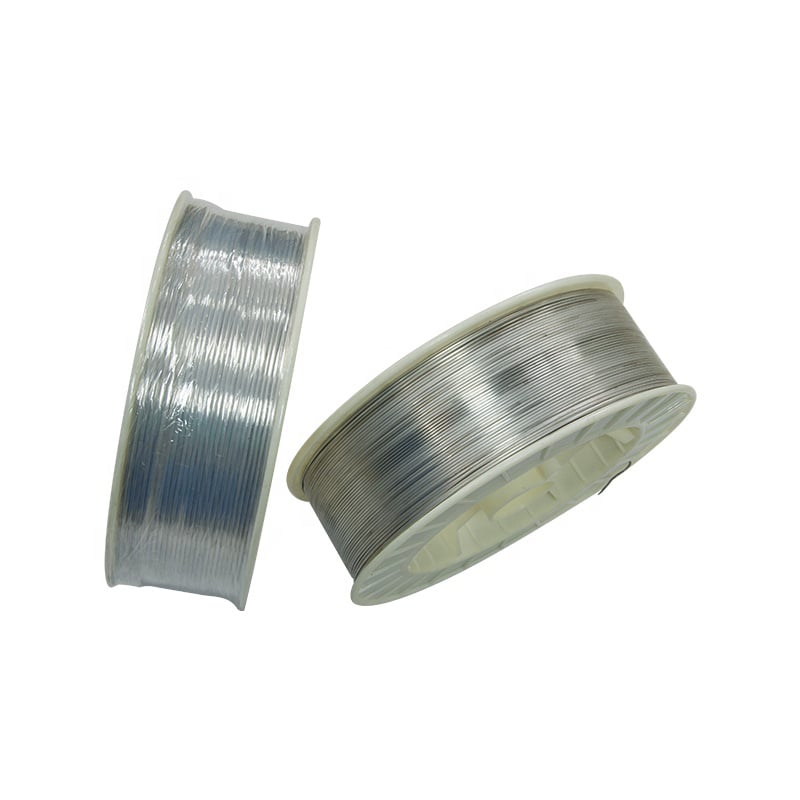
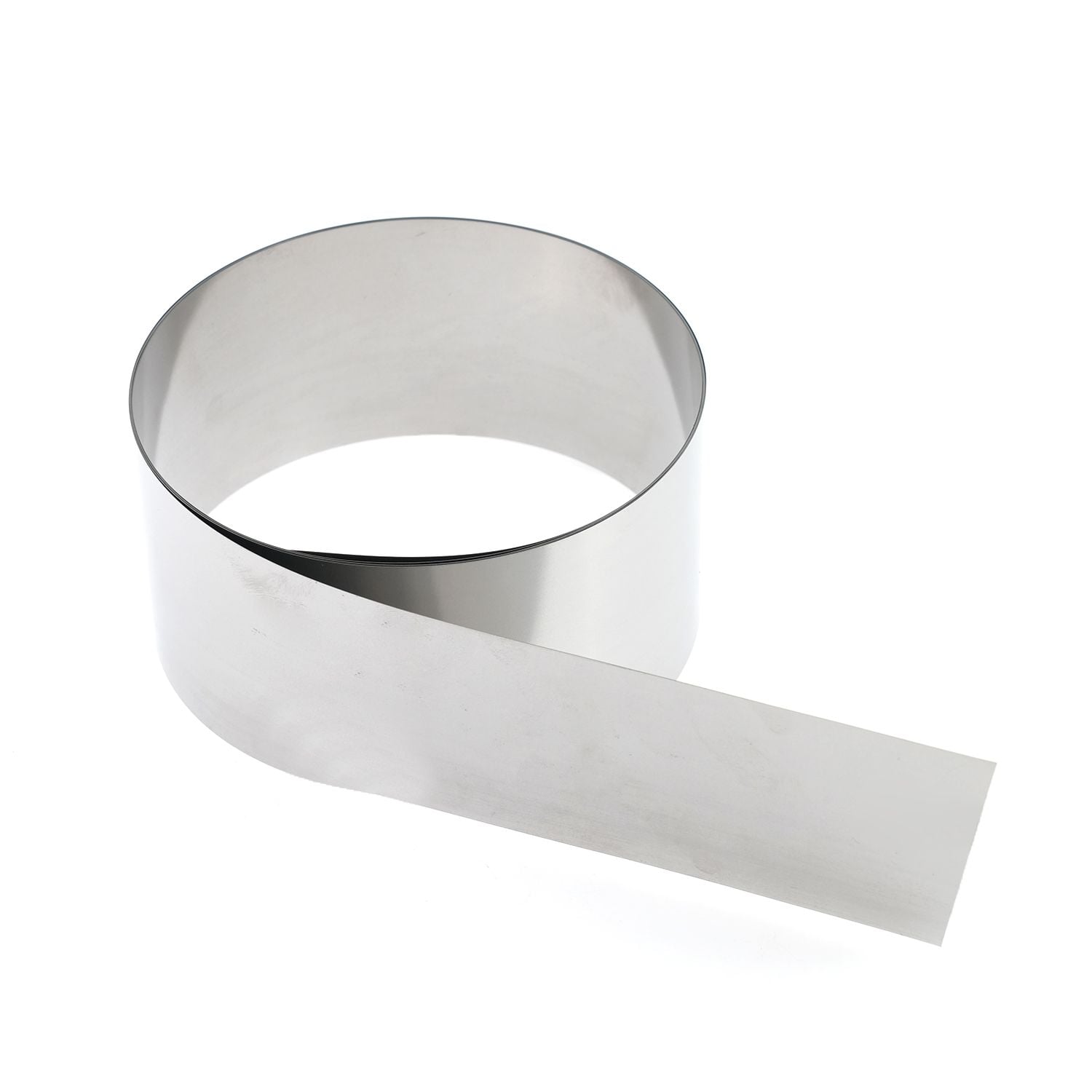
Ultra-Precision Superalloy Strip Nimonic 90 0.1-1.5mm for Pressure Sensor Diaphragms
Engineered specifically for aerospace, industrial, and automotive pressure sensing components, our precision cold rolled Nimonic 90 strip delivers unmatched modulus stability, micro-yield strength, and zero-drift elastic performance from cryogenic temperatures up to 850°C.
- Overview
- Specifications
- Features
- Applications
- Why-Us
- FAQ
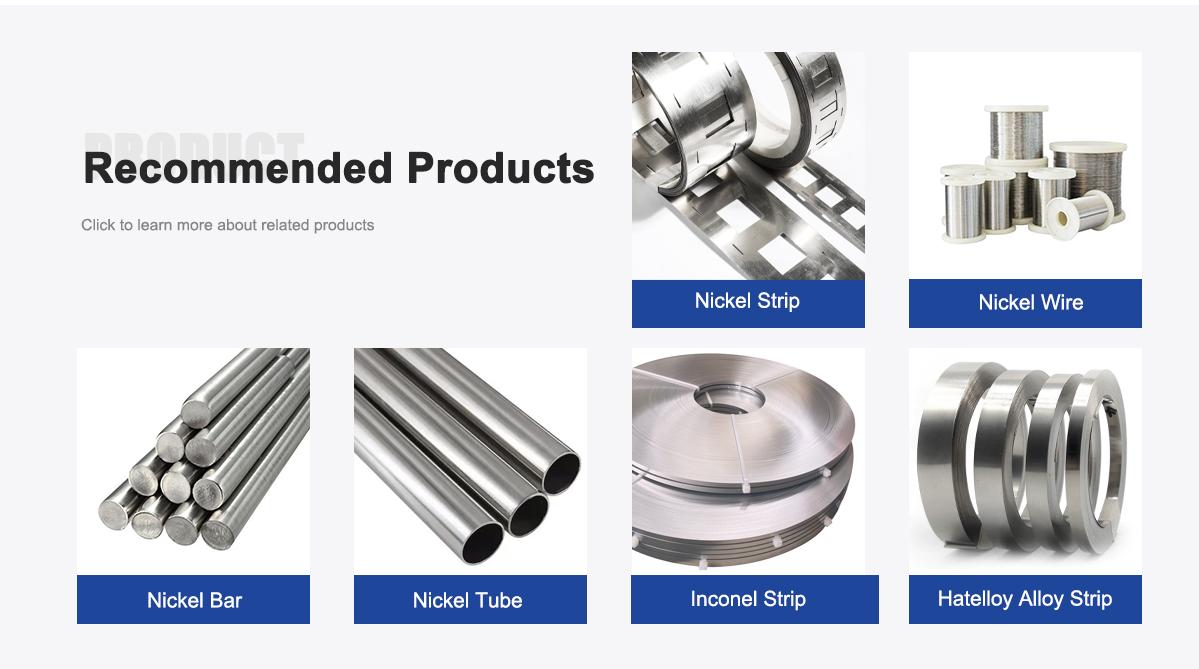
- Recommended Products
Product Overview
The core reliability of high-accuracy pressure sensors, piezoresistive transducer diaphragms, and hermetic isolation capsules hinges on the metallurgical purity and elastic precision of the sensing diaphragm alloy.
Nimonic 90 is a vacuum-refined, titanium-aluminum strengthened nickel alloy fortified with over 15% cobalt to provide exceptional stiffness, high shear modulus, and resistance to relaxation at elevated operating temperatures. Standard materials often exhibit elastic lag, zero-point drift, and surface micro-cracking when subjected to continuous pressure pulsation.
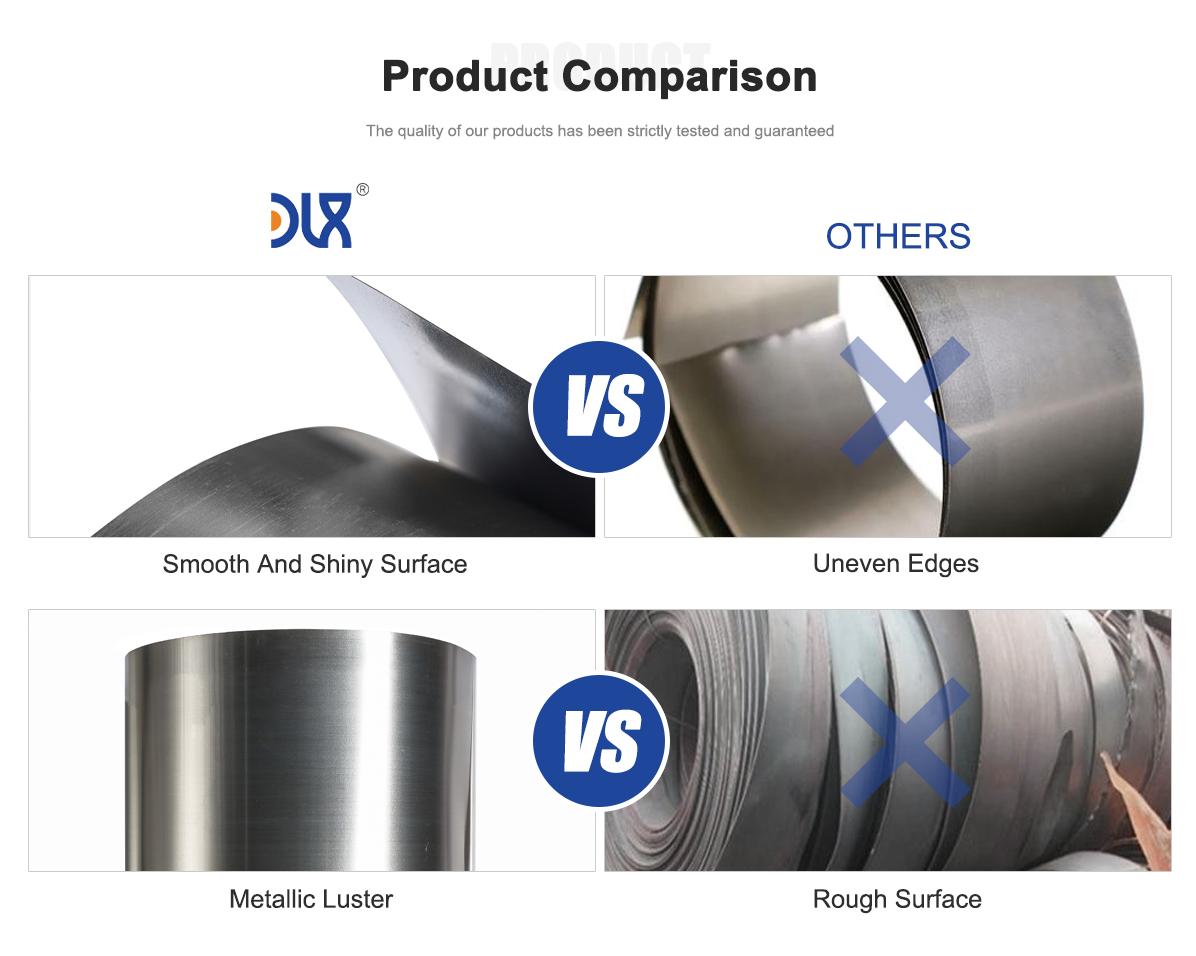
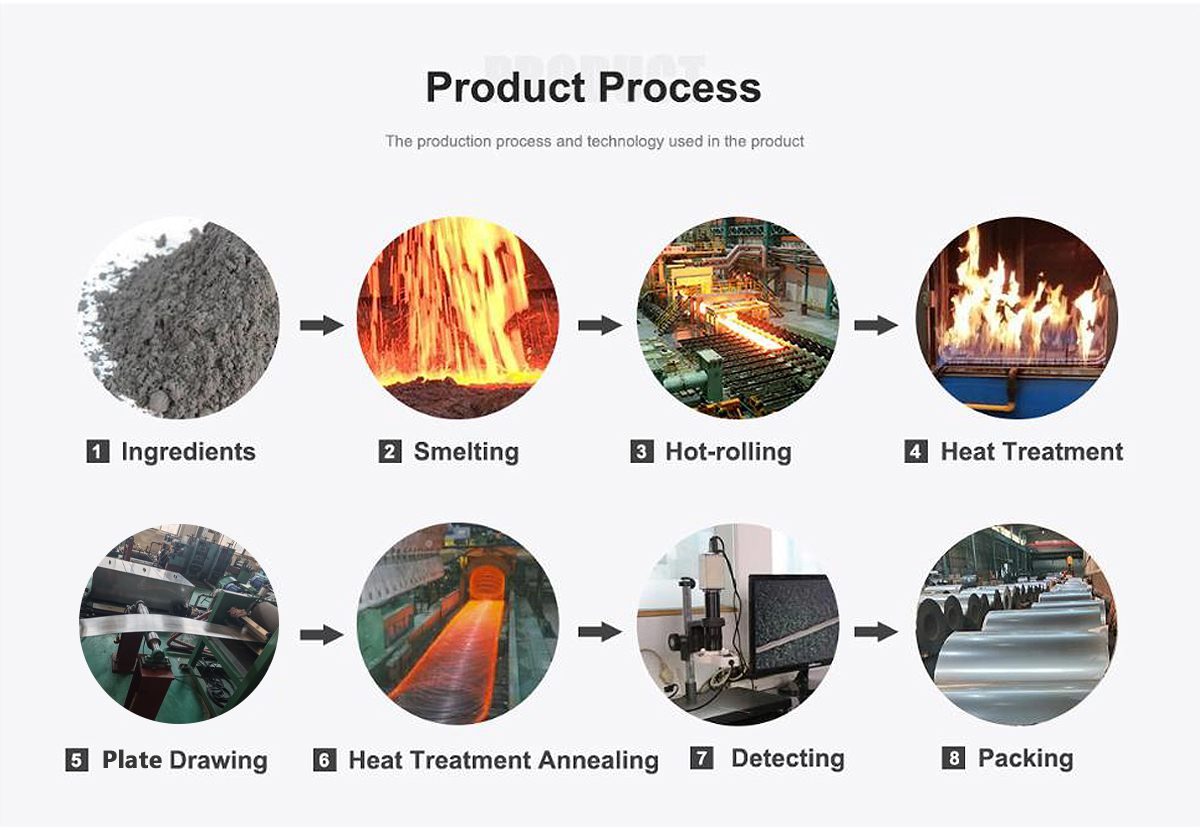
By applying ultra-clean Vacuum Induction Melting (VIM) followed by Electroslag Remelting (ESR), combined with precision tension-leveling and controlled atmosphere bright annealing, our ultra-precision superalloy strip delivers pristine surface topography (Ra ≤ 0.15 µm), uniform grain refinement (Grain Size ≥ Grade 8), and isotropic spring characteristics essential for micro-machining, laser welding, and photochemical etching of thin sensor diaphragms.
Technical Specifications
Chemical Composition (Mass Fraction %)
| Element | Ni | Cr | Co | Ti | Al | Fe | C | Mn | Si | B |
|---|---|---|---|---|---|---|---|---|---|---|
| Nominal Range | Balance (54.0-58.0) | 18.0 - 21.0 | 15.0 - 21.0 | 2.0 - 3.0 | 1.0 - 2.0 | ≤ 1.5 | ≤ 0.13 | ≤ 1.0 | ≤ 0.8 | ≤ 0.02 |
Physical & Elastic Properties
| Parameter | Value (Metric) | Technical Significance for Diaphragms |
|---|---|---|
| Density | 8.18 g/cm³ | Consistent mass distribution across the diaphragm profile |
| Melting Range | 1310 - 1370 °C | High thermal stability and structural integrity |
| Modulus of Elasticity (E) | 220 - 240 GPa (20°C) / 180 GPa (600°C) | Superior mechanical stiffness and linear deflection |
| Rigidity Modulus (G) | 85 - 92 GPa | High torsional and shear resistance |
| Poisson’s Ratio | 0.31 | Predictable multi-axial stress response |
| Linear Thermal Expansion | 11.5 - 13.0 × 10⁻⁶ /K (20–200°C) | Minimal zero-point shift across fluctuating temperatures |
| Curie Temperature | < -100 °C (Non-magnetic) | Zero electromagnetic interference with sensor signals |
Dimensional Precision & Mechanical Capability
| Thickness Range | Width Range | Thickness Tolerance | Surface Roughness (Ra) | Delivery Tempers |
|---|---|---|---|---|
| 0.10 mm – 0.30 mm | 10 mm – 250 mm | ±0.003 mm | ≤ 0.10 – 0.15 µm | Annealed (M), 1/2 Hard, Full Hard, Pre-aged |
| 0.31 mm – 0.80 mm | 10 mm – 350 mm | ±0.005 mm | ≤ 0.15 – 0.20 µm | Annealed (M), 1/2 Hard, Full Hard, Pre-aged |
| 0.81 mm – 1.50 mm | 10 mm – 400 mm | ±0.008 mm | ≤ 0.20 – 0.25 µm | Annealed (M), 1/2 Hard, Full Hard, Pre-aged |
Product Features
High-Temperature Creep Resistance & Minimal Hysteresis for Linear Signal Response
In precision sensing elements, elastic hysteresis causes measurement inaccuracies and calibration lag. Our ultra-precision superalloy strip undergoes specialized intermediate heat treatment and sub-micron grain sizing to maximize the proportional elastic limit. Even when exposed to continuous cyclic pressure spikes up to 650°C–800°C, the diaphragm maintains near-zero permanent deformation and negligible thermal relaxation.
Precision Cold Rolling Thickness Tolerance & Mirror Surface Finish
Diaphragm sensitivity is inversely proportional to the cube of its thickness (). Any gauge variation severely impairs sensor sensitivity curves. Utilizing multi-roll sendzimir cold rolling lines and real-time isotope thickness measurement, we guarantee strip thickness consistency within ±0.003 mm across full coil lengths, preventing edge-wave and camber defects.
Gamma-Prime Precipitation Hardening Metallurgy for Superior Spring Fatigue Strength
Nimonic 90 achieves its ultra-high mechanical strength through homogeneous intermetallic [Ni3(Ti, Al)] phase precipitation during age hardening. Yield strength reaches up to 1100–1350 MPa after heat treatment, providing outstanding cyclic endurance, anti-burst safety margins, and long-term fatigue life exceeding cycles.
Excellent Laser Weldability & Chemical Etching Homogeneity for Hermetic Assemblies
Pressure sensor capsules require ultra-reliable hermetic sealing with stainless steel or Kovar housings. The low inclusion content and isotropic rolling structure of our Nimonic 90 strip ensure clean, spatter-free micro-plasma and fiber laser welding, as well as uniform chemical dissolution rates during photo-chemical etching of corrugated patterns.
Applications
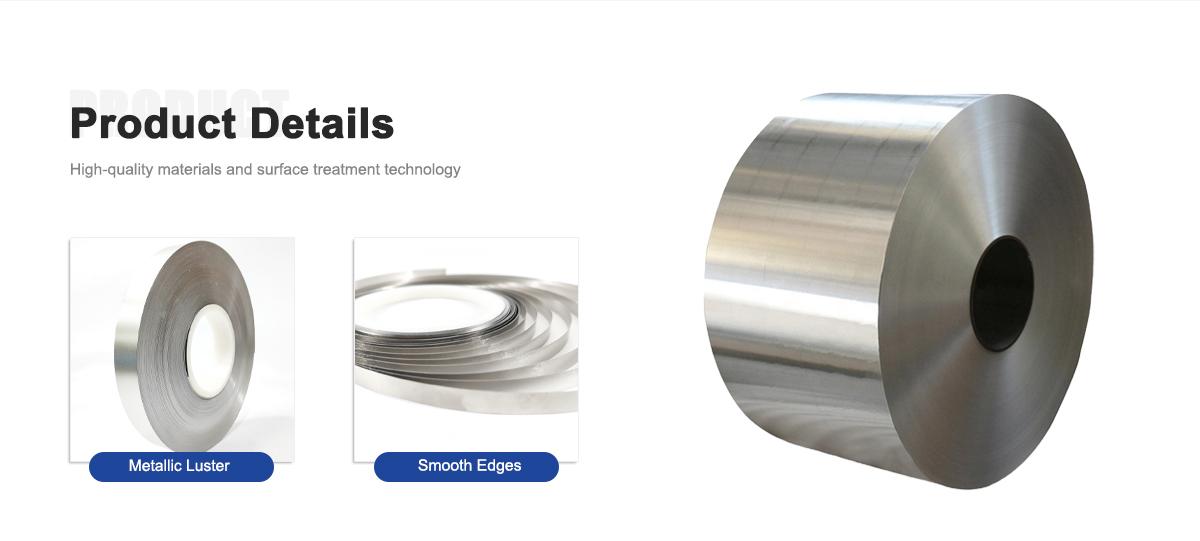
Aerospace and Gas Turbine High-Pressure Differential Sensor Diaphragms
Provides critical pressure and airflow monitoring in jet engine combustion chambers, turbine exhaust ducts, and hydraulic flight actuators where temperatures exceed 600°C and resistance to hot corrosion is mandatory.
Industrial Process Control Transmitters & Harsh-Media Pressure Capsules
Used in chemical processing plants, oil & gas drilling heads, and steam generators where process diaphragms must resist sulfide stress cracking, high cyclic pressures, and aggressive media.
Automotive Exhaust Gas Recirculation (EGR) & Turbocharger Boost Sensors
Serves as the high-flexibility sensing disc in exhaust manifold pressure transmitters and turbocharger feedback loops, withstanding corrosive exhaust condensates and extreme engine vibration.
High-Elasticity Bellows, Disc Springs, and Critical Instrumentation Elements
Widely utilized in high-temperature spring washers, precision aneroid barometers, vacuum interrupters, and pressure relief valves requiring zero-drift spring force under thermal cycling.
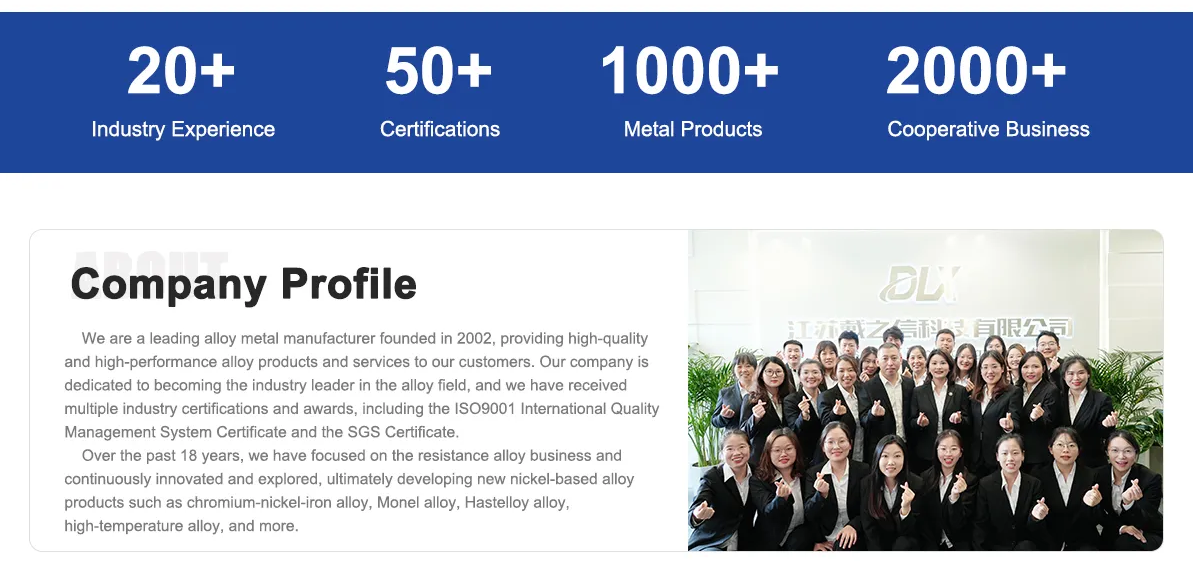
Why Choose DLX
Integrated VIM-ESR Metallurgical Cleanliness & Custom Alloy Processing
Changzhou DLX Alloy operates fully integrated vacuum metallurgy facilities spanning Vacuum Induction Melting (VIM), Electroslag Remelting (ESR), precision hot forging, and cold finishing. By maintaining stringent control over gas contents () and trace tramp elements, we eliminate microscopic stress risers that cause premature diaphragm rupture.
1,200 Tons Monthly Capacity with Multi-Slitting & Custom Temper Capabilities
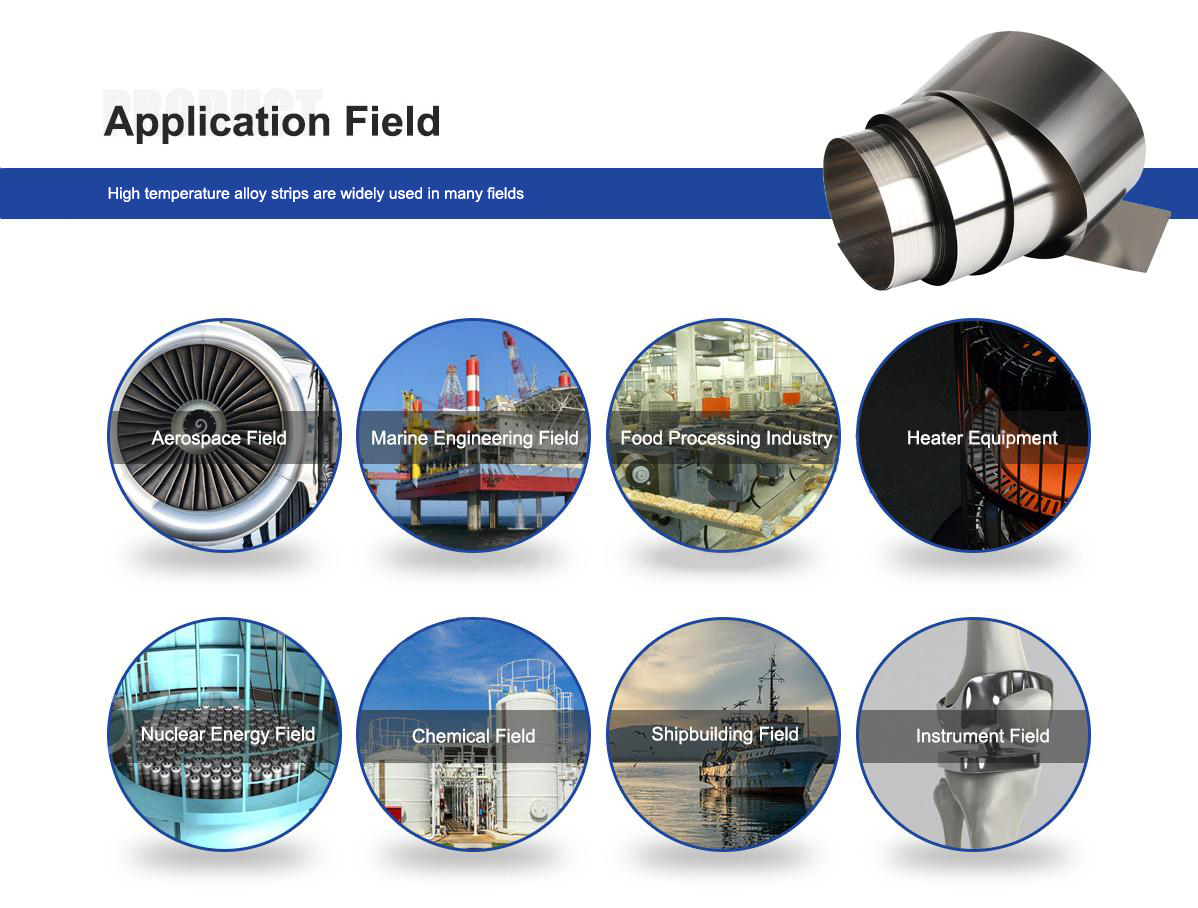
Operating out of our 20,000+ m² manufacturing hub with a monthly alloy processing output of 1,200 tons, DLX maintains dedicated high-precision strip lines. We offer custom slit widths from 5 mm, burr-free deburred edges, customized coil IDs, and flexible batch volumes tailored for prototype validation and high-volume OEM sensor manufacturing.
100% Full-Length Defect Detection and 3.1 Certified Material Verification
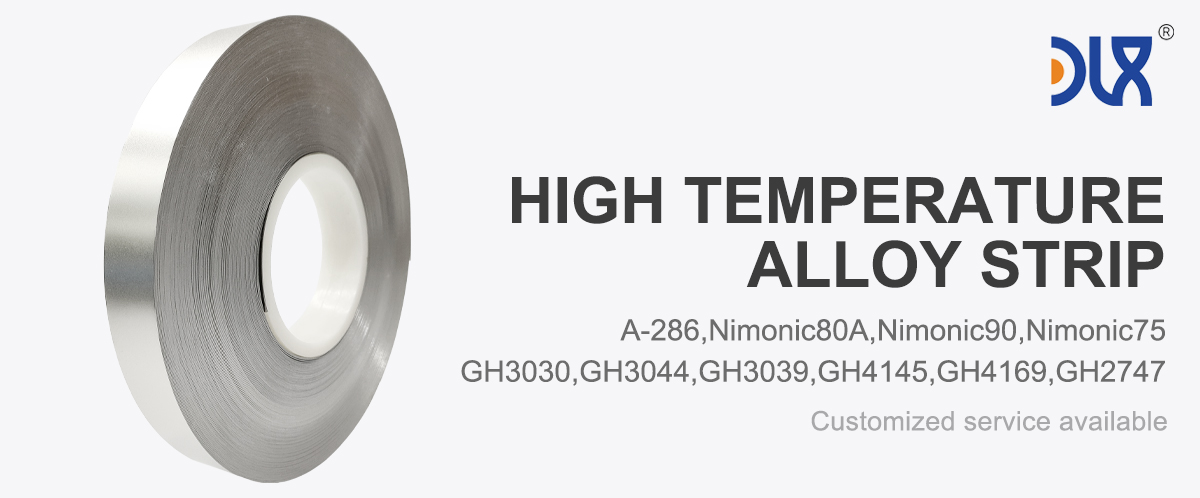
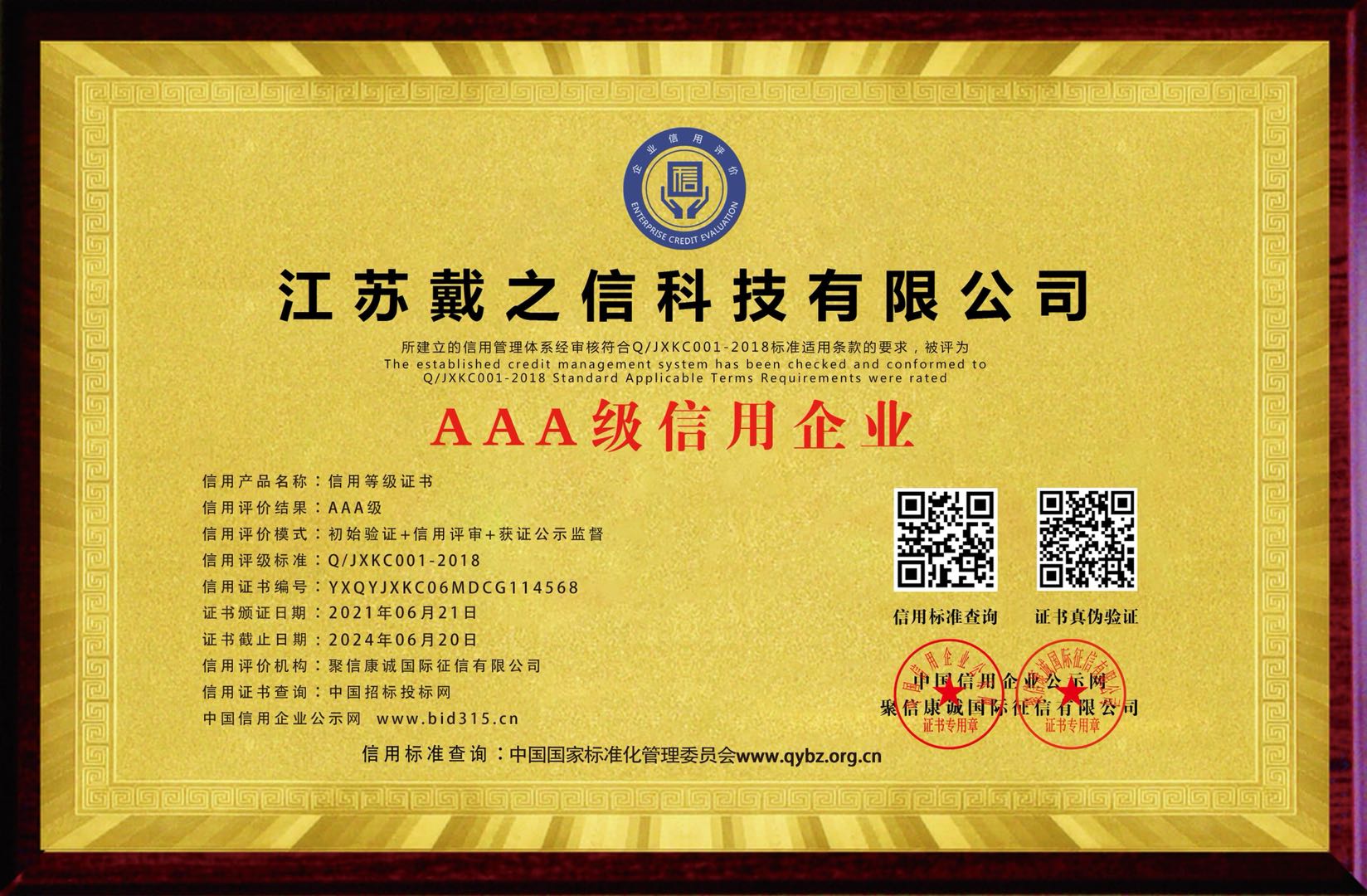
Every batch of our ultra-precision superalloy strip is subject to 100% eddy current surface testing, microstructural grain size analysis, tensile testing, and optical emission spectrometry. Full chemical and mechanical verification reports accompany every shipment, ensuring complete traceability from raw ingot to final coil.
Product FAQ
What thickness tolerance can DLX achieve for 0.1mm–0.5mm Nimonic 90 strip?
Through advanced multi-roll cold rolling mills and automatic gauge control (AGC), we routinely achieve thickness tolerances of ±0.003 mm (±3 µm) on ultra-thin gauges (0.1–0.3 mm) and ±0.005 mm on gauges from 0.31–0.8 mm, ensuring uniform spring constants across all sensor diaphragms.
What heat treatment process is recommended after stamping or etching the diaphragm?
For annealed or cold-worked Nimonic 90 diaphragms, the standard precipitation hardening cycle involves aging at 700°C–750°C for 4 to 16 hours, followed by air cooling. This develops the fine precipitate network required to achieve maximum elasticity, hardness (approx. 340–420 HV), and fatigue limit.
How does Nimonic 90 compare with Inconel 718 for pressure sensor diaphragms?
While both are precipitation-hardened nickel superalloys, Nimonic 90 exhibits a higher cobalt content (15–21%), resulting in a higher elastic modulus ( vs. ) and superior resistance to relaxation and creep at elevated temperatures above 600°C. This makes Nimonic 90 the premier choice for high-frequency, high-temperature responsive diaphragms.
Can DLX provide ready-to-weld burr-free slitting and custom coil packaging?
Yes. We provide precision rotary slitting with strict burr height control (burr of strip thickness). Coils are packaged with interleaf protective paper, desiccants, and rust-inhibiting vacuum foil in reinforced wooden export crates to prevent edge damage and surface oxidation during international transit.
What is the typical lead time and minimum order quantity (MOQ)?
We support rapid sampling and custom trial runs for sensor development with scalable batch sizes based on strip gauge and width requirements. Standard production runs are typically completed within 2 to 4 weeks depending on the required temper and slitting configuration.