EN

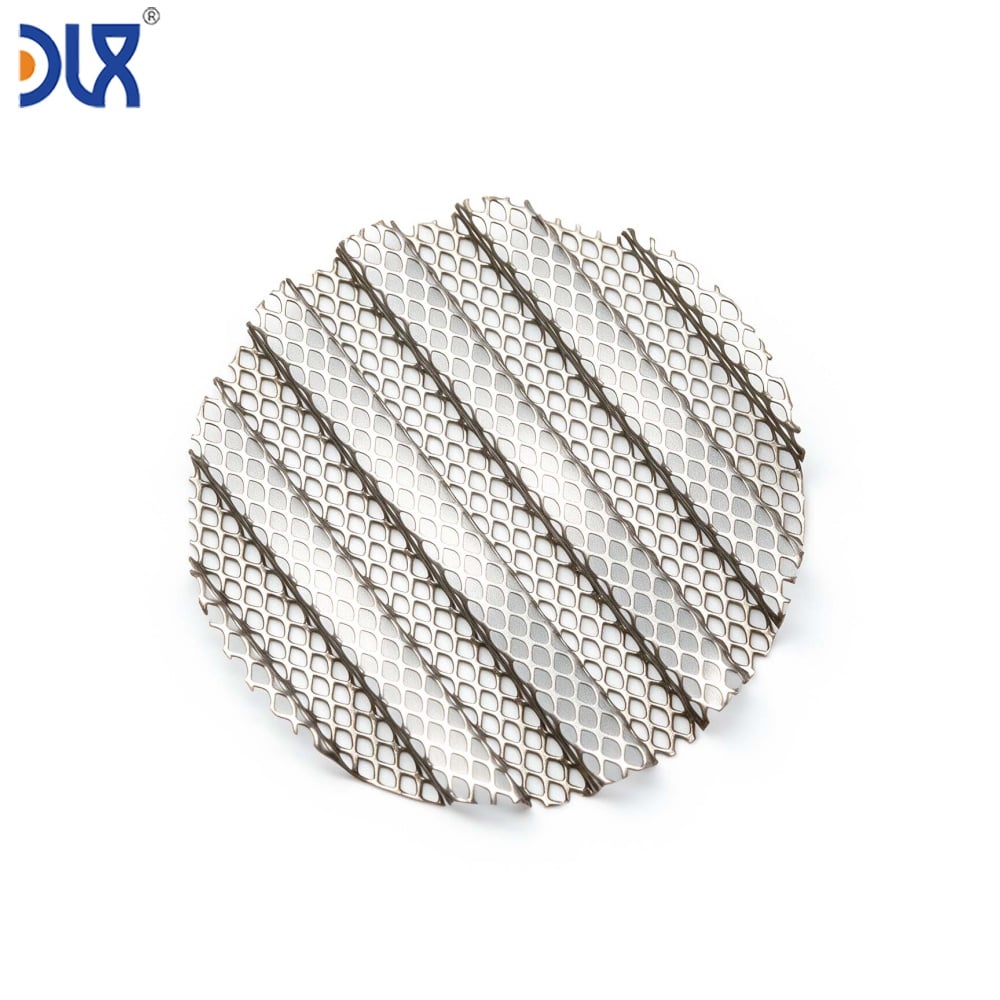
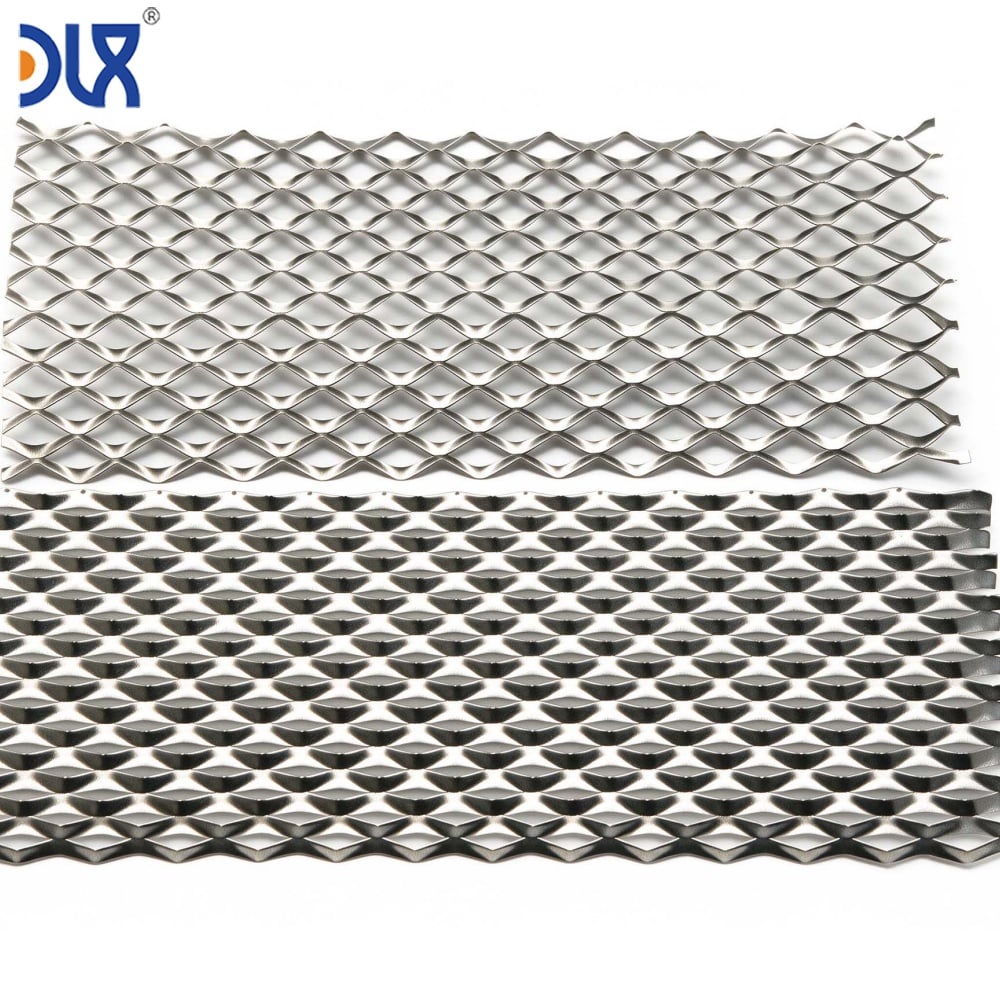
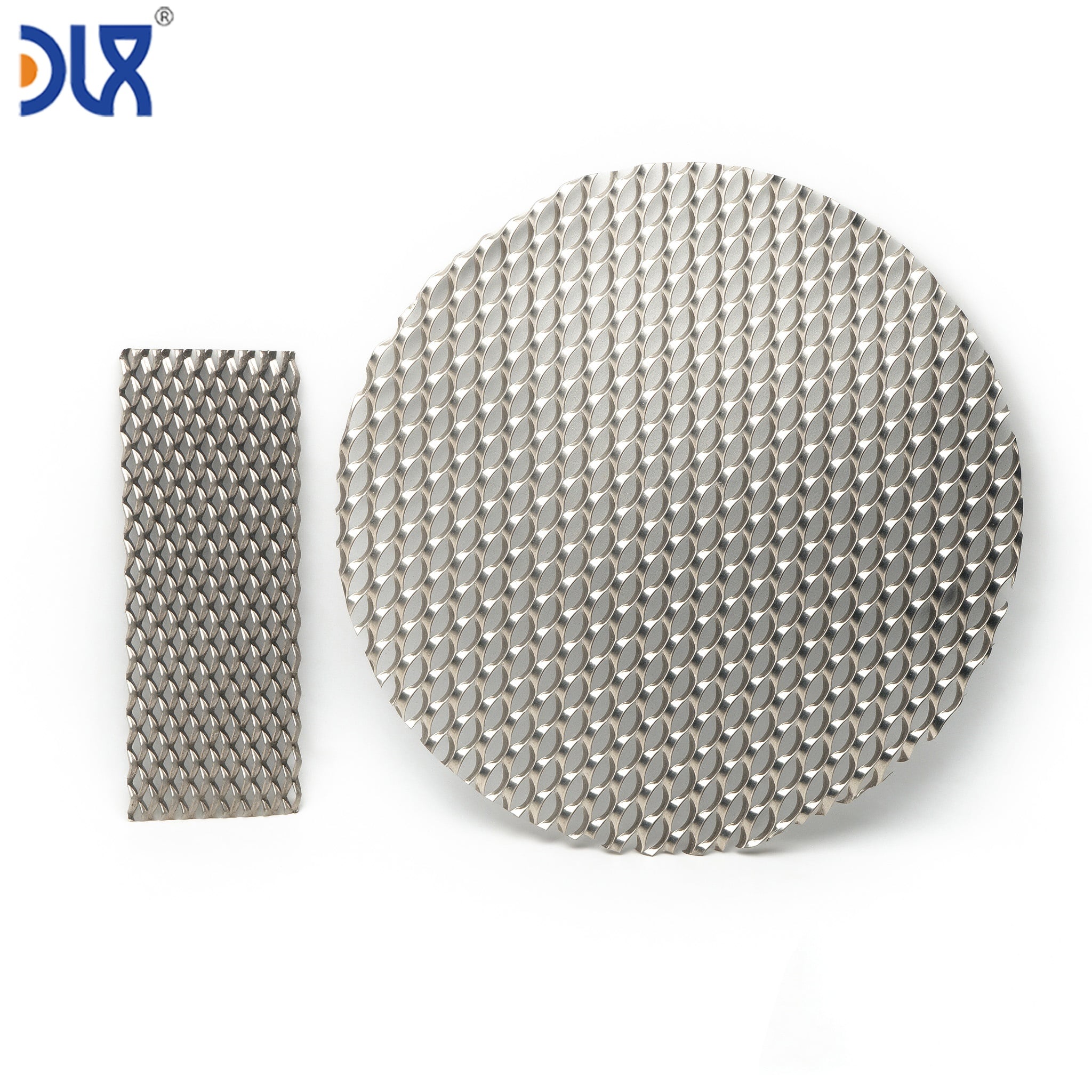
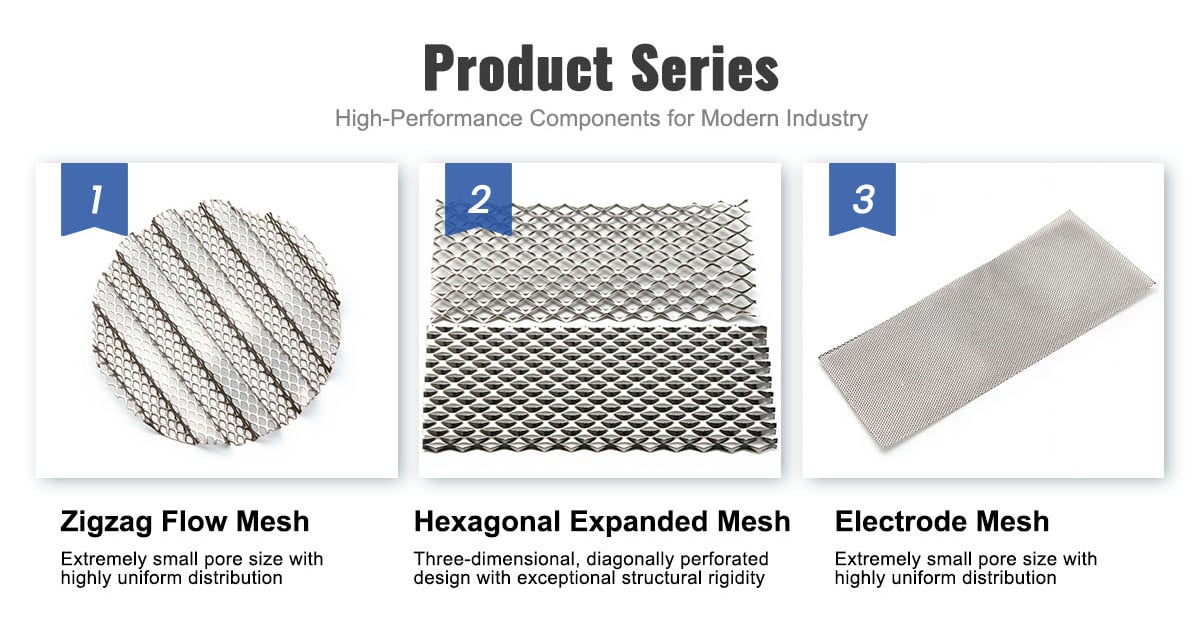
Premium Pure Nickel Expanded Metal Mesh N4 N6 0.1-3mm For Hydrogen Production
Precision-Engineered N4/N6 Seamless Nickel Foil Mesh with Superior Hot KOH Alkaline Resistance & Low Contact Resistance for AWE & AEM Electrolyzer Stacks.
- Overview
- Features
- Specifications
- Characteristics
- Applications
- About DLX
- FAQ
- Recommended Products
Product Overview
Engineered Pure Nickel Mesh for High-Efficiency Electrolysis
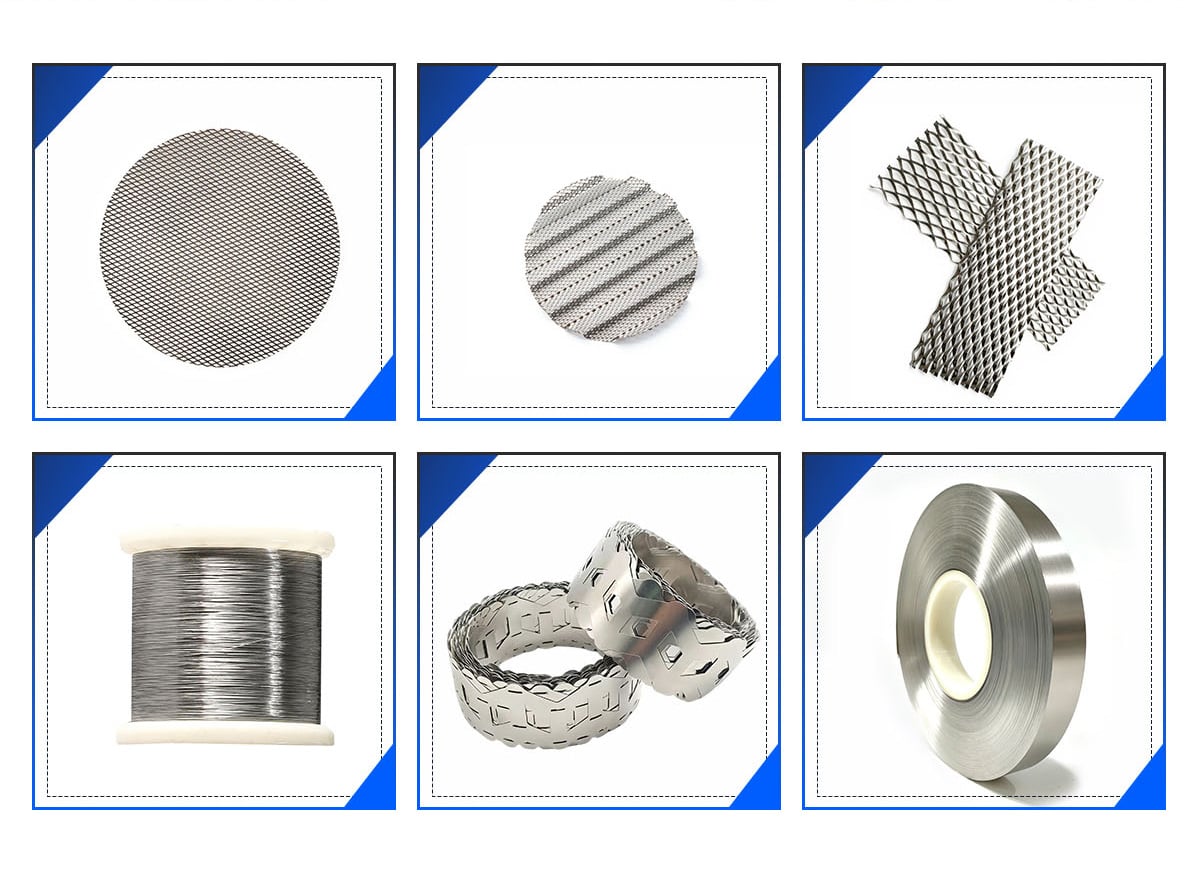
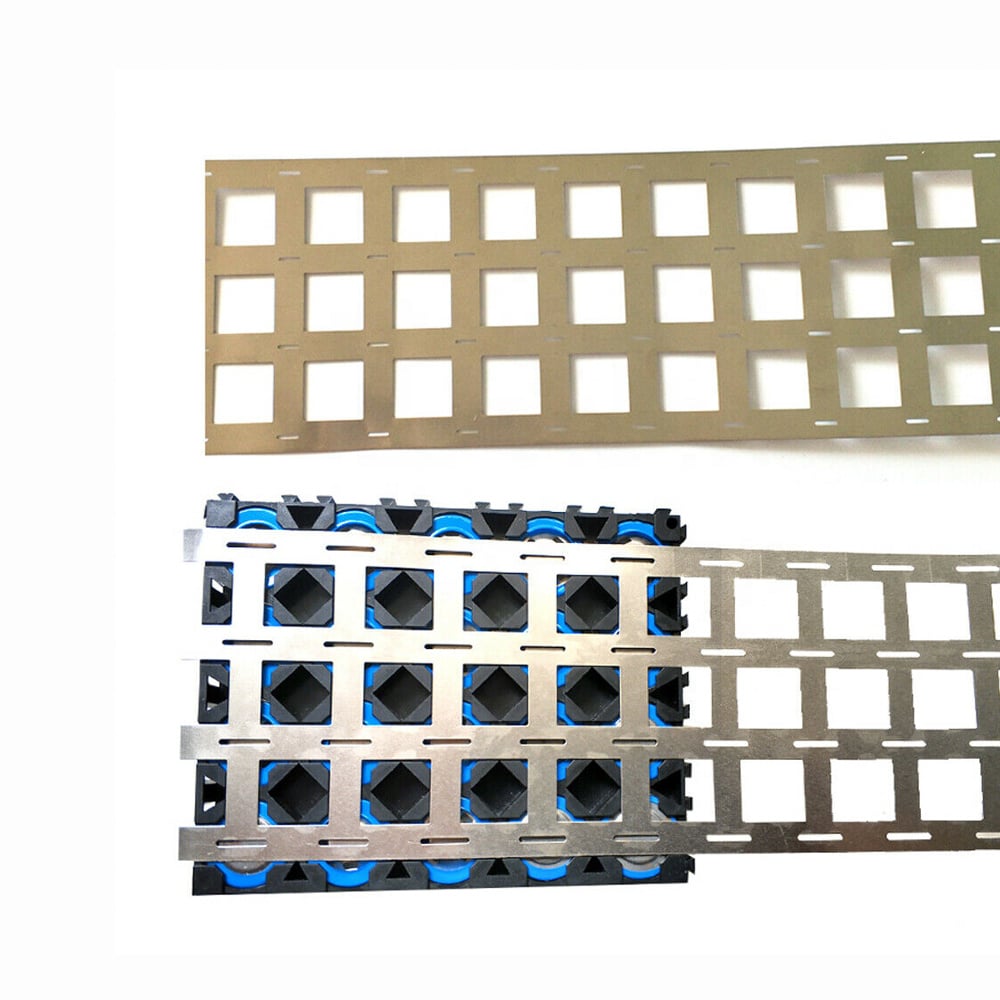
DLX high-purity pure nickel expanded metal mesh (grades N4 and N6) is engineered specifically for demanding electrochemical and hydrogen generation systems. Produced by precision slitting and stretching solid high-purity nickel foil/sheet, our expanded mesh forms a seamless, joint-free conductive network.
Unlike woven wire cloth that suffers from contact resistance at wire intersections or loose strands when cut, our expanded nickel structure delivers uninterrupted electron transfer, superior mechanical rigidity, and uniform gas-liquid permeability. Designed to withstand harsh 20%–30% boiling potassium hydroxide (KOH) electrolyte environments, it serves as the ideal electrode carrier, catalyst substrate, and current collector for commercial alkaline water electrolyzers (AWE) and next-generation anion exchange membrane (AEM) stacks.
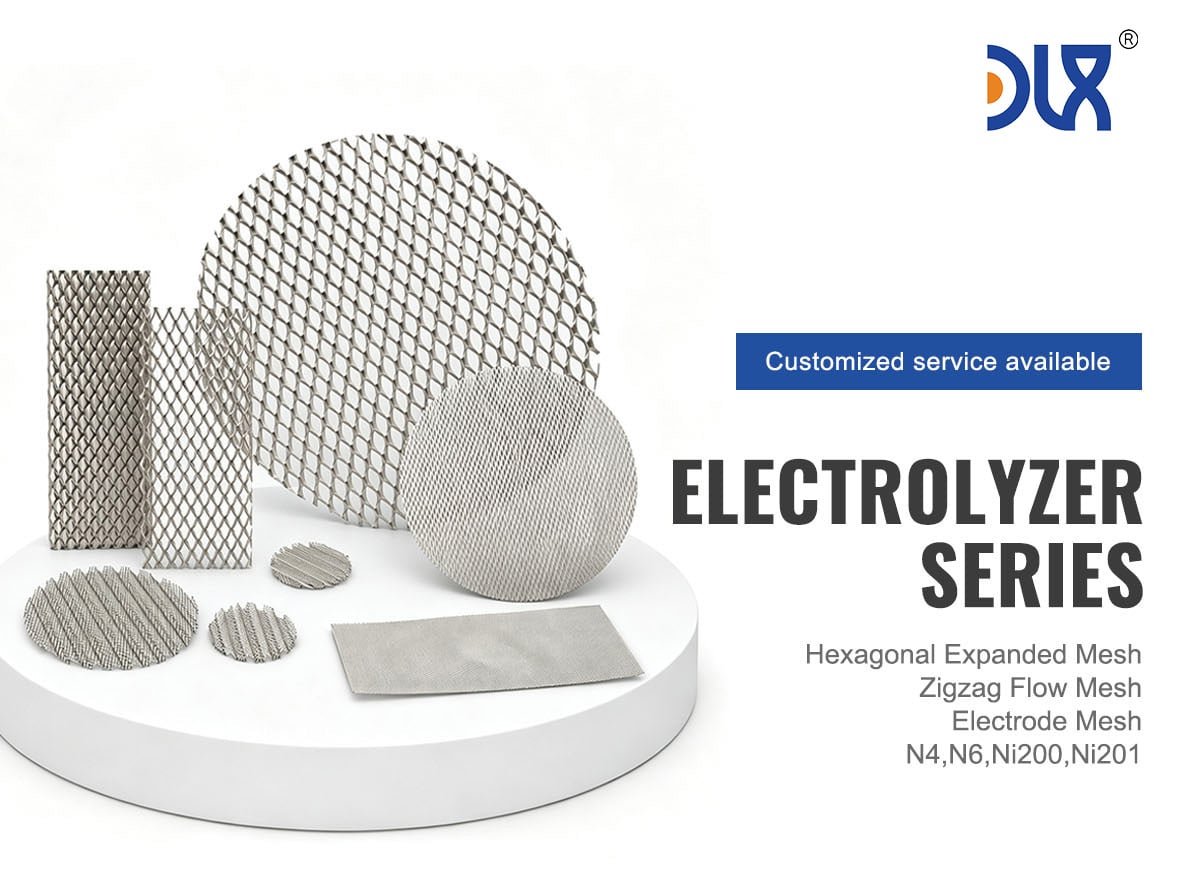
Key Electrochemical & Mechanical Features of Nickel Expanded Mesh
-
Seamless One-Piece Structure: Slit and expanded from a single nickel sheet without welds, joints, or braids, eliminating contact resistance and preventing strand unraveling during automated die-cutting.
-
Exceptional Alkaline Corrosion Resistance: High-purity nickel (N4 ≥99.9%, N6 ≥99.5%) forms a stable passive oxide film, ensuring long-term operational stability in hot concentrated KOH/NaOH solutions up to 100°C.
-
Optimized Gas-Liquid Mass Transfer: Precise 3D diamond aperture geometries facilitate rapid bubble detachment (reducing hydrogen/oxygen gas masking) and minimize cell overpotential.
-
High Electrical & Thermal Conductivity: Retains the intrinsic conductivity of pure nickel (electrical conductivity ~22-25% IACS, thermal conductivity 70.2 W/m·K), minimizing resistive heating in high-current-density stacks.
-
Flexible Surface Topography: Available in both standard (raised/rigid 3D structure for enhanced catalyst anchoring) and flattened (smooth rolled surface for zero-gap membrane protection) configurations.
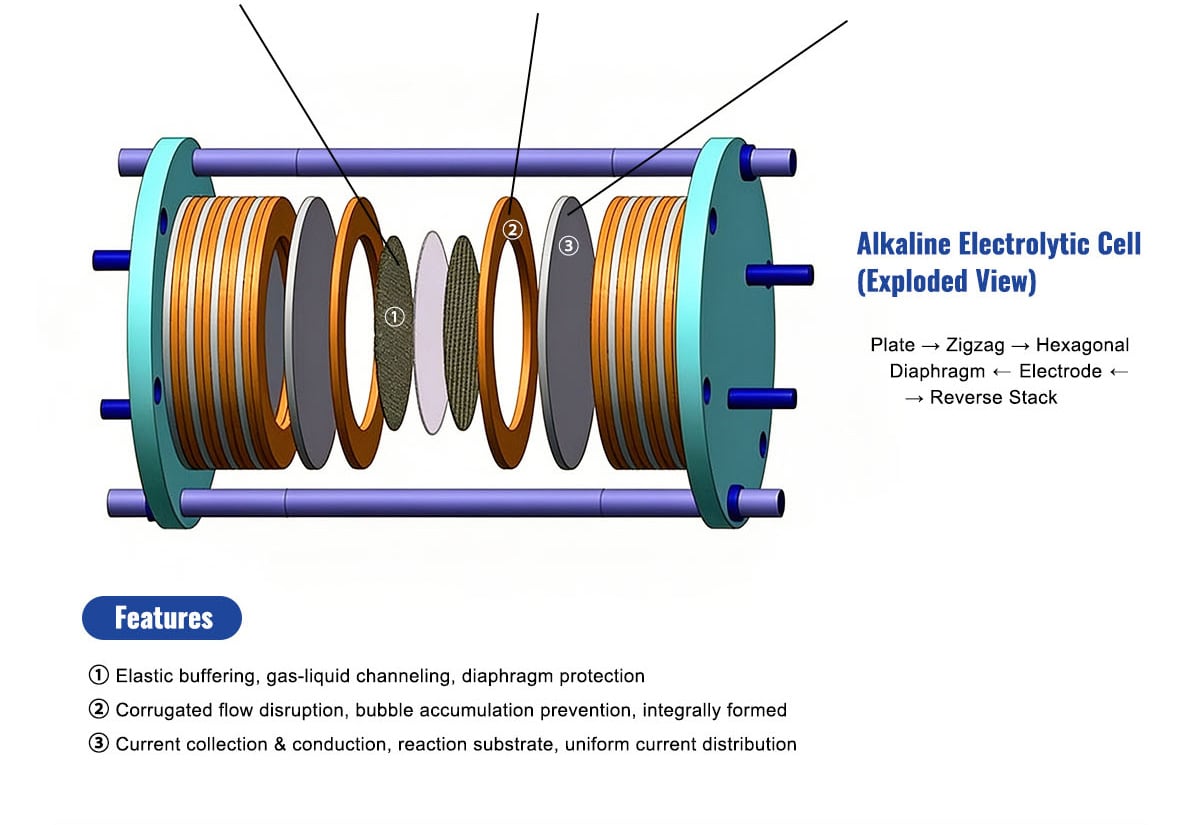
Technical Specifications & Dimension Tolerances
| Parameter | Standard Range | Precision Custom Capability |
|---|---|---|
| Material Grades | N4 (UNS N02201 equiv. 99.9%), N6 (UNS N02200 equiv. 99.5%) | N4, N6, Ni200, Ni201, Custom Purity |
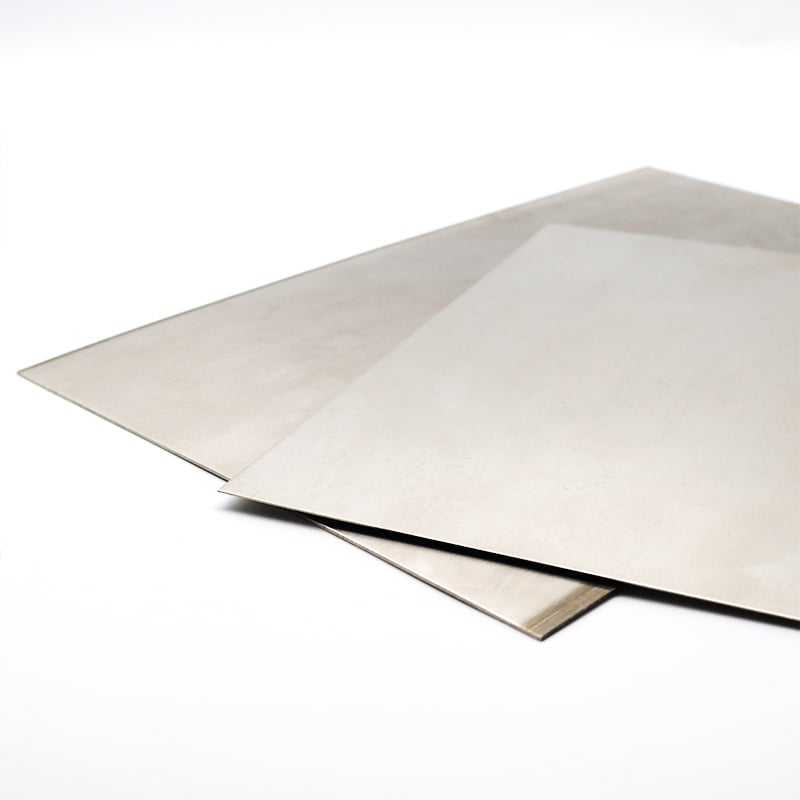
| Foil/Sheet Thickness (T) | 0.10 mm – 3.00 mm | ±0.01 mm – ±0.03 mm |
| Long Way of Diamond (LWD) | 0.50 mm – 20.0 mm | ±0.05 mm – ±0.15 mm |
| Short Way of Diamond (SWD) | 0.30 mm – 10.0 mm | ±0.05 mm – ±0.10 mm |
| Strand Width (W) | 0.10 mm – 3.00 mm | ±0.02 mm – ±0.05 mm |
| Open Area Ratio | 40% – 85% | Engineered to target porosity |
| Form / Surface | Standard Raised (3D) or Precision Cold Flattened | Bright, Degreased, Burr-free edge |
| Supply Format | Continuous Coils (width 50–1000mm) or Custom Die-cut Sheets | Slit to exact stack dimensions |
Chemical Composition & Physical Properties
Chemical Analysis (wt%)
| Grade | Ni + Co (Min) | C (Max) | Fe (Max) | Si (Max) | Cu (Max) | S (Max) |
|---|---|---|---|---|---|---|
| N4 (High Purity) | 99.90% | 0.02% | 0.04% | 0.02% | 0.02% | 0.001% |
| N6 (Industrial Standard) | 99.50% | 0.10% | 0.10% | 0.10% | 0.10% | 0.005% |
| Ni201 (Low Carbon) | 99.60% | 0.02% | 0.40% | 0.35% | 0.25% | 0.010% |
| Ni200 (Commercial) | 99.60% | 0.15% | 0.40% | 0.35% | 0.25% | 0.010% |
Fundamental Material Constants
-
Density: 8.908 g/cm³
-
Melting Range: 1435 °C – 1446 °C
-
Resistivity (20°C): 0.096 μΩ·m
-
Thermal Conductivity: 70.2 W/m·K
-
Tensile Strength (Annealed Base): ≥ 462 MPa
-
Elongation at Break: ≥ 35%
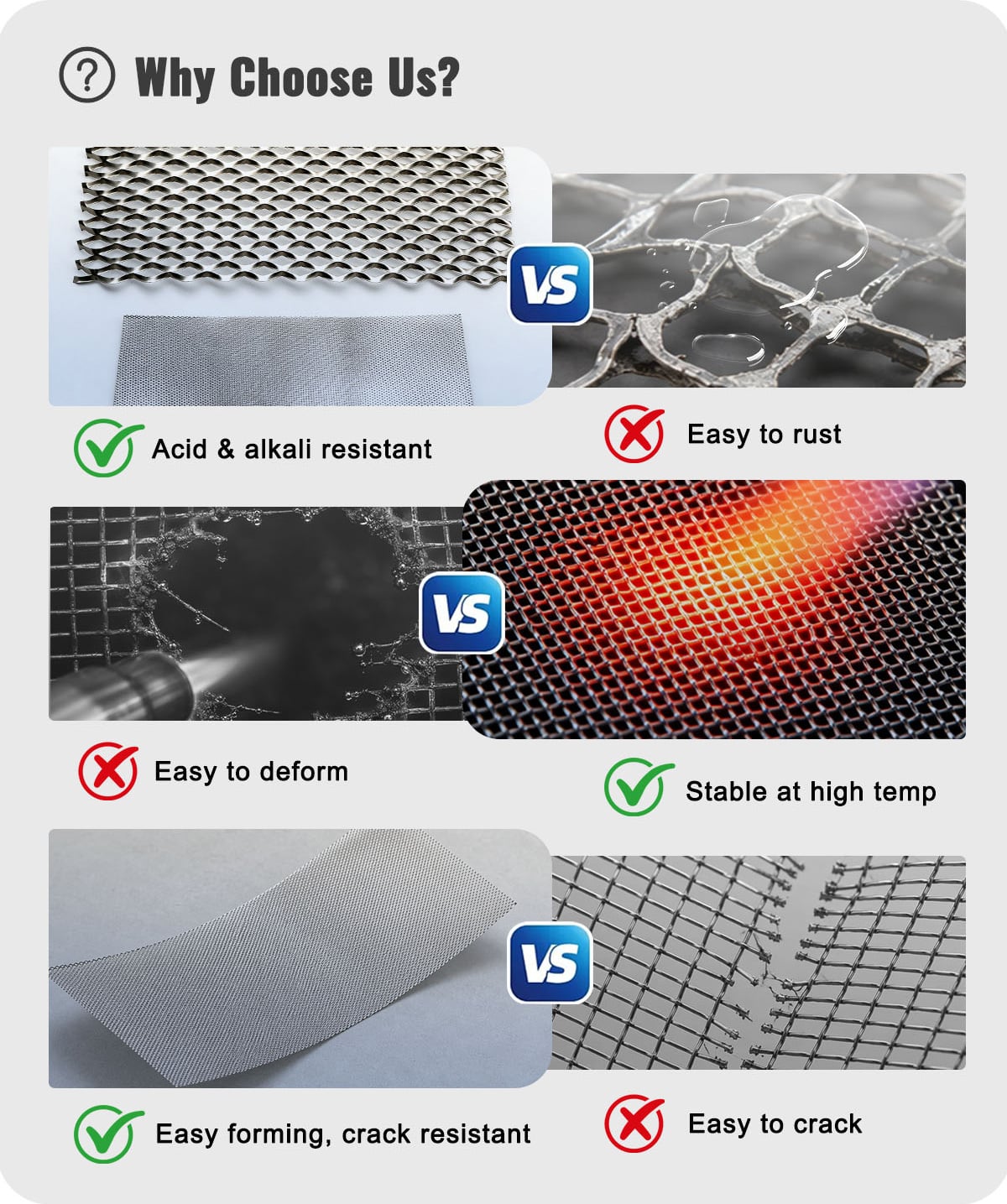
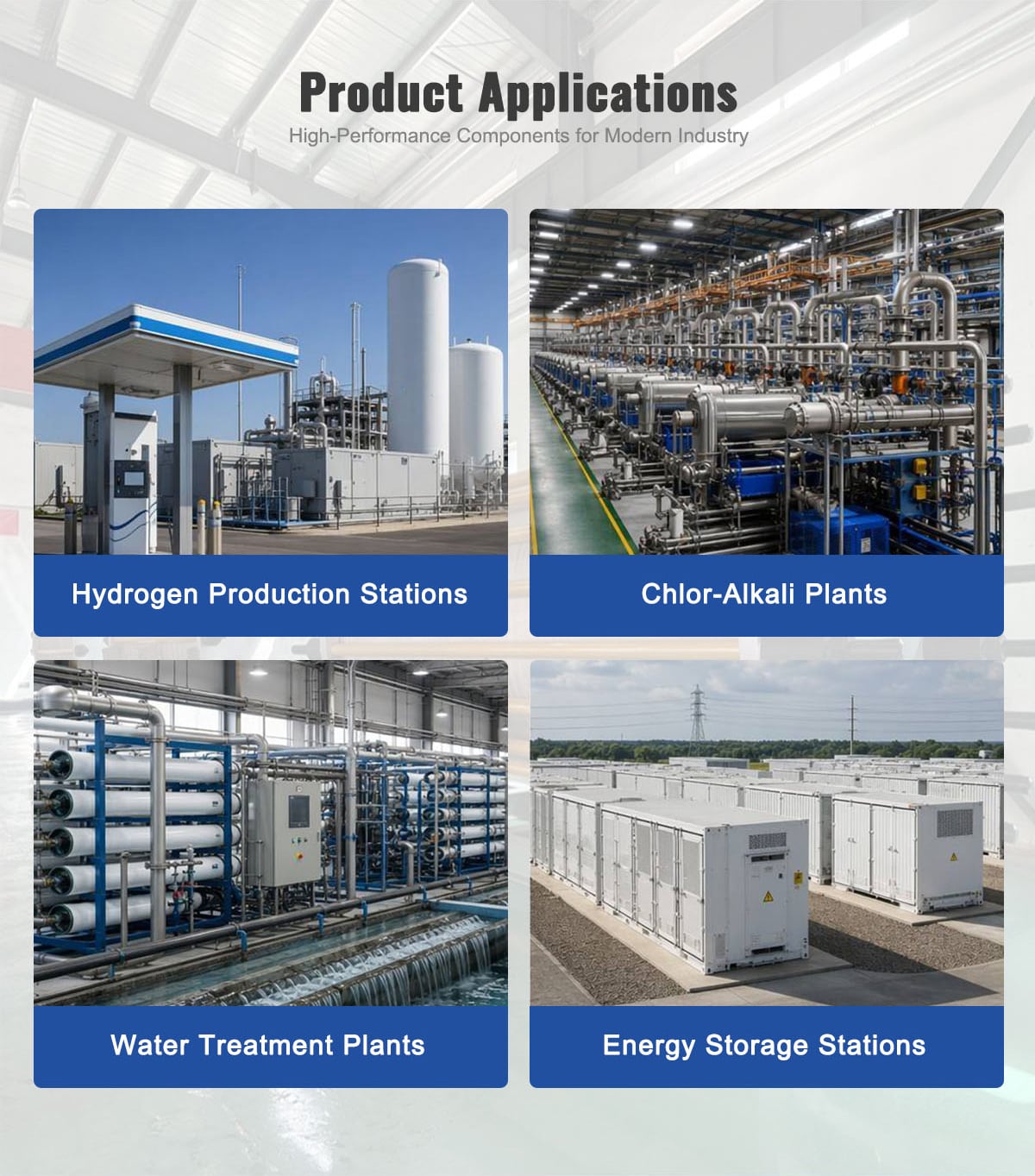
Industrial Applications Across Hydrogen Energy & Clean Tech
-
Alkaline Water Electrolyzer (AWE) Electrodes: Primary substrate for Raney-nickel, Ni-Mo, or Ni-Fe catalyst coatings in multi-megawatt green hydrogen generation facilities.
-
Anion Exchange Membrane (AEM) Current Collectors: High-precision micro-expanded nickel foil providing uniform mechanical support and low contact resistance against catalyst-coated membranes (CCM).
-
Zero-Gap Electrolysis Cell Hardware: Elastic, flattened nickel mesh screens acting as flexible conductive cushions between bipolar plates and diaphragms.
-
Nickel-Hydrogen / Ni-Cd Batteries & Supercapacitors: High-surface-area positive and negative current collector plates enabling high-rate charge/discharge cycles.
-
Corrosive Chemical Filtration: Gas diffusion layers and liquid filtration media in chlor-alkali production and concentrated hot lye handling equipment.
Why Choose DLX as Your Precision Nickel Mesh Manufacturer?
-
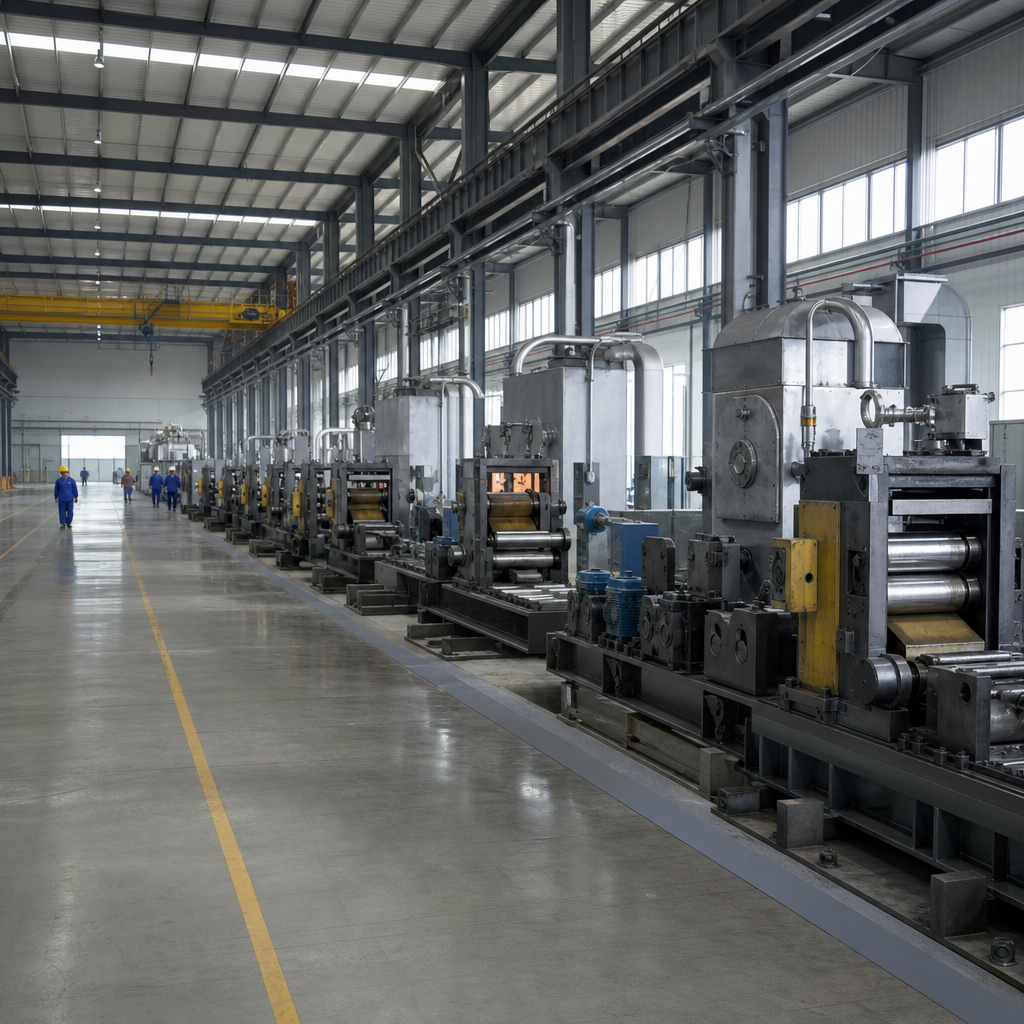
20+ Years Specialized Metallurgy & Forming: Dedicated manufacturing facility with complete control from vacuum induction melting (VIM) ingot casting to precision cold rolling and micro-expansion.
-
Burr-Free Edge Processing & Cleanliness: Advanced slitting and ultrasonic degreasing lines ensure strip edges are free from micro-burrs that could puncture electrolytic diaphragms or ion exchange membranes.
-
Full Process Traceability & ISO 9001 Certified Quality: Every production batch is certified with complete Mill Test Certificates (MTC), dimensional optical scans, and chemical ICP analysis.
-
Flexible Prototyping to Volume Production: Rapid turnaround on custom tooling for unique LWD/SWD ratios, low MOQ for lab testing, and scalable continuous coil packaging for automated stack assembly lines.
Frequently Asked Questions
Q1: Why is pure nickel expanded mesh preferred over woven wire mesh in hydrogen electrolyzers?
A: Expanded metal mesh is formed from a single solid sheet without overlapping wire junctions. This eliminates the contact resistance found at wire intersections, prevents particulate shedding, and guarantees that edges will not fray when die-cut to fit circular or rectangular cell designs.
Q2: What is the difference between N4 and N6 nickel for hydrogen production?
A: N4 has a higher purity (Ni ≥ 99.9%) and ultra-low carbon content (C ≤ 0.02%), making it ideal for high-voltage AEM and zero-gap electrolyzers where trace impurities could poison the membrane. N6 (Ni ≥ 99.5%) is the standard industrial grade offering excellent conductivity and alkali resistance at a more cost-effective point for large-scale AWE installations.
Q3: Can you supply flattened nickel expanded mesh for zero-gap cell structures?
A: Yes. We provide precision cold-flattened nickel mesh where the 3D strand knuckles are rolled flush with the sheet plane. This creates a smooth, continuous contact area that distributes pressure evenly and prevents localized mechanical stress on delicate membranes.
Q4: What dimensional tolerances can DLX maintain on micro-mesh apertures?
A: Using optical CCD monitoring and precision-ground carbide tooling, we maintain aperture tolerances within ±0.05 mm for SWD/LWD and thickness tolerances within ±0.01 mm on foil-gauge substrates.
Q5: Can I request custom sample sizes for laboratory catalyst coating tests?
A: Yes. We support green hydrogen R&D with custom sample sheets (e.g., 100mm × 100mm, 200mm × 200mm) and prototype coils with standard or custom diamond openings. Contact our engineering team with your cell drawing or target porosity.