EN

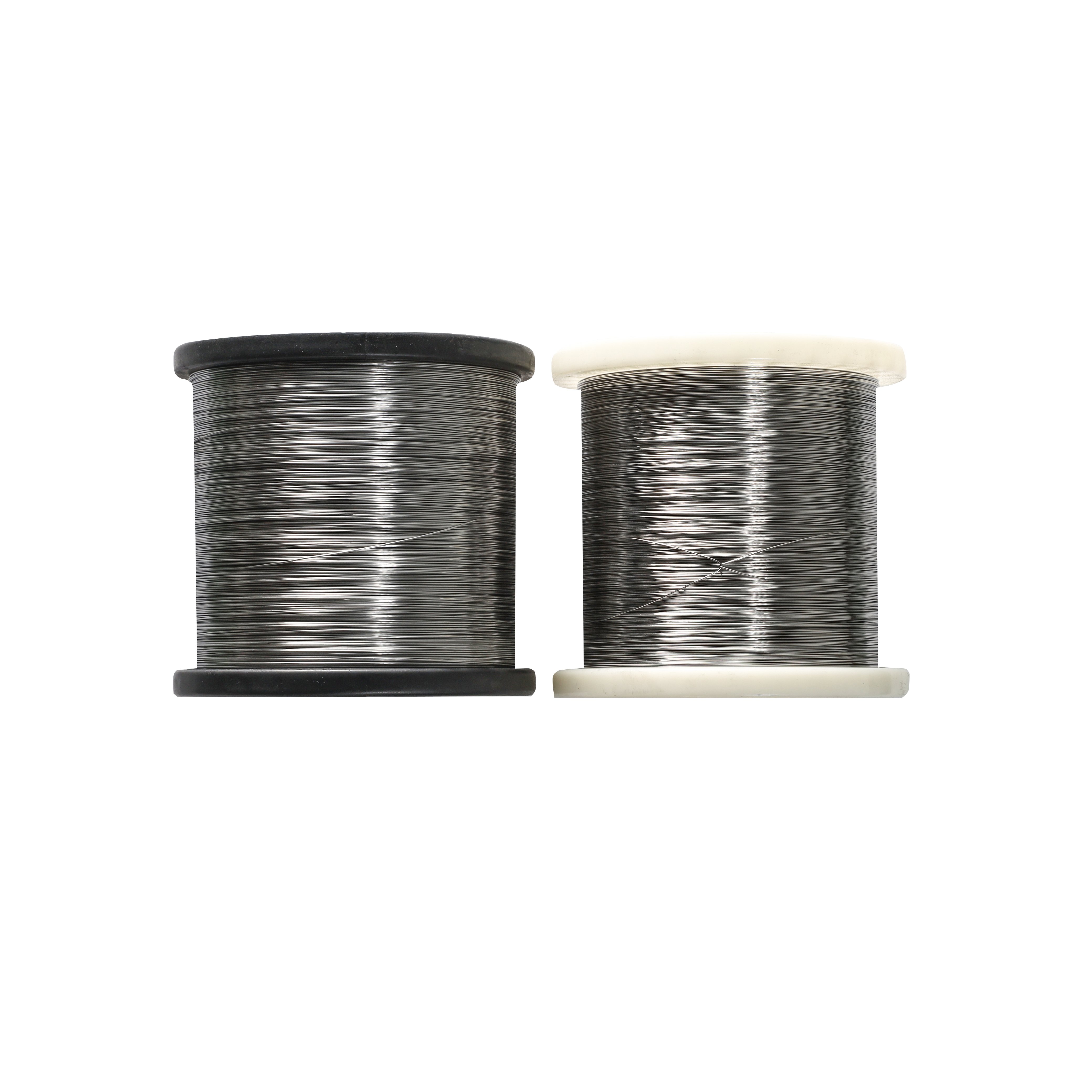
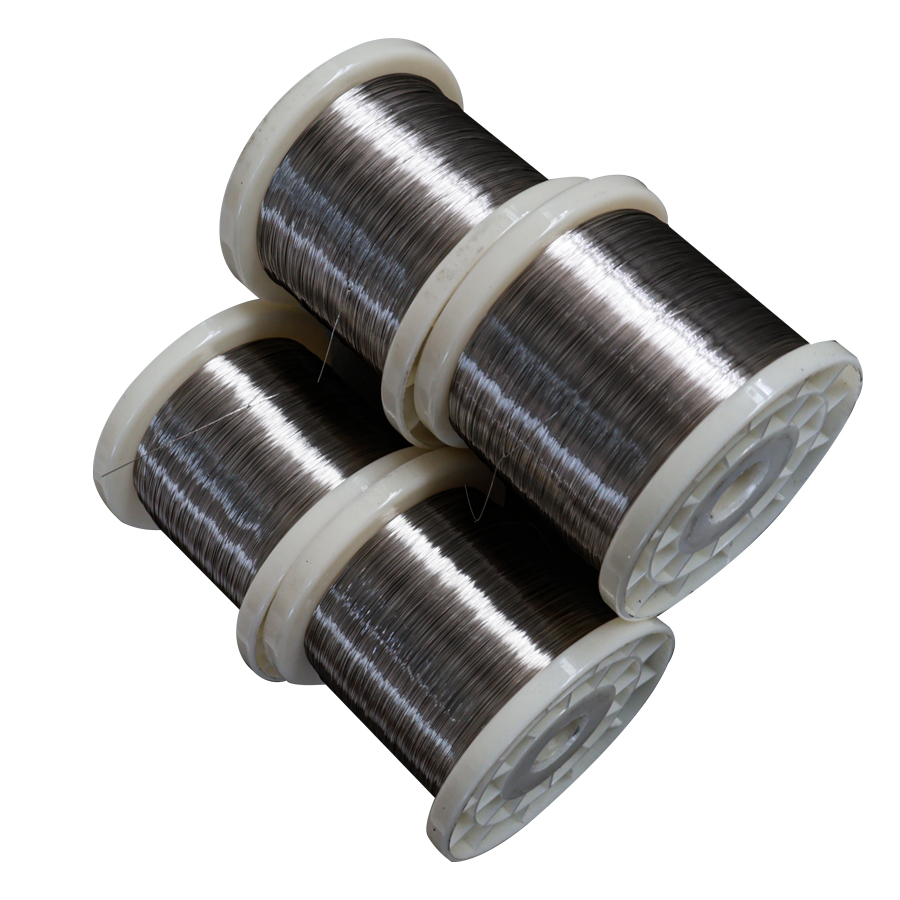
Precision NiCr20AlSi Alloy Wire 0.02-1.0mm for Resistance Sensors & Measuring Devices
Engineered for mission-critical instrumentation, our NiCr20AlSi precision resistance alloy wire delivers exceptional thermal EMF stability against copper, near-zero temperature coefficient of resistance (TCR), and superior long-term resistance stability across severe operating environments.
- Overview
- Specifications
- Features
- Applications
- About DLX
- FAQ
- Recommended Products
Product Overview
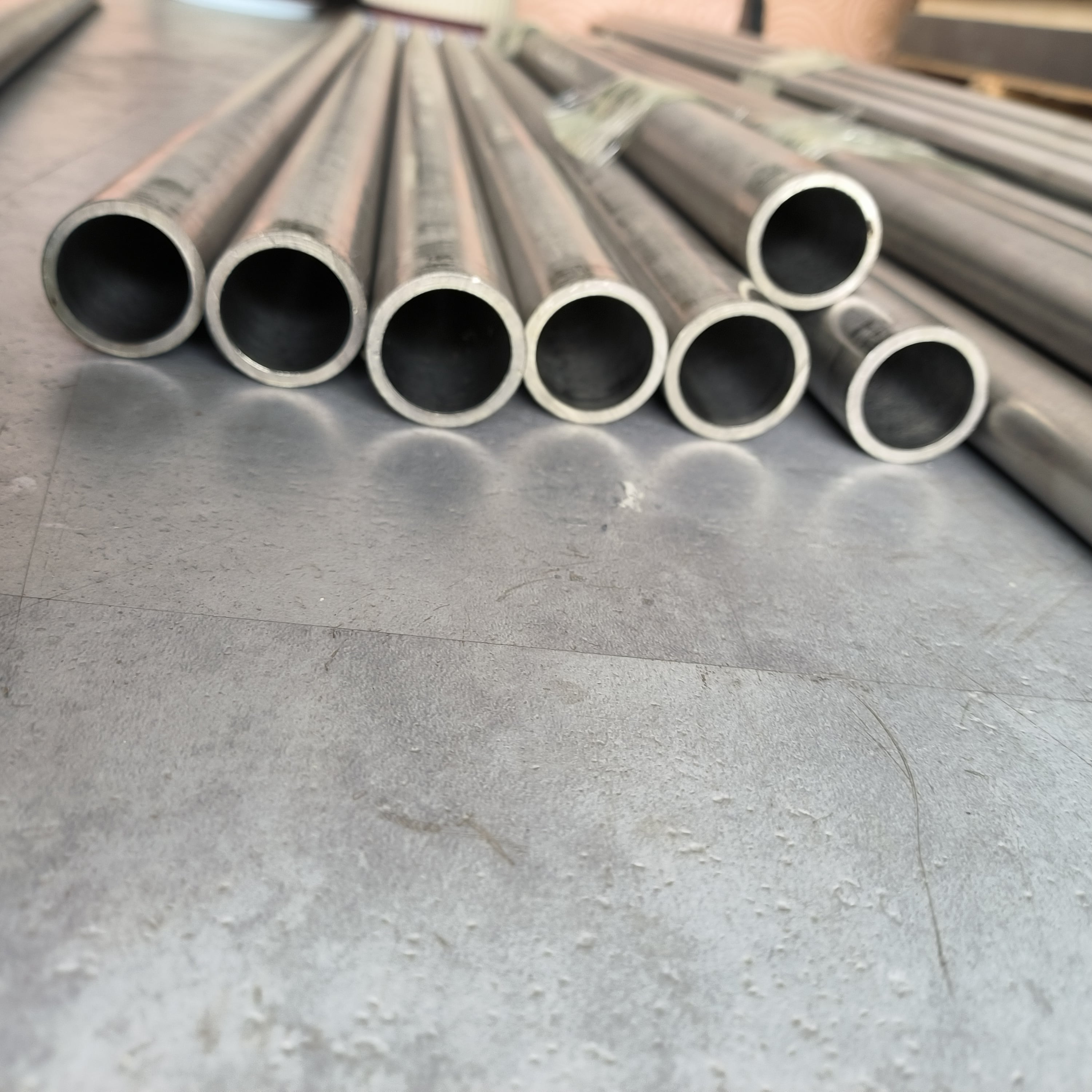
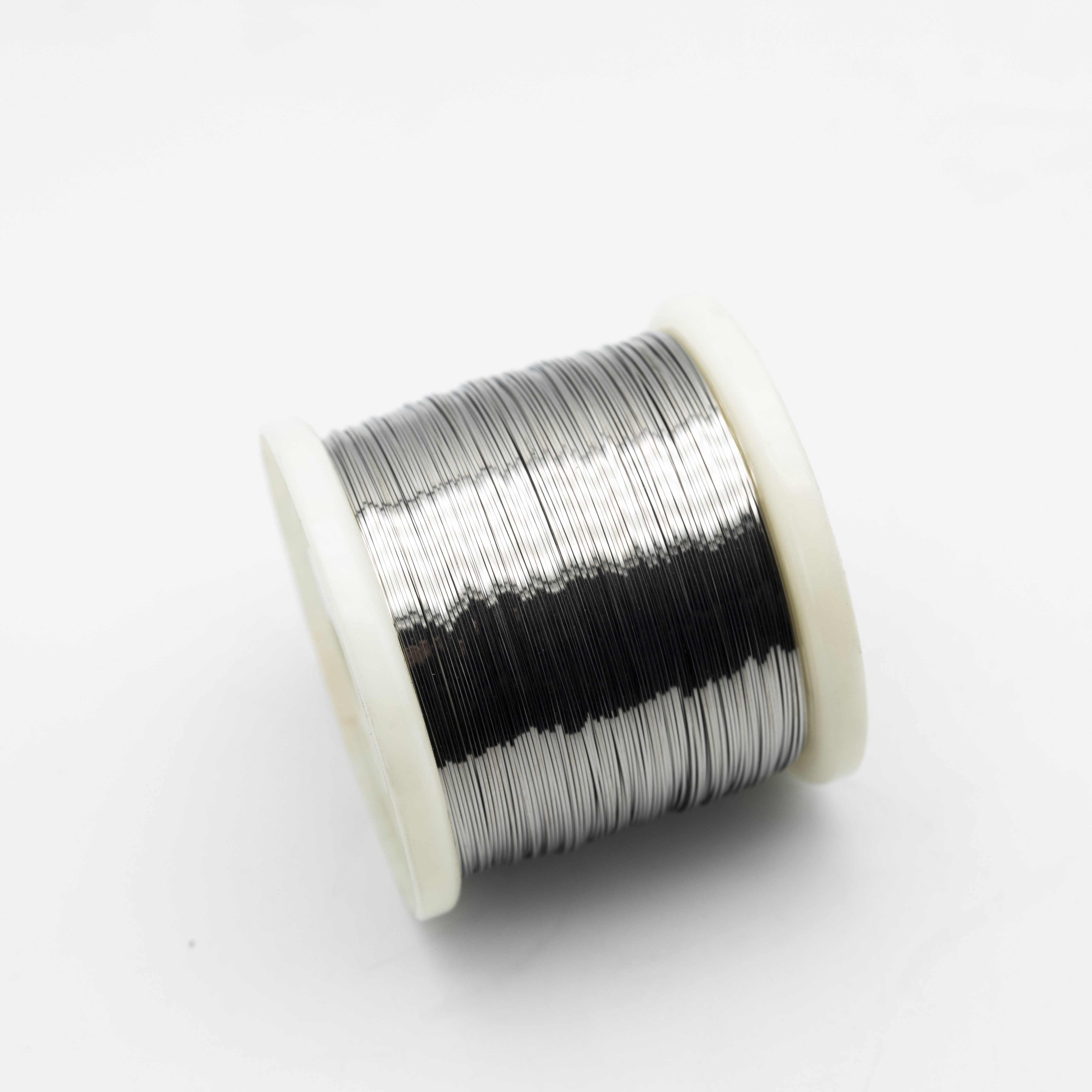
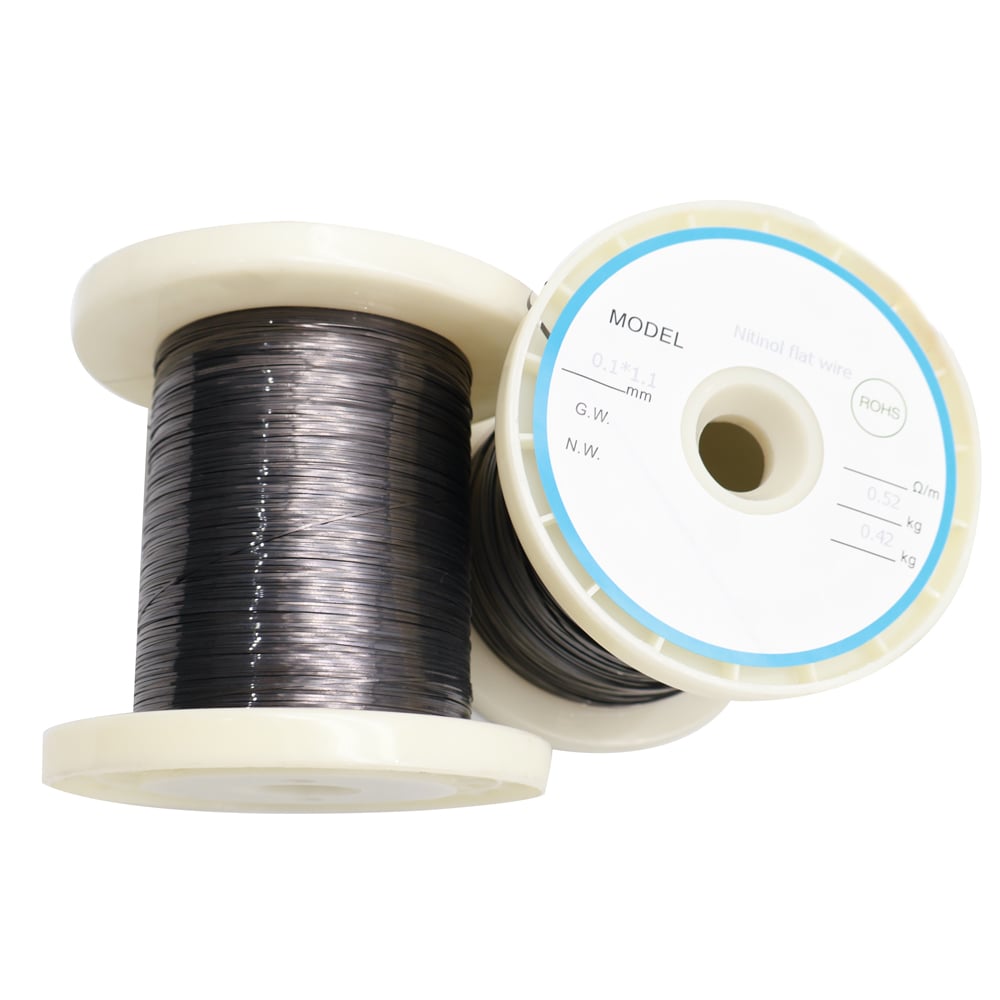
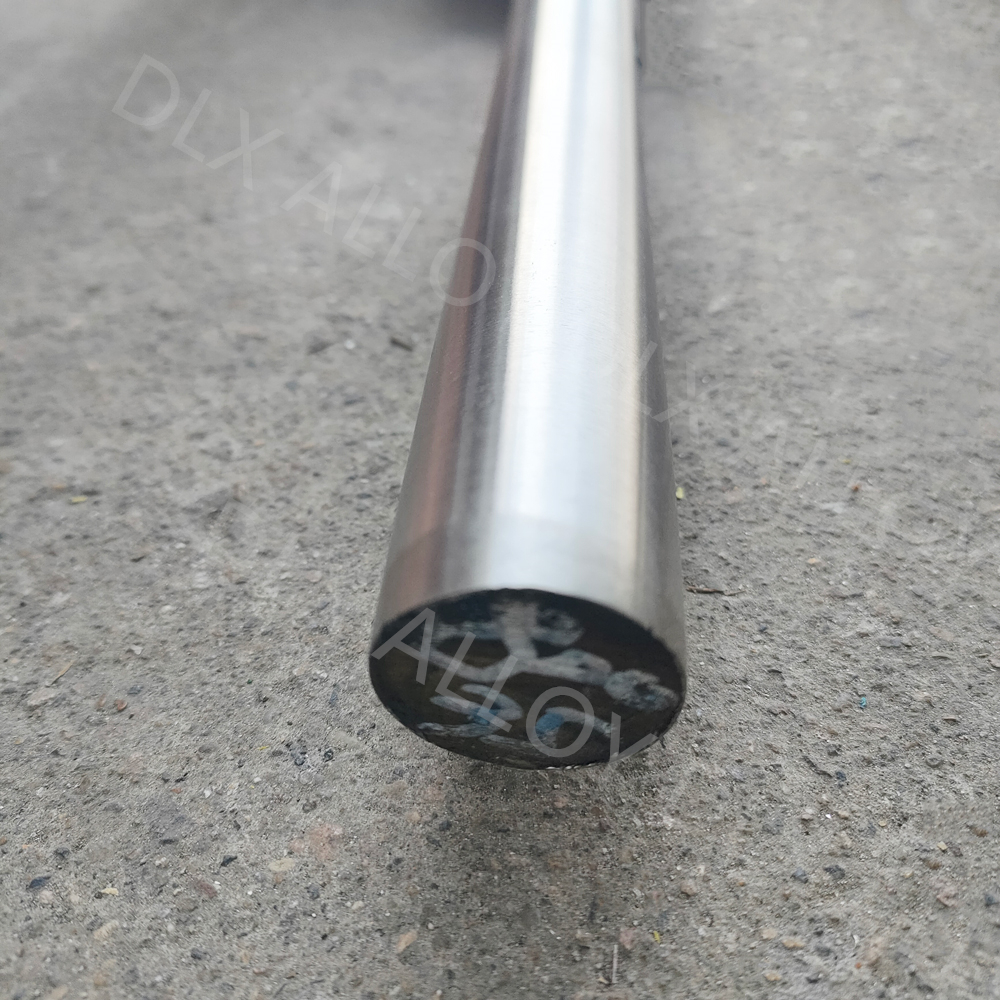
In demanding metrology and instrumentation sectors, signal drift caused by ambient temperature fluctuations is the primary cause of measurement error. NiCr20AlSi alloy wire resolves this challenge through optimized metallurgical composition and precision multi-stage annealing. By balancing nickel, chromium, aluminum, and silicon at atomic precision, the alloy forms a self-passivating, dense surface oxide layer that ensures long-term ohmic stability, low noise, and minimal resistance drift over thousands of operational hours. Available in fine wire, ultra-fine wire (down to 0.015 mm), flat ribbon, and spooled configurations with strict diameter tolerances.
Technical Specifications
Chemical Composition Breakdown (Nominal Weight %)
| Element | Nickel (Ni) | Chromium (Cr) | Aluminum (Al) | Silicon (Si) | Manganese (Mn) | Iron (Fe) |
|---|---|---|---|---|---|---|
| Content (%) | Balance (~73.0–75.0) | 19.0 – 21.0 | 2.5 – 3.5 | 1.0 – 1.8 | 0.3 – 0.8 | ≤ 1.0 |
Physical & Electrical Characteristics
| Property Parameter | Value / Range | Engineering Note |
|---|---|---|
| Electrical Resistivity at 20°C | 1.33 ± 0.05 μΩ·m (133 μΩ·cm) | High resistivity enabling compact winding designs |
| Temperature Coefficient of Resistance (TCR) | ±5 to ±10 ppm/°C (-55°C ~ +150°C) | Near-zero drift across broad thermal spans |
| Thermal EMF vs. Copper (0–100°C) | < +1.0 μV/°C (typically < 0.5 μV/°C) | Eliminates parasitic thermocouple voltages |
| Density | 7.30 g/cm³ | High strength-to-weight structural integrity |
| Melting Point | 1390°C – 1420°C | Stable solidus temperature |
| Tensile Strength (Annealed State) | 700 – 1100 MPa | Outstanding ductility for automated winding |
| Elongation at Break (A100) | ≥ 15% | High flexibility without micro-fracturing |
| Available Diameters | 0.015 mm – 1.20 mm | Ultra-fine drawing with laser-calibrated dies |
| Diameter Tolerance Control | ±0.001 mm to ±0.002 mm | Multi-axis continuous laser micrometer verified |
Key Performance Features
-
Ultra-Low Temperature Coefficient (Near-Zero TCR): Specially controlled thermal treatment delivers an engineered parabolic TCR profile centered near room temperature, ensuring resistance stability in high-accuracy circuits.
-
Minimized Parasitic Thermal EMF vs. Copper: Extremely low thermoelectric potential against copper terminal leads prevents measurement distortion in DC measuring instruments and micro-volt sensor loops.
-
Superior Long-Term Ohmic Stability: High thermodynamic stability prevents crystal aging and resistance shift under sustained electrical and thermal loads.
-
Dense Protective Oxide & Corrosion Resistance: Aluminum and silicon additives generate an impervious, self-healing oxide film, providing exceptional oxidation resistance up to 500°C.
-
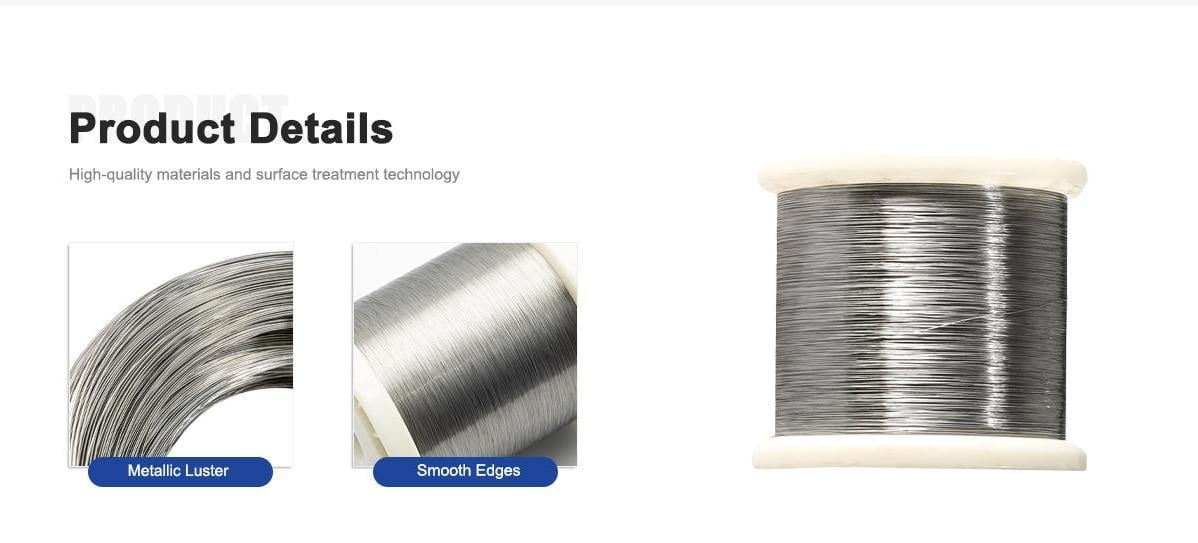
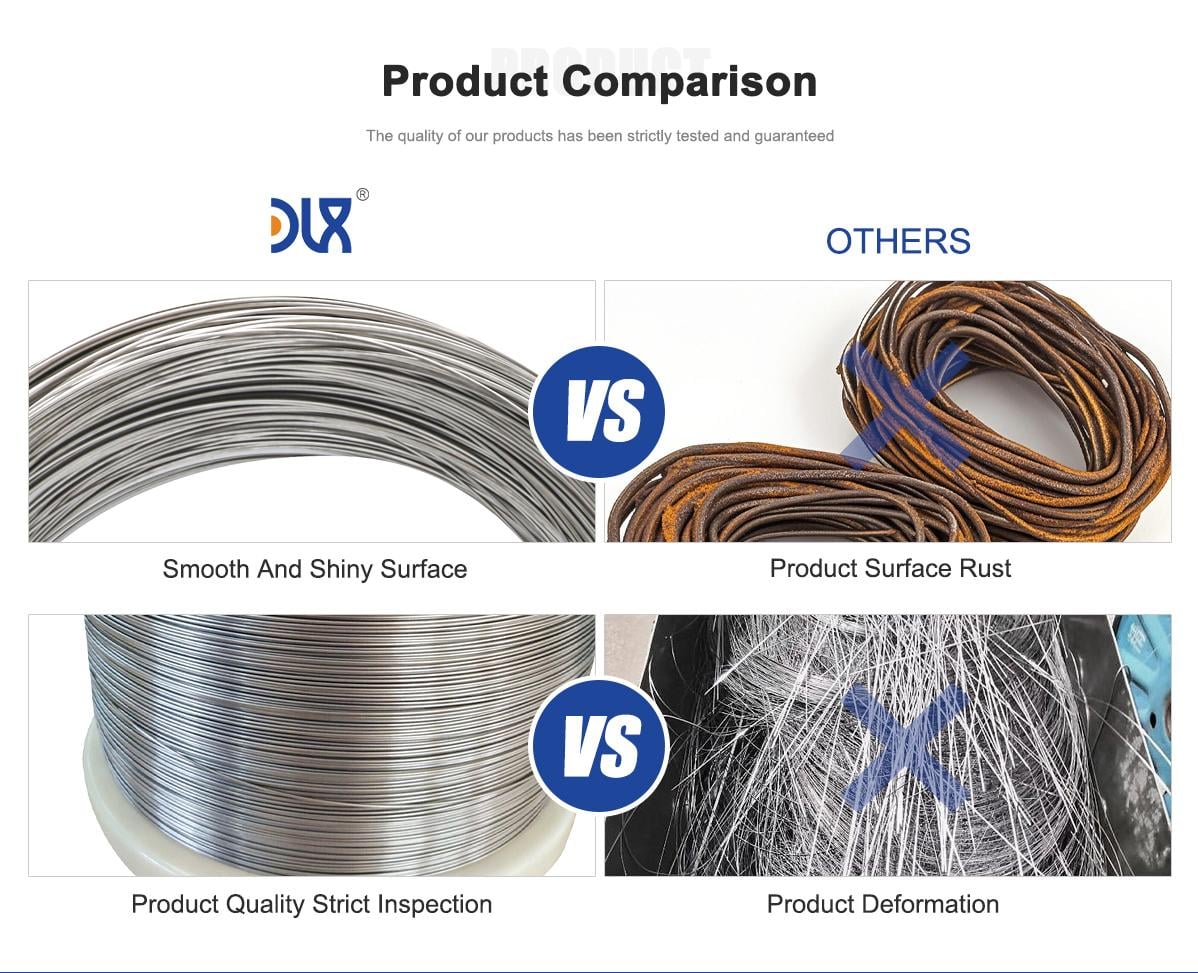
Superb Workability & Surface Uniformity: Mirror-smooth, defect-free surface finish without scratches or inclusions, optimized for high-speed automated spooling and precision winding machines.
Industrial Applications
-
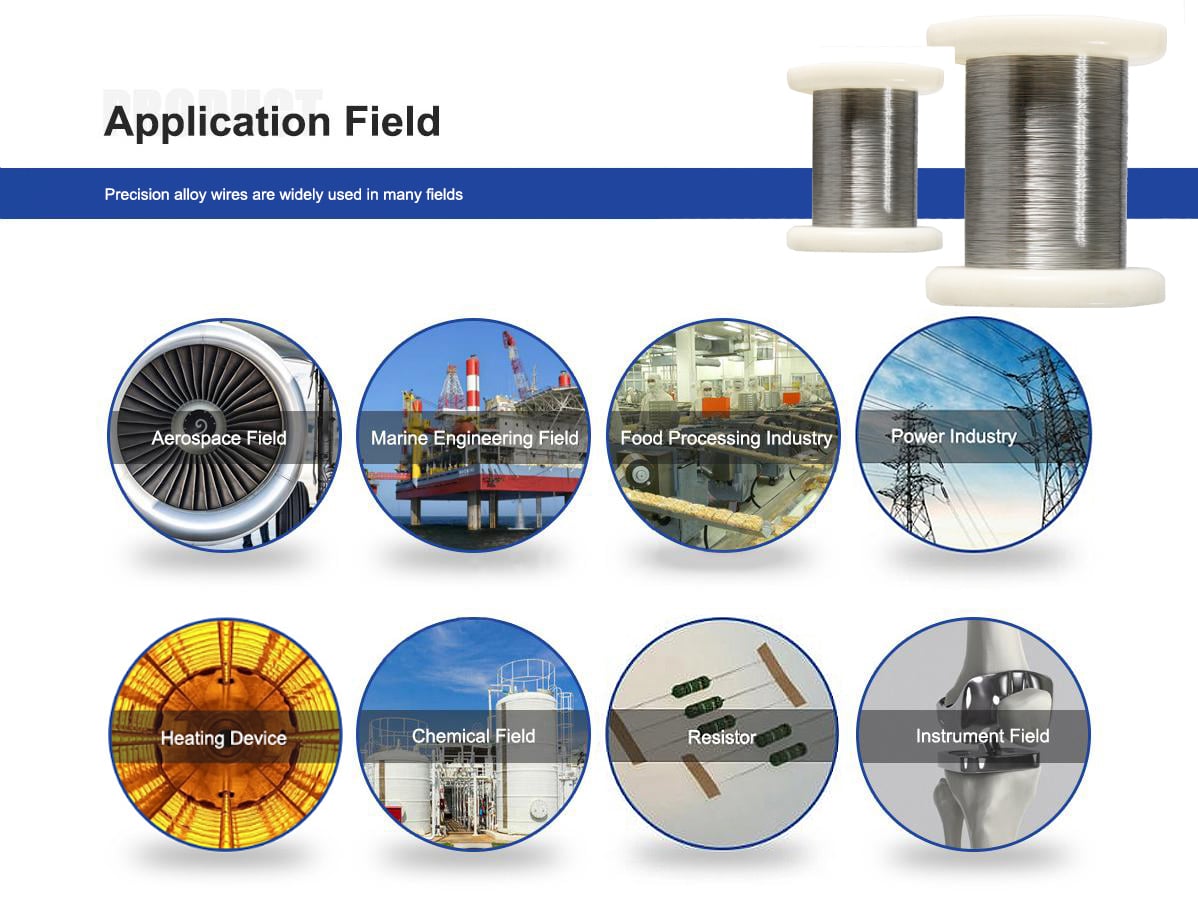
High-Precision Foil & Wire-Wound Resistors: Serving as the core resistive element in reference-grade resistors, precision decade boxes, and calibration standards.
-
Precision Temperature & Strain Sensors: Ideal for aerospace, automotive, and industrial transducer bridges requiring zero thermal drift and high gauge factors.
-
Metrology & Electrical Measuring Instruments: Integrated into laboratory digital multimeters, current shunts, potentiometers, and analog-to-digital converter voltage divider networks.
-
Aerospace & Defense Electronics: High-reliability navigation guidance systems, avionics sensor circuits, and extreme-temperature control instrumentation.
-
Automotive Control Units (ECU): Current sensing resistors and precision power management modules demanding vibration resistance and thermal shock stability.
Why Choose DLX Alloy for Precision Resistance Alloy Solutions
-
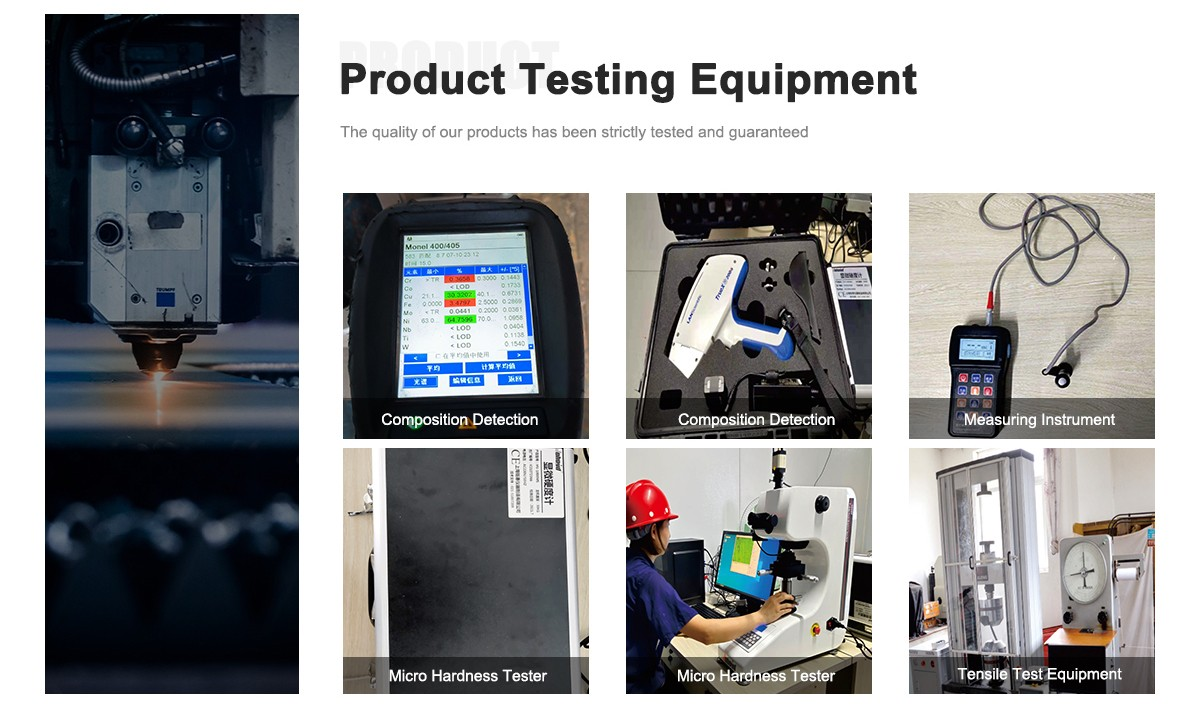
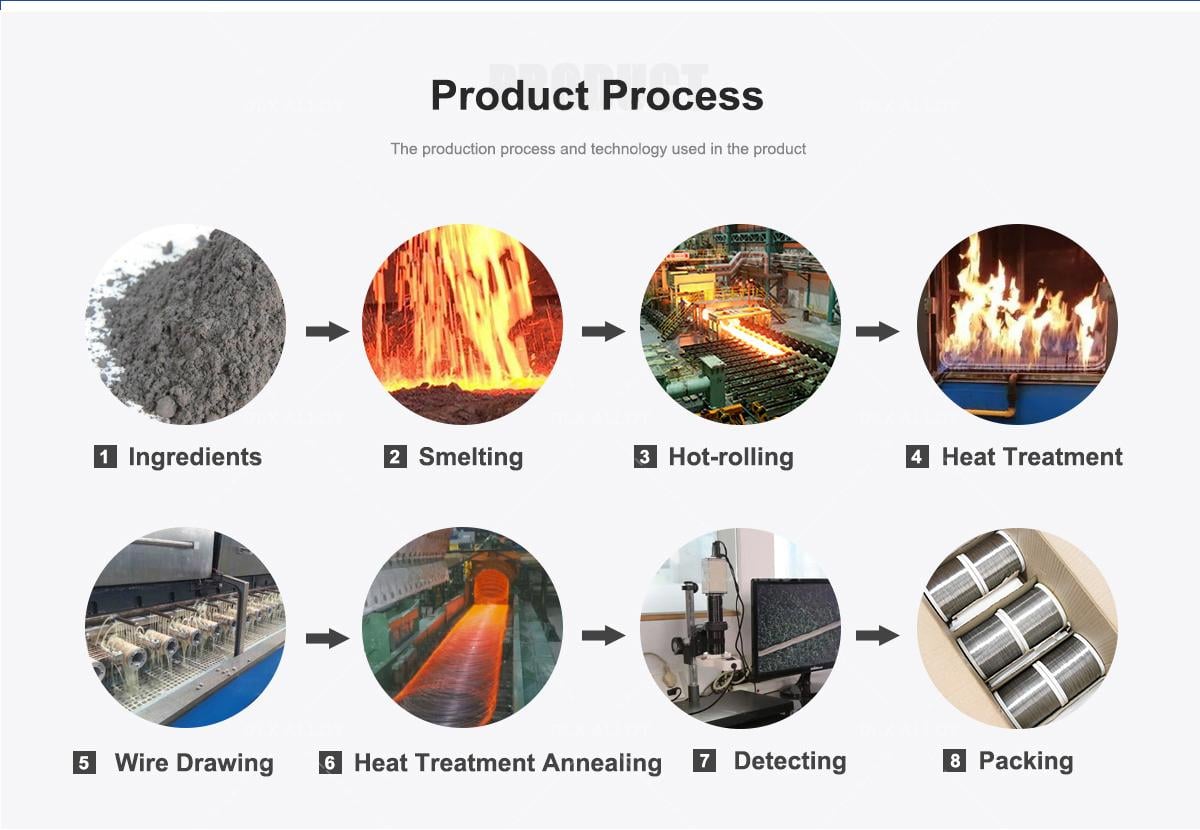
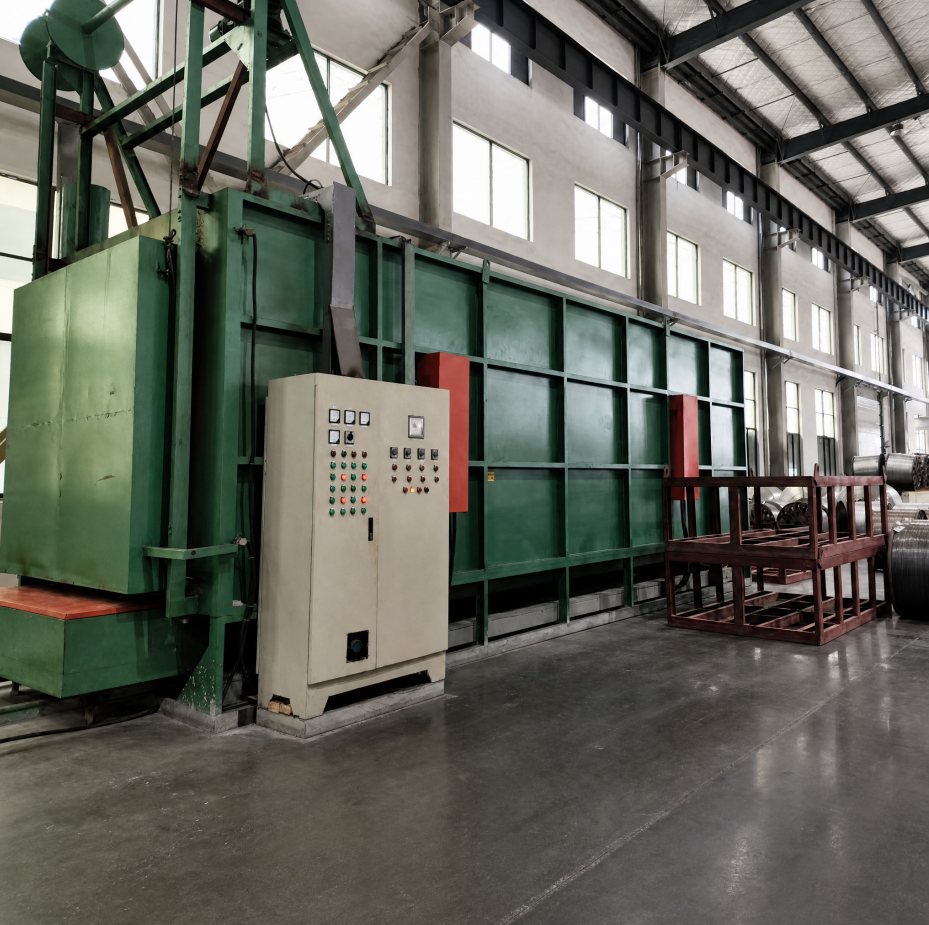
Strict In-House Tolerance & Quality Control: Every batch undergoes continuous laser diameter monitoring, helium atmosphere bright annealing, and dedicated TCR curve verification across multiple temperature gradients.
-
Robust Production Capacity & Global Supply: Backed by a monthly production capacity of 1,200 metric tons, ensuring stable lead times, volume consistency, and complete lot traceability from raw melt to finished spools.
-
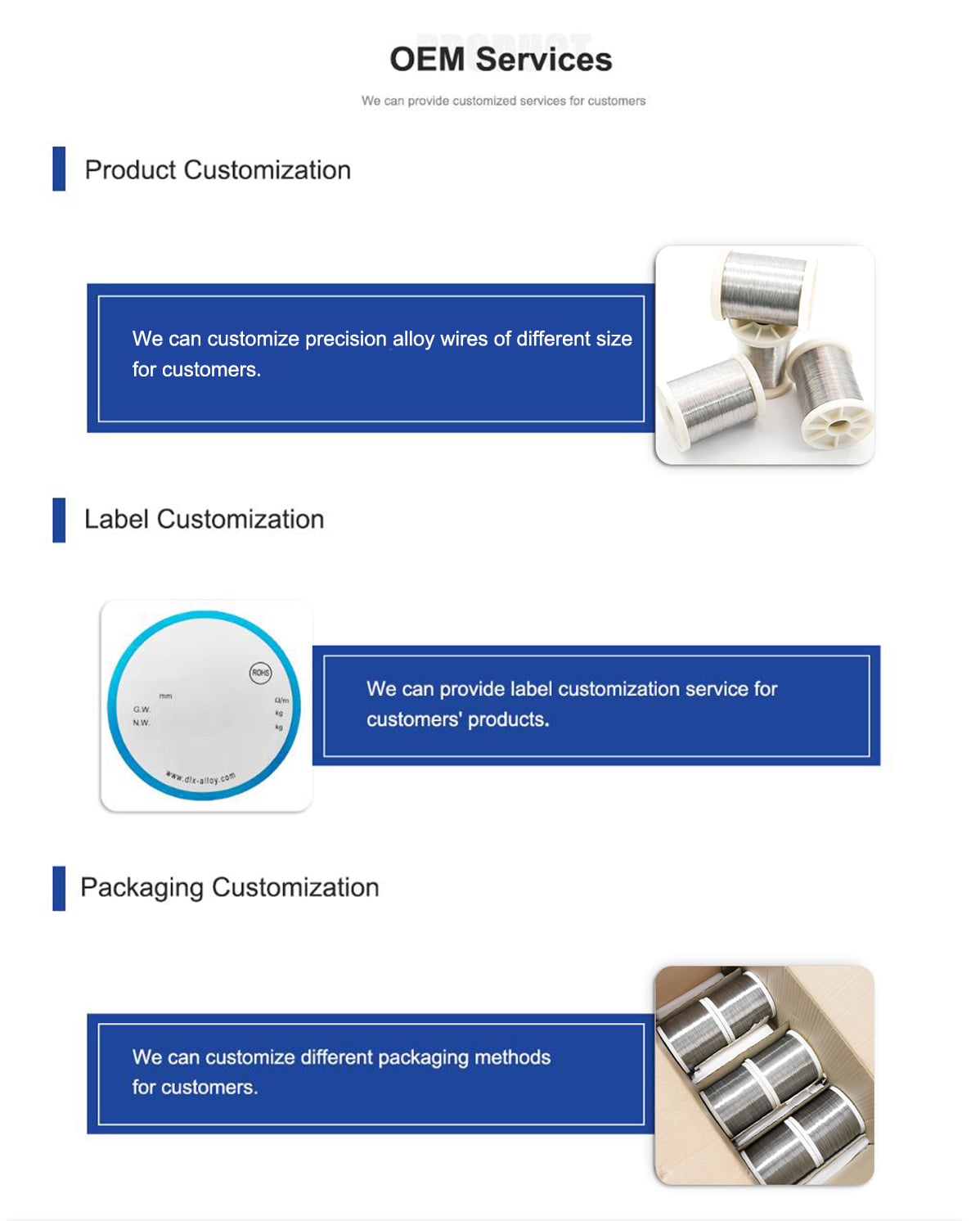
Custom Spooling & Surface Engineering: Comprehensive customization options including DIN standard spools (DIN 80, DIN 100, DIN 125, DIN 160), precision micro-ribbons, bare wire, or specialized insulated coatings (Enamelled/Polyurethane/Polyesterimide).
-
Dedicated Metallurgical Engineering Support: Direct technical collaboration with our alloy specialists to tailor specific TCR curves, mechanical tempers, and spooling tensions to your exact winding machinery requirements.
Frequently Asked Questions
Q1: What makes NiCr20AlSi alloy superior to standard Nickel-Chromium (NiCr80/20) for sensor applications?
A1: While standard NiCr80/20 is optimized for heating elements, NiCr20AlSi is specifically modified with aluminum and silicon to lower the Temperature Coefficient of Resistance (TCR) from ~80 ppm/°C down to ±5 ppm/°C. Furthermore, NiCr20AlSi significantly reduces the thermal EMF against copper, preventing thermoelectric voltage errors in delicate sensor circuitry.
Q2: How does DLX Alloy guarantee consistent TCR across large production batches?
A2: We utilize vacuum induction melting (VIM) with precise stoichiometric element addition, followed by controlled multi-stage atmospheric heat treatment. Each lot is sampled and tested in a dual-chamber thermal bath system from -55°C to +150°C to certify the TCR curve before release.
Q3: What packaging and spool specifications are available for automated winding processes?
A3: We supply wire on precision balanced plastic and metal spools ranging from DIN 80 to DIN 200, as well as ultra-fine wire spools with constant-tension packaging. Every spool is vacuum-sealed with desiccant in anti-oxidation packaging to guarantee zero surface degradation during transit and storage.
Q4: Can DLX Alloy supply custom wire diameters and flattened ribbon profiles?
A4: Yes. Beyond our standard diameter range of 0.015 mm to 1.20 mm, we offer precision cold-rolled flat wire and ribbon with customized aspect ratios and strict edge-rounding controls.