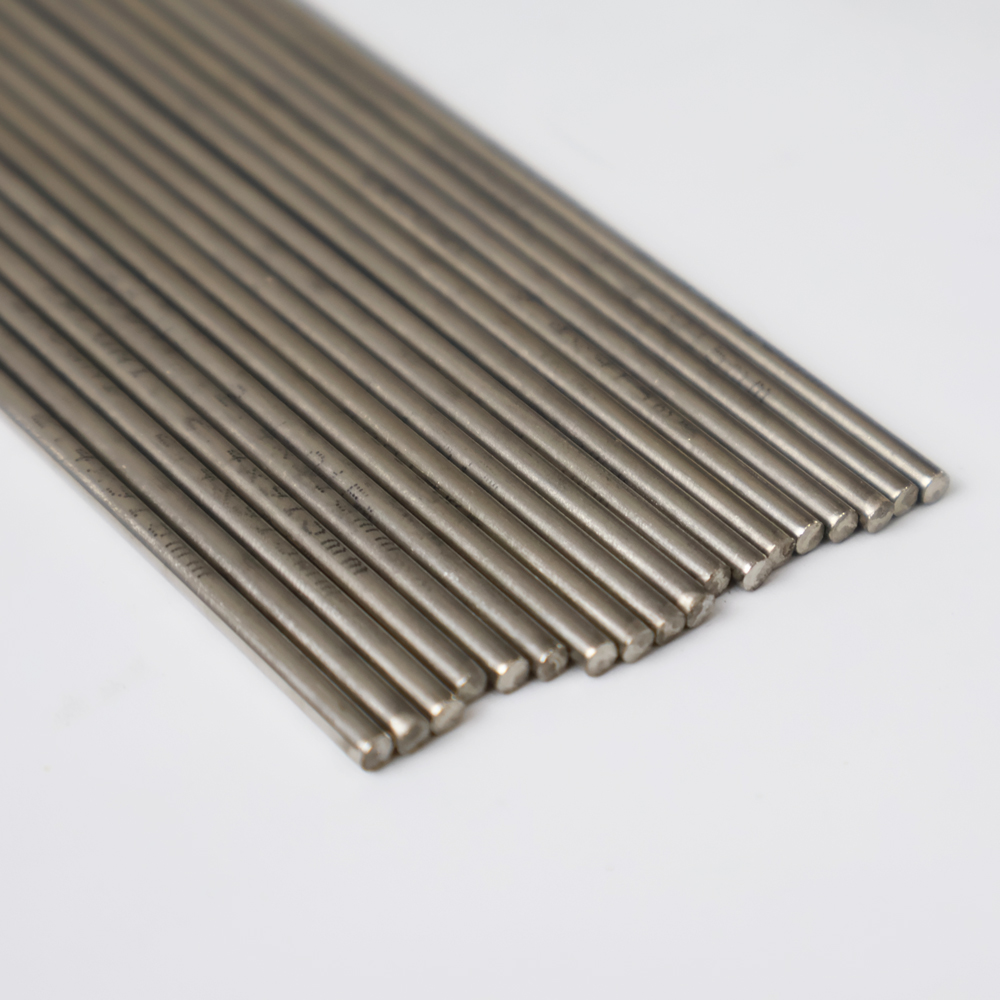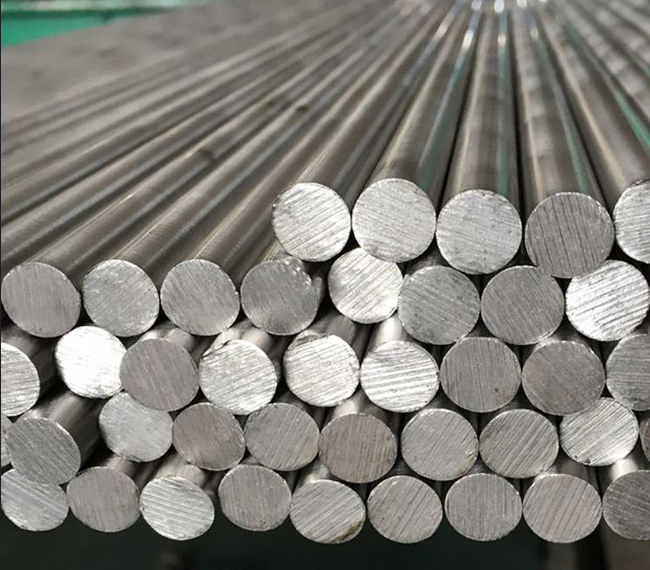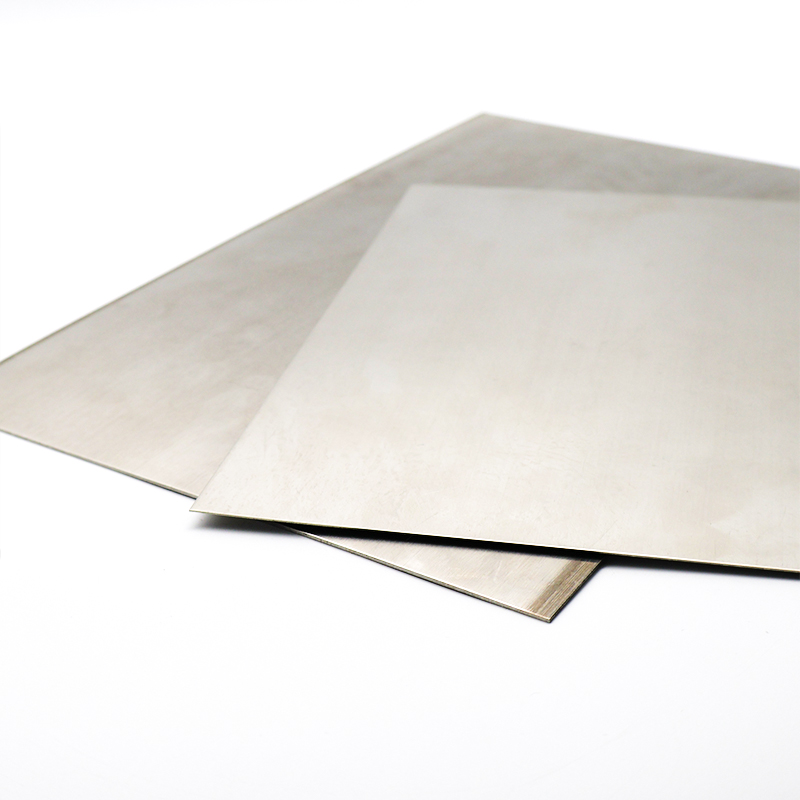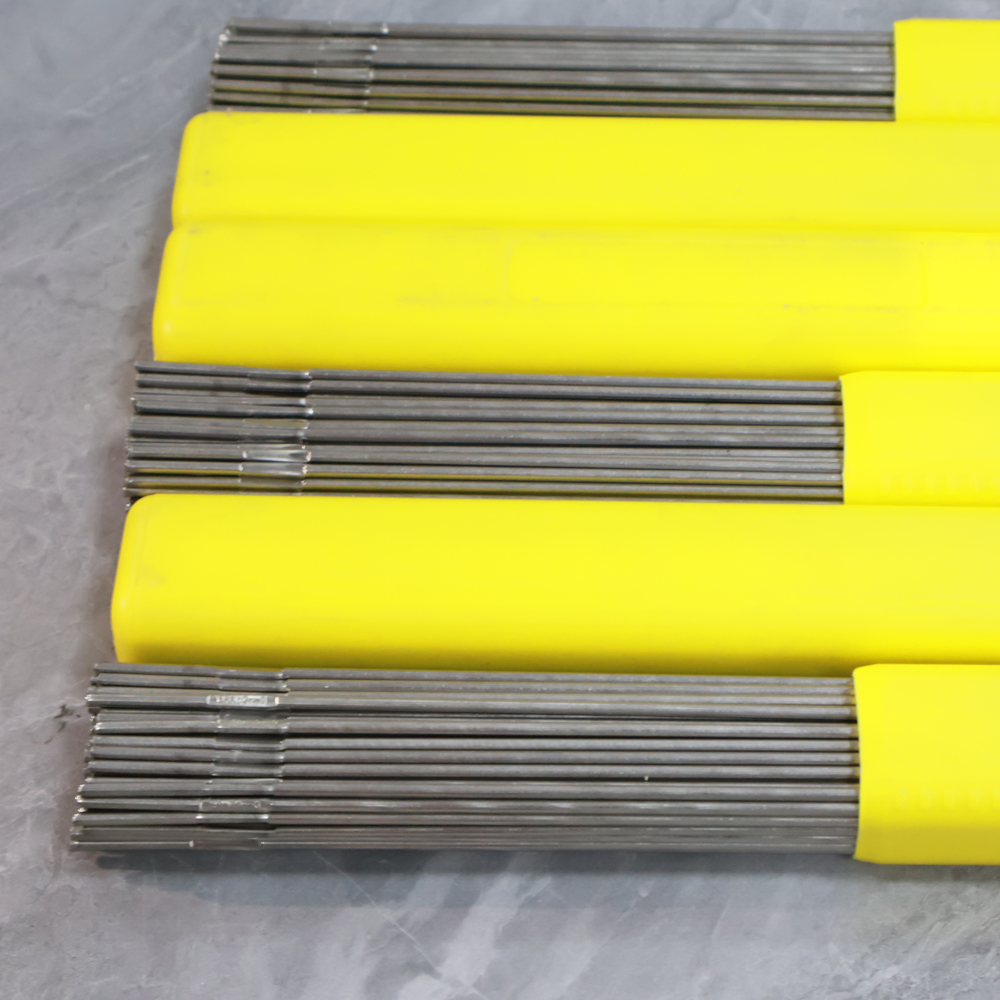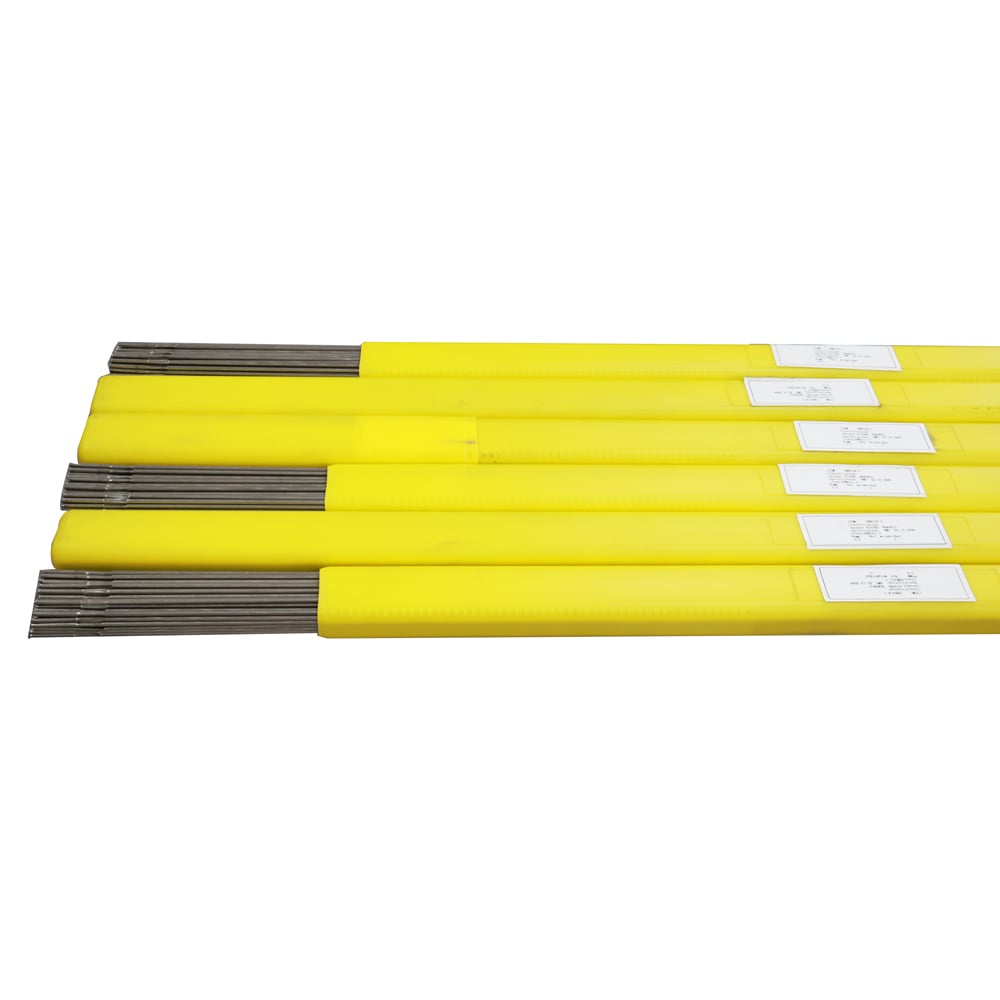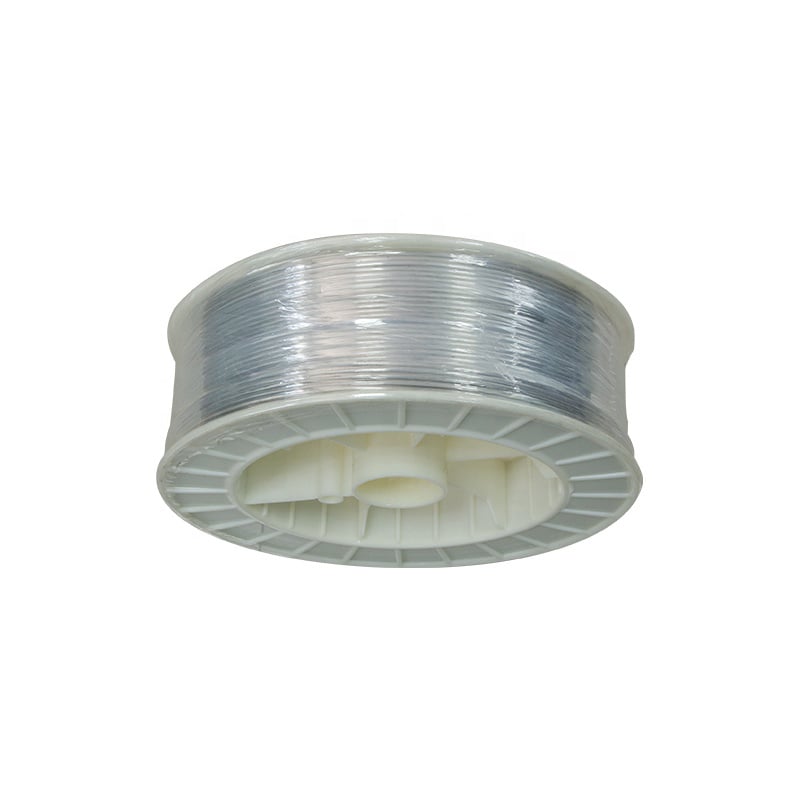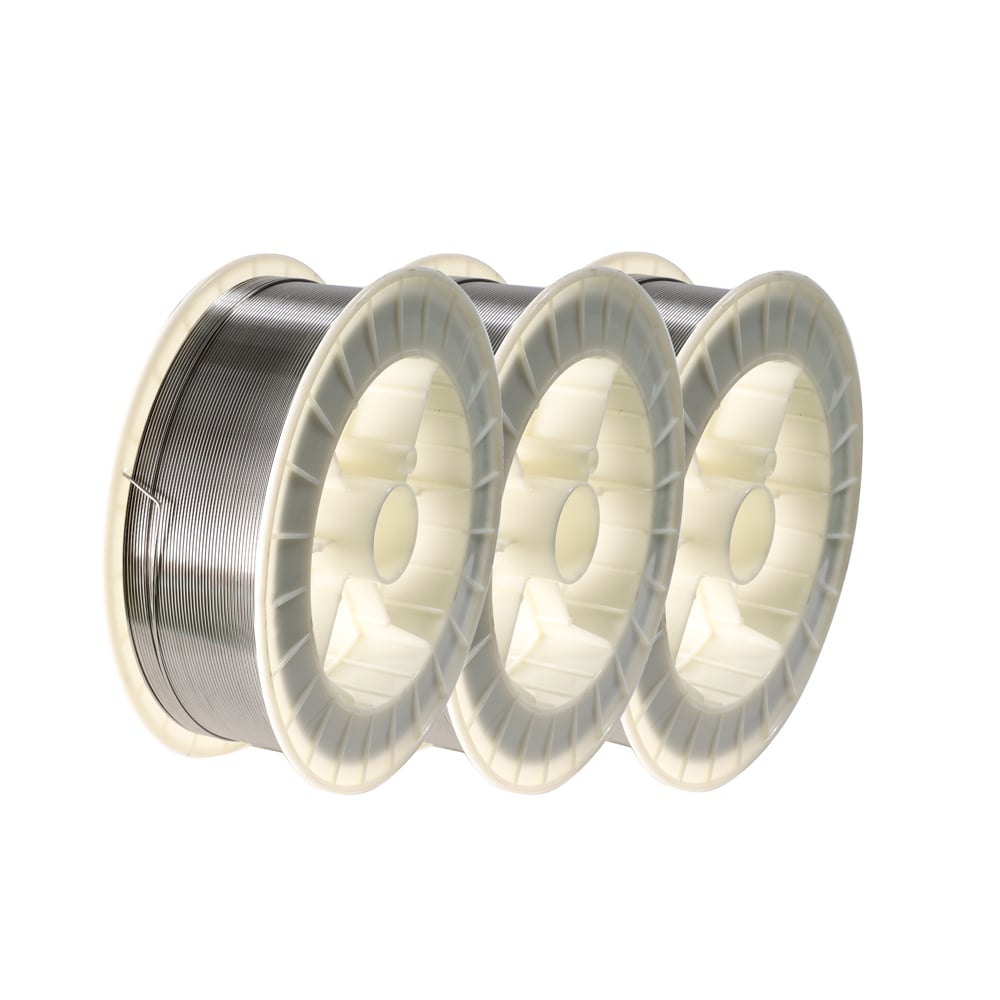
When engineering high-temperature electrical heating elements for industrial furnaces, selecting the correct NiCr resistance wire grade directly determines element service life, operating efficiency, and maintenance intervals. While NiCr 80/20 (Cr20Ni80 / Nikrothal 80) has long served as the industry benchmark for standard air furnaces, demanding thermal processing applications increasingly specify NiCr 70/30 (Cr30Ni70 / Nikrothal 70).
Both are premier austenitic nickel-chromium alloys, but their distinct chromium concentrations (20% vs. 30%) create major differences in electrical resistivity, maximum continuous element temperature (1200°C vs. 1250°C), and resistance to catastrophic "Green Rot" in controlled atmospheres.
This engineering and purchasing guide compares NiCr 80/20 and NiCr 70/30 across thermal, electrical, and metallurgical criteria to help you determine the optimal grade before you buy NiCr wire from a qualified manufacturer.
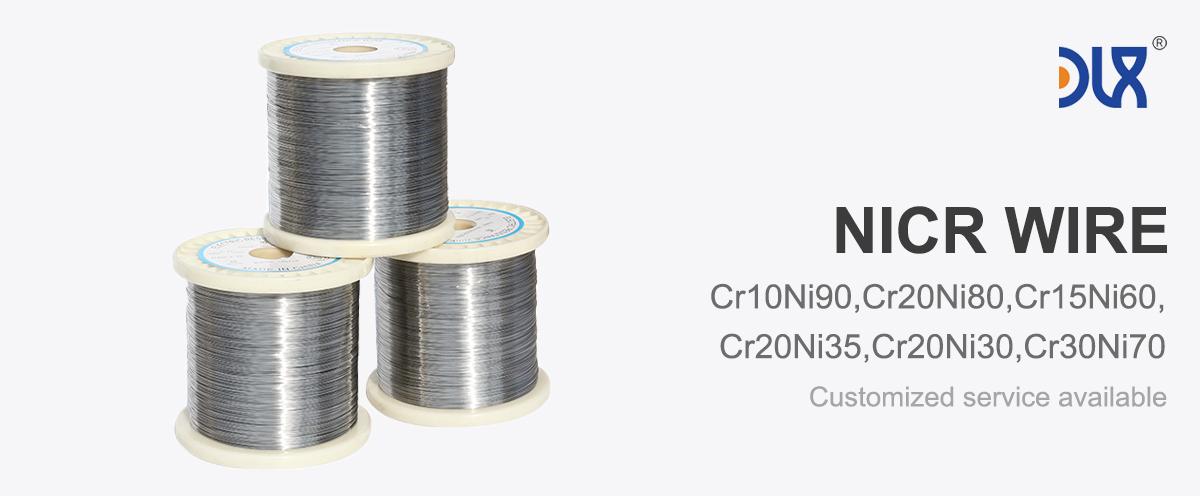
Both alloys conform to rigorous international standards, including ASTM B344, DIN 17470, and GB/T 1234.
| Chemical Composition (%) | NiCr 80/20 (UNS N06003 / Cr20Ni80) | NiCr 70/30 (Cr30Ni70 / DIN 2.4658) |
|---|---|---|
| Nickel (Ni) | Balance (~78.0 – 81.0%) | Balance (~68.0 – 71.0%) |
| Chromium (Cr) | 20.0 – 23.0% | 29.0 – 32.0% (High Chromium) |
| Iron (Fe) | ≤ 1.0% | ≤ 1.0% |
| Silicon (Si) | 0.75 – 1.60% | 0.75 – 1.60% |
| Manganese (Mn) | ≤ 1.0% | ≤ 1.0% |
| Carbon (C) | ≤ 0.08% | ≤ 0.08% |
| Melting Point | ~1400°C (2552°F) | ~1380°C (2516°F) |
| Density | 8.40 g/cm³ | 8.10 g/cm³ (3.5% Lighter) |
NiCr 80/20 Resistivity (20°C): 1.09 ± 0.05 μΩ·m (656 Ω·cmil/ft)
NiCr 70/30 Resistivity (20°C): 1.18 ± 0.05 μΩ·m (710 Ω·cmil/ft)
Engineering Impact: Because NiCr 70/30 has an ~8.3% higher electrical resistivity and a lower density (8.10 g/cm³), furnace element designers can utilize thicker wire gauges for the same electrical resistance rating. Thicker cross-sections significantly increase mechanical hot-strength and extend element service life.
TEMPERATURE RESISTANCE CORRECTION FACTOR (Ct) MATRIX
| Operating Temperature | NiCr 80/20 Factor (Ct) | NiCr 70/30 Factor (Ct) |
|---|---|---|
| 20°C (68°F) | 1.000 | 1.000 |
| 600°C (1112°F) | 1.040 | 1.030 |
| 1000°C (1832°F) | 1.050 | 1.050 |
| 1200°C (2192°F) | 1.070 (Max Limit) | 1.060 |
| 1250°C (2282°F) | N/A (Exceeds Limit) | 1.065 (Max Continuous) |
NiCr 80/20: Maximum continuous element operating temperature is 1200°C (2192°F) in ambient air.
NiCr 70/30: Maximum continuous element operating temperature is rated up to 1250°C (2282°F), providing a crucial 50°C safety buffer for heavy industrial ceramic, glass, and metallurgical kilns.
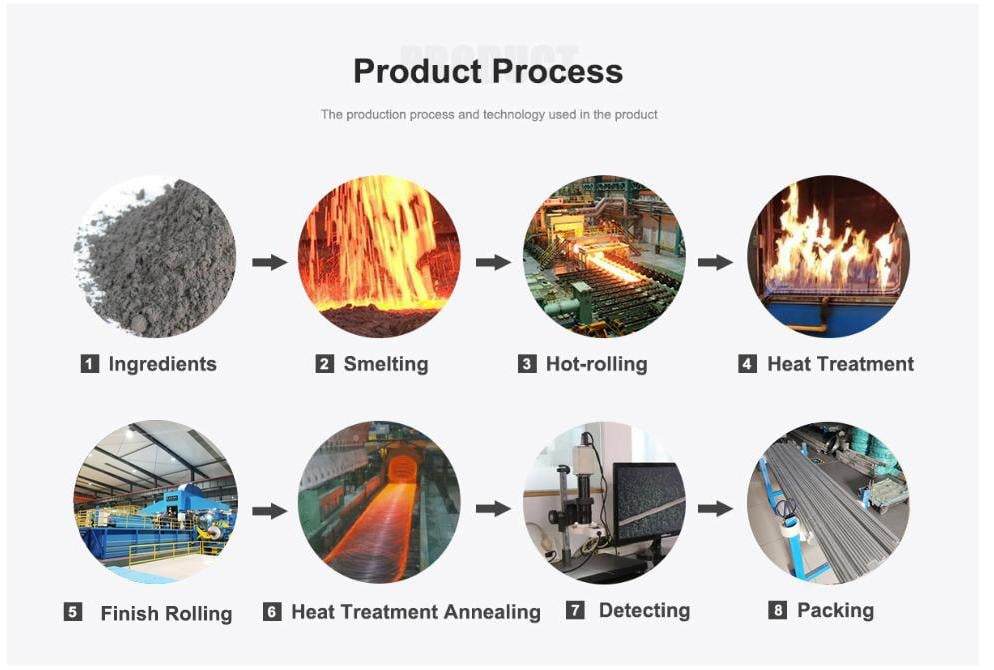
In industrial heat treatment furnaces, the atmosphere surrounding the element often contains hydrogen, carbon monoxide, nitrogen, or endothermic cracked gas rather than pure air.
In marginally oxidizing or alternating carburizing atmospheres between 800°C and 1050°C, standard NiCr 80/20 suffers from internal chromium oxidation known as "Green Rot":
Oxygen partial pressure is too low to form a continuous external Cr₂O₃ scale, yet high enough to oxidize internal chromium.
Chromium precipitates along grain boundaries as green chromium oxide, leaving behind unalloyed, magnetic nickel.
The depleted matrix rapidly carburizes, expands, and suffers catastrophic embrittlement.
With 30% chromium content, NiCr 70/30 rapidly establishes a denser, self-healing Cr₂O₃ protective layer even under low oxygen potentials. It provides superior immunity in:
Endothermic and exothermic heat treatment atmospheres.
Carburizing, carbonitriding, and hardening furnaces.
Protective nitrogen and cracked ammonia shielding environments.
| Element Geometry | Recommended Grade | Key Design Advantage |
|---|---|---|
| Heavy Coiled Spiral Wire (Ø 2.0 – 6.0 mm) | NiCr 70/30 | Superior hot sag resistance; higher 1250°C rating in ceramic tubes. |
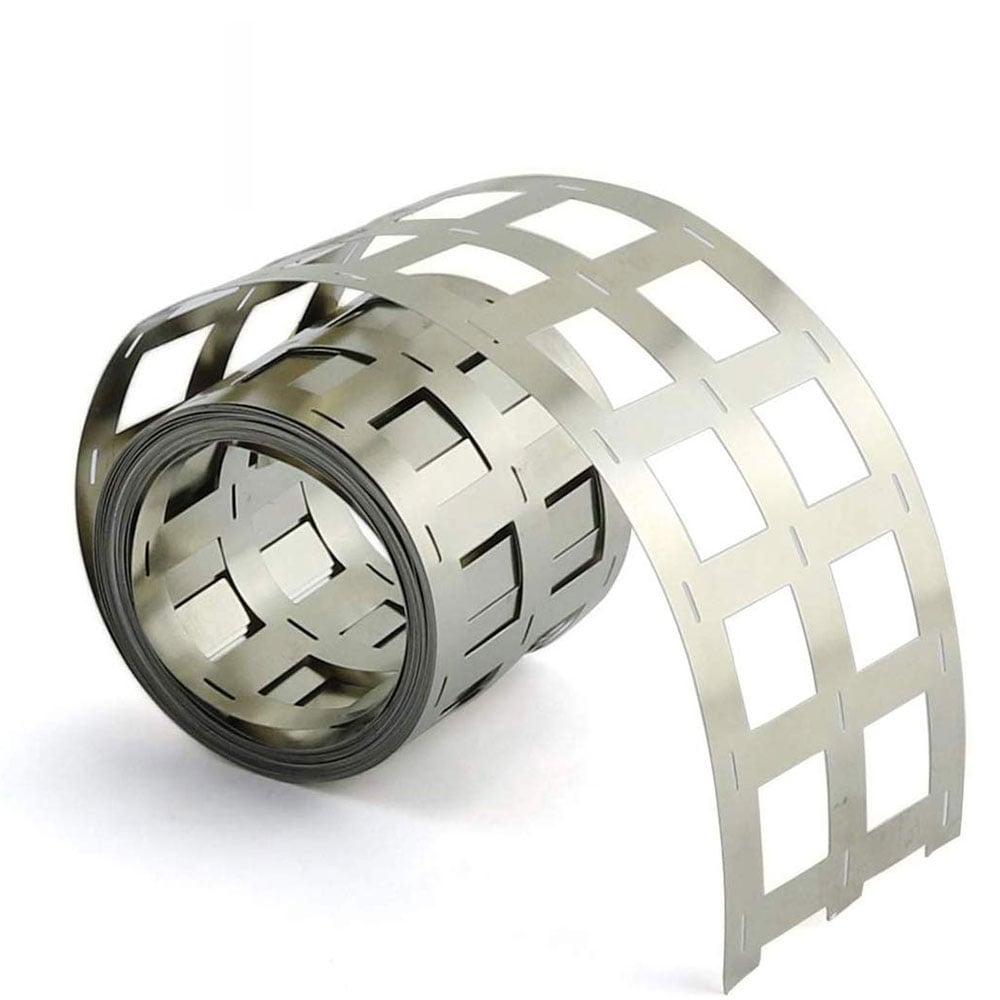
| Sinusoidal Wave Strip / Ribbon (e.g., 20×2 mm) | NiCr 70/30 / 80/20 | Excellent radiation surface area; high hot-ductility prevents corner cracking. |
| Embedded Muffle & Tubular Elements | NiCr 80/20 | Compact winding capability; high compatibility with compacted MgO insulation. |
| Open Coil Appliance Heaters | NiCr 80/20 | High formability, rapid thermal response, highly economical. |
Choose NiCr 80/20 When: Operating in clean ambient air below 1200°C, manufacturing standard appliances, laboratory muffle furnaces, or where maximum ductility for ultra-tight bend radii is required.
Choose NiCr 70/30 When: Operating at continuous temperatures between 1150°C and 1250°C, in controlled carburizing atmospheres, sealed box furnaces, or when maximizing resistance per linear meter is necessary.

When issuing an RFQ to a NiCr resistance wire supplier, provide these technical specifications to ensure element precision:
[ ] 1. Exact Grade & Chemistry Standard
    - Specify NiCr 80/20 (UNS N06003) or NiCr 70/30 (DIN 2.4658) per ASTM B344 / DIN 17470.

[ ] 2. Form & Dimensions
    - Round Wire: Diameter in mm (e.g., Ø 3.25 mm ±0.025 mm).
    - Flat Ribbon/Strip: Width × Thickness in mm (e.g., 15.0 mm × 1.50 mm).

[ ] 3. Supply Condition & Mechanical State
    - Bright Annealed (Soft temper, Elongation ≥ 20%, Tensile Rm: 650–750 MPa).
    - Oxide Annealed / Pre-Oxidized surface (for immediate coil installation).

[ ] 4. Packaging & Spooling
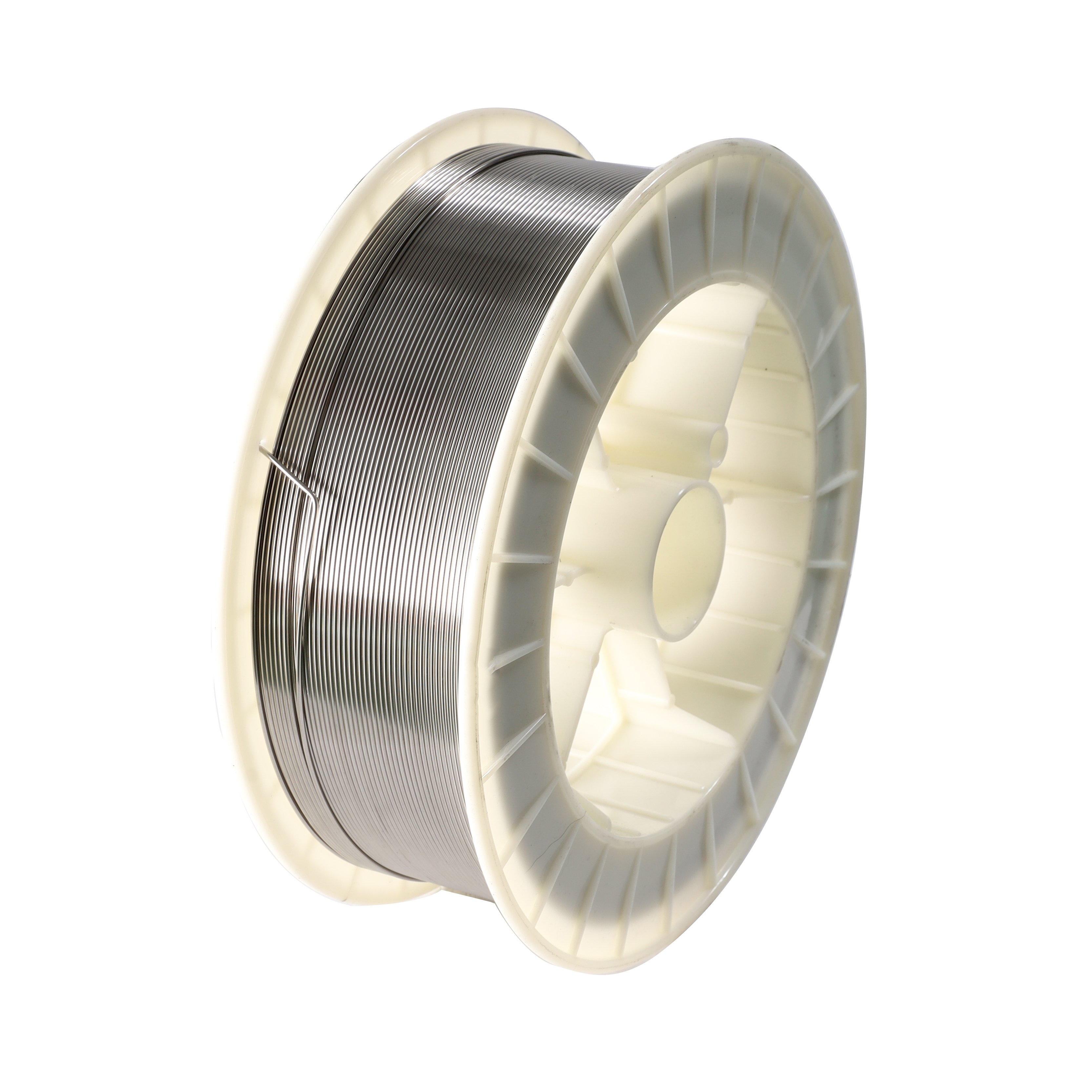
    - DIN 200 / DIN 250 spools for automatic coiling machines, or coil carriers (25–100 kg).

[ ] 5. Quality Documentation
    - Require EN 10204 3.1 MTC with melt heat analysis, resistance at 20°C (Ω/m), and elongation.
Q1: Is NiCr 70/30 magnetic after long-term heating?
A: No. Both NiCr 80/20 and NiCr 70/30 are fully austenitic non-magnetic alloys. Unlike FeCrAl alloys, they remain completely non-magnetic at both room temperature and high temperatures.
Q2: Why does NiCr 70/30 cost more than NiCr 80/20?
A: NiCr 70/30 contains 30% chromium, which increases hot-work hardness and requires more specialized vacuum melting, hot rolling, and precision strand annealing passes during wire drawing.
Q3: Can I replace FeCrAl (Kanthal A-1) with NiCr 70/30 in an existing furnace?
A: Yes, provided electrical power calculations are updated. While FeCrAl has higher raw resistivity (1.45 μΩ·m), NiCr 70/30 offers superior hot ductility, meaning replacement coils will not fracture during furnace maintenance or vibration.
Q4: What is the typical lead time and MOQ when I buy NiCr wire directly?
A: Direct manufacturers maintain standard sizes (Ø 0.5 mm to 6.0 mm) with trial order MOQs from 5 kg to 10 kg, shipping in 3–7 business days. Custom strip profiles or intermediate wire sizes typically ship in 10–15 business days.
Looking for precision-drawn NiCr 80/20 or NiCr 70/30 resistance wire and strip? Contact our engineering team today to review coil winding calculations, request sample spools, or receive an official EN 10204 3.1 certified quotation.

 EN