EN

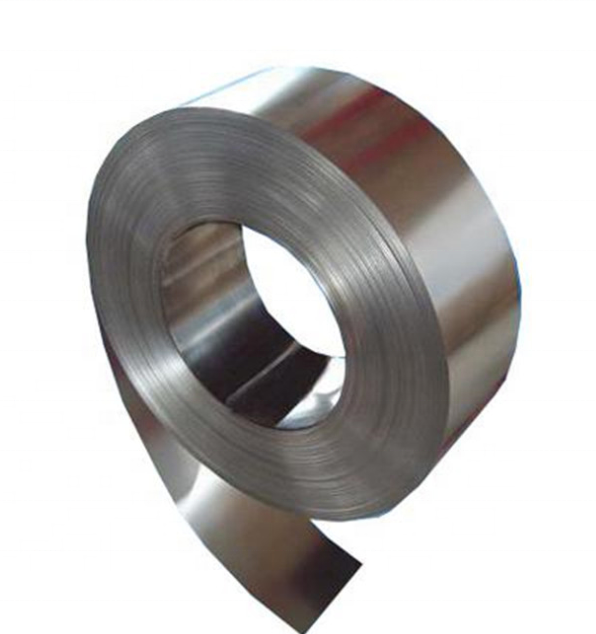
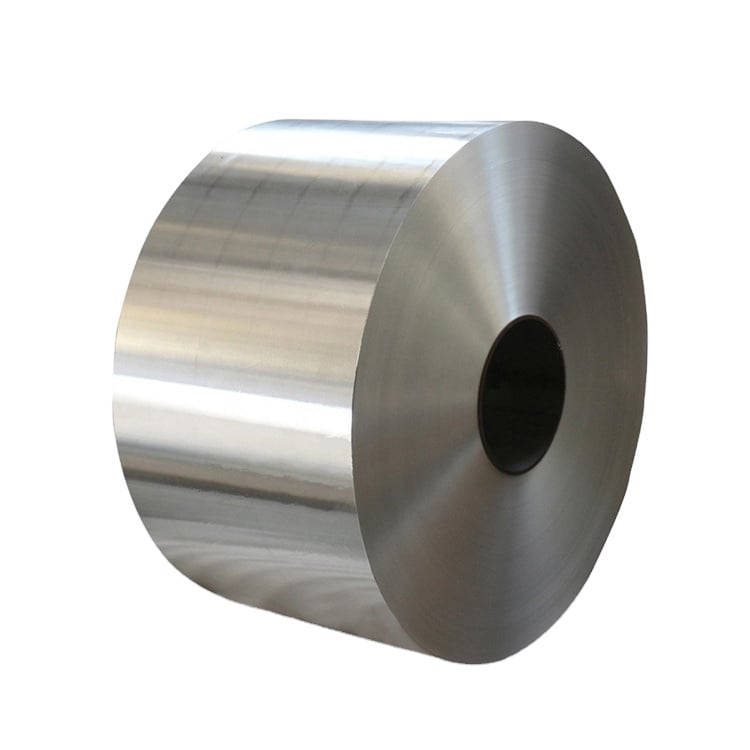


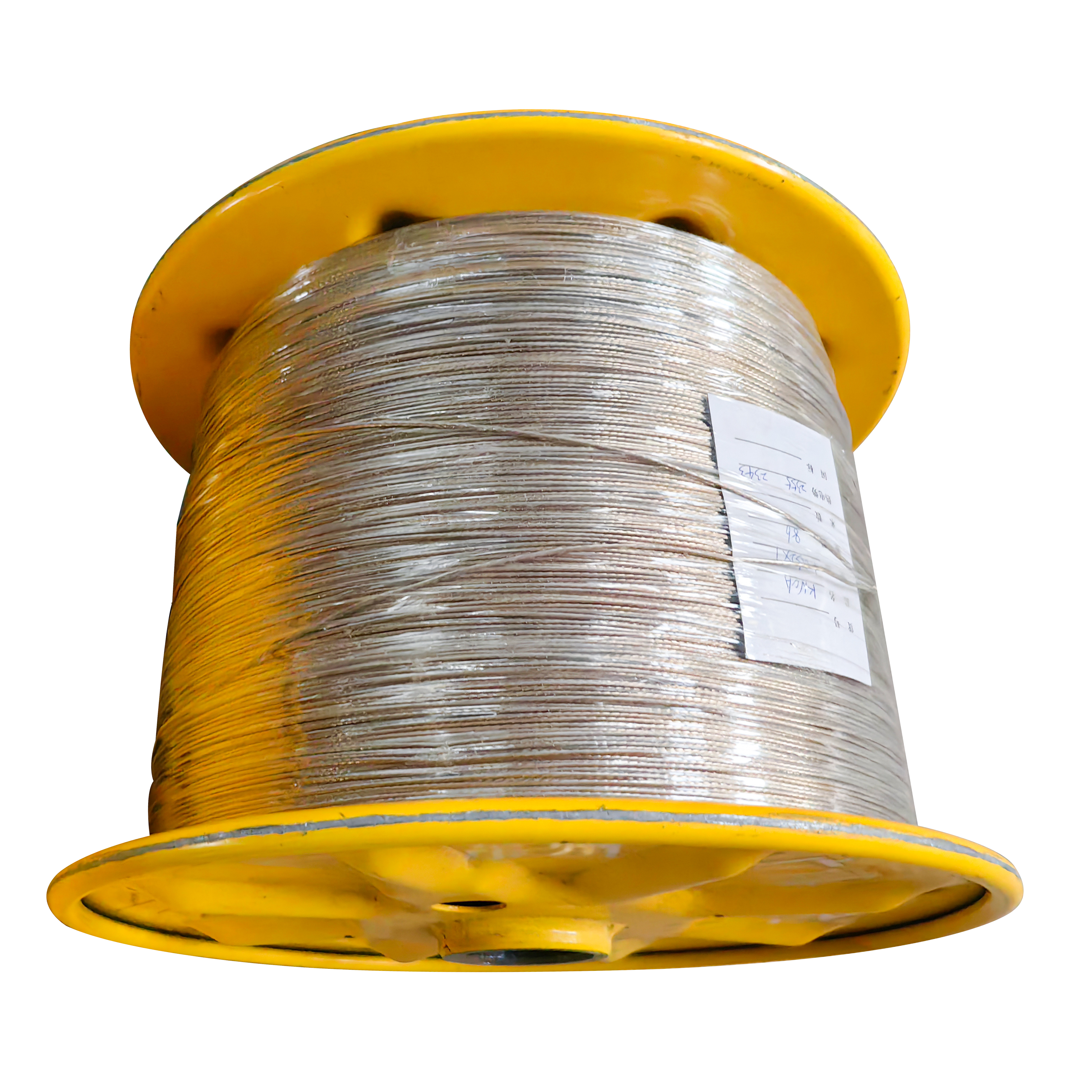
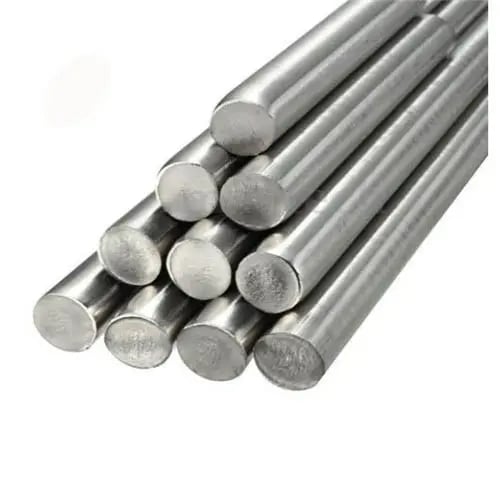
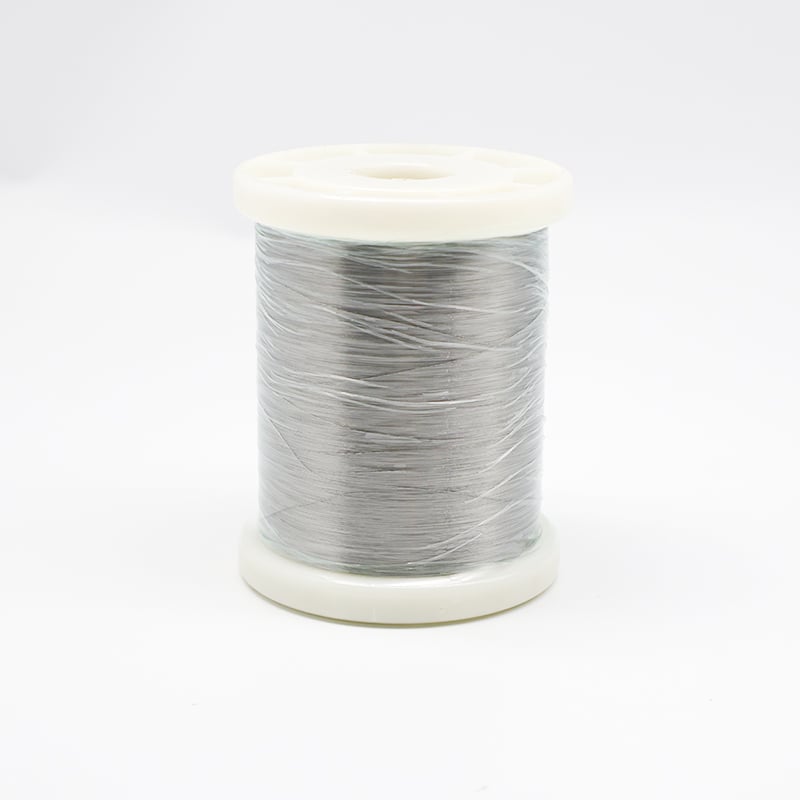
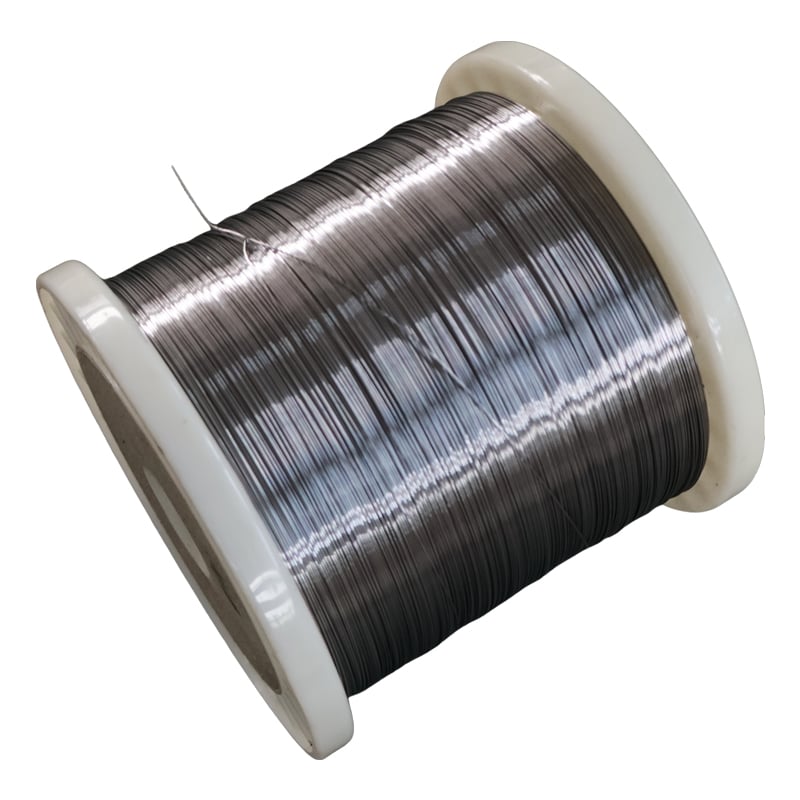
Low Drift Manganin Alloy Strip 6J12 0.1mm For Precision Current Measuring Shunts
Premium Cu-Mn-Ni precision resistance alloy strip engineered with near-zero temperature coefficient of resistance (TCR), negligible thermal EMF against copper, and exceptional long-term ohmic stability for next-generation current sensing and power metering shunts.
- Overview
- Specifications
- Features
- Applications
- Why-Us
- FAQ
- Recommended Products
Product Overview
1. Engineered for Sub-PPM Resistance Stability
In high-current measurement and smart energy monitoring, thermal drift and thermoelectric noise are the primary causes of measurement inaccuracy. The 6J12 manganin strip is chemically balanced with precision-controlled manganese (11.5–13.5%) and nickel (1.5–2.5%) matrix, ensuring that the peak of its parabolic resistance-temperature curve aligns precisely with standard ambient operating temperatures. This delivers virtually flat resistance output over wide thermal cycling.
2. Negligible Parasitic Thermoelectric Voltage (Thermal EMF vs. Copper)
When shunt resistors are welded to copper busbars or terminals, dissimilar metal junctions can generate parasitic Seebeck voltages under thermal gradients. Our 6J12 alloy strip maintains a micro-volt-level thermal electromotive force relative to pure copper (), preventing offset voltage drift in analog front-end (AFE) circuits and digital multimeter inputs.
3. Superior Workability and Clean Surface Metallurgy
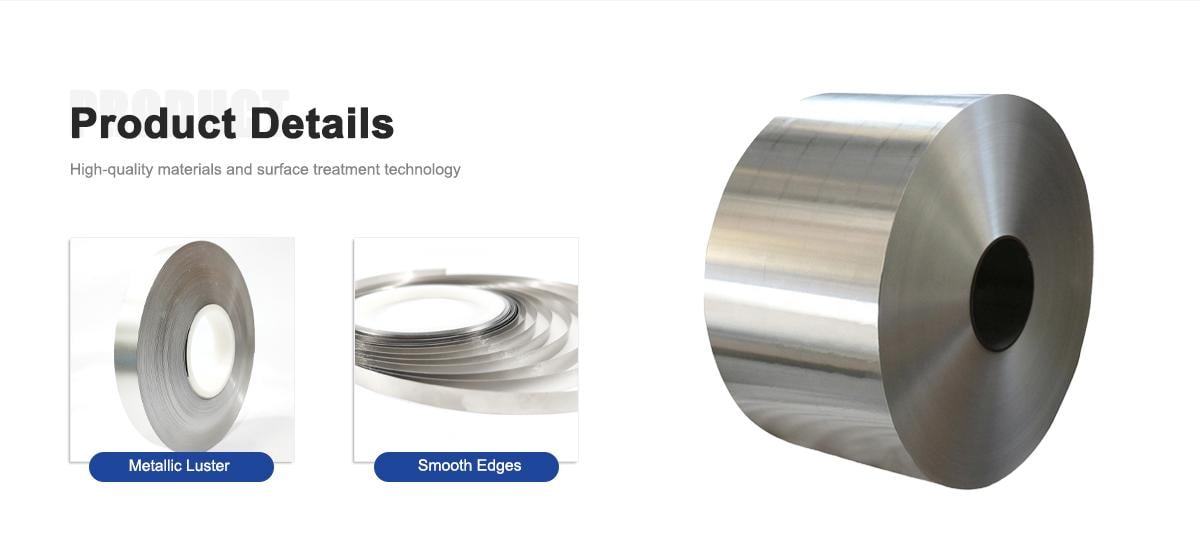
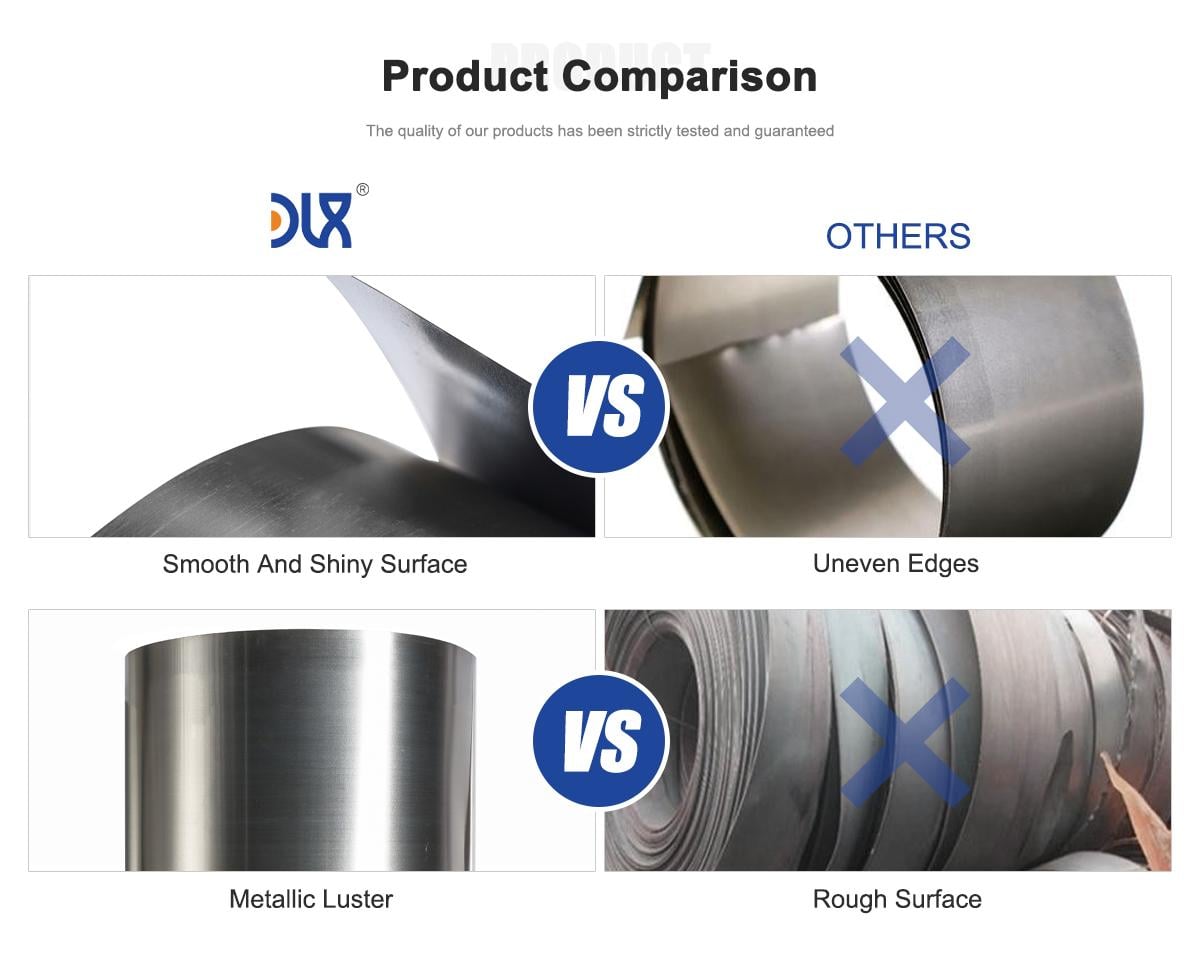
Processed under bright annealing furnaces, the 0.1mm thin foil features an oxide-free, mirror-smooth surface with tight dimensional thickness tolerance (). It exhibits excellent weldability for electron-beam welding (EBW), ultrasonic bonding, laser welding, and precision stamping without edge micro-cracking or burrs.
Technical Specifications
1. Chemical Composition Benchmark (Nominal Mass Fraction %)
| Element | Content Range (%) | Functional Role |
|---|---|---|
| Copper (Cu) | Balance | Base conductive matrix |
| Manganese (Mn) | 11.50 – 13.50 | Controls resistivity and flattens TCR profile |
| Nickel (Ni) | 1.50 – 2.50 | Stabilizes microstructural phase and corrosion resistance |
| Iron (Fe) | Strictly minimized to prevent magnetic susceptibility | |
| Total Impurities | High-purity melt to ensure uniform ohmic properties |
2. Physical & Electrical Properties
| Property Parameter | Value / Metric | Test & Working Conditions |
|---|---|---|
| Nominal Electrical Resistivity () | At 20°C | |
| Temperature Coefficient of Resistance (TCR, ) | 15°C to 35°C ambient range | |
| Thermal EMF vs. Pure Copper | 0°C to 100°C junction | |
| Long-Term Resistance Annual Drift | After standard artificial thermal aging | |
| Density | At 20°C | |
| Tensile Strength () | Soft / Annealed (M) state | |
| Elongation at Break () | Annealed temper |
3. Dimensional Availability & Precision Tolerances
| Parameter | Standard Capability | Custom Precision Range |
|---|---|---|
| Thickness | ||
| Thickness Tolerance | Ultra-tight precision slitting available | |
| Width Range | Slit-to-width coils or cut sheets | |
| Edge Condition | Smooth slit edge / Deburred | Burr height |
| Supply State | Bright Annealed (Soft) / Cold Worked (Hard) | Continuous strip / Bobbin / Coil |
Key Performance Features
-
Parabolic Zero-Drift Curve in Ambient Temperatures
Engineered with an optimized inflection point between 15°C and 35°C, ensuring high-current sensing systems maintain high accuracy without complex software temperature compensation algorithms. -
Minimized Seebeck Effect Offset
Ultra-low thermal EMF against copper busbars prevents false voltage differential readings caused by self-heating at junction points during continuous high-ampere pass-through. -
Consistent Batch-to-Batch Ohmic Homogeneity
Vacuum melting and computer-controlled tension rolling eliminate segregation and internal micro-stresses, providing consistent resistance value per meter across full coil lengths. -
Superior Electron-Beam & Laser Weldability
Clean surface chemistry with zero heavy oxides facilitates spatter-free, void-free bimetal electron-beam welding with copper terminals in composite shunt manufacturing. -
Excellent Long-Term Metallurgical Aging Stability
Properly annealed crystalline structure prevents resistance value shifting under prolonged thermal shock and mechanical vibration.
Target Applications
-
EV & Hybrid Battery Management Systems (BMS)
High-current battery pack monitoring, state-of-charge (SOC), and state-of-health (SOH) sensing shunts requiring continuous sub-milliohm reliability.
-
Smart Electricity Meters & Grid Infrastructure
Single-phase and poly-phase electronic watt-hour meter current sampling components with zero cumulative drift over a 10+ year operating lifecycle.
-
Industrial Inverters & Variable Frequency Drives (VFD)
Busbar current feedback sensors and motor drive control circuits operating under high electrical noise and rapid temperature rise.
-
Precision Laboratory Instruments & Standard Resistors
Decade resistance boxes, calibration standards, digital multimeters (DMMs), and four-terminal Kelvin shunt fixtures.
-
Telecom & Server Power Distribution Units (PDU)
High-density current monitoring and overload protection modules in data center power supplies.

Why Choose Us
-
Integrated Vacuum Metallurgical Control
From pure raw copper, electrolytic manganese, and high-grade nickel melting to precision cold foil rolling, every heat is processed in-house to guarantee batch traceability and chemical purity. -
Substantial Production Capacity & Agile Supply
Backed by a robust monthly manufacturing capacity of 1,200 tons across our specialized alloy lines, we offer reliable lead times for both prototype development and multi-ton OEM commercial orders. -
Rigorous In-House Ohmic & Mechanical Testing
Every production master coil undergoes 100% resistance testing, full-span TCR verification (-20°C to +80°C chamber sweep), thermal EMF calibration, and micro-hardness profiling before packaging. -
Custom Slitting & Tailored Surface Finishing
Equipped with high-precision CNC slitting machines capable of handling ultra-narrow and ultra-thin foils with minimal camber and burr-free edges, ready for direct automated stamping and reel-to-reel welding.


FAQ: 6J12 Manganin Strip Sourcing & Engineering
Q1: What makes 6J12 alloy strip better than Constantan or Nichrome for DC current measurement?
A: While Constantan has a low TCR, its thermal EMF against copper is relatively high (), generating substantial thermoelectric error voltages at copper joints under temperature gradients. Nichrome is designed for heating rather than precision sensing. 6J12 Manganin combines an ultra-low TCR with an exceptionally low thermal EMF against copper (), making it the optimal choice for high-accuracy DC shunts.
Q2: Can you supply 6J12 strip with custom slitted widths and spooled packaging?
A: Yes. We provide customized precision slitting down to narrow widths (from 10mm up to 250mm) and can supply material in continuous flat coils, wound spools, or flat cut-to-length sheets tailored to your automated stamping and welding equipment.
Q3: How is long-term resistance drift stabilized for high-precision shunts?
A: Long-term stability is achieved through high-purity vacuum metallurgy followed by precise protective-atmosphere annealing. For ultra-precision applications, we provide technical guidance on post-stamping artificial thermal aging profiles (typically controlled heating cycles between 120°C and 140°C) to relieve residual mechanical stresses and achieve stability.
Q4: What is your standard MOQ and production lead time for 0.1mm thickness?
A: Minimum order quantities are dynamically configured based on strip thickness and custom width requirements. Standard trial production batches start from low minimums for standard specifications, with scaled mass production backed by our 1,200 tons/month facility output. Lead times typically range from 10 to 20 working days depending on slitting and packaging specifications.