EN

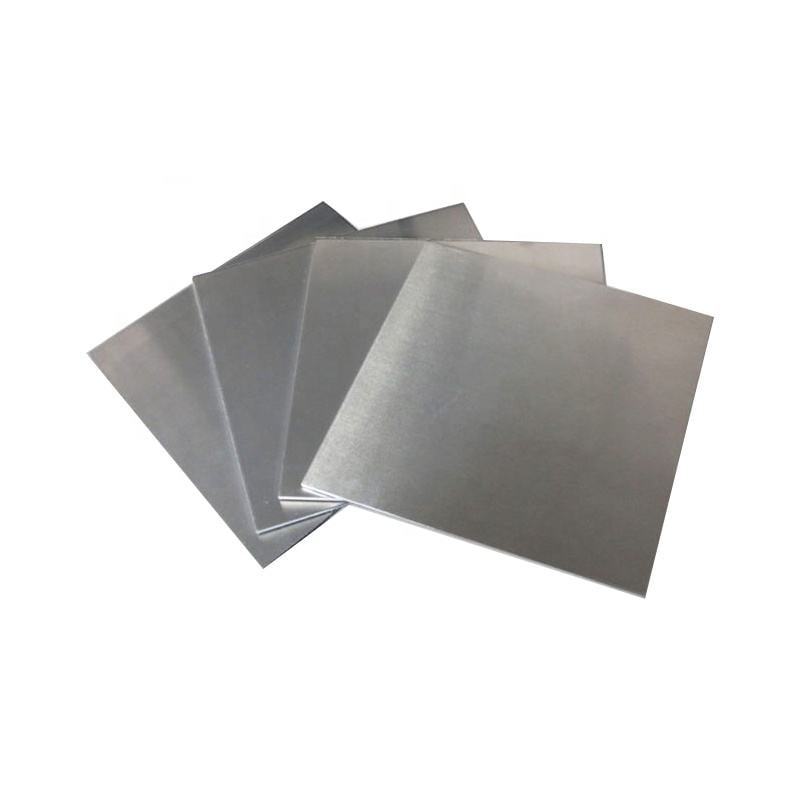
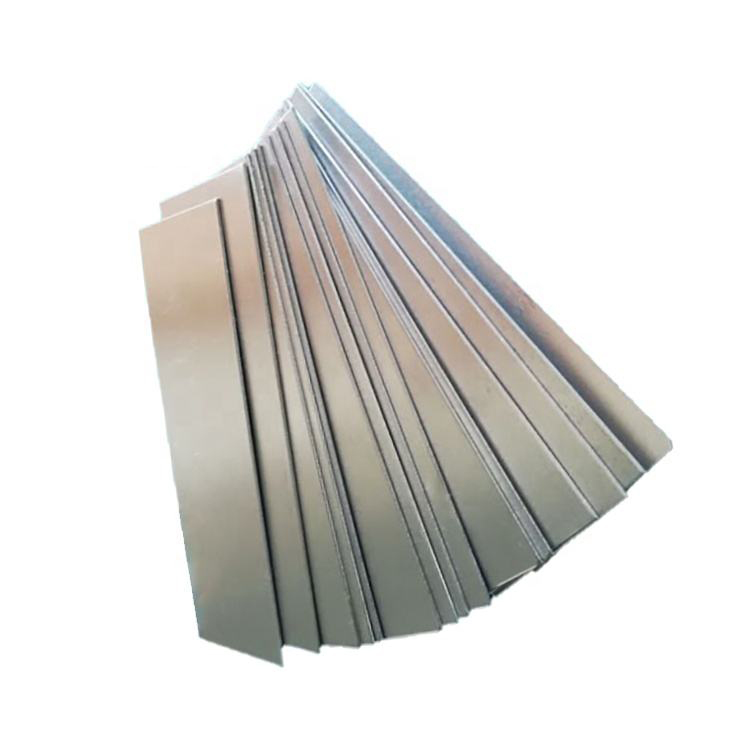

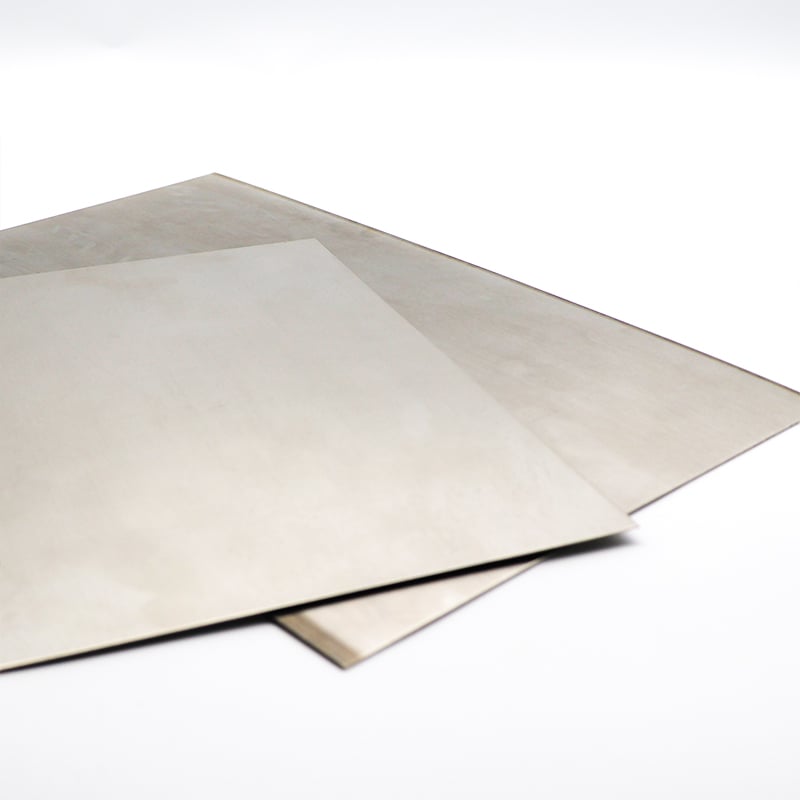
Industrial Soft Magnetic Alloy 1J30 Sheet For Magnetic Circuit
High-Reliability Thermo-Magnetic Compensator Sheets Engineered for Dynamic Temperature Stability in Advanced Magnetic Assemblies.
- Overview
- Specifications
- Features
- Applications
- About DLX
- FAQ
- Recommended Products
Overview
1J30 is a specialized nickel-iron-based thermo-magnetic compensation soft magnetic alloy designed to counteract temperature-induced flux variations in permanent magnet systems. As environmental temperatures rise, permanent magnets inherently experience a decrease in magnetic flux density. Integrating a DLX 1J30 magnetic shunt sheet creates a parallel magnetic bypass whose permeability decreases with temperature, effectively redistributing flux to maintain a constant working gap magnetic field.
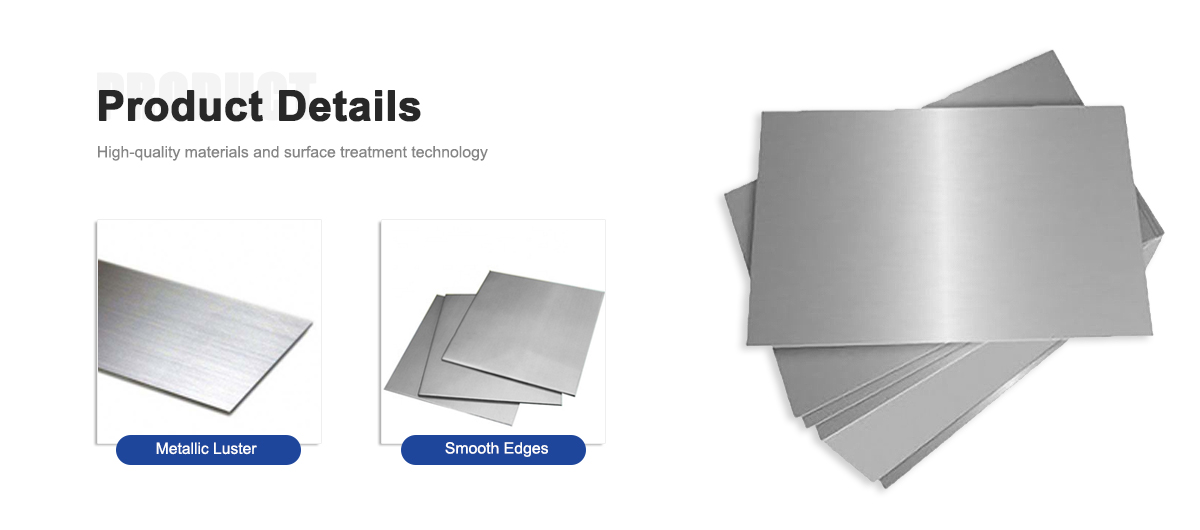
Processed under advanced metallurgical controls, our 1J30 cold-rolled sheets and ultra-thin strips feature a well-defined Curie point around 30°C to 50°C (customizable via composition tuning), exceptional surface flatness, and minimal residual stress after final hydrogen atmosphere annealing.
Technical Specifications
Nominal Chemical Composition (%)
| Element | Ni | Cr | C | P | S | Mn | Si | Fe |
|---|---|---|---|---|---|---|---|---|
| Min (%) | 29.5 | - | - | - | - | 0.30 | 0.15 | Balance |
| Max (%) | 31.0 | 0.30 | 0.04 | 0.020 | 0.020 | 0.60 | 0.30 | Balance |
Key Physical & Thermo-Magnetic Properties
| Property Parameter | Typical Value / Metric Standard |
|---|---|
| Density | 8.0 g/cm3 |
| Curie Point (Tc) Range | 30°C to 70°C (Tunable upon order specifications) |
| Saturation Magnetic Induction (B20) | ≥ 0.20 T |
| Temperature Compensation Range | -40°C to +60°C / -20°C to +40°C |
| Electrical Resistivity | 0.65 to 0.80 μΩ·m |
| Tensile Strength (Annealed State) | ≥ 450 MPa |
| Elongation (A50mm) | ≥ 20% |
| Hardness (Soft Annealed State) | ≤ 140 HV |
Product Availability & Dimensional Tolerances
| Form Factor | Thickness Range | Width Range | Surface Finish | Tolerance Control |
|---|---|---|---|---|
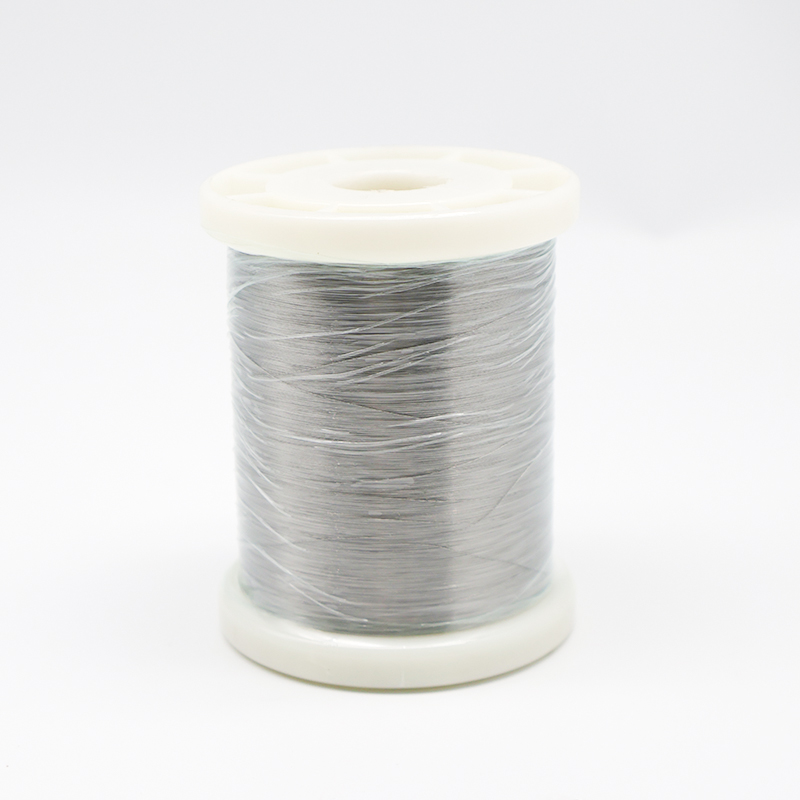
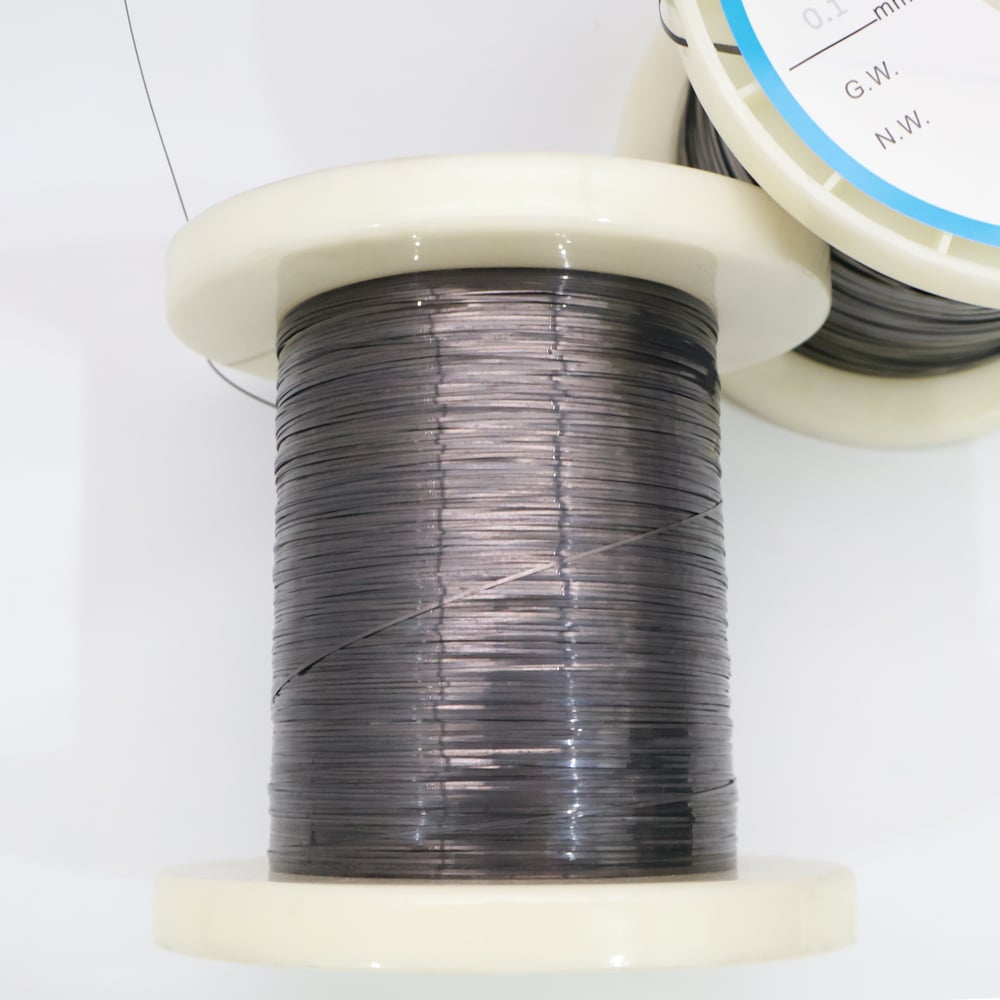
| Precision Thin Strip | 0.05 mm - 0.50 mm | 10 mm - 250 mm | Bright Annealed / Cold Rolled | T3/T4 Ultra-Tight Precision |
| Medium Sheet / Plate | 0.50 mm - 3.00 mm | 50 mm - 600 mm | Pickled / Descaled / Polished | ±0.01 mm to ±0.03 mm |
| Cut-to-Length Blanks | Custom stamping shapes | As per technical drawings | Deburred / Stress-Relieved | Micron-level profile accuracy |
Engineering Features
-
Linear Flux Compensation Response: Exhibits a predictable, monotonic decline in magnetic induction as ambient temperature increases, ensuring seamless linear compensation for rare-earth and AlNiCo magnet circuits.
-
Ultra-Pure Vacuum Melting: Produced using Vacuum Induction Melting (VIM) and Electroslag Remelting (ESR) to eliminate non-metallic inclusions and guarantee high structural homogeneity.
-
Strict Curie Transition Uniformity: Strict micro-alloying controls maintain the Curie transition window within tight deviation bands across coils and production batches.
-
Superior Stamping and Forming Formability: Optimal ductility in the cold-rolled or semi-hard condition allows burr-free punching, micro-stamping, and laser cutting for intricate magnetic shunt parts.
-
Controlled Magnetic Heat Treatment Response: Pre-annealed or customizable for post-stamping protective hydrogen atmosphere heat treatment to unlock peak thermo-magnetic sensitivity.
High-Value Applications
-
Precision Electrical Measuring Instruments: Serves as magnetic shunts in kilowatt-hour meters, moving-coil voltmeters, ammeters, and galvanometer systems to eliminate temperature errors.
-
Automotive Sensors & Tachometers: Stabilizes permanent magnet fields in speed sensors, camshaft position sensors, and automotive instrumentation clusters under fluctuating engine-bay temperatures.
-
Aviation & Marine Navigation Compasses: Provides magnetic drift compensation for aircraft fluxgate magnetometers and high-precision marine magnetic navigational devices.
-
Permanent Magnet Motor Systems: Integrates into brushless DC motors (BLDC) and precision micro-actuators to preserve constant torque across broad operating thermal ranges.
-
Industrial Magnetic Relays & Shunts: Temperature-compensated magnetic circuit components for electrical switchgear and circuit breaker monitoring mechanisms.

Why Choose DLX
-
Integrated Production Capacity: Operating extensive vacuum melting, hot forging, precision cold rolling, and hydrogen annealing lines, supporting a continuous monthly capacity of over 1,200 metric tons of specialized precision and functional alloys.
-
Custom Dimension and Property Tuning: We tailor Curie points, magnetic induction gradients, gauge thicknesses, and temper states directly to your proprietary magnetic circuit designs and CAD drawings.
-
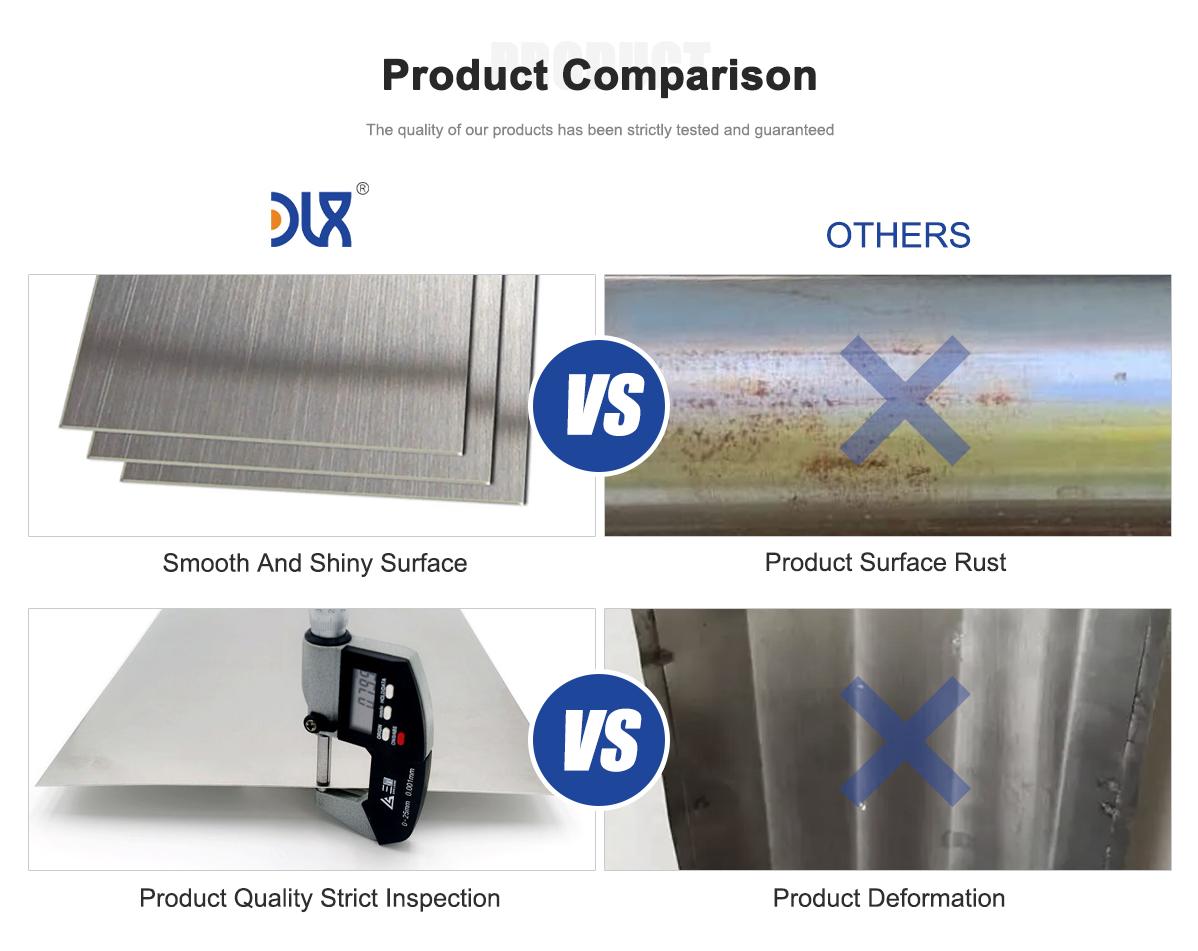
Comprehensive In-House Testing: Every production heat is verified via spectrometer chemical verification, vibrating sample magnetometry (VSM), automated magnetic temperature gradient testing, and micro-hardness inspection.
-
Full Traceability & Mill Test Certificates: Complete material test reports (MTR) covering quantitative chemistry, mechanical attributes, and physical parameters accompany every batch.
-
Flexible B2B Commercial Terms: Dynamic Minimum Order Quantities (MOQ) tailored to trial engineering lots or full-scale OEM supply, backed by standard export seaworthy packaging (vacuum moisture barrier + wooden crates).


Technical FAQ
Q1: How does 1J30 alloy compensate for temperature variations in a magnetic circuit?
1J30 soft magnetic alloy has a low and tailored Curie temperature. When ambient temperature increases, permanent magnet strength drops, but the magnetic permeability of the 1J30 shunt decreases at a faster, complementary rate. This diverts less total flux through the shunt and forces more working flux across the active air gap, keeping the net magnetic field stable.
Q2: What is the primary difference between 1J30, 1J31, and 1J32 alloys?
The primary difference lies in nickel content and the resulting Curie point (Tc) / compensation temperature range. 1J30 is optimized for standard operating spans (-40°C to +60°C), whereas 1J31 and 1J32 feature shifted Curie points designed for higher or lower target thermal compensation windows. DLX can assist in selecting the exact alloy grade based on your application's operating curve.
Q3: Does 1J30 sheet require heat treatment after stamping or machining?
Yes, to achieve optimum thermo-magnetic properties and relieve mechanical deformation stresses, 1J30 parts typically undergo final annealing in a dry hydrogen or high-vacuum atmosphere at specified temperatures (typically 800°C to 950°C), followed by controlled cooling. DLX provides pre-heat-treated material or detailed annealing curve guidelines.
Q4: What surface finishes and edge conditions can DLX provide for 1J30 strips?
We supply 1J30 in bright annealed cold-rolled finishes, pickled matte surfaces, or precision-slit deburred edge conditions. Strips can be supplied in continuous coils, level-cut sheets, or custom stamped blanks ready for automated assembly lines.
Q5: What is the typical Minimum Order Quantity (MOQ) and lead time for custom 1J30 sheets?
DLX operates dynamic MOQs based on requested thickness, width, and customized Curie point requirements, supporting rapid prototyping as well as high-volume production. Standard lead times typically range from 2 to 4 weeks depending on the rolling schedule and specification complexity.