EN
EN

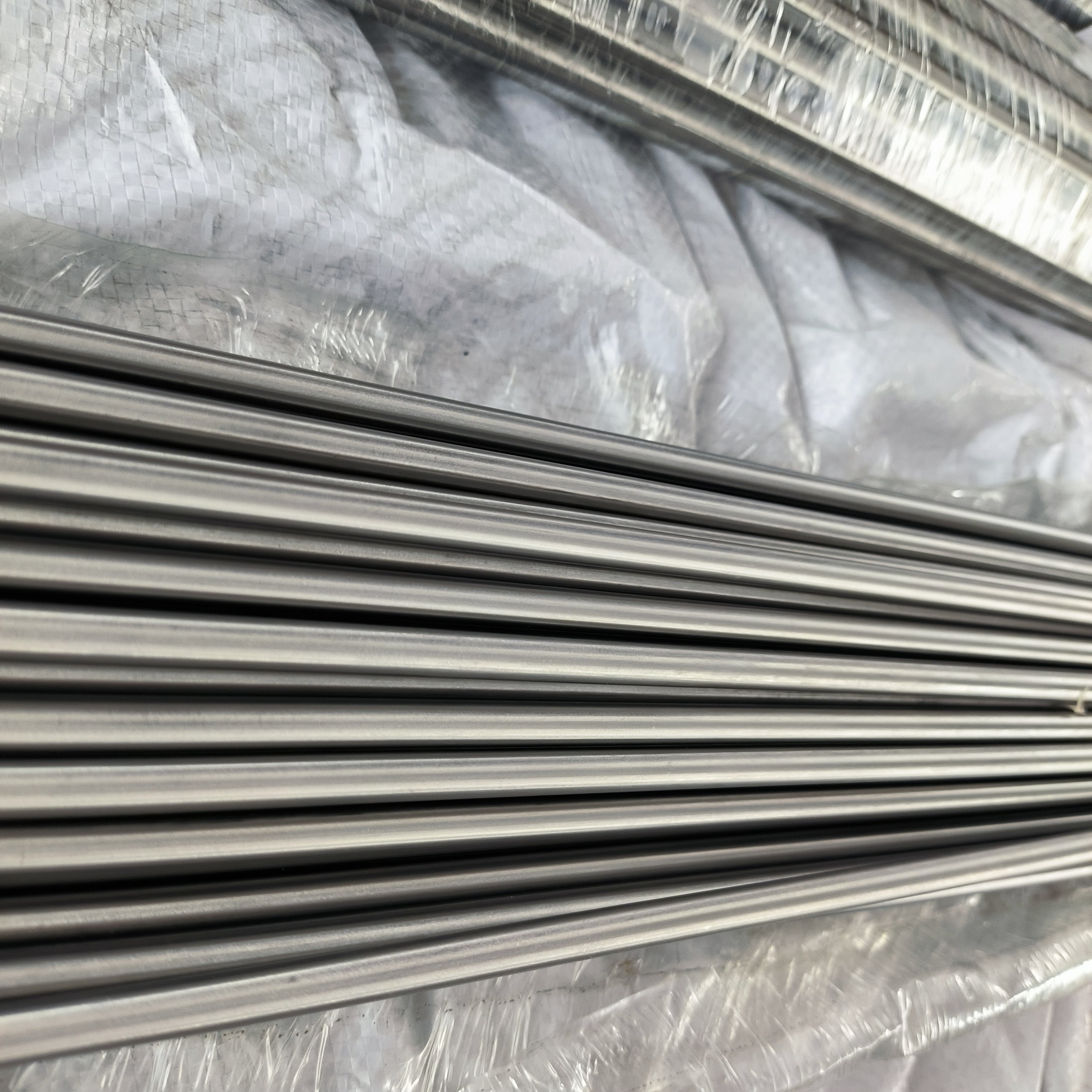
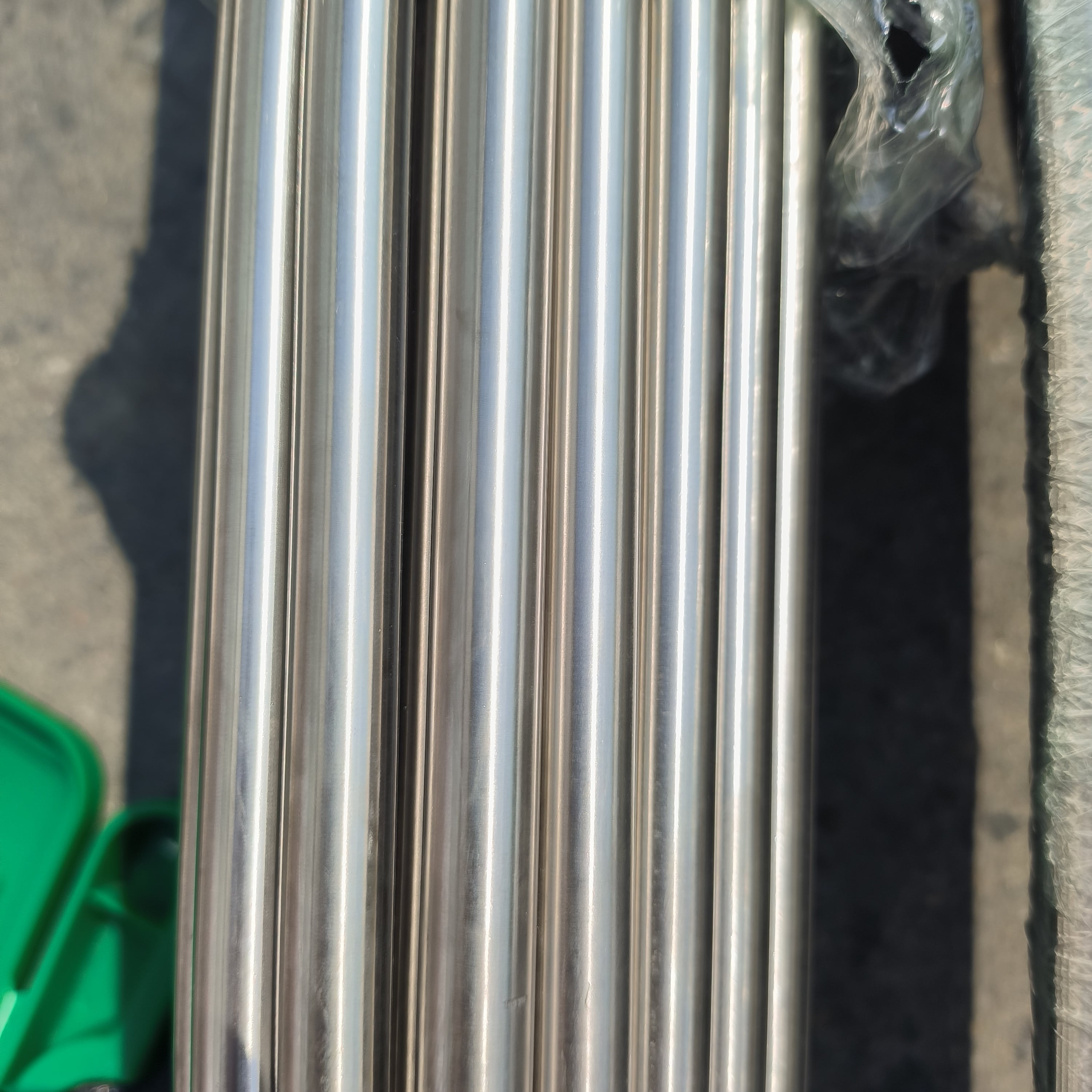
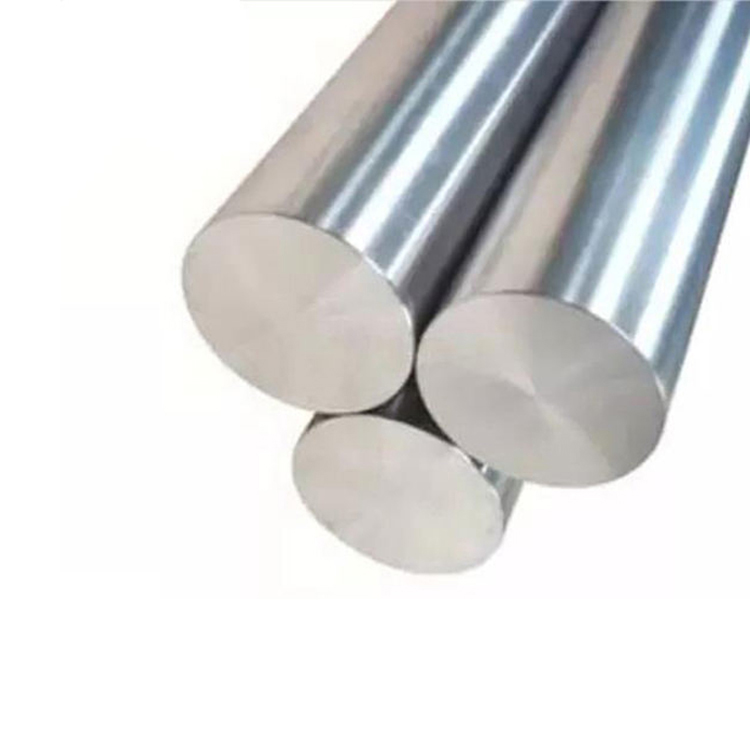
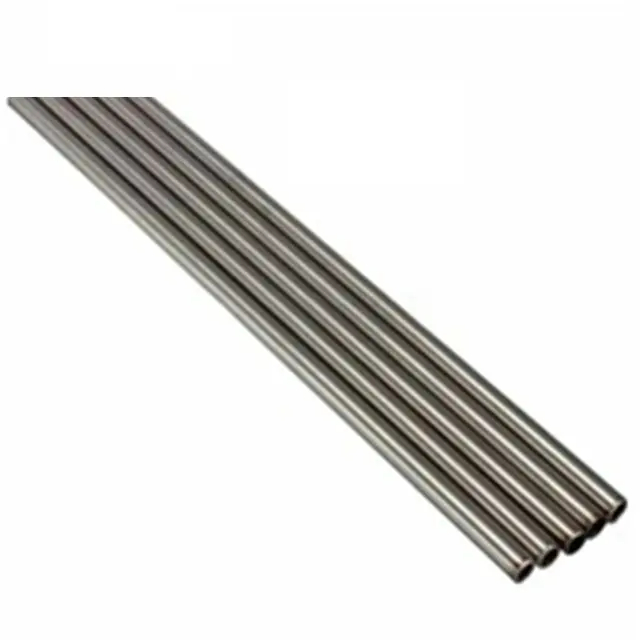
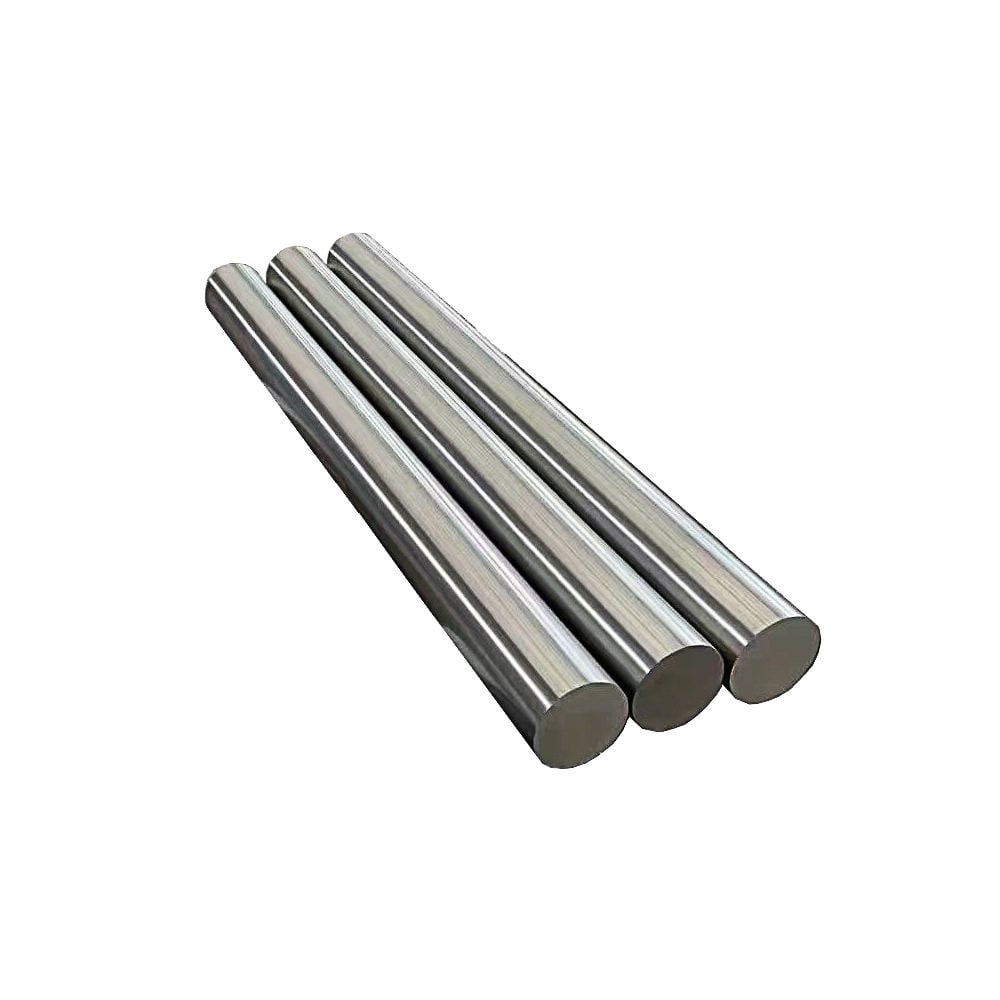
Inconel 713C Bar for High-Temperature Gas Turbine Blades & Nozzles
Discover our Inconel 713C heat-resistant bar designed specifically for automotive turbocharger applications. This high-performance nickel-chromium alloy offers exceptional heat resistance, strength, and durability. We support VTB payment for easy transactions. Available in sizes 80*780mm, 80*880mm, and 80*700mm.
- Overview
- Specification
- Applications
- FAQs
- Recommended Products
- Material: Inconel 713C, a heat-resistant nickel-chromium superalloy
- Size Options: 80*780mm, 80*880mm, 80*700mm
- Heat Resistance: Excellent resistance to high temperatures and oxidation
- Mechanical Strength: Superior strength to withstand extreme mechanical stress
- Corrosion Resistance: Exceptional protection against corrosion in demanding environments
- Application: Ideal for automotive turbochargers and high-performance engine parts
- Payment Support: VTB payment available for convenient transactions
Inconel 713C heat-resistant bars are engineered to meet the demanding needs of automotive turbocharger applications. This advanced nickel-based superalloy delivers superior heat resistance, excellent mechanical strength, and long-lasting durability, ensuring performance under extreme conditions. Perfect for automotive turbochargers, Inconel 713C enhances reliability and longevity.
Our Inconel 713C bars are crafted using state-of-the-art manufacturing techniques to ensure the highest quality. This heat-resistant alloy offers outstanding resistance to oxidation, corrosion, and thermal fatigue at elevated temperatures, making it ideal for turbocharger components. Available in 80780mm, 80880mm, and 80*700mm sizes, the Inconel 713C bar is a trusted material for high-performance automotive applications. Additionally, we offer flexible VTB payment options to accommodate your needs.
Key Features of Inconel 713C bar
Chemical Composition (wt.%)
| Element | Content (AMS 5391) |
|---|---|
| Chromium (Cr) | 12.00 – 14.00 |
| Molybdenum (Mo) | 3.80 – 5.20 |
| Niobium + Tantalum (Nb+Ta) | 1.80 – 2.80 |
| Aluminum (Al) | 5.50 – 6.50 |
| Titanium (Ti) | 0.50 – 1.00 |
| Carbon (C) | 0.08 – 0.20 |
| Boron (B) | 0.005 – 0.015 |
| Zirconium (Zr) | 0.05 – 0.15 |
| Silicon (Si) | ≤ 0.50 |
| Manganese (Mn) | ≤ 0.25 |
| Iron (Fe) | ≤ 2.50 |
| Copper (Cu) | ≤ 0.50 |
| Nickel (Ni) | Balance |
| Property | Value |
|---|---|
| Density | 7.91 g/cm³ |
| Melting Range | 1260 – 1288 °C |
| Thermal Expansion Coefficient | 5.92 – 9.48 ×10⁻⁶ /°F (70–2000°F) |
| Thermal Conductivity | 146 – 334 BTU·in/hr·ft²·°F |
| Tensile Strength | ≥ 760 MPa (110 ksi) |
| Yield Strength (0.2%) | ≥ 690 MPa (100 ksi) |
| Elongation | ≥ 3% |
| Hardness | HRC 30 – 42 |
| Creep Rupture Strength (980°C / 30h) | 152 MPa |
| Max Service Temperature | ≤ 900 °C |
Applications of Inconel 713C bars
Inconel 713C heat-resistant bars are primarily used in automotive turbochargers, where the material must endure high temperatures and mechanical stress. This superalloy is also ideal for other high-performance engine parts, including those found in gas turbines and aerospace applications, ensuring reliability and longevity in extreme conditions.

FAQs:
1. What are the main uses of Inconel 713C?
Inconel 713C is mainly used in automotive turbochargers and other high-performance engine components that require superior heat resistance, strength, and corrosion protection.
2. What sizes are available for Inconel 713C heat-resistant bars?
We offer Inconel 713C heat-resistant bars in three sizes: 80780mm, 80880mm, and 80*700mm.
3. Can I pay using VTB for these Inconel 713C bars?
Yes, we offer VTB payment as an option. Please contact us for more details on this payment method.
4. How does Inconel 713C perform under high temperatures?
Inconel 713C is specifically designed for high-temperature applications, offering exceptional heat resistance and oxidation protection, making it ideal for automotive turbochargers.
5. Is Inconel 713C resistant to corrosion?
Yes, Inconel 713C has outstanding corrosion resistance, which ensures durability and performance in harsh environments, such as automotive engines and turbochargers.