EN

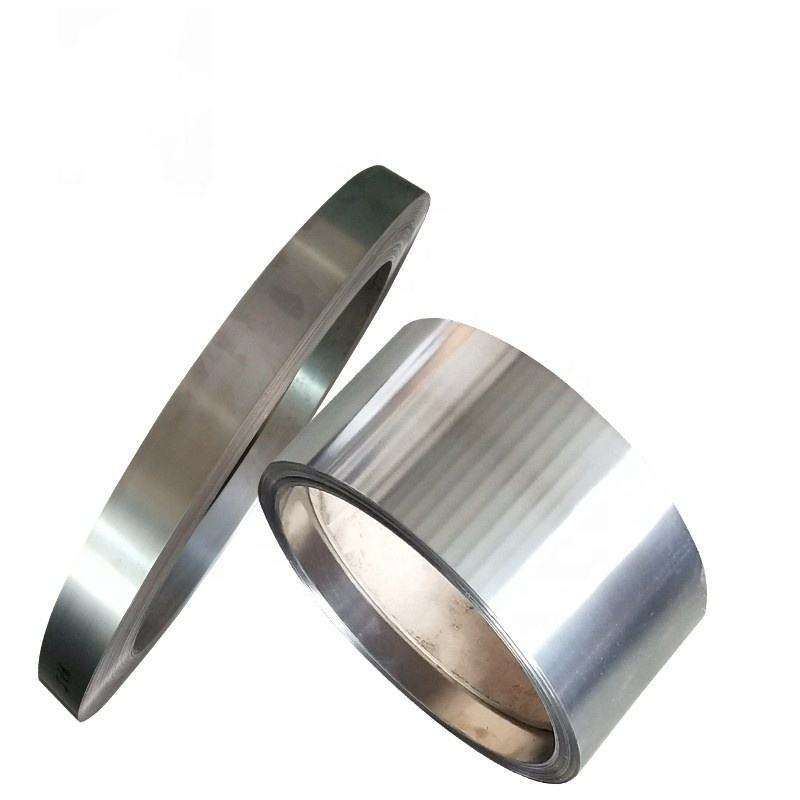
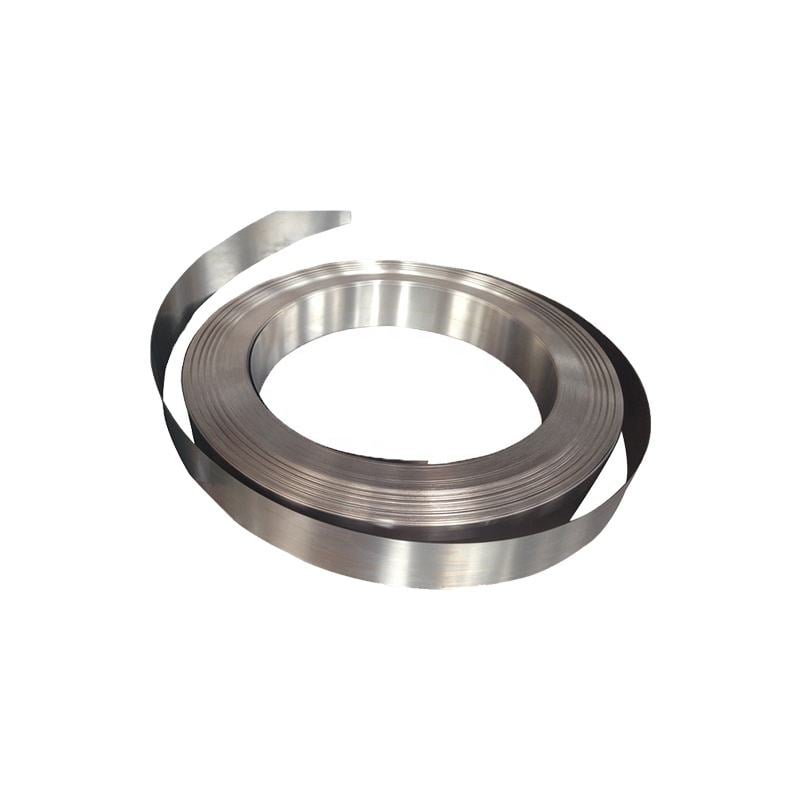
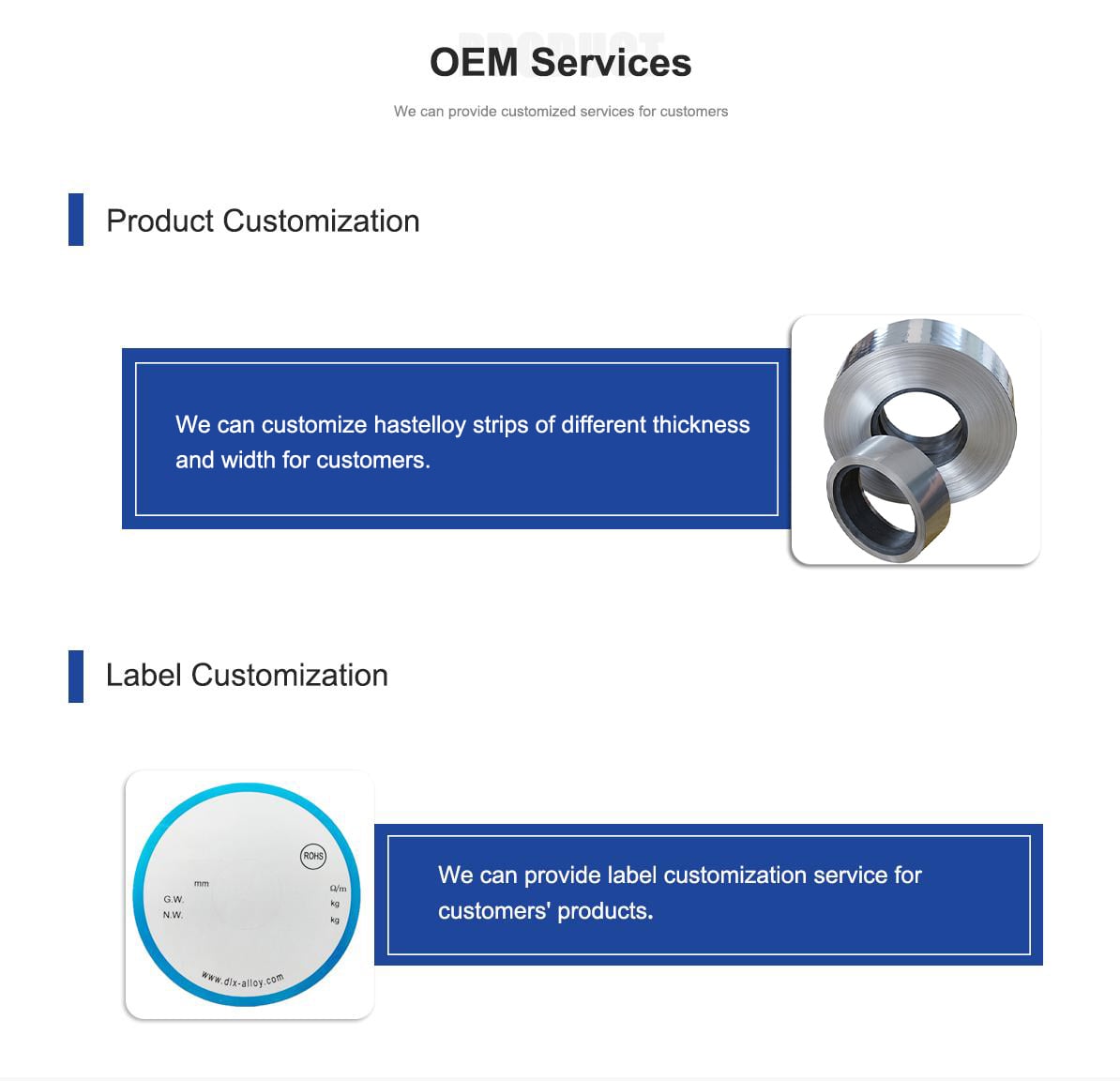
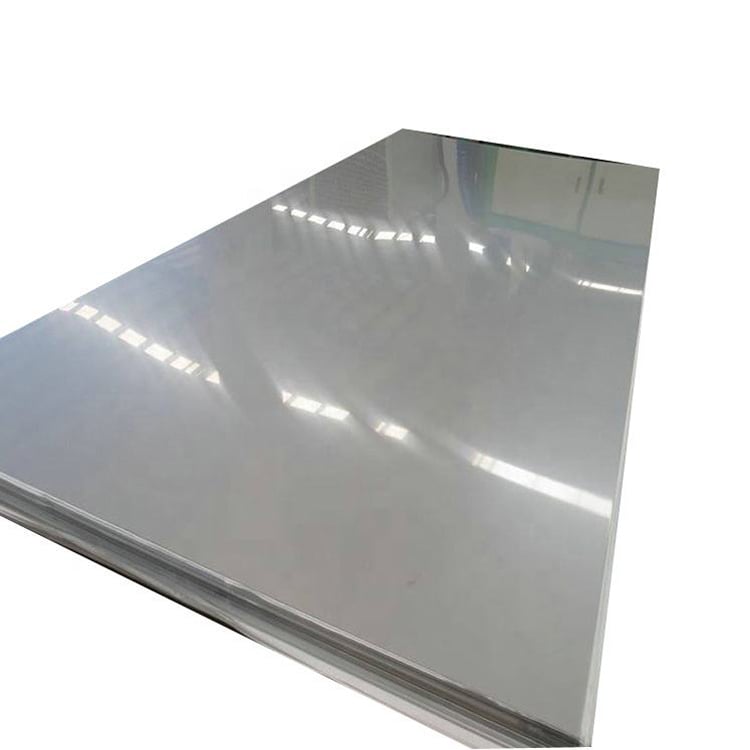
Crevice Resistant Thin Foil Hastelloy C22 0.05mm for Rupture Disc Diaphragm
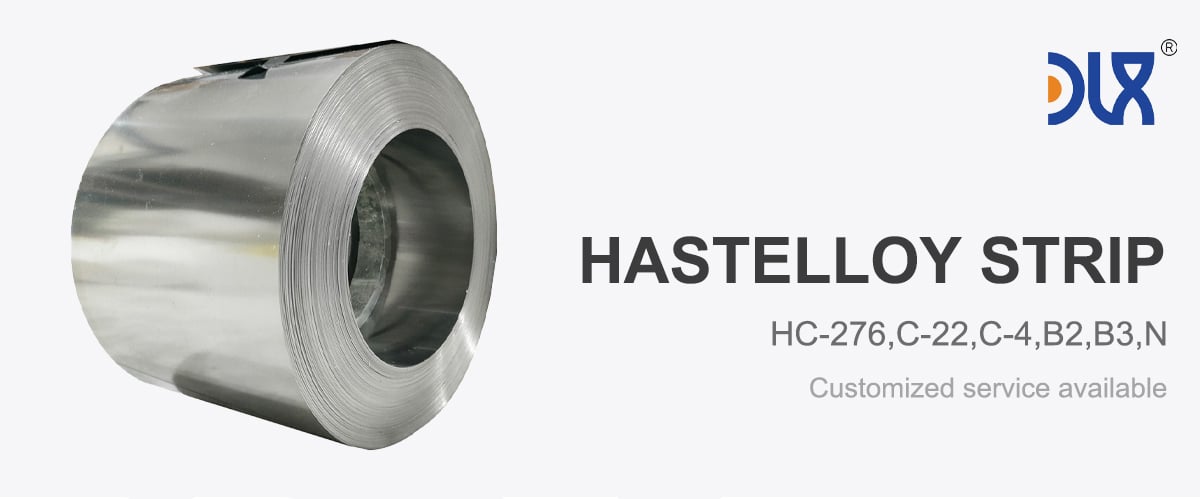
High-precision 0.05mm Hastelloy C22 foil with ±0.0015mm ultra-tight tolerance and superior crevice corrosion resistance, engineered for exact burst pressure consistency in severe chemical and industrial rupture disc diaphragms.
- Overview
- Specifications & Features
- Applications
- Why-Us
- FAQ
- Recommended Products
Overview
In pressurized chemical reactors, offshore platforms, and hazardous fluid containment lines, safety rupture discs serve as the final defense against catastrophic overpressure events. The core component—the rupture disc diaphragm—requires a foil material that combines exceptional chemical passivity with flawless mechanical consistency.
Standard stainless steels and basic nickel alloys frequently suffer from micro-crevice attack under mounting ring gaskets and localized pitting in chloride-bearing media, leading to premature fatigue or unexpected burst failure. Our 0.05mm Crevice Resistant Hastelloy C22 Thin Foil resolves these engineering challenges. Through specialized ultra-clean metallurgical refining and proprietary multi-pass cold rolling, this alloy foil provides an impervious protective barrier against oxidizing halogens, wet chlorine gas, nitric-hydrochloric mixed acids, and sulfuric acid vapors.
By maintaining ultra-tight thickness uniformity across the entire coil width and length, our foil delivers repeatable deflection dynamics and exact burst pressure precision for flat, domed, and reverse-acting rupture disc assemblies.
Technical Specifications & Features
1. Chemical Composition Baseline (Weight %)
| Element | Content (%) | Element | Content (%) |
|---|---|---|---|
| Nickel (Ni) | Balance (≥ 56.0) | Iron (Fe) | 2.00 – 6.00 |
| Chromium (Cr) | 20.00 – 22.50 | Cobalt (Co) | ≤ 2.50 |
| Molybdenum (Mo) | 12.50 – 14.50 | Manganese (Mn) | ≤ 0.50 |
| Tungsten (W) | 2.50 – 3.50 | Carbon (C) | ≤ 0.010 |
| Silicon (Si) | ≤ 0.08 | Phosphorus / Sulfur (P/S) | ≤ 0.020 / ≤ 0.010 |
2. Physical & Mechanical Properties
| Parameter / Property | Specification / Value | Engineering Significance / Details |
|---|---|---|
| Density | 8.69 g/cm³ | High-density nickel-base alloy matrix |
| Melting Point | 1357 – 1399 °C | Solidus / liquidus temperature profile |
| Tensile Strength (Rm) | 690 – 880 MPa | Precision annealed / tempered for controlled burst dynamics |
| Yield Strength (Rp0.2) | ≥ 310 MPa | Uniform elastic-to-plastic transition threshold |
| Elongation at Break (A50mm) | ≥ 40% | High ductility ensuring clean doming without micro-fissures |
| Standard Thickness | 0.050 mm (50 µm) | Ultra-thin gauge for low-to-medium burst pressure ranges |
| Thickness Tolerance | ±0.0015 mm (±1.5 µm / ±3%) | Sub-micron consistency across full coil width & length |
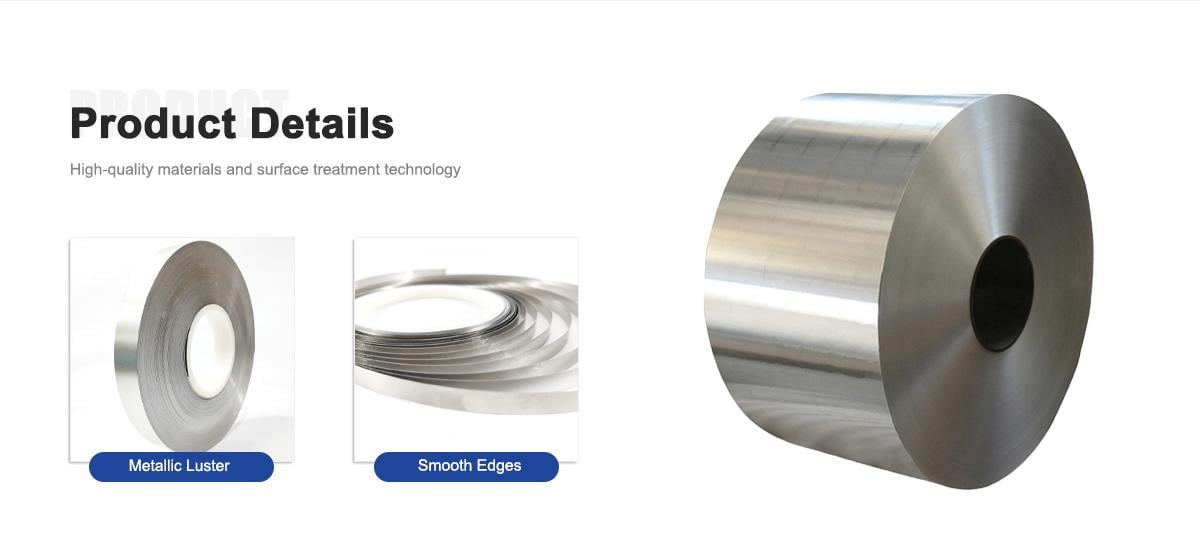
| Surface Finish | Bright Annealed / Mirror Finish | Ra ≤ 0.15 µm, pinhole-free & pit-resistant surface |
| Forming Characteristic | Zero Orange-Peel Effect | Isotropic micro-grain structure for deep drawing & pre-bulging |
3. Core Product Features
-
Unrivaled Crevice & Pitting Resistance: Extremely high PREN (Pitting Resistance Equivalent Number > 45), preventing localized crevice erosion beneath holding flanges and clamping rings.
-
Ultra-Fine Microstructure: Fully controlled, isotropic grain structure ensures uniform stress distribution and tight burst tolerance bands (within ±3% to ±5% of rated burst pressure).
-
Pinhole-Free Acoustic & Eddy Current Verification: 100% surface inspection guarantees continuous structural integrity without inclusion lines, micro-voids, or laminations.
-
Thermal Stability: Maintains spring characteristics and elastic response across cryogenic ranges up to 400 °C continuous service.
Industrial Applications
-
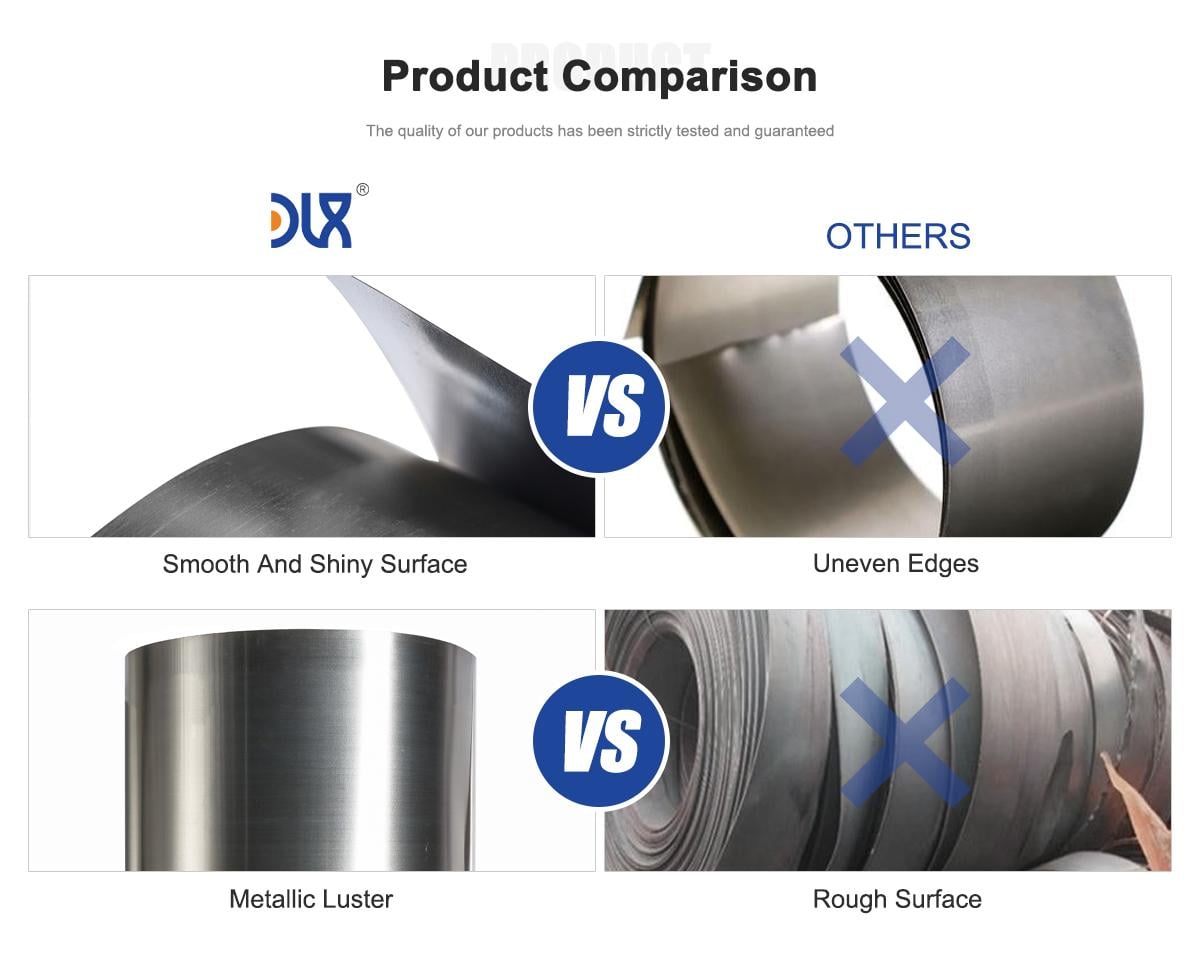
Rupture Discs & Burst Diaphragms: Forward-acting and reverse-buckling rupture discs for chemical reactors, petrochemical storage tanks, and hydrogen energy systems.
-
Pressure Transmitter Isolation Diaphragms: Corrosive fluid isolation seals in high-accuracy differential pressure transmitters and smart flow meters.
-
Pharmaceutical & Bioprocess Rupture Seals: Sanitary, clean-in-place (CIP) and steam-in-place (SIP) pressure relief units requiring ultra-smooth, non-contaminating alloy surfaces.
-
Specialty Chemical & Chlor-Alkali Processing: Burst protection in wet chlorine, hypochlorite, and organic chloride synthesis vessels.
-
Marine & Subsea Pressure Compensators: Deep-sea electronics housing relief valves and corrosive seawater exploration equipment.
Why Source from DLX
-
Integrated Metallurgical Control: Powered by dual-melting infrastructure (Vacuum Induction Melting + Electroslag Remelting), ensuring ultra-low interstitial gas content (C ≤ 0.01%, S ≤ 0.005%) and supreme alloy cleanliness.
-
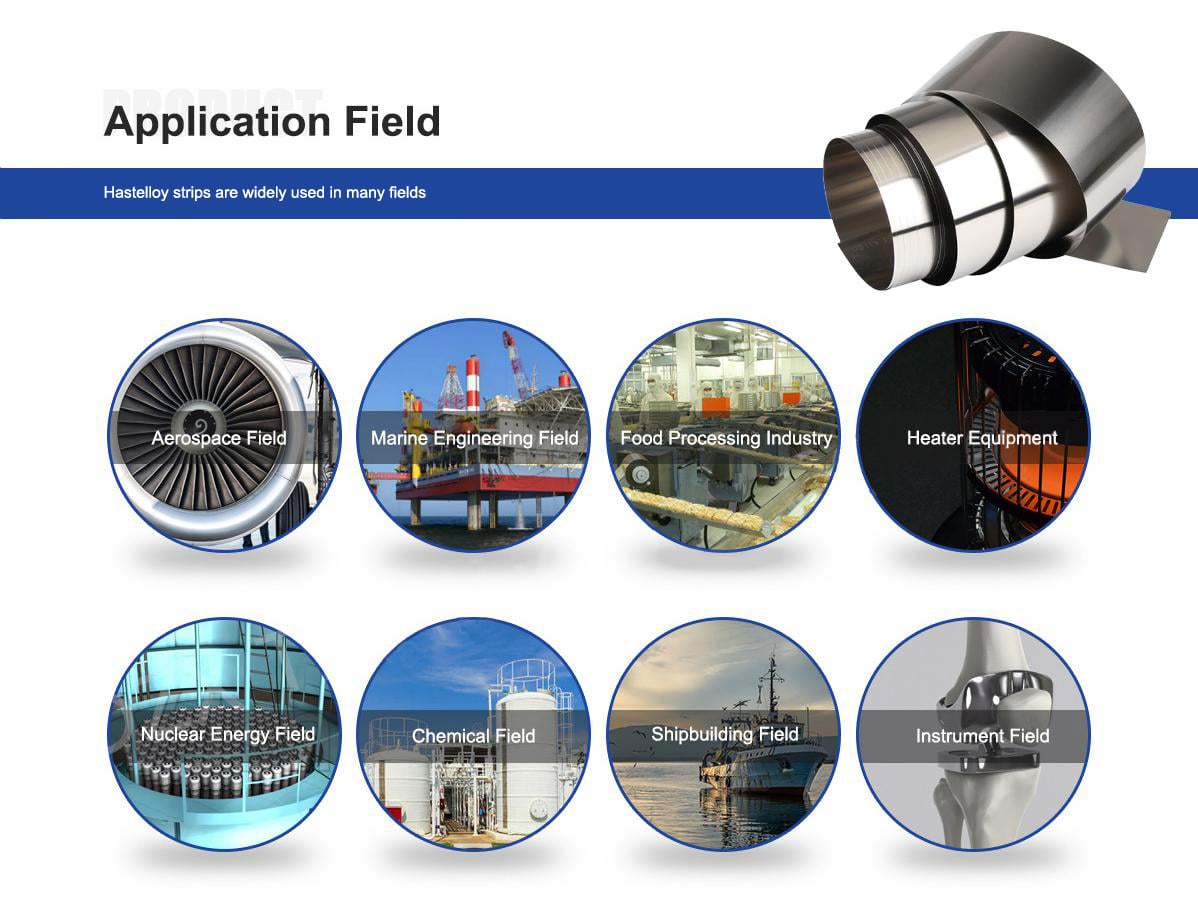
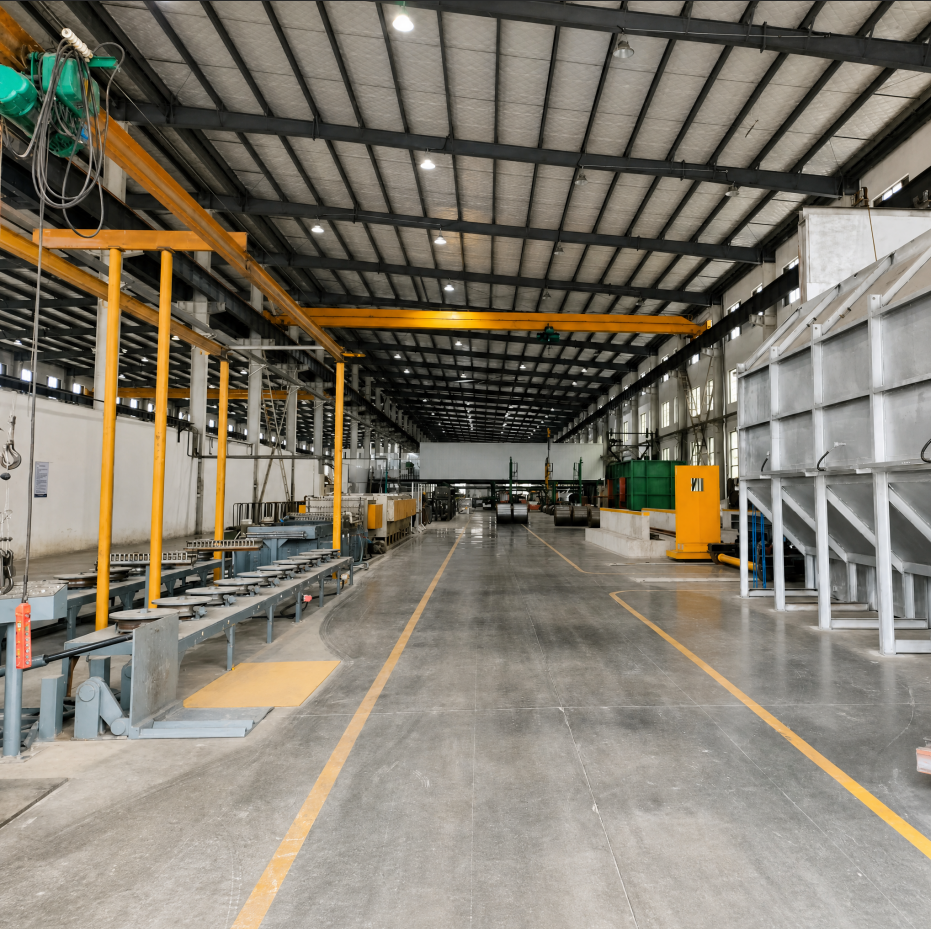
High-Precision Multi-Roll Rolling Equipment: Advanced 20-high Sendzimir rolling mills equipped with automated X-ray gauge thickness feedback control provide sub-micron thickness stability across 500mm coil widths.
-
Scalable Manufacturing Capacity: Comprehensive monthly alloy production capacity of 1,200 tons/month, ensuring prompt delivery for standard stock coils and customized foil batches.
-
Custom Slitting & Stamping Capabilities: Precision burr-free slitting down to 10mm widths or pre-cut circular disc blanks ready for direct rupture disc stamping lines.
-
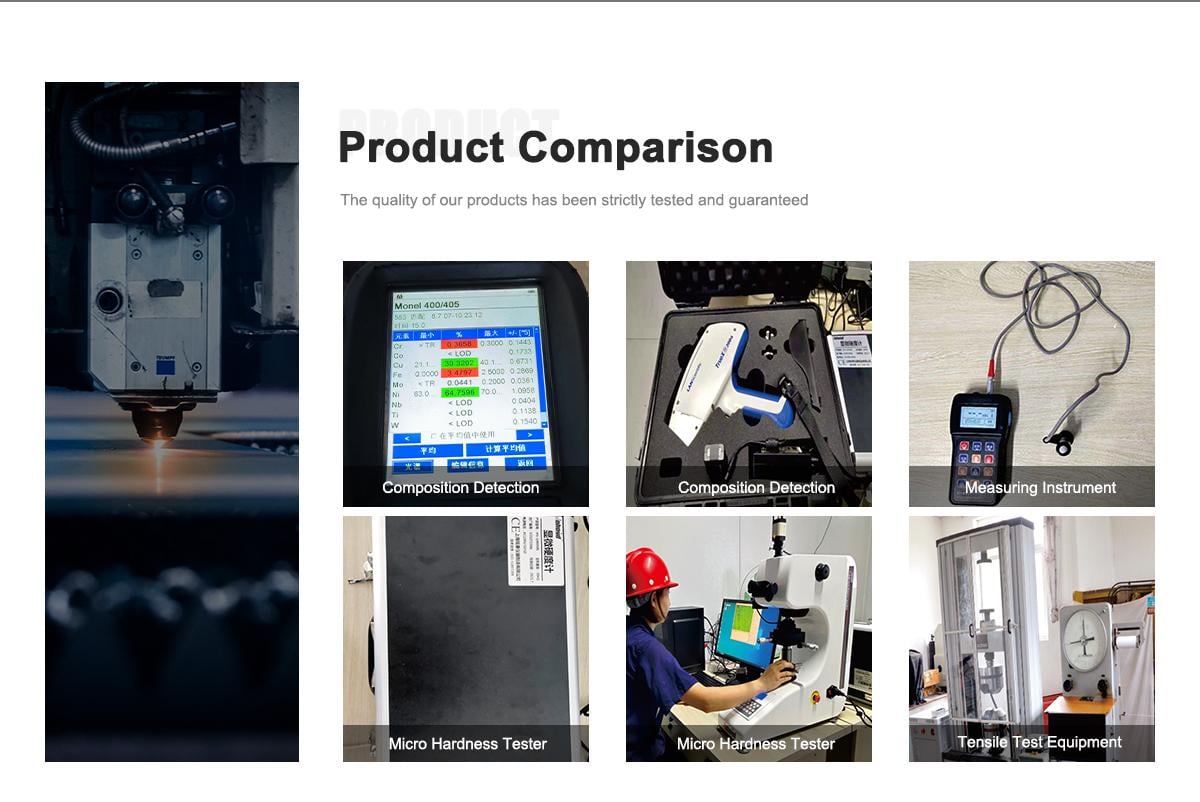
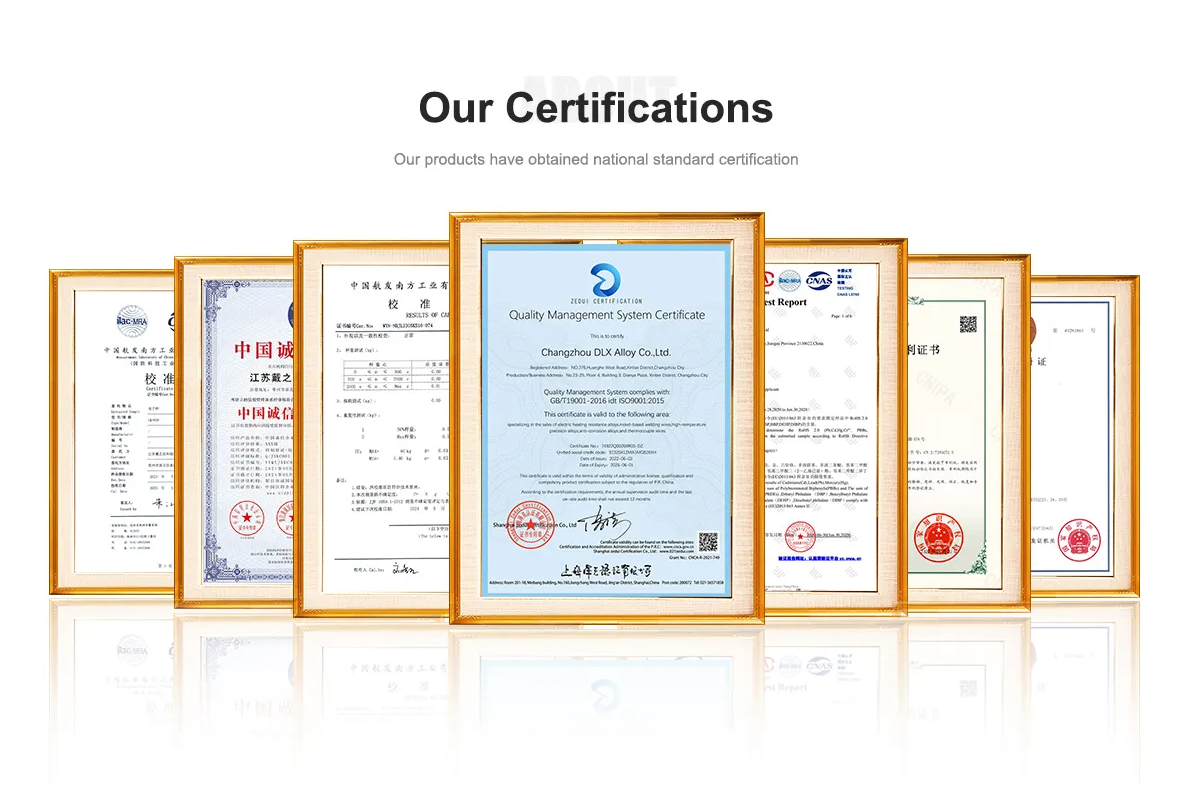
Strict Quality Assurance: Every batch is accompanied by comprehensive chemical spectroscopy verification, micro-hardness profiles, tensile deformation curves, and surface roughness interferometry data.
Technical FAQ
Q1: Why is Hastelloy C22 preferred over Hastelloy C276 for thin rupture disc diaphragms?
A: While both are nickel-chromium-molybdenum alloys, Hastelloy C22 contains higher chromium (~21% vs ~15.5%) and optimized tungsten content. This composition gives C22 superior resistance to oxidizing acids, wet chlorine, and crevice corrosion under tight clamping fixtures. Additionally, its superior thermal stability reduces precipitation along grain boundaries during forming, resulting in more consistent burst pressure repeatability.
Q2: What thickness tolerances can DLX maintain on 0.05mm C22 foil?
A: We standardly achieve ±0.0015mm (±3%), and can provide high-precision selected coils with tolerances within ±0.0010mm upon request. This micron-level uniformity minimizes burst pressure deviation across multi-cavity stamping runs.
Q3: How is the foil packed to prevent edge deformation and creasing during international shipment?
A: Our 0.05mm foil coils are wound onto solid aluminum or hardened steel cores with interleaved acid-free protective paper, sealed in multi-layer moisture-barrier vacuum packaging, and suspended inside reinforced wooden cases to prevent coil ovality or edge impact damage.
Q4: What is the Minimum Order Quantity (MOQ) and lead time for custom slitted widths?
A: We support flexible trial batches starting from 5 kg for standard stock widths. Custom slitting and custom thickness configurations typically carry a production lead time of 2–3 weeks depending on detailed specifications.