EN


High Precision Nickel Chromium Resistance Wire Cr10Ni90 with Low TCR
Engineered for ultra-stable electrical performance, Cr10Ni90 nickel chromium resistance alloy wire features an exceptionally low temperature coefficient of resistance, low thermal EMF against copper, and outstanding oxidation resistance for precision wire-wound resistors, measuring instruments, and military-grade electronic components.
- Overview
- Specifications
- Performance Benefits
- Applications
- Advantage
- FAQ
- Recommended Products
Cr10Ni90 is a premium nickel-chromium solid solution resistance alloy composed of approximately 90% Nickel and 10% Chromium. Specifically developed for precision instrumentation and electrical metrology, it provides stable resistivity, minimal resistance drift across varying temperatures, and superior corrosion resistance. Available in ultra-fine wire diameters down to 0.02mm, flat wire, and bright annealed conditions for automated winding applications.
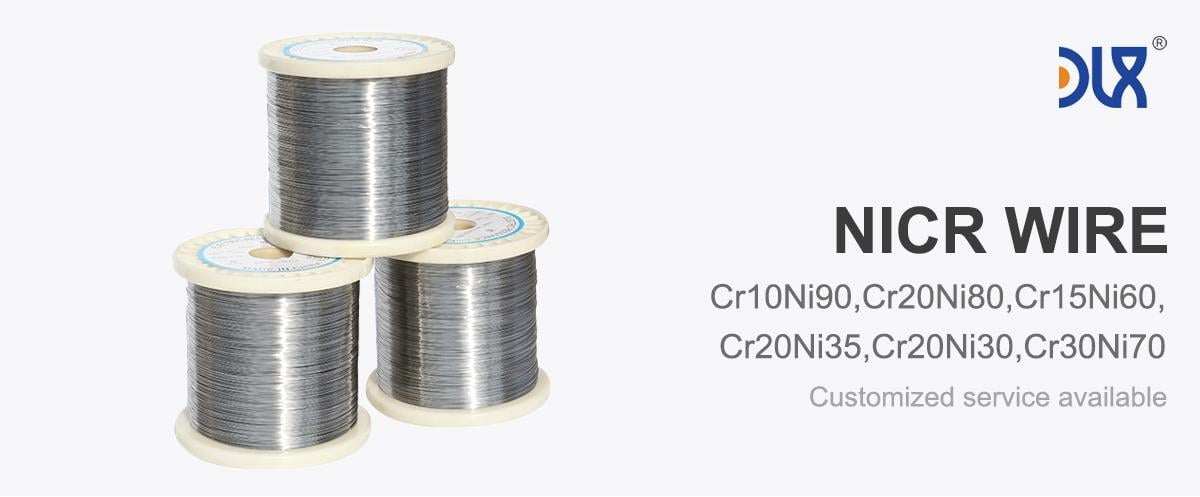
Product Overview
Cr10Ni90 nickel chromium precision resistance alloy wire is designed for critical electronic applications where minimal resistance variation under ambient temperature fluctuations is essential. Unlike high-temperature heating alloys such as Cr20Ni80, Cr10Ni90 is optimized specifically for precision resistance stability rather than high-temperature thermal radiation.
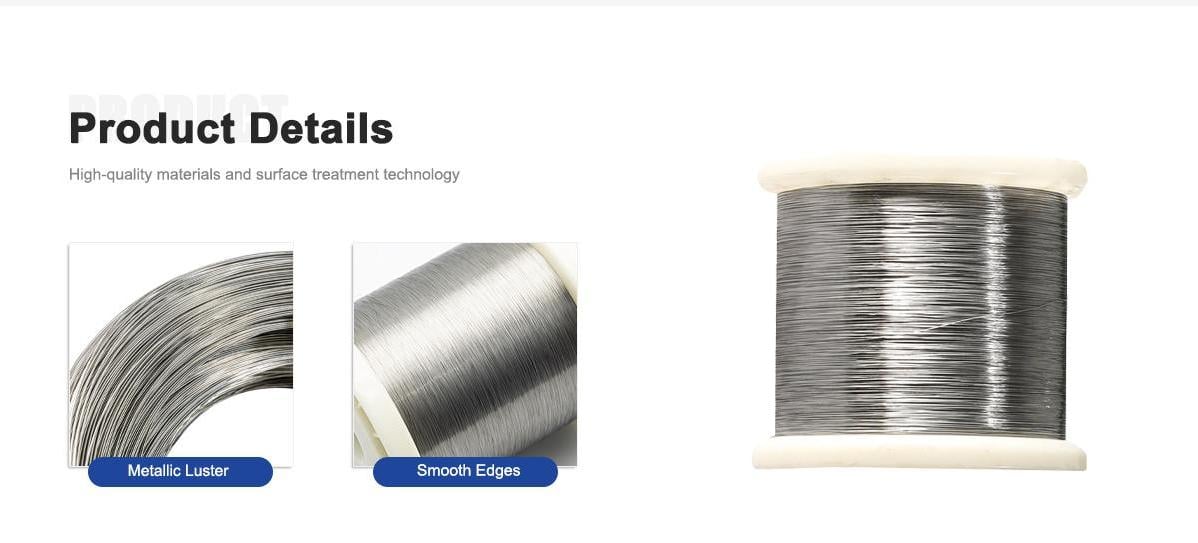
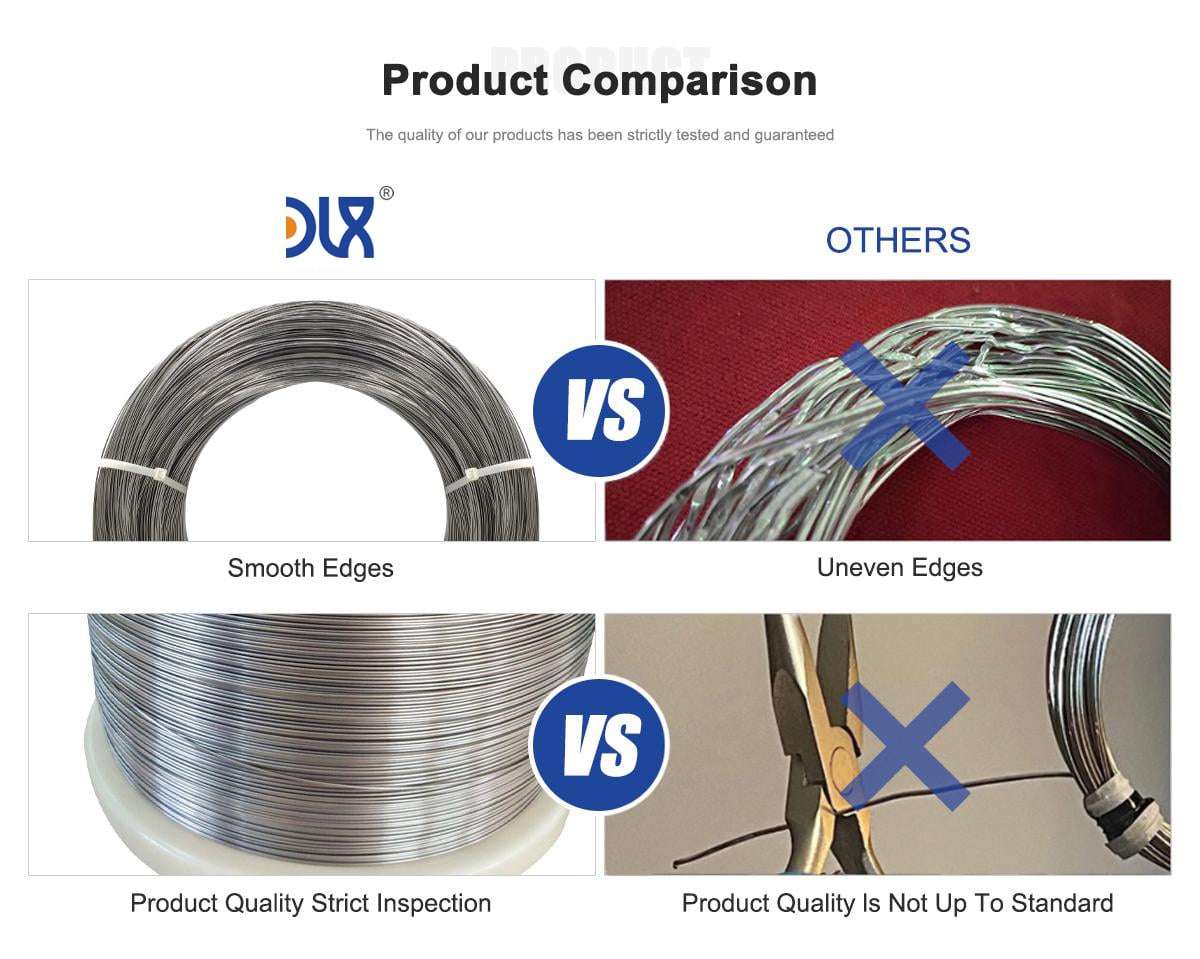
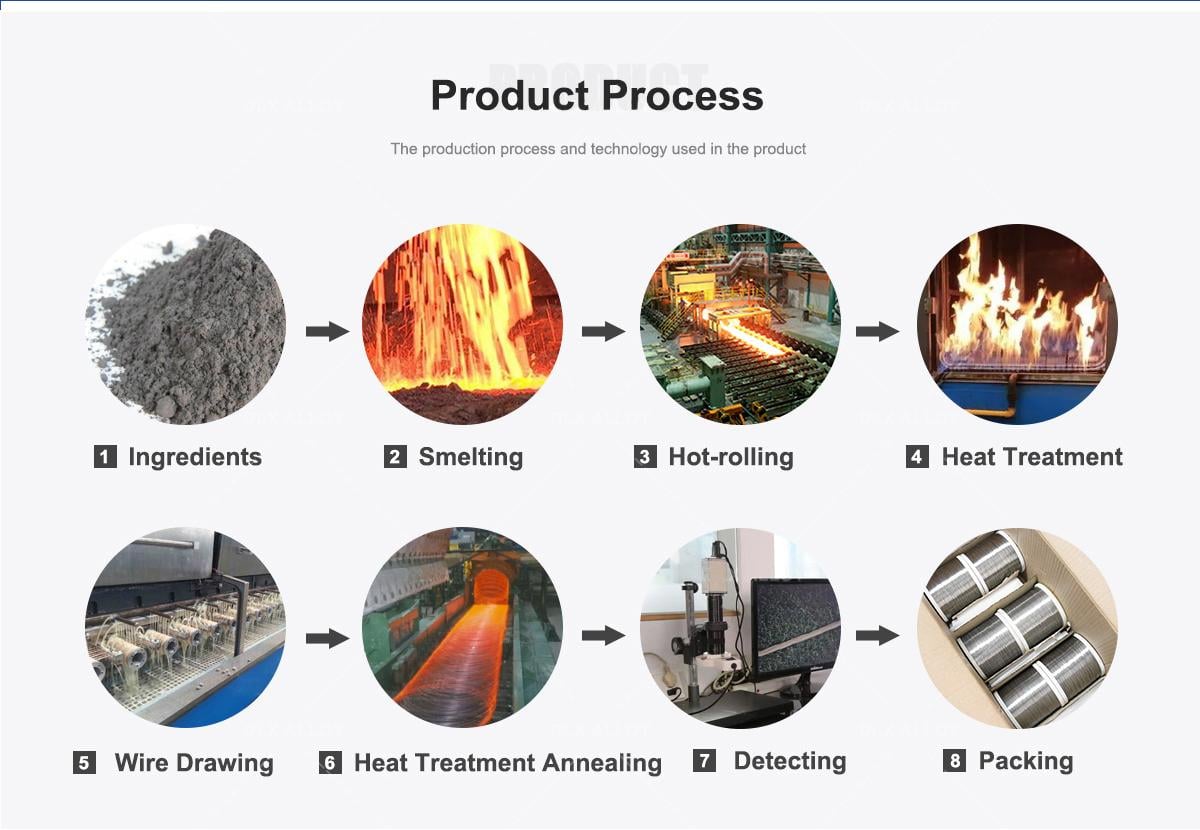
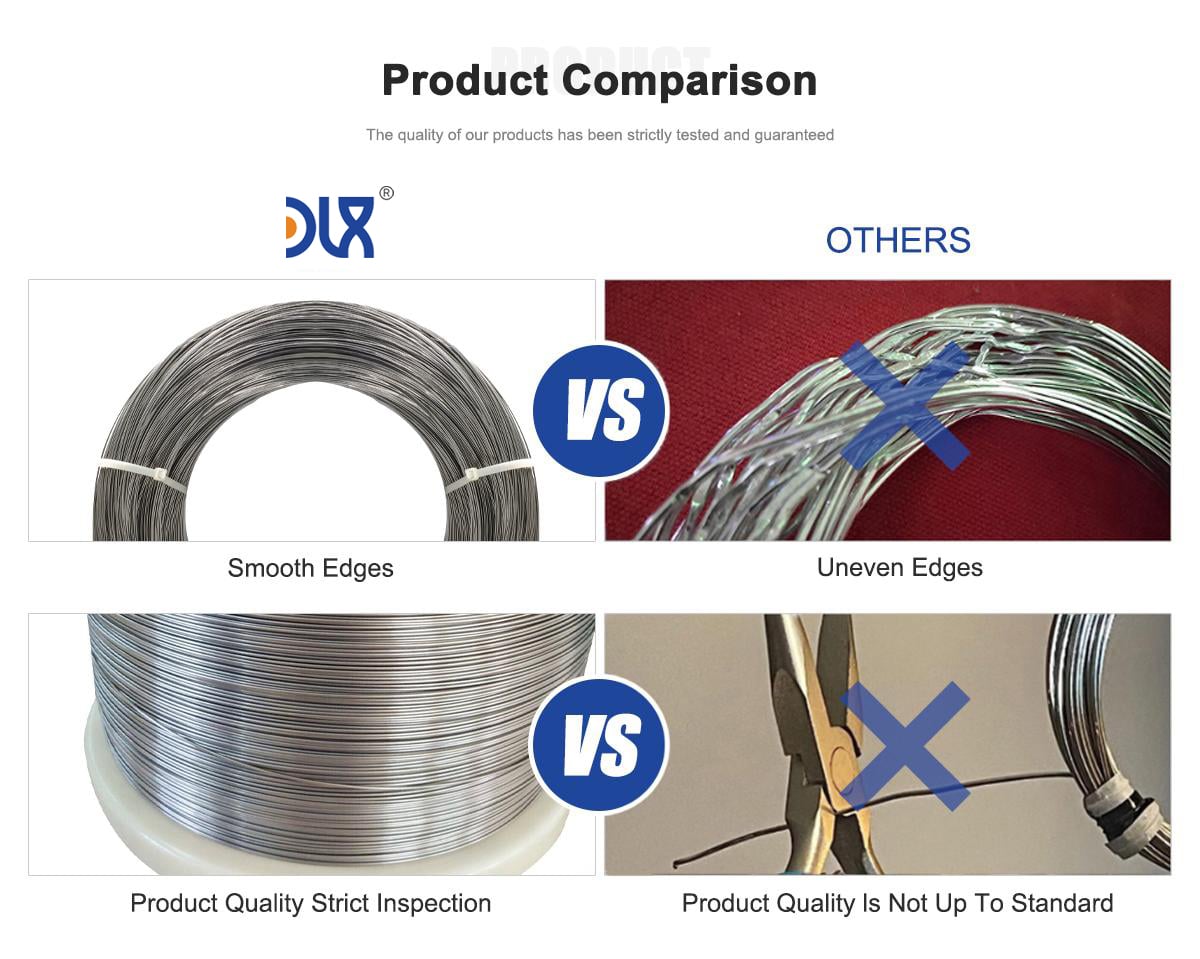
The alloy exhibits low thermal EMF relative to copper, preventing thermoelectric voltage offsets in high-accuracy DC and AC measuring circuits. DLX Alloy maintains strict vacuum melting and precision cold drawing processes to ensure uniform wire diameter, clean surface finish, tight resistance tolerances, and consistent mechanical ductility across full production spools.
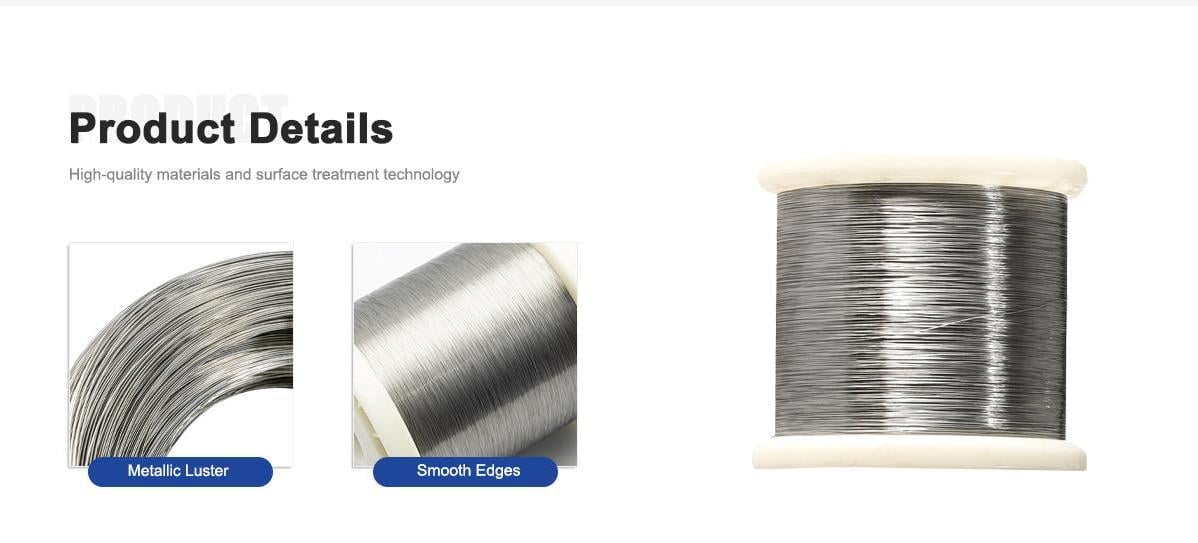
Electrical and Physical Properties of Cr10Ni90 Alloy
| Property Parameter | Value | Unit |
|---|---|---|
| Chemical Composition | Ni 89.0 - 91.0, Cr 9.0 - 11.0, Fe Balance <= 0.5 | wt% |
| Electrical Resistivity at 20 deg C | 0.40 - 0.48 | micro-ohm m |
| Temperature Coefficient of Resistance (TCR, 0 - 100 deg C) | +80 to +140 | ppm/deg C |
| Thermal EMF vs Copper (0 - 100 deg C) | +0.2 to +1.0 | micro-V/deg C |
| Density | 8.85 | g/cm3 |
| Melting Point | 1420 - 1440 | deg C |
| Maximum Continuous Operating Temperature | 400 | deg C |
| Tensile Strength (Annealed Condition) | 500 - 750 | MPa |
| Elongation (Annealed Condition) | >= 20 | % |
| Hardness (Annealed Condition) | 120 - 160 | HV |
Dimensional Availability and Supply Conditions
| Form Factor | Dimension Range | Surface Finish | Supply Temper |
|---|---|---|---|
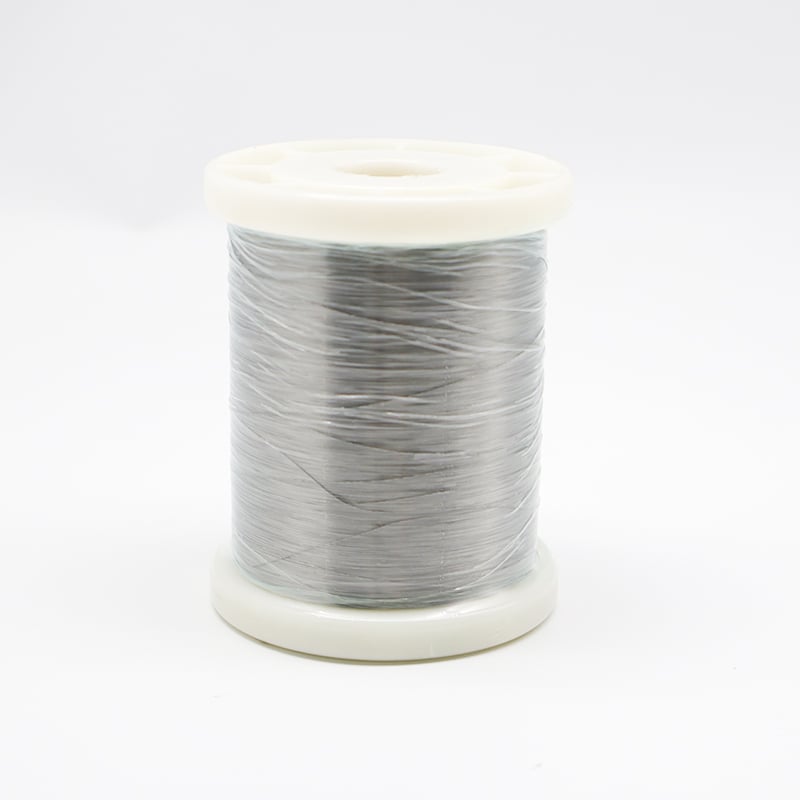
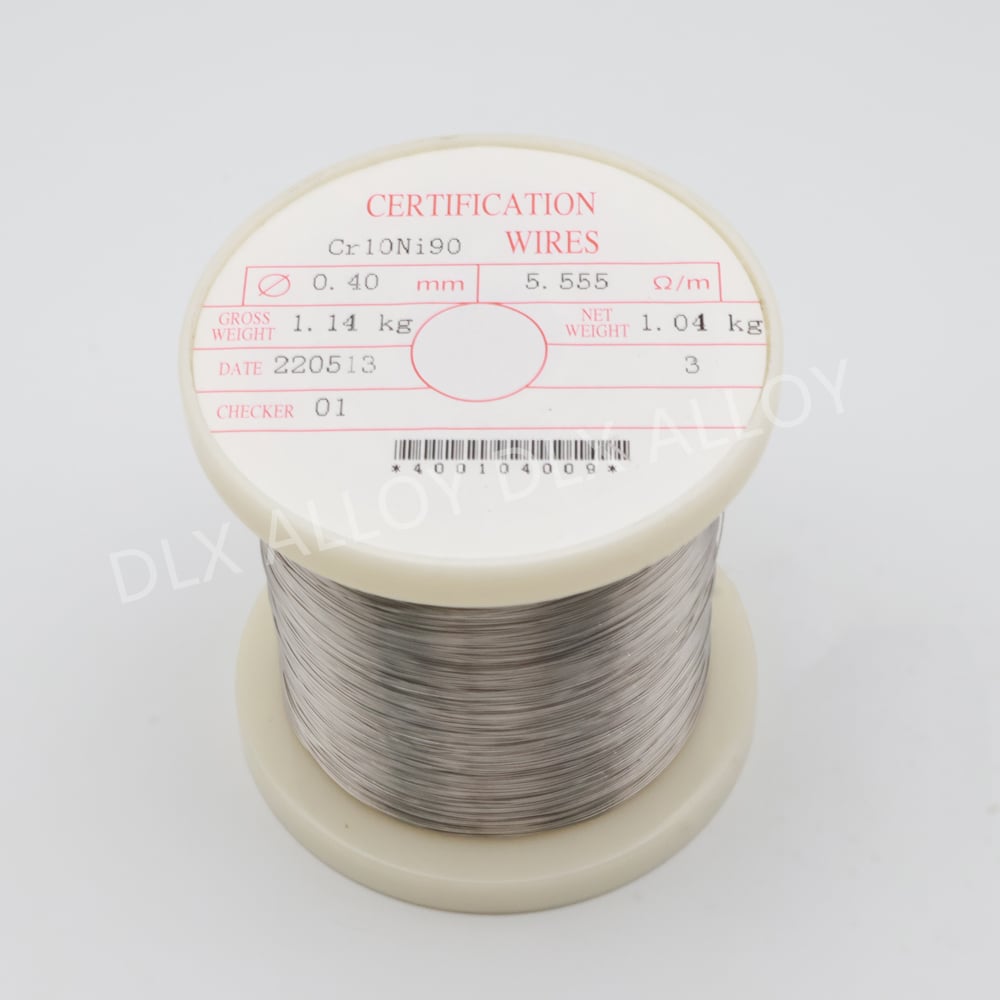
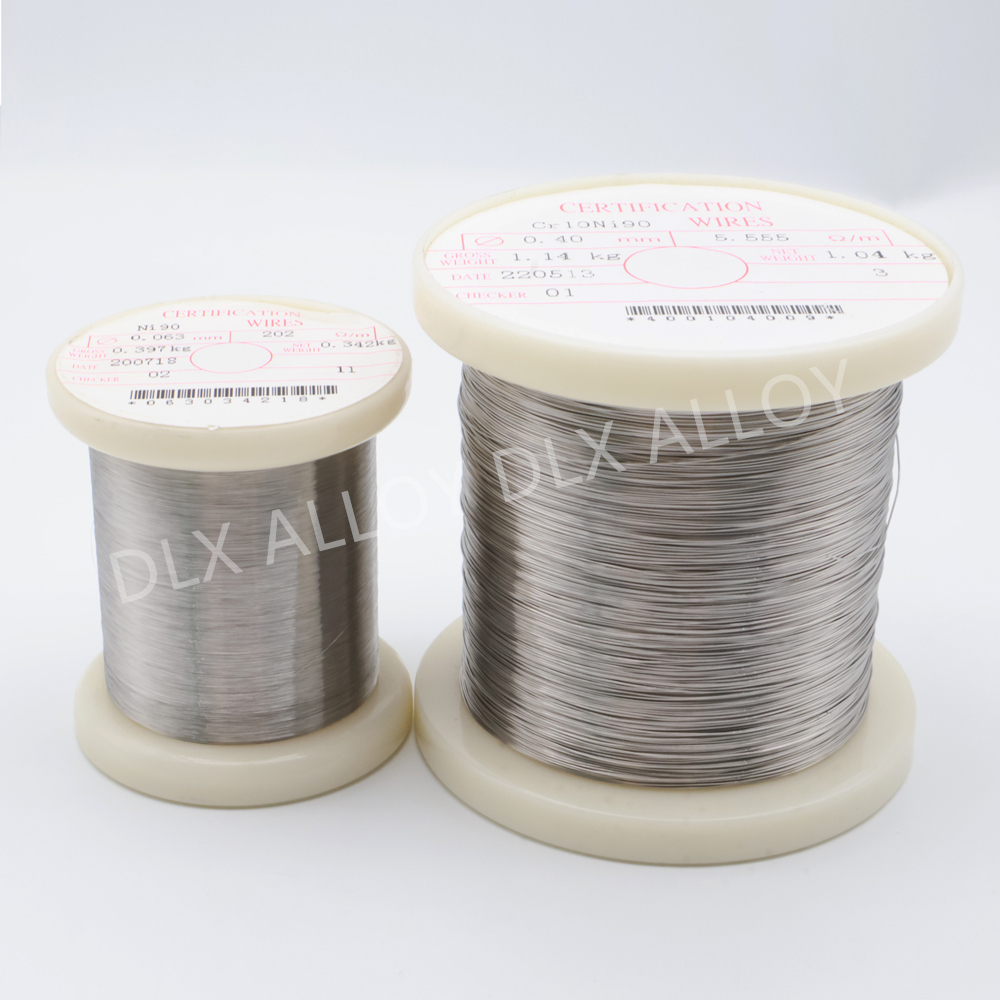
| Round Fine Wire | 0.020 mm - 0.800 mm | Bright Annealed / Pickled / Enamelled | Soft Annealed (M) / Hard Drawn (Y) |
| Round Medium Wire | 0.800 mm - 5.000 mm | Bright Annealed / Polished | Soft Annealed (M) |
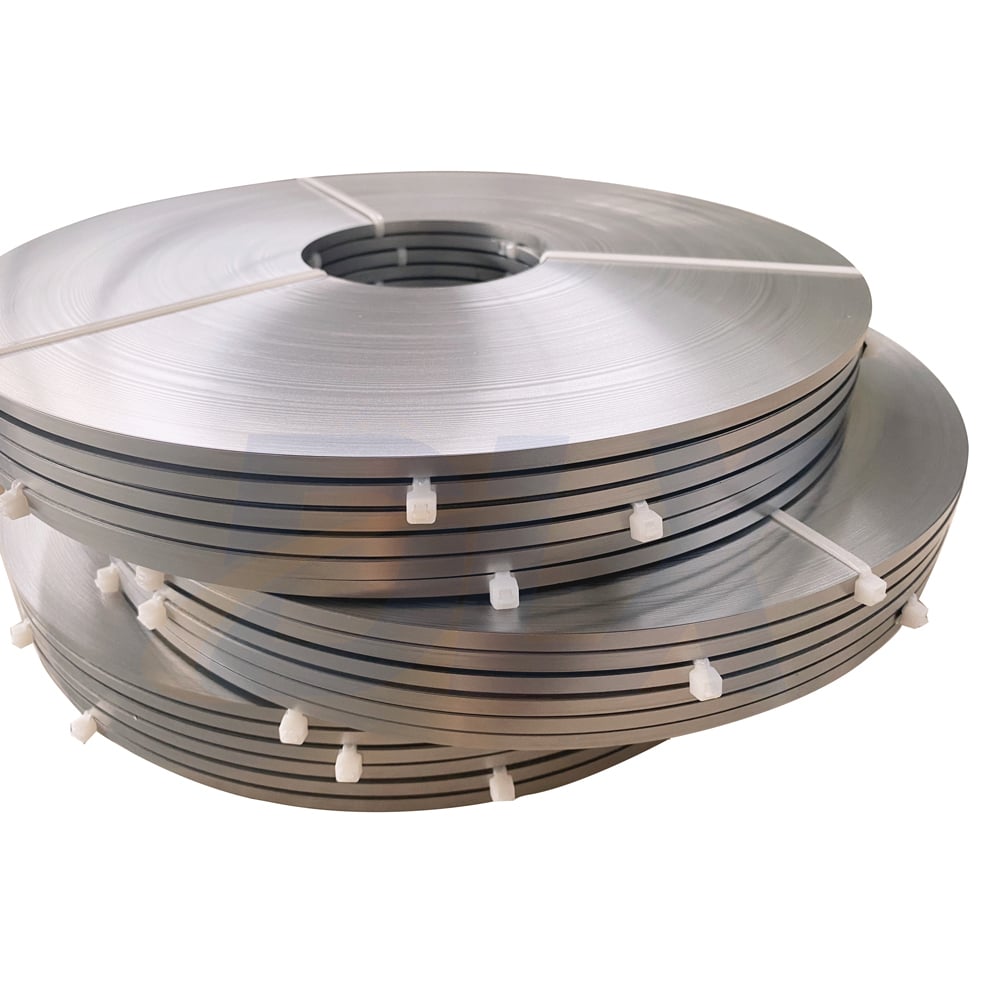
| Flat Wire and Ribbon | Thickness 0.03 - 1.20 mm, Width 0.20 - 8.00 mm | Bright / Smooth Edge | Soft Annealed (M) |
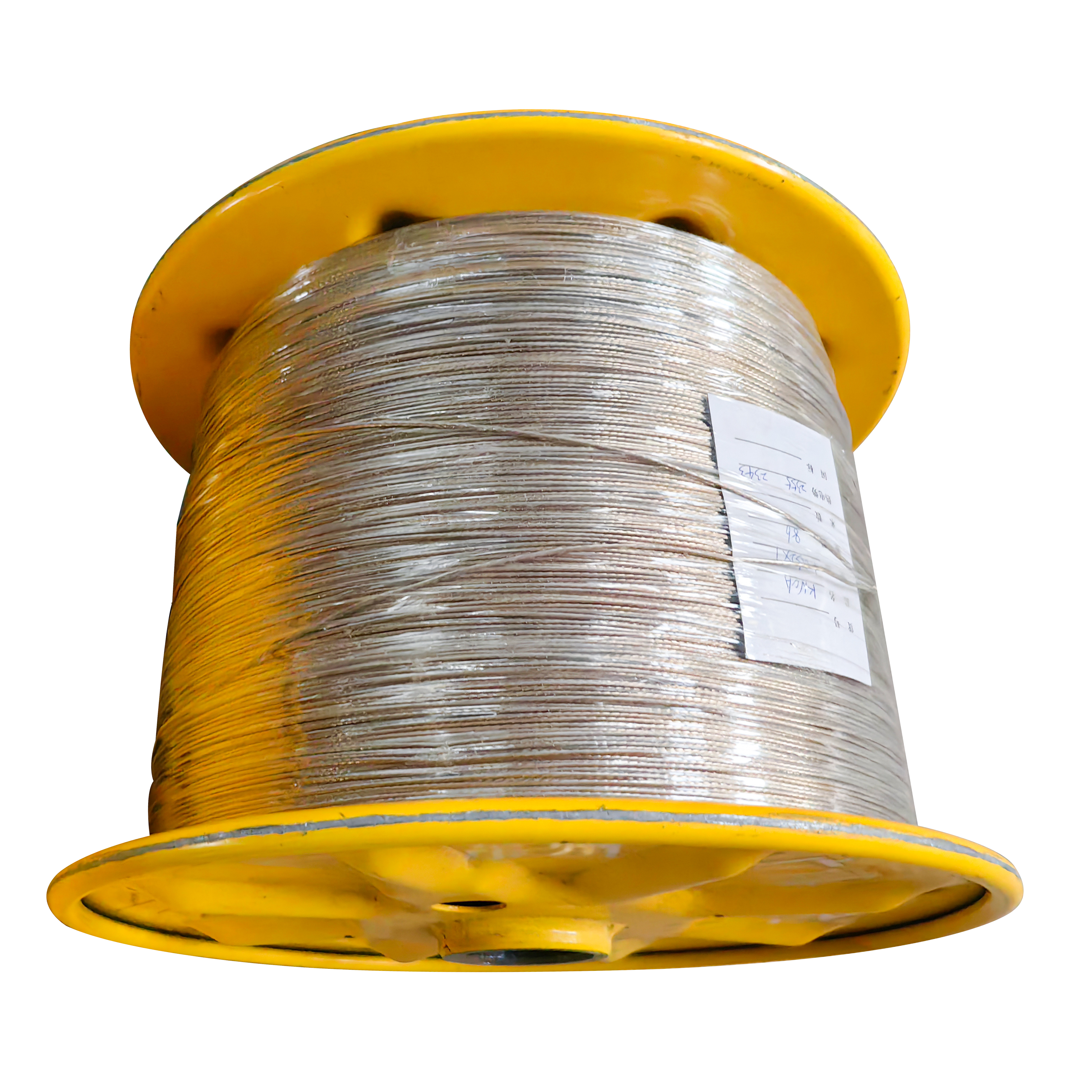
| Standard Packaging | DIN100, DIN125, DIN160, DIN200 Plastic Spools, Carton | Spool / Coil / Drum | Custom Labeling Available |
Performance Benefits for Precision Electronics
- Low Temperature Coefficient of Resistance: Minimal resistance drift across operating temperature ranges ensures measurement accuracy in high-grade resistors.
- Low Thermoelectric Potential Against Copper: Minimizes thermal noise and parasitic voltages at soldered and welded contact terminals.
- Uniform Diameter and Resistance Tolerance: Precision laser gauging ensures cross-sectional consistency of +/- 1% or tighter along the entire spool length.
- Exceptional Corrosion and Oxidation Resistance: The dense chromium oxide surface passivation layer preserves long-term resistance stability in industrial environments.
- High Ductility and Winding Capability: Soft-annealed state enables automated high-speed coil winding without breaking or surface cracking.
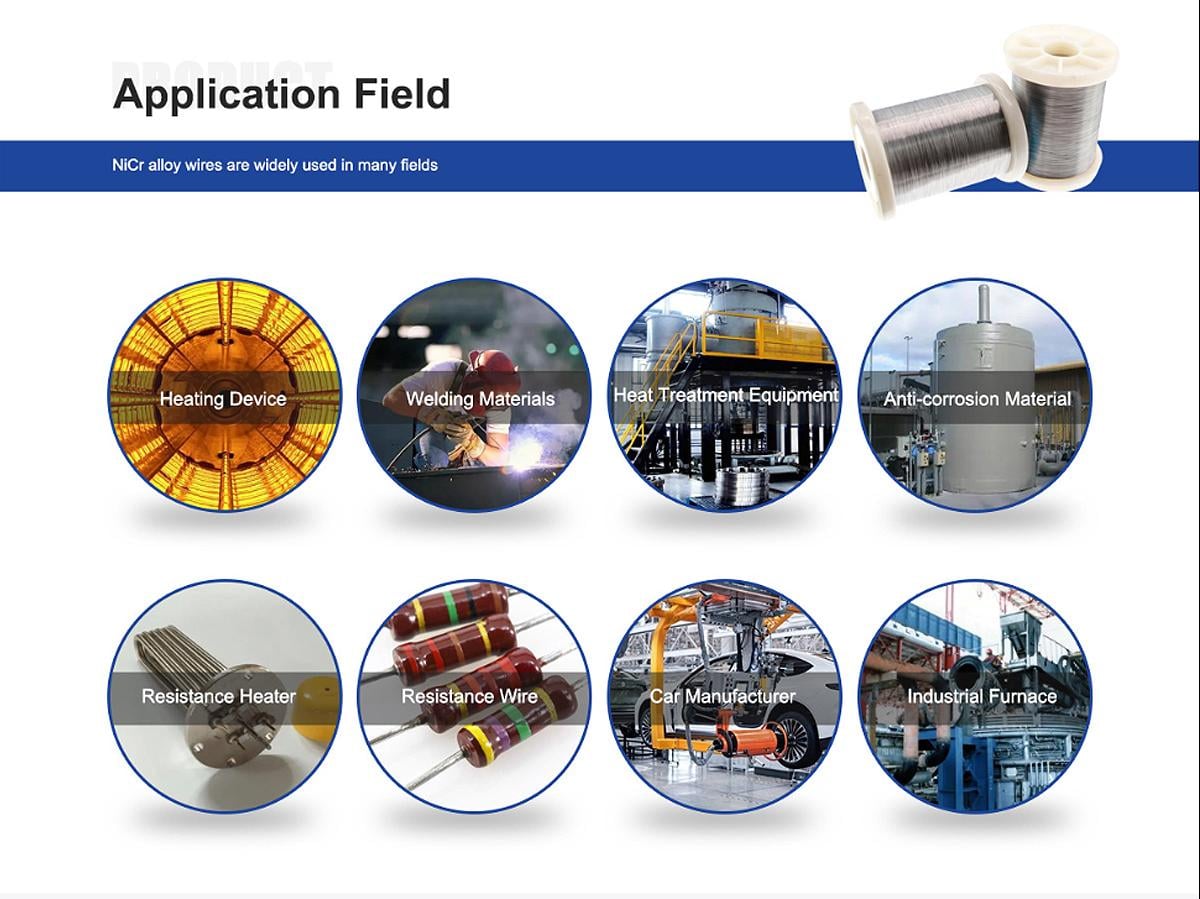
Industrial Applications and Use Cases
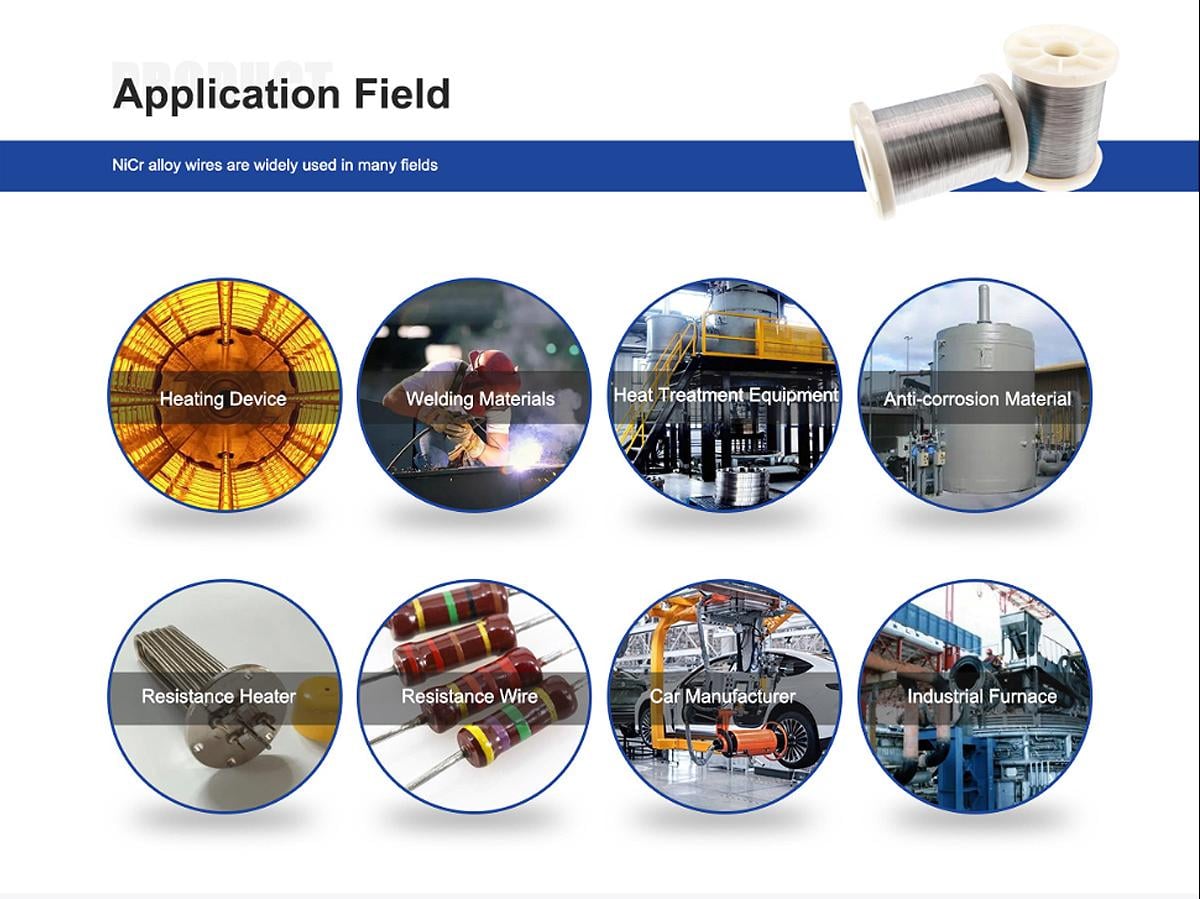
Precision Wire-Wound Resistors Used as the primary resistance element in high-precision fixed resistors, standard decade resistance boxes, and laboratory reference standards requiring tight resistance tolerance and long-term stability.
Electrical Measuring Instruments and Shunts Applied in current-sensing shunts, high-accuracy multimeters, bridge circuits, calibration equipment, and signal conditioning modules where thermal voltage interference must be eliminated.
Industrial Potentiometers and Trimmers Selected for precision linear and rotary potentiometers, medical device sensors, and avionics instrumentation due to its smooth surface finish and wear-resistant contact properties.
Heating and Temperature Sensing in Low-Temperature Zones Suitable for specialized low-temperature heating elements, frost prevention coils, and stable temperature-compensating resistors operating below 400 degrees Celsius.
Why Choose DLX Alloy for Precision Resistance Wires
Complete In-House Metallurgy and Precision Processing From vacuum induction melting (VIM) and electroslag remelting (ESR) to diamond die ultra-fine wire drawing and protective atmosphere continuous annealing, DLX Alloy controls every manufacturing stage for metallurgical consistency.
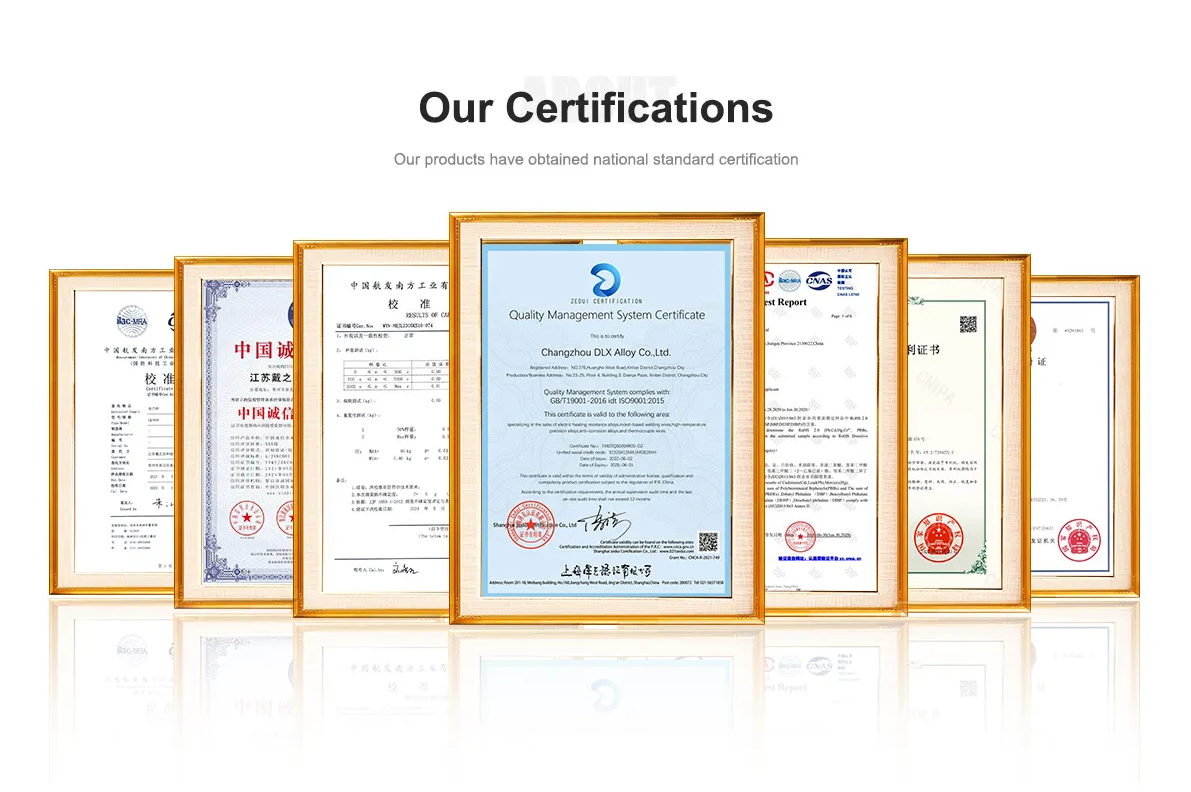
Strict Quality Inspection and Full Traceability Every batch undergoes strict testing, including laser diameter scanning, micro-ohm resistance verification, TCR temperature chamber cycling, tensile testing, and eddy current defect detection. Full inspection certificates and raw material heat reports are supplied with each shipment.
Frequently Asked Questions
What is the primary difference between Cr10Ni90 and Cr20Ni80 resistance wire?
Cr20Ni80 is designed for high-temperature electrical heating elements operating up to 1200 degrees Celsius with high electrical resistivity. Cr10Ni90 is a precision resistance alloy with lower resistivity and a significantly lower temperature coefficient of resistance (TCR), making it suitable for precision resistors and instrumentation up to 400 degrees Celsius rather than high-temperature thermal radiation.
What wire diameter tolerances and resistance tolerances can be achieved?
For ultra-fine Cr10Ni90 wire (diameters under 0.10 mm), diameter tolerances are controlled within +/- 0.002 mm, and linear resistance tolerances can be maintained within +/- 1.5% to +/- 3% depending on custom engineering specifications.
Can Cr10Ni90 wire be supplied with insulating enamel coatings?
Yes. DLX Alloy supplies bare bright annealed wire as well as enameled resistance wire with polyurethane (UEW), polyester (PEW), or polyimide (AIW) coatings for direct multi-layer winding applications.
What are the standard delivery lead times and packaging specifications?
Standard trial quantities and stock specifications ship within 5 to 7 business days. Custom alloy drawing orders are typically delivered within 15 to 20 days. Packaging utilizes high-strength DIN plastic spools sealed in moisture-barrier bags and reinforced export cartons or wooden cases.