Have you ever found yourself staring at a plant specification sheet, wondering whether to go with the battle-tested Hastelloy C276 or the newer, high-chromium C22? If you work in chemical processing, oil and gas, or pharmaceuticals, picking the wrong alloy isn't just an inconvenience—it's a potential multimillion-dollar headache involving leaks, unplanned downtime, and catastrophic equipment failure.
Both Hastelloy C-276 (UNS N10276) and Hastelloy C-22 (UNS N06022) belong to the elite family of nickel-chromium-molybdenum "superalloys." They are designed to survive environments so nasty that ordinary 316L stainless steel would dissolve like a sugar cube in hot tea. But while they share a common lineage, subtle differences in their chemical makeup make them behave very differently in real-world acid baths and aggressive chemical streams. Let’s dive under the hood and see how these two powerhouse alloys stack up against each other.
To really understand why C276 and C22 behave the way they do, we have to look at the metallurgical kitchen where they were cooked. The secret sauce comes down to balancing three key elements: Nickel (Ni), Chromium (Cr), and Molybdenum (Mo) (along with a pinch of Tungsten (W)).
| Element | Hastelloy C-276 | Hastelloy C-22 |
|---|---|---|
| (UNS N10276 / 2.4819) | (UNS N06022 / 2.4602) | |
| Nickel (Ni) | Balance (~57%) | Balance (~56%) |
| Chromium (Cr) | 14.5 – 16.5% | 20.0 – 22.5% |
| Molybdenum (Mo) | 15.0 – 17.0% | 12.5 – 14.5% |
| Tungsten (W) | 3.0 – 4.5% | 2.5 – 3.5% |
| Iron (Fe) | 4.0 – 7.0% | 2.0 – 6.0% |
| Cobalt (Co) | ≤ 2.5% | ≤ 2.5% |
| Carbon (C) | ≤ 0.010% | ≤ 0.015% |
Notice the big jump in Chromium? C22 packs a whopping 20% to 22.5% Cr, compared to C276’s 14.5% to 16.5%. Chromium is your best friend when battling oxidizing media—think nitric acid, wet chlorine gas, ferric chloride, and chromic acid. The extra chromium forms a dense, self-healing passive oxide film that stops oxidizing attacks dead in their tracks.
On the flip side, C276 packs more Molybdenum (15%–17% vs. C22’s 12.5%–14.5%) and slightly higher Tungsten. Molybdenum and Tungsten are the heavy artillery against reducing media—such as hydrochloric acid, hydrobromic acid, and pure sulfuric acid—and they give the alloy phenomenal resistance to pitting and crevice corrosion under stagnant chloride conditions.
Both alloys feature ultra-low carbon (≤ 0.010-0.015%) and silicon content. Why does this matter? When you weld nickel alloys, carbon and silicon love to form nasty carbide precipitates at the grain boundaries. Keeping them down ensures that the welded joint stays tough, ductile, and corrosion-resistant without requiring post-weld solution annealing.
Now for the million-dollar question: how do these chemical differences translate into actual corrosion performance?
          Reducing Acids (HCl, H2SO4)  <===================>  Oxidizing Acids (HNO3, Fe3+, Cu2+)
                      [C-276 Wins]                                   [C-22 Wins]
                 (Higher Mo: 15-17%)                             (Higher Cr: 20-22.5%)
Because of its rich chromium content, Hastelloy C22 is the undisputed champion when you have oxidizing acids or mixed process streams containing dissolved oxygen, ferric ions (Fe³+), or cupric ions (Cu²+). In hot nitric acid or mixtures of nitric and hydrofluoric acids, C22 routinely exhibits corrosion rates that are several times lower than C276.
When you’re dealing with pure, non-aerated reducing acids like boiling hydrochloric acid (HCl) or concentrated phosphoric acid, C276’s higher molybdenum content gives it a slight edge. It resists general thinning and acid attack in de-aerated reducing conditions where an oxide layer cannot easily form.
Both alloys boast exceptionally high Pitting Resistance Equivalent Numbers (PREN ≥ 65-70). However, standard ASTM G48 testing shows that Hastelloy C22 consistently provides higher Critical Crevice Temperatures (CCT) and Critical Pitting Temperatures (CPT) in acidified ferric chloride solutions.
If your equipment contains tight gasketed joints, bolt threads, or scale deposits where stagnant, oxygen-depleted chloride traps form, C22 offers superior insurance against localized crevice attack.
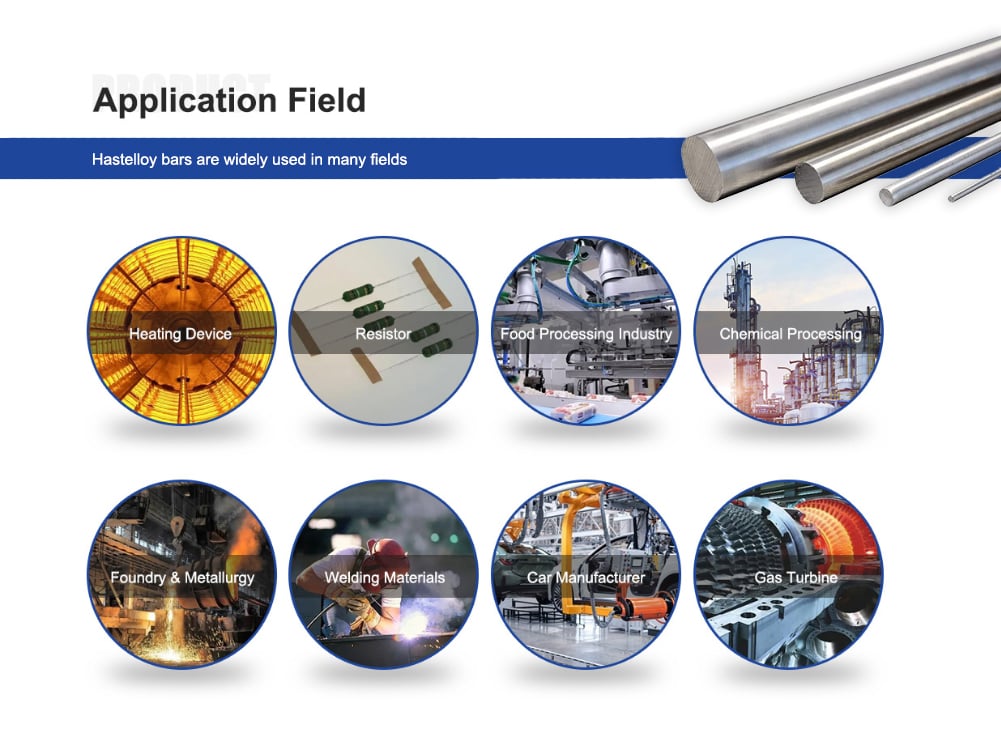
Both alloys handle wet chlorine gas, hypochlorite bleaches, and chlorine dioxide solutions with ease—environments where standard austenitic and duplex stainless steels fail within days. However, in pulp and paper bleach plants or wastewater chlorination units with high oxidizer concentrations, C22 is often the preferred choice.
Don't let their corrosion resistance steal all the spotlight—both alloys are remarkably robust structural materials.
| Property (Annealed, Room Temp) | Hastelloy C-276 | Hastelloy C-22 |
|---|---|---|
| Tensile Strength, min (MPa) | 690 – 790 | 690 – 800 |
| Yield Strength (0.2% offset) | 283 – 355 MPa | 310 – 380 MPa |
| Elongation at Break (%) | ≥ 40% | ≥ 45% |
| Density (g/cm³) | 8.89 | 8.69 |
| Elastic Modulus (GPa) | 205 | 206 |
| Thermal Conductivity (W/m·K) | 10.2 (at 20°C) | 10.1 (at 20°C) |
As you can see, both alloys have almost identical tensile strengths and densities. They display outstanding ductility (elongation >40%) and high impact toughness even at cryogenic temperatures. You can bend them, roll them, and forge them with standard heavy-metal fabrication equipment, though you’ll need to account for their high work-hardening rate during machining.
Welding is often the Achilles' heel of high-alloy fabrications. When you weld a nickel-chromium-molybdenum alloy, the heat-affected zone (HAZ) is subjected to thermal cycles between 650°C and 1100°C. In this dangerous temperature window, intermetallic μ (mu) and σ (sigma) phases can precipitate along the grain boundaries.
Metallurgists specifically engineered Hastelloy C-22 to improve upon C-276's thermal stability. C22 exhibits a much slower rate of secondary phase precipitation when held in the critical sensitizing range.
What does that mean in plain English? If you're welding heavy-wall vessels, doing multi-pass welds, or heat-treating fabricated components, C22 maintains its as-welded corrosion resistance in the HAZ with less risk of intergranular sensitization.
| Industry / Application | Best Choice | Key Reason |
|---|---|---|
| Wet Flue Gas Desulfurization | C-276 or C-22 | High chlorides + low pH |
| Nitric Acid / Mixed Acids | Hastelloy C-22 | High Cr resists oxidizers |
| Hot Hydrochloric Acid (Pure) | Hastelloy C-276 | High Mo resists reduction |
| Pharmaceutical Bioreactors | Hastelloy C-22 | High CPT & smooth passivity |
| Offshore / Subsea Piping | C-276 (or C-22) | Global stock & sour service |
| Nuclear Waste Vitrification | Hastelloy C-22 | Broad-spectrum chemistry |
In multi-purpose chemical reactors where feedstocks change from batch to batch (one day acidic, the next day oxidizing), Hastelloy C22 is often the safer, more versatile "catch-all" material. If the process is dedicated strictly to reducing acid service like HCl recovery or pickling lines, C276 remains a legendary workhorse.
Pharmaceutical reactors and Clean-in-Place (CIP/SIP) systems use aggressive sanitizing agents like ozone, hydrogen peroxide, and sodium hypochlorite. C22 is widely specified in ASME-BPE standards for sanitary vessels because of its supreme resistance to pitting caused by oxidizing sanitizers.
Power plant scrubbers and marine exhaust gas cleaning systems (EGCS) operate in a punishing cocktail of sulfuric acid condensates, fluorides, and high-chloride wash water. Both C276 and C22 are widely used for scrubber inlet ducts, dampers, and spray headers.
Let's talk dollars and cents. Is C22 significantly more expensive than C276?
In terms of base raw materials, their prices are quite close because both contain ~56-57% nickel and similar total amounts of expensive alloying elements (Cr+Mo+W).
However, global inventory and availability often tip the balance:
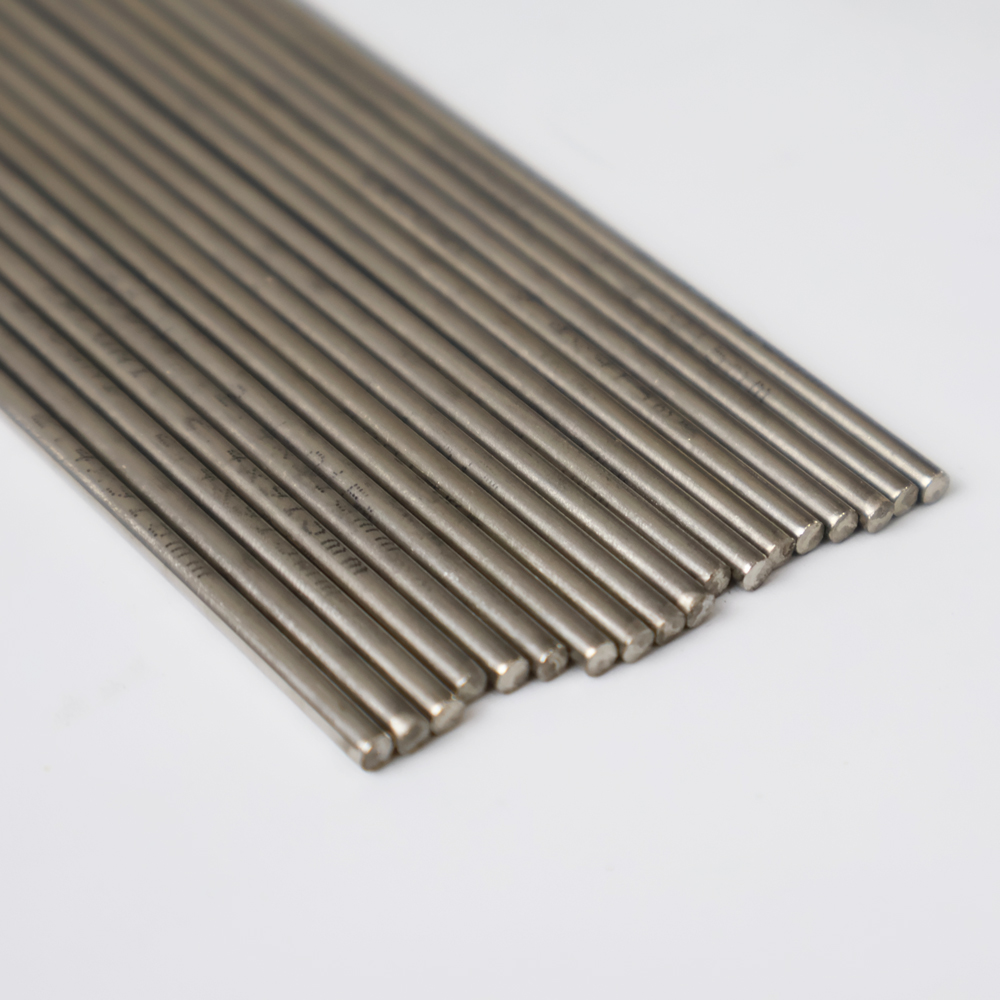
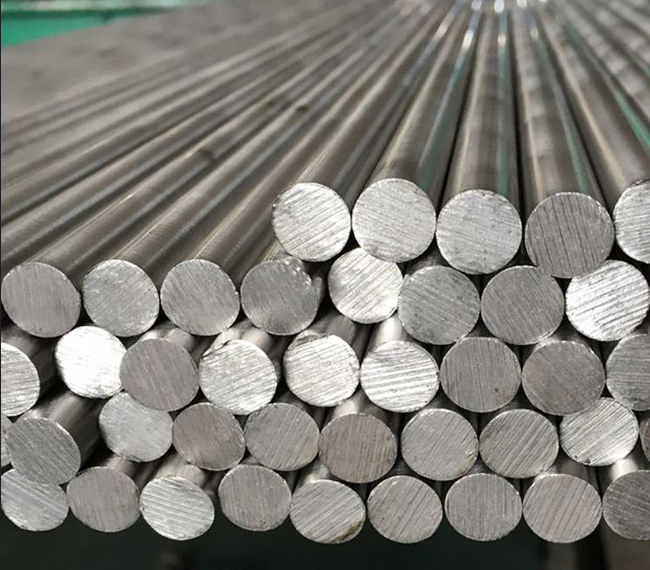
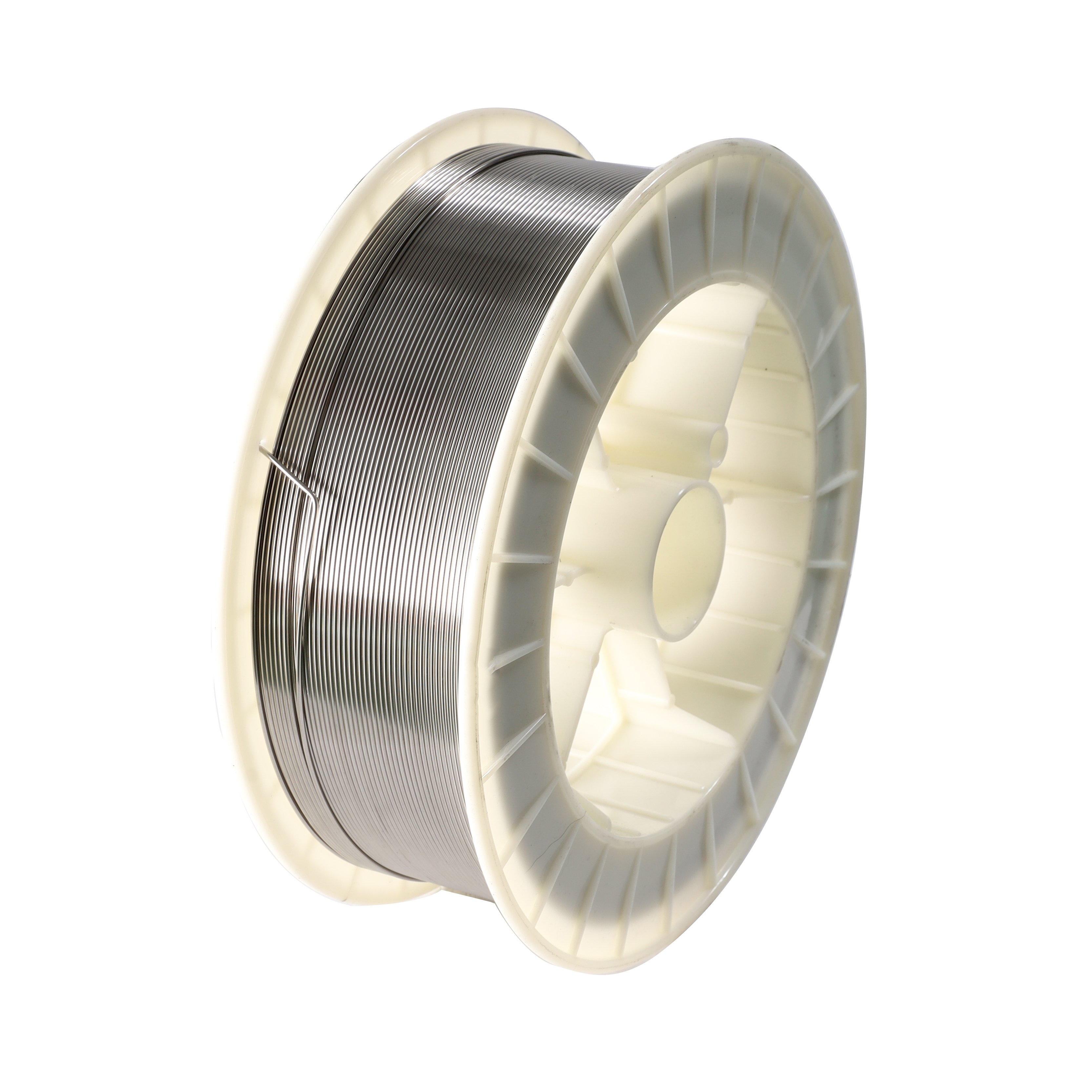
Hastelloy C276 has been around since the late 1960s. It is virtually ubiquitous. You can easily find C276 in seamless pipe, flanges, fittings, foil, wire, and bar stock at local metal service centers worldwide.
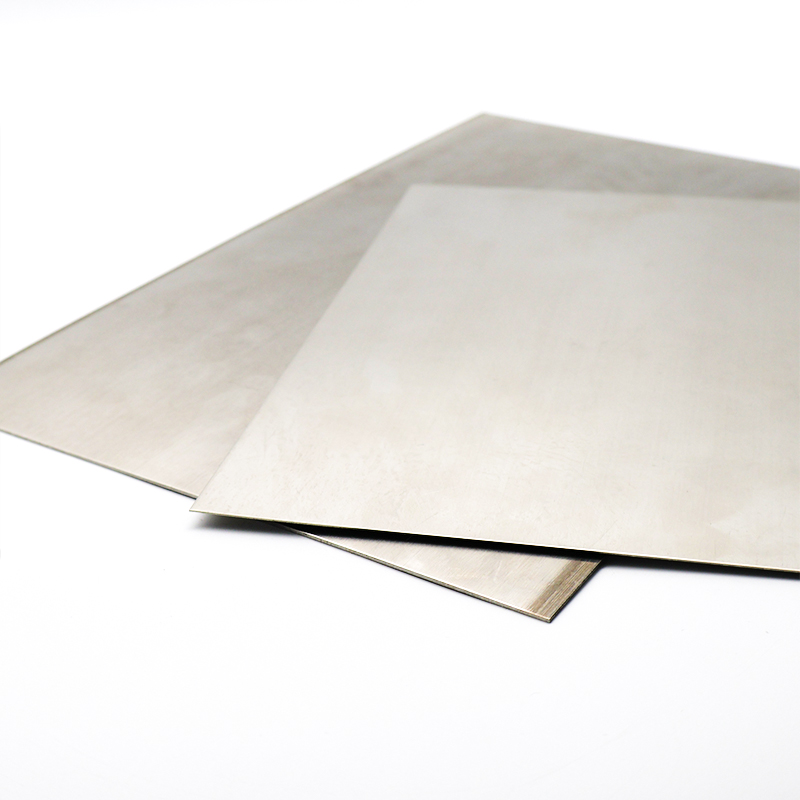
Hastelloy C22 is widely available in plate, sheet, and bar, but certain specialized fitting sizes or thin-wall seamless tubing might have longer lead times depending on your region.
Choose Hastelloy C276 if:
Your process fluid is predominantly reducing (HCl, dilute H₂SO₄, non-oxidizing salts).
You need immediate off-the-shelf availability of obscure pipe fittings, flanges, and fast-track replacement parts.
You have decades of historical plant data and existing welding procedures successfully qualified for C276.
Choose Hastelloy C22 if:
Your process contains oxidizing agents, wet chlorine gas, nitric acid, or mixed oxidizing/reducing streams.
You have critical crevice corrosion concerns in high-temperature chloride solutions.
You are doing heavy multi-pass welding without the possibility of post-weld annealing.
You are designing a multipurpose pharmaceutical or fine-chemical vessel where future process streams are unknown.
At the end of the day, comparing Hastelloy C276 and C22 isn't about finding a "flawed" alloy—it’s about matching the right metallurgical tool to your specific chemical environment. C276 remains the legendary, time-tested titan for tough reducing acids and widespread commercial availability. Meanwhile, C22 represents the refined evolution of Ni-Cr-Mo technology, packing superior oxidizing resistance, improved thermal stability against weld sensitization, and higher crevice corrosion thresholds.
Evaluate your chemical streams, check your temperature and oxidizer levels, and consult your corrosion charts—the right choice today will keep your plant running safely and efficiently for decades to come.
Q1: Can I weld Hastelloy C22 and C276 together?
Yes. Dissimilar metal welds between C22 and C276 are common and straightforward. In most industrial practices, AWS ERNiCrMo-10 (Alloy 22 filler wire) is preferred as the matching filler because its higher chromium content ensures the weld metal matches or exceeds the corrosion resistance of both base metals.
Q2: Is Hastelloy C22 strictly better than C276?
Not in every scenario. While C22 outperforms C276 in oxidizing and mixed-acid environments and offers better thermal stability in welds, C276 still holds a slight advantage in pure, strongly reducing acid environments (such as boiling hydrochloric acid) due to its higher molybdenum content.
Q3: What are the equivalent international standard designations for both alloys?
Hastelloy C-276: UNS N10276, Werkstoff Nr. 2.4819, DIN NiMo16Cr15W, ASTM B574 / B575 / B619. Hastelloy C-22: UNS N06022, Werkstoff Nr. 2.4602, DIN NiCr21Mo14W, ASTM B574 / B575 / B622.
Q4: How do C276 and C22 compare to Inconel 625?
While Inconel 625 (UNS N0625% Ni-21Cr-9Mo-3.5Nb) is fantastic for marine engineering and high-temperature oxidation up to 1000°C, both C276 and C22 contain far higher molybdenum levels and provide vastly superior resistance to aggressive mineral acids, wet chlorine, and localized pitting in severe chemical process environments.
Q5: Do Hastelloy C276 and C22 require post-weld heat treatment (PWHT)?
Usually no. Thanks to ultra-low carbon and silicon contents, both alloys resist harmful grain-boundary carbide precipitation during normal welding operations. In the vast majority of applications, they are used directly in the as-welded condition without requiring solution annealing.

 EN