I was intrigued when I first encountered the technical designation "4J32." Driven by curiosity, I delved into its specifications to understand what this alloy truly represents. Now, I invite you to join me on this discovery journey as we unravel the engineering principles behind the 4J32 thermocouple compensating cable and explore how its unique properties ensure reliable temperature measurement and signal stability in demanding applications.
4J32 is more than a code; it is the key to a fundamental industrial equation: how to achieve precise and reliable temperature measurement. For engineers, understanding 4J32 means decoding a high-performance alloy engineered to deliver exceptional signal stability and measurement accuracy. It is the solution to the complex challenge of maintaining data integrity in demanding environments, making it indispensable for advanced process control and temperature sensing systems.
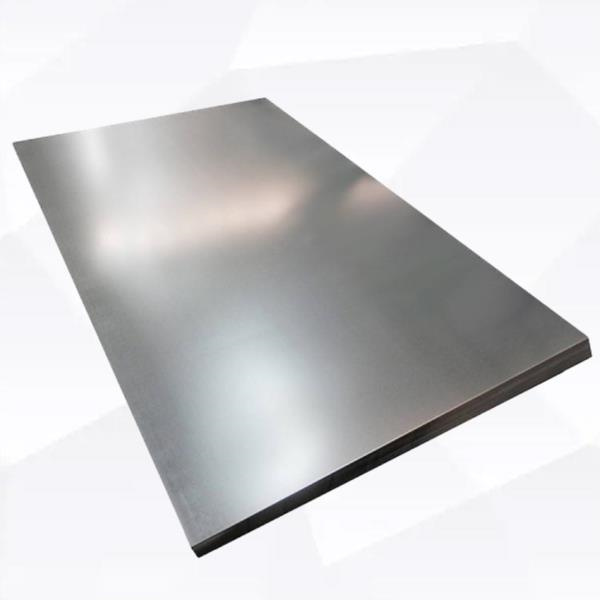
As you delve into the world of 4J32, you'll find it's more than a code—it's a testament to engineering wisdom. This thermocouple alloy exemplifies the precision required for reliable temperature measurement, where its stable EMF output and oxidation resistance provide elegant solutions to complex industrial challenges. It reminds us that true knowledge lies in mastering such details, continuously pushing the boundaries of measurement accuracy and process control with DLX.
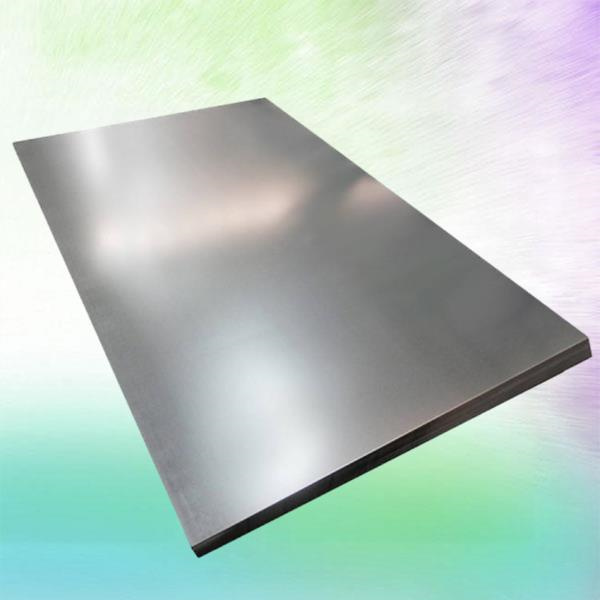
In the field of industrial materials, 4J32 has become a recognized benchmark for precision and reliability. Experts regard it as a driver of progress and innovation in temperature measurement technology. For engineers seeking dependable solutions, this thermocouple alloy represents a cornerstone—delivering the signal stability and consistent performance required for advancing modern process control systems.
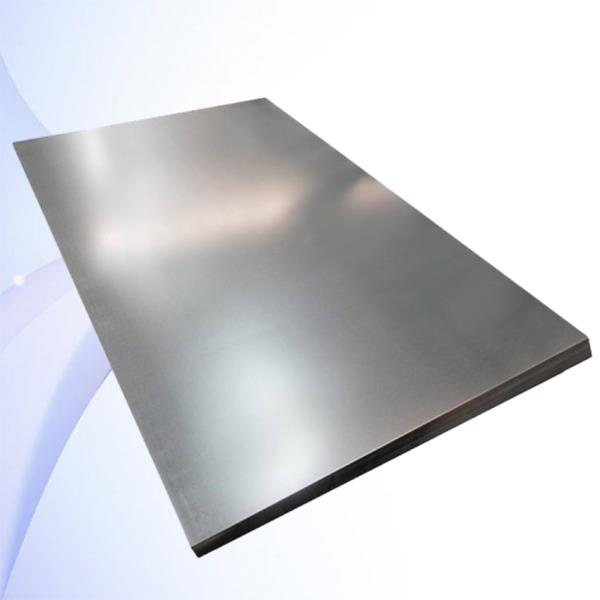
Tom Lee: As I conclude my analysis of 4J32, I am impressed by its engineered precision. This specific thermocouple alloy has demonstrated the critical role of signal stability and measurement accuracy in industrial systems. It showcases the vast potential of advanced alloy technology, and I look forward to seeing how DLX continues to innovate in high-temperature sensing and process control solutions for future challenges.
The company has more than 22 years of industry experience, with an annual output of 1,200 tons of alloy materials. The production base covers an area of 12,000 square meters. It has stable large-scale production capacity and can efficiently meet customers' large-volume order needs.
The core products cover electric heating alloys, high-temperature alloys, special nickel-based welding wires, etc., with high temperature resistance, corrosion resistance and other characteristics, widely used in chemical, petroleum, aerospace, nuclear energy and other high-end fields, providing customers with high reliability solutions.
With mature production technology and testing capabilities (such as component analysis, resistivity testing, etc.), we can flexibly customize product specifications to meet the personalized needs of customers in different industries and provide full-chain technical support from materials to finished products.
Control quality from the source, cooperate with high-quality suppliers for a long time, the purity of raw materials is more than 99.6%, and pass multiple tests such as spectral analysis and mechanical properties testing; the production process follows ISO 9001 standards, combined with real-time monitoring, non-destructive testing (X-ray, magnetic powder, etc.) and appearance inspection to ensure that the product qualification rate exceeds 99%.

 EN
EN