EN
EN

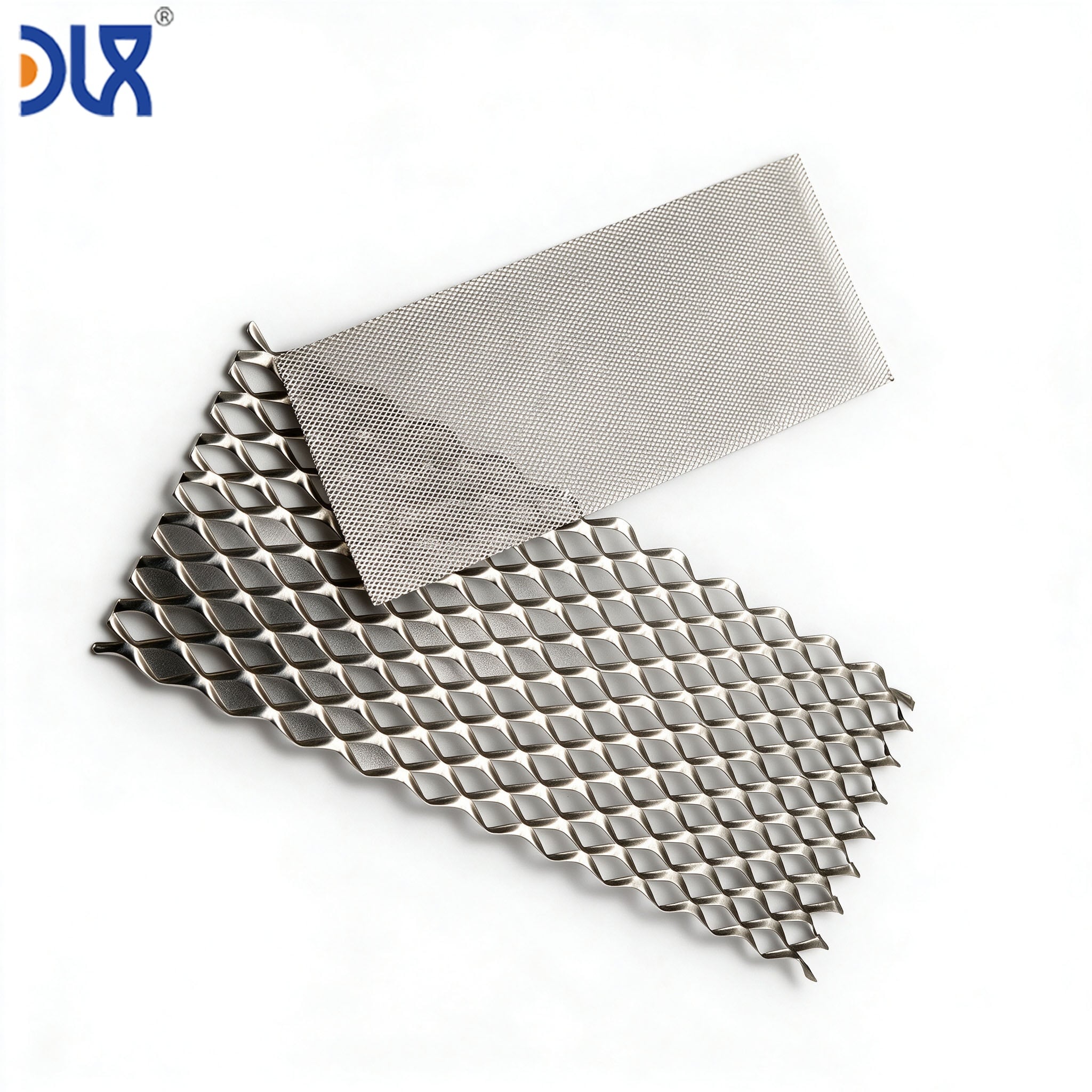
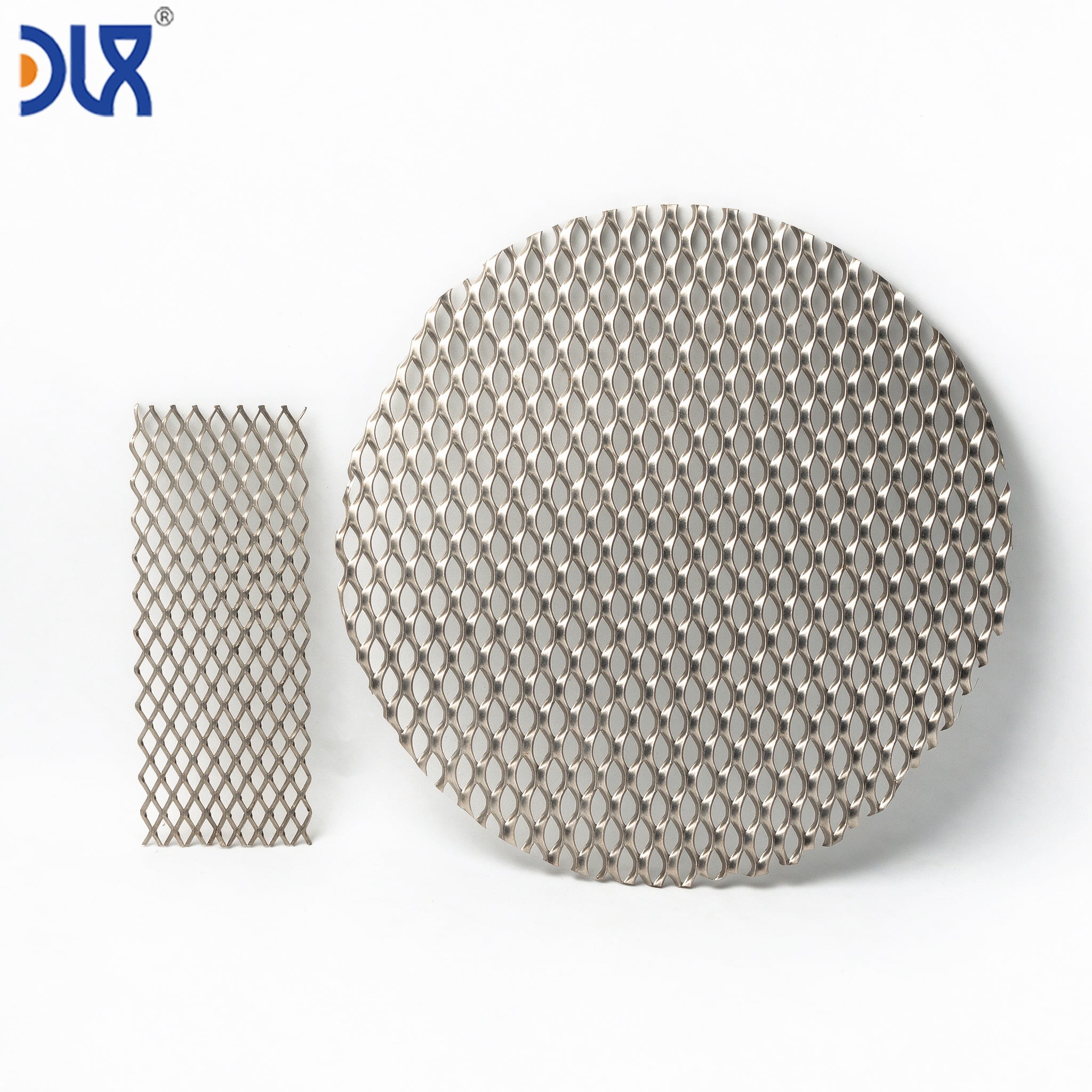
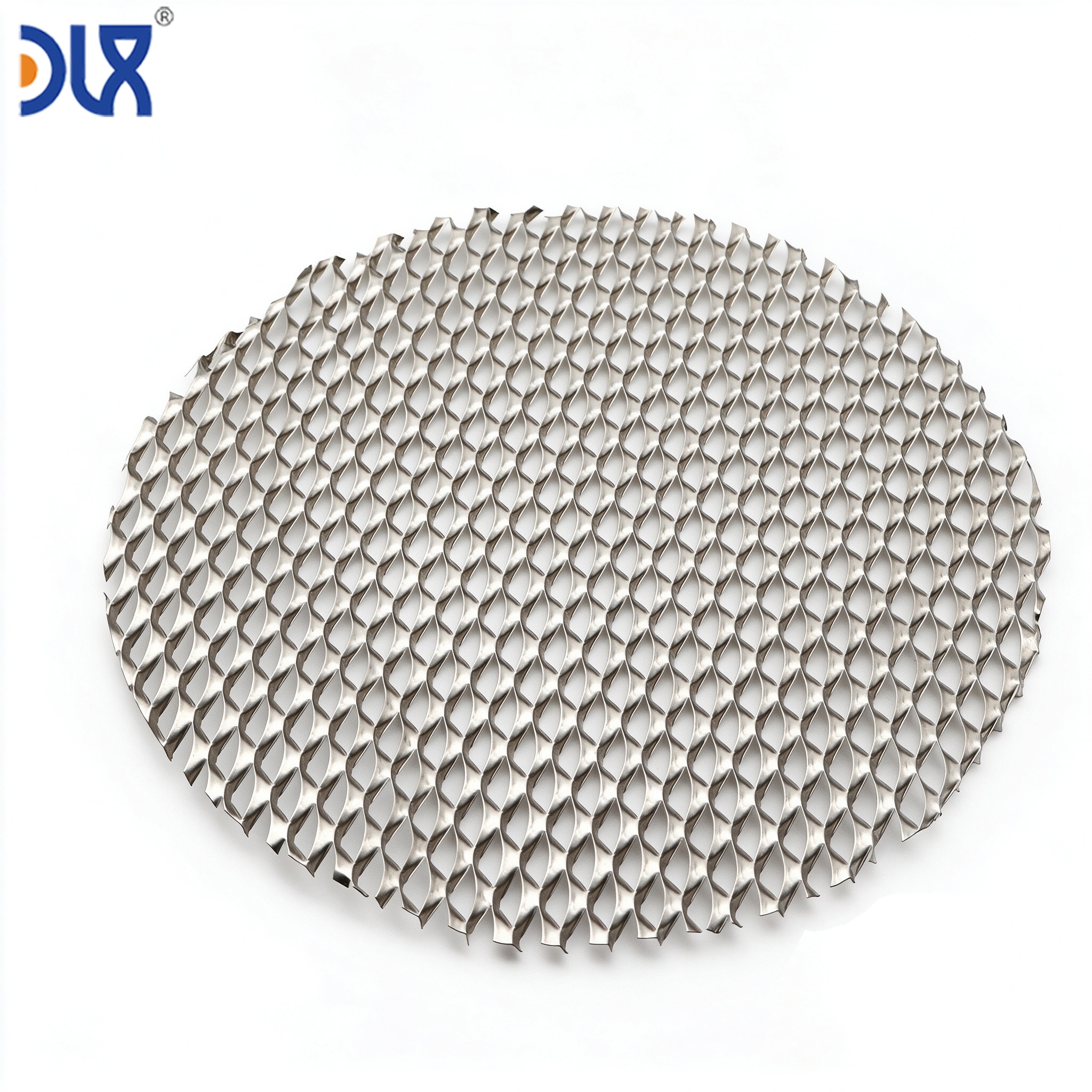
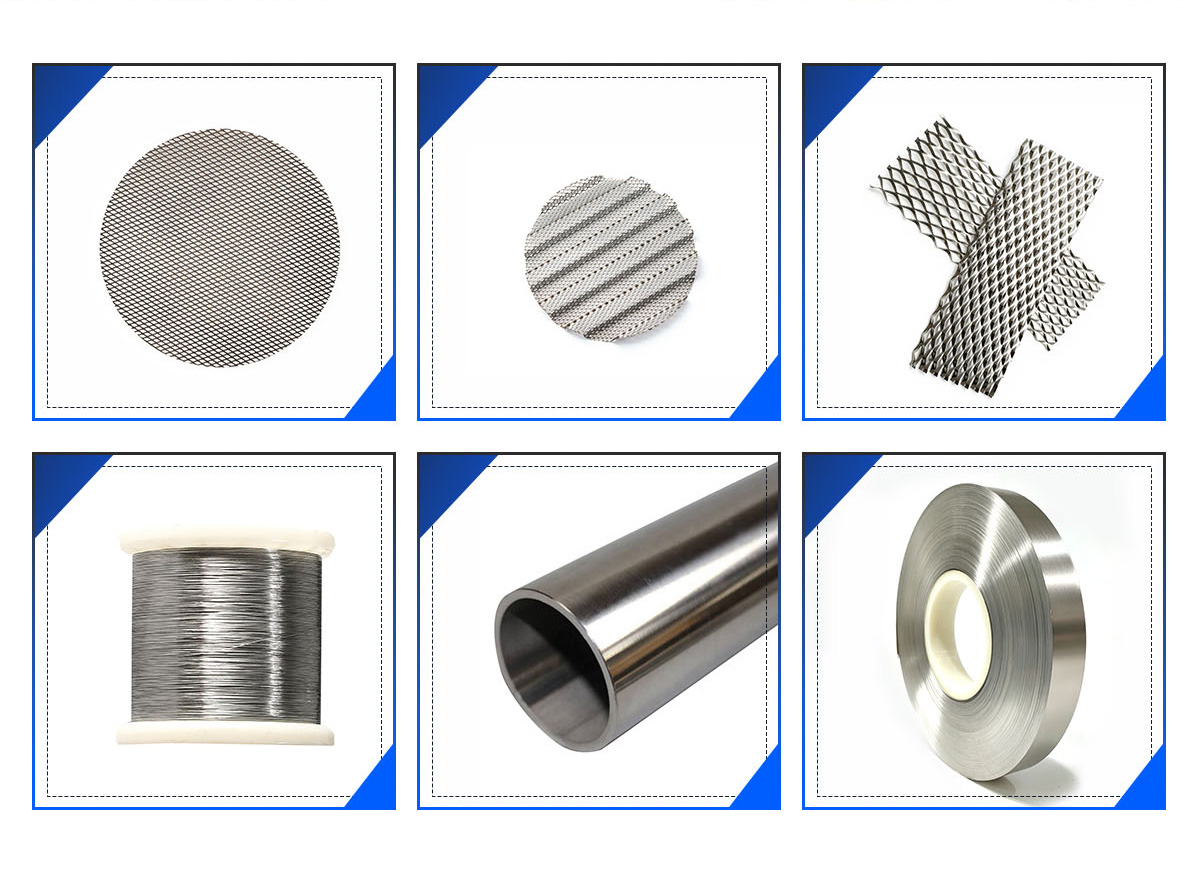
Zigzag Flow Mesh/Hexagonal Expanded Mesh High Uniformity Electrolytic Cell
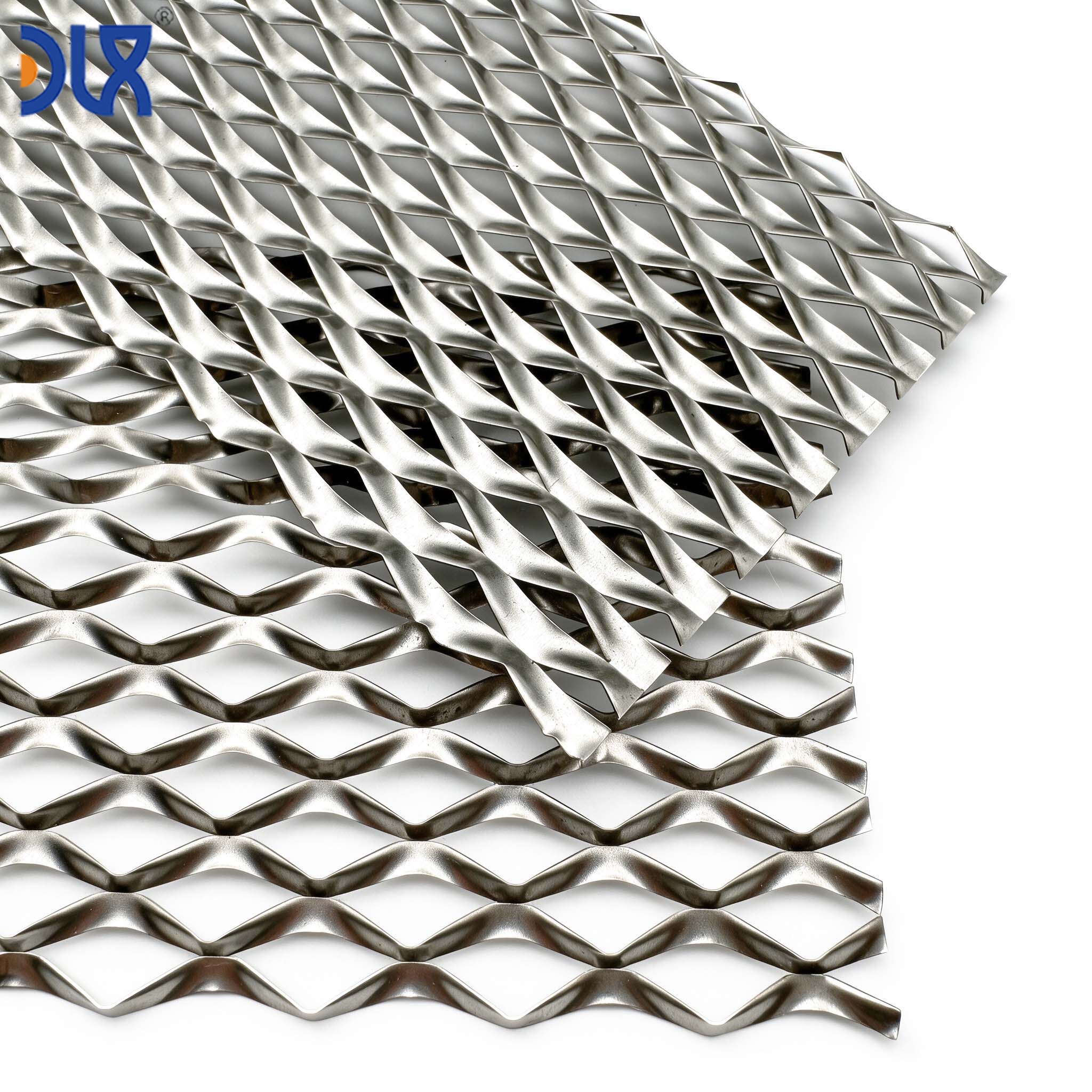
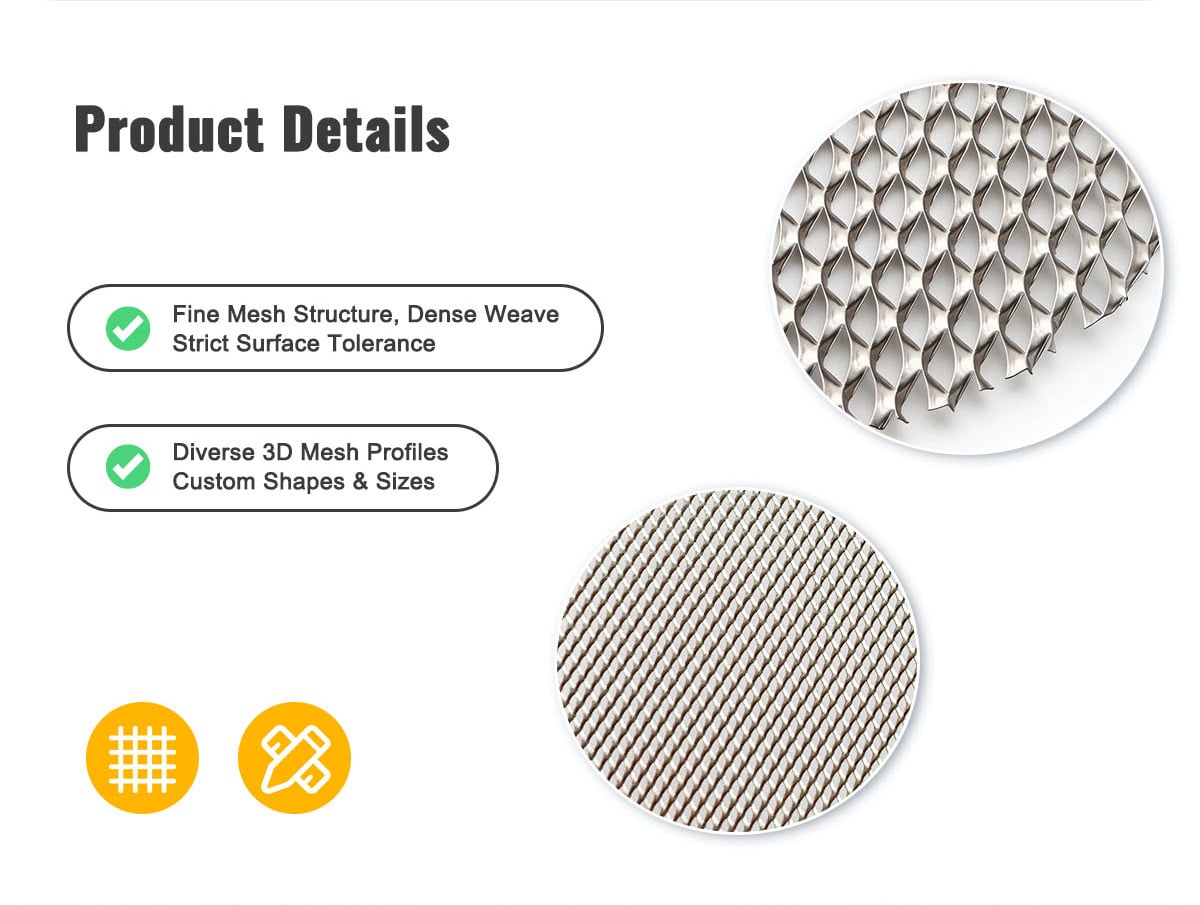
Premium zigzag flow mesh and hexagonal expanded metal mesh engineered for high uniformity electrolytic cells. Enhance electrolyte flow distribution, boost current density, improve bubble removal, and reduce energy consumption in alkaline water electrolyzers and electrochemical systems.
- Overview
- Specification
- Applications
- DLX Alloy Manufacturer
- FAQs
- Recommended Products
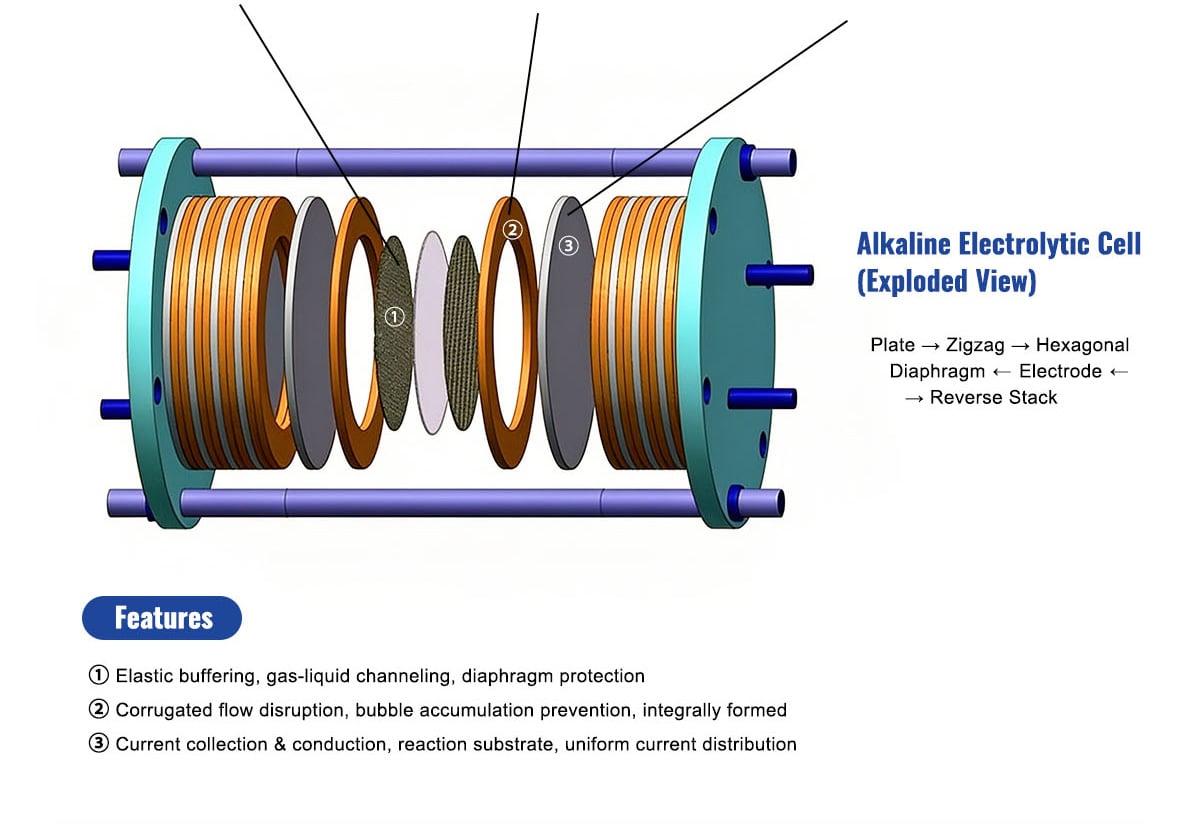
- Superior Electrolyte Flow Uniformity & Reduced Dead Zones – The zigzag hexagonal pattern promotes even flow distribution in both X and Y directions, eliminating low-velocity regions common in traditional bipolar plate channels.
- Enhanced Bubble Detachment & Gas Removal Efficiency – Optimized mesh geometry and optional counter-flow configurations accelerate bubble migration, lowering local overpotential and improving overall electrolysis performance.
- Higher Current Density & Lower Energy Consumption – Delivers measurably higher current density at the same voltage while reducing cell potential and power use versus alternative flow field structures.
- Excellent Turbulence Induction & Mass Transfer – Expanded metal mesh creates controlled turbulence that boosts ion transport and reaction uniformity without excessive pressure drop.
Overview –High-Uniformity Electrolytic Cell Expanded Mesh Technology
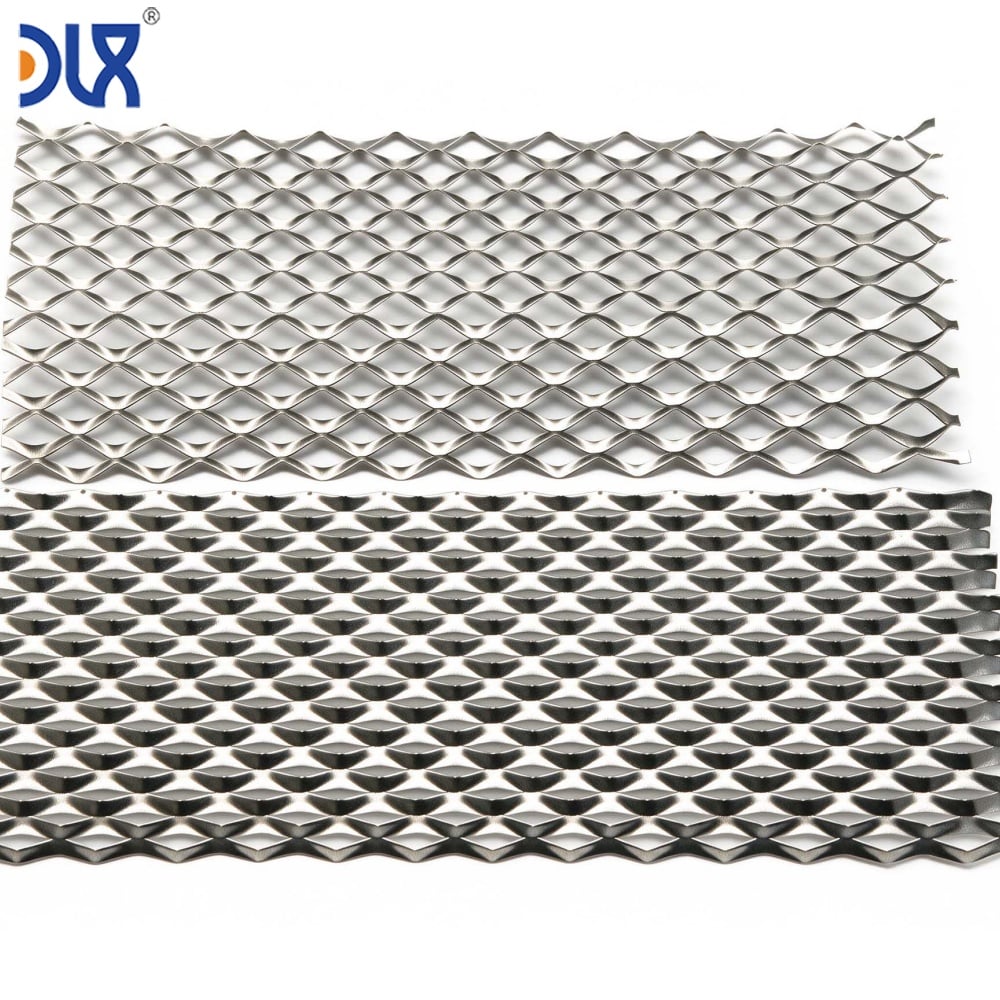
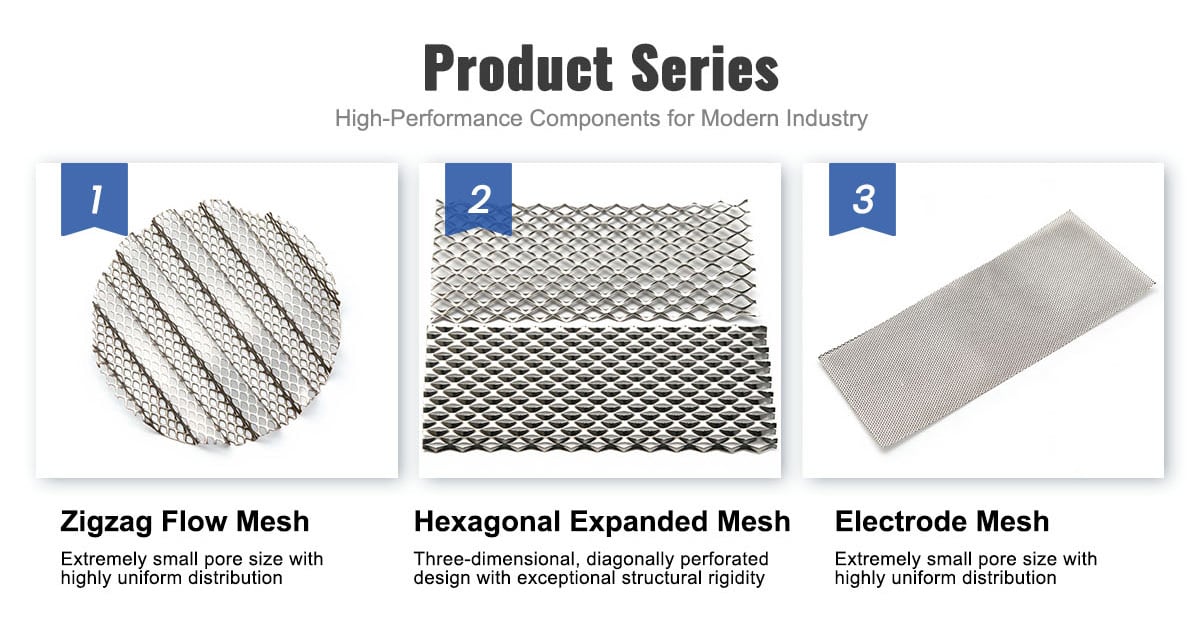
The zigzag flow mesh and hexagonal expanded mesh are specially designed turbulence-inducing structures for electrolytic cells. Unlike conventional parallel or simple channel designs, the staggered hexagonal openings create optimized flow paths that minimize dead zones, enhance lateral electrolyte mixing, and improve gas-liquid separation.
Research and simulation studies confirm that expanded mesh flow channel structures achieve higher current densities (up to significant percentage gains), more uniform velocity distribution, and reduced energy consumption compared with concave-convex, rhombus, or wedge designs. Key adjustable parameters—major axis length, minor axis length, and mesh height—allow precise tuning for specific electrolyzer requirements. The result is more consistent electrochemical reactions across the electrode surface, better bubble management, and extended system reliability.
.
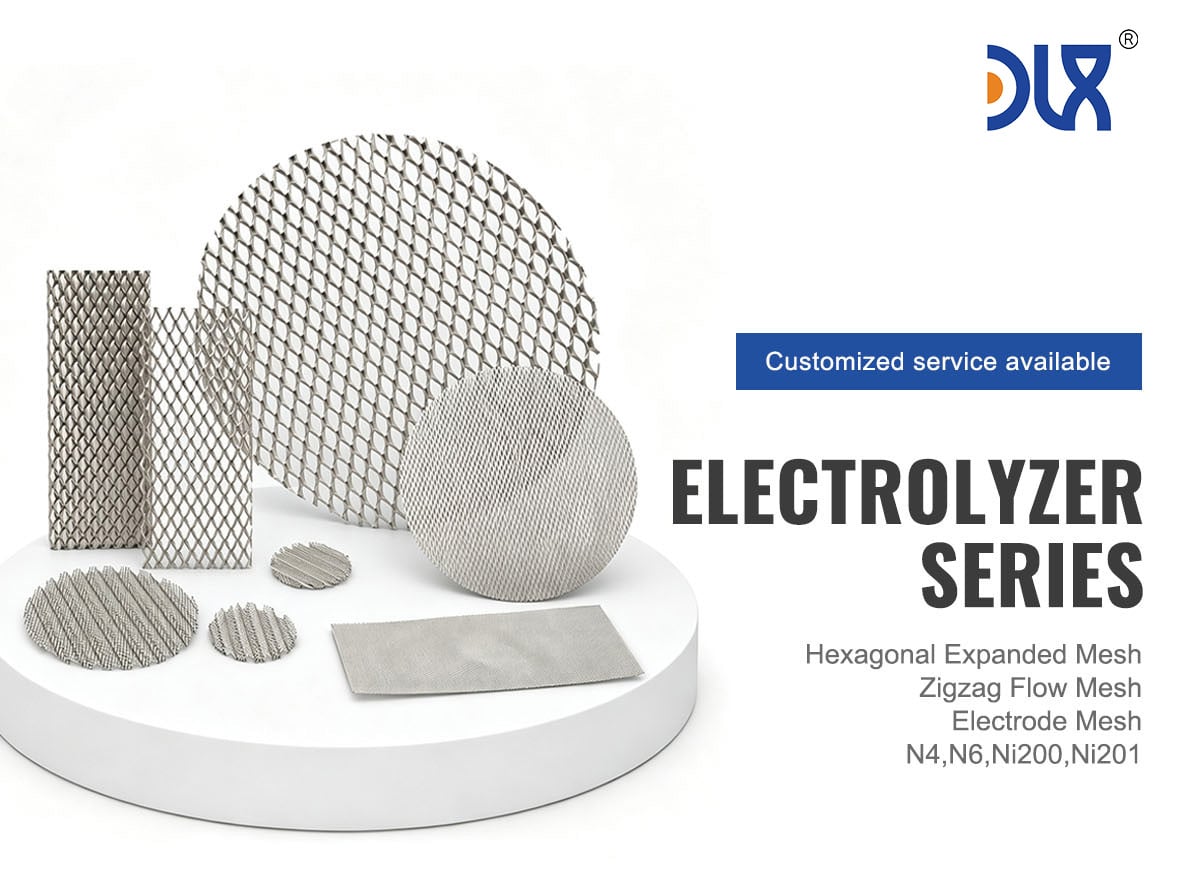
Features – Zigzag Flow Mesh/Hexagonal Expanded Mesh

Applications – Zigzag Flow Mesh/Hexagonal Expanded Mesh
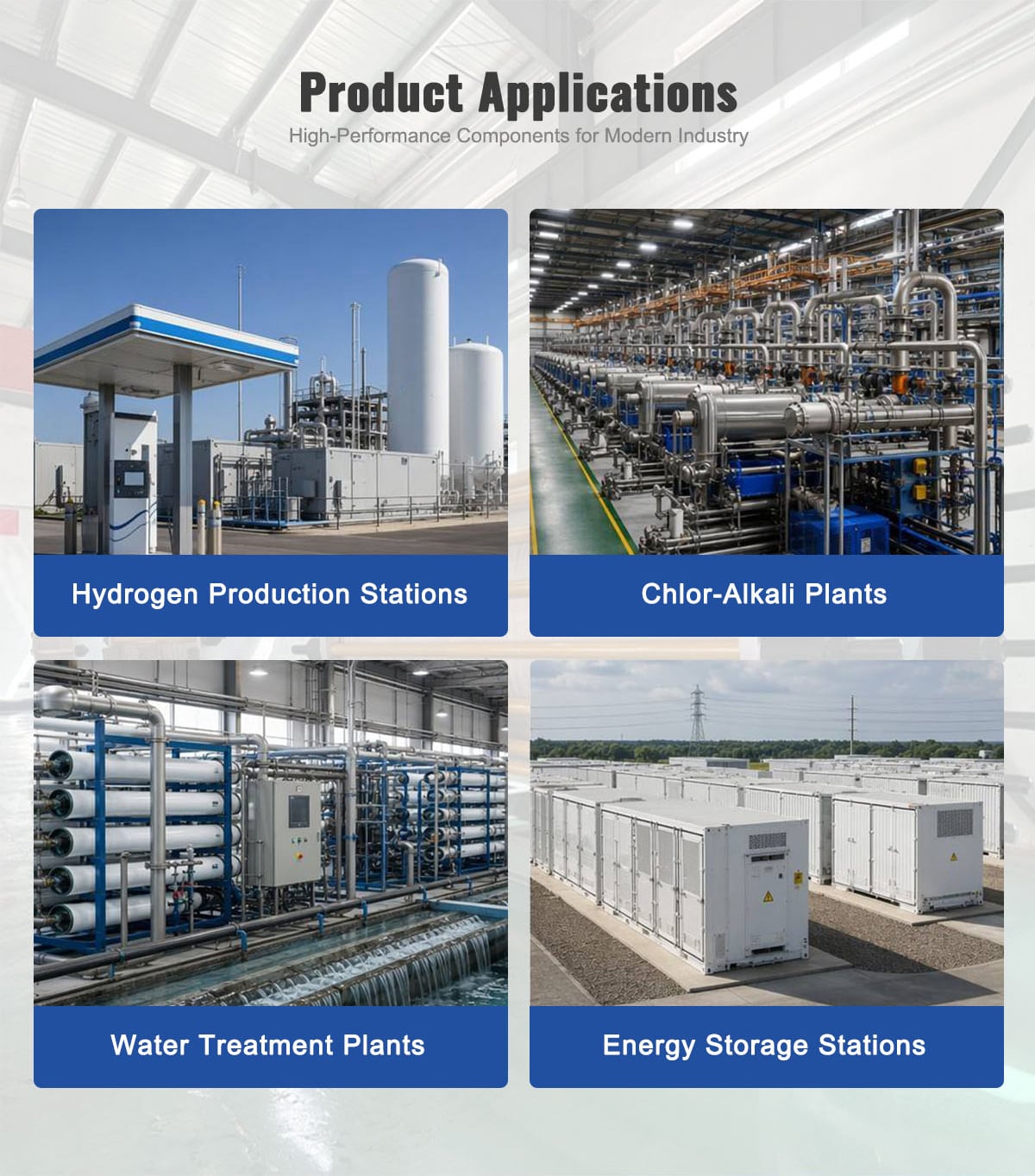
- Alkaline water electrolyzer (AWE) cathode and anode electrode mesh
- Hydrogen electrolyzer current collector and gas diffusion electrode
- Zero-gap alkaline electrolyzer electrode configurations
- Industrial green hydrogen production plants and large-scale electrolyzer stacks
- Pilot-scale and laboratory water electrolysis research systems
- Custom electrochemical cells requiring high-performance hexagonal expanded nickel mesh
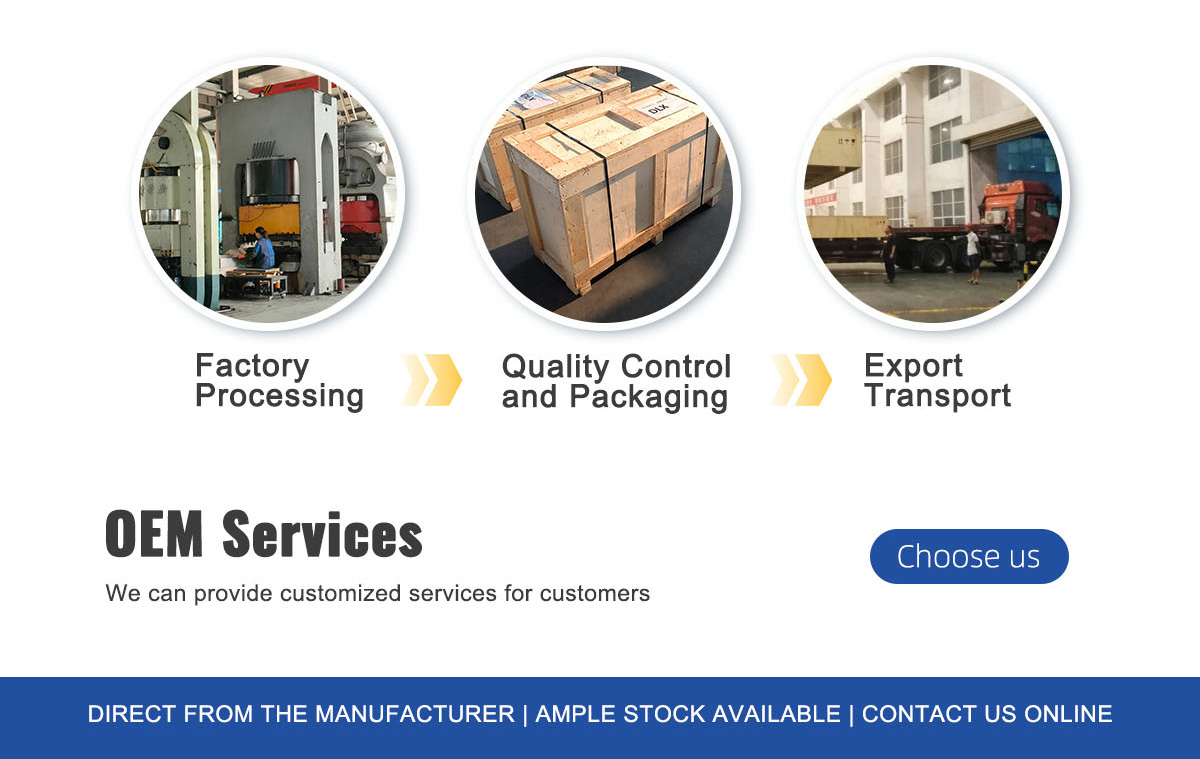
With over 22 years of industry experience, Changzhou DLX Alloy Co., Ltd. has established itself as a global leader in the research, development, and production of high-performance nickel-based alloys. Our state-of-the-art facility in Jiangsu, China, is ISO 9001 and SGS certified, ensuring that every product meets rigorous international quality standards.
- Global Export Expertise: We serve major hydrogen energy and industrial sectors across Europe, the Americas, and Southeast Asia, providing specialized OEM/ODM services for complex electrode designs.
- R&D Excellence: Our team focuses on material innovation, ensuring our Nickel Expanded Metal products remain at the forefront of the green energy transition.
- Quality Commitment: From raw material selection to final precision expansion, we maintain 100% traceability and quality control to ensure your electrolyzer stacks operate at peak efficiency.
FAQ – Zigzag Flow Mesh/Hexagonal Expanded Mesh
Q1: What makes zigzag hexagonal expanded mesh better than traditional flow channels for electrolytic cells?
A: It provides superior flow uniformity, higher current density, better bubble removal, and lower energy consumption. Simulation studies show expanded mesh structures outperform concave-convex, rhombus, and wedge designs in both electrochemical performance and flow velocity distribution.
Q2: Can the mesh dimensions be customized for specific electrolyzer designs?
A: Yes. Major axis length, minor axis length, mesh height, strand width, and material can be tailored to optimize flow disturbance, pressure drop, and current density for your cell geometry and operating conditions.
Q3: What materials are available for high-uniformity electrolytic cell mesh?
A: Common options include pure nickel, nickel alloys, titanium, and stainless steel grades selected for corrosion resistance in alkaline or other electrolyte environments. Custom alloys are available upon request.