EN

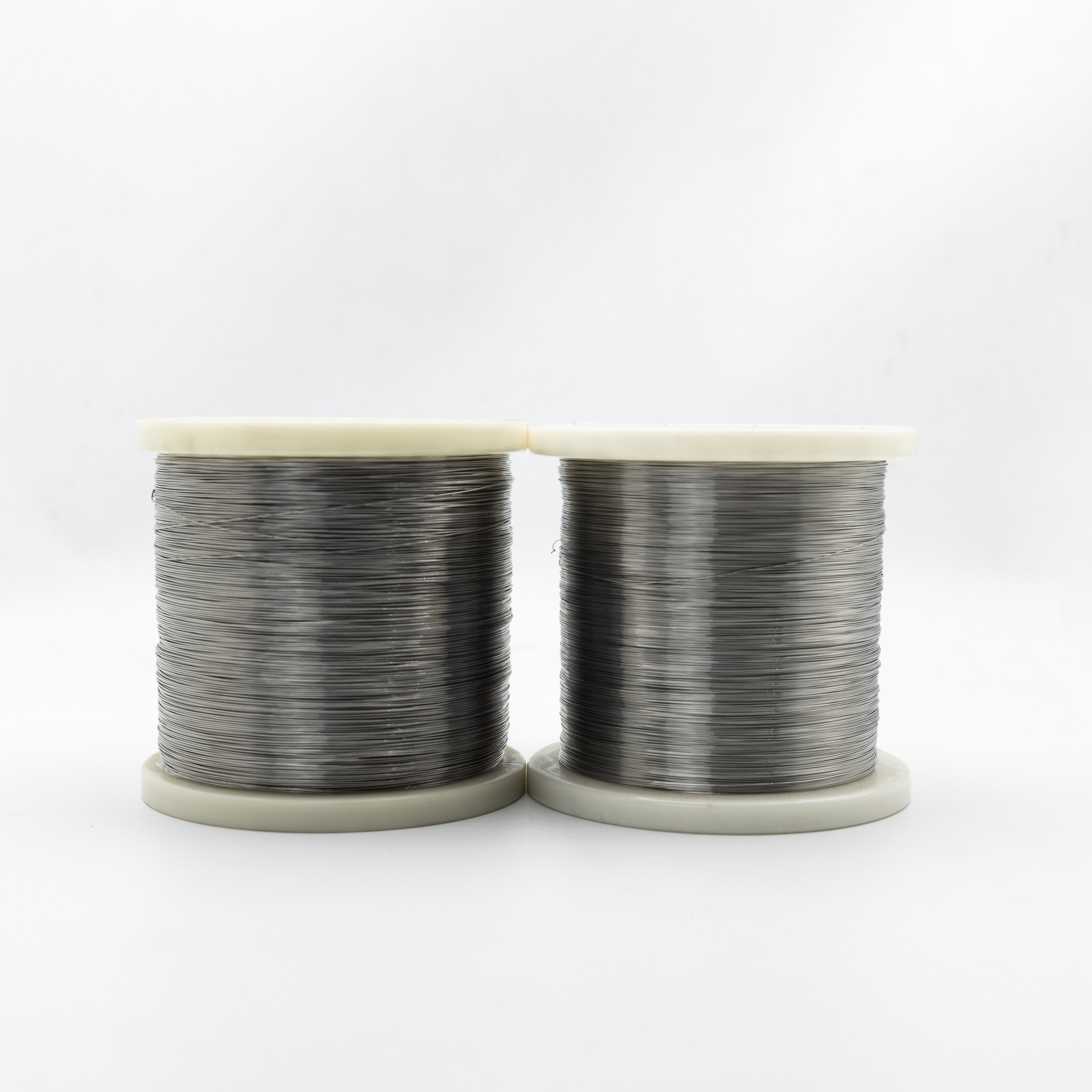
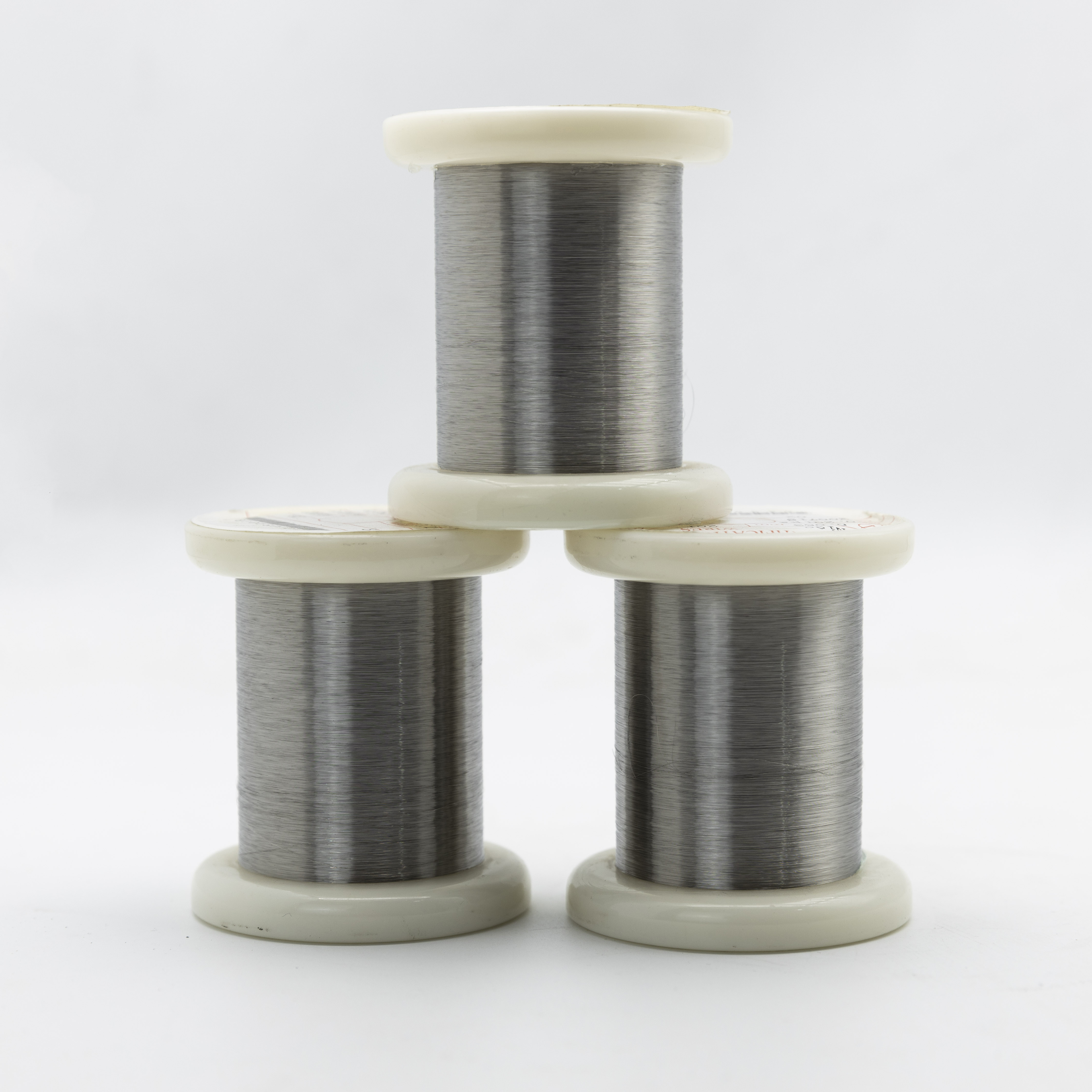
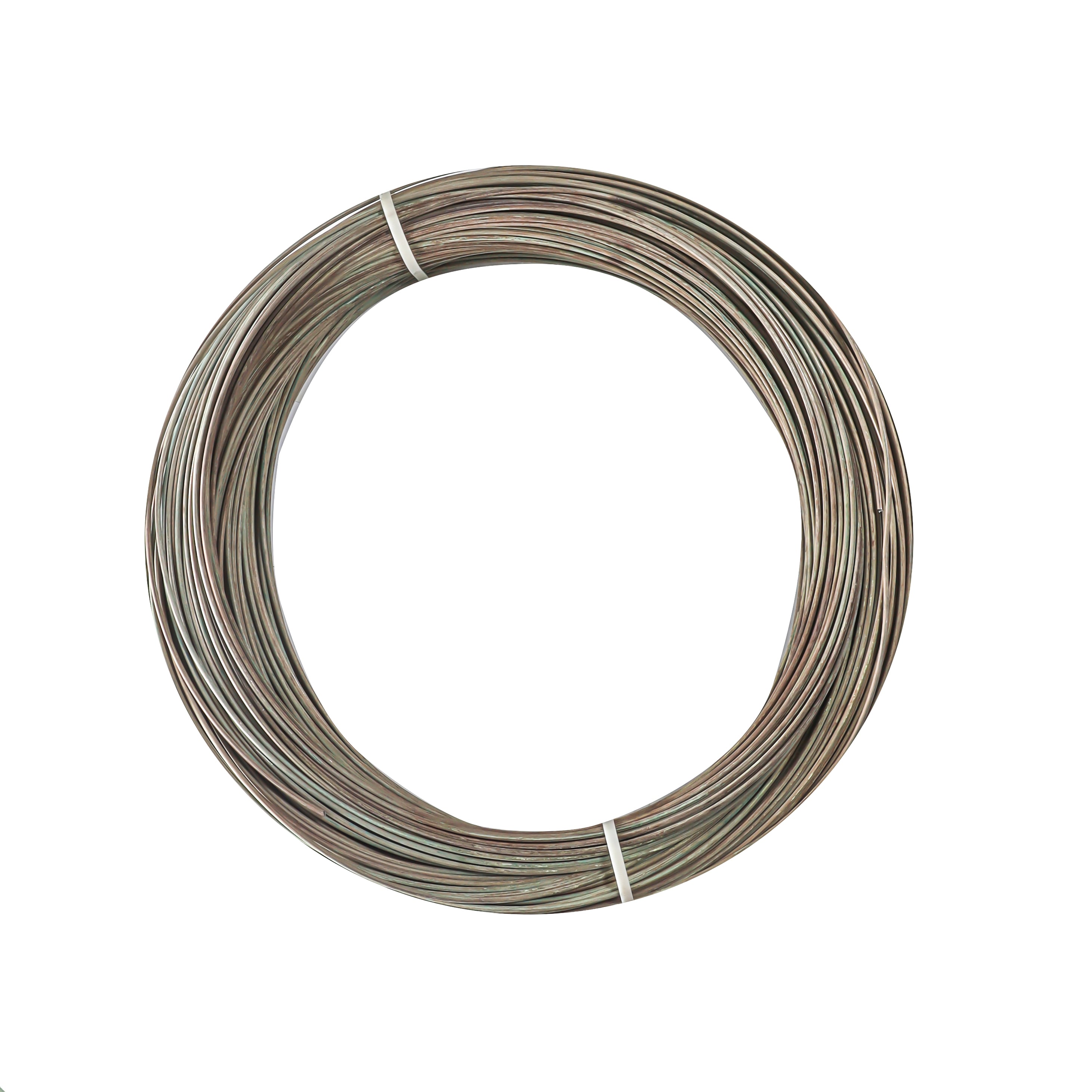
Ultra-Stable NiCr20AlSi Alloy Wire 0.025-5.0mm for Precision Resistors
Premium NiCr20AlSi precision resistance alloy wire with ultra-low TCR and high resistivity. Ideal for standard resistors and strain gauges.
- Overview
- Specifications
- Characteristics
- Applications
- About DLX
- FAQ
- Recommended Products
Product Overview
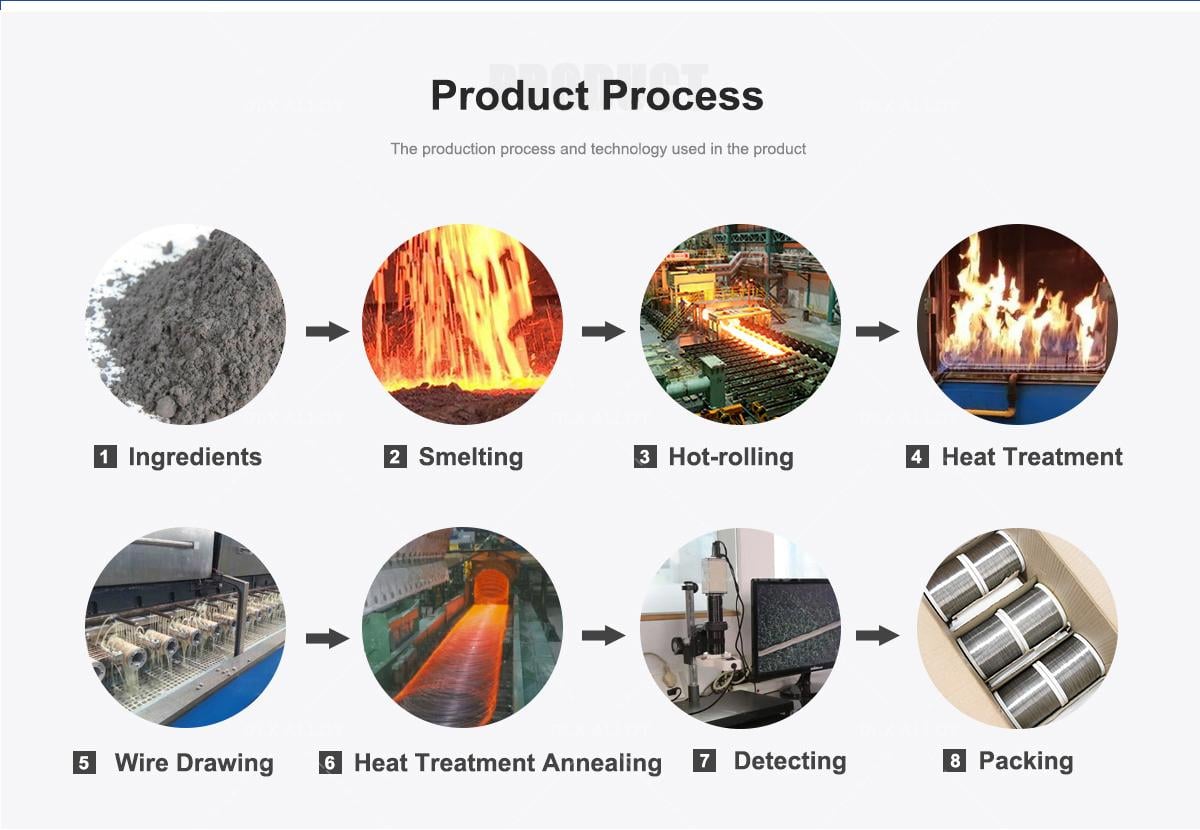
NiCr20AlSi alloy wire combines the robust oxidation resistance of high-grade nickel-chromium matrices with the thermal stability imparted by micro-alloyed aluminum and silicon. Through precision vacuum induction melting and controlled multi-pass cold drawing, the material maintains atomic-level compositional homogeneity. This prevents localized resistance drift and phase transformation during prolonged electrical loading, ensuring precision electronic circuits retain exact calibration tolerances over decades of service life.
Technical Specifications
| Technical Property | Parameter Value | Testing & Quality Condition |
|---|---|---|
| Nominal Composition (%) | Ni Bal., Cr 19.0-21.0, Al 2.5-3.5, Si 0.8-1.5, Fe ≤1.0 | High-Purity Vacuum Induction Melting |
| Electrical Resistivity at 20°C | 1.33 ± 0.05 μΩ·m | Calibrated Kelvin Bridge Measurement |
| Temperature Coefficient of Resistance (TCR) | ±5 to ±10 ppm/°C (-55°C to +125°C) | Precision Controlled Heat Treatment |
| Thermal EMF vs Copper (0-100°C) | < 1.0 μV/°C | Ultra-Low Thermoelectric Drift |
| Density | 7.10 g/cm³ | Room Temperature |
| Melting Point | 1380°C - 1420°C | Solidus / Liquidus Baseline |
| Tensile Strength (Annealed State) | 650 - 850 MPa | Continuous Annealing Line |
| Elongation at Break | ≥ 15% | Wire Diameter Dependent |
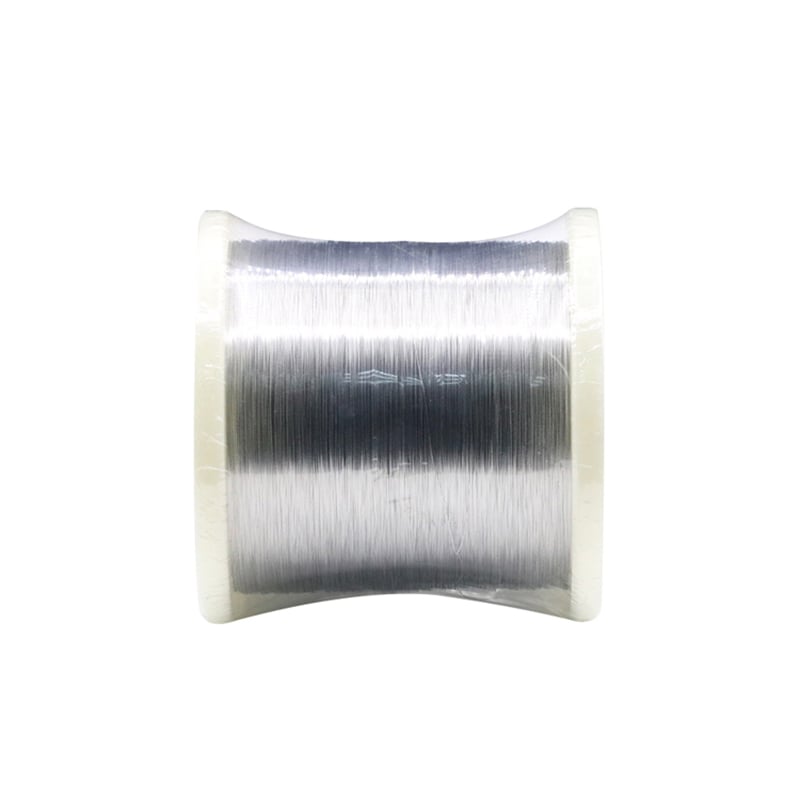
| Available Diameter Range | 0.020 mm – 5.00 mm (Ultra-fine wire to rod) | Spool, Coil, or Cut-to-length |
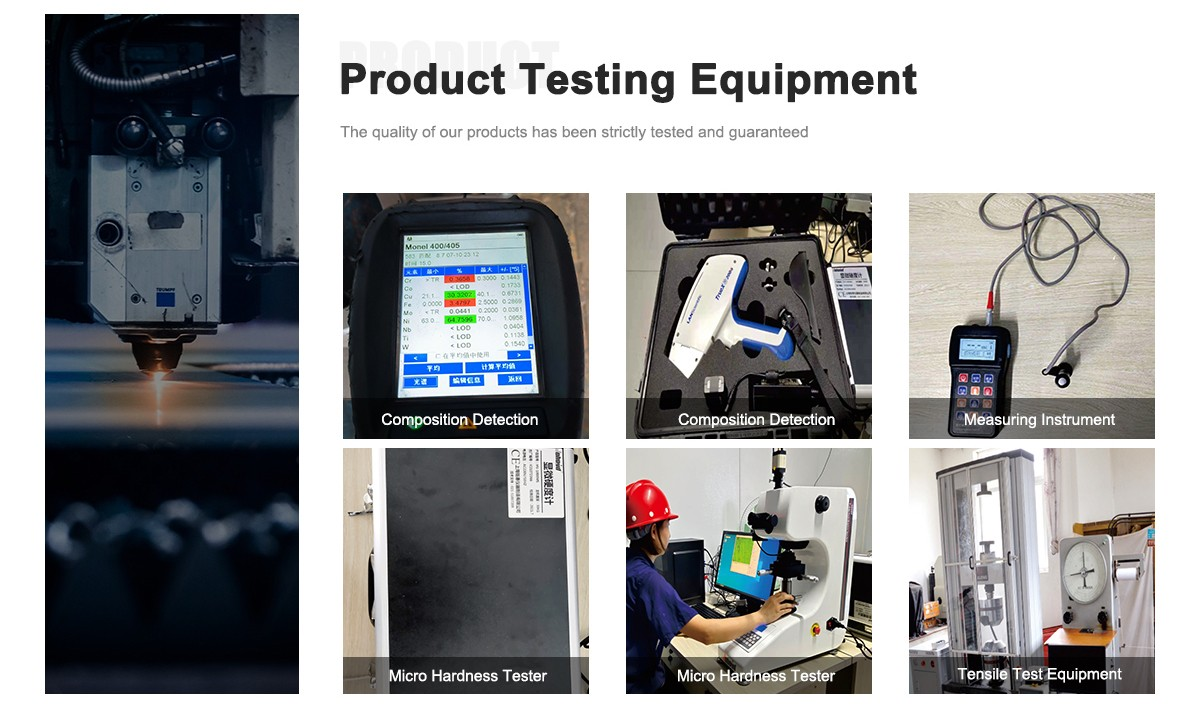
| Dimensional Tolerance | ±0.001 mm on fine wire / ±0.005 mm on standard wire | Laser Micrometer Continuous Monitoring |
Key Characteristics
-
Ultra-Low Temperature Coefficient of Resistance (TCR): Minimizes signal drift and measurement inaccuracy across wide ambient thermal operating environments from -55°C to +125°C.
-
Superior Thermal EMF Suppression: Near-zero thermoelectric potential against copper leads prevents parasitic voltage errors in DC precision measurement bridges.
-
Long-Term Resistance Stability: Advanced stabilization heat-treatment processes eliminate internal lattice stress, guaranteeing minimal resistance shift over thousands of operating hours.
-
Exceptional Oxidation & Corrosion Resistance: Forms a dense, self-healing Al2O3-Cr2O3 protective oxide surface layer, operating reliably in humid and chemically corrosive atmospheres.
-
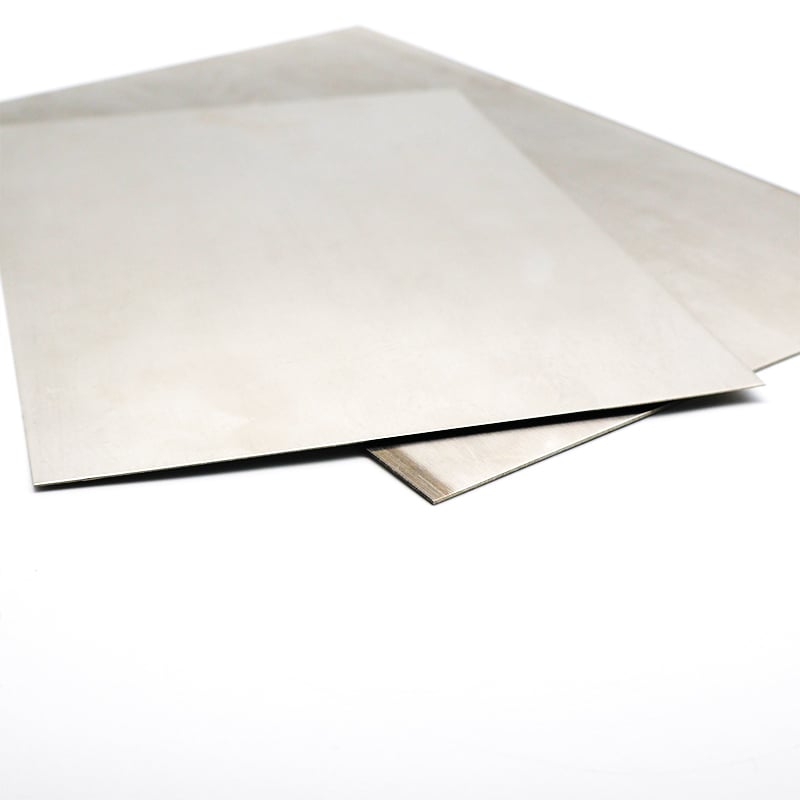
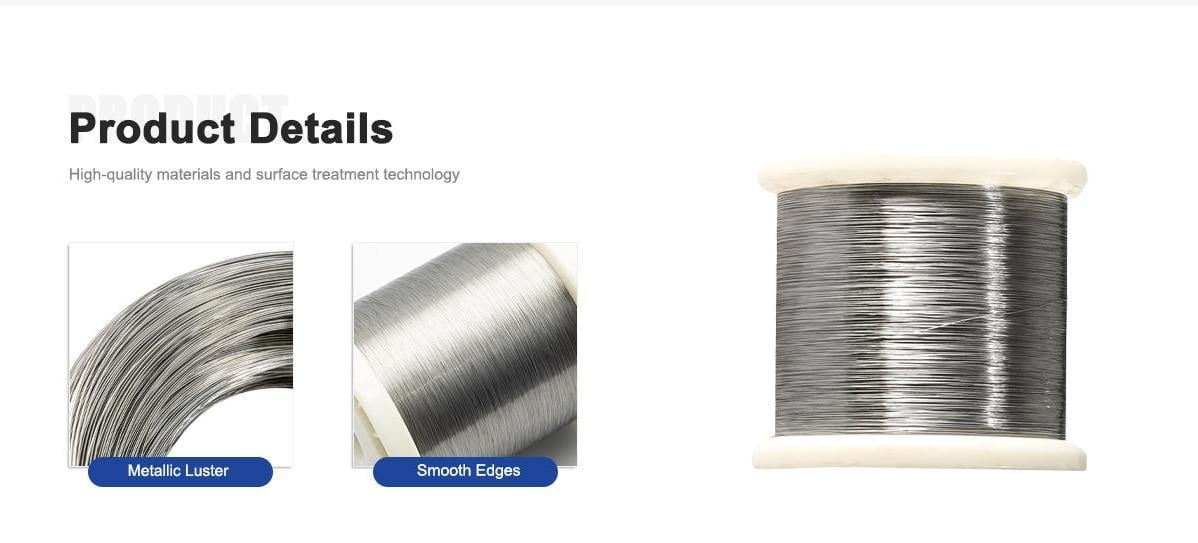
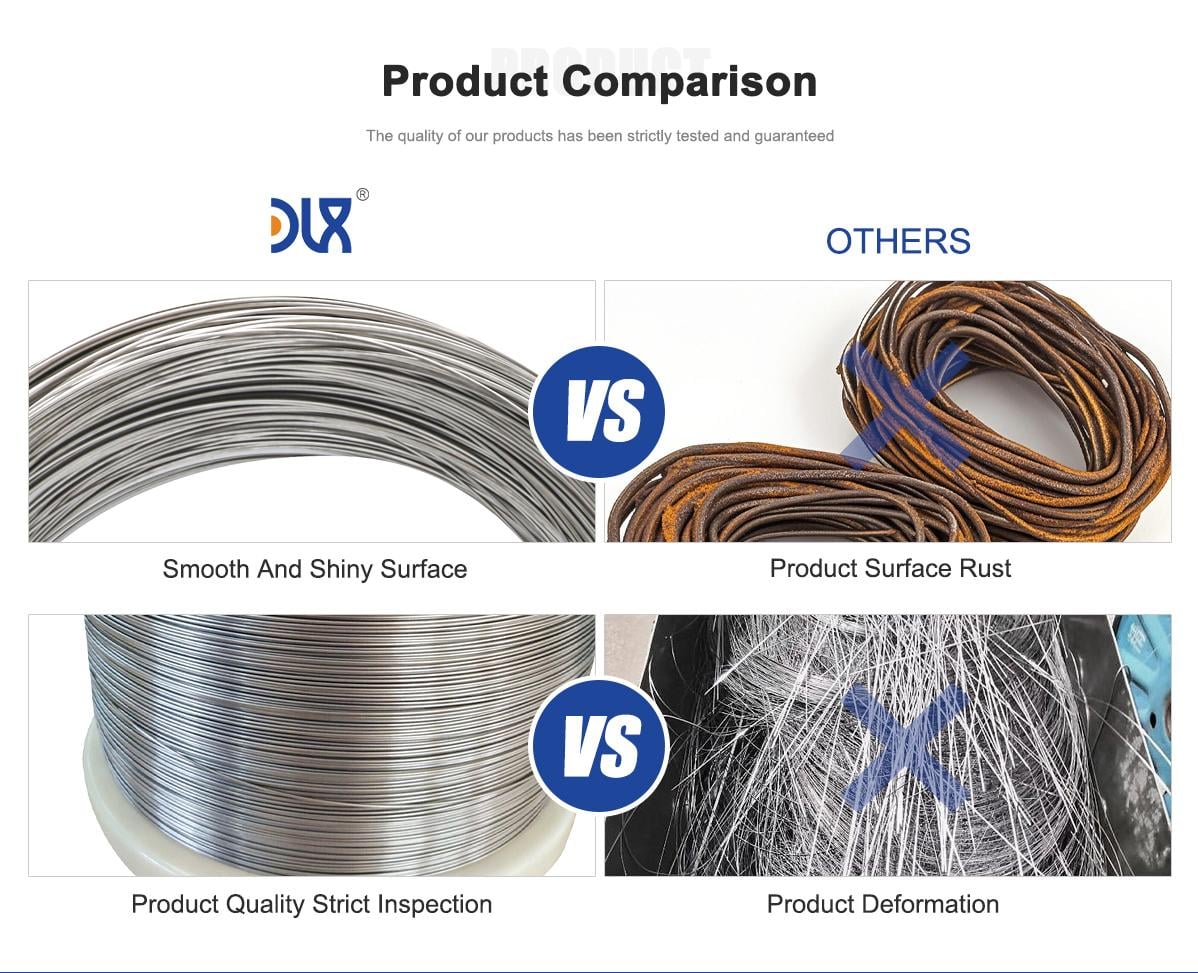
Precision Surface Quality: Supplied with bright annealed, oxide-free, or micro-insulated surfaces with continuous diameter concentricity.
Industrial Applications
-
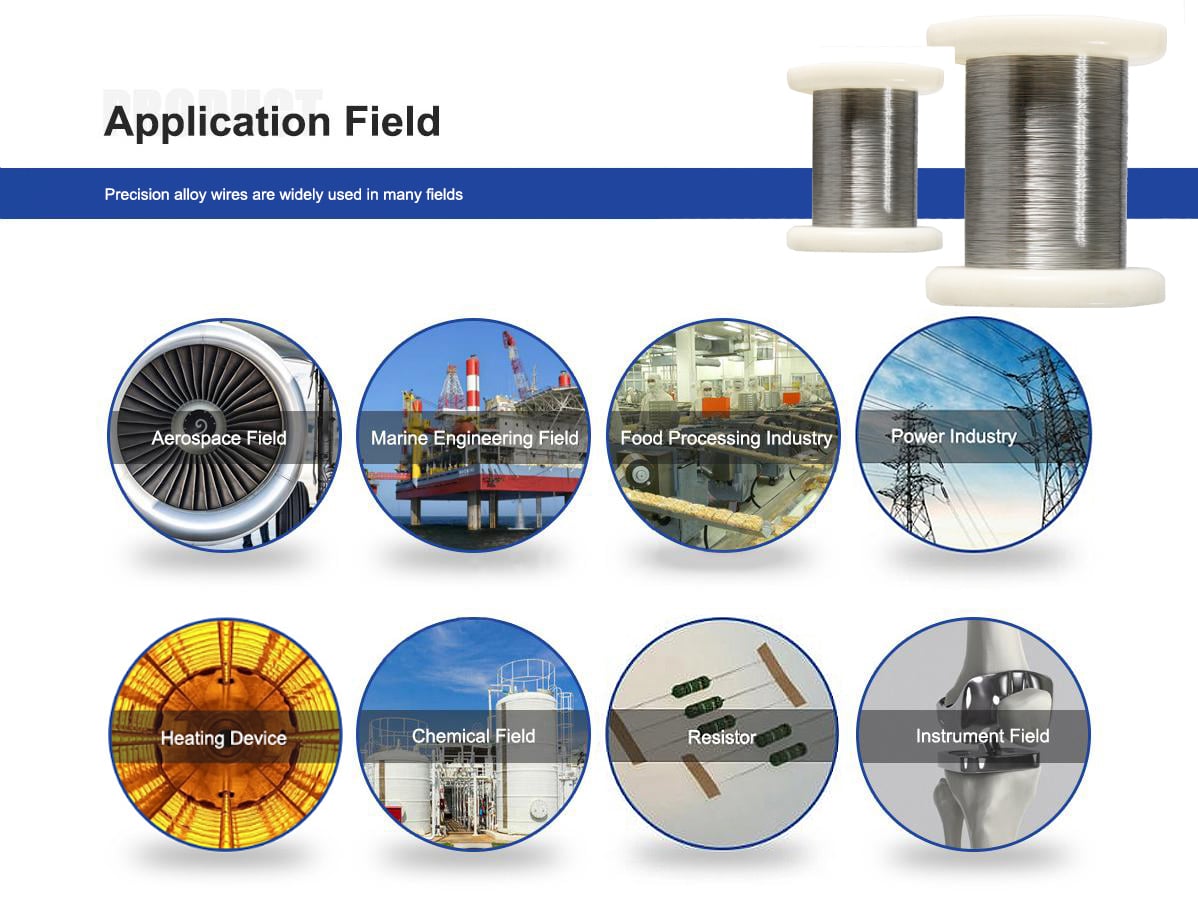
Metrology-Grade Standard Resistors: Precision shunt resistors, resistance decade boxes, and laboratory reference measurement standards.
-
Strain Gauge & Sensor Technologies: Micro-wire grid elements for aerospace airframe strain sensors and high-accuracy pressure transducers.
-
Automotive & Industrial Potentiometers: Wear-resistant, high-linearity resistance tracks for mission-critical throttle and positional feedback actuators.
-
High-Precision Current Sensing Shunts: Low-inductance current sensing resistors for battery management systems (BMS) and renewable power inverters.
-
Aerospace & Defense Instrumentation: Temperature-compensated bridge networks for avionics navigation and guidance circuitry.
Why Source Resistance Alloys from DLX
-
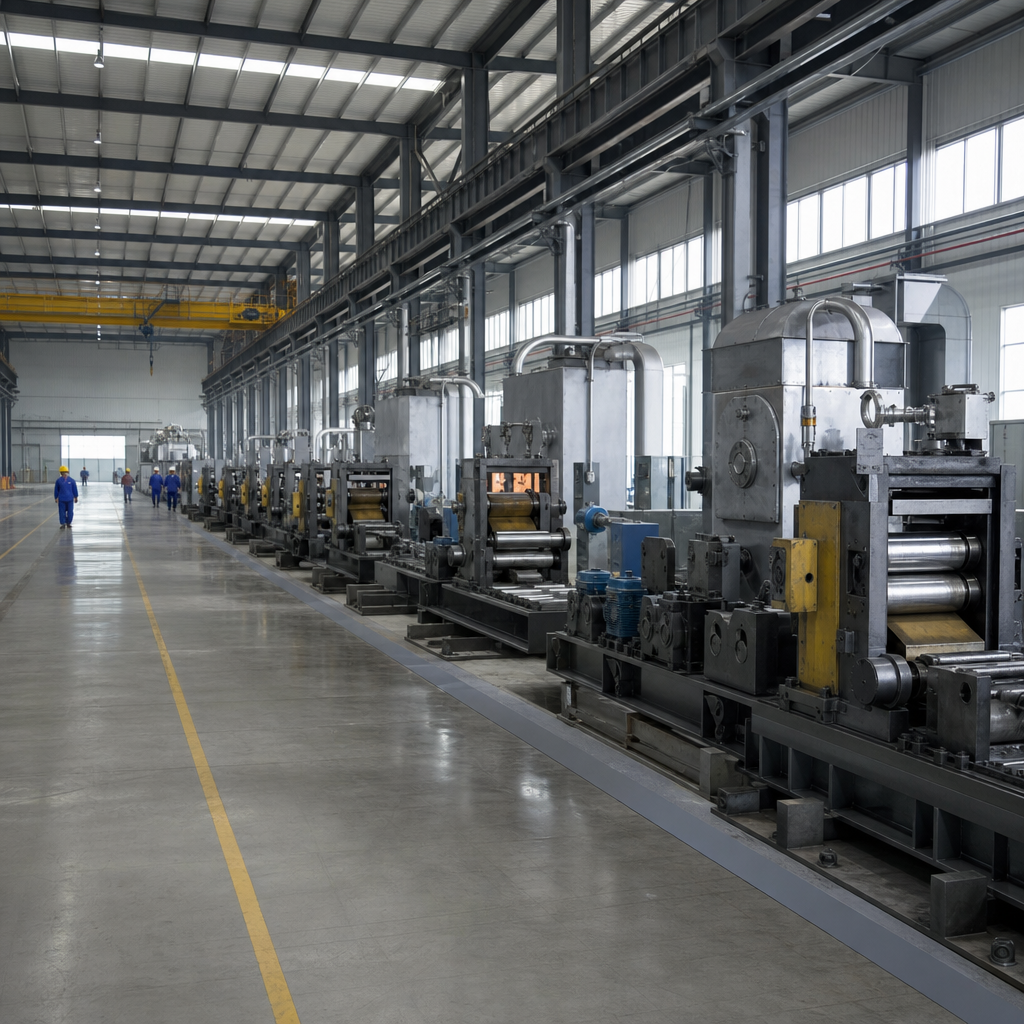
Full-Chain Metallurgical Control: Complete vertical integration from high-purity vacuum induction melting (VIM) and electroslag remelting (ESR) to ultra-fine wire diamond drawing.
-
Consistent Lot-to-Lot Homogeneity: Dedicated batch annealing atmospheres and real-time resistance monitoring ensure zero variance in resistivity across full spool lengths.
-
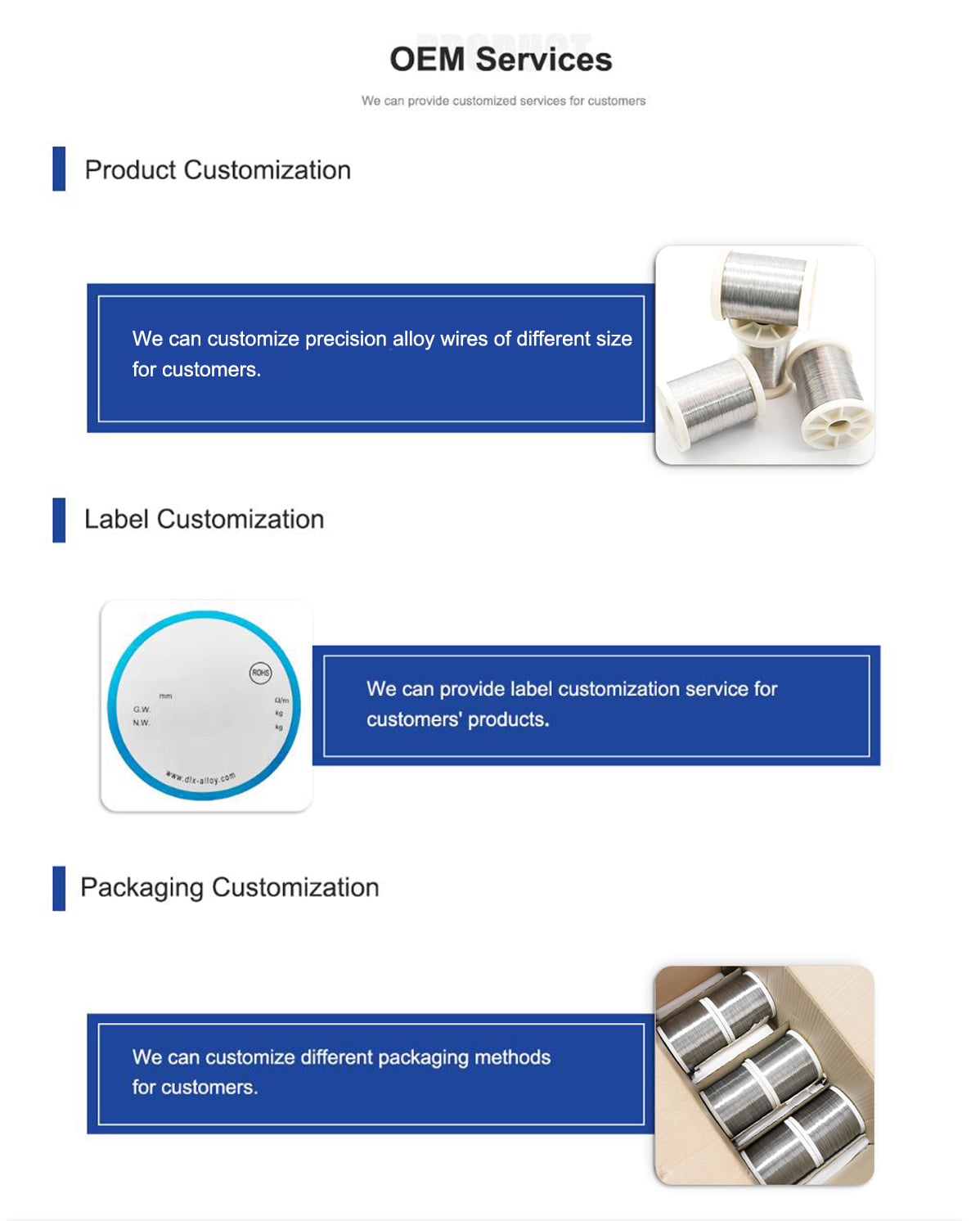
Customized Spooling & Surface Finishing: Available on DIN spools, micro-bobbins, or straight lengths, with customized insulation coatings (enamel, polyurethane, or ceramic).
-
Scalable Manufacturing Capacity: Comprehensive warehouse raw material inventory with a total monthly processing capacity of 1,200 tons to guarantee on-time global supply chains.
-
Technical Co-Engineering Support: In-house metallurgy specialists available to assist electronic design engineers in selecting optimal wire dimensions, TCR profiles, and pre-aging parameters.
Frequently Asked Questions
Q1: What makes NiCr20AlSi superior to traditional NiCr80/20 in precision resistor design?
A1: While NiCr80/20 is an outstanding high-temperature heating material, NiCr20AlSi is specifically modified with aluminum and silicon to achieve a much lower Temperature Coefficient of Resistance (TCR of ±5 to ±10 ppm/°C vs ~80 ppm/°C for standard NiCr) and a higher resistivity (1.33 μΩ·m), making it far more stable for precision measurement without thermal drift.
Q2: What fine wire diameters are available for compact component winding?
A2: We draw NiCr20AlSi wire down to ultra-fine diameters as small as 0.020 mm (20 microns), maintaining tight laser-controlled diameter tolerances of ±0.001 mm with consistent tensile strength for high-speed automated coil winding.
Q3: How do you guarantee long-term resistance stability over time?
A3: Every batch undergoes uniform continuous atmospheric annealing followed by dedicated thermal stabilization treatment to relieve micro-strains in the crystal lattice, ensuring resistance drift remains within fractional ppm levels over extended operational lifespans.
Q4: Can you customize TCR profiles and surface finishes for specialized sensor applications?
A4: Yes. We can customize the final TCR slope within target operating windows (e.g., -55°C to +150°C) through controlled thermal processing, and we provide bright annealed, lightly oxidized, or polyurethane/enamel-insulated wire according to your drawing requirements.