EN

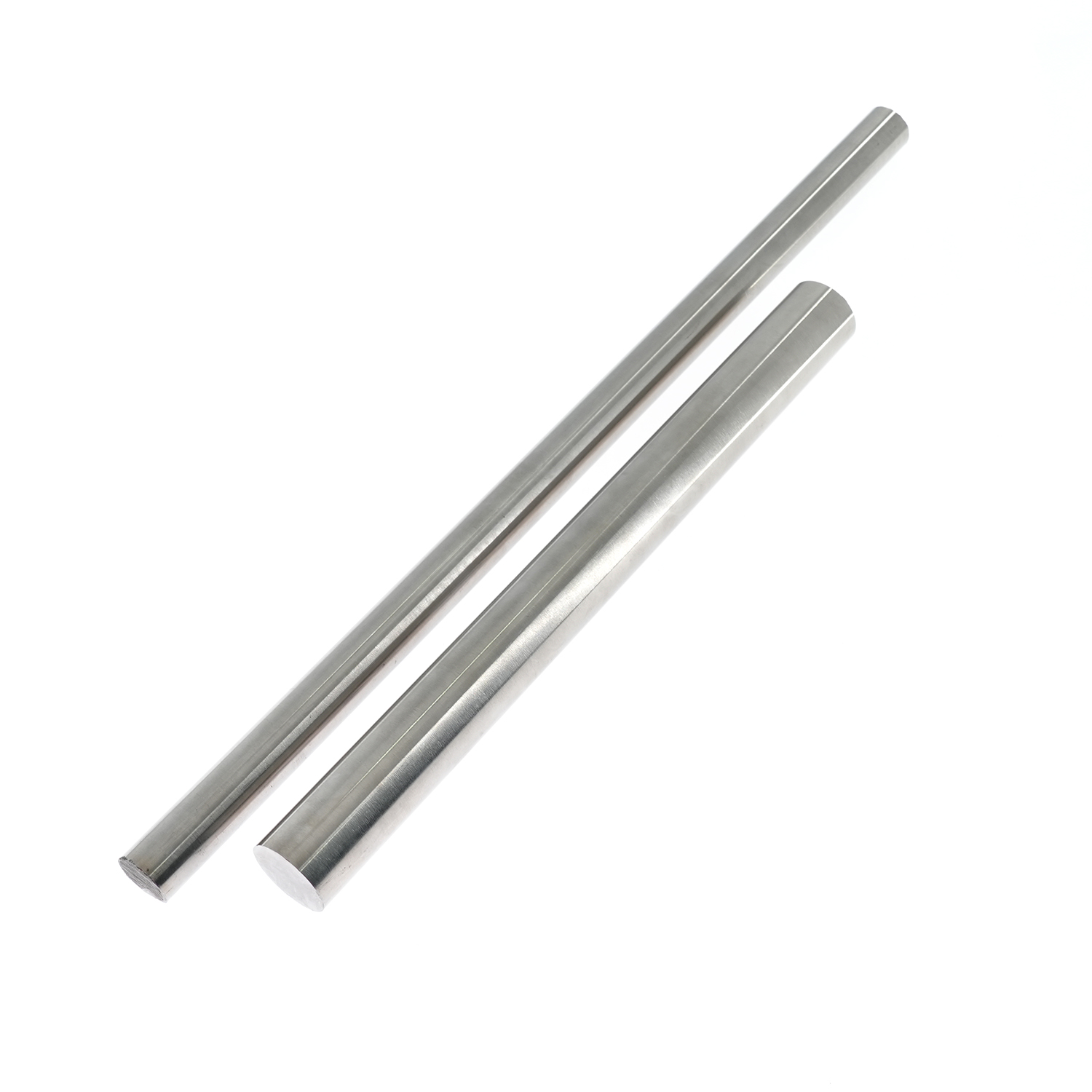
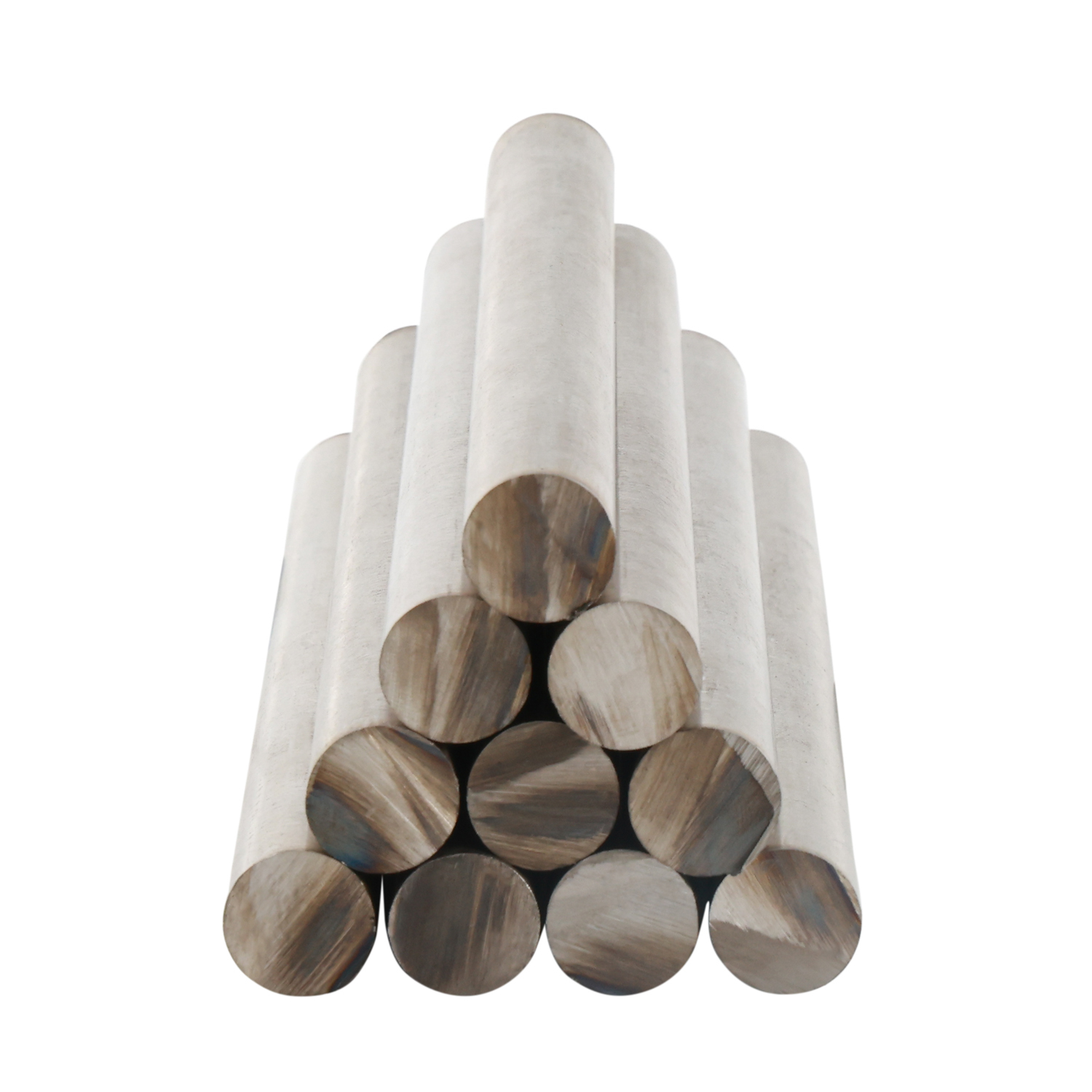
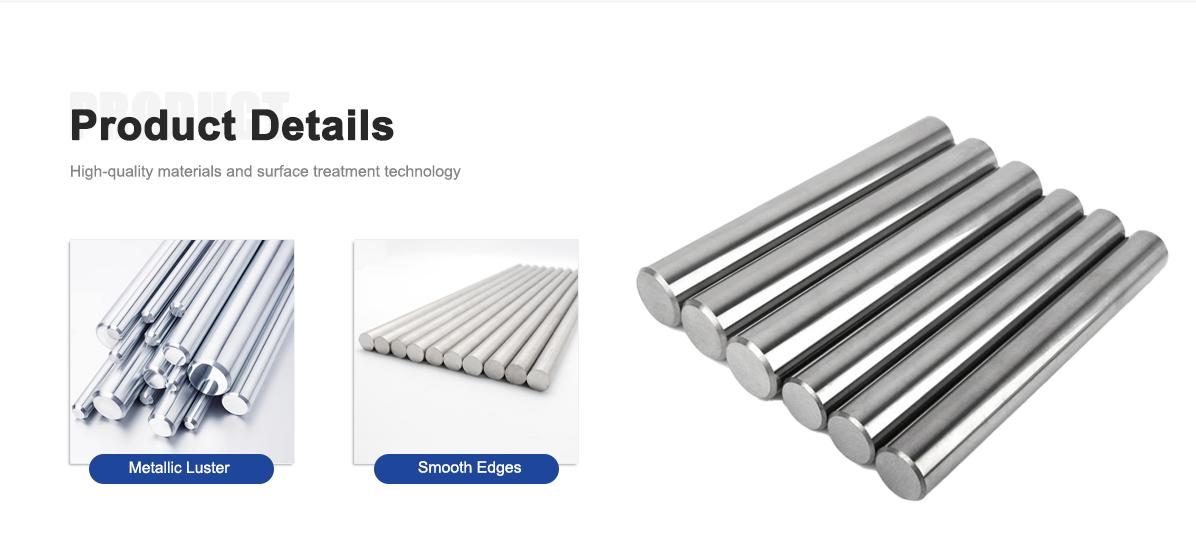
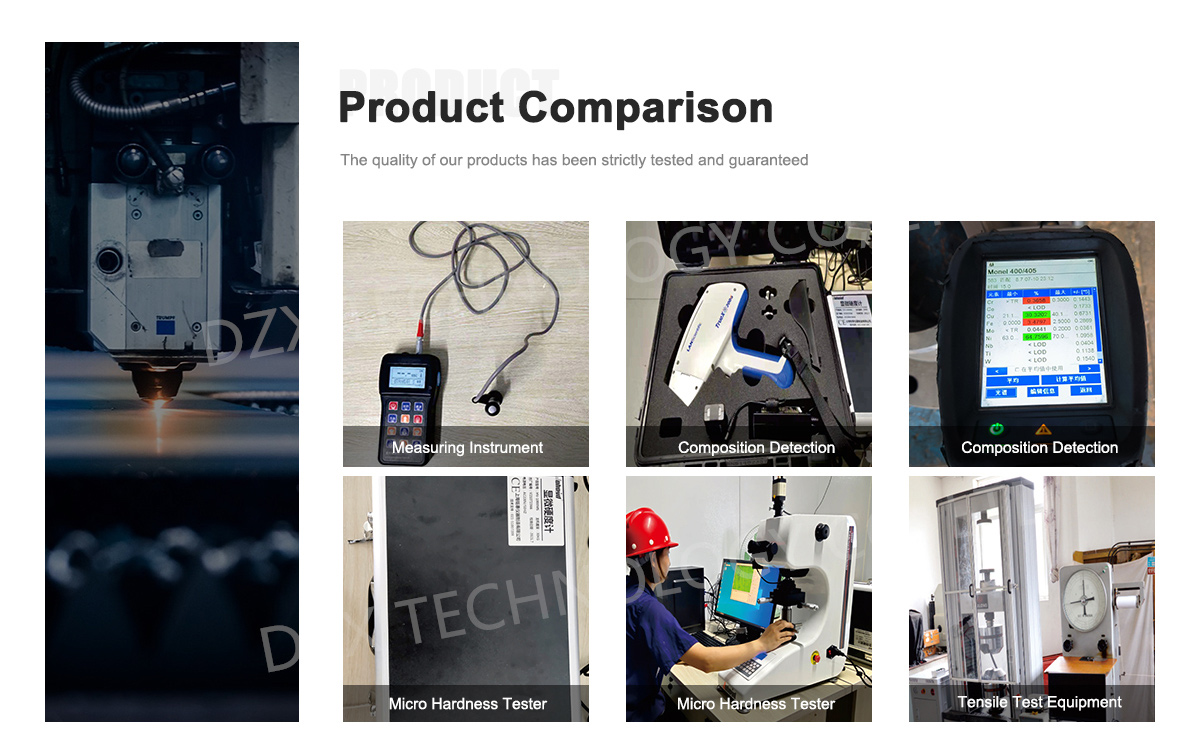
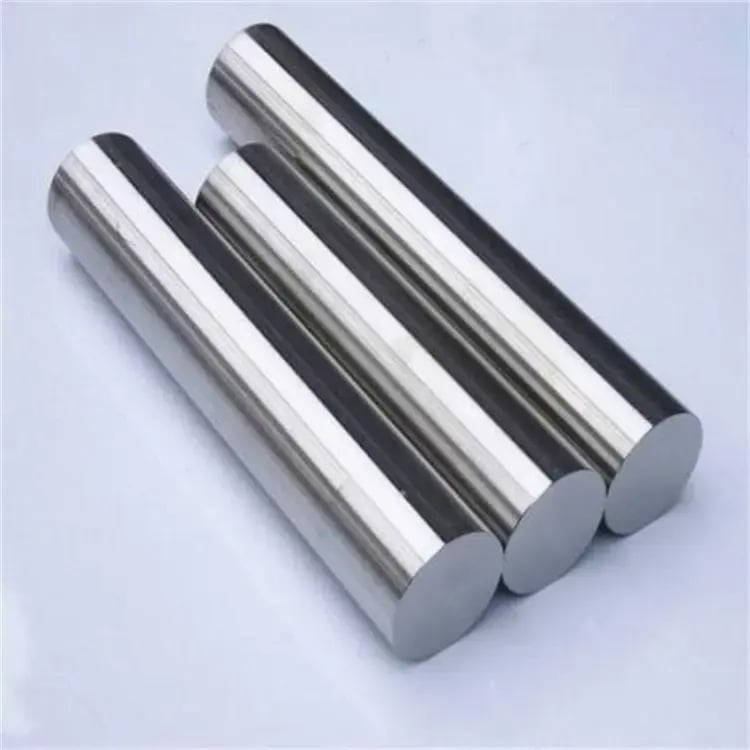
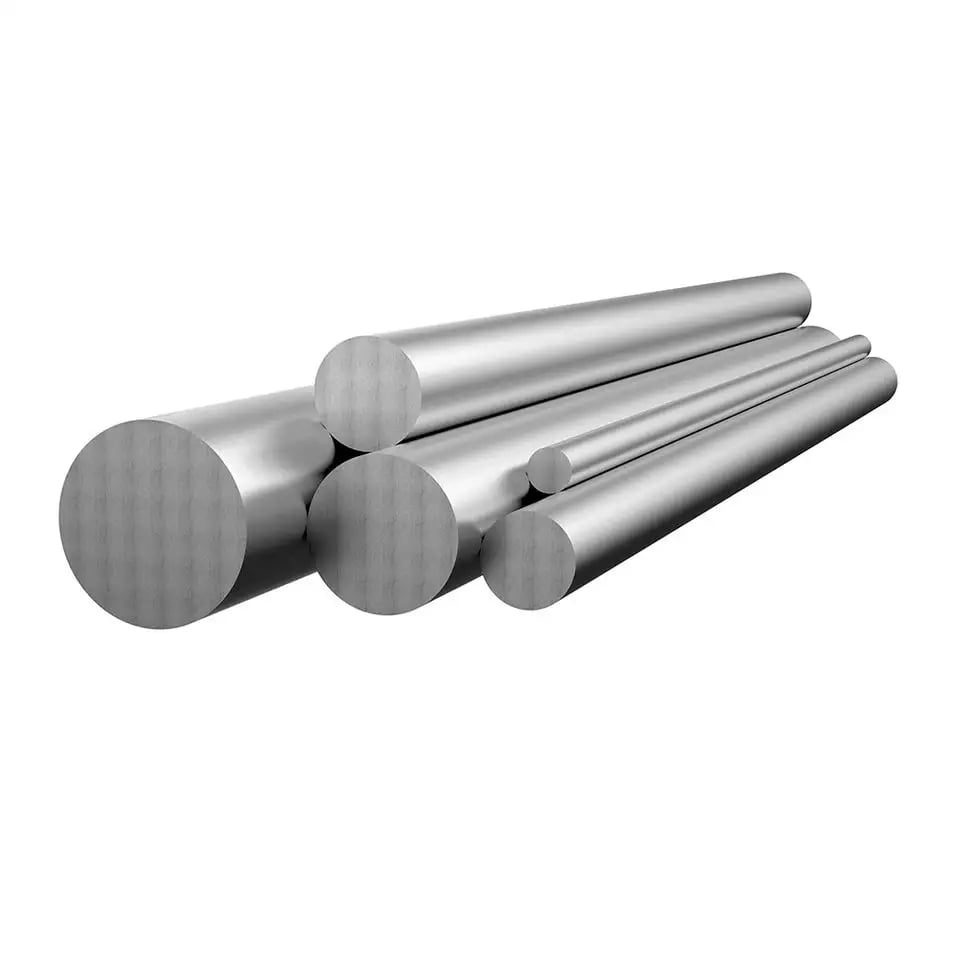
High-Strength Solid Rod Monel K500 Age-Hardened High-Tensile Propeller Shaft
Engineered with advanced vacuum melting and precision precipitation hardening, our Monel K500 solid rods deliver superior mechanical toughness, zero-subzero magnetism, and micro-crack immunity for severe offshore, naval, and subsea propeller shaft assemblies.
- Overview
- Key Features
- Applications
- Why-Us
- FAQ
- Recommended Products
Product Brief
The High-Strength Solid Rod Monel K500 is a premium precipitation-strengthened nickel-copper alloy engineered specifically for high-stress marine propulsion and subsea shafting. By integrating aluminum and titanium into a high-purity nickel-copper matrix followed by controlled thermal aging, this alloy provides more than double the yield strength and triple the tensile capacity of conventional solid nickel-copper bars while retaining exceptional resistance to marine cavitation, turbulent seawater erosion, and crevice corrosion.
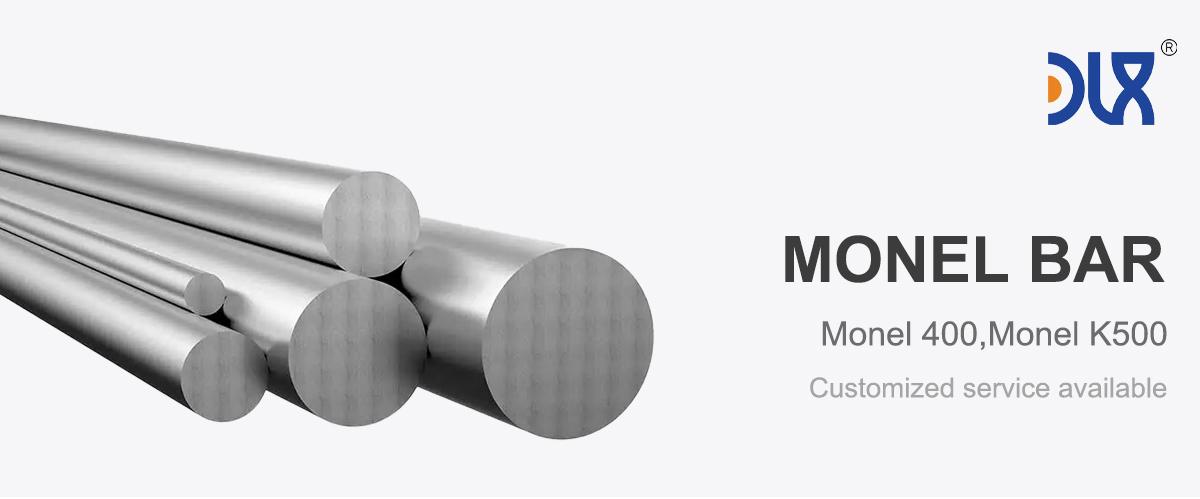
Product Overview
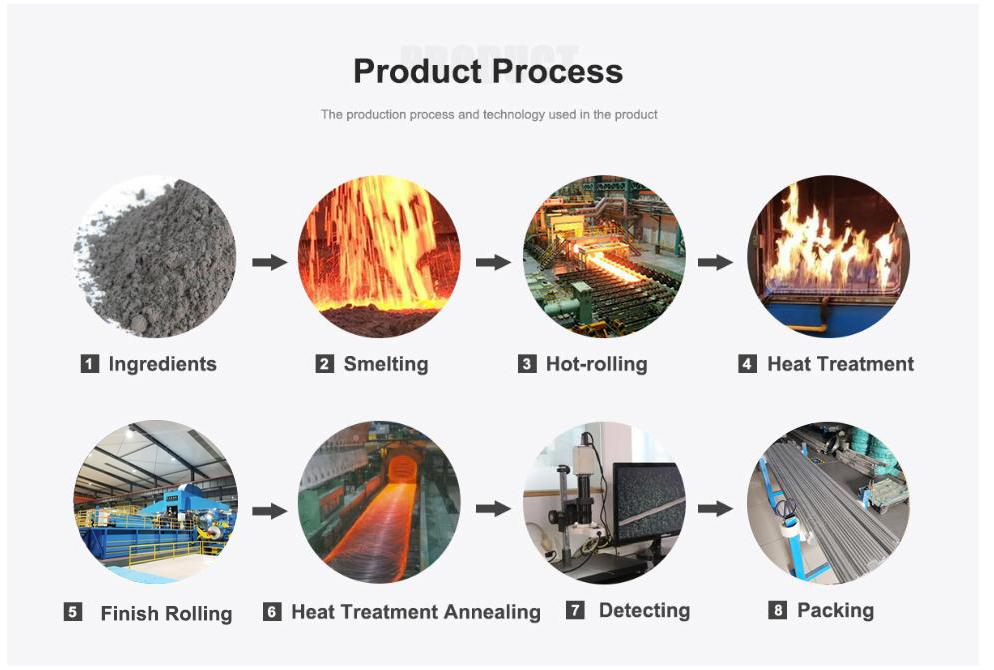
Manufactured via advanced Vacuum Induction Melting (VIM) and Electroslag Remelting (ESR), our Monel K500 age-hardened solid rod guarantees uniform grain structure, ultra-low residual gas content, and isotropic mechanical properties across large cross-sections.
1. Chemical Composition Baseline (High-Purity Vacuum Refining)
| Element | Weight Percentage (%) | Metallurgical Function |
|---|---|---|
| Nickel (Ni) + Cobalt (Co) | Primary austenitic corrosion-resistant matrix | |
| Copper (Cu) | Enhances seawater biofouling & cavitation resistance | |
| Aluminum (Al) | Core precipitation hardener forming phases | |
| Titanium (Ti) | Stabilizes gamma-prime sub-precipitates & refines grain size | |
| Iron (Fe) | Solid solution strengthening balance | |
| Manganese (Mn) | Deoxidizer and workability promoter | |
| Silicon (Si) | Controlled fluidity agent in secondary remelting | |
| Carbon (C) | Ultra-low carbon to prevent intergranular sensitization | |
| Sulfur (S) | Micro-refined to prevent hot shortness and crack initiation |
2. Mechanical Properties by Temper Condition
Temper / Delivery State |
Tensile Strength, (MPa) |
Yield Strength, (MPa) |
Elongation, (%) |
Hardness (Rockwell / Brinell) |
Impact Energy, Charpy-V (J) |
|---|---|---|---|---|---|
Hot Finished + Age Hardened |
|||||
Cold Drawn + Age Hardened |
|||||
High-Precision Ground (Shaft Grade) |
|||||
Solution Annealed (Soft State) |
Key Features
-
Extreme Tensile & Torsional Yield Capacity
Precipitation hardening generates fine gamma-prime sub-precipitates throughout the lattice, providing high tensile strength() and high yield strength () to resist extreme torsional torque and shock vibration in propeller drive shafts.
-
Immunity to High-Velocity Seawater & Biofouling Erosion
Forms a tenacious, self-healing protective copper-nickel oxide film that resists pitting, bio-attachment, and high-velocity water wash () in marine splash zones and submerged rudder-shaft tunnels.
-
Completely Non-Magnetic Permeability Across Cryogenic & Ambient Temperatures
Maintains relative magnetic permeability () down to sub-zero temperatures, eliminating electromagnetic signature interference for naval guidance systems, mine-countermeasure vessels, and sensitive marine logging equipment.
-
Stress Corrosion Cracking (SCC) & Sulfide Toughness
Highly resistant to hydrogen embrittlement and chloride-induced cracking under continuous cyclic bending fatigue and high marine torque loads.
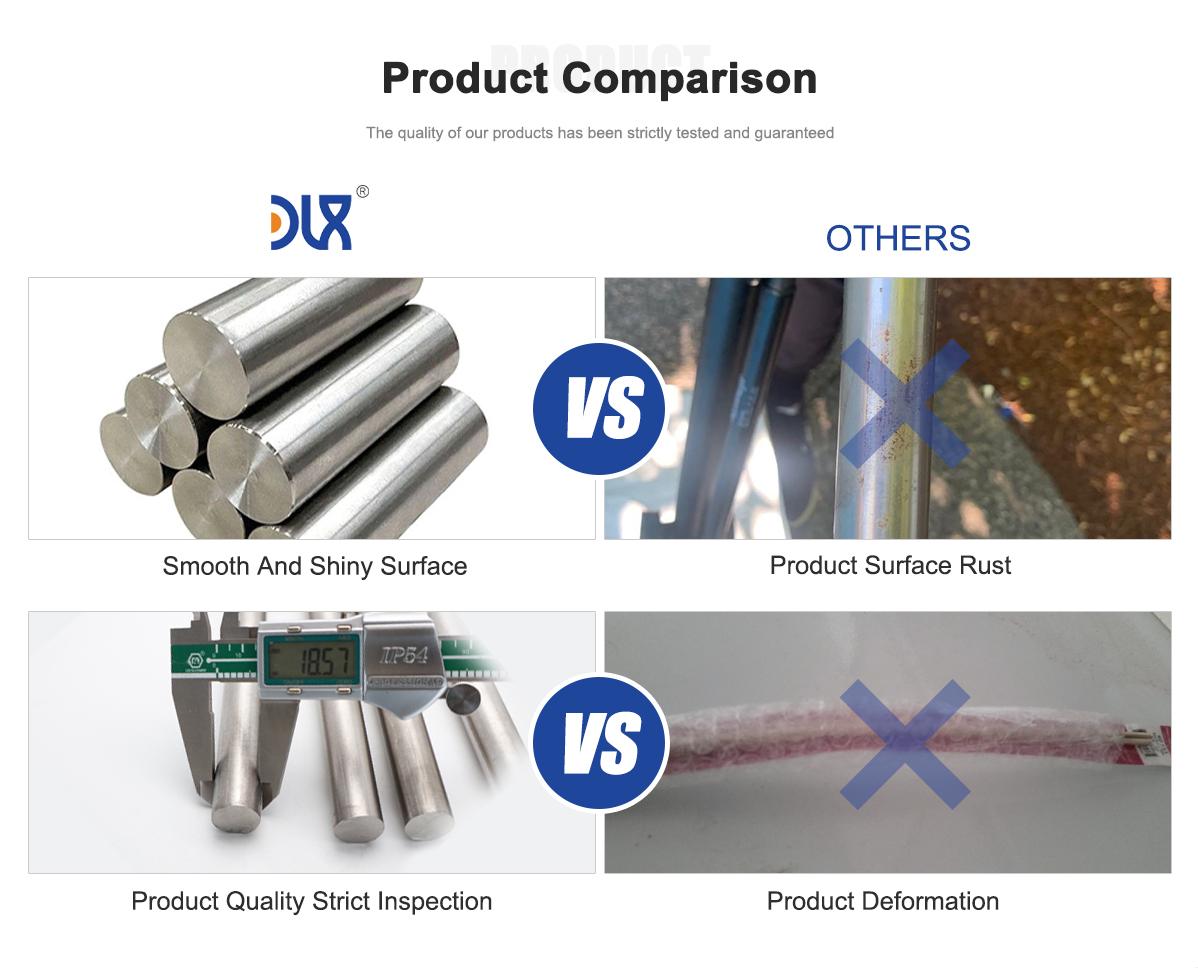
Product Applications
-
Commercial & Military Marine Propulsion: Main propeller drive shafts, stern tube shafting, rudder stocks, marine coupling bolts, and bow thruster shafts.
-
Offshore Oil & Gas Systems: High-strength non-magnetic drill collars, subsea valve stems, marine riser tensioners, downhole tool housings, and pump impellers.
-
Chemical & Marine Pump Hardware: High-pressure centrifugal pump shafts, slurry mixing rods, subsea fasteners, and seawater circulating drive shafts.
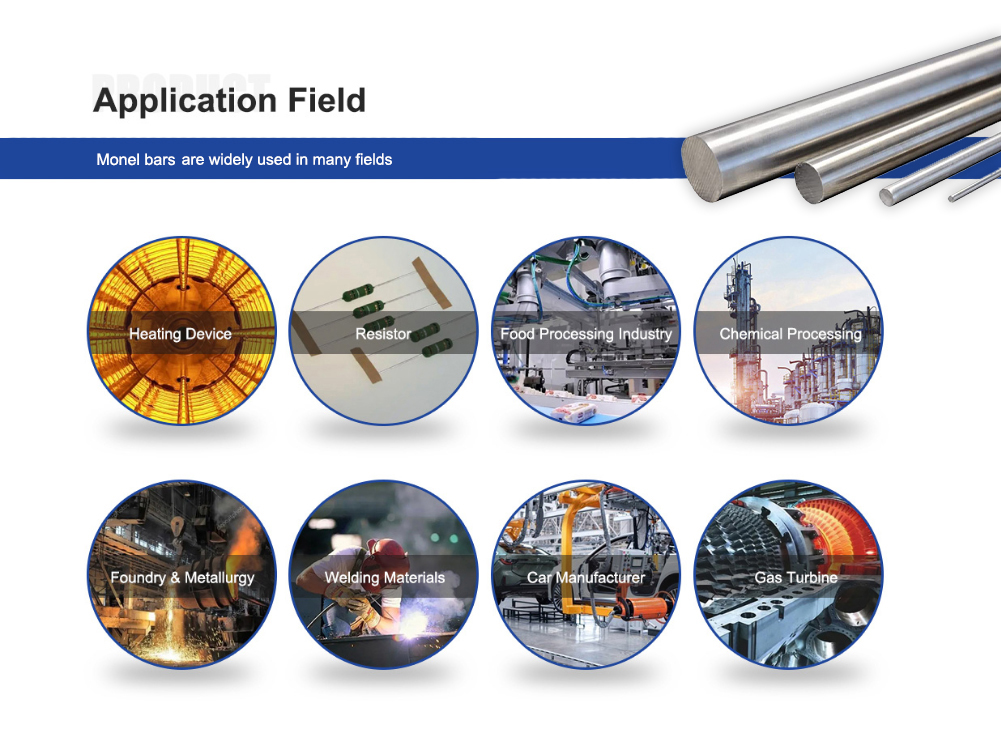
Why Choose Us
-
End-to-End In-House Smelting & Thermal Processing: From VIM/ESR melting to computerized aging furnaces, ensuring precise core-to-surface hardness uniformity (typically 28–36 HRC) without brittle segregated phases.
-
1,200 Tons Monthly Capacity & Flexible Batch Processing: Large-scale production scale supported by dynamic project-specific MOQs to accommodate specialized prototyping and full fleet retrofits.
-
Ultra-Tight Dimensional & Straightness Tolerances: High-precision CNC centerless grinding and cold-finishing lines ensure ready-to-machine tolerance grades for direct marine sleeve and bearing mounting.
-
Rigorous Non-Destructive Quality Assurance: Every shaft blank undergoes calibrated multi-angle ultrasonic testing, liquid penetrant testing, macro-etching analysis, and full chemical heat certification.
Frequently Asked Questions
Q1: Why is Monel K500 preferred over Monel 400 for marine propeller shafts?
A: While both alloys share identical corrosion resistance in stagnant and fast-flowing seawater, Monel K500 contains added aluminum and titanium. Through precision thermal aging, Monel K500 achieves more than double the yield strength and fatigue endurance of Monel 400, preventing shaft deflection and fatigue failure under high-power marine propulsion.
Q2: How do you guarantee the non-magnetic stability of Monel K500 solid rods?
A: We precisely balance the aluminum-titanium stoichiometry and control thermal age cycles to avoid residual unprecipitated ferromagnetic phases. This ensures magnetic permeability remains below 1.002 even after heavy mechanical cold sizing or low-temperature exposure.
Q3: What surface finishes and straightness tolerances are available for long shafting?
A: We supply precision-straightened rods up to 6–9 meters with centerless ground and polished surfaces () and straightness deviations controlled within , minimizing vibration and machining lead times for propeller shaft fabricators.
Q4: How does DLX verify the internal sound quality of heavy-diameter Monel K500 rods?
A: All large-diameter solid rods are subjected to 100% volumetric immersion or contact ultrasonic inspection and eddy current testing to ensure complete absence of internal shrinkage cavities, micro-voids, and non-metallic inclusions.