EN

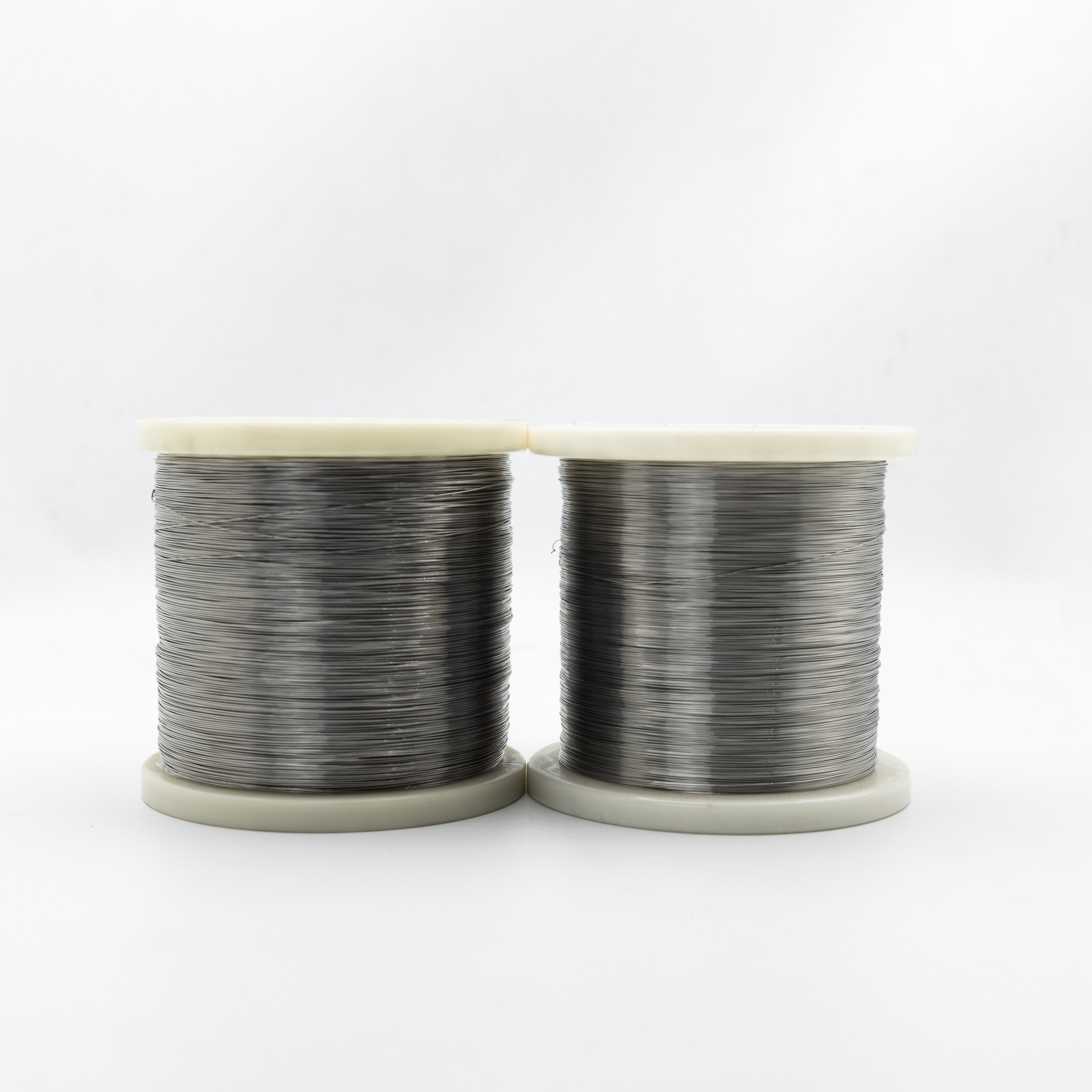
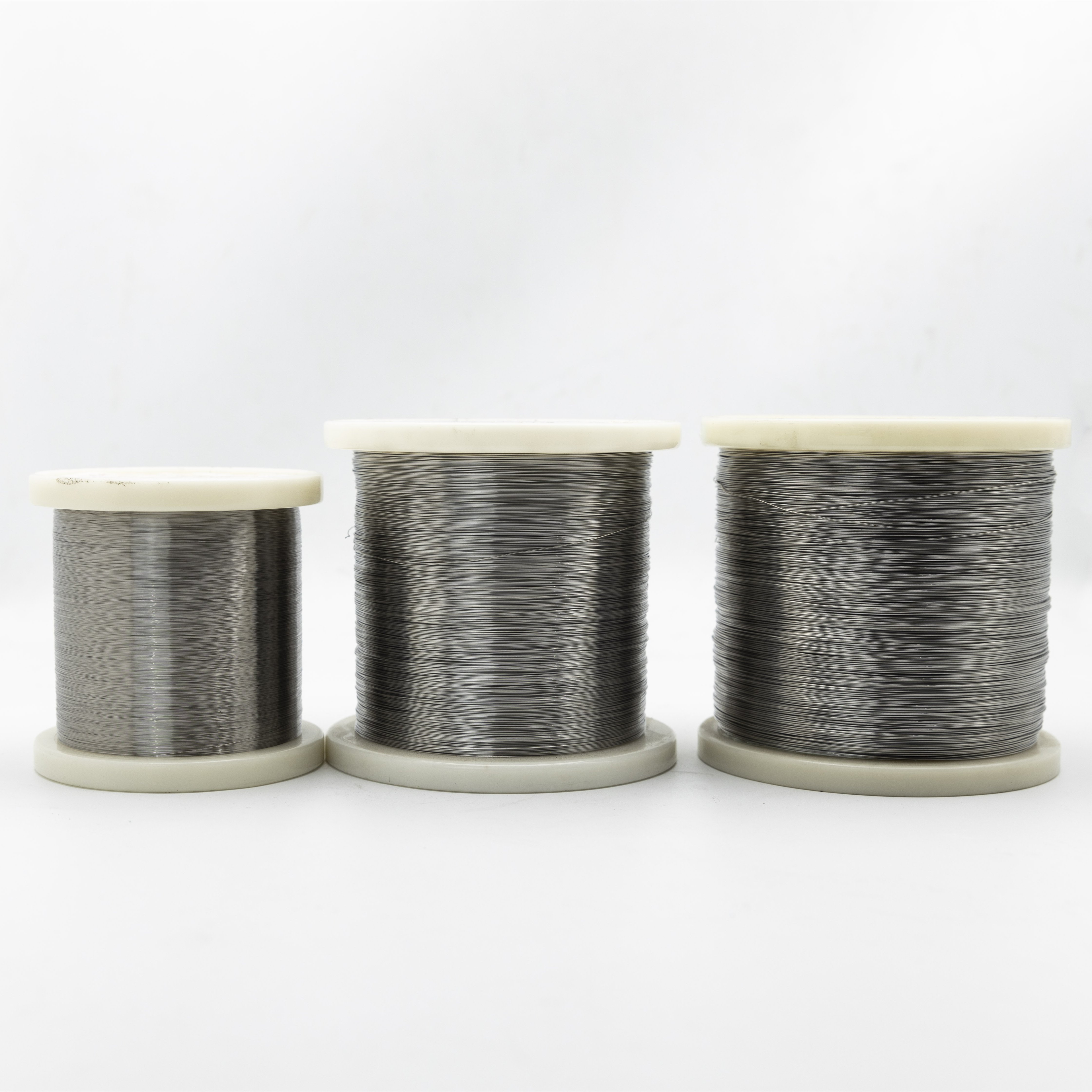
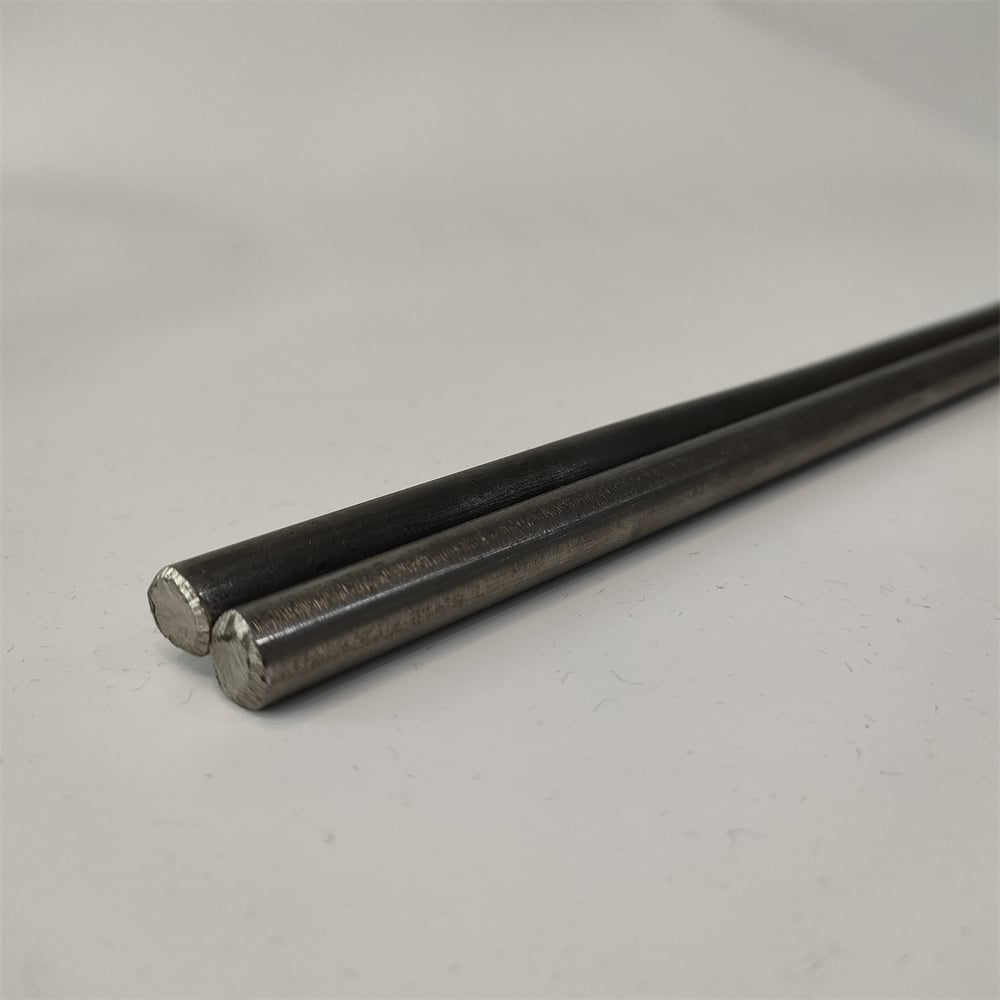
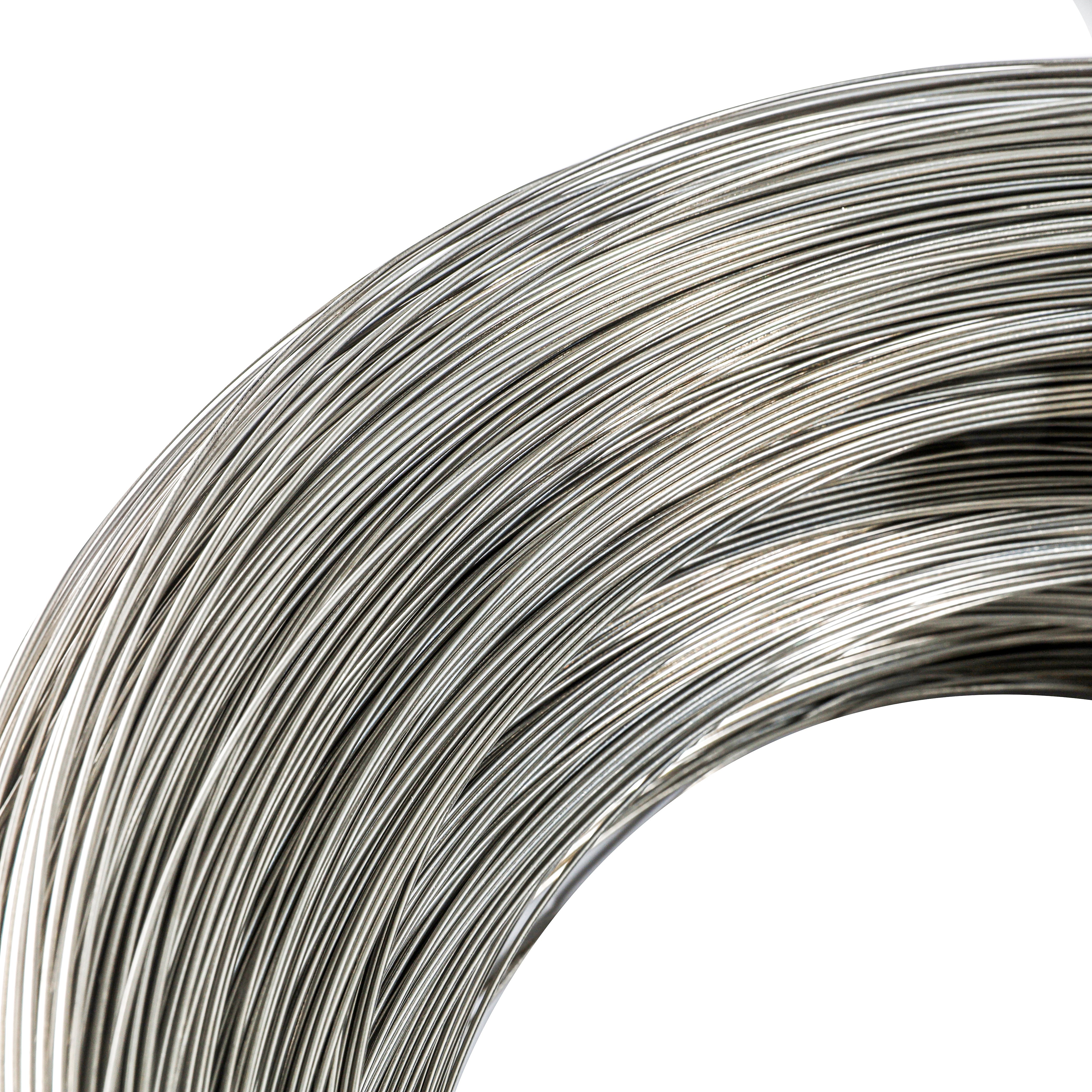
High Resistivity Karma Alloy Wire 6J22 1.33 μΩ·m For Precision Wire Wound Resistors
Engineered for mission-critical electrical measurement and high-stability instrumentation, our 6J22 Karma alloy wire delivers a stable 1.33 μΩ·m resistivity, near-zero thermal EMF against copper, and exceptional long-term resistance drift resistance.
- Overview
- Specifications
- Features
- Applications
- Why-Us
- FAQ
- Recommended Products
- Superior Specific Resistivity (1.33 μΩ·m): Enables high resistance values in smaller physical footprints, significantly reducing winding bulk in miniature resistors and multi-turn potentiometers.
- Near-Zero Temperature Coefficient of Resistance: Operates with near-flat resistance-temperature curves across .
- Minimal Thermal EMF vs. Copper (): Prevents parasitic thermoelectric voltages at terminal weld joints, crucial for DC precision measurement instruments.
- Exceptional Corrosion and Oxidation Resistance: Protective aluminum-chromium oxide film ensures continuous performance in harsh operating environments.
Technical Overview
Precision electrical applications demand resistance elements that remain unaffected by ambient temperature fluctuations and mechanical processing. 6J22 Karma alloy overcomes the limitations of conventional nickel-chromium and copper-nickel alloys by combining high specific resistance with customizable heat-treatment response.
Technical Specifications
| Property Category | Parameter / Property | Standard Specification Value |
|---|---|---|
| Material Base | Nominal Composition | ~73% Ni, 20% Cr, 3% Al, 4% Fe + Trace Elements |
| Electrical | Specific Electrical Resistivity () | () |
| Thermal-Electrical | Temperature Coefficient of Resistance (TCR) | (Selectable by heat treatment) |
| Thermoelectric | Thermal EMF vs. Copper () | (Typically ) |
| Physical | Density | |
| Thermal | Melting Point | |
| Mechanical | Tensile Strength (Annealed State) | (Varies by wire diameter) |
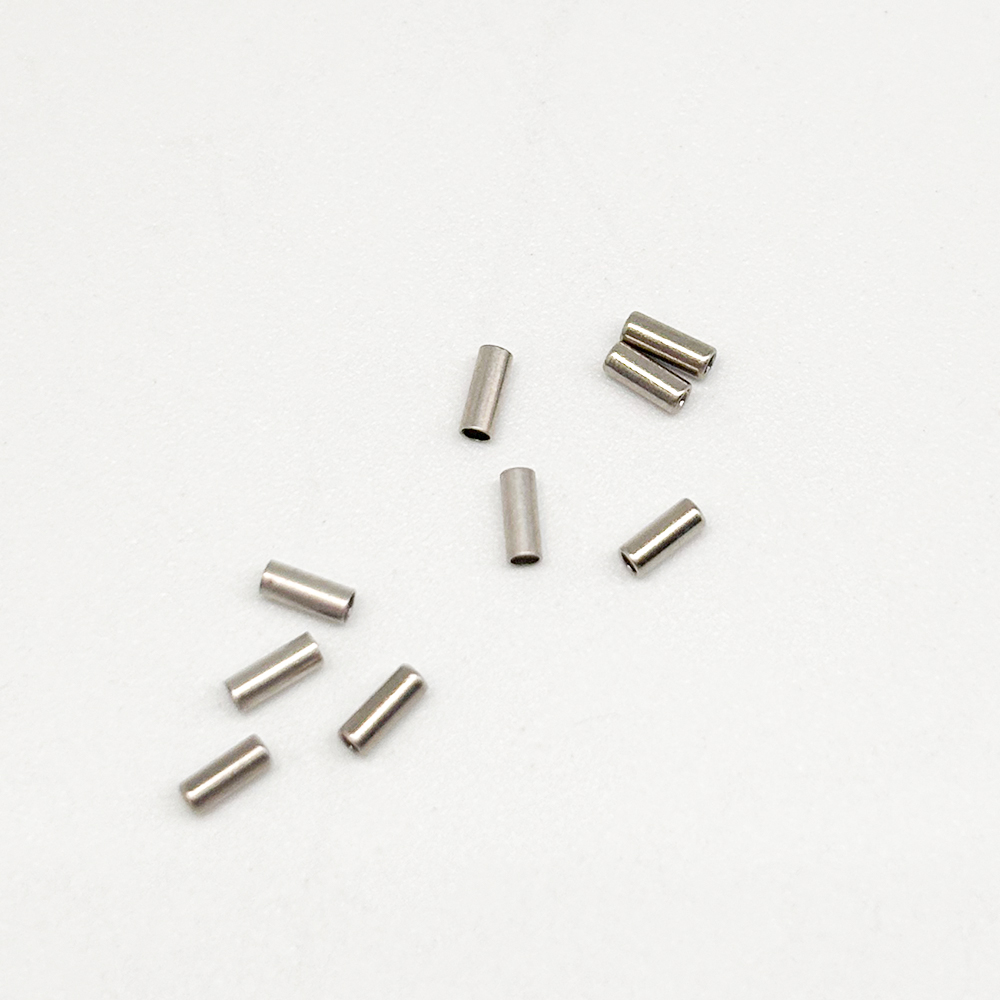
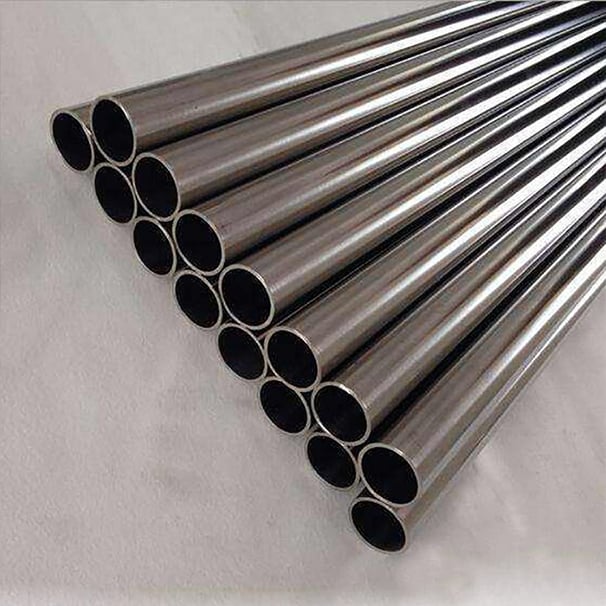
| Dimensional | Available Wire Diameters | (Ultra-fine to standard) |
| Tolerance | Diameter / Resistance Tolerance | Ultra-tight uniformity ( on resistance per meter) |
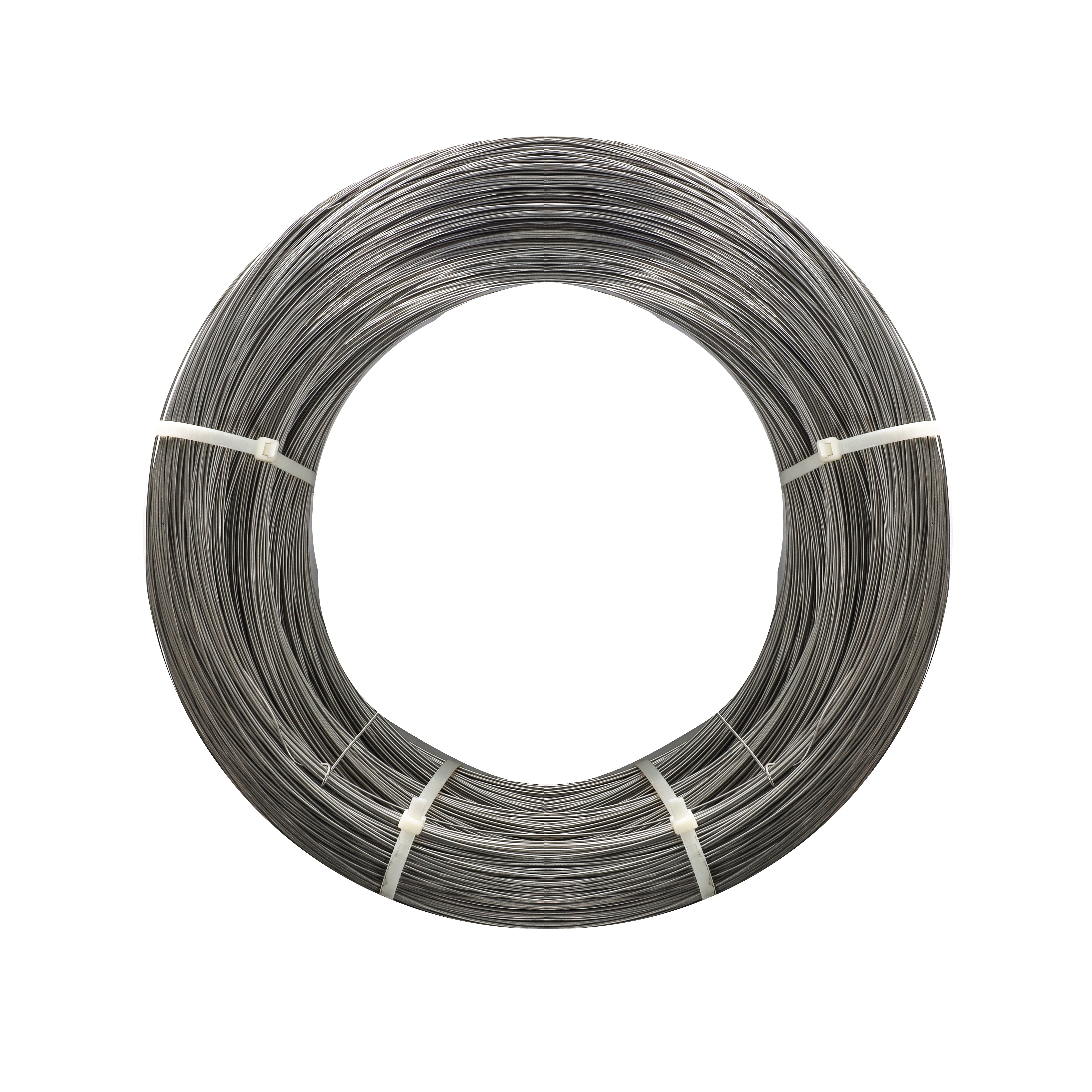
| Surface Finish | Surface Condition | Bright Annealed / Oxidized / Insulated (Enamelled polyurethane/polyester-imide) |
Performance Features
-
Controlled Annealing & Heat-Treatment Response: The resistance and TCR of 6J22 wire can be finely tuned through precise final-stage thermal processing, matching specific customer temperature windows.
-
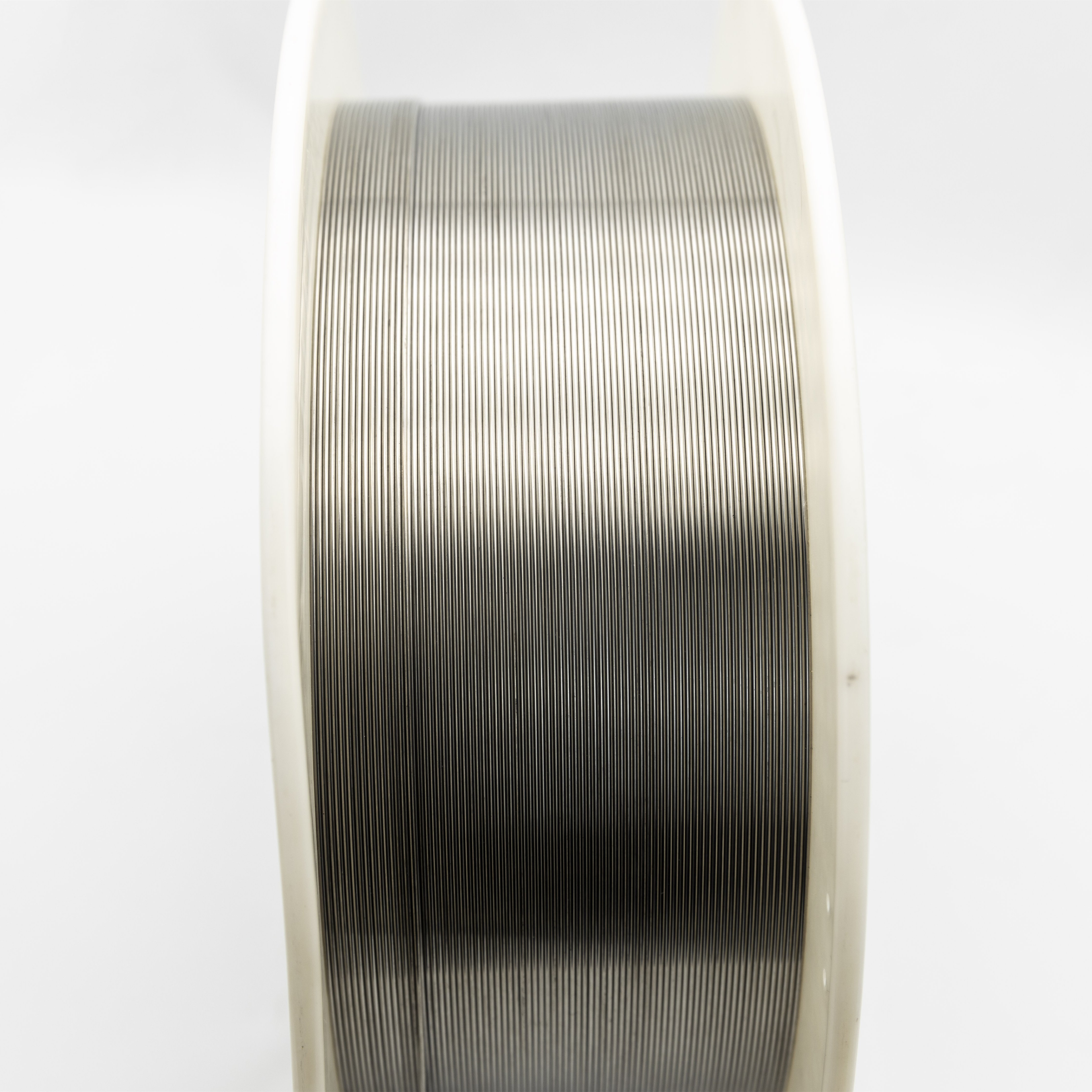
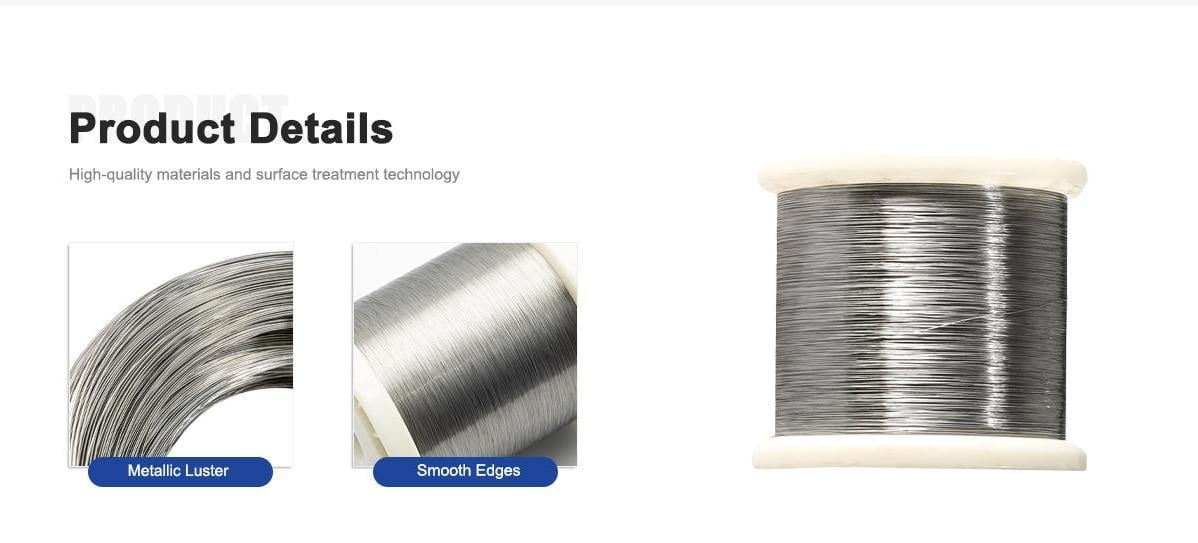
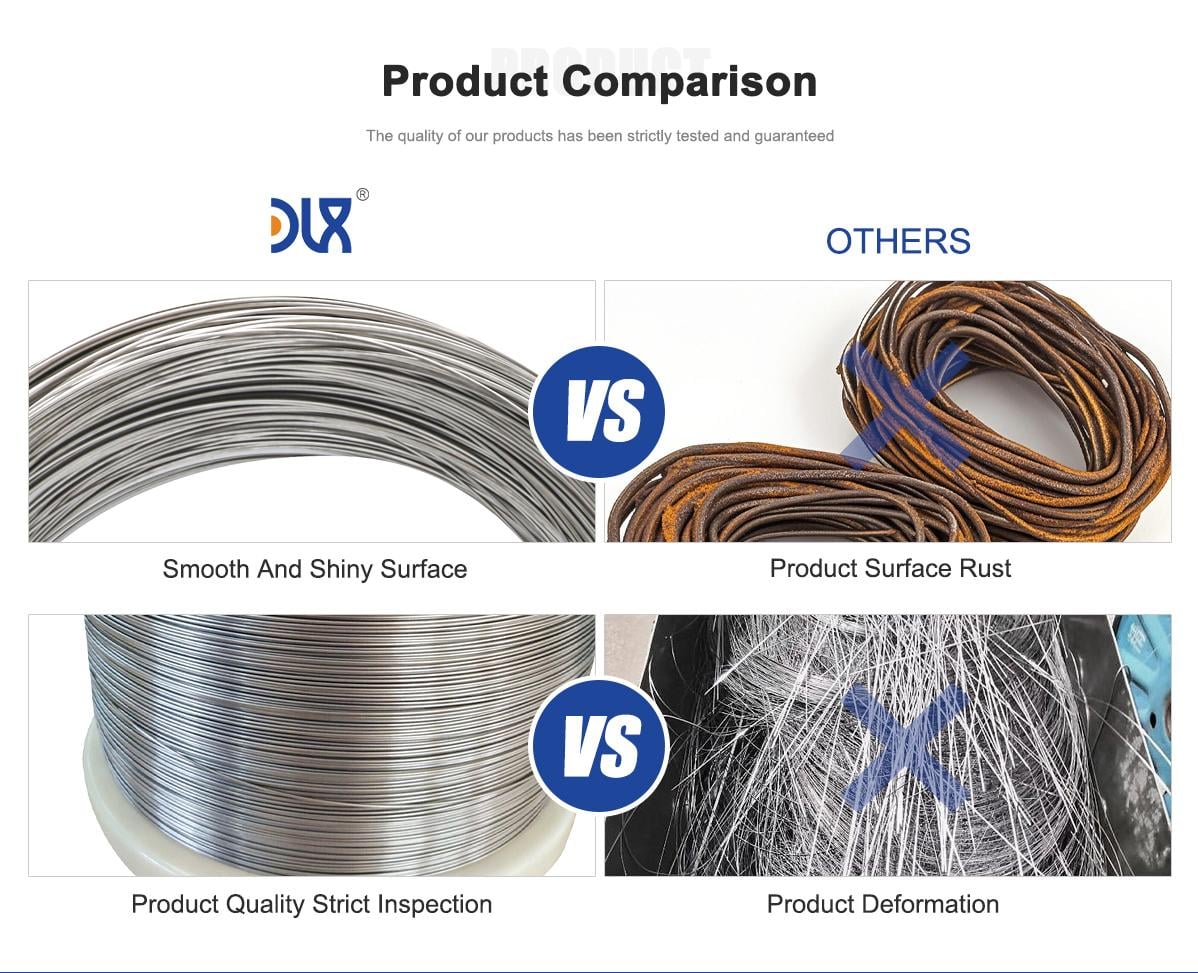
Ultra-Fine Drawing with Mirror Surface: Drawn through laser-inspected diamond dies to ensure uniform cross-sections, eliminating hot spots and local resistance spikes during tight winding.
-
High Linearity & Long-Term Stability: Exhibits negligible resistance drift under continuous electrical load and thermal cycling over extended operating lifetimes.
-
Excellent Enamelling Adhesion: Available with multiple insulation coatings (Polyurethane, Polyesterimide, Polyimide) for high-dielectric winding in dense electronic packages.
Industrial Applications
-
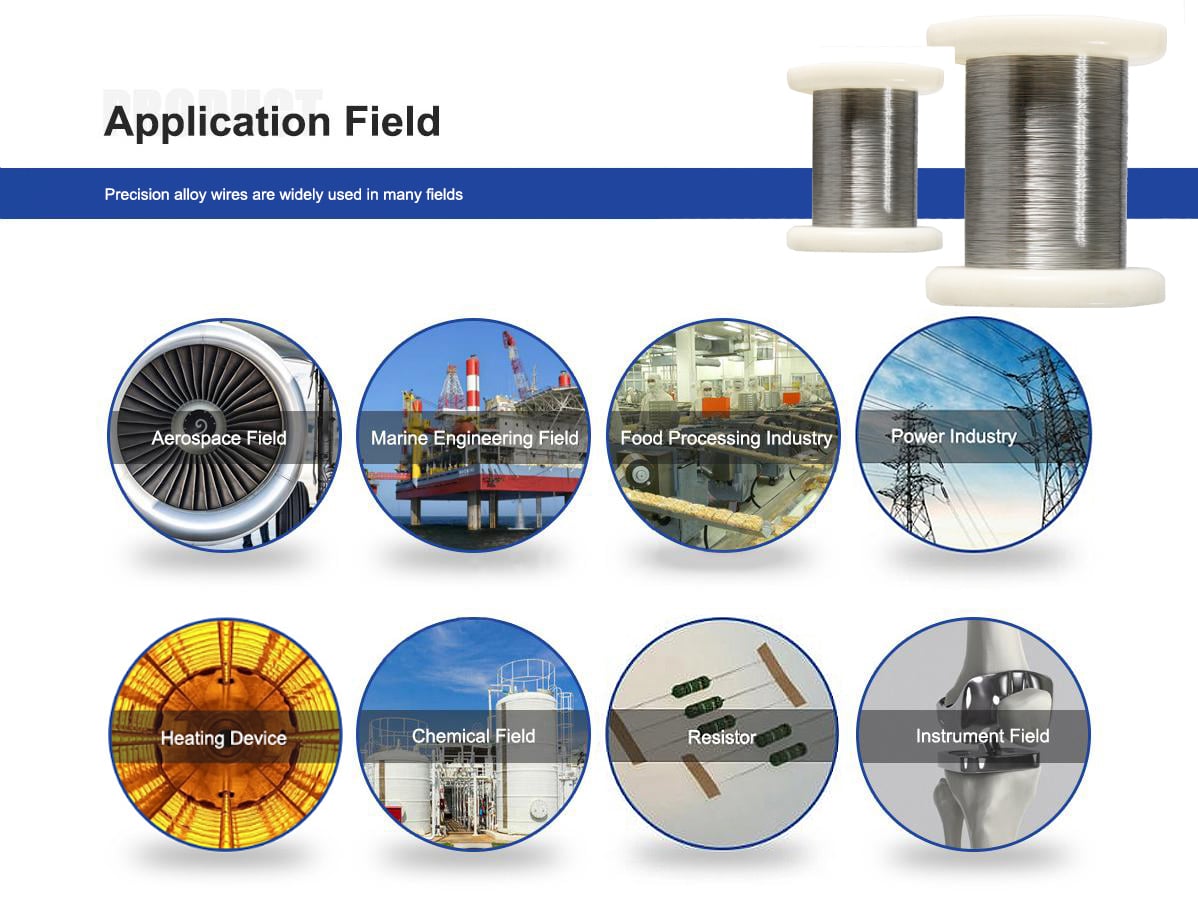
Precision Wirewound Resistors: Standard resistors, decade resistance boxes, calibration shunts, and high-precision SMD power resistors.
-
Strain Gauges & Transducers: Metrology-grade foil and wire strain gauges for aerospace structural testing, medical load cells, and industrial pressure transmitters.
-
Automotive & Aerospace Sensor Elements: Temperature-stable sensing coils and current measurement circuits operating under severe vibration and thermal swings.
-
Metrology & Test Instrumentation: High-accuracy voltage dividers, bridge circuits, and digital multimeter internal reference standards.
-
Specialized Potentiometers: Multi-turn precision potentiometers requiring uniform resistance gradient and high wear resistance.
Why Source 6J22 Precision Alloy Wire from DLX
-
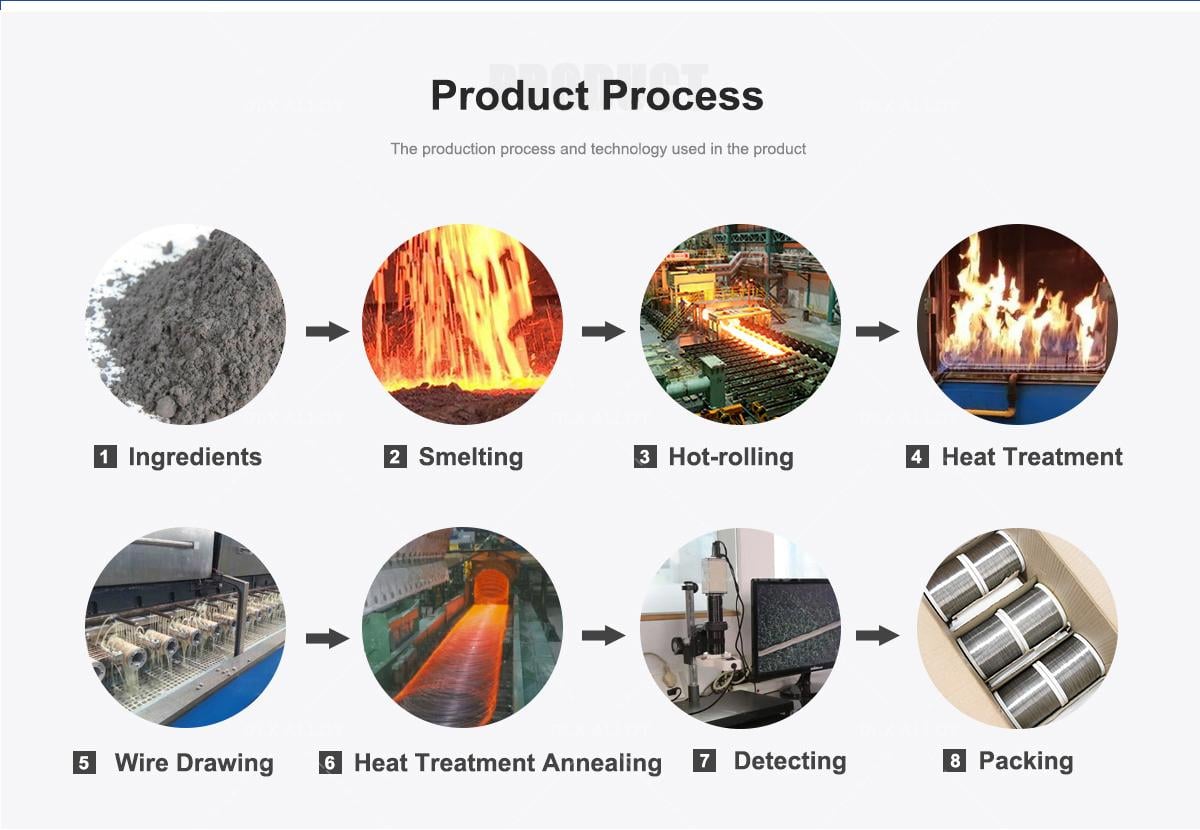
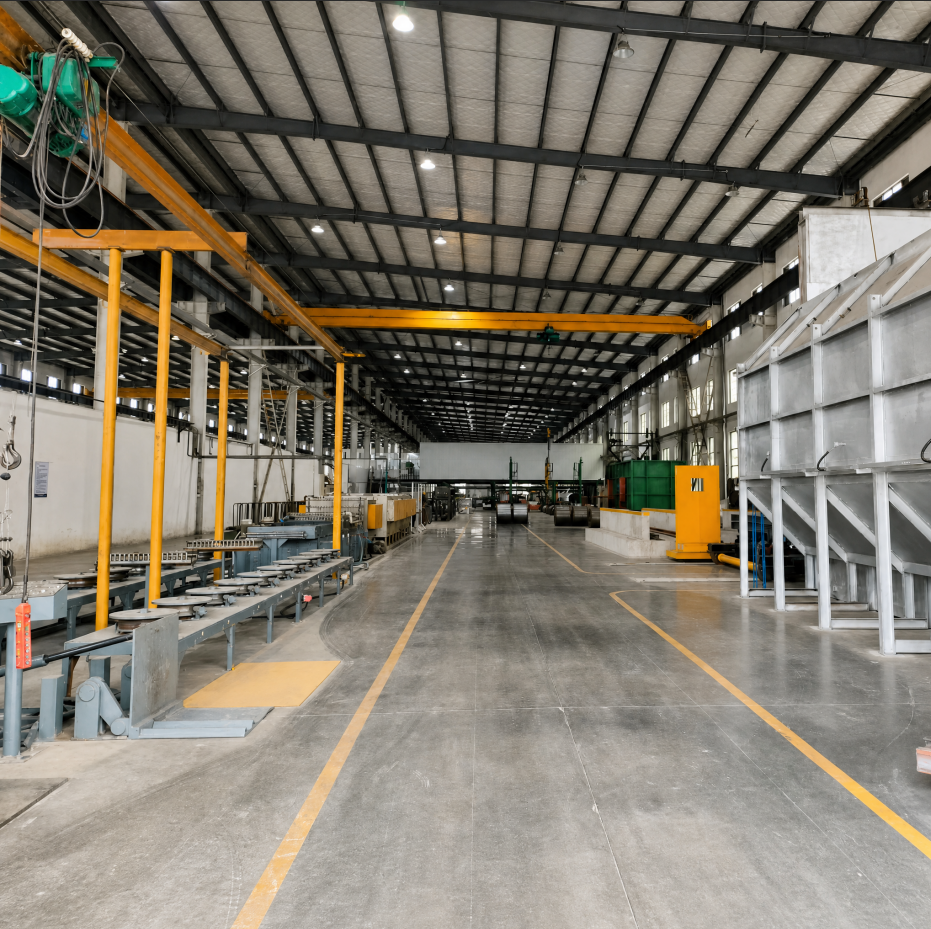
End-to-End Vacuum Induction Melting: Complete control from raw material formulation, VIM melting, electroslag remelting, to ultra-fine wire drawing and controlled-atmosphere annealing.
-
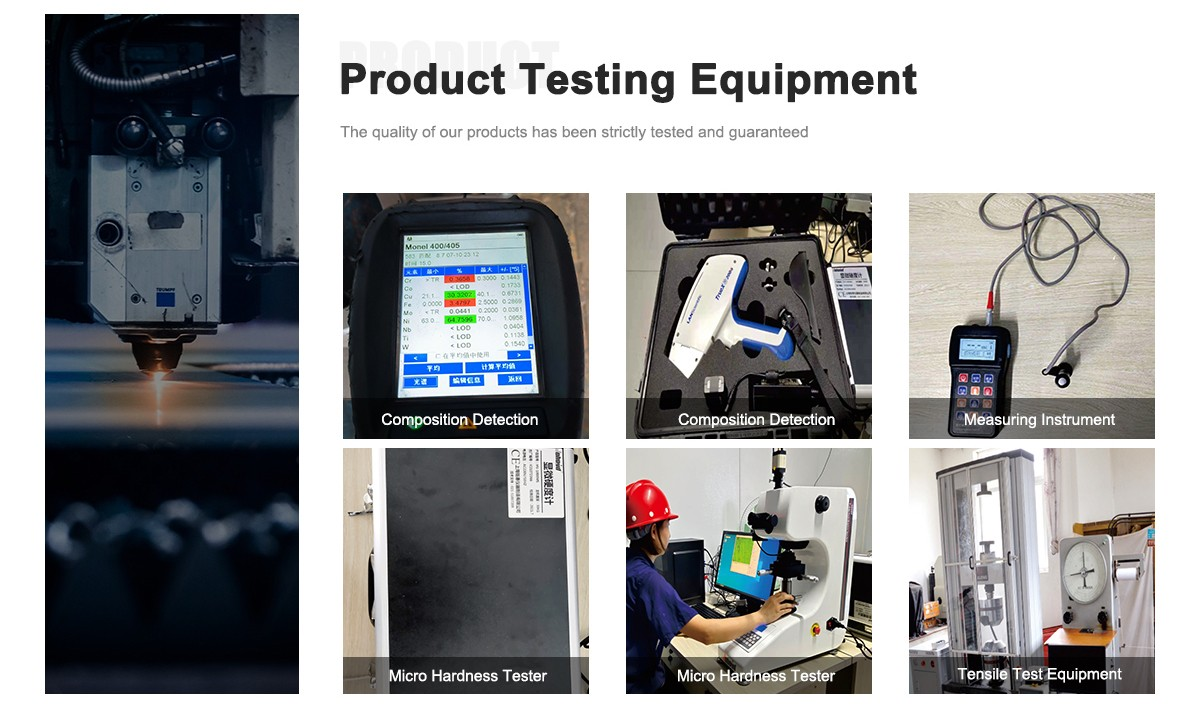
Batch-to-Batch Uniformity: Rigorous inline laser micrometer diameter monitoring and continuous resistance testing ensure zero variance across spools.
-
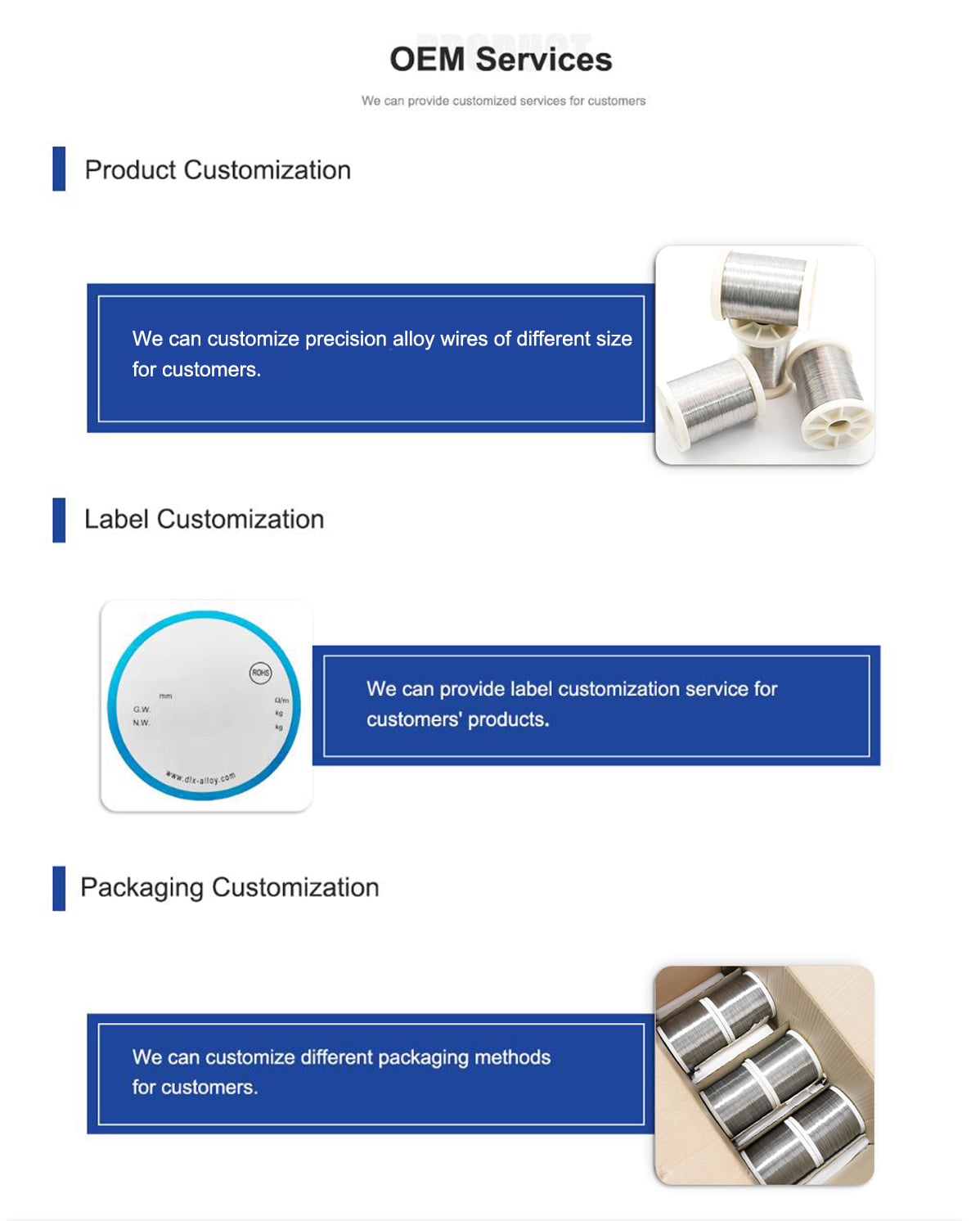
Custom Spooling & Packaging: Available on standard DIN spools (DIN 80, DIN 100, DIN 125, DIN 160) or custom bobbins with anti-tangle winding for high-speed automated winding machines.
-
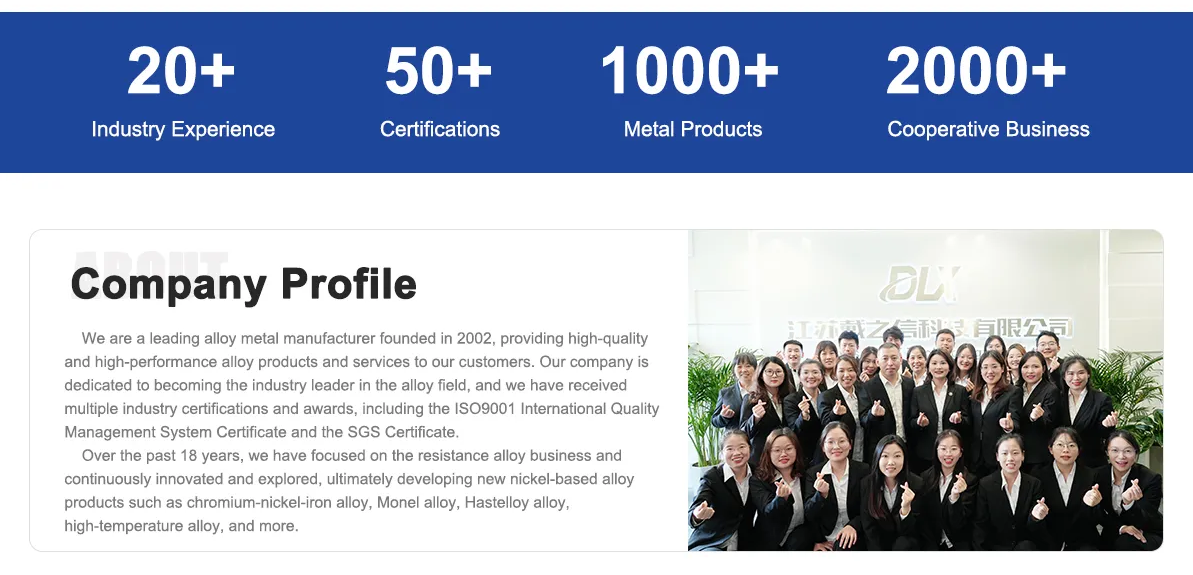
Industrial Scale & Reliability: Supported by an extensive manufacturing infrastructure with over 1,200 tons/month comprehensive special alloy capacity, ensuring stable lead times and scalable global supply.
Frequently Asked Questions
Q1: What makes 6J22 Karma wire preferable to Nichrome or Constantan for precision resistors?
A: 6J22 Karma alloy provides higher electrical resistivity () than Constantan () and significantly lower TCR () and thermal EMF vs. copper than Nichrome. This combination allows for smaller physical resistor dimensions with superior DC accuracy and negligible thermoelectric error.
Q2: Can the Temperature Coefficient of Resistance (TCR) be tailored to specific temperature ranges?
A: Yes. Through proprietary vacuum heat-treatment regimens, we can adjust the TCR curve to achieve an optimal balance around your targeted operating temperature window (e.g., or ).
Q3: What wire diameters and insulation types are available?
A: We supply 6J22 wire from ultra-fine gauges () up to standard wire diameters (). Insulation options include bare bright annealed, oxidized, and enamelled coatings (Polyurethane 155/180, Polyesterimide 200/220) to meet diverse breakdown voltage and thermal class requirements.
Q4: How does DLX ensure resistance uniformity across fine wire spools?
A: Every spool undergoes continuous optical surface inspection, inline resistance monitoring per meter, and full traceability testing to ensure strict mechanical and electrical consistency without breaks or localized diameter necking.