EN

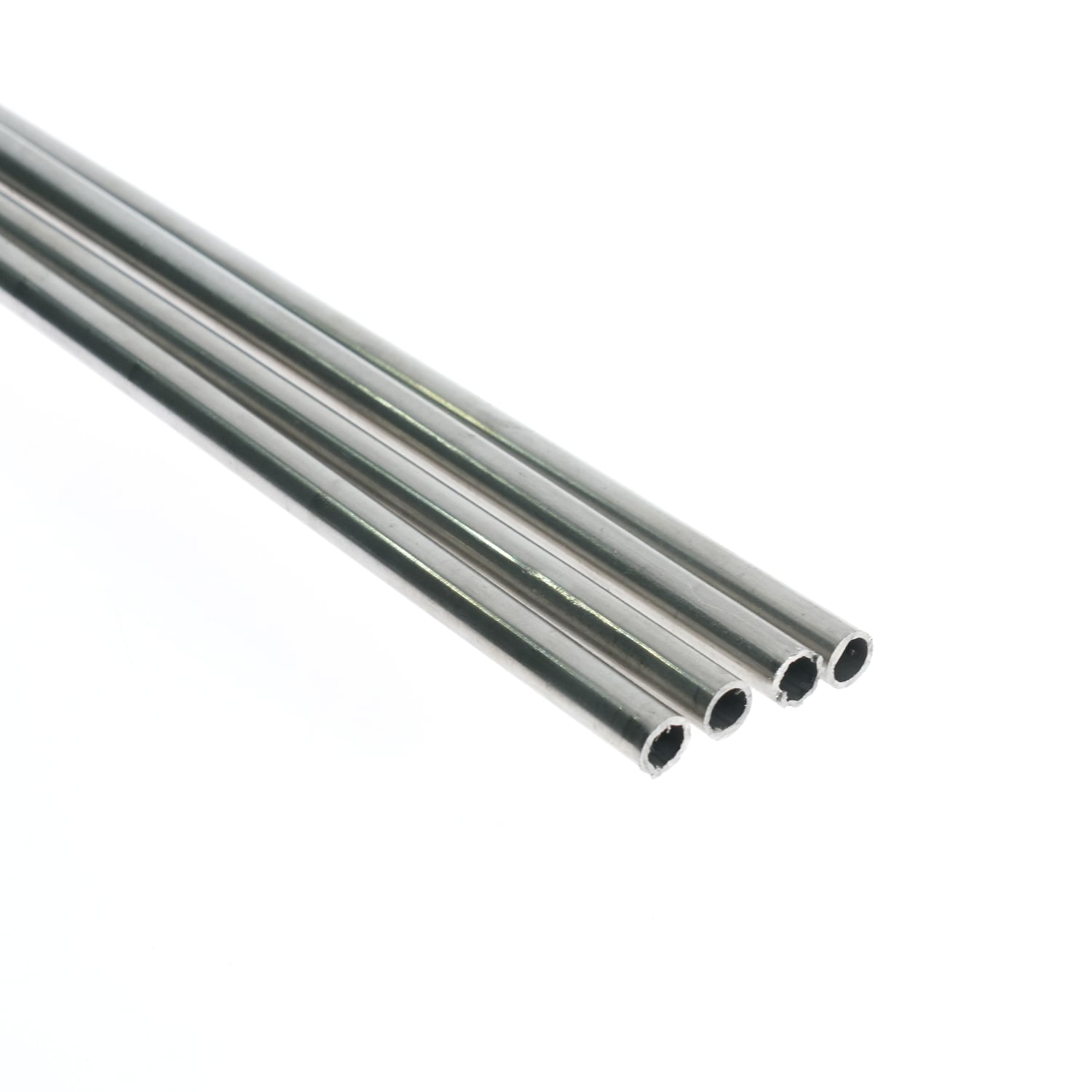
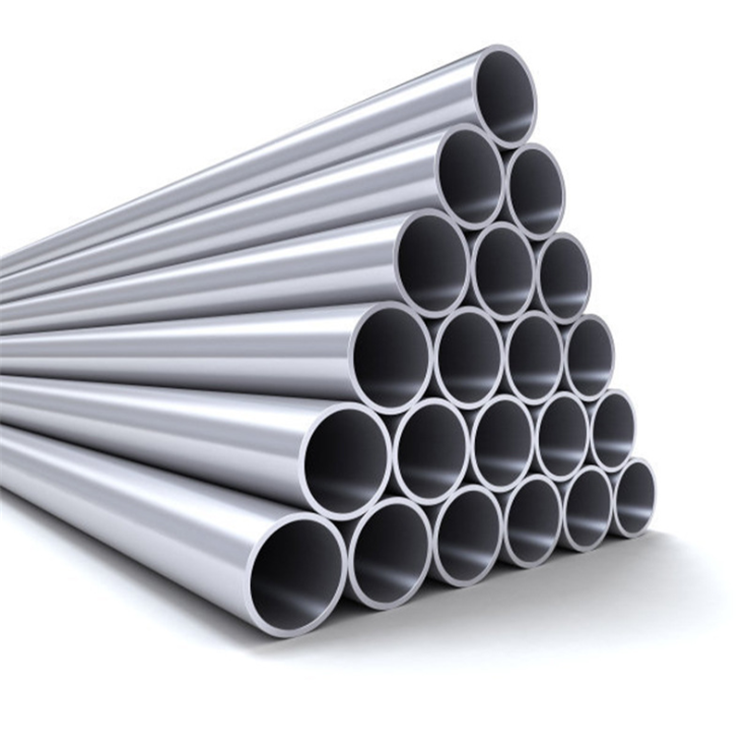
Thermal Stable Seamless Tubing Hastelloy C4 OD 19mm WT 1.5mm For Chemical Condenser
Titanium-Stabilized Nickel Alloy C4 Heat Exchanger Tubes with Superior Intergranular Corrosion Resistance for High-Temperature Acid Condensation
- Overview
- Specifications
- Features
- Applications
- Why-Us
- FAQ
- Recommended Products
Product Overview
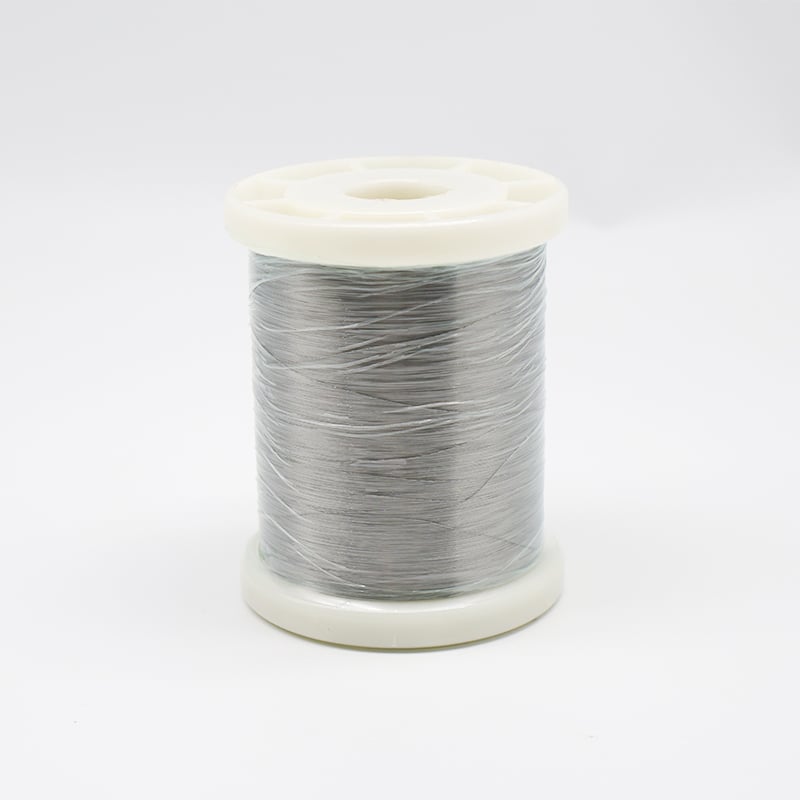
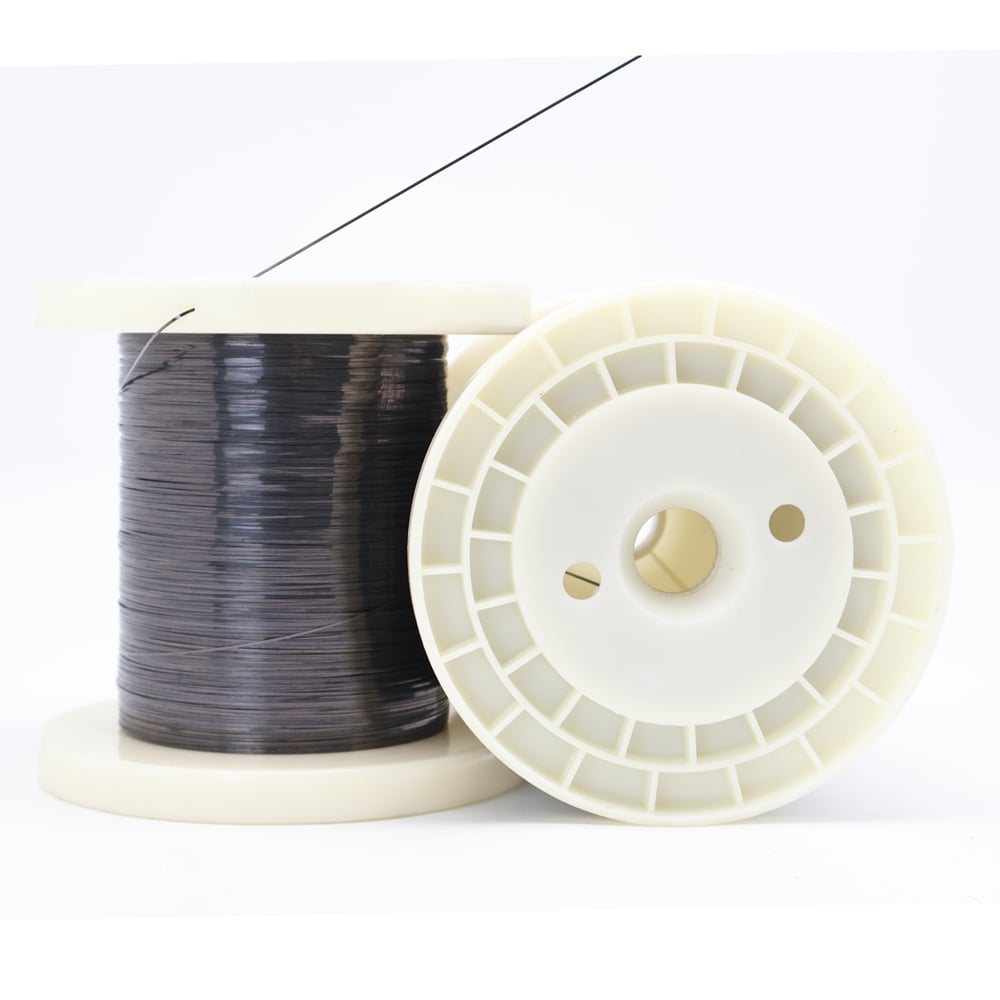
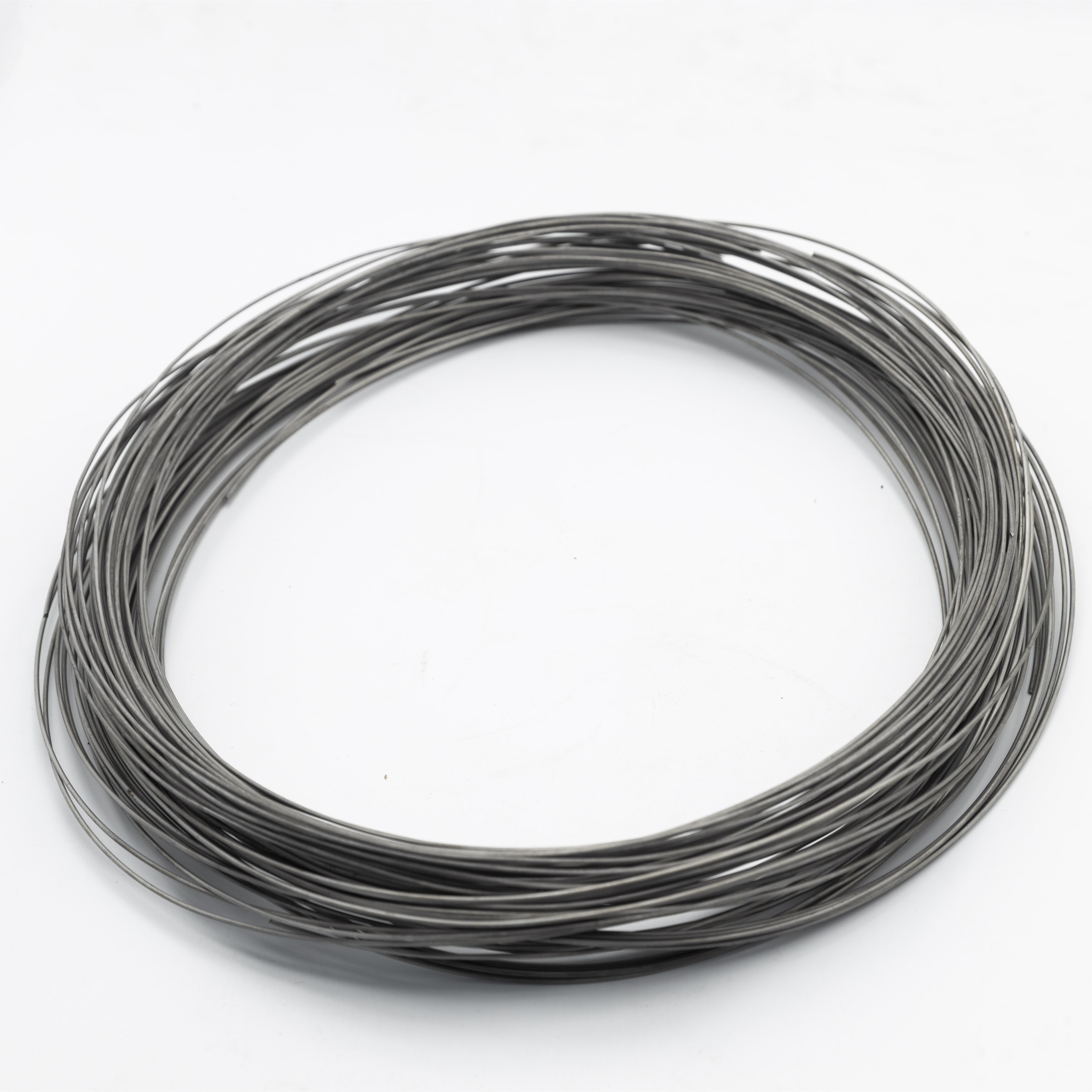
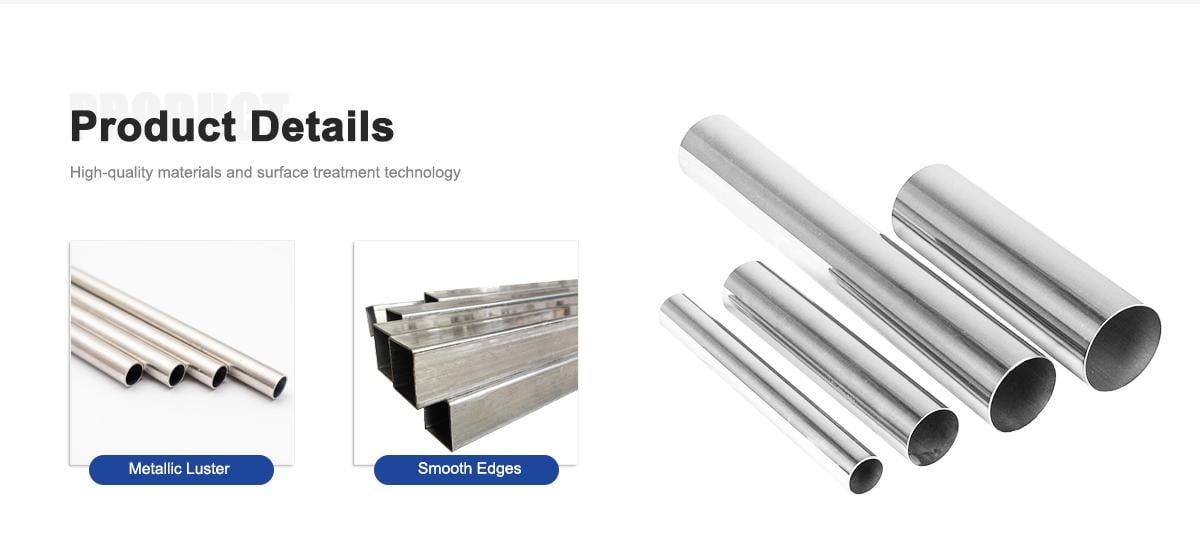
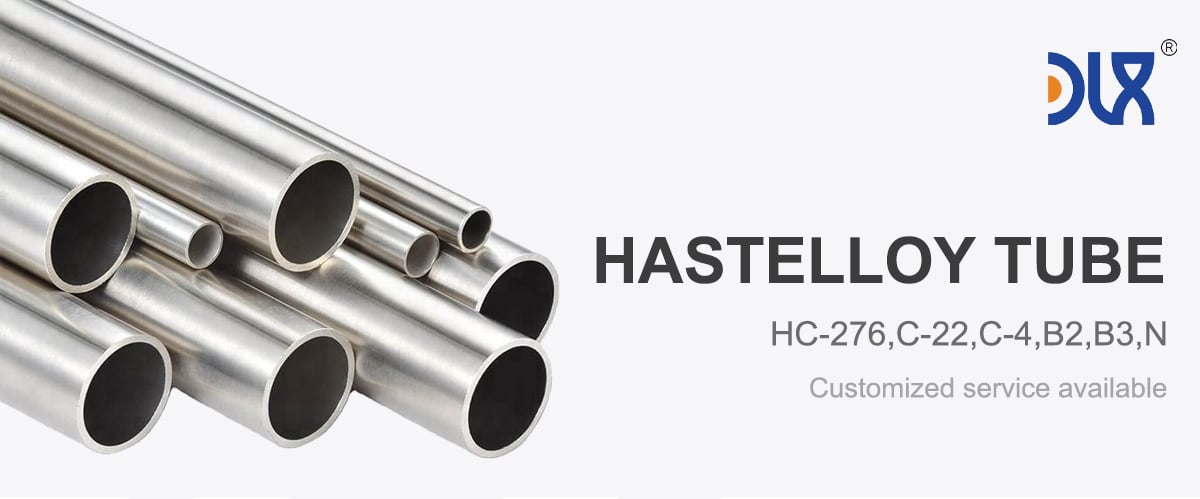
Hastelloy C4 is a premier nickel-base solid-solution alloy modified with titanium stabilization to enhance thermal stability significantly over conventional nickel-molybdenum-chromium grades. Our OD 19mm WT 1.5mm seamless tubing undergoes multiple cold-drawing passes and controlled bright annealing, yielding an ultra-smooth internal bore that minimizes fluid drag, prevents fouling, and guarantees uniform thermal dissipation.
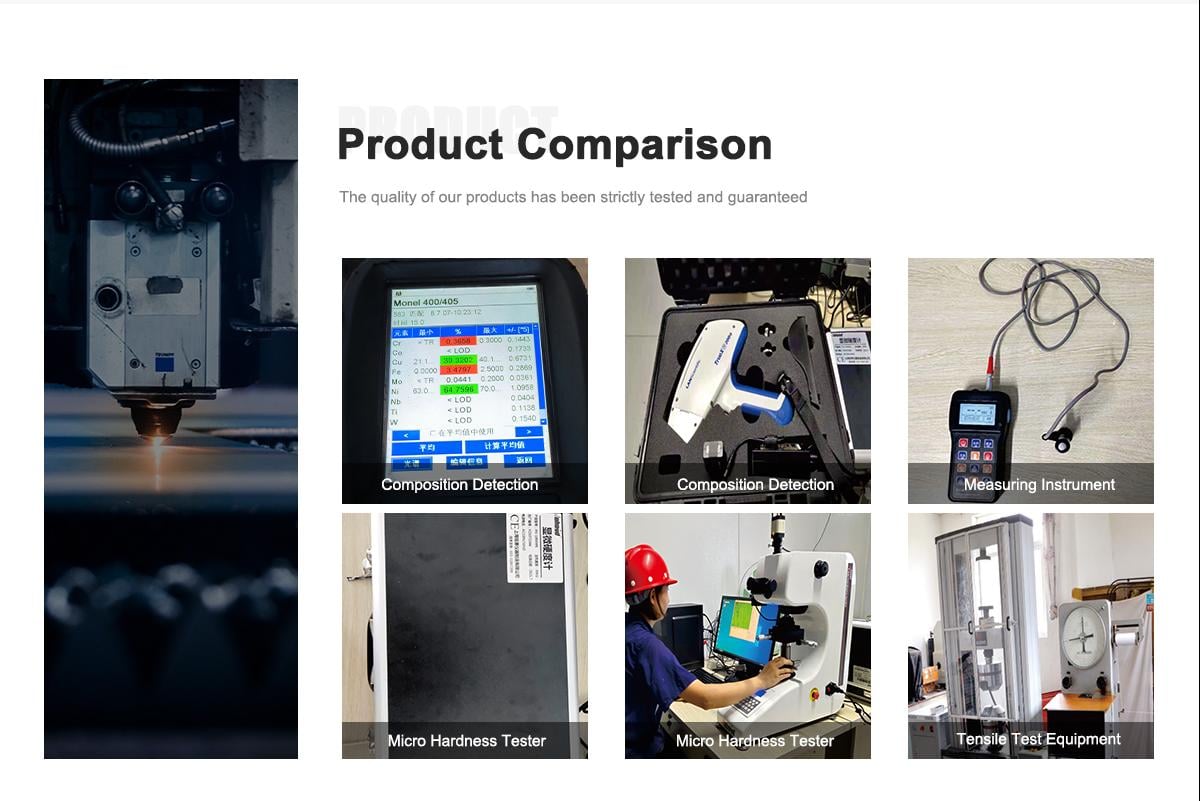
Every tube length is subjected to rigorous internal quality protocols—including 100% digital eddy current testing, hydrostatic pressure verification, and microstructural grain-size evaluation—to verify zero metallurgical discontinuities and precise concentricity for tube-to-tubesheet expansion or orbital welding.
Technical Specifications of Alloy C4 Tubing
Table 1: Quantitative Chemical Composition Analysis (Nominal wt%)
| Element | Symbol | Composition Range (%) | Engineering Function / Metallurgical Role |
|---|---|---|---|
| Nickel | Ni | Balance (~65.0%) | Base matrix providing superior resistance to reducing acids & stress corrosion cracking |
| Chromium | Cr | 14.50 – 17.50% | Imparts robust passivity and oxidation resistance in high-temperature acid vapors |
| Molybdenum | Mo | 14.00 – 17.00% | Delivers critical defense against pitting, crevice corrosion, and non-oxidizing acids |
| Titanium | Ti | ≤ 0.70% | Titanium stabilization to suppress grain-boundary carbide & intermetallic precipitation |
| Iron | Fe | ≤ 3.00% | Residual control for enhanced structural ductility and structural stability |
| Cobalt | Co | ≤ 2.00% | Controlled impurity limit to preserve high-temperature corrosion resistance |
| Manganese | Mn | ≤ 1.00% | Deoxidation and hot-workability control |
| Silicon | Si | ≤ 0.08% | Strict ultra-low trace limit to prevent intergranular phase formation |
| Carbon | C | ≤ 0.015% | Ultra-low carbon melt ensuring high intergranular resistance during thermal cycling |
| Phosphorus | P | ≤ 0.04% | Ultra-low residual limit |
| Sulfur | S | ≤ 0.03% | Ultra-low residual limit to guarantee hot ductility and clean weldability |
Table 2: Physical & Mechanical Properties of Alloy C4 Tubing
| Technical Parameter | Metric / Engineering Value | Test Condition / Delivery Specification |
|---|---|---|
| Density | 8.64 g/cm³ (0.312 lb/in³) | Solid material density at 20°C |
| Melting Point Range | 1350°C – 1400°C (2462°F – 2552°F) | Liquidus / Solidus range |
| Tensile Strength () | () | Solution annealed condition (Room Temperature) |
| Yield Strength () | () | 0.2% Offset proof strength |
| Elongation () | Gauge length = 50mm | |
| Hardness | () | Fully softened solution bright-annealed state |
| Surface Roughness | () | Precision bright annealed / Pickled / Electropolished |
| Standard Dimensions | , | Tight micrometer concentricity & wall tolerance |
| Supply Lengths & Shapes | Up to (Straight Lengths / Precision U-Tubes) | Ready for direct condenser tube sheet expansion |
| Non-Destructive Testing | 100% Eddy Current + Hydrostatic Testing | Zero metallurgical defects / Zero micro-leakage |
Product Features
-
Exceptional High-Temperature Thermal Stability: Titanium-stabilized metallurgy prevents the formation of grain-boundary chromium and molybdenum precipitates in the critical 650°C to 1040°C aging zone, ensuring full ductility and corrosion resistance even after hot forming or thermal cycling.
-
Wide-Spectrum Chemical Resistance: Outstanding resistance to hot contaminated mineral acids (sulfuric, hydrochloric, phosphoric, and nitric acid mixtures), wet chlorine gas, chloride salts, and organic solvents.
-
Superior Resistance to Localized Attack: High PREN value delivers robust defense against pitting, crevice corrosion, and chloride-induced stress corrosion cracking (SCC) in severe condenser cooling waters.
-
Precise Dimensional Uniformity: Outer diameter (OD 19mm) and wall thickness (WT 1.5mm) are controlled within tight micrometer tolerances, facilitating clean, automated orbital welding and secure roller-expansion into condenser tube sheets.
-
High Structural Integrity: Annealed condition delivers balanced tensile strength (≥ 690 MPa) and high elongation (≥ 40%), providing structural durability against high-pressure thermal shock.
Product Applications
-
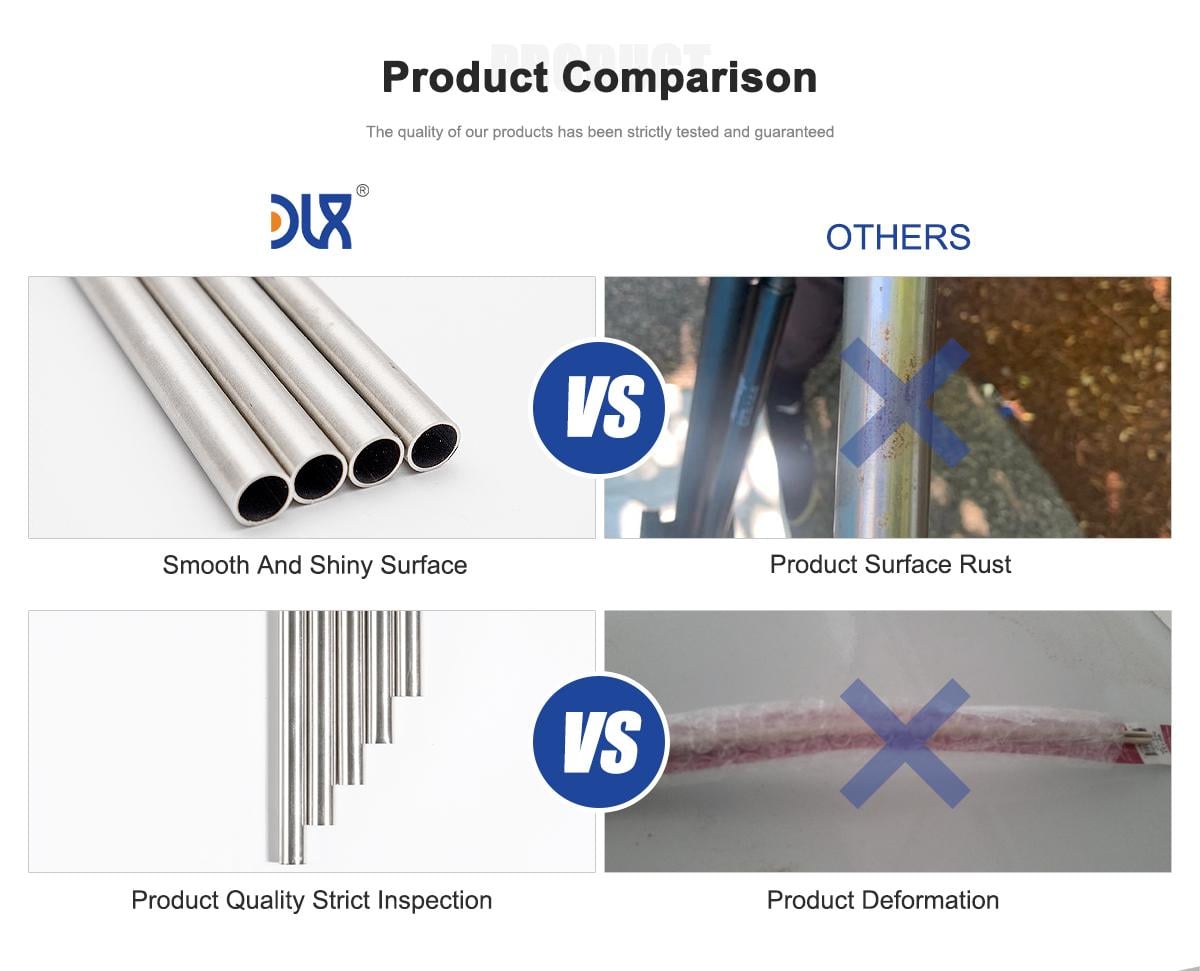
Chemical Process Condensers: Vapor condensing and reflux systems handling hot hydrochloric, sulfuric, formic, and acetic acid streams.
-
Wet Chlorine & Flue Gas Cooling: Condensing tubes for wet chlorine gas coolers, sulfur dioxide scrubbers, and incinerator flue-gas quenchers.
-
Pharmaceutical & Fine Chemical Synthesis: High-purity heat exchangers requiring absolute zero metal leaching and resistance to aggressive organic chlorination catalysts.
-
Petrochemical & Fertilizer Plants: Condensers handling hot contaminated organic and inorganic acid mixtures, ammonium nitrate coolers, and sour gas processing units.
-
Offshore & Marine Heat Exchangers: High-efficiency tubular coolers exposed to heavy chloride, sea mist, and acidic condensate mixtures.
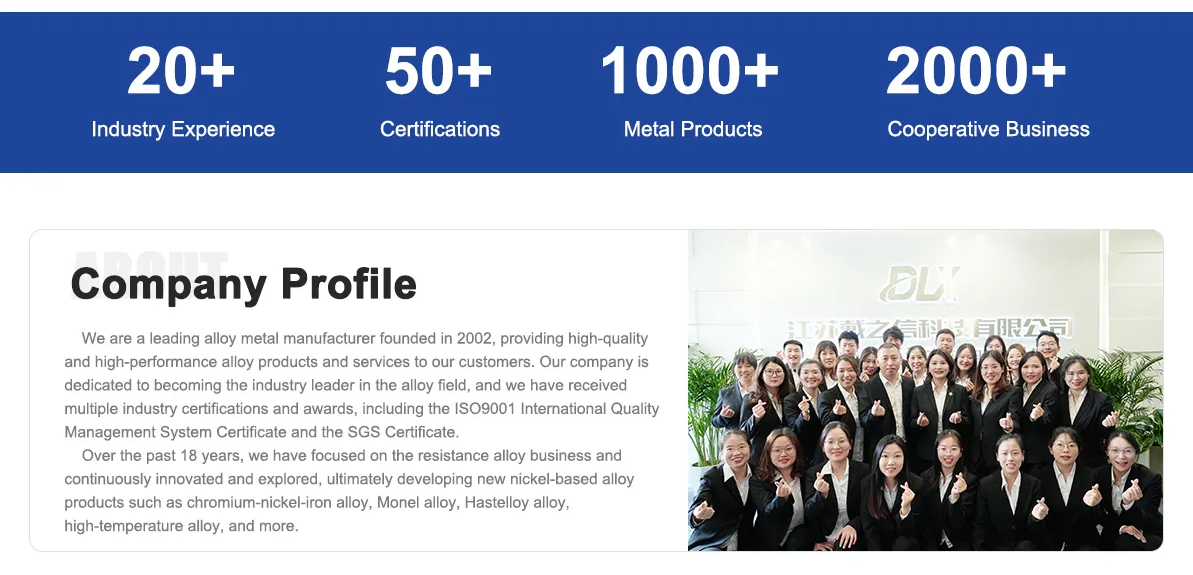
Why Choose DLX Alloy
-
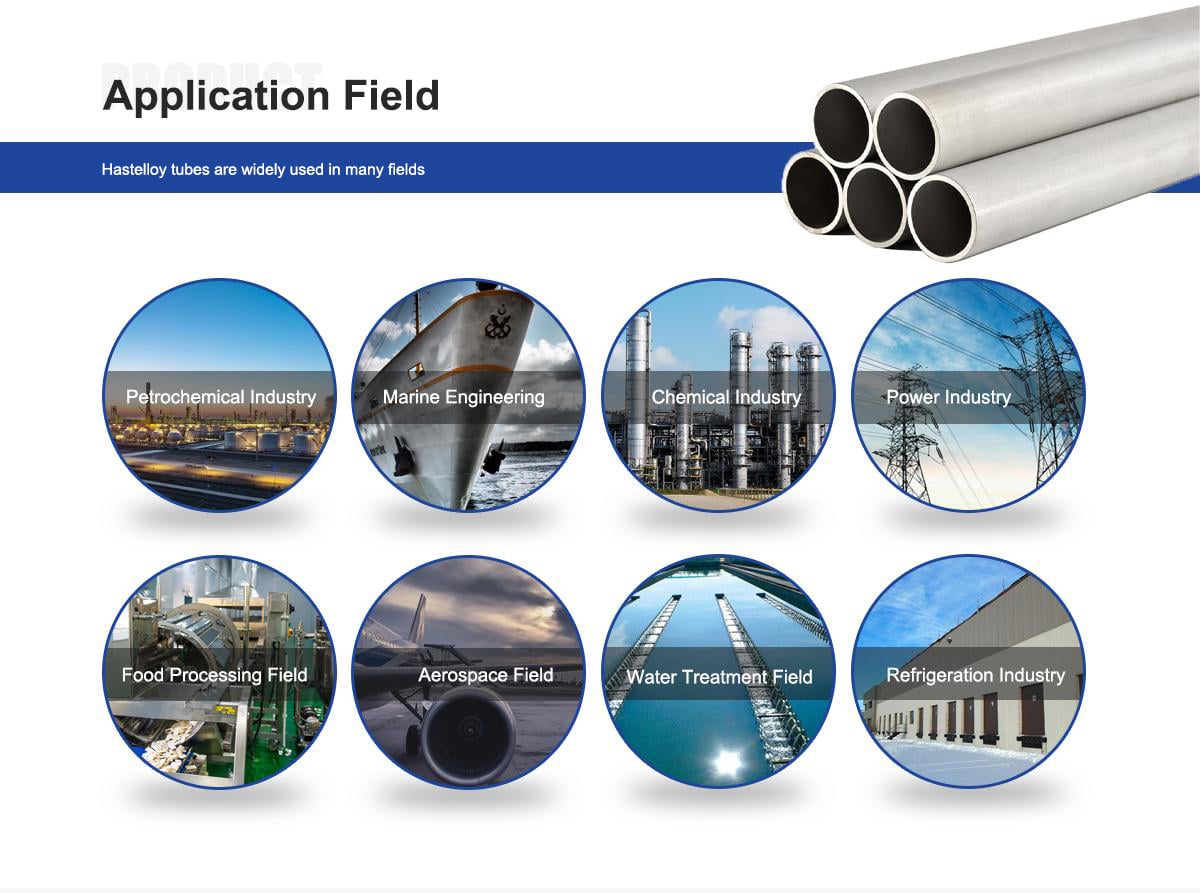
Integrated Melt-to-Tube Manufacturing: Full-chain processing from vacuum induction melting (VIM) and electroslag remelting (ESR) through precision cold pilgering and drawing.
-
Substantial Scalable Supply: Operating a monthly output capacity of 1,200 metric tons, ensuring stable lead times and volume availability for critical engineering projects and turnkey refinery upgrades.
-
100% In-House Non-Destructive Testing: Every single tube undergoes digital multi-channel eddy current inspection, hydrostatic testing up to high design pressures, and dimensional PMI verification prior to dispatch.
-
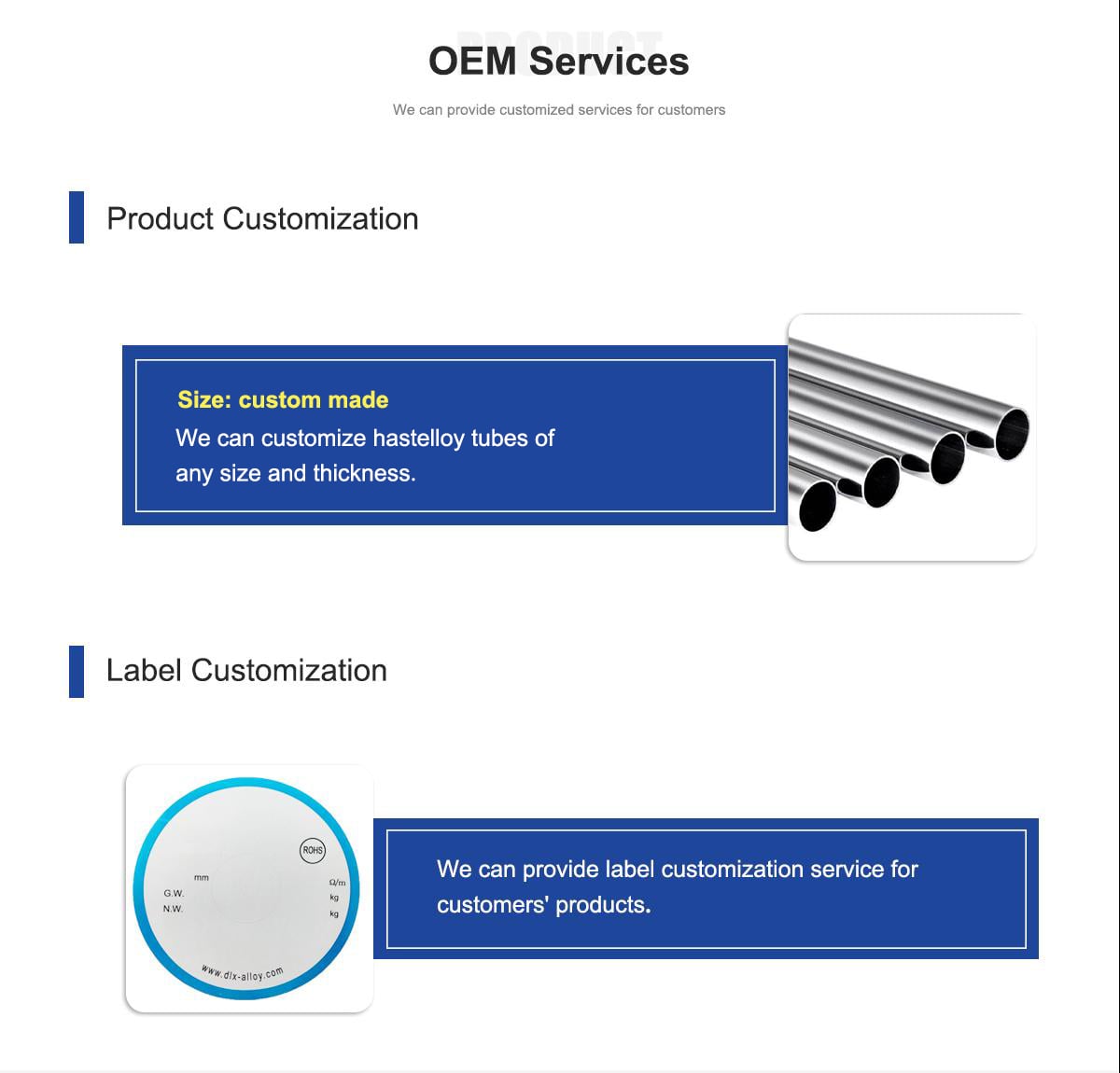
Tailored B2B Project Service: Flexible MOQ scheduling configured according to project specifications and custom length requirements; export-grade seaworthy packaging in fumigated reinforced wooden crates.
Frequently Asked Questions
Q1: Why is Hastelloy C4 preferred over Alloy C276 for high-temperature chemical condensers?
A1: While both alloys offer outstanding general corrosion resistance, Hastelloy C4 features titanium stabilization and reduced tungsten/iron levels. This composition minimizes grain-boundary carbide and intermetallic phase precipitation during continuous exposure at 650°C to 1040°C, retaining high ductility and intergranular corrosion resistance in hot condensates.
Q2: What non-destructive inspection methods are implemented on OD 19mm WT 1.5mm tubes?
A2: All DLX Alloy tubes undergo 100% digital eddy current testing for surface and sub-surface flaw detection, hydrostatic pressure testing, ultrasonic wall thickness scanning, and positive material identification (PMI) spectral analysis.
Q3: Can DLX Alloy supply these tubes as pre-formed U-tubes for condenser bundles?
A3: Yes. We provide full U-bending services in accordance with condenser bundle layout drawings, complete with post-bend localized stress-relief annealing and dimensional radius inspection.
Q4: What is the minimum order quantity (MOQ) and packaging standard for international shipment?
A4: We implement dynamic MOQs tailored to specific production campaigns and cut-to-length requirements. Tubes are thoroughly cleaned, end-capped with protective PE plugs, wrapped in moisture-barrier film, and packed into reinforced plywood cases suitable for air, sea, or multimodal container transport.