
 EN
EN
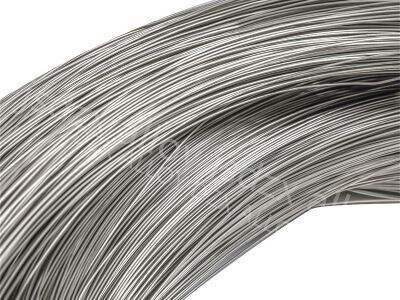
Corrosion is a big issue in offshore engineering. Structures, whether oil rigs or wind turbines, are out on the ocean where saltwater can be particularly damaging. And that is where thermal spray wire plays an important role. It's a kind of special wire that helps to preserve these crucial structures from rust and wear. You will find high quality thermal spray wire from DLX, which is important to ensure that offshore projects remain strong and durable. By applying that technology’s principles, engineers can allow these structures to have a second life, extending their lifespan and saving money in the long run. Having an understanding of how this wire functions and selecting the right one is critical in any offshore program
The Role of Thermal Spray Wire in Extending the Life of Offshore Installations
Now, whenever you think about those offshore structures, think of them as supported by water and wind. This steady exposure can lead to larger issues, such as damage from rust or wear and tear on materials. Thankfully, thermal spray wire helps circumvent these problems. This wire is built to endure, as it can be melted and sprayed onto surfaces. It forms a tough protective layer on the metal that acts as a barrier to the salty air and water, which would cause corrosion. And they and other such companies, like Tribalco and DLX, protect those important structures by spraying them with thermal spray wire to protect them against anything. Think of an oil rig in the middle of a storm. The thermal spray wire assists them in staying protected from elements that may cause damage while also allowing it to continue performing its important function. There is also the matter of different material thermal spray wire that can be used, allowing manufacturers to choose what best fits within their structures as well. This allows them to make decisions based on the type of wear they anticipate. For instance, if a project is proposed in an area with especially salty water, engineers can select one that is designed for additional protection. In total, the application of thermal spray wire can extend an offshore structure's life by many more years, making it operational for longer periods and likely needing fewer repairs. Every penny invested in this technology is paid back considering how much longer these buildings will survive
Selecting the Correct Thermal Spray Wire For Your Job
Picking the perfect thermal spray wire can be difficult in the beginning, but it doesn’t have to! First things first: Familiarize yourself with the project’s environment. Is it located in a place with plenty of saltwater? If so, then perhaps you need a very corrosion resistant wire. DLX has different kinds of thermal spray wires to meet different requirement. Then consider the building material of the structure. You won’t want to pick a wire that doesn’t stick very well or is not protective enough. Also, how much of a layer do you want it to form? Some jobs only require a thin coat of protection, while others might need a thicker layer to protect yourself from harm. That’s another aspect DLX can help us with, talking about what the correct thickness is for the job
Be sure to also review the project budget. The best wire isn't always the cheapest, but you'll spend less overall if there are fewer repairs later on. It should be up to the project managers and engineers to talk about what’s important in their unique situations, lest they fail to have a candidate that works for them. Communication is key! If you communicate to the folks at DLX what sort of challenges you're looking for, they can steer you toward the perfect wire pick. Including professionals can help you make the best decision for your project’s success and be a whole lot less expensive in the long run, preventing mistakes that could cost a lot more. With the proper thermal spray wire, your offshore structures will be strong, dependable and have a long life
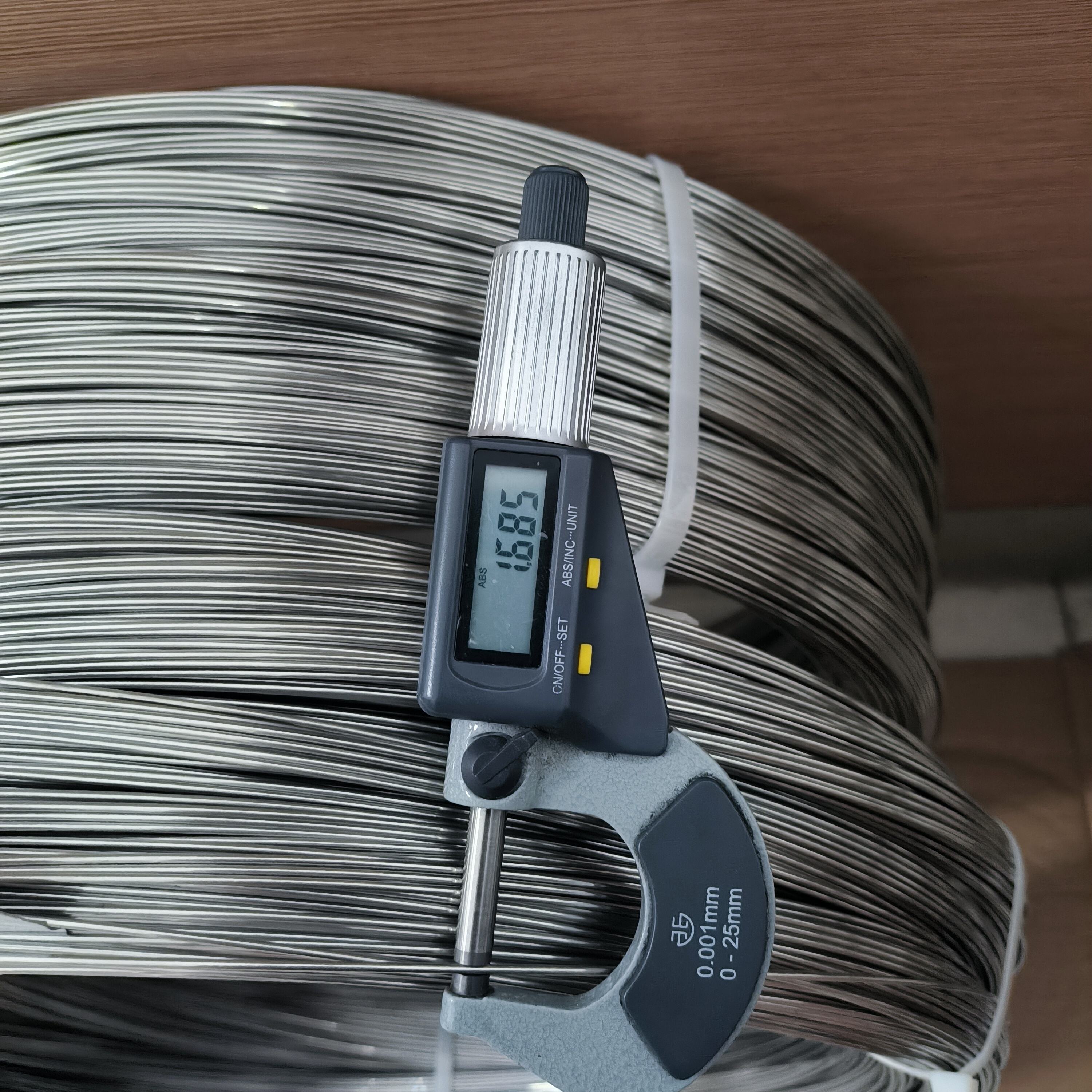
What Are The Main Benefits of using Thermal Spray Wire in a Hostile Marine Environment
Why, in offshore engineering, things are tough. Over time, the materials steam is built on can really start to take a hit from the salty sea, strong winds and heavy waves. That is why we need strong solutions to protect our structures, specifically those built of metal. One option is thermal spray wire, which companies like DLX are using to combat corrosion. Then, what is so interesting about thermal spray wire? For one, it acts as a coating or barrier on metal. That layer consists of tiny particles that melt and stick to the metal as part is heated and sprayed. As the particles cool off, they harden to form a shield. This shield protects the metal from water, salt and other damaging elements. This makes the metal less likely to rust or corrode, making it stronger and more durable
Another benefit to using thermal spray wire is that it is able to be applied to many shapes and sizes. For offshore engineering, which includes oil rigs and wind farms snaking across the water in various forms, this is a critical difference. DLX’s TSA (Thermal Spray Aluminium) wires can be easily sprayed on all corners and edges of these shapes. This will protect the metal all throughout. And, the use of the thermal spray wire is not time-consuming. Application is quite rapid, so that way workers can reenter sites quickly and safely
Finally, thermal spray wires are highly adaptable. The type of wire may change depending on what the structure requires. Some are designed to withstand high temperatures; others extreme pressure. It is this capability that allows DLX to offer the perfect solution for any particular requirement, keeping you safe from the worst of what the sea can throw at you
How Thermal Spray Wire Can Reduce Maintenance Costs in Offshore Engineering
Offshore structures are also expensive to maintain. Workers need to frequently check for rust and other damage, you see, which costs a lot of time and money. But by using thermal spray wire, these maintenance budgets can be drastically reduced. Thermal spray wire is used to coat structures, making them heavily resistant to corrosion. This makes them less likely to need a repair or replaced as often
When you can keep the metal protected from the salty atmosphere, operations like DLX’s can reduce how often maintenance is required. If there’s a structure that doesn’t rust quickly, workers don’t have to check it or fix it as often. The team can now move on to other projects instead. This would end up making everything much more efficient, and saving a ton of money in the end
Having fewer repairs also reduces the amount of time workers are diverted from their main job. This productivity boost is also a money-saver for companies. Although the initial investment in applying thermal spray wire may cost more, what you'll save from minimal maintenance and fewer repairs could make it worth your while. Ultimately, businesses can make more money and also be assured that their offshore structures are safe and strong
What are the Recent Developments in Thermal Spray Wire Technology
If there’s one thing that never stands still, it’s technology and the same can be said of thermal spray wire. DLX is leading the way in these developments too, ensuring we have the best available tools to protect offshore structures. Among the latest trends are specialty spray materials. Engineers are producing thermal spray wires that are more robust and offer better corrosion resistance than ever. This shows that with every step forward, we are getting closer to a perfect solution tailored for protecting metal in the harsh environments of our seas
Another development is the capacity to coat metals with extremely light but tough layers. Thinner layers need less material and still offer great protection. It’s really cool because not only is it cheaper, but I have less waste. It also contributes to the keeping of the structures low and light, which is a priority in some offshore applications
Besides, there are new approaches for the co-feeding of thermal spray wire. Some firms, like DLX, are using machines to spray wires onto large construction sites. It may help to speed up the process and to make the application more even. By offering automation, workers can be safer and spent time on other critical job tasks while being able to rely on the fact that the coating will be applied properly
At the end of the day, this positive impact bodes well for some very exciting developments in wire technology applied to thermal spraying. And companies such as DLX continue to test out new materials and methods that do an even better job of protecting offshore structures. When these developments occur, the battle against corrosion and degradation will be fought more successfully and offshore engineering promises to be safer and more dependable for all
Table of Contents
- The Role of Thermal Spray Wire in Extending the Life of Offshore Installations
- Selecting the Correct Thermal Spray Wire For Your Job
- What Are The Main Benefits of using Thermal Spray Wire in a Hostile Marine Environment
- How Thermal Spray Wire Can Reduce Maintenance Costs in Offshore Engineering
- What are the Recent Developments in Thermal Spray Wire Technology