
 EN
EN
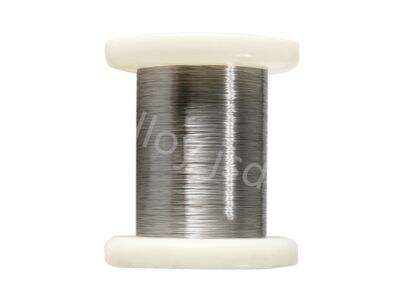
Each day, doctors and engineers collaborate to make health care better. One cool way they are accomplishing this is through strong, lightweight materials. In 2026, a special type of metal called titanium alloy is becoming more common for implants. These implants assist those who require surgery in order to mend bones or joints. DLX is at the forefront of this development, which is enabling 3D printed titanium alloy implants to be made. These new technologies are altering the way implants are made and what they cost for patients. In this article, you will find out how 3D-printed implants are increasingly getting more affordable and discover the latest advancements in titanium metals alloy technology that looks to be changing forever the way health care is done.
What Is the Economic Benefit of 3D-Printed Titanium Alloy Implant?
There were many ways in which using 3D printing for titanium alloy implants also could save money. For one, 3D printing an implant is faster than traditional techniques. When makers like DLX use 3D printers to make implants, they are able to print precisely what is needed with no excess. This speeds the process, and makes it also far cheaper, which is good news for patients requiring these surgeries. The processes typically result in more material than is used and is often recycled or thrown away. 3D printing furniture offers a third type of environmental advantage: Because each implant is printed to the precise size and shape required, there’s almost no waste. This lowers the expense for hospitals, which can in turn pass along those savings to patients.
The cost of getting supplies for surgery can also be very high. Traditional approaches are labor intensive and require complex machinery to fabricate implants. DLX, however is changing all that by developing proprietary technology to minimize production costs. This translates into implants that can be made on a faster schedule at a lower cost. So lame, but at some point you may need surgery and not worry about how to pay for it. That’s where 3D-printed titanium pipe alloy implants come in.
Aside from that, medical insurance can be difficult to comprehend, and many patients aren’t sure what a surgery costs. Now, thanks for 3D printing technology, patients can get an idea of what their implant surgeries will cost. Because these implants cost less to produce, hospitals can better estimate how much patients should expect to pay. This can enable patients and their families to be prepared, making health care a little more manageable.
Finally, when a manufacturer such as DLX makes 3D-printed implants, they tend to seek to make the materiAls better themselves. And titanium alloys are wonderful, because they’re strong but also very light, so they don’t make the patient heavier. This results in less discomfort as patients recover. And a lighter implant has another advantage: Patients can more quickly return to their regular lives, resulting in fewer hospital trips and less missed work. This is yet another example of how 3D printing can be useful.
The Revolution of Implant Manufacturing Thanks to 2026 Titanium Alloy Technology
2026 and some exciting things about how titanium alloy implants are made. Manufacturing breakthroughs are disrupting the status quo. DLX is on the cutting edge of this exciting change by working to enhance how implants are made. The traditional process for making implants wasn’t very adaptable. Once a mold was made for an implant, it was difficult to make changes. Not any longer, at least with new titanium wire alloy approaches. Instead, engineers can now design implants on a computer and print them instantly using 3-D printers. If a physician requires something in a special shape or size for a patient, this can now be achieved. Such personalization is necessary to get the best care possible for each patient.
Also is the use of improved titanium alloys. These new materials aren’t just strong, but they encourage the implants to play nicely with the human body. In the past, some implants proved problematic for patients, leading to allergies or infections. The latest titanium alloys are intended to be even more compatible so they pose less risk to patients who require implants. DLX uses a variety of materials to make titanium alloy which is durable and biocompatible. This makes the process much less stressful, because fewer people need to be concerned that their body will negatively react to a foreign object.
Advanced technology is another major impetus. At DLX, ancient implants are a product of high technology in ways not feasible before. This means that the quality of the implants is getting better all the time. There is more precision in each implant, and a better fit and healing for the patients. It allows the surgeons to implant these pieces more precisely, for successful surgeries more often.
In addition, the trend of the robots market in manufacturing is growing. There is a lot of automation involved in creating titanium alloy implants faster and with less hassle. Automated cleaning equipment also allows for less room for human error. That’s important, particularly if we’re talking about health care products. In a world in which time is of the essence, to have that speed to market with new and improved implants can be life-saving.
Put another way, in all of these advances, titanium alloys are the wave of the future. They’ll make surgery easier and safer for everyone who needs it. With DLX leading the way, there are sure to be many more milestones in medicine. Patients and the medical profession ahead here is just the beginning.
Where to Shop For Great Price Wholesale 3D Printed Titanium Implant Deals?
3D-printed titanium implants will be in high demand by 2026. These are the implants performed during medical procedure for body and joints. Hospitals and doctors want to purchase these implants in bulk, which is where wholesale deals come in. Wholesale means buying a lot of products for less money. Search online marketplaces to source the top wholesale 3D-printed titanium implants for best deals. For bulk orders, web sites such as DLX have come in at fantastic prices. They themselves have decent products, so you can have a little confidence in them when it comes to your medical needs. Trade shows are also a good place to look. These programs typically include companies that are manufacturing new medical devices and titanium implants among them. At fairs, you have the opportunity to meet with the sellers and in some cases negotiate better prices face-to-face. Local medical supply stores may also cut a deal for larger orders. It’s worth calling to see if they have any promotions. As well as joining medical and health organizations, which can point you to reliable suppliers. Good deals are often shared among these groups. Finally, remember to factor social media and online forums into your decision. There are many professionals who share advice on where to find the best prices. You can browse these resources to find low-priced, high-quality titanium implants to suit your needs.
Selecting the Right Alloy of Titanium for Your Implant Requirements
It is important to make an appropriate choice of the titanium alloy for an implant, because it influences how well such an implant will function in contact with a body. There are a variety of titanium alloys, all with their own strengths and weaknesses. The most widely used titanium alloy for implants is Ti-6Al-4V. It is a strong, light material and can be used for orthopedic implants. But you should also take into account the individual needs of the patient. Doctors, for example, could search for a titanium alloy less likely to provoke an allergic reaction if a patient has a metal allergy. Another consideration to keep in mind is the type of operation. Some alloys are better suited for certain surgeries than others. It’s also helpful to solicit a referral from a doctor or surgeon familiar with titanium implants. They can be there to steer you toward the best fit in each circumstance. The track record of the company you buy from, such as DLX, will also matter. Specialty companies that make titanium implants often are aware of the latest technology and can help you make a good decision. And, as usual, the best alloy in a given patient’s case is what science and good medical counsel will prescribe.
What will the Market Size for Titanium Alloy Implant be in 2026?
Looking toward 2026, there are many interesting trends in titanium alloy implants. These trends demonstrate how technology and medicine to are converging to aid patients heal better and faster. One of the major trends is the incorporation of 3D printing. This technique is useful to preoperatively create a custom implant specific to the patient. No longer does one size fit all; doctors can make implants that conform precisely to the shape and need of a person’s body. This makes the pain and recovery time less. Another trend is the design of novel titanium alloys. The researchers are now trying to make the materials even lighter and stronger. This allows for thinner implants that still provide excellent support. Another trend is biocompatibility. Essentially this means that the materials used in the implants are compatible with the body and don't cause negative reactions. Companies such as DLX analyze this to guarantee the safety of their implants. There is also an effort to develop environmentally sound manufacturing processes. Humanity and health are also very conscious of their impact on this planet, so it's not just a question about major advances, but that we are looking for different ways to fabricate implants and being less aggressive with the environment is something that concerns us. All of these progress indicate that the future for the application of titanium alloy in implants is becoming brighter and brighter, thus giving hope to those patients who require surgery.
Table of Contents
- What Is the Economic Benefit of 3D-Printed Titanium Alloy Implant?
- The Revolution of Implant Manufacturing Thanks to 2026 Titanium Alloy Technology
- Where to Shop For Great Price Wholesale 3D Printed Titanium Implant Deals?
- Selecting the Right Alloy of Titanium for Your Implant Requirements
- What will the Market Size for Titanium Alloy Implant be in 2026?