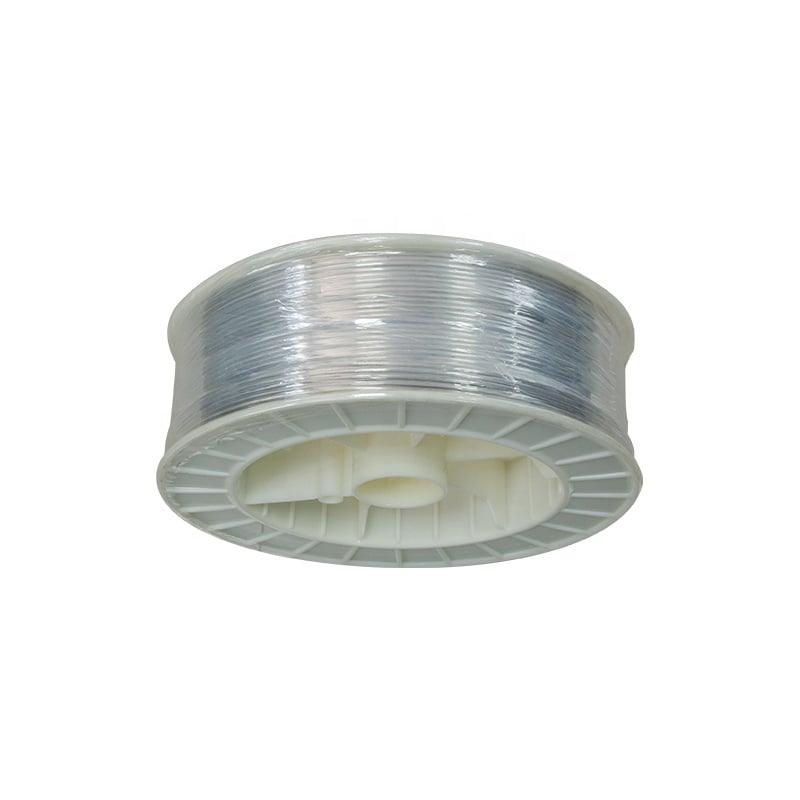
Well, for some (most) of you, this might already be a boring topic, but please remember, you are still coming to know about the fantastic world of 625 thermal spray coating. So, let’s get into what 624 thermal spray coating is, the production of 624 thermal spray coating in different jobs, its application, and compare its differences from other coating methods. So, let's get into it and see what the wonders of 625 thermal spray coating has to offer. Surface protection through 625 thermal spray wire It employs a unique metal blend known as Inconel 625. This blend is melted and sprayed onto the surface to form a very strong coating. This coating, which helps the surface to endure longer and protects against rust and wear. The “625” in the title is a reference to the proprietary blend of metals, which includes nickel, chromium and molybdenum. This unique blend is another reason that 625 thermal spray coating is a go-to for many projects.
The 625 thermal spray coating has many good reasons to be used. One big reason is that it helps shield surfaces from rust and damage from strong chemicals and extreme heat. In addition, a 625 thermal spray wire is extremely tough, making it ideal for high-usage surfaces. In short, 625 thermal spray coating is an excellent method to improve the durability and performance of various components and instruments during use.
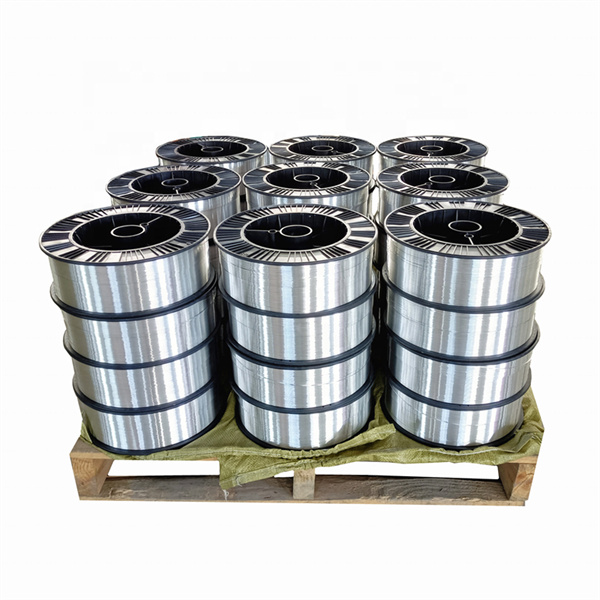
There are a multitude of applications for 625 thermal spray coating. In aerospace, it shields parts of planes from severe heat and corrosion. In oil and gas, it is used on valves, pumps and pipelines to stop rust and extend their life. Specifically, c276 thermal spray is applied to automotive engine components to enhance their strength and performance. It is also used in the marine industry, the medical field, and many other areas.
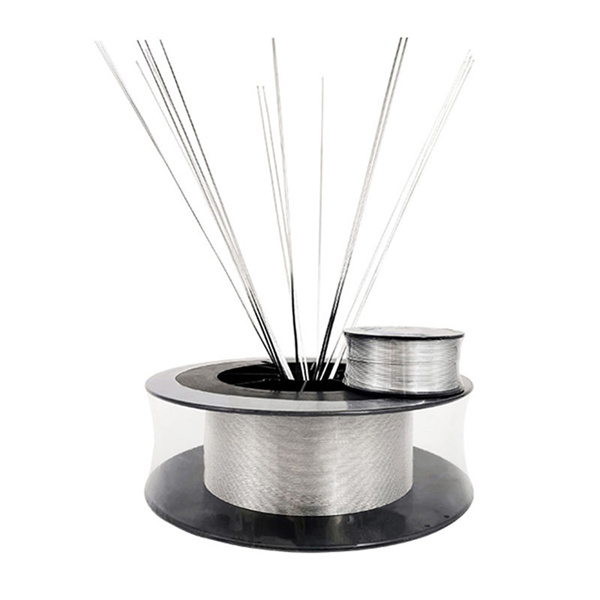
The process of applying 625 thermal spray coating is a detailed one that requires specialized equipment and training. This begins by cleaning and roughening the surface to be coated to provide mechanical adhesion. Afterwards, the 625 material is melted by a thermal arc spray and sprayed onto the surface in "thinner layers". The coating is built up gradually until thick enough. It is then cooled and solidified to form a hard coat. Properly doing this is paramount for functionality and longevity.
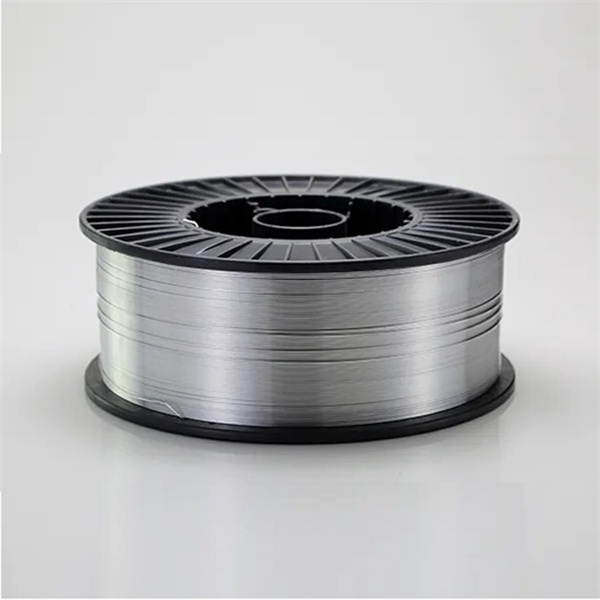
For example, thermal spray coating is far from the only procedure for coating surfaces, and every technique has its respective strengths and weaknesses. Compared with traditional painting or plating, 625 thermal spray coating is more durable, rust-resistant and has longer service life. This can then also be used on complex shape and surface. Compared to other 45ct thermal spray such as tungsten carbide or ceramic coating, 625 thermal spray coating has been found to possess a good compromise of beneficial properties, making it an effective all-purpose coating.
Control quality from the source, cooperate with high-quality suppliers for a long time, the purity of raw materials is more than 99.6%, and pass multiple tests such as spectral analysis and mechanical properties testing; the production process follows ISO 9001 standards, combined with real-time monitoring, non-destructive testing (X-ray, magnetic powder, etc.) and appearance inspection to ensure that the product qualification rate exceeds 99%.
The core products cover electric heating alloys, high-temperature alloys, special nickel-based welding wires, etc., with high temperature resistance, corrosion resistance and other characteristics, widely used in chemical, petroleum, aerospace, nuclear energy and other high-end fields, providing customers with high reliability solutions.
The company has more than 22 years of industry experience, with an annual output of 1,200 tons of alloy materials. The production base covers an area of 12,000 square meters. It has stable large-scale production capacity and can efficiently meet customers' large-volume order needs.
With mature production technology and testing capabilities (such as component analysis, resistivity testing, etc.), we can flexibly customize product specifications to meet the personalized needs of customers in different industries and provide full-chain technical support from materials to finished products.

 EN
EN